I purchased this property back in 2015 as turnkey rental.It was a B class rental in B- location and rented for about $850 a month.
It was a very stable property for a few years but in 2019 we had to evict the tenant who left this.
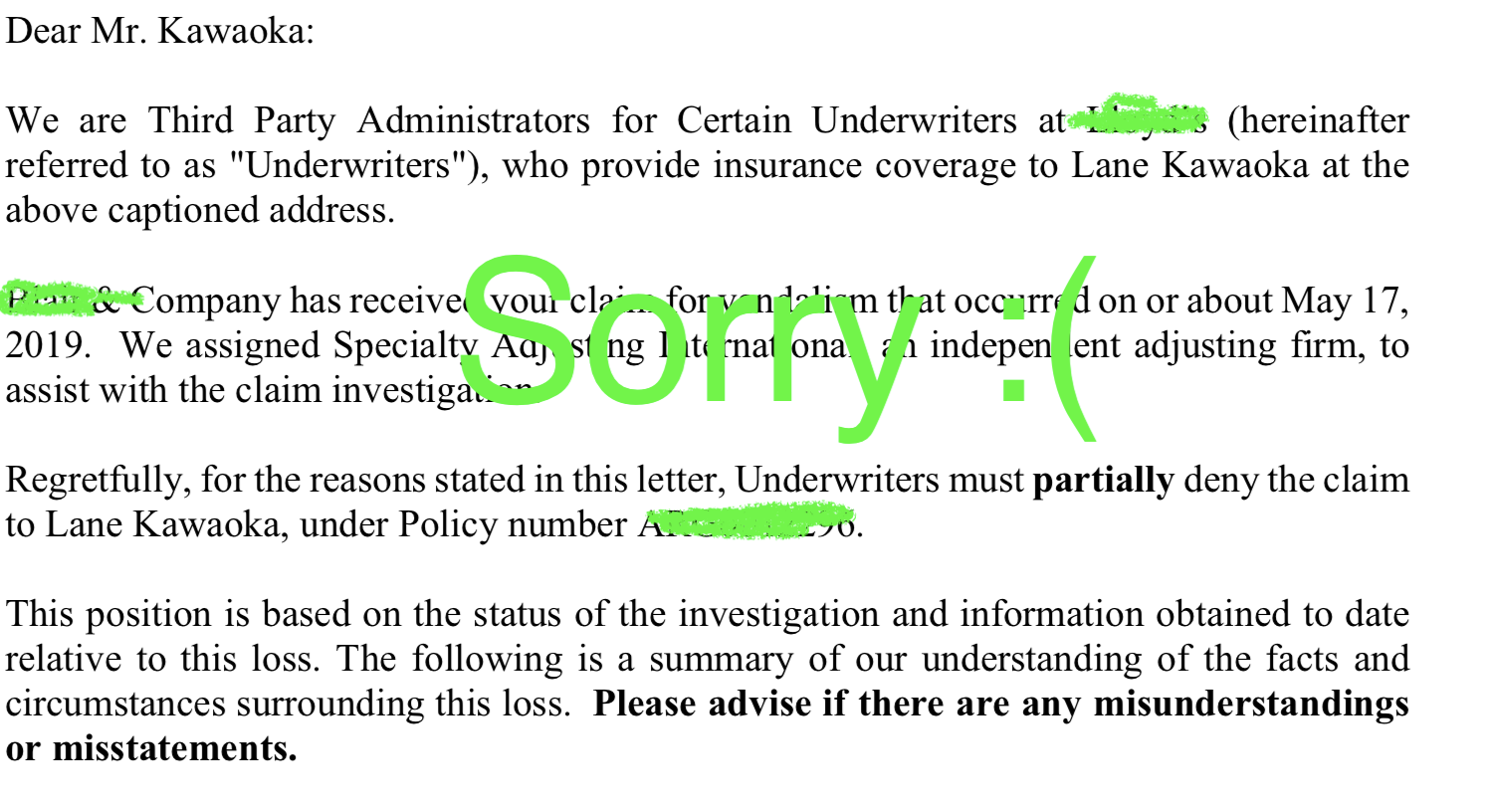
When I tried to put in a claim in the insurance company a couple months to get back to me with a really lame “sorry but we can’t help you” letter. Apparently vandalism is not covered. I even got the aid of our commercial insurance adjuster that I helped us with a $400,000 fire damage claim on our 114-Unit Apartment complex in Atlanta. His response is that SFH policies just are not as robust as commercial policies.
Another reason I am leaving the PITA behind and going to more scaleable syndications.
Scope of Work
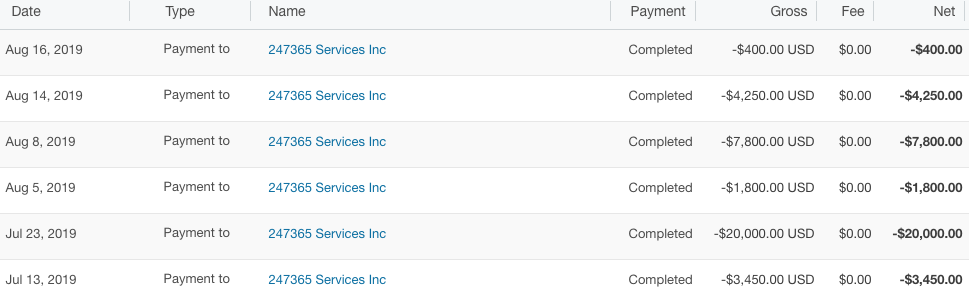
$3,450 -Interior and exterior clean up. Overgrown lawn and bushes. Pressure wash exterior. Exclude 55 gallon oil drums- 19.07.13
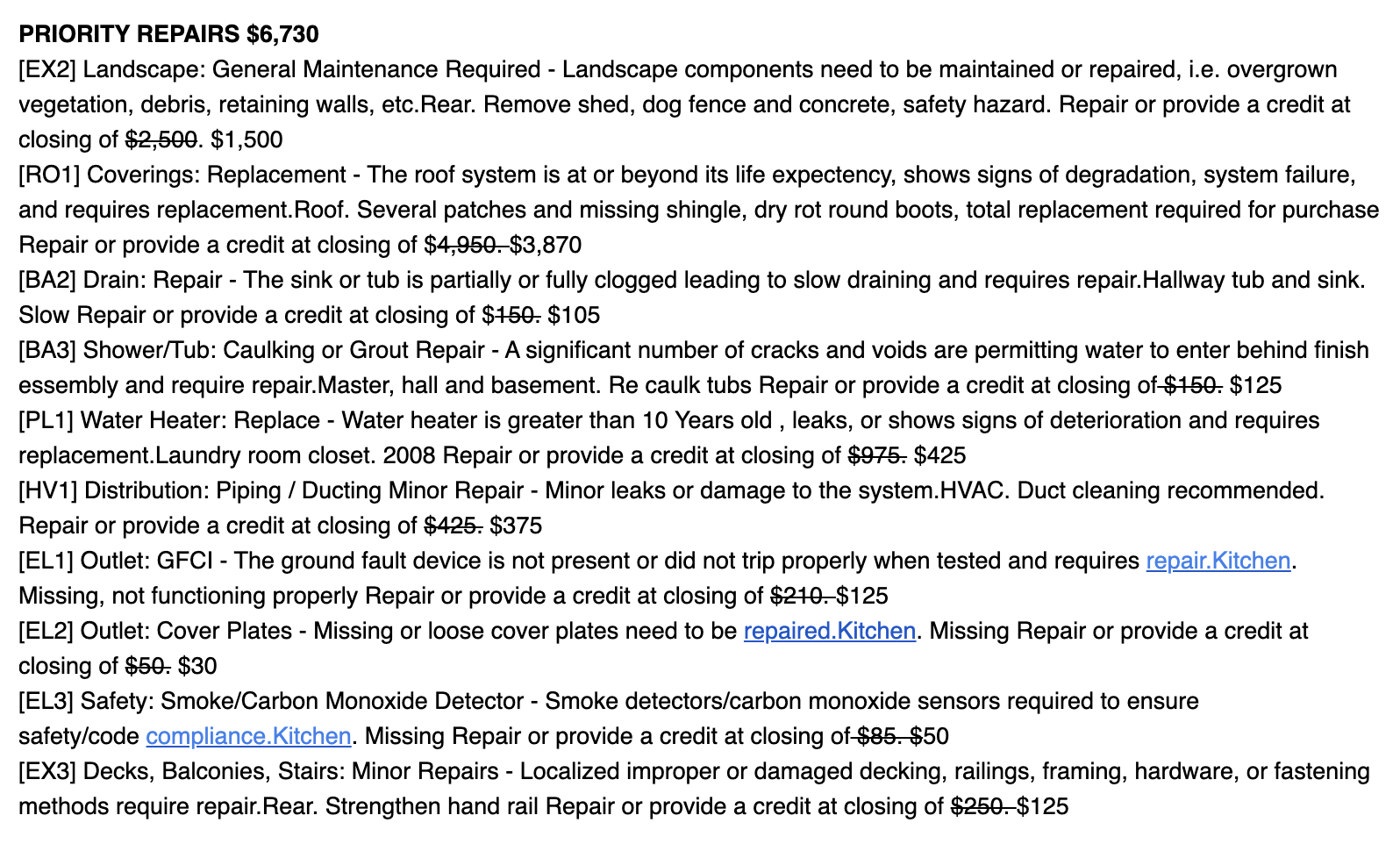
The buyer sort of played me a bit as a tad-desperate seller. I wanted to get out of the deal and move to just better deals with less of the aforementioned BS. This is called “re-trading” where the buy goes under-contract with all cash offer but then starts to make demands for repairs. I know its all part of “the game” but this is again why I don’t like messing around with SFH people since they like to waste their time. It reminds me when I was at my W2 job and had to sit through stupid meetings where other people were just trying to create more work.
Onward and Upward
Now I can take this money and go into one or two syndications!
This is why you see me doing smaller deals that although they are not spectacular 300+ unit deals it is something that I and a small tight-knitted group can qualify for the debt ourselves and organically raise the money ourselves which…
1) eliminates the need for artificial dead weight and liability in our GP and deal (risk for even LPs) and
2) we don’t have to give a celebrity GP a large portion of the deal which allows us to be fairly compensated as GP’s and do generous 85/15 LP/GP splits and under 1-2% acquisition fee deals
If this is totally foreign to you do not hesitate to contact me or setup a call if you are currently a Hui Deal Pipeline Club Live investor.
“What I’m about to say, I say with no judgment. I write not with the intent to point fingers, but because I know many of you have families that you love and cherish. I want you all to be able to be present with your families and be able to fall asleep at night, instead of putting your families through several years of expensive, anxiety-inducing lawsuits, SEC proceedings, and financial stress.
Something odd has been happening in the real estate syndication industry over the past few years. There is a new breed of sponsors that call themselves “capital raisers”–many of whom are violating securities laws because they’re being paid transaction-based compensation, despite not having a broker-dealer license from FINRA. Capital raisers seem to be coming up with all kinds of creative “loopholes” around broker-dealer laws that just don’t hold up.
Over the past few months, I’ve seen or heard about the following suspect practices
Capital raisers getting paid from acquisition or asset management fees
Deals with over a dozen individuals in the sponsor team
“Deferred equity structures” where a capital raiser is rewarded with a slice of the management or sponsor entity depending on how much is raised
Capital raisers claiming to be “part of the General Partnership” when they’re not mentioned anywhere in the PPM or Investor Summary/Deck
Investors being presented with the same deal from multiple different people claiming to be part of the Sponsor
If you are considering any of the above, or considering bringing in a ‘capital raiser’ to be a part of the sponsor team, I recommend you reconsider.
If you want to know more about why many capital raisers are raising funds illegally, I explain the legal basis in more detail in this article.”
And more on 20.03.4:
Client Alert: Recent Real Estate Syndication SEC Actions
DISCLAIMER: The following is not legal advice and does not create attorney-client privilege. It’s purpose is to educate you on newsworthy events. You are advised to contact an attorney for legal advice.
Dear Clients and Friends,
Last week, we received several calls and emails from concerned syndicators regarding SEC letters and subpoenas recently sent to several prominent syndicators.
The subpoenas surround an investigation around one specific company and several related persons and companies related to that company. Passive investors in certain deals relating to the syndicators have also received letters asking that the investor preserve evidence and refrain from deleting or destroying certain materials.
Although the SEC is vague in its communications, we believe the main issue in the investigation appears, at this time, to be the “co-GP” or “capital raiser” issue—i.e., the compensation and inclusion of third parties into the sponsor or management group (or GP). Previously, some syndicators believed that merely including a third party into the management group whose sole purpose or job was to raise capital would not require broker-dealer licensure under the “issuer exemption.”
While this initial investigation is limited so a few specific parties, we do believe that the SEC investigation may lead to further enforcement against additional parties based on widespread practices we’ve been seeing in the real estate industry.
WHAT TO DO
Syndicators (generally): We’ve been told by many over the past several months that “everyone else is raising capital this way and I haven’t heard of anyone getting in trouble.” Well, this is our heads up to you that people are now potentially in trouble. So please heed the warning—don’t use third party capital raisers, limit the number of folks involved in your syndication, and make sure that EVERYONE in your sponsor group has legitimate, on-going roles in the syndicator other than raising capital, investor relations, and due diligence.
If this issue sounds new to you, you can read our previous client advisory on this topic here. We also recorded a Q&A session on this issue with the former Western Regional Director of FINRA (the agency that regulates broker dealers) here.
If none of this applies to you, then keep calm and carry on. You’re doing great
Syndicators who have received a subpoena (none of our clients, since we’d never let you): If you know a syndicator who has receive a subpoena, you should tell them to lawyer up immediately. Friends don’t let friends respond, communicate, or contact the SEC without having a lawyer. Once your friend has a lawyer, the SEC knows that it must communicate with your friend through that lawyer. Your friend also should not hire any regular lawyer—they should hire someone who specializes in defending against SEC enforcement actions and does this on a daily basis. Bonus points if this person was formerly a regulator. While our firm does not do this, we know folks who do, and are happy to give referrals.
Passive investors (generally): One question we’ve gotten is whether its still safe to invest with the parties under investigation. Well, that’s up to you. You should know going into any future deals that these syndicators may be spending a lot of time and resources dealing with the investigation for the foreseeable future. Additionally, they MUST disclose in their offerings that they are under investigation. Basically there’s going to be a lot of extra trouble due to legal risks.
In terms of what happens from here on out (and what options are available to you), you must remember that you invested in private securities, so these securities are not publicly tradable and hence are generally illiquid. If you want to exit the deal, you could attempt to sell them via a secondary transaction, but know that 1) you can only sell these 12 months after investing, 2) you would need to disclose the investigation to the buyer, 3) it’ll cost a significant amount of money to do the legal paperwork that transfers the securities (and you need to consult the original offering documents to see if it’s even allows), and 4) it will likely be at a discount.
It’s hard to say where to go from here because there are a lot of pieces in play. The SEC could do nothing or could merely order that any compensation received by capital raisers be given up. They could also go further and order rescission (the return of capital) to investors, amongst a number of other remedies. State regulators may feel inclined to get involved. Co-investors could file a civil suit (which may end up with investors footing the legal defense bill depending on the indemnification clause in the offering documents).
Passive Investors who have received letters: You should follow the instructions on the letter. We have also gotten questions about whether it’s a good idea to call the SEC, since they invite you to communicate with them. In general, it is never a good idea to talk to any law enforcement without an attorney.
Earlier this week, I did an interview with James Eng, Senior Director of Old Capital Lending. James and I were doing a little promotion for his Old Capital’s national convention next month in Dallas, where I will be speaking about an epidemic that has hit the syndication community.
More than any other issue out there, this one issue is the one I believe will really bring some Syndicators down whenever they start having problems with their deals, most likely caused by the next correction, whenever that happens.
The epidemic is simply this: bringing in people into the syndication as pure “equity raisers.”
In the old days (and by old days, I mean 2-3 years ago) it was common to see single syndicators or at most 2 syndicators. After all, most syndications can easily be done by 2 people and when you add more and more, you are watering down your returns as a sponsor.
Even when more than 2, these syndicators had been business partners for many years and had done multiple deals together.
However, over the past few years, we have seen the emergence of “money raisers” who’s sole or primary role is to simply raise money. They go from deal to deal, offering to raise money in exchange for a “piece of the pie.”
Well…. Here are the 5 things you must remember when you are thinking of bringing someone into your syndication team who has the ability to raise a lot of money for your deal.
1. You CAN NOT compensate someone for raising money, unless that person is an SEC licensed Broker/Dealer. Compensation is not just cash. It includes ANY type of compensation whether shares in the GP, sharing of fees or profits or old fashion cash.
2. If you are paying someone based on how much money they are bringing into the deal (ie: transaction-based compensation), you are dead in the water. Game over. End of story. Period!
3. Even if you are not paying someone transaction based compensation, this doesn’t mean you are good. It simply means you are allowed to proceed to the next level of analysis and look at the ‘Facts and Circumstances’ of your particular case.
4. You still can’t directly compensate people for raising money (even if not tied to the amount they raise). So giving Johnny 10% of the GP in exchange for simply bringing in money is still a no-no.
5. They must be legitimate co-sponsors in the deal so they can rely on what we call the “Issuer exemption” and rules that revolve around it. In order to comply here, the co-Sponsor must be doing “substantial” work and the “primary” responsibility must be something OTHER than raising money.
If a regulator were to ask you “What did Johnny do in exchange for their 10% GP interest”, you answer can not be “He helped me raise money”. You must prove to the regulator (and it is YOUR burden) that Johnny was compensated for something else and that needs to make sense.
If you want to see the video I did this a few months ago (which has been viewed over 1,000 times), then check it out here. https://bit.ly/2lHLlxO Hope
As I continue to sell of my annoying turnkey rentals I can proudly say I am down to my final 4 of 11 rentals!
I normally list at 95-98% of market value to inspire multiple offers and entice those cash buyers who are a lot less of a headache – trouble is they don’t bite on over priced properties.
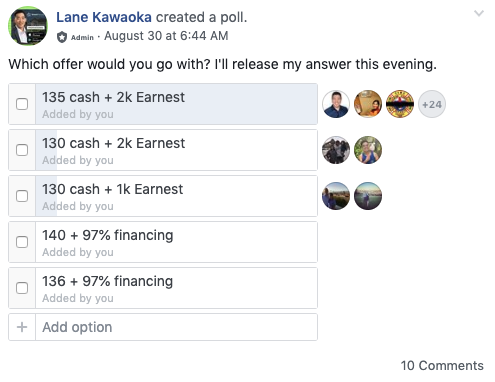
This property in Atlanta that I put over $35,000 of work into was finally put onto the market on Wednesday August 28th. We received a lot of traffic and the following offers the first day.
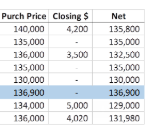
The listing came out mid last week. We had lots of showings. I told my agent to take best and final offers due Monday. The key here is to have your agent go to those who offered and whisper “$140k cash and its yours” We had some good offers but I got lucky and got an even higher cash offer!
Hunter is a full-time real estate investor and founder of Cash Flow Connections, a private equity firm based out of Los Angeles, CA. Since starting CFC, Hunter has helped more than 200 investors allocate capital to over 100 properties, which have a combined asset value of more than $350,000,000. In connection with these investments, he has worked with some of the most experienced and well-respected asset teams across the United States and Canada.
1) How much simple passive Cashflow are you making today and how are you doing it?
(You don’t need to give a number if you would like privacy. You can be vague such as halfway to quitting my job, cover my mortgage, Make 25% of my expenses, over $10k, although people like when people open up the kimono.)
I am a full-time passive investor since I am a syndicator and the owner of a PE firm that focuses on passive investments. My goal is to have my passive income be 5x my monthly expenses by 35. I would be happy to go into how that can be achieved. Of course, that is not truly “passive” but I think your listeners will find it interesting.
2) What is your Han Solo moment – Han Solo and his buddy Chewbacca from Star Wars were cruising around the galaxy as lowlife smugglers but then cross paths with Luke and Leia and his life took a pivot point. Describe the resistance that was the catalyst for change.
For me the European debt crises was my last straw moment. Unlike most investors, I was really excited about the opportunity which was presented in 2008, but later realized that stocks are just not a good investment vehicle for predictability and cash flow.
Did you “burn the boats” or did you let it happen naturally – was there an internal (you decided to make a change on own – what was thought process?) or external trigger (ie got fired from your job)?
I have had many moments like this through my career. 1) I realized that I couldn’t invest in stocks. 2) Raising capital wasn’t as easy as I thought it would be. 3) I didn’t have any employable skills. 4) I had to make CFC work as it is truly my only option.
3) Worst life/business moment what did you do after? Lesson learned?
Working at a Google ads sales job. I had no place in corporate America.
4) Current 2-week experiment and 6-month project? (90-180 day goal) A mark of a high performer is to put your ego aside and accept the help of others and mastermind maybe folks can help you by you asking.
I am trying CrossFit workouts. I am really trying to increase my productivity. Meditation. I’m putting on my first conference and working with my fiance’ for the first time.
5) What is your simple passive Cashflow number? Now imagine you had 2x that amount… Describe your ideal day, detailed routine, and what projects you are working on.
This sounds like an infomercial, but my ideal/perfect day is almost exactly like today, but I wish their was even more time in my unique ability, there were more zeros, and I had more opportunities to build more relationships with investors.
6) Something that you have recently or thought about “burning your cash” on for time savings or an improvement in quality of life.
I am considering hiring a Marketing Manager.
7) Something that you changed your mind on? Our ego often gets in the way of greatness.
Focusing on a mentorship program. I created it and don’t know what to do with it.
8) In this sellers market… what are you investing in? What should a someone who does not have a substantial level of cashflow yet be investing in?
MHPs and self-storage.
8) Tony Robbins identifies two large concepts that we are continually struggling to gain perfection at: #1-Art of Fulfillment and #2-Science of Achievement. If you died tomorrow and I were to email this to your kids a couple decades later… this is what they would hear.
What is your secret/hack for the “Science of Achievement?” Any secret habits to share? Morning or Nighttime ritual?
What is your secret/hack for the “Art of Fulfillment?” How you do contribute back?
Happy to go into the details of my morning routine, I am still working on the art of fulfillment, I haven’t quite figured that out yet. I typically donate to disaster relief exclusively for reasons we can discuss.
Hunter is also the host of the Cash Flow Connections Real Estate Podcast, which helps investors learn the intricacies of commercial real estate from the comfort of their home, car, or office.
Timeshares are the worse. Mostly because there is negative equity as soon as you purchase because you have to pay a huge sum of money to leave your monthly/annual commitment.
President and Co-Founder of Newton Group Transfers
Trusted timeshare exit company
Author of The Consumer’s Guide to Timeshare Exit
Featured as a timeshare exit expert in US News & World Report
Why do most people want to get out of their timeshares?
If you paid $20,000 for your timeshare, why you can’t sell it for a profit like most other real estate?
Why won’t the resort just take it back?
Why do you say a 100% money back timeshare exit guarantee is not enough?
Why do you say that going back to the resort is NOT a good idea?
Why does a secondary (resale) market for timeshares not exist?
Why did Gordon write The Consumer’s Guide To Timeshare Exit?
Founding Partner, Attorney, Author & Business Tax Expert
He sits on the board of directors for several companies and was recently appointed to the local board of Entrepreneurs’ Organization, a worldwide association of owners of successful businesses. He has authored more than 100 articles on small business topics and has written several books on good business practices, including first, second and third editions of Tax-Wise Business Ownership and 12 Steps to Running a Successful Business.
For Simple Passive Cashflow Hui Deal Pipeline Members book a complimentary session to the CPA/Legal team I use here.
2018 Tax Cuts and Jobs Act
2019 Changes vs 2018 Changes
Tax brackets changed
Mileage 54 to 58 cents
Alimony – only decrees 2019 and beyond
Standard deduction up
Retirement amounts incrementally up
Opportunity Fund Zone
For flippers only?
Shelter non real asset gains like stock gains?
Deducting Meals?
With Spouse?
With Client?
Take Lane of to lunch or Toby out to Beerlab when he comes to Hawaii?
Can you deduct rental expenses when you have no rental income?
You can have deductions as long as you have a property ready to be rented out. Even if it sits vacant – as long as its ready.
Paying your kids and parents.
Writing off car just for driving around with add on door?