SPC064 – Fundamentals – Ask Lane – LLCs, Helocs vs Cash Outs, Working in a Sellers Market, Hedge Fund


Whats up Chip, thanks for the questions!

I have become convinced over the past several weeks that i should get into my first SFH rental. [Can’t say I agree since I don’t know your situation]

My first question is, i keep hearing the market is overheated and the experienced guys are taking a break. That obviously concerns me. Should i be extra cautious? My thoughts are if the numbers work (i.e. good cashflow on paper) the market should not matter, am i being naive? Since i am just learning, if i break even and someone else pays off the note and i get the tax breaks (one of my primary goals) am i not still ahead of the game? My problem is I am new and may not see a good vs. bad deal. Are there some good resources you can guide me to on rental unit analysis. Is there a big risk people see that the mortgage tax deduction will go away in the next couple of years? That could be a big negative.

[First people say that we are going into a near (6-18 month correction/recession) is based of some true historical evidence. Typically market cycles last 8-12 years. The past does not predict the future. The future my be a correction in a near term or could be the greatest 4-6 year bull run. Things have stopped making any sense after coming off the gold standard and everything is based off emotions/fear.

I personally think that people who say they are taking their chips off the table and staying in cash are ‘playing the game not to win’. The big dogs can do this because they have substantial amounts of cashflow coming in. You may not – especially if you are in the beginning stages of building a portfolio. If you heard the chat I had with Jorge Newberry on May 31st we briefly discussed the “Art of the Deal” where you make deals based on sound underwriting. Because I work in apartments, the deal needs to be undervalued with under market rents to support a 20% IRR with conservative expectations of the market. That means that the current reversion cap rates don’t continue to decrease like how they are. That means you don’t speculate like a flipper that the market is going to go up. It means in one respect that you are operating independently of the market. LOL Easily said than done and requires you to find the needle in the haystack deal and be able to have the dealmaking abilities to take it down. There is definitely a divide between investors who buy (Good) turnkey SFH, (better) some value add MFH, and (best) value add MFH in distress.

Here is some If-then engineering speak:
If you are buying turnkey, then you are buying the (Good) deals and expect to make very little. If a correction happens, then you will be tested which makes it very important that you buy with proper due diligence and with adequate cashflow. So basically there is a razor-edge margin for error. But hey… its better than the stock market… as long as you can hold on to the home in times of trouble.

So you play this game between optimizing your liquidity and deploying in the Better and Best deals which rarely see the light of day in this Seller’s market.

The Real Estate Guys call this quantum (inefficiently deploying funds) the cost of insurance in times of uncertainty.

Me and my business partner were looking at some 8-50 unit properties in Dallas that looked pretty good but ended up not pulling the trigger because the numbers did not meet our standards. The funny thing is after we got a budget from the property management company, we went over our underwriting with them and the property management company told us point blank that we were underwriting these properties correctly and the deal did not make sense. Unfortunately, 95% of investors are buying things 20% more than they should. These are the suckers who are doing deals just to do deals. Part of the problem is that these investors are not investing their own money and are getting lazy but I’m speculating there.

But it frankly sucks how I am sitting here with my fishing pole in my hand not getting any action 🙁 No one likes a dry spell.

On the other hand be a treasure hunter and do anything unless its gold.

In that theme what are some big mistakes you have made or heard about that might help the next guy to avoid.

Buying from the wrong provider
Even if buying from the good provider, not being educated
Not having a mentor to hold your hand and get every cent in due diligence and to pull you back when the deal does not make sense

Next should i form an LLC? As i researched some select turnkey property tax data i see that only about 30-40% of the final buyers have an LLC. Why such a little percentage? Is there a big disadvantage? I of course will seek professional help. But before i do I would like to have a bit of a baseline to hold an intelligent discussion and to detect poor advice.

Let me first say that I am not a lawyer and everyone has different levels of risk tolerance and more or less to lose. Second, this is a #newbie question that signals indecision as someone thinking more about the “how” and the bad things instead of the why. Its a signal that you are heading down the road of no action. That said, I did not start with an LLC but then grew my entity structure and insurance levels to grow with my portfolio. You have to have balance, don’t put the cart in front of the horse but don’t leave yourself vulnerable. That’s basically a non-answer 😉 and I can go more into it as a coaching client if I know your situation but at the risk of people taking me literally in everything I say, I will not answer this directly because sometimes people fail to think for themselves and this is a highly individual advice. Here is some advice from a real lawyer and http://markjkohler.com/how-many-properties-should-i-put-in-my-llc/?inf_contact_key=7798f73b03f34189c37a4fa58d0e0c94b558ac75c935fe8c2a2a87fad33fdded

And check out his live events. I have been twice and going again this year: https://markjkohler.lpages.co/lane-kawaoka-seattle-wtw-2017/

How do i get good local answers? for example here in Houston a 20-year roof may only last 12-15 years, or so the roofers say. Would someplace like biggerpockets be the best place for questions like those?

Network with local investors.
Add value, don’t be an ask-hole
Sometimes you are going to operate in the dark. Like the disclaimer says “in everything there is risk”. If I take anything from my construction management jobs we always eat up the 10-25% project contingency because you never know what the unknown and unknowable is. Its funny because if you don’t spend your contingency then that is a sign that you are over designing (wasting money) and not accelerating schedule enough. You can mitigate it with a mentor looking out for your best interests but that’s about it. Buy right with cashflow and take into account contingency.

Lastly, I am quite nervous over this new unknown but i have the W2 income to cover a rental so its really just head vs. gut. Any links to general info you could pass my way would be greatly appreciated. I am also trained as an engineer and so you probably can sympathize with the need to analyze things to death.

Cool, you can keep doing what you are doing and you know what is going to happen. Or you can follow the less beaten road and follow in the footsteps of people who have what you want.

Really enjoyed the topics on the last podcast. Wouldn’t mind a more in depth analysis and discussion. I’ve been thinking a lot about lease vs buying a used car (a la Millionaire Next Door). Also the renting vs buying a house. What do you think about with buying, you are locking in your payment for 30 years whereas the rent you’ll pay will go up with inflation. Also, when there’s some equity a HELOC can be pretty powerful. Plus, as a physician, I can get a No money down loan with no pmi. Do you think that changes the decision to buy?

I’ll add this to the ask Lane. But I am not a fan of a Heloc cause you cannot get the whole equity amount as a loan. Normal maximums on Helocs are 80% therefore 20% is never really tappable. So when you are comparing the ROI make sure you are accounting for the 20% that just sits there.

People have been showing me a lot of development deals.

I am sure some people would be interested… personally, I just want stable cashflow in this market. I bring up this vague concept of the Sharpe Index. Part of this is that I know what is a 20% a year deal in MFH and that is all I need… I just need to be patient do what I do and I will hit my goals in a few years. It would be unacceptable for me to blow it just to get there in 1.5-2 years.


Podcast#62 – Fundamentals – 3 Things to do this summer for your rentals

Ask assistance from your property manager for your tenants about lease option. An option for the tenant to purchase the home.
$100 or $5000 lease option fee. A win-win for yourself as a home owner and for the tenant.

Hi property manager,

With the summer coming up and rent up season approaching I was wondering if you would be able to ask every one of my tenants if they were interested in purchasing the home via lease option.. Here is an idea on how to have a conversation about the proposition..

1) Praise the tenant for a good track record.. And let them know we are looking to create a win-win situation.

2) Ask if they would like to own their own home one day.. This also provides us information on if we need to plan for vacancy.

3) Present the lease option deal idea, if the rent is 1000, ask to raise the price to 1100 (+100) and 50 dollars goes to a deposit account and 50 goes as a fee as a deposit.

We can work on the exact contract with a lawyer. This is offer is not for everyone but is ideal for someone who has to recover from bankruptcy and/or has a credit score improving… Once they are signed on with the lease option this should greatly eliminate service calls making your job easier… Also when we sell you will be the agent on record on can have the commission$… Please report back on the following within the next month after you have had a brief conversation with the tenant: 123 Main Street:

1) Interested in buying this home? if not why/when? any issues with current living conditions? 2) What are their barriers to a lease option? (credit score, job/location stability) —

2) What are their barriers to a lease option? (credit score, job/location stability) —

3) Present the lease option deal idea, if the rent is 1000, ask to raise the price to 1100 (+100) and 50 dollars goes to a deposit


Podcast #061 – #LaneHack – Frank Ostaseski – What the Dying Teach the Living


Those who find Simple Passive Cashflow seem have a common habit of delay gratification and Type-A personalities. We struggle to find balance from living today (YOLO) or living 50 to 100 years. Decisions and mindsets that are optimized for one end of the spectrum are a detriment to the goals of the other. Frank Ostaseski in his 1.5 hour talk “What the Dying Teach the Living” gives us great insights with his insights of working with those who are in the last leg of life. Personally, I have giving up on trying to be a normal engineer and learn things on my own when I can compress learning curves and learn from the experience of others.
1) Don’t Wait – What are you waiting on? Compress learning curves and get Real Estate coaching 😉
2) Welcome everything, push away nothing – we are free to be open?
3) Bring your whole self to the experience
4) Find a place of rest in the busy of things – don’t wait until you are less busy
5) Cultivate don’t know mind – your ego gets in the way of greatness, question everything.

Podcast#60 – #LaneHack – Lease Don’t Buy, Push money into the future and invest


Link to Apple financing
-Invest and use your money to grow 15-20%.
-This lease vs buy analysis guide describes various aspects of the lease/buy decision.
-Cash flow: Leasing often has a lower monthly payment compared to financing with the same loan terms, since with a lease you’re paying for the depreciation during those years rather than the whole cost. If you need access to more cash every month, leasing may be more favorable.


Podcast #59 – Interview – Amy Wan – Advises on syndication/crowdfunding law & fights for the bootstrap entrepreneur


-family has RE background

-did private money loans, fundrise e-reit
-was GC of a private money online lender
-now, does the equity piece as well with Trowbridge sidoti
-turnkeys, but just started a company that’ll help RE syndicators, so the money is going towards that.
-Recently invested in a business coach that is providing great accountability mechanisms. I just started using productivity planner + 5 minute journal.
-Follow the money (instead of wasting time on little things), my life mission is to democratize law for the people, but it has to be substantial improvement. I’m not happy with the way law is practice today and how attorneys and clients are supposed to interact.

Here is my best attempt at explaining this… An accredited investor is a defined by the United States Securities & Exchange Commission as someone who makes a minimum of $200,000 ($300,000 if filing jointly) or has a net worth of 1 million dollars excluding personal residence. The significance of being an accredited investor is that you can invest in things that those with less money, cannot. You can also be something called “a sophisticated investor” which has a much more nebulous definition but essentially says you know what you are doing even if you don’t have that much money.

These laws were put in place long ago to “protect” the average person from predatory activity. The irony of this all is that there is no protection for the average Joe, or pension funds for that matter, against investing in a wildly bloated stock market at record valuations. Every major trader out there knows we are in a bubble but there is no protection for individuals dumping money into their retirement accounts to buy mutual funds.

It’s an archaic system which makes little sense. Certainly, there has been some recognition of this fact. The 2012 JOBS act made it easier for Main Street America to participate in “alternative” investments via crowdfunding and made it easier for sponsors to advertise previously unknown opportunities. However, we have a long way to go.

I would advise you that you need to know the lead syndicator personally. None of this “we met at a local REIA and he pitched me his deal”. If a guy does not have a list of solid investors they must lack the track record.

Contact info:
Crowdfundinglawyers.net
Amywanlaw.com
@amyywan

“In the end, you want to buy direct as possible. Buying REITS is the same thing as buying mutual funds with a bunch of middlemen. Crowdfunding sites remove a few layers but as a syndication working with a Crowdfunding site is very expensive way of acquiring capital. Sometimes I wonder who are the people using this high cost of private equity… Perhaps they are “desperate syndicators?”


Podcast#58 – Interview – Kent Lapp and discussions over jumping into real estate investing.

Start with SFH
Think these are your options… what do you want.
Use real estate depreciation to offset business income.
Lesson learned… don’t be your property manager.
#IntermittentFasting
The value of coaching and the network with it.
Have a manager manage your investment – find the key person.
Buy and airplane too.
Enjoy the simple things.
Earn you seed money in your twenties if you are starting right.


Podcast#57 – #LaneHack – Computer productivity hacks

Time is the Most Important thing!
Time is short we are limited in the number of days we have. The other day I need to scrub rebt rolls and get Zillow… perfect job for a VA.
Pull alll vendors and email for Atlanta Indy Birmingham.
Use the VAs I use with 10 hours for free.


Podcast#56 – Interview – Sep Bekam – W2 Electrical Engineer never looks back and why he does SFH and not MFH

Sep Bekam is a full time real estate investor and was able to get out of the rat race when he was 31 years old. He currently invests in 4 states and has acquired a portfolio of 50 houses and 80 apartments with his investors. Sep has been interviewed twice on the Real Estate Guys Radio Show and recently co-founded a real estate crowdfunding company. He enjoys helping other investors avoid making the same mistakes he did when he first started.

Quitting your job frees up so much time to progress business
2009 came around and getting fired was the best thing!
Oh no investing is stocks like Washington Mutual

1) How much simple passive Cashflow are you making today and how are you doing it?
(You don’t need to give a number if you would like privacy. You can be vague such as halfway to quitting my job, cover my mortgage, Make 25% of my expenses, over $10k, although people like when people open up the kimono.)
• Six figure range
2) What is your Han Solo moment – Han Solo and his buddy Chewbacca from Star Wars were cruising around the galaxy as lowlife smugglers but then cross paths with Luke and Leia and his life took a pivot point. Describe the resistance that was the catalyst for change. Did you “burn the boats” or did you let it happen naturally – was there an internal (you decided to make a change on own – what was thought process?) or external (you got fired) trigger?
1. Live in Orange County, California
2. Love to travel, paintball, attend seminars
2. Went to school for electrical engineering because that’s what I was taught
4. Started working and felt like Office Space
5. Was very stressful, 2008. Recession hit, I had a nasty, egotistical boss (also an engineer)
6. I was told when to go to work, when I could take a break, when I could eat, and when I could see my friends and family.
7. And then I was laid off after 4 months. I go to school for 26 years to be laid off after 4 months
8. Then went on to pursue masters in robotics
9. Cousin introduced me to Robert Kiyosaki’s book called Conspiracy of the Rich
10. Fell in love with real estate investing. Found podcasts
11. Big influencers: Real Estate Guys (Robert Helms & Russell Gray), J Massey, David Lindahl, Ken McElroy
12. Got the cash flow bug. I wanted to own apartment buildings. I thought it would give me freedom so I could stop trading time for money.
13. Tried investing in OC but nothing cash flowed. Then I began searching for markets that had properties with better cash flow. Everyone told me I was crazy and I should invest locally
14. Bought my first 2 properties in Phoenix. Two 4-plexes.
15. Evictions, broken windows, bleach on the carpets, management excuses, etc. while working full time job
16. When I started investing, I made virtually every mistake possible: overpaid for properties that appraised low, meth labs,
Robert Helms: “Live where you want to live, invest where the numbers make sense”
• Investor Identity – Why does it matter?
• Marketplace: How to find good emerging real estate markets
• Team: Team includes: Property Manager, brokers, leasing agents, evictions Attorney, contract review attorney, Mastermind, insurance brokers, public insurance claims adjusters, CPA, tax attorney, securities Attorney if you are raising capital, etc.
• Deal:
-Self managing vs.hiring a property manager. Managing the Manager
-If I fail, it’s my fault. If I succeed, it’s because of my Team.
Why I am focusing more on single family rental portfolios than apartments?
• When the crowd is going one way, there is a lot of opportunity in the opposite direction
• Gurus often compare owning 1,000 apartments to self-managing 1 house
• Why not manage your houses like an apartment complex?

3) Worst life/business moment what did you do after? Lesson learned?
-When a bank tried foreclosing on one of my apartment complexes…even though we never missed a mortgage payment.

4) A mark of a high performer is to put your ego aside and accept the help of others and mastermind. 2 week experiment and 6 month project? (90-180 day goal) Perhaps people can help you out? Any secret habit to share?
Secret Habit #1: Fast way to underwrite deals: 1.5% rule
Secret Habit #2: Surround yourself with investors that are ahead of you. Not the talkers.
Secret Habit #3: Investor Identity

5) What is your simple passive Cashflow number? Now imagine you had 2x that amount… Describe your ideal day, detailed routine, and what projects you are working on.
• Simple Passive Cashflow number: $50,000/month.
• Double that: $100,000/month
• Travel to Europe 6 times a year. Underwrite deals while living in Lake Como, Italy for 3 months.

6) Something that you have recently or thought about “burning your cash” on for time savings or an improvement in quality of life.
• I could hire more employees, expand the team, invest in additional marketing to be able to help, teach, and create 1,000 millionaires per year.

7) Tony Robbins identifies two large concepts that we are continually struggling to gain perfection at: #1-Art of Fulfillment and #2-Science of Achievement. If you died tomorrow and this was your final words of wisdom, what is your secret to the “Science of Achievement?” And “Art of Fulfillment?” How you do contribute back?
At the Unleash the Power Within seminar, Tony talked about the importance of measuring all of the important aspects of life to ensure fulfillment:
Draw a wheel (circle) on piece of paper and divide it up into 7 or 8 spokes. In each spoke, write the following:
1. Finances
2. Relationships
3. Time
4. Body
5. Emotion
6. Mission
7. Contribution
Then shade each spoke from the center on a scale of 1 to 5. 1 being awful and 5 being excellent. When you’re done shading each wheel, you’ll notice that some areas might be a little bit off balance. Just like the tires on your car, if they are off balance then your car can’t go as fast or run as efficient. It’s important to make sure that the wheel is balanced.

8) Anything we missed and contact info if you would like anyone to get a hold of you. URL?
Facebook: Sepehr Bekam
Like Our Facebook: Real Estate Investing Quotes


Podcast#55 – Fundamentals – Ask Lane – U Haul Crane Report, Turnkey Apartments, Clay Pipes

Van lines and U-haul report
Similar to how there are turnkey providers for single family that manage everything, is there anything similar for multi family/apartments? spring lake plumbing and tv clay pipes
http://assets.rlb.com/production/2016/06/22082434/RLB-Crane-Index%C2%AE-North-America-January-2016-1.pdf
https://www.google.com/search?q=Rider+Levett+Bucknall+North+American+Crane+Index&oq=Rider+Levett+Bucknall+North+American+Crane+Index&aqs=chrome..69i57j0.343j0j4&sourceid=chrome&ie=UTF-8

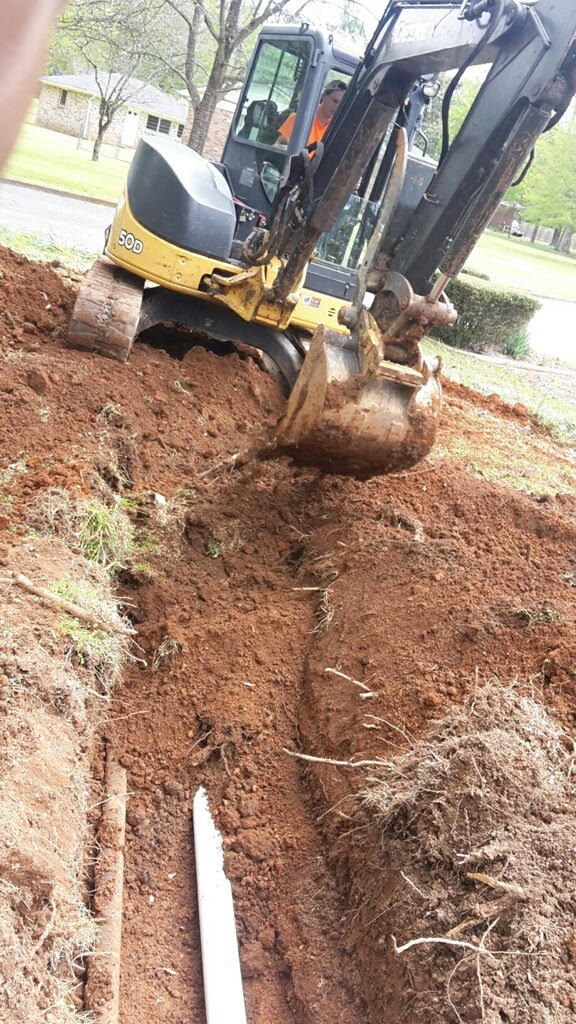
I was having a lot of trouble with the plumbing getting clogged up in this particular property. Especially when it rained.

Come to find out the roots outside the home were growing in the pipes. These pipes were made out of clay and the roots like to find the water source and break the pipes. The solution is to get a Backhoe and operator for half the day to dig up the old pipes and replace with PVC. Where did I get this info??? My day job as an engineer 😛


Podcast#54 – Fundamentals – Debt Deal vs Equity Deal

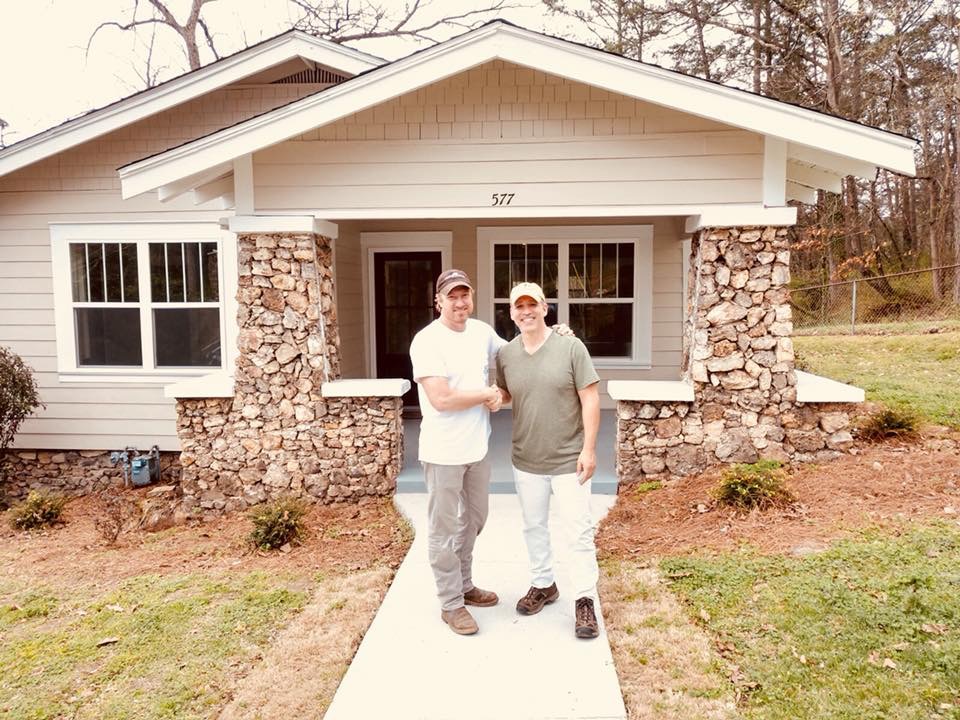
Debt deal typically has less risk but less reward. Below are a couple of my guys (below) who lent money to as the Private Money Lender are sure happy after their hard work and risk. Lucky guys! They sold for $15,000 over anticipated. But for me as the debt investor, I saw no equity upside.

Equity deals have a lot more options on how returns are paid out. You partake in the upside returns and downside risks.

Well, at least the bought be dinner while I was in town.