Live Coaching call w/ Accredited Investor Lawyer


Any lawyers out there – simplepassivecashflow.com/lawyer

John used to be in our Incubator group and now in our Mastermind

Remote Investor Incubator & eCourse – SimplePassiveCashflow.com/incubator

-Professionals looking to build your network with others on starting this journey to financial freedom
-11 modules in a closed membership site plus 2 bonus modules and download kit
-Bi-weekly Zoom Video calls (Plus all past turnkey rental recordings)
-We walk you through best practices for Tax and legal so you acquire your first remote rental in our 5 month program
-Staffed membership coordinators for extra support to get over the sticking points and to connect you with the right people in the group (if you are shy)
-Access to our ever-changing rolodex of top turnkey companies, brokers, property managers, and insurance companies

0:41
So tell us a little bit about yourself. Um, we met like about a year, year and a half ago, but you know, just just sort of people listening out there. Maybe cut them just give them a sense of you know where you’re at. So when we go through your personal financial sheet and your mindset went through this coaching call they can kind of, you know, certain people will resonate with this. Yeah, sure. So thanks for having me on. So yeah, we did meet about a year ago at the time, I was just so I’m a lawyer by trade. So at the time, I was switching jobs from, like a big law firm, so more like intense work to house positions. So that kind of after law school, I did, like five years at a big law firm and that’s like a very intense 80 hour a week job. So you don’t see much of friends, family and all that. So trading your time and and all that it gets it gets that, you know, brings you down. And so I started listening to podcasts maybe three years ago, and then I came upon yours probably two years ago, on six months before we met, and then so just educating myself and why don’t I get kind of out of the rat race, that whole mentality like everybody does, and reading rich dad and all that, like it’s not but I knew I couldn’t really I didn’t have the time to spend on investing other than listening to podcasts and reading books. There, but eventually I found once I made this switch, job wise, it freed up a lot of my time. And then kind of alongside with that I on the family fun I like, you know, had a kid and started to settle down more. So then it’s starting to be mobile, you know, sustainable environment like I’m not. I wasn’t like, you know, stuck chained to my desk per se, but I still wanted to pursue investing more seriously, you know, about a year ago. So then I’ve been since then we’ve been kind of talking about getting my first turnkey property. That’s something we’ll probably talk about today. And so that’s kind of my background, you know, having the high wage, but, you know, now time constraints with family and then also just having to grow my portfolio organically. That’s, you know, that’s my position.

2:45
So when we first started, you had written like little Memoirs of a lawyer thing for me. What were some of the I thought that was pretty powerful. I didn’t know that’s how it really was in a lawyer. My journey was You know, being a construction supervisor, that’s how usually engineers start out, work some of the best stories that we can throw a teaser in there, and they’ll link up the article that you put together for me kind of here.

3:12
Yeah, so it was, I mean, it’s when you get to law school, you can go a couple different routes, and one of the more popular routes to pay off like yours, you know, we have like, at least 160 in debt is a common number, like 60,000. So and, you know, for me, like it was even more than that. So, you know, you try to get high paying job and they call like, a big wall job. And these are the firms that you know, it’s kind of like the equivalent of you know, high finance type thing. So, for me, it was like representing like, these big m&a guys private equity guys who you know, they’re working also 80 to 100 hours a week grinding and but you’re like, even you know, you’re servicing their needs. So you’re on call all the time you don’t see your friends and family and you can’t really make plans, you know, so it becomes frustrating on a personal front but also like, you can See the partner track. And that was something that really just to satisfy me, you know, you see guys who kind of get the golden handcuffs mentality you come in, you’re making, like I think starting now is even higher, but it was something like, I think currently is like 180,000 to start so you can imagine like, they’re paying you that money much money with zero experience other than going to law school like they’re gonna pretty much only own you, right? So like, you’re sitting there like Friday night, you know having dinner with a family that, hey, this weekend, we got a deal coming in, you’re done like you had come in. And it’s like that for like, you know, and then you don’t know when it ends, you know, I’ve taken multiple trips where, you know, I just go like on a four day binge, like up to another office and you’re just working 24 hours a day, and it’s really high stress. It’s not just like being there and like turning paper. It’s like, it’s very high stress. Like, I’ve never actually had to go through that kind of like

4:51
stress. Do they ever like I mean, when I was at my job, like, I was telling my wife the other day, like, you know, they would tell us Oh, that’s pretty poor planning, they will literally say stuff like that and they just like be super mean to you. And yeah, that’s that’s horrible leadership. Right on the farm Lucius was initially just talking to me like that. But yeah, no, that’s not

5:13
you know you can imagine like a stressful environment that’s exactly the stuff that happens to you right like not only dealing with like the work itself and then like not being able to see your friends family then once a while like people get like testy, right. Like, I was fortunate not to have too much of that, but like, there was some times where you’re like, you know, there’s some clashing and then you’re just like, dude, like, now you just hate your life, right? Pretty much just miserable. And like, I can’t leave you feel the sense of like, I can’t leave, right. So it’s like, I have this deal that’s there. Like it’s gonna lead me to my desk for the next two months, right? And it’s like, Oh, great. And and now I’m like feuding with somebody on the team. It’s kind of you know, that happens. So, I mean, it’s, it’s tough, like emotional. I mean, just talking about in the abstract, it seems like okay, it’s fine. But like, one of the things I think I mentioned, that article was like, we were dealing with a closing or something for a deal that didn’t work out for like Two months. And then the night before, like, the, the partner I was working with, and he’s like 20 years old. I mean, like, and he’s just like, you know, how can you like we’re like the smartest. Like, we think we’re the smartest guys in the room, but there’s like a client there who’s like, he slept like four hours ago. And it’s like, 2am now and he’s gonna wake up in the morning get paid like 10 million. And like, I’m gonna have to close another deal tomorrow night. And he’s like, this is like, not the best career to get into. But like just hearing that from somebody who like you think made it right. He’s making probably like, one 2 million a year or something, which is great, but he’s like, he’s working 100 hours a week all the time. And I always go into that stress. I was like, Why? Why not beat the client? Right? That’s, that’s just something everyone would probably think about. But it’s not easy to do that, of course, but sometimes, like I had the opportunity to think outside the box because I’m younger, you know, I don’t want to get down that road where like 20 years from now I regret everything.

6:50
Right, right. So I’ve got your your personal financial sheet for those of you listening in, or watching on YouTube little follow On the visual aid, I got the personal financial sheet. So currently you’re making about 13,000 a month, which, but how much was it back in the day when you’re at that crappy job much higher?

7:14
It was higher. So it was, um, it’s probably and see, this is like 140. Yes. I think it was like, like 16,000. So,

7:25
yeah, see some 16,000 to high 12 Do you notice the difference? I mean, yeah,

7:34
yeah, you do. Okay.

7:37
Yeah, I do. I mean, like, back then you’d like used to seeing like a big paycheck and you’re like, oh, man, like, Great. I’ll use that someday, you know, but now it’s like, oh, I want to use it for investing. It’s like, Oh, well, it’s not that much. I have to save some of it for you know, the kid and the wife and then you know, the rest of it. I guess I have to try to figure out how to best it.

7:56
There it is on on cue in the background. And that’s the other big thing right? You lost the secondary income to win. Yeah,

8:04
that’s another thing. Like my, my wife was in the same profession as me. And then once we have kids by a year and a half ago like she stopped and so you can imagine we were saving putting away a lot of money and then we end up getting you know, house here in California, which is expensive real estate to live in. We can talk about that some more. But that was all planning to have a kid and then she stopped working. So now we’re kind of like, in a more, you know, stable environment, just my job. But yeah, there’s not a lot being saved. So it’s tough.

8:35
Yeah, so dual income, no kids instagramming traveling all over the world went to single income. And then the student loans stayed the same. So yeah, let me see where that is. It’s under page three here. Somewhere in here. You’ve got about 2300 Hundred in loans per month? Yeah, what’s the principal on that thing? Or the total?

9:08
I think it’s the total. I’m not saying balance, right. It’s like, still got 170 left to pay. Okay. Okay. So the first thing, you know, I think we got this done when we just put this on the format, right? Or not different, but just the least as possible, which is a lot. Now we tried. Yeah, so that’s something that we started out talking like, immediately, a year ago, you said try to negotiate and see if I could get a longer term on it. Like for me, unfortunately, I was already like, in a weird spot with my loan where there wasn’t technically qualified as a student loan, like in terms of the government, they wouldn’t let you refinance into another student loan. So even if I found a better rate, I have a really good rate, right? Like, although you say that doesn’t matter. Like that’s what drew me in three years ago, when I refinanced it, I gotta get a rate and then then I tried to refinance it last year. It’s a personal loan now. So but a lot of other guys out there who listen We’re trying to do this, like if you if you can refinance it like, I’ve talked to a lot of the major like student, student loan like lenders, and I think the best you could get is like 15 year term. So like, I’m still like, on, I like six and a half years left. So it started originally like 10 years. But I think like you were saying spread it out as long as you can. So that 2400 a month becomes like 1200. If you can, that’s feasible, our cash flow.

10:27
Yeah, most people will be focused on getting rid of debt. But that’s maybe not the best thing to do. Right, the cash flow for you to save to buy properties is probably more important. Yeah. Because right now, yeah, you’re making a ton, but you’re also spending a ton. Your net cash flow is you’re barely able to save 20 grand a year. Right. And you go on vacation that wipes that out? Yeah. Yeah.

10:57
So I guess one last question on the whole students thing is that

11:02
is that why, like you hear all these guys like refinancing and stuff like that? Is that the the new answer that if they’re refinancing from like a government subsidized loan to a private loan? Yeah, that’s right. Yeah. And that’s why there’s like, I don’t know my wife came out yesterday and one of her boneheaded friends was like, Oh, the, we will refinance all this this student debt and now it’s 3.5. And I was like, it doesn’t seem right to me. something going on here is that so that’s the thing that’s going on, right? Well, no. So

11:38
I think now like if you did it, I think that is right. It sounds like too good to be true type thing, right? Like something real is happening. So it starts at 7% thing around for government when you put all those different loans together. Yeah, a lot of these guys they’re getting it for like 3.5 for 10 years, or whatever it is. And that’s obviously to anybody seems great, right? But like again, like I didn’t realize that I should choose a longer term if possible, and you can always pay more. Right? Like, that’s something that I learned from you. Okay. Okay.

12:06
So that the ammeter ization schedule a lot shorter.

12:10
Yeah, as long as a 10 year, right. And that’s, that’s the problem. So it’s 10 year or something like you can go to as long as five years. Some people do that, like, they think like, Oh, I’m gonna go through residency in med school, I’m gonna get out and make 200 grand, I’m gonna pay it off in five years, but like, that five years, not guaranteed, right? You know, that’s the problem. And same with my job, right? When I got out of default five years was like, barely able to do it. And so that’s the thing, if you could, right, you would try to do a 15 year and I think they used to do even 30 year that’s like, that was pre recession now. But I think now 15 point along as you can get, and like, okay,

12:45
okay, now No, no, I see exactly what’s happening and I can rebuttal. But yeah, nobody, none of those guys ever listened to me.

12:53
Yeah, they go on to the rain, I thought was what I went to, like, chase the rain, because great I could pay it off. But that’s like you You’re paying still $2,000 a month. That’s like a whole?

13:03
Yeah, no. Yeah, I mean, the, for those of you guys, I mean, go check out my article, simple, passive, casual, calm slash debt. So it was in my articles in Forbes. And I wanted to get in Forbes because nobody listens to me, but they just have Forbes. But it’s not all about debt or interest rate. sophisticated investors don’t look at interest rate or debt, they look at your impact in your network. So in this case, if he can go for a longer amortization schedule, for free up more cash flow to invest in more assets, like rental properties, that will have a bigger, positive impact on his network at the end of the day. So also looking at this, you know, why is your cash flow so low? I mean, obviously, it’s here. It’s living expenses. So you live in California, and you own your own home. We can talk about that. A little bit here, I think. So I was like, dude, you gotta get why you read Why you bought bought a home? And so why did you buy a home? This like,

14:06
it’s probably half cultural and half. More than that. I mean, culturally like everyone around here like that’s kind of like all my friends and family that’s like what you do right when you get to this point in life, like so there’s that brainwashing aspect of it and then like, there’s like for me personally, it was like having a kid that was a big part of it. So once we knew I’d be like starving for a house. I think a lot of my friends and colleagues are doing that too. Like, no matter what you say, like renting is better type thing. Everyone has a sense of like, Oh, god, oh, my own home, right. So it’s kind of hard to convince anyone otherwise. You know, it’s weird. It’s just at least for where I’m at. And the people are like, my friends who are high pay professionals, whatever. That’s kind of what everyone’s thinking.

14:49
Yeah, yeah. I mean, you guys the article there simple passive, casual, calm slash home. If you guys want to take a look at that it’s better to rent in primary markets, like California, Hawaii, Seattle, all east coast. But you guys, you know, do the numbers yourself because numbers don’t lie. But one thing I did ask john here was like, one observation I’ve been having is the spouse whether the spouse is male or female doesn’t even matter if they have come from a place of financial scarcity, like they didn’t have too much money growing up. A lot of times what I noticed is the house is super. They cling on to that. Yeah. But I remember for you is kind of the opposite, right? I mean, but yes, I don’t know if that’s right. Right. A lot of this is like pseudoscience and I kind of am been at this for too long, but just a little observation of why that is. Because people want security and safety.

15:54
Yeah, I think that’s what it is. And I mean, it’s for some people, like some of our friends are good majority of them. They think that it’s like your California and appreciating markets. So they think that’s investing too, right? Obviously, we’re not like, trying to get in for the appreciation, but like, some people think oh, it’s like I’m putting money in a piggy bank growing at a greater percentage than my savings. And I think it’s safer that way. Right.

16:17
Majority think that way. So yeah,

16:18
and then they talked about like, the tax deductions and all that and like yet, you’re still paying 65% of that. Yeah. So But yeah, I think like still like, yeah, it’s more comfortable living for sure. But it’s like, you know, like, it’s a it’s definitely an expense in my eyes, like, you see, like, it’s a liability. It’s but for some people still think of it as like, Oh, I’m gonna buy this great asset.

16:40
So that’s another

16:42
mistake. I guess a lot of people make in my age in this area, at least. Yeah,

16:46
but what’s done is done. And you know, you got the kids so you can’t really move around. You got to mobile, but there’s enough breathing room here that we can, we can move around a little bit. Yeah. So that’s where we are, you’re able to save about 20 grand a year at most. But hopefully once you start to get going, you know, you can definitely put a turbo charge in the savings and maybe your pay will go up a little bit and your you might tighten the belt and expenses. So that’ll be that’ll be helpful. All right, so where are we at today? You know, your assets, how much liquidity do you have on hand? You’ve probably got like, right about 40 I told you to save like 30,000 for is like a down payment on a good B C class property. That’s like 100 grand. And then you’ve got a little breathing room 10 grand for other cash reserves. So you’re ready to go there. Let me see how I mean so your home is 920,000 and your current mortgage on that is six 600,000 about you got to lock in that you you go check that out.

17:56
I did I put that somewhere down below and I’m continuing liabilities are something I think maybe it’s not reflected. It’s on the it’s the extra hundred on my, on top of my student loan payment that’s 2460 under under uses of cash but down below, see 2460 above that? Yeah, right there. So that’s like I think it’s like 140 or so month in terms of healing payments, it’s like outstanding balance of 16,000 is it was a $20,000 healing because I got it right as soon as I bought the house so they were like, you can only afford $20,000 healing you know, at the time. Okay, okay. I used it I maxed it out for me like no, we renovated house we went all in and

18:39
you went all in and then some

18:41
Yeah, and then so Exactly. So very happy with real living but paying for it now. Right. But yeah, the he likes it interestingly 10 year loan. So like, that’s not something I’m worried too much about, you know, like 10 years from now student loan will be gone. I’ll have a lot more to pay it off. All that it’s not that much. But it doesn’t really give me much flexibility there. Right. It’s not like an open line of credit it’s I got three four grand on that I could use if I need to for emergencies, but I’m slowly paying down like $100 a month.

19:08
So that’s 2020 grand of this $900,000 house is just barely 5% Yeah, I mean what have you thought about going out and getting like one of these teaser long teaser rates for like 80% LTV? No I haven’t and then going out and because how much did you take out for the HELOC? 20 grand yesterday? Did you actually use I think we use all that at first but now it’s down to 16 days outstanding. Okay, I mean effect is that still the 20 but like you could probably you’ve got $300,000 here. They, they’ll usually give you 80% I mean, you could probably get a HELOC for like 150 200 I guess guessing and then you pay off the 1617 grand you check out that the site simple password Cash Flow calm slash key lock. Okay. But here in Hawaii, there’s like three or four banks that because we only have six banks here there’s three or four banks that are always competing for HELOC business. So they’ll give you like these one or two year. Key locks at like, like one or 2%. And what you do, it’s a little game and I have sort of the instructions there like you can hop from one to the other to the other. Yeah,

20:30
they have like the minimum hold periods. And that’s mine was at least, like minimum periods in which it has to be open or something.

20:37
Yeah, but I mean, you’re a lawyer figure it out. It’s not too hard. But the whole point is not not so much the rate, right? Because like I said, sophisticated vessels don’t care about the interest rate as much, but it’s now you have access to like, $200,000. Yeah, you just a fraction of that extinguishes. 17 grand. That’s a lot You got another big chunk to use to go out and buy? Let’s just see a 200 you could buy 12348 rentals to create $2,000 a passive cash flow a month. Yeah, I think that’s the that’s one of the next steps after buying this first rental because you can use your liquidity right now. That’s no problem. But yeah, put that on your action item list for sure. Okay, cool. Because there’s gotta be like the teaser rates in California, just look around for them or Screw it, just pay the 5% or whatever it is, whatever the market rent rate is. But the important thing is you’re getting on the 80% of the value of the available budget balance, right. I know I’m saying it wrong. But yeah,

21:46
so that is like if I took a HELOC, let’s say let’s just say for example, $150,000, he lock and then I use, let’s say 30,000. Next property, I’d be paying interest on a 30,000, let’s say a 5%, or whatever right? And then I just had to make sure the numbers work where when I run the numbers through my rental property calculator that at the end of the day, the cash flow can service that as well. So it’s positive. That’s the whole idea.

22:10
Yeah, I mean, you can even put like the 100 200, grand and HP and you’re making 5% still netted out, right? Obviously, I don’t really want you to do that, because that’s kind of putting too much eggs in one basket. But that’s just a theory. Right? That’s actually a good idea. Because you can, you can find find the sweet spot, like you’re saying, right, like, get a good chunk that you know, is gonna pay off in those nodes. It’s guaranteed and the rest of it is deployed. And just make sure it’s positive cash flow on these turnkeys. Right, right. So I mean, what kind of transition more granular stuff right now but you know, once you get your first rental, now you’re dead in the water right. So the next step would be to get the HELOC going. Just English that that first mon $17 in the current keylock. And then now you have way more money to play with Right at $20,000 one, it was like a sucker deal that’s like then giving you a free appetizer where you got to pay for two freakin entrees. I know. Yeah,

23:10
yeah, that was the same bank to that my mortgage with. So they’re like, we don’t care, you know like,

23:16
yeah, yeah. So the banks will actually the other banks are more than willing to walk you walk you by the hand and how to do this? Yeah, yeah.

23:28
Cool. That’s great man. I mean, I knew there’s a ton of equity going to be stuck in this place because it’s part of the deal. But I just didn’t know how to access it. I was like, I don’t know what they’re gonna do that he walked in. I didn’t really think too much about either too much hassle to refinance or whatever it might be called, where you get a HELOC to extinguish this.

23:47
Yeah, yeah. So that that’ll be I would start that in the next month. But right now the task on hand and what we’ll kind of talk about now is you’ve been doing some work on you know, calling around to some turnkey providers. I gave you a list of some guys I’ve worked with. And then yeah, maybe give us an idea where we’re at now and then we can kind of roll through this sheet.

24:10
Yeah. So I’m, I’m looking in the, in Alabama in Birmingham, that’s one of the two places that you mentioned. There, Atlanta, so I just kind of focused on this one from cash flow. And so then, I don’t know, this is probably over six months ago, I started calling some of your providers and and people you’ve worked with in the past just to get just to, you know, make a relationship. And then they started sending me properties, you know, and then I put them at analyzing money, your deal analyzer spreadsheet, which I think you have somewhere. And that was super helpful, like that thing allowed me to create data points and like, start to compare, right? Because until you start doing the analysis you like, you don’t know that 1% of the whole like with any of these properties look like? So I started doing that a while back and then I kept a log of maybe 4050 properties over time. time that I started looking at and just most of them just didn’t really make sense they didn’t cash flow under your at least your setup at least like in terms of they didn’t get the red minus more you know pie and then also minus all the reserves they just didn’t have positive cash flow so there’s only a handful that did and so now I’m at the point where and I was able to network with some people that you that you knew too and and you connect to me with it so one of the investors uses this current provider I’m pursuing their property under in Alabama and that’s where I’m hoping to lock down the next week or so.

25:39
Yeah, and that and that’s like one thing I tell every investor that books a call with me that like you got your job is to go find other passive investors where they’re, you’re buying turnkey rentals or looking for syndication deals. I mean, the the network is the most critical thing in your network work is your net worth is the same and I mean, I can only help you so far. But it’s the other relationship with other people that are gonna be there doing the same thing. And on the same level as you are critical.

26:07
Yeah, it’s really cool to invalidates everything, right? Because like, of course, like one success story when you’re telling other people it’s like, you know, you think like, oh, maybe Lane just got lucky or something, you know, like, people who listen to you probably don’t think that but like, if you’re new to the game, you might think, Oh, it’s just somewhere I lucky. But then once you start networking with these people, like, man, there’s a lot of people out there who are doing exactly what I want to do and what Lena said to do. And they’re doing really well apparently, because they’re just still chugging along, right, then find their fifth sixth property. So that really helped to like just kind of, just to sell it to me, you know, and then also now I can sell to others if I can do it, right. But

26:42
yeah, yeah. And sometimes I’ll try and find this guy who’s pretty. He seems really dumb just to make you guys feel better.

26:53
I mean, that’s what I got. When I got started. I was kind of like, Man, this guy can do it. Yeah, I can do I can be okay. Yeah, yeah, no. I think that’s, you know, whatever. It doesn’t get you motivated, right?

27:05
Yeah. For sure. Like people who like you think like, Oh, you gotta have a lot of money or whatever it is, like, a lot of it’s hustle, right? That’s what I’m learning like, I just need that’s a lot of it’s like having the time to hustle on the side like and do this. That’s the hardest part.

27:20
Yeah, I mean that part of it. I mean, that’s the guys signing up for like the one on one coaching. It’s like, like, for example that he loved we just talked about right, like, at the end of the day, sometimes it’s just accountability. And it’s just like, john Did you freakin go and like get that talk to the bank for five minutes? No, man, I didn’t you know, why not? You know, would you rather like work for another six years at 20 grand positive cash flow a year to get that hundred 20 grand. Would you rather spend 10 freakin minutes to go get that he locked and get 120 grand that way? Yeah, that’s great.

27:58
Yeah, I think people like It’s like, it’s the lack of Yeah, like we just don’t know, right? Obviously, you don’t know what you don’t know. And then also, like, you don’t think about it the way that you might write, you’re like, oh, man, that’s like getting another loan. I’m not ready for another loan, but you don’t realize that that’s a good debt. Right? Like in the scheme of things at least. So until you said it 10 minutes ago to me on the call. I didn’t you didn’t click with me because I’m still pointing into the hole. You know, like always thinking?

28:22
Yeah, I mean, that’s why the personal financial sheet is is so powerful, right? Because I can see the whole picture. Yeah. Yeah. It’s really cool. So yeah, so the first thing here, the purchase and sale agreement. What’s up here?

28:40
Yeah, so I can give a little Do you want me to give a little background on this? Yeah, sure. So um, so pretty much I talked to this specific provider and they have this pretty short form purchase and sale agreement. And I think you mentioned laying that like for you, there’s MLS deals and there’s not in last deal. So unless there’s a form right, that’s already like everyone’s It agrees to I guess if you bought the MLS so it’s more mutual here, if you’re going to the turnkey providers on learning is that they provide their phones, which makes sense to the seller. And it’s gonna be probably more favorable than in terms of being like skinny. So they have less reps or, or whatever representations or whatever they are saying that you’re gonna get with the deal. So it’s kind of like, I’m gonna, like I’m in the wild west, I need to figure out what I need to include in here that doesn’t look overly oily either, right? Like, I can’t just add on 20 pages to this thing.

29:31
Yeah, yeah. And it’s good that, you know, this is why I bring you guys on because a lot of the stuff I forgot about, but Yeah, it is. I remember talking about this in one of the first podcasts, the first 20 podcasts are all about turnkey rentals and this kind of stuff. And I mentioned, you know, you can buy properties three ways versus through the turnkey provider. And it is sort of the Wild Wild West you’re buying it. It’s so I don’t know if it’s MLS transaction. You know, I don’t know I’m not a licensed real estate guy. So I can’t advise on that. is not legal advice, but you know, you’re signing these like, kind of wild wild west one page documents that are probably more. They’re not very neutral, I’m guessing. But, you know, like I said, if you’re working with good people, you know, you don’t need contracts my opinion. Yeah, right.

30:21
And so long as I’m learning to like from, from this, like, it’s hard for me because the lawyer I’m gonna if I were representing me, you know, in this deal I would probably go harder on this but like knowing kind of the relationship that stay here and like, a lot of goodwill between the investor friend that you that’s a mutual friend who referred me to this provider, like that’s, you know, I can’t really rock the boat too much. You can only ask for the bare minimum like what I actually need economic terms.

30:48
Yeah, and I’ll kind of correct myself real quickly because I’m sure someone’s like head exploded on that one. Like, I do contracts. Don’t get me wrong. But like you said, it’s the relationship right? Because the thought is You’re going to be working with the sky into the future. And hopefully that person wants you to work with them that, you know you have a contract, but it’s like, hey, let’s treat each other fairly. And let’s go in with, you know, good faith that, you know, this is what I think we’re going to buy, what kind of property we’re going to buy, and this is how we’re going to work through the transaction to both come to a mutually agreements. Yeah, yeah. Yeah, so the other couple ways of buying a rental is going through the MLS, or getting a like kind of like a, you know, just going to getting a broker and then also the other way is like, kind of finding a more turnkey property yourself and getting another broker to represent you on it. In both cases, you’re typically doing that MLS transaction, we’re using the Moore’s this, whether it’s the state’s forms, very neutral document a lot longer, maybe even seven pages or something like that. But I mean, I In the beginning, I felt more comfortable with the MLS stuff.

32:03
Yeah, I mean, when I bought my primary residence is like 810 pages and my agent walked me through and I was like, Okay, I didn’t even try it. I didn’t negotiate any of it other than like, maybe the price stuff but, you know, that’s like when you’re a piano I guess primary residence you that’s what you expect, right? But here it’s like okay, now no one’s gonna protect me when I’m buying from the provider. So I really got to think about how this works around this issue, like I’m trying to figure out what’s, what are some things that absolutely should ask for, like I know about contingencies? Maybe we could talk about that a little bit.

32:38
Yeah, yeah. So some of the contingencies I like to use our our roll running down here. inspection, contingency appraisal, contingency and financing contingency. If you don’t, you don’t know what that is. I mean, I’m not a lawyer. So I really want to stay neutral here. But these are ways of kind of giving yourself an out out of the trend transaction. Obviously, you want to know that you’re financially solvent to get a loan. So you don’t have to pull that financing contingency because that’s not cool, right to go into the cycle, but we’re talking about when to go on good faith. You know, some some turnkey providers will will make you sign something saying hey, if this property comes up not appraising, which means like, let’s say you buy a property at $100,000, but the appraisal comes back at 90 grand. And there’s a difference there. So sometimes you write it the right you can back out but the turnkey provider may may have something well if you’re within 5% too bad, so sad, your stop. Yeah, or they may make you waive it altogether. And then you know, the inspection you a big part of this is going through the inspection, getting an inspector in there and making sure you’re not buying a lemon. And then that gives you an out, but also you gotta you know, on top of this, the big the big, overarching thing is like as a turnkey provider, you’re very you got turnkey providers lining up around the block. And I’ll tell you, like, when I started doing this in like 2014, going out of state, there, there were a lot of us, but now it’s ridiculous how many people are like, like, I can’t find cash flow in California? Well, duh. And everybody’s figured that out. It’s been a bull market in real estate for the last dozen years. And everybody wants real estate now. So I mean, some turnkey providers have like lists of people. And you don’t get to see a single property until you come up on up in the queue like three, four months later. And then they’re like, Alright, you have two hours to decide if you want this. Yeah, you know, I really recommend that that type, but, you know, that’s that kind of is how the game is.

34:52
Yeah. Yeah. So I find myself kind of fortunate with this one, like, I mean, a lot of goodwill obviously between the investor And this turnkey provider, I think she has like over five, six properties with this, this provider. But But yeah, like so on top of just like the trust part of it this, you know, I think they didn’t ask so this contract just like getting into the nitty gritty, they didn’t really ask for like an earnest money deposit like, just that that’s non refundable anything is actually there’s nothing like that in there. So I could technically walk away after signing this contract. You don’t want it to right. Of course, I’ve burned that bridge if I did it for no reason, right? Yeah. So I guess I just want to see like, what kinds of things I should try to push in now I’m trying to finalize the contract before I take on leaving, like traveling soon. So I’m trying to finalize before I leave so that I can get my inspector.

35:46
I think you will always be traveling when a transaction is happening. So that’s just how life it is. Yeah. But so I would do the instance inspection and the financing and I mean, the appraisal was up to But I think those those two are very common. Okay? But you know you’ve built you’ve built a rapport with the seller and in you know, he, your your fair guy that’s why I like you. Like you know, as long as things don’t come up too ridiculous I’m sure you’ll just go through the transaction or maybe even get like a little concession work on a concession but just you know that’ll just grease the transaction and that’s where I think if there’s only there’s one place in the whole process where one on one coaching or just signing up an hour of my time is super critical is during once you get that inspection report or even a little bit before getting an inspection report to coaching council then spectrum what you want. That’s that’s where experience comes in. Yeah, um, yeah, I was trying to try to write up like an inspection tutorial in the mastermind page, paid coaching page the other night and I’m like, I just can’t do this. This is more experience and feeling out the relationship and how much you can push. Right? Yeah. Um, so But that said, I don’t think that you can really get, you know, these turnkey providers will, will have a list price. And that’s pretty much the price Dude, you might be able to get $500 off, if they’re desperate, maybe even 1000 if they’re really desperate, but the price is the price, but you just have to go into the transaction and spend your $500 and getting an inspector to get you some evidence that the property is not up to par. And then you work the way through the transaction. One just one aspect is like, let’s say the roof, right? Say the roof has. It’s like a 15 year old roof and there’s only like, the inspector says, well, it’s kind of in bad shape. It’s only gonna last for a few more years. A remedial action could be replacing the whole thing or two Putting up shingles and spending like, you know, a couple thousand dollars on that. Right? I think in that case the you know these turnkey properties it’s not to say that you’re going to have a new roof right but you’re going to you should have a roof that should last you maybe about at least 10 years. So whatever it gets you up to that length of lifespan. So that may mean this situation that a couple thousand dollars of repairs and crews afternoon of work to get it up to that standard is fair game. That’s what you should ask on your inspection report. Or you know, when you come back to then go negotiation tape, I think that is fair. You don’t want to be one of these terms, providers that are turnkey buyers who think that that’s you owe them the world and the moon because you’re gonna get fired as a customer you know, and never want to work with you again. You want to be fair and reasonable, but But yeah, then again, you’ve never done this before. You don’t know what fair and reasonable is.

38:58
So like the way I approached it. Without knowing I mean, just learning through what you provided, like those resources you have on your page and stuff. What I kind of saw I further down there when they sent me, I asked for the scope of work on what he did to rehab this property. And then I thought to myself, like probably like when you have that initial conversation with the inspector, it’s probably like, mixture of these items are what they say they are. Is that is that the right approach? Like Like they say they have a new roof New Age back, I think like refinish floors and all this stuff. Like those are the high like, I think you have somewhere in your page. And those are the biggest capex expenditures.

39:33
Right, right. Like plumbing. Electrical. Is it the right electrical? Yeah. All that kind of stuff. Right? Yeah.

39:40
Big, big dollar issues that might like screw you over in the long run when the cap x time hits you. Like those are the kinds of things I figured I would ask the inspector to focus on. Right?

39:50
Is that am I thinking about that the right way? Right and and this is super critical. When you’re talking to the inspector. You want to build up a rapport with that guy. Because it usually is a dude. And he’s usually want to find the older ones because I mean, that’s that’s in my opinion, like you can’t really tell who is the good ones are the bad ones. Yeah, you can go on Yelp and whatever. But years of experience, unfortunately reign supreme in that industry. But the more important thing is that you can talk to the guy. And he’s not just like, he understands that you’re just not another residential owner occupied owner, right, which are 99% of the characters. He works out there. You want to tell him say save the space of the report and don’t put any others garbage like, Oh, this concrete panel for the sidewalk is not level with this concrete panel or this point, still dangerous. You know, like you want the big stuff so that you can he can build up ammo for you to go to the negotiation table. But if he fills up that report with all a bunch of noise and junk, now you look like an idiot at the negotiation table. Right? Right. Yes. So he needs to be on The same page as you and I know you’re like, Oh, you know, john, I know exactly what you want, right? Like, you want the big stuff. And now I can focus in on that for you. And then, you know, maybe build the rapport enough to be like, Hey, you know, like if you were buying this as a owner on non owner occupied rental, like, what would the big things you would ask for? Like, would you buy this property? Now this is kind of on par with whatever you’re selling out there.

41:24
Alright. Cool. That’s good. That’s a good approach. Yeah. So I guess I should send that to him. Right, like the scope of work that the turnkey providers sent me like, send that to him, and then have a call and say, Hey, before you get in there, this is like, what I’m focused on, and then ask him that question, like, what would you focus on and see what he says? Make sure he’s thinking about it that way, right.

41:44
Yeah, yeah. And then, you know, we’ve talked in you saw that mastermind call where, you know, different nuances like, you don’t connect the turnkey provider with Inspector, right. You want to play the quarterback. A lot of guys, they’ll just say it Here, Inspector, here’s the phone and contact for the provider, right? Like not to say people aren’t going to do, you know, are not dishonest, but you know, that’s a good situation where you have conclusion behind your back. So try and, you know, tell the turnkey provider say, hey, when are you busy? All right, Tuesday at eight o’clock it is and then you call your Inspector, right? Tuesday, eight o’clock, be at this place, talk to this person. And then minimize all that. This is how you do this without ever flying. They’re just doing it smart. But again, at the end of day, you got to trust professionals. Right? And you know, it’s kind of a shame that this this guy is so critical. You’re only paying like 300 500 bucks, right?

42:45
Yeah, yeah. So yeah, that thing that was really important I think this guy was I end up choosing someone on the on a list of one of your like, referred providers had to, like send me their vendor list. When I had a call with them, I don’t know eight months ago, I haven’t found a good property through them yet but this guy was on that list and then the investor friend refer this inspector and same with this provider. So it’s like I got enough objectivity that I’m not worried that it’s just someone this providers paying off right? So I was able to book discounts and more confidence and then I just need to talk to him.

43:22
Yeah, talk to the man right? relationships is important.

43:26
If you’ve been following my journey, I’ve been selling my initial real property and transitioning into syndication deals lately for more purely passive investment strategy. One critical part of my portfolio is the American Home preservation fund, or what folks in the we call HP for short. George Newberry once apartment owner, operator and mentor to me is now sponsoring the podcast is private fun, which by the way, also accepts non accredited investors cuts the middlemen out and allows you to invest directly with him to fight the mortgage crisis in America. join him by purchasing distressed mortgages while getting a double digit annual return paid monthly. Find something else better out there. Well let me know. Feel good knowing that you are helping families stay in their home after buying their underwater note at a huge discount, invest as low as $100 by going to HP servicing.com slash investors. And if you want the free burns on book, please send me an email Lane at simple passive cash flow calm.

44:30
Well, that’s a light bill.

44:37
All right, so moving on to item four here property management, right.

44:43
This one was you want me to jump into this one?

44:47
Yeah, sure.

44:48
So this one’s a little tricky for me because I think a lot of

44:53
a lot of the providers, you know, if someone’s been looking out for providers, a lot of them do in house, right? And so there’s that whole argument like is Are the incentives aligned or not? They’re selling you something just to get the property management on it or versus are they selling you something? And they want to make sure it does well, right. So then in my case, so that’s like the whole, like, it’d be in house property management or not for turnkey. In my specific case, this provider doesn’t have in house per se, but they have a relationship with two property managers. That’s kind of like part of their system is what I’m understanding as I talk to them more about into the investor fan. I’m learning that it’s it’s kind of like this provided uses two different managers puts a lot of his clients investors like, properties with them and his own portfolio, and then kind of was able to play them off each other and be like, hey, not playing law, per se, with the Hey, this guy’s doing it this way. Maybe you should try it like this just to get the best out of each of his two property managers. And he’s selling that as part of the system to me, so I didn’t understand that at first, I think I talked to you earlier about in the process about bringing your property managers that you had recommended. But then as I raised it to him on the call, I think that kind of got the sense that he was saying, and then I talked to the investor friend later, like, you don’t get his guarantees and his work product, his stamp of approval and hand holding afterwards, if I go with someone outside of that his world, the property manager, so he can’t really like, he’s like a cost control is a big part of what I’m selling you. So like, if I sell you a good property as it is today, I stand behind that work. And then I’ll continue to service it with my teams at a cheaper rate than you would get if you went with someone else outside other property managers, because I guess he’s saying to flex a little bit of muscle, because he has so much, you know, at stake with these property managers. So that’s kind of where I’m leaving, like, okay, I should probably use who he recommended as opposed to going with your guy, but it’s still like, I want to make sure that seems to be the right choice for me at this point. But I kinda want to get your thoughts on like this whole how this whole thing works, and maybe it’s helpful for listeners to because I feel like there’s different ways that this property management stuff works with turnkey providers, like they’ll have it in house. They’ll have it way, my situation is where they outsource it, but like having some kind of control over, and then they can go a completely third party like I just pick my own like I like if I went with yours, and then there’s like levels of accountability there, right?

47:12
So this guy, he’s referring to a couple people are those people in his company or? No, they’re they’re outside his

47:19
company, but he owns he says he owns a large portfolio of properties. And he like splits it 5050 with each of those guys. So he’s able to say like, he has some power over them, and he refers to each of those two. So he’s kind of like saying, like, hey, they’ll listen to what I say type thing. And also, like he says something about like, having his own crews like being able to do like smaller things, right? Like, if AC goes out, for example, here’s like, if an AC goes out, instead of a property manager, just calling an AC repair guys. 150 bucks says come and look at it. He can get his own crew to be like, because I copy him on work orders I have to the property manager, right. And then, and then this tracking provider would copy and he’d be like, wait a minute, let me see. Just go send my guys out there, I pay him like 25 bucks an hour anyways, they’re on my payroll. So they can look at it and they’re on my rental team so they can look at it and fix it if they need to in like an hour and then also spot other things on the property that might be wrong. And then like that way he can keep a pulse on the properties. And from what I understand, the investor friend said that system worked really well for her like she has, like over six properties with him. And he’s, you know, it’s been working really well that way.

48:27
Well, I guess one thing, like the turnkey providers, I don’t like using their property manager, I feel like it’s too much power conflict of interest. Because what if that property is a piece of junk? Well, that that in house property management is going to kind of hide the dust under the rug for you, right? Because you want to be able to have a third party person being telling you when you want to buy another property from this guy. You want to ask your property manager like Hey, is this a good area is even good property right? So that relationship is is key, and then the asset to you and you kind of for gold that when you kind of work with these collusion type of I’m not saying it in a bad way but and of course, there’s I’m sure there’s kickbacks and all that kind of stuff happening to you. But at the end of the day, if these guys give you the level of service you’re you’re wanting that’s, you know, I have no problem with that. That’s just it is what it is. I don’t know. I haven’t been in the conversations you’ve had, but based on what you tell me, I would maybe it sounds like I’ll just try them out. I mean, right. Yeah, that’s, that’s how I’ve done it. Like, just try them out and sort of what makes me fire them is like when I get these ridiculous like $800 Plumbing Repair, that’s just a freakin leak. And what I can and on is like, what is the hours of the work order? If it’s 12 hours to fix a toilet leak? Goodness gracious, like, what do you guys doing? Like watch a TV on my couch and like there’s tool you know, What the heck was patty cake all day long, you know, trying to get my toilet unplugged. And sometimes it’s ridiculous, right? And that’s when I move. And that’s when your network is so critical that then you can ask your your buddy, like, Who are you using at that point? Okay, yeah, that’s it. I mean, I would say, I would just say just try him out, please kind of put you in a hard position, right? He’s like, hey, john, like, Look, man, I really suggest using these guys. And you know, just to kind of grease the transaction a little better. Kind of like, Alright, well, we’ll see how it goes, you know? Yeah, that’s true. But then I again, I did have my guy go check out the property for you. So, you know, obviously, that’s time out of his schedule. I know. Right? So yeah, but he gets it. You know, my, my guy gets it. He does it for a lot of my clients too. So it’s, you know, a lot of my guys will go with him too. Yeah, but

51:01
Yeah, so that’s why I figured like I didn’t that was the sensitivity to where I like after I talked to your guy who’s a good guy, like I didn’t, I can, you know, it’s just tough to be like, I took someone’s time, and he did me a favor to look and say, you know, this looks good. This property looks good to buy, you know, give me a thumbs up there. So like, I think I’ll have to have a conversation with him probably, and just let him know, like, this is how the system is working with this provider. And then just let him know, like, hey, you’re like, anything else has provided your online top of my list? I want to work with you. Right?

51:31
So yeah, yeah, I mean, I guess I think with 70% certainty, you will be calling my guy in the next three years. For something else, right. I don’t know. Maybe, maybe send them like $100 gift card or something like that. Yeah. You know, if anything, maybe in the next property, he could, like, you know, do a drive by for you. Yeah,

51:56
that’s something anything outside of this kind of arrangement. That’s what I’m learning, right. I’m obviously My first time like even doing this out of state thing, so it’s like, you it’s it’s you’re juggling a lot of different pieces. And I’m like, man, I, like have too many wheels in motion. I just don’t want to like be wasting people’s time. So that’s a good idea like I should. I should you know anything outside of this system. I feel like, obviously, he’s the one to work with. But also like, I should probably talk to him and let him know how much

52:23
another idea I had, like when you actually head down to this place because you’d never you’d never been to Birmingham, right? Yeah, you don’t need to and there’s not much to see out there. But, I mean, if you ever went down there, I was gonna say, well, maybe you take them out to lunch. But you know what, like, a lot of us guys in real estate, we don’t want to have frickin lunch. I guess time is more important as like the father us, you know,

52:47
he’s gonna take that as a more of an offensive. And I’m not gonna,

52:50
you know, like, I mean, I’ll say here, right? Like, you know, people come to Hawaii. And I’m like, Look, yeah, you sign up for the hoodoo pipeline come with DeGeneres. Invest with me. Lunch at you, you know, we’ll have a call, well, I can wash my dishes and like, you know, pick up after my dog in the meantime and do something else. So we have a 15 minute conversation, but the time is valuable, right. So that’s why my idea is like giving like a gift card or something like that. Yeah, that’s good. I think a lot of people are just like, I don’t know what, where they get their manners from, but they’re just like, Oh, it’s a favor that I get to take them to lunch.

53:30
I can buy my own lunch, you know? Yeah.

53:36
Nice, but just, yeah. So it sounds like a good idea. And then I got a Yeah. To see what the property management agreement was with my turnkey guy. So

53:48
cool. So insurance is an excellent what’s

53:50
going on there. So I haven’t started on this road. yet. The investor friend mentioned that she could give me her contact. But I also wanted to know if you had someone and like at what stage Right like I know you obviously have someone but like what stage do I when I’m dealing with all this other stuff exciting the contract game Inspector? And when do you engage the insurance person?

54:08
Well, you might want to do it right after the purchase and sale agreement is done because then you give them the address and then they you know, that spreadsheet, that analysis spreadsheet, right? That’s when you start those are all guesses still, right? Like I can get like a certain percentage of the purchase price right? Now you go to the address to the insurance guy and say, Hey, give me a quote. So I can fill in that with an actual right I’ve got kind of some podcasts on that and you know, the the you know, in the Facebook group I really shy away from giving recommendations for tax legal and whatever because it changes from time to time. Yeah, I’ll leave it at that make sense? Yeah, there there are that you know, there’s there’s companies out there that definitely be watching out for their what they do. This is like this master lease. trick, or mass not massively master policy lists. So they’ll they’ll ensure all the small claims and like 25,000. But on the bigger one, they’ll kind of like, I don’t know what the word is, like subcontract the claim out to somebody else. So that’s something nasty you should watch out for. And that’s why they’re cheaper. Right? They’re gonna fight you extra hard on the bigger stuff, because it’s not you and them. It’s you, them and another third party. That’s really the one showing you, right? And then just

55:30
since I’m like totally new to this, maybe this is a question for me to ask the insurance person, right? is it and why is this going to be the same type of insurance that we’ll talk about like instead of doing an LLC, whatever to protect your savings, getting brella insurance to protect yourself if you’re starting out and it’s not worth? For me California paying $800 a month for an LLC out of state then maybe it’s better to just get a bigger policy. Is this the same? policy I’m negotiating? No, this is not an umbrella umbrella is on top of This one. So this one ensures this one property then if you would like, Oh, I don’t know, one recommendation, I do think it was nice to have on top of this, right? It’d be the same person giving me that quote, or

56:14
same or different. Okay. And then same thing with the tax to write because you’ve got it now you just have a placeholder for the taxes. Yeah, I had another mastermind member, he did all this calculations on what the taxes would be. And I’m like, you know, I’m not going to start to tell you what it is. Every city, every state, every county has a different calculation and it changes all the time. There’s no way of knowing, right, really, and then a lot of times, what you really got to watch out for is these properties, especially if it’s turnkey. Like this property might be worth 50 grand on Zillow. Right? And that’s why I say never look at Zillow, because it was a piece of junk a year ago, it was a crack house potentially. Right. And now when you buy it in two years, the market value could Double, or triple. And that is what the property texts are based on.

57:05
Yeah. And what and what I learned, like looking at this property specifically and trying to dig into how they got their tax them, that provider gave out, it’s like, you go on the county assessor’s website for this specific property right in whatever county in Alabama, and then you look, when you read the numbers, and they show you like property taxes over the years, it’s only like a certain assessed value that gets taxed. And I don’t even know how to come up with that number. It’s like some percentages, like it was something like 5% of the total purchase price. And then they tax that assessed value, like at point 05, or whatever it is, I can’t remember, but then they get their tax from there. And so you kind of see the trend over time, but those those percentages change, right? Like over time, it used to be 5%. And now it’s 5.5%. And then the assessment changes. So it’s like, it’s hard to tell by looking at Zillow and be like, it’s double the value. Like, you know, it’s gonna be double the value when I buy it. But then that doesn’t mean that the assessed value is going to double Right. Yeah.

57:57
And what what I mean, like the calculations get like are really coming Using sometimes like 27% of the 15% of this state or like, of this of the land value 5% of the land value, but 95% of the property value, you know, it’s like all these weird things. Yeah, that but on the analysis spreadsheet, I think it’s like set like two to 3% or something like that a purchase price is usually what it is. But when you’re looking from like, like Chicago, I think it’s a big tax state for Alabama is very lower taxes, I think it’s mean on my properties, like hundred thousand dollar properties. I think I might even pay on like, 1500 a year or something like that. So yeah, this is all like the detective work, right? That you have to do while you’re in due diligence on the side of doing the inspection. So there’s a lot of parallel paths going on. Right? Um, but it is forgiving, right? I mean, yeah, you totally screw it up. And you know, maybe that’s just an extra thousand dollars a year right? Not gonna. It’s not gonna make not gonna ruin everyone’s day. At the end of the decade, yeah, to chillax about it, just know that it’s a head and shoulders above the stock market, right?

59:09
Yeah, for sure. So, financing, well, maybe for financing, it’s pretty plain right? Like I talked you, you had some lenders I talked to them got my dog Sam got pre approved. And then one thing I wanted to ask you is like, I think something on a podcast, you’re done with the lender talking about, there’s like this 2% cap for seller credits, closing credits. And so that’s something I was thinking about earlier on in the purchase agreement thinking about negotiating in because it doesn’t do anything to the turnkey providers. So for the example is like let’s say it’s $100,000 property, and I want to do I want to get the lender to finance the part of that closing costs up to 2%. I mean, I’m not saying that right, but pretty much I can get $2,000 that they can raise it right 102,000 now the turnkey providers Getting an extra $2,000 but now I’m only paying 20% of that, and then on the back end refund me 2000 of those dollars to my closing credits. And so I’m wondering like, what, that’s probably something that’s not even a big deal to the turnkey provider. Right. So if I asked for it, should I be able to get it?

1:00:17
Yeah, yeah. So you gotta, you know, like cuz this seller pay we’re talking about seller played, paid closing costs based if you’re getting a Fannie Mae Freddie Mac loan, there’s different restrictions where they they have a cap on it. So for example, your primary residence it’s a really big cap. Yeah, I think you can put like four to 6% in it. So with non owner occupied I think right now it’s 2%. But this changes all the time. So talk to your lender. So the game here is like let’s just say you close on a property and or not, you have to purchase a sale contract for 100. You both both sides. Agree to 100 and then you spend like two minutes on the phone explaining what you’re doing here and saying, Hey, mister turnkey provider or Mr. seller, can you bump up the price by to, you know, two grand or 2%. And then just right in there, that seller pay seller will pay 2% closing costs for buyer. And most times, it’s a lot very logical and they’ll be like, Alright, cool, whatever for them. It really doesn’t make any difference. I think as long as it appraises, right?

1:01:29
I guess that’s the only Yeah,

1:01:30
and that’s where you have to have the understanding, right? Because now you’re running more risk of it not appraising right by 2%. They may want something in writing to maybe even waive the financing contingency because you’re doing that but I mean, this works wonders on primary residence, right? Because if you can, like say, let’s say the cap is 5%. Now, if you bought like a $100,000 home and now you Can credit back 5% you just raise the price to 105 and get back 5% and especially if like you’re going in with like a 5% down payment, like this is how you get in with like zero money. Right? And I don’t know if that’s exactly how it works for primary residence, but that’s, you know, that’s how it starts, the conversation starts. Yeah. And most lenders You know, this is where it’s important to work with the right lender because most lenders will just be like, What? Oh, man, you know, I don’t understand what you’re doing and this is seems like fraud to me, you know, they just they just don’t know how to do this stuff and they’re just confused. That’s why you never it’s like a big bang work with people who are competent. But that’s just you know, that’s helps a little bit right because especially when, you know that’s that may be the difference from you know, you got like I said, we have $40,000 of liquidity to go at this. You buy the first one maybe you squeak out at just $25,000 out of pocket, right where would have been like 27 or 28? Yeah, now might need a difference between of few months of buying a property earlier on the next one. Exactly. Yeah,

1:03:09
that’s a figure that’s important to ask like, why not? It’s easier to get if I can get them to agree, right?

1:03:14
Yeah, yeah, of course, this stuff all changes all the time, right? The lending requirements, and you know, what you can, what you can do with this stuff changes.

1:03:23
So I guess the idea is, if I could talk to the provider, or get into the contract, and then get it signed, and send it to the lender, then they could tell me, Hey, you can’t do this, then I can go back to the cell and say, Hey, they changed the rules. I can’t do this right and get it out early, rather than later when they’re already underwriting it.

1:03:38
Yeah, yeah. But any other questions from here that we skipped over?

1:03:45
No, I think you you hit them all. pretty helpful. So I just needed some action items. Obviously, I got to do but it’s all like in parallel. So

1:03:55
yeah, I think you know, kind of going back to the bigger picture. Got this closing on a property? that’s a that’s a big one. And then that key lock Dude, that’s a big one. Yeah. Yeah, we did a nice thing. The nice thing about key locks are like you can set it up, but you don’t have to use it right away.

1:04:17
Does it affect?

1:04:18
Just at a high level? Does it affect your credit? The bigger the? I mean, maybe not so much at all. Like, I don’t think so. Because you’re not tapping it.

1:04:26
Right. Okay. But I don’t know. I mean, like, if your credit score, as long as you have like a 650 or 680, you’re getting the best score. Yeah.

1:04:38
Because it kind of just caps out after that

1:04:40
tapers off. Yeah, yeah. And if you if you’re like at 620. I mean, you can do like these things called tradelines and just become an authorized user at somebody’s account and I think that bumps your score up 50 points or even 100 points. You can usually like, pay like three to 500 That’s a little trick to kind of get you over the dotted line. But you know, I don’t recommend holding on to these properties for more than three to seven years. So it may not even matter. But that definitely helps somebody like who is not qualified to get qualified for that credit score requirement. All right, you guys can learn more about that simple passive cash flow, calm slash trade lines, which is more for, like, if you were at like 500 or something like that, I think you need a credit score 620 or so let’s just say at 620. And you are like 590, I could put you as an authorized user on my credit card. All the state charge you, right? Because it’s like, there’s always a fee for stuff that you would pay about $500 right, but this is what I’m doing. Like, I let people go on my credit card, I use a third party. So they make it all clean and stuff like that and kind of protect people’s privacy a little bit, but you would pay the company $500 and they would pay me 300 to do that.

1:05:58
That’s cool. Get people over the bumpers Nice.

1:06:02
Yeah, well, I mean, that’s, you should actually, that’s actually a good thing that you might want to look into. You got a whole bunch of credit cards. Mm hmm. Like if you were one of those guys in your 20s doing all that travel hacking garbage. Now you got a lot of credit cards, but now you can like harvest a lot of money from you’re basically renting out your credit. Wow. And I mean, I can make like 1020 grand a year doing that kind of stuff. And that, you know, when your cash flow is no right on the bubble at, what, 20,000 a year, that’s, that might be the difference. That’s huge. Yeah.

1:06:37
That’s really cool. I never heard of that, does it? I mean, is there any risk to you, like privacy wise are these companies protect

1:06:44
as well, so they send you the credit card of the authorized user. And suppose that never gets sent out to the authorized user. So I’m always kind of thinking Alright, if I was authorized user and I really want to scam this other guy. Maybe I could call the clinic In a car company, but you never have the card number, so you can’t really get access to it. So maybe if they hacked something and got the card number, or find out where you live, then intercepted it. Yeah. I’ve also heard that, you know, if you go to the bank that somebody, this is why your network is so important. Somebody actually called the bank and asked them like, they went into the, you know, somebody went into the branch, you know, at chase or whatever, and tried to do this, like they they’re not gonna let them do it. Yeah. You know, because you’re the master on the line. I think it’s pretty smart. I think it freaks most people out. But you know, hey, that’s, that’s like anything in life, right? If it freaks people out, it must be something you might want to look into. Right? Like buying properties out of state that you never seen before. That’s crazy. Yeah. Who would want to do that or put 50 grand into a syndication deal. And don’t get any like certificate back or whatever. That’s crazy. Who would want to do that? That’s interesting.

1:08:02
I gotta look into that. Yeah. You said there’s a link somewhere now.

1:08:05
Yeah. And I and I post, like, all the money I make doing it. And it’s like really fun because I’ll get these emails and be like, Oh, you got you got you got somebody wants to buy your trade line. Like it’s kind of fun.

1:08:17
Yeah, it’s like getting a referral. Like, it’s that’s pretty cool.

1:08:21
Yeah, I mean from one you get, the more longer the age of the line. And the bigger the credit line sit needs to be a credit card or than two years. Like so like, if you have a credit line that’s like $5,000. And like a couple years old, you can get like 100 bucks every month. Wow. You can have two of these authorized users. But they have to stay on there for two months, and then you cycle them out and you can do it again. But like I have like cards like 2007 that’s like 20,000 $30,000 a credit those I can get like almost $400 Wow her So it’s to to authorize users at a time. Again that cycles out but you can make you know, just from a one card you can make like three $400 a month and that’s like a turnkey rental. Right. That’s a really good you know, with no money down. Yeah, that’s like a turnkey rental. Yeah, you don’t get the mortgage pay down appreciation or taxman is from it, and it is active income. Your thing I haven’t got I haven’t got any tax forms yet, because I just started doing it. But cool, you know, a lot better than driving Uber. Yeah.

1:09:30
Cool. Yeah. Any anything else you wanted to chat about before we get going here?

1:09:34
I’m just moving really quickly. I mean, this by benefits others but we’ve talked about in the past, your ideas on tapping the 401k right, like we talked about the past like that’s the second after the HELOC is probably the next big liquidity piece I have. So that’s like obviously take the 10% penalty and then the tax hit but drawing that over time would be another source for future turnkey rentals, right. Buy it.

1:10:00
Yeah, let me see where you have that. It’s a page. Usually, the first comp, right? Is this Oh, here, here, here here. Right? So the first question is, is this from an old employer? I know it is right? Because you left this guy a while ago. I mean, when I did it, I had about the same thing a little less, but I just thought it was better to just take it out and pay the taxes. But here’s the game that’s being played. And I’ve done this before on another coaching call, because you’re trying to stay above that next tax bracket, right? So you figure out where your AGI falls. And if you take this all at one year, you’re obviously going to go above that, that next tax bracket climb. So it’s a game of just taking enough out to stay under it. So I think for you, I don’t know figure out where you are in the tax brackets married filing jointly, or Because maybe if you you have your order of operations is to use this 40 grand first and then use the healer next the healer is going to keep you burning for a long time that that likely will get you do 2020 21 maybe. So you technically don’t need to take this out but I would rather take use this money to invest then the keylock if that makes sense because I feel I personally feel in my humble opinion that this is more of a wrist at this point of going down I don’t know what you have it in my life

1:11:45
expands I think.

1:11:46
Yeah.

1:11:48
But most people if you just turn into the the coaching call now and you’re not you haven’t been into this tribe for a while. You think taking money out of your deferred comp retirement. Plan is absolute sin. And we should shut down this YouTube channel and I should never be allowed to talk ever again. No. I mean, it’s like,

1:12:12
I talk to people about and they’re like, You’re crazy, but I even found it like it’s in like Tom wheelwrights book, right? Like, it’s there. Just

1:12:20
it’s in a book. It must be true, right? It’s on the internet. It must be true.

1:12:25
Yeah, well, it’s a free country, I can say what I want. So here’s what I how I would play it. If you kind of trust me here, I would take money out of the deferred comp first. Right that’d be the order operation for the next rental property. But I let’s just say I don’t know. I would be strategic and high. Take that out. Because right now your AGI is somewhere in that hundred hundred 50 range. Yeah, so let’s just say the next tax bracket is starts at 200 right? I don’t Know what it is you got to figure it out on your own and get your tax guy on board. That’s where I stopped I help you with the strategy but those exact numbers where you get your guys involve your team. So there’s this hurdle here right 200,000 in your like 150 or whatever, you have 50,000 of delta between there so of the hundred 38,000 of deferred comp, just to say in 2019 you take 50 out to get you right up to that amount no more and then 2020 you take another whatever to to get to that level again. So may take you three years, four years to take this whole hundred 38 out. Right But if you want if you if you’re not doing anything, you want to pick up another property or going to a syndication deal. Screw it maybe just take it all out or take it all in two chunks. Right. So that this is the game that’s been playing. Yeah, yeah. I mean like the

1:13:59
the worst The worst thing that could happen once you get into the next bracket, I guess it’s all incremental anyways, right? I just guess this depends on the percentage, john. So it goes from like 30 to. I don’t know, I don’t know the numbers right now. But let’s say it goes from 25 to 30%. Yeah, you’re paying 5% more tax on the incremental dollars above that bracket. Right. But you’re not that’s like the risk. That’s the worst that could happen.

1:14:23
Yeah, yeah. But But like, I think what it’s gonna be, it’s gonna be like, there’s no black and white way of doing it, you’re gonna have to get up to that amount, right? Say it’s 50 grand gets you to that amount and then take money from the headlock. Because that’s, you know, paying taxes on it. You’re just taking a loan from herself. Right? Right. If you need more money, yeah. So if there’s five deals that come up, now you’re taking from the HELOC after that, but then come 3020 now you can start seeing from when the deferred comp taking the withdrawals from there up to that the next tax bracket, right or doing or taking a Hilo? Yeah, well, let’s just say you exhausted all the Hilo, which is I don’t know how you’re going to do that that’s a lot of money. Then you just say Screw it. Let’s just take it all out go on the next tax break. It’s not the end of the world, like you said. But there’s a strategic way of doing this to optimize it. Right. Right. That’s what we’re all about being smart. Not working hard. Right. So cool. Yeah. I mean, you know, what hard work is this is only 10 minutes of hard work and thought going about it. So this is this is easy and simple. Compared to other stuff you do. But yeah, thanks for doing this. If you guys like that, more of this. Jon’s in our mastermind group mastermind. So if you guys like this stuff, we have calls on this every other week and get to meet cool people like him and build your tribe that way. But yeah, thanks, john, for joining us, man.

1:15:56
Yeah, absolutely. Thanks, Lee. Thanks for all the help so far. And this is hopefully this is helpful to someone it definitely is for me so cool man

1:16:03
Talk to you later. All right take care

1:16:09
this website offers very general information concerning real estate for investment purposes every investor situation is unique always seek the services of licensed third party appraisers inspectors to verify the value and condition of any property you intend to purchase. Use the services of professional title and escrow companies and licensed tax investment and or legal adviser before relying on any information contained here and information is not guaranteed as an every investment there is risk. The content found here is just my opinion and things change and I reserve the right to change my mind. Above all else, do your own analysis and think for yourself because in the end, you’re the only person who is going to look out for your best interests.

Workplace Culture & Young Professional Advice from Peter Yawitz

Communications expert and Someone Else’s Dad podcast host releases a must-read for 20-somethings new to the workplace.

Peter Yawitz founded Clear Communication in 1991. He specializes in communication and marketing strategy, training, and one-on-one coaching for global organizations in a variety of disciplines, including financial services, manufacturing, economics research, technology, consumer products, and marketing. He helps people understand different audiences, break down barriers, and communicate effectively and clearly. He conducts seminars on effective communication around the world. The questions he has received from global participants of all ages and levels became fodder for Advice From Someone Else’s Dad, this book, and all the information at his website www.peteryawitz.com. 

Born and raised in Manhattan, where he still lives, he received an undergraduate degree from Princeton University and an MBA from the Wharton School of the University of Pennsylvania.

-Millennials in the workplace

-Workplace dos and don’ts

-Resume and interviewing tips

-Workplace culture

-Multi-generational communication in the workplace

-And of course, …hilarious dad jokes

Upcoming book Flip-Flops and Microwaved Fish available everywhere on now.


Transcription:

0:01
This is a story about a dude named Lane he moved to the mainland and bought one place to stay. And then one day he went try to rent them out. And then he became one real investor May.

0:16
Hello simple passive cash flow listeners today we have Peter yachts who is the writer of flip flops and microwaved fish available on amazon.com It’s, um, it’s, I think it’s on like the top shelf, right? The virtual shelf. Almost

0:33
one of the things on your top shelf, it’s on my top shelf. Actually.

0:38
I don’t I try not to get crazy. I have a lot of friends who are authors and when their books come out, they start to check the ranking daily and I that would only make me crazy. So I really don’t look at it too much. It’s like googling yourself. I don’t want to do that.

0:52
So I’m not. So Peter is also a podcaster. He has his podcast is called somewhere His dad. And we, we kind of started this we’re talking off air and Peter’s like, what the heck do you want to talk about on your investing show? And here’s where I’m coming from. For the folks who are listening. We’re not gonna talk too much about real estate investing, per se, but

1:19
stay tuned anyway,

1:20
right. So if you only want to hear about turnkey rentals, or how to analyze syndication deals, or something of that sort, you could probably skip this. But a lot of people that listen to simple passive cash flow or higher net worth, and we have a wide range of folks here, and you know, we have a lot of firstworldproblems and don’t want to sound too whiny. But things like whatever, what is our kids going to do, what kind of legacy we’re going to leave behind? So Peter is an expert in navigating the do’s and don’ts of workplace culture. And it gets Peter wants to kind of go over your your background, your formal background a little bit so people have some contexts and

1:59
you know, where we’re coming from.

2:00
Sure be happy to. I’m a native New Yorker. That’s I think that defines me in many ways. I don’t know what that means. But it just defines me that I’m a native New Yorker. Sometimes people say to me, wow, you’re one of the few who actually grew up in Manhattan. And I and I want to say, Well, I bet there were more people who grew up in my hometown in your hometown. It’s just that people come to New York, and they don’t meet a lot of natives. They meet people who come from different places. So that I don’t know that just informs me, that’s who I am. I spent I’ve spent most of my career working with financial services, people, helping people ident and groups identify their messages and who their audiences are and how to make that match. So that’s, that’s pretty much the background. And I wrote the book, which just came out in January, because I just find we’re in an interesting time. We’ve got four generations of workers in the workplace. And people my generation, I’m a baby boomer, we always had those millennials, those news kids all you know, they’re so entitled they want this they want that, and we were never like that. Of course we were like that at some point. So I in and then I work with the millennials, and they Yes, they they kind of know what they want. I mean, they want to have a good work life balance. But a lot of it, they don’t know how to communicate effectively. They don’t know the basics, because they spent a lot of time texting, let’s say, and they don’t know how to approach people. I mean, one of the things that scares them to death is small talk. Oh my gosh, have you ever? You know, I go into an office building. And if you sit in an elevator, everybody is there looking at their phones, not that you have to have a big conversation on the elevator, but no one wants to talk. No one wants to make eye contact. You just want to check your own thing. Leave me alone. So I’d have some fun exercises that I do in these seminars with these kids to keep them engaged and give them tips on on small talk, among other things.

3:44
Yes, that’s what I call like a binary skill set. Right? Like I think that’s what’s kind of helped is Are

3:49
you insulting me Lane?

3:51
I call it a

3:54
like so engineers are usually horrible with people, right but a lot of my investor base that are in engineers that make over 100 200 grand a year. You know, you call salaries, your high performers. They are analytical people, yet they are good shooting people. And they’re more on the sales side as opposed to the technical side. So if you can be good at things that people aren’t such as a seven foot basketball player that can drain threes, you know, you are going to rise above your competition, as you kind of mentioned.

4:28
Well, I, you know, I guess that’s why I’ve developed a niche for myself that’s been successful is that I recognize that there. There is that need. And you know, I work with anybody who’s technical. It could be engineers, it could be economists. It could be financial people. There are even people in technology. They are technical experts. And it’s interesting when they have to talk outside of their comfort zone or not, not technology people, not economists. And what I say to a lot of people when they’re on working with them on making a big presentation is remember This audience is not studying for the test. They don’t have to know all the nitty gritty. That’s when, even when they’re writing, I joke around they say that’s why God invented attachments, you know, save all the nitty gritty for attachments and make sure that when you’re writing something in an email to me, it just just the fact just the basic stuff, what do I need to do? Well, I hadn’t Why is this going to benefit me? So I really tried to inform people and, and challenge people to think about what their real messages are and who their real audiences are, and how to match that appropriately.

5:31
Yeah, one of the last couple of years when I was working in corporate America, we did this colors training, and it sounds Oh, yeah. But I realized that my green person which like I’m like, Don’t give me any fluff, just tell me what it what needs to be done or whatever. But you know, the takeaway is you you learn that other people are different colors, and you may need to talk about what you that’s all there is to

5:54
it. Yeah,

5:55
right. Yeah, exactly. Well, there are a lot of those those tests and I think they’re interesting, but it’s really, to me, that’s the moral of the story. For those tests, there is your green or your blue or red, it doesn’t really mean anything. It just means how you prefer to work with people and recognize that people are different and people have different styles. I do a take off on that in my book. I call it the sea creature assessment test, or scat. And I don’t really have a test but I but I bring them down. Are you a minnow? Are you a shark? Are you a bloated whale? And just the point is, you can label your stuff, whatever, but the dangers of those tests are one that you label yourself and you say I’m sorry, I can’t do that. I’m not that type of person because I’m a green I’m not a red and greens don’t do that. And that’s just not right. And the other thing is, if you just label four types of colors, you know green, yellow, red, blue, let’s say there are gray areas to use in a color. There are some people are greenish blue, and also then in different different tasks or different environments at home. You might you might be a green at work, but you might be Be a total red at home. And I’m not even talking about what those things mean. I’m just, you know, pretending I know what those colors mean. So and the other thing that I found is that, you know, I did an MBTI, the Myers Briggs a long, long time ago, and I defined myself I Mo, whatever. And then I did a little short test. And I came out completely different. And I was I so something’s wrong with the test, something’s wrong with the test. I don’t either. They changed it. And the

7:22
point is that I’ve changed,

7:24
I’ve changed, I might approach things differently. Or maybe the examples I was thinking about when I was answering the questions are different in terms of how I respond or how I deal with people today. So I, you know, I think those tests are valid, but I think you are absolutely right, that the moral of the story is that we’re all different. And to be an effective communicator, you have to recognize that there are differences and flex your style a little bit to deal with those people who are different.

7:49
And so we got quite a range of investors listening and you know, some are older with kids. What are some of those? What are some of the takeaways that you can Kind of impart on you know, parents who the other million few million dollar net worth get their dang kid is just screwing around in high school and college what what is some things that they can do to make sure their kid just doesn’t become another Trust Fund kid and squander all their money and?

8:19
Well, as a parent of older kids than than teenagers, and I’ve gone through that, but believe me when I my kids were not trust fund kids, I think, you know, parents have a responsibility to instill basic values. And I think that that’s the important thing when I you know, I’m just a data point here, but when I hear how my kids reacted to different people, or how they responded in a very tough situation, and I hear that that makes me proud more than anything else. So I think that you can nag your kid to do whatever you feel you want them to do, but you know what, the kids are going to make their own decisions, and don’t hold the money. say if you do this, then you’ll get To get your trust when they’re going to the kids are going to come out. Okay, I just think it’s important for you to instill decent values in the children. The other thing that I see when I talk to companies and certainly I see this in more in colleges where I did not exist when I was in college is that parents are more involved. And at school, they make allowances for that for in colleges for them to be able to find out what’s going on or talk to a counselor. But in the real world, I’ve heard stories where parents want to come to their their children’s performance reviews, or they want to be their advocate for raises and I think you got to step away, back off. That’s a term that my wife has used probably more than any other term to me. And I know what she means by that. Yeah,

9:45
that’s a helicopter

9:46
pilot, right that once you can go look at their car. Yeah. When

9:49
I we were not we were not helicopter parents at all. But I certainly if the back off is when you go a little bit too far and say things that that you shouldn’t say. So I think that let kids make that mistakes that i think that’s that’s another piece of advice. And you know what if they buy my book, if they buy my book or you buy my book for them, I think that they might get some tips on how to manage life at work, we’re all going to mess up at some point in your first job, but usually it’s not going to be a terrible mistake. It’s just a process of learning. You know, parenting styles are different, but but to me, I’m always impressed when I meet young folks who are polite, and I don’t have a sense of themselves and have a sense of what what good values are, means a lot to me. They don’t really listen to me, I’m just someone else’s dad.

10:35
I mean, I think the advice that I like to impart and when we talked about in the past investor accelerator a lot is like, Look, we don’t trust these kids are going to create the trust with different payment amounts, you get 25% at 25 50% at 65. With pending drug tests approval.

10:53
True Okay, so that’s the carrot is like

10:55
a drug free. That’s the carrot.

10:56
What’s the other care but what’s the other carrot? You know, if you’re a traitor One kid, maybe the carrot is not something just not being on drugs, maybe the carrot is well, what have you done for humanity at age 25? Or what steps have you put in place to do something good for other people? And then I’ll release the money if I see that you’re doing something? Well, right, right.

11:17
But the chocolate trouble is like, you know, once you’re gone away from the world, and you have this document, that archaic document, it’s, you know, it’s it’s hard, unless you have a trustee that’s still alive to administer the document for you, you have to go binary things. Is it a positive or negative drug tests? You know, have you have your child created X amount of net worth or X amount of cash flow, you know, created wealth the right way, you know, just building up assets with a lot more liability, just like how most people are, but I don’t I’m not an expert. I’m

11:51
just kind of just I’m not an I’m not an expert either. I’m not an expert either on how to manage your trust fund. And I have to say that I don’t have a large client, well maybe have client base, but I don’t talk to them about that about how they’re managing their kids. But I have heard many stories of, you know, friends of friends who have trust fund babies who did not do well, because they never really had responsibility. But I don’t want to I don’t want to pass judgment on that because, again, I’m just talking to a couple of data points.

12:18
A lot of my clientele are first generation wealth. So they’ve kind of built both the wealth up themselves, they don’t want to see it go away. And at the end of the day, their biggest goal is they just don’t want their kids to have to work for money like how they did have to go to interestingly $80,000 a year job because they had to had to go work for a big four accounting company and sell their soul and get coffee for everybody else for a couple of years. They want the they want the kid to struggle and to build skill sets. And maybe getting coffee is one of those skill sets amongst the other things that they make you do in the beginning as the new guy at work, but they They want the individual to kind of not really have to work for money and to do something that they’re passionate about, like you said that benefits humanity. But it’s it’s hard, right? I mean, there’s a fine line between working for the benefit of, of the world not having to work for money and not doing anything.

13:19
One thing to work for anything. So I’ll say another thing. And let me say another thing here about that. And again, I’m just throwing data points out as part of my podcast, which is you can find it my website, someone else’s dad calm, and webchat is someone else’s dead calm slash podcast is that I answer questions along with a co host about workplace issues. And we have a lot of fun doing that we talk about some issues in the workplace. And then I also interview what I call an exciting young CEO, someone who’s maybe under 35, who has started a business or starting a business from scratch and has developed his or her his or her own culture, because they wanted to find a good workplace. For people that want to want to be part of it and be part of this excitement, and I’ve had the experience of talking to a couple of young people who have started nonprofits or NGOs, and I think they’re, you know, there are a lot of young people that I know who of course have to pay the bills, and they, they want to get jobs to, let’s say, repay their loans. But at some point, they do want to work for a nonprofit or feel they’re doing something good with their life, you know, the old existential crisis, and one guy particular set. And so they said, Oh, but I’m wasting my time working at this consulting firm or working at this bank or working even as you said, in one of the big four accounting firms. And this guy said, all those skills that you develop in the early parts of your career, you think, okay, it’s a two year investment banking program, whatever, you will develop skills that are absolutely valuable to people later on in your career. If you want to go into nonprofits, because people who go directly into nonprofits just don’t don’t necessarily have that training. They go in and the first thing they have to do is try to raise funds and then they try to if you know follow what everyone is doing and, and without a lot of training. I know that again, I’m not contradicting anybody here but I think in my experience the people who want to do something good for the world certainly need some basis basic skills to and they get through university or you can get it through an internship but it’s really helpful to get some kind of management training verse or deep technical skills training before you go out to try to save the world.

15:24
I totally agree. I mean, my my first five, six years working was for a heartless company that had the acronym better not start a family and I learned a whole bunch of stuff like managing crews are twice, triple times my age and right how to compose emails where I’m trying to cover my butt. For our last discussion, Peter, you said this valuable things that have helped me out today, and luckily, I got out of that stuff as quickly as possible, but this

15:53
Yeah, Case in point too, right? Yeah, exactly. I have that same type of history and Now I get to be an outsider. And I certainly don’t go back and say, Well, when I had this job back in 1987, because that dates me, but also it doesn’t really help anybody because things have changed so much. But I’m embedded in many companies and I see how people work. And I see what’s effective and what’s not effective. And, you know, one of the things I really have to do as a consultant in any consultant really hit you have to listen well, and understand what a client’s issues are before you can go in and say, Well, this is what you have to do because every situation is a little bit different.

16:28
So the someone else’s dad podcast is some of that come about because you know, he never really listened to your own parents and it’s got to come from somebody else or is that just by coincidence?

16:39
Are you talking about my parents? Are you talking about anymore? My kids not listening to their dad? Listen, I think I just thought it was a funny title. And, and it really came about because I do so many young people, trainings, scanning sessions. I’ve I’ve been very lucky with with very big global clients and drink In the summertime or in the fall, when they have their big new hire orientation, I am asked to come in to talk about communicating at work or Welcome to the world of work, even if it’s just sold as something like, how to Peter’s gonna talk about good email etiquette in business, it could be anything. But during the seminar, I try to give them a lot of information. But I also have a little couple of side talks about what does this really mean? You know, when I see somebody coming in late, what might I think about that person? And a lot of people will say, well, you might think that you Hello, well, you might think that they’re not they don’t take you seriously or they’d have bad time management skills. And I could say that’s absolutely right. That’s my first impression and I don’t even know you. So what are you going to do to combat that if you do show up late? So I just take a lot of questions and because I’m older than they are and I I take this persona of dad and that’s really came out with a title advice from someone else’s dad. So the the website came first and the dear dad column and then there are some fun videos on there which I have done several and I’m actually starting up again, because they were very popular, where I just come in to a situation where young people are trying to manage a situation. And dad comes in to give them advice. So I have that and then the podcast and then the book came next and then the podcasts came after that. So trying to do a whole multimedia multimedia dad project

18:24
switching over from the older crowd with the kids. I’ll have a lot of investors that are I call like the new Volvo rich. Amazon will pay these guys 200 grand a year out of college. A lot of these computer engineers are younger, younger dentists, younger doctors. What are some of the do’s and don’ts for those millennials entering the workplace since I’m technically not a millennial anymore?

18:49
Well, no, you were still a millennial. It’s the next generation which is Gen Z. So you’re not your you will always be a millennial generation, or I’m a year

18:57
older than I look.

18:59
Nobody used You said you were 34 right? Yeah, yeah. So 34 I mean, the millennial generation today is like age 27 is 26 or ish, to about 38. That’s the millennial generation. But that the new the people who are I’d say born after maybe 9897 98 and are into the workforce now they call them Gen Z’s which is a completely different generation because we those are the people who grew up with an eye you know, an iPad in their lap in the car so everything that you know they’re not they are total digital natives because they didn’t know anything before. They didn’t know Blockbuster Video that didn’t exist.

19:39
Are you a non accredited investor looking for opportunities to invest passively? How about a newer investor looking to get a bit of a track record and confidence from your spouse he’s a little bit skeptic of what you’ve been listening to the last few months and could use the reinforcement of double digit returns paid like clockwork in the form of monthly dividends. The American Home preservation fund or HP is currently open again and is looking to bring new investors with them. I have been investing with them since 2016. And originally I use it as a means to pay for my regular expenses. I started with $60,000 as my initial investment and that paid my car payment completely for me every single month, he collaborates with existing homeowners to keep them in their homes via restructuring or selling the depths. Unlike their competitors, it’s a way to make great returns while feeling good about making a social impact. After investing myself in the fun, it was awesome when owner George Newberry saw the impact simple passive cash flow was making and eventually approached me to become a spokesperson of the company, you can start investing with as little as 100 bucks. And if you want a free birdsong book, please send me an email at Lane at simple passive cash flow calm. For more information about investing with hp, go to HP servicing comm slash investors So how are the millennials Harlow, millennials and Gen Z’s as they enter the workforce? How are they viewed? And what are their tendencies?

21:09
Well, I think it’s unfair to characterize every every person in one generation as something. But I will see what the question you asked me, What should they prepare for as they enter the workforce, and I’m going to talk about skills that I think are really important that they’re not, they’re not taught. And number one is I what I mentioned before is because I’ve been consultant, the most important skill that they should think about when they enter workforce is how to listen better. And I bring that up for a couple of reasons. The first is it is you can never be a good employee unless you have demonstrated that you have heard what somebody else has said. And that doesn’t mean you can’t take notes when someone’s talking to you, but it’s really important for a manager to know that my message was heard. So if you just look your notes again, just to make sure it’s like if someone said okay, in other words, what What you want me to do is this and the deadline is this and let me ask you one more question. So I know exactly what’s going on. That’s very hard for young people to do, because no one’s no one’s really trained them to do that. And the second thing I just want to mention about that is that it’s very hard to listen. It’s hard to listen for my generation, because I’m just a human and we’re, I’m distracted by all sorts of things. But for the younger generation, let’s say Gen Z, for example. They’re distracted by their phones, and it’s new stuff popping up every day that is distracting them. It could be a YouTube video, it could be Tick tock, it could be their friends texting them. They are so used to having this in their hands, that it is the natural thing to go to. But there are other things that distract everybody there. There’s the environment, it could be too hot in here. It could be that you lane remind me of my you know, my hated uncle Max, you look just like him. And I just I think about that. Or it could be that I’m nervous or because somebody is I’ve had this question many times. What happens when the person I’m talking to is totally hot? How do I pay it? Well, alright, listen, we’re only human things, these things distract you. But you have to learn how to remove some of those distractions and pay attention. I think that entering the workforce, you should recognize that that is an important skill that does not come easily to people because there are ways that we have faked going about it. Like I’m looking at you right now lane and you are no you know what I said that, you know, you look up all of a sudden, you’ve got your computer screen in front of you. I don’t know what what’s going on in the other side of your of your life there. But we know socially when I’m when you’re talking to somebody you like, what do you do show me that you’re listening? Just show me do it? Yeah. Oh, yeah. Yeah, good eye contact, nodding your head. And now Have you ever faked that in your life? Oh, yeah. No, no, yeah, we all have I mean, it’s just natural. But then you do the bogus thing where you pretend you’re listening or you show you’re listening by saying, Oh my god, yeah, you’re right. Mm hmm. You fake that one? All the time, all the time, right. So but, so we can we can also ask bogus questions. Like the easiest Bonus questions like, wow, tell me more words like, Oh, that sounds tough. What happened next? Easy. I’m not listening to anything but I am. I know what to ask a question. But in business, you can’t get away with all the fakery you have to be able to say. So in other words, what you’re telling me is this. And I could ask you right now, I could do a test for you, as a leader, what did I just say? And I’m not going to do that, because I don’t want to put you on the spot. But that is something that honestly, every young person should be prepared for that. Not that anyone’s really going to be doing that but it’s a great skill to master.

24:34
Yeah, and I think a lot of like, the, the tendency for a lot of younger people is like, I don’t want you know, this is all Bs, right? Like all these like soft skills. It’s kind of like man, like really do I gotta do that. I would rather measure my level of success by something I do really well, such as coding, right or some technical skill. So maybe the trend these days is most people are kind of hitting up this You know, less less nonsense, or seemingly nonsense and just be really, really good at one thing, a single task or a technical person. And just like in an investing, you need a degree and everybody’s aching. if everybody’s trying to go down the technical route, you need to try and do the other side.

25:19
Mm hmm. Well, let me ask you if you know from a personal perspective, have you ever hired somebody to paint your house or to you know, paint your apartment or fix your plumbing or put on an extra bathroom, you know, just hire somebody to do something for you, you must have done something like that we bought even at age 34, you must have done or you know, picked a clothing store, there has to be something so if you’re dealing with someone who has, as you say, these binary binary skills, or someone who only knows how to fix plumbing or only knows how to paint houses are so close, if you believe Okay, I don’t care. If there is a customer service aspect of it. I just want to know they can do it. Okay, that’s fine, but I think most people would want to know There’s a human side of the story. Meaning if I am talking to an insurance agent that is going to insure my home or my car or my business, I want to know that the person has demonstrated to me that he or she understands what I’ve just said, and why the solution that he or she is going to provide really suits me. And so I think that if you just want to be a coder, and that’s all you want to do, you don’t have to talk to anybody, I’m not you. If you think that’s all you need, you just get business coming in the door, or you’re coding for somebody, fine. But if you’re hired as a coder, or you’re putting yourself out to be hired as an independent coder, and there are other people who are doing the same thing, how are you going to distinguish yourself and I think part of it is just, again, the ability to listen, and the ability to demonstrate great customer service, and that doesn’t come naturally to people. So these soft skills that people might poopoo, as you say, I think are absolutely relevant if you just want to have any human interaction in the world.

26:55
And I think like maybe it’s just an age thing, but when I kind of got out of college, I had the same thing, right? Like, oh, engineers were kind of the most important people because without us, nothing gets created, right? We solve problems. The salesman on the marketing side, they just sell the stuff, the hard work that we do. Right? It’s not like one is more important than the other is what I’m saying. And without that guy selling it, nothing happens. No, no money,

27:21
you know, what I’ve dealt with? I’ve dealt with people and for instance, in the financial world, but it could be the same thing. I mean, let’s say, you know, I’ve worked for years with research analysts and institutional salespeople. And it’s the same thing with a with an engineer and a salesperson. There’s, you know, let’s put a Venn diagram here, right. So on one side of Venn diagram, just like this circle is going to be the engineer. And if you just want to be an engineer or coder and don’t want to talk anybody you’re on this side of that circle, and same thing if you’re a salesperson and let’s say the quintessential bad salesperson, I know how to smile and dial and say Hey Lane, how you doing? You know all that with a good deal out there personality, but I can I don’t know Anything that I’m talking about, I’m just gonna just smile and be Mr. personality. So the best engineers are the ones who understand the product, but also understand how it suits a specific client and could potentially sell it. And the best engineers, the best salespeople are the ones who are very good with a personality side, but also have demonstrated they understand the product. And so it depends what your goals are. But I think it’s a great these are good skills to be able to think about. And master if you want to move any place in the world. I mean, look at and there’s nothing wrong with nothing wrong with I mean, I have to say, just like my son, for instance, is, is moving up in a company and they said, All right, you’re at a place now where do you want to be on the technical track or the managerial track? And you know, for my generation, it was always you just move to the managerial track because that’s what lockstep is. And unfortunately, in some organizations, that means that you end up with a lot of technical people in management, who have not been trained to be very good managers. So So, but I think in this case, they’re saying, okay, you’re right here, which trajectory do you want? And they’re both good trajectories. And he said to me, I would rather do the technical stuff because I like doing the work. And that’s fine, that’s fine. But I just hope that they trained with some management skills because even as a technical person, you’re still gonna have to lead projects rather than just run the company you’re going to have to lead you’re gonna have to build business that way too. So I no matter I so I can I hear anyone who just wants to be as you said, a technical person or a coder but I still think no matter which track you are taking, it’s important to end up I don’t you like how I play with my fingers. I just do it all the time. Play my head here, this or this? No, we’ll do this. Okay.

29:42
Yeah, I think like, I laugh whatever, whatever, like a managerial side, you know, whatever. Sometimes it switches to an error, right? But I think the person needs to realize what is it in their, in their in their sphere? What is the need? What is it has more competition. Just like you know you don’t you don’t go build like office space when there’s a lot of office. Not not much demand for office you do residential. It should all like some market as we call. Call him.

30:14
Yeah and no, absolutely, absolutely right. And going back, and I say the

30:18
Yep, go ahead, going back to your whole arm. I got another analogy like in the NBA. Who are the gunslingers? It’s the it’s the swing men. It’s not the guys who are seven feet in the block, or not the shooters it’s the guys who can do both. Right? It’s the lebrons it’s like the Jonas’s those are the guys who transcend the game. Not saying that everybody can do that. But the market rewards those type of people.

30:44
Yes, absolutely. So yeah, here’s another thing that goes along with the listening is with Gen Z. And we’re talking about the digital natives how they just sit there and doing this. It’s so much easier for those for a young person to text or to use. Lack or even email. But with other managers, they really do like face to face interaction, especially if something has is very detailed. And I want the the facial expression to match the message. This is critical. Now, this is critical, you know, I hear this is critical. I want to have see face to face because we have to make a decision right away. And rather than going back and forth on email, it’s just hard to do it that way. And I sometimes have hard time getting young people off their asses to go and talk to somebody.

31:26
Well, I mean, I’m, I’m kind of in the middle writing in your chair. Yeah,

31:30
I’m kind of in the middle. Sometimes for younger people, the reason why they just want to text is because the older person who might have a higher position, they don’t listen. And in a lot of times in business these days, it’s more of a collaboration than top down approach. And, you know, older people can’t Texas faster and you got to read everything. So even you know, all the voices get heard in that format. So I think it works both ways. And I don’t know I mean, I I left one of the big reasons why I left corporate America is because I just didn’t like the whole hierarchy of, you know, seniority based.

32:07
Alright, you know,

32:08
let’s just remember to that it remember there are gray areas, there are companies like that’s what I’m finding with some of these young people that are starting their own companies. Yes, there is a hierarchy, I founded the company. So I am the president, and you are director of sales. But I what I found in some of these and against a small sample size is that everybody is respected. Everybody knows that he or she has a specific role in the business that’s going to affect its success. And I think one of the frustrations for younger people and younger generations that could be the gen Z’s or the millennials is that people are turned off as you were when they feel I’m just a cog. And there’s I’m have no there’s no what’s the incentive for me to work hard. Aside from a paycheck, or aside for then I’ve got to play all the political game and what’s what’s really in it for me, and I think the best companies are ones that I’m going to motivate you, I think Better by telling you that what you’re doing is critical to the assignment that I’m working on. And so it’s like I’m including you on the team rather than just saying, Hey Lane, would you just do this for tomorrow morning? Or c ob or it’s what’s in the first first thing on my desk in the morning? Well, that doesn’t make you feel very good does it? And I just like you’re just giving me an assignment and say, I’ll say Yes, sure. I’m going to give up my life just for you. Or Peter. I’m going to be here please can you change this color

33:27
button? Can you change this color this button this next week? I’m gonna do that.

33:33
Yeah, I can see I can see the anger just rising up from your face when you people ask you to do that looks like below your skill set. Yeah, this is a shade of orange that I really don’t like I think you’re the right person to play with the shade until until you get it right and I approve. Right? It’s not the kind of that you had to deal with.

33:51
No, I was I was more in the in the field and doing real construction projects. But at the end of the day, you know whether you’re coding or building buildings, are in Wall Street. I think it’s the same problems, right?

34:03
Yeah. Well, you know, go back to real estate, I have a couple of real estate clients and I actually, I’m when I enjoy all my clients, I really don’t have any that I don’t enjoy. I love the projects that I get to work on the people that I get to work on really all over the country, and all over the world. So when I get to a real estate company, it brings back, you know, brings back the bad memories that when I was an associate doing all the grunt work, but I certainly still speak that language pretty well. And, again, I don’t want to over generalize, but so the frustrations are some of the real estate firms that I’ve worked for our other skills like writing, you know, there’s a lot of writing that that people in real estate investment have to do for their investors and it’s it can be very dry every time. I used to joke around. It’s like a drinking game. Anytime someone talks about a property and they said, This property is extremely well located. You take a sip of something because like every property in real estate parlez is extremely well located. I just watch out for that, but I find that it’s hard to make things interesting. I mean, I help people write them to make it less dry to be able to hit the main points clearer to be able to speak in conclusive statements rather than nitty gritty stuff. And if a table can suit my understanding, instead of a paragraph of data, and even in terms of market rents and historical rents and trends, I’d much rather look under the table and then have you give me a conclusion at the top of that table, so I know what I’m looking at. So I don’t just look at the numbers raw, it’s much easier for me to look at things that way. So I have a lot of fun with it brings back memories and I’m still looking for that extremely well located property for myself. So a lot of us are, you know, on the way to financial freedom picking up a rental property every year. We’re so great.

35:45
What I would, what I will probably tell a lot of people is it takes a lot longer than you think. I mean, I bought my first rental in 2009. And this stuff is important. I got kind of in a bad state in five years working in because I realized that I wasn’t good. Gonna be working in corporate America much longer, but it takes a lot longer than you think Peter book will hopefully make it a little bit less, a little bit more workable, because it’s always going to take longer you do the math, you say you’re going to be financially free in 10 years, it might take you 12 or 13. Or you might change the job here there.

36:18
Sure. And, you know, I’ve got to tell you also, you know, I go back to you know, my first job working in corporate real estate there they were investing I think when I joined maybe four, four or five pension funds and I was assigned I don’t know why a lot of the dog properties some of the some of them were all in one proper one one funds, some of them were scattered around but I guess they saw something in me I don’t know what I’m not sure that was right anyway, to go and fix the bad properties. And and I have to say that that was a great learning experience for me. You really learned, okay, what not to do in the future and things eventually turned around. I only stayed at that one job for two years. But it was it was Very frustrating because you think you buy things that are at the right price, you know, the market is going to be strong, you see what the, the catalysts are going to be like there’s going to be an off ramp off of a freeway that’s scheduled to be in construction in two years. And that gets delayed because you know, that’s going to be a huge boon to the property in terms of location. But these things take time. And, you know, I was there to fix things fast, because we had to present to our, to our investors. But you just have to, I think, also for this is my advice to people who are reporting is to be honest with honest with things like, you know, it happens, it happens that there’s going to be a delay, which is going to play our lease up, or there’s going to be a delay that one of our blue chip tenants was acquired, and there’s going to be a consolidation. So not everything is rosy, not everything is beautifully well located. Things just do happen. And it’s nice if you put contingencies into your models, but I think all the investors are going to know Okay, that’s interesting. So that happens. So what is our backup plan now and what is the new pro forma based on that and you know, from my perspective, Investing for other on behalf of other people the first pet you panic that they’re going to pull their money and it happens if you have several years of bad performance but who is going to expect things to be rosy all the time? You know there has to be a balance of there’s a there’s good there’s cycles that we deal with and if something happens okay it’s not anybody’s fault it’s just things that people would didn’t anticipate what are we going to do to fix the problem for our for the asset for the portfolio, etc and it’s important to be able to articulate that very clearly. Well, so I’m Peter again your book is flip flops and microwave fish available on Amazon and anything if you else for the book and Barnes and Noble Barnes and bn it said Barnes and Nobles also if anyone still goes there, but bn calm which is still vibrant, actually listen to this is one of its top four independent books and independent meaning that it’s in this website offers

38:53
very general information, spending a

38:54
lot of time traveling around every investor

38:57
situation

38:59
services Like third party

39:00
appraiser inspectors, I want you to learn a lot of properties you attend title and later attack.

39:12
Any tips

39:13
on how to get information is not guaranteed changed investment

39:16
there is based on the content found

39:18
here is just my opinion, really fun change. And I reserve the right

39:21
to change my mind. And I

39:23
think you’re on analysis a younger soul because in the end a lot of the person who’s going to look out for

39:28
your best one about things and needed some clarification. And my questions are really all across the board. Alright

39:34
guys, we’ll make sure you check out the website at the events page. And hopefully I can meet up with you guys on my next travel out there. And we’ll see you guys next time. All right. Thanks, Lane. It’s been an absolute pleasure.

The Cons of BRRRRs (Hint: not for high net-worth investors)

https://youtu.be/5_Slm_guB8EBRRRR is an acronym for buy, rehab, rent, refinance, repeat.
If you have done one of these deals before good job you probably made a bunch of equity and likely got into a deal for no money. For my outsiders’ prospective its successful most times (~70%) but it always takes Time. As higher net worth investors, for some of us at least time is more important than getting the best deal. When you add in an element of risk it makes the decision closer. Most Accredited investors would not bother with a Turnkey rental and a BRRR because of scalability. The sub-$200,000 bro might get really excited about getting into a cool $60,000 property with no equity after a successful BRRRR however $20,000 of manufactured equity means very little for an Accredited investor.

via GIPHY
 
Other Considerations
Have you done a partnership deal with this GC before? Is this a small-time GC or a medium/larger sized builder? Either way, I’d be very skeptical of the deal unless he is incentivized to do you a favor in return for future referrals or some type of reciprocation down the road. I would be super careful before getting into bed with a GC on a project..especially if this is the first partnership type deal you are doing right now.
Maybe I’m just cynical but I feel the business proposition puts all the risk on you and he is free-rolling and possibly incentivized to screw you over.
Assuming as-is value is $160k, $40k construction price, ARV of $250k.

  • Off the bat, the renovation could easily go over (as larger renovations typically do) which may translate to 25% overage on the $40k estimate. That’ll put the reno at $50k.
  • Let’s say the builder has other higher-paying renovation jobs/priorities or that he concentrates on other items and the home reno goes until ~March.
  • You are looking at best-case scenario may be a ~$20k profit if everything goes perfectly for shouldering all the risk.
  • There is no backup plan if the house doesn’t sell. The ownership of the property is convoluted and you won’t be able to execute a cashout refinance (unless you pay him off for the renovation costs in full, but then how do you calculate his profit margins since the GC is not going to work for free). Say the appraisal comes back at ~$250k, but the best offer you get is ~$210k? At a sales price of ~84% of appraisal, I’d rather just refinance at ultra-low interest rates, turn the house into a rental (long-term or corporate rental, etc.), ride out the COVID craziness and re-assess in a year or later down the road.

Now, if the builder/GC is shady…and I’ve had awesome GC’s and I’ve also personally had to fire at least 8-10 for a myriad of reasons. But for the sake of example:

  • GC takes there time and overcharges you for the renovation, he makes up a bunch of BS and charges you $80K for the renovation even though the actual cost of the renovation is $40K. The extra $40k he’s charging could be to pump up his overhead rates and fake billing hours, he could supply receipts for materials that he will (or has already used) on another project, mark up other jobs or artificially increase the scope, or have items “stolen” and need to be repurchased, send you pictures of problems that need to be fixed from another house, the GC could have friends/relatives in other trades that markup their rates via a kickback scheme, etc. These are extreme examples but they happen more than you’d think. The all-in break-even point is now over $240k. And if the house sells for only $220k…guess what – the GC is going to be screaming that it’s YOUR fault…yada yada and say he needs the $20k shortfall to pay his people or he’ll put a contractor lien your house, sue you, etc. etc.
  • What if the renovation goes sideways and you need to fire him midway through the job?

To be honest…I would strongly advise against this partnership deal and just go the simple and straight-forward time tested route of getting bids for the renovation from multiple licensed GCs (through a referral from other investors if possible).

  • Set up a standard draw schedule based on project completion milestones
  • A full scope of work and signed construction contract
  • All the other standard stuff that comes along with a renovation… we can help you this in the Incubator

This option you have multiple exit strategies and have the ability to fire the GC for subpar work. Plus you are taking all the risk anyways with the partnership route, so this option is a much better risk/reward proposition in my opinion. It is very easy to get into partnerships….but HARD to get out of them and this small sfh could become a huge pain in the ass if the project goes sideways…believe me from experience. I would 100% prefer to keep the lines very clear between the owner of the property and the contractor doing a fixed scope of work to be delivered by a specified date at a predetermined price.
My two cents anyway 🙂

For those who are able to save more than $30k a year or have substantial liquidity (over 200k), being a landlord and especially flipping is a lot of work. If you like it cool/good for you… but just remember why we got into this… To be free from a JOB. A lot of us (80%) who stumble upon simplepassivecashflow.com and start drinking Kool-Aide will be financially free in 4-7 years pending taking action. So I always urge people to start with the end in mind and take a more passive approach.
Focus on being an Investor not a Landlord.
Do the math here… with 300 dollars per property (2 months of work to buy a turnkey rental) you are going to need 20-40 of these to replace your income. I have 10 of these and have systems in place but have 1-2 evictions a year and 3-4 big things that happen. Image if I had 30, just 3 x those numbers.
Directly investing in a turnkey rental or small MFH is a good way to start to learn and build up the war chest to go into my scaleable investments such as private placement syndications.
If your net worth (income minus expenses) is under $300,000 or barely save $30,000, syndications are not for you. Stick with these Turnkey rentals despite what Gurus (who are trying to sell you their program) tell you for now. They have a little higher gains (a lot more volatility) but a syndicator who is willing to put you in a deal with more than 10-20% of your net worth is asking for trouble.

*PS never like the idea of wholeselling where you basically steal houses from people at 50 cents on the dollar and say you are “helping people solve problems”

My last BRRR ever 😁 No more direct ownership rentals


https://youtu.be/qzErI3chAZ4

This is process on my Last 2021 BRRR – its a complete PITA

Scope of Work

  • Fixing the back overhang
  • running electrical
  • new plumbing for the master bath
  • powder room
  • laundry room
  • Priming and painting ceilings, walls, etc.
  • Sheet rock new closets upstairs framing master closet and new openings in the hall and kitchen/dining room. 
  • All the doors, door frames, cabinets and various shelves in the house have been sanded and we are going to spray them this week/ weekend. 
  • Main level cabinets are ready for prime and paint, prep plumbing has been done. 
  • Electrical work has started once done sheet rock will be hung, primed and painted. 
  • Tile will begin once the shower backing is installed. 
  • Upstairs 2 new closets
  • Doorway opened to male the bedroom more functional
  • Windows painted and cleaned of excess paint
  • Fans go up this week.  
  • Vanity will be removed new Vanity installed after painting upstairs hall bath. 
  • Then ready for flooring. 


Lane’s Story – How an Engineer Achieved Escape Velocity

We work with hard working professionals looking to opt out of investments for the clueless. I mean mainstream investing, we work with people, we have a direct relationship while enjoying higher returns and a quicker path to financial freedom. I personally move my endorsement from turnkey rentals to syndications as my network has grown, however, the downside of many of these deals is that you need at least $50,000 to invest and the frequency of deals that meet my criteria is sporadic. Check out my article about passive cash flow calm slash fund and learn how I always have cash on hand by using the American Home preservation fund as part of this one two punch to be ready for a great deal while still making a double digit return. I’ve been investing in HP since 2016. HP is a crowdfunding solution to the mortgage crisis in America. We’re collectively the fund and investors like you pull their money together and get great bulk discounts and distressed mortgages. It’s a business model that I think gets stronger Should a bump in the economy come because this is where there will be even more distressed inventory for HP to purchase. The American Home preservation fund aims to keep people in their homes so you can make a 10% return while making a positive social impact. Invest in as low as $100 by going to HP servicing.com slash investors. And if you want the Free Bird zone book and learn about George Newberry story, please send me an email at Lane at simple passive, casual calm. This is a story about a dude named Lane he moved to the mainland and bought one place to stay. And then one day he went try to rent them out. And then he became one real investor May. Hello simple passive cash flow listeners. This is Episode 200. Now we’re not gonna have another drunken episode like Episode 100. But I still wanted to get you guys to know me a little bit better if you’ve been new to the podcast or listening from the start. Since I started this podcast in 2016, in the last a year and a half or so, our hooey deal pipeline club which if you want to join us go to simple passive cash flow calm slash club has raised over $30 million to go and acquire over a quarter billion dollars of real estate. We are currently in way over 3500 units. And we’ll see what we keep doing in the future. I think we’ll still pick up deals at cash flow and I think we’re pretty good and in the face of recession, to join us and join also our networking to go to simple passive cash flow calm slash club, and something I’m even more proud of is creating our community. A lot of us got together back in February what I call it the hooey three multi day I think it was three or four days of masterminding in Hawaii and we’ll probably do the same thing in 2021 probably Martin Luther King weekend. If you guys want to check out the highlight video To simple passive cash flow, calm slash hooey three and check that out, and I’m here I go read in my chapter. This is audible, the engineer who escaped the rat race and achieve escape velocity by Lane Kawaoka.

I walked the linear path for much of my life. raised as part of disappearing middle class program me to study hard in school, checking the boxes on extracurricular activities, cramming for the CTS and getting a high GPA to get into college, or to live a practical life. Growing up, we were told to waste nothing and turn off the lights every time you leave a room. I still feel guilty to order a soft drink at a restaurant as opposed to tap water. In college, while all their courts were playing frisbee in the quad, I was stuck in the basement of the industrial engineering lab. What why was I not playing in the sun because Google told mean, what the highest paid undergraduate professions were driving on autopilot for much of my early 20s. I went for a higher level master’s degree and tested to become professionally licensed as an engineer for the job security. Upon entering corporate America, I spent my first five years of my career working for a for profit private company as a construction supervisor, managing a bunch of entitled journeyman who were older than my parents. Facing the rigors of junior level employment. I played my role as a young guy traveling 100% of the time for my company, sacrificing quality of life as I navigated the operational clusters, toxic management and other backstabbing pawns in the company. I have a lot of scar tissue from the decade of working for the man, not to mention building someone else’s dream. You tell me how engaged you would be if meeting poke protocol was to sit next to your supervisor. And not speak unless directively instructed to or if you were asked to address a director to levels up by Mr. or Mrs. title. One day an internal company email went out notifying of a friend slash ex direct report who had died in a work accident. My boss was uncompassionate about the situation looking out for the big bad machine first, mostly his annual bonus and agenda. This really put things into perspective for me. As a corporate Road Warrior, it was novel being on a company expenses all the time and maxing out on airline and hotel points. But you can only have steak and lobster so many times. The only people who cared about my platinum status. Were the other suckers in first class who are working for the paycheck or it and acceptable quarterly review. Although I’m grateful that I had a well paid job post 2008 recession treated the most important resource time for money, the linear path and still delayed gratification, living below my means and an overall scarcity mentality of saving money instead of earning more, being more, I was in trance by the face of Wall Street marketing to blindly put money into a company sponsored 401k plan only to hope and pray that compound interest would carry me to a secure retirement. Let’s not even talk about the student loans I have. I knew where this path was going. I mean, I did the math, and it told me so this is my story of how I freed myself financially, how I took ownership of my life direction, and the series of events that allowed me to find my calling. Seeing the economic matrix, a steady diet of ramen noodles and a free birthday latte per year, made it possible in 2009 to purchase my own home too. Live in being a bachelor who has only home on the weekends, I realized that having this large home was a waste of money. I made the decision to rent it out and become a real real estate investor. You might be thinking that this was the big change. But at the time, it was simply a lot of beer money after collecting the rents and paying the mortgage. I don’t know if it was the beer or being loved drunk with cash flow, but I opted out of the linear path in my early 20s. From that point, I don’t know powered podcast books and other online forums on every keyword iteration of passive real estate investing, and a few hundred dollars a passive cash flow per home. The process was simple. Buy a rental property where the income exceeded the expenses in the mortgage, then rinse wash repeat. Like a space shuttle that accelerates through gravity and escapes the atmosphere in zero G. This was my way to financial freedom. Up to that point, the biggest breakthrough in my life. was discovering the mp3 format that compressed and played music digitally in my teens. Using this intellectual technology I progressed intentionally, to 11 rentals in 2016.

At that time, a few of my friends wondered why my ramen noodle dialog was being replaced by Starbucks coffee and yummy double bacon and egg breakfast sandwiches. They want a piece of the action to da It was about seven years later since the little red hen who did all the work by herself. As much as I liked helping people. I got tired of answering the same questions. So what does any other late Gen X millennial do but start a blog? Unfortunately, the words I write even if spelled correctly do not usually make proper statements in English. So I uploaded my simple passive casual podcast to iTunes where I could ramble and honestly talk about what I was going through as an investor. I began living markets consciously opting into more meaningful engagements with people and projects and searching for meaning and purpose. It was big. I was beginning to ask myself after sitting on the beach with my unlimited supply of pina coladas and time than what needless to say my motivation for working in a hostile work environment that I once tolerated dwindled, so I switched to work in the nonprofit public sector. I started to see the economic matrix where people essentially traded time for money and the rich let others build their dreams. being an introvert, I was paradoxically energized to see my audience grow. As I began in person meetings and online groups I sponsored. I provided hundreds of free coaching sessions to guide newbie investors. With my engineering background and a little bro science. I saw patterns arise in the stories from well paid professionals who were led into an unfulfilling life. On a line with their passions, abolitionists, Henry David Thoreau said, the mass of men lead lives of quiet desperation and go to the grave with the song still in and people do not have any time to look inwards and are consistently living with anxiety and self doubts because they are working like machines in order to meet their basic needs without the financial freedom to find their true passion. Why did so much hard work leads to financial scarcity and lack of fulfillment. This self searching group of hard working professionals searching for more, all had a common thread, a moment that pushed them over the edge and made them realize that the path they were on was unacceptable. These are some of the tipping points that I’ve gained from my many chats with investors. Seeing younger, less experienced workers get Red circled as future management and advance meant through the company Fast Track being fired to cover up shortcomings in a budget, internal theft by upper management and affair by a superior lead to bankruptcy of a startup company, affecting many innocent employees. Chronic drain of working with deadbeats getting lost in office politics of getting your objectives completed when they do not align with your boss’s objectives. A retirement party for co workers catered with crappy Chinese noodles due to the cost control when you don’t get the job because you don’t have enough gray hair when you don’t get the job because you have too much gray hair, being criticized for not being business devotee from those who live paycheck to paycheck themselves when you have a personal portfolio of a few hundred friends All units. That was me sending through LS meetings that should have been suffice with an email. circle jerk meetings where the boss’s dumb ideas are exalted by their minions. When your boss with no technical experience misuses terms like artificial intelligence, big data, machine learning and deep learning, being enslaved with the golden handcuffs, seen an ambulance come to the offense routinely during the layoffs season. Being around the negative w two work workers speak and adopting the prevailing victim mentality. The Road Warrior gets in early quit on Friday Friday morning to see the spouse at home with the poor boy watching your friends receive the Seiko stainless steel watch retirement

if you found a calling and something you’re good at and truly love doing good for you. Keep doing what you’re doing and consider yourself lucky. If you relate to any of the moments above read on the one idea. My online journal, my podcast resulted in the many emails of gratitude and acknowledgement because that was empowering people with the How to and inspiring them to take the leap of faith to change your financial life forever. I suspect that most effective part of my message was showing people that if me, a little awkward engineer could do it. How bad could it be? I started uploading my peer group and through osmosis This brought me to a Tony Robbins event I literally walked on burning coals. There were a multitude of top down and bottom techniques Tony Robbins spoke about during the intensive four day event. One of the lessons was things happen for a reason. And boy was I glad I did not leave to use the restroom when he outlined the six human needs. Number one growth to contract bution three significance for uncertainty, five, certainty and six love and connection. He was the game changing moment. Tony Robbins said the most important thing is contribution because the secret to living is giving. If you catch on to that, you realize that there’s nothing you can get that comes close to what you can give. Life is calling all of us to be more than just about ourselves. And that is when we get that spiritual hit. Apparently Mr. Robbins did not endorse the mission of sitting on the beach with unlimited supply of pina coladas and taking food porn pictures, while gallivanting the world as a tourist, like many of these other financial independent guys out there, nor did he support playing it safe with a bunch of passive investments. Later that Easter, I was baptized and the message was to go forth and help others. Then another of my mentors realized They legend Robert Helms said, when you are successful, you have an obligation to send the elevator back down.

I made it to my penthouse, and now

this elevator, I’m going to send back down to help other folks. We all have a finite time on Earth, an empty canvas to create a legacy. This is one my shot. opting out of the linear path was not about getting financially free and safe sailing off into the sunset, but it was about standing up for change and creating the greatest impact. The fan mail all followed a common thread of pain, many hard working professionals who are busting their butt on the linear path, or being misled down a comfortable life of unfulfillment. Many of them are enslaved by the golden handcuffs, running in the hamster wheel of the day job working for somebody else. Some like doctors, lawyers dentists, accountants and engineers make more money to get the big house and nice car. But in the end, they are just a bigger hamster. dogma of Wall Street. Buy and pray method is a cover up to insidiously steal investment returns from people who are doing all the work. Life is a three phase screwjob. Phase One, you enter the workforce with the worst jobs and the lowest pay. Time is abundant. Phase Two, when marriage and kids enter the picture, and alien grandparents too. This is the time when one should be excelling at their time consuming career. Money is abundant. Phase Three your teenage kids hate your guts and your health starts to fail. Time is abundant. The next chapter My mission is to teach empower good people to realize the powerful wealth building effects of real estate So they can spend their time on more important ventures and passions instead of working long hours and worrying about their financial troubles. In real estate, we use leverage and by teaching others, I’m leveraging other people to achieve their financial goals in hopes that they will to send the elevator back down for the next person. Simple passive cash flow calm seeks to educate those looking for diversification, and better returns outside the traditional investments such as mutual funds and stocks. This is part of a large effort to redirect billions of dollars going to the corrupt Wall Street rollercoaster, and help the shrinking middle class find safer and more profitable investments in projects that benefit Main Street, such as affordable workforce housing rather than luxury housing for the rich. The true meaning of wealth is having the freedom to do what you want, when you want and with whom you want. Building cash flow via real estate is the simple part. The difficult part occurs after you are financially free to find your calling and fulfillment. But that’s a great problem to have. And if you guys haven’t yet please book a call with me I’d like to get to know all my investors personally and if you’ve been listening to this podcast for a while we’ve never connected shoot me an email at Lane at simple passive cash flow and I’d like to hear from you.

Aloha this website

offers very general information concerning real estate for investment purposes every investor situation is unique always seek the services of licensed third party appraisers inspectors to verify the value and condition of any property you intend to purchase. Use the services of professional title and escrow companies and licensed tax investment and or legal advisor before relying on any information contained here and information is not guarantee as an every investment there is risk. The content found here is just my opinion and things change and I reserve the right to change my mind above all else. Do Your own analysis and think for yourself because in the end, you’re the only person who is going to look out for your best interests.
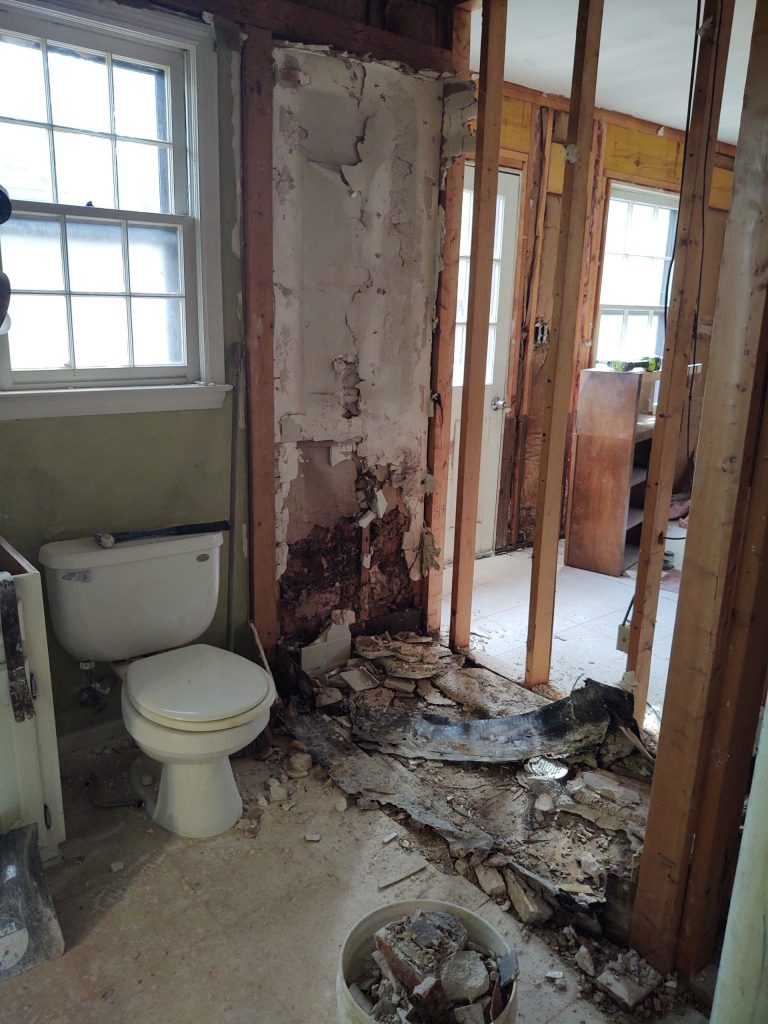
May 2020 Market Update Investor – Investor Letter #13

0:00
Costco there was a little flyer in the lunchroom saying that the last day for complimentary food and drinks at the food court will be Friday me. Which kind of is a sign of the times is like we’re getting back to swing of things. The pity party is over and we’re getting back to work. This is a story about a dude named Lane he moved to the mainland and bought one place to stay. And then one day he went try to rent them out. And then he became one real investor. All right, welcome, everybody. This is the May 2020 monthly market update. You guys can access a lot of past my update everybody at simple passive cash flow calm slash investor letter, but we’ll get going here. Obviously a lot of this this month will be surrounding the COVID-19 demick in news

1:01
affecting our real estate investments

1:04
from there, if you guys haven’t heard about me My name is Lane Kawaoka a professional engineer or ex engineer, I’m still have the P. I have a podcast called Simple passive cash flow found on iTunes, Google Play I Heart Radio and also have a pretty robust YouTube channel and if you would like to join our tribe, we have a free Facebook group for to get to know folks in our group a little bit better. So I’m going to run through there’s quite a bit of articles this month. If you guys know my style run through it pretty quickly, but here we go. The shopping center business reports that gap Macy’s koehlers bowls and to furlough most employees as stores remain closed or and COVID-19 and demmick are up Business Online reports that Under Armour to furlough 6600 workers beginning April 12. And I’m going to go a little bit chronologically here to kind of recap the month of April. So I put it this way, because hopefully it puts things a little bit more context for everybody to see how the story unfolded. Of course, March was the first last month march was the first month that COVID-19 kind of took effect. In my opinion, that second third week of March is when things emotionally turn towards kind of the fear base. And what we’re going to kind of see is how the story kind of unfolded here with a lot of big businesses furloughing and people having to stay at home. Commercial Property executive reported beginning of April that us braces for more job losses. Economies expect this week’s unemployment claim number to jump well beyond the record three people 3 million filed last week. And then later on, they reported unemployment ployment claims top 6.6 million. And I do believe later on the month, you know, these numbers and estimates have increased. So with people unable to go out a lot of restaurants and other industries just not able to make money.

3:23
Unemployment, skyrocketed.

3:27
Also in the beginning of month, April 3, Warren Buffett, Berkshire Hathaway sells part of their Delta Southwest Airlines steaks, sold about 18% of his Delta Airlines and 4% of their Southwest Airlines. So this is right after I’d say a lot of the big Fallout, the initial fallout of the stock market. A lot of this is you know, kind of duh, obviously this stuff happened. GDP fell at 400 Point 8% annual rate the first quarterly drops since 2014. Worst dropped since 2008. Consumer spending plunged 7.6% the most since 1980. It accounts for 70% of the GDP. Services drop the most on record driven mostly by one industry, health care and demick require providers to pull back on most often drivers like electronic procedures and routine visits. I know in our who invested group, like a lot of the dentists really got hurt bad and a lot of the non emergency doctors wouldn’t take in and do their procedures. So it’s really unusual how this pandemic impacted some people very greatly. And others they were relatively unimpacted next quarter economists are projecting at least a 30% annual decline or a business online Line reports that US economy loses 700,000 jobs in March due to efforts to contain spread of Corona virus. And you can see if you guys are tuning in on the YouTube channel when we do this live you can see sort of the comparison

5:18
on on a graph of how

5:20
the monthly change in job gains normally were hovering around 100 to 200 jobs have created 200,000 100 to 200,000 jobs created July, August, September, October, November, December, January, February, then in March and negative 700,000 per week in review them. I have a couple of these reports in here. This came out in the beginning of the the month. So again, kind of showing how things progressed. Some of the you guys can read it. On the screen here, those of you guys are on the YouTube but I will read some of the highlights here. So they’re commenting and appearing to be past the peak of infections but the US US GDP is expected to contract severely in quarter two, before giving up to stronger growth starting in quarter three supported by government stimulus and pent up demand. They’re calling calling for a second half of the year recovery. Certainly going into 2021 things are looking strong from this and a variety of other sources and this, this is reported by CBR ri. Some of the other highlights here Dallas Fort Worth Houston, Atlanta are hopeful markets to watch as their economies begin to open in phases and these are a lot of the early adopters of those trying to get out there

6:52
quicker than others I do believe in.

6:56
In Texas, a lot of the restaurants are kind of open at this point. I’m glad Her talking to some other partners, frontline workers get access to 3 million hotel guest rooms. And this is one of those, you know, kind of warm and fuzzy articles, where despite the suffering of massive pandemic business loss, the lodging industry is pulling together to provide temporary housing for workers on the front lines. Part of this is probably got to be some kind of trade in the background with the government and the hotel industry. But it’s the right thing to do. I think these are some, you know, some nice, people aren’t staying in hotels, right? hotels are hurting really bad. We’ll kind of get into some of the data that supports that here in a little bit later. The question that’s on everybody’s mind and honestly, what made me a little anxious this month and last month, is are people going to pay their rent? Wall Street Journal’s tried to scare everybody by releasing this article. That headline, nearly a third of us apartment renters didn’t pay for rent. And I don’t know where the heck they’re getting their data from. But this was entirely not true from my point of view, and, hey, maybe they’re just, they’re just taking their survey from a lot of more primary markets, like California, where people got it in their head and they don’t need to pay rent this month. I don’t know where the heck they get that numbers from Instagram. But this is an example of fake news, in my opinion, I mean, Wall Street Journal wrong, but depends how they sampled their data. I like to use these more industry publications multi housing news, reported that the majority of residents paid April rents reported that nearly 70% of rental households across the nation paid their rent this month and then that that was the first week of April. And then the they reported later on the month that rent payments hit 89%. And this is pretty typical what we saw across our portfolio, you know, anywhere from a normal normally collections are in the 95% range, you know, you’re gonna have people not pay period any month. But the impact that Coronavirus and the pandemic had to that number was we saw in the month of April and a little bit for that was a maybe a few point decrease from there. And that’s what is kind of shown across the multi housing news. Another source commented that the rent payment rate at 93% of prior month so it’s, I think this is to be expected. This is what sort of what I personally inspected across my portfolio. You know, there were some slight decline in collections but it is wasn’t a big deal. And those who were going through some trouble we were able to make individual plans with and they eventually caught up later, at the end of the month. Thus far, it is the first week of May. This is not not good data, but thus far it looks like collections are tracking maybe a little bit less than what it was in May. But still overall, I’m, I’m pretty, pretty relieved from what I’m seeing.

10:36
We’re going to kind of dig into some of the individual asset classes and see how they’re, they’re faring. But multi housing news is has an article will student housing be impacted? And Heck, Yeah, it is. A lot of kids had to get pulled out of colleges couldn’t finish up the year and a lot of parents, here’s the deal. A lot of parents are the ones who make the financial decisions and a lot of parents are a little apprehensive is their kid going to go back to his or kids school is going to open a time. So a quote that I pulled from here is, it was common that I think the reality is in a fairly likely scenario that some of the pre leasing will be backloaded until parents and students feel comfortable with the university’s fall semester will open. That’s a wait and see. And this is this is why in my box, I don’t really focus on student housing because very impacted by times like these office leasing now commercial property executive had an article and they quote, tenants and landlords are all trying to work together on understanding the respective needs for one another. I’d even go as far as say lenders are doing the same thing. Everybody is trying to play nicely in that sandbox. And we can all understand that right now. People are not going into the office. They are taught to work from home for the most part, and that this is dropping the demand for housing or for office space. And maybe it might lead to a longer term trend that people don’t need to go into the office. We didn’t need all these good meetings to get things done we’re good with work working virtually I know I am. Short term rentals. I think these are the ones getting killed the most there was a great article. You guys can check out CB lab COMM But was entitled can Airbnb survive Coronavirus, air DNA which is a great source for data for you guys who do do short term lease lease rentals. They said that there was a dropping 80% compared to the previous week in the beginning of March. bookings in New York City, San Francisco and Seattle had dropped more than 50% compared to the week beginning January, and drops over 35% in Washington, DC and Chicago. Again, this is another reason why I don’t invest in short term rentals. And you guys, there’s an article I wrote about the cons of short term rentals at simple passive cash flow calm, slash STL. For short term rental or str. Slash str is that URL. Another image of some of the Airbnb bees from air DNA showing on a graph. All much of a decline from the beginning of March to the end of April. In terms of bookings contracted, I think a lot of like, you know, here in Hawaii, and I’m sure this is across the nation. There was a lot of government regulation over they wanted to shut down down these short term rentals and people who had short term rentals, they’re desperate they need to pay their mortgage because they weren’t getting any, any type of tenants to come through. So they’re being very strategic or tricky on when they would list it so they would hide it away from their the government regulators. Again, which I don’t really condone doing that type of stuff. I don’t stick to a normal investment like workforce housing, something that that everybody needs. So here’s a graph that retreat advisors put together where they just put all the asset classes on a graph and show which ones get impacted the most. Some of the more sensitive to a pandemic short term rentals sniffs which are assisted living developments senior house Students housing, gaming, lodging I think these are like a lot of the hospitality think Las Vegas. And then strip malls and malls are impacted some of the things that aren’t the bottom of the list of you know, little impact or short term rentals, apartments, industrial storage.

15:34
And that that leads to the, you know, what should you invest best value in a downturn might be workforce housing says multi housing news. They came up with this white paper, assessing the impact of a recession related to COVID-19 crisis might have on apartment properties. So they came up with this analysis on Which they created this category of vulnerable industries, which is comprised of those who work in hospitality and food. So you know, thinking restaurants or people like that. And, and like hotels or casinos, that type of stuff. They took those type of people who are getting hit the hardest. And they tried to figure out where did these people live right like if you if you are a landlord, you have one of these people working or paying your rent. So they realize that 52% of these guys are living in houses, they’re renting houses.

16:45
Another 28% are in single family home.

16:50
And if it sorry, the 52% was houses that they own themselves 28% our rent, they’re renting single family homes and just 18% of these guys are In apartments while they found the rentals. So, again, the conclusion of this article was that a vulnerable industries hospitality and food, only 18% of these guys are an apartment and therefore the single family home landlord is going to get hit harder. things to think about right because you know, you try and bulletproof your portfolio to whatever can happen. And pandemic is just one of those things that we have just added to the list. So CB re came up with this executive summary in the beginning of April. Some of the highlights here are, you know, all this will lead to increased multifamily vacancy and declining rents over the next two months. And they expect the multifamily market to bottom out in quarter three and begin a recovery in 2020. For. So they’re seeing us kind of popping right out of this overall vacancy expected to rise at 2.7 percentage points to 6.3 in quarter three and fully recover in 2021. The Federal Reserve pledged to keep interest rates near zero until full employment returns and inflation exceed so so that’s something to keep in mind for those of you guys who are always constantly monitoring those, those rates and wanting to refinance or or pull money out.

18:39
CNBC reports that JP Morgan Chase to re raise mortgage borrowing standards as economic outlook Garcons. So, people are saying, well, like there’s gonna be a lot of distress inventory of this COVID-19 thing which I don’t really quite buy. I mean, if it was if it gets that issue I probably wouldn’t buy it. But the problem is with this theory is like, what’s happening is the lending market is getting more difficult. So if your deal gets better, which I’ll argue that may or may not be true and your lending gets worse, then is it really a better deal, I mean on lending as part of this whole equation. So, from from, you know, middle of April, customers applying for a new mortgage will need a credit score of at least 700 and will be required to make a down payment equal to 20% of the home value. So that credit score need is coming up. So the change highlights how banks are quickly shifting gears to respond to the darkening US economic outlook. So what does that mean? Well, more apartment renters and people renting because they can’t meet the qualifications to buy a house. And I think this also means Lower condo prices, because they’ll be less demand for condos. Because a lot of the guys who are on the bubble with lending are the guys who don’t have much money at all. So they’re trying to get into condos as opposed to you know that that second or for lifetime house, the bigger house. Other developments and this is more affecting us on our our multifamily apartments or bigger commercial deals, people are always asking, you know, how does it impact us? So, fannie and freddie mac backed agency that is now requiring six to 18 months of payments in reserve. And this just means that we essentially we can kind of borrow less less proceeds, which slightly lowers returns, not much but it you know, this is all just kind of moving the needle very slightly. It depends on the debt service coverage ratio of the deal. But this can have a negative impact on whether a deal works or not. There have been also some changes in forbearance based on some of the agency debt and ultimately I think this flows down to the single family home mom and Paul landlord. See some of the the guidances and the policy that the Fannie Mae Freddie Mac, the big guys rolling up to the bigger operators in syndication deals, top 15 fastest growing mega cities on on here. First one is Gonzo. I don’t know if I’m saying that right. Cairo, Jakarta, Indonesia Tokyo at 33 million New Delhi but the point of putting this up The discussion that was happening in this article is, with this whole pandemic, thing may potentially being a part of our lives in the future. Perhaps these mega cities are less of a option people is going to be, you know, people are going to want more space, they’re going to want to move to the suburbs. The United States biggest city, which is New York has 15 million people, which is only 15 on this list. So that’s the question, right? Are these bigger cities? Are people going to want to live downtown? Are they are they going to want to move out to the suburbs and have more space? I think these are some of the more the macro trends. If you’re an investor and you’re buying an individual deal, that makes sense. I think it’s sort of it’s sort of this doesn’t matter to you. I mean, I think this type of data is for the guys who are investing Like 10s of millions of dollars, and they’re buying it on an institutional level, but you as a mom and pop investor should always be buying the outlier deal that doesn’t matter if it’s in the deep in the heart of the city or out in a tertiary market. I think that the biggest things are are you buying at a discount? Are the rents undervalued and his ability to pump rents? We talked a little bit about which asset classes are hurting the most and which ones are more resilient. This is a slide on which sectors

23:38
and mainly what markets are to be on the lookout for.

23:44
As I mentioned earlier, some of the biggest impacted

23:50
sectors are leisure and hospitality employment. And those ones that the top some of the top 10 are Las Vegas. Orlando for Mickey Mouse the Florida coast Orange County and then San Antonio, San Diego, Miami, Austin Charlotte Los Angeles. So not saying that there will be a you know, these are at risk thing not to say that there’ll be another pandemic in the future, right? Who knows, but this is just another thing to kind of keep on your radar. Add your add on to your laundry list of other things tornadoes, floods, hurricanes, locusts and append them. Which industries did better this past month? Well, grocery stores went up 26% and the losers were closing clothing. I’ll be closure of all the malls and people just aren’t the only way to impress anybody. You don’t need to buy clothes again. Your times had a cool article. I like how they have you know, their interactive graphs. You know, people are spending more money on groceries, less on travel. shopping and transportation, who are the winners, shops, supermarkets, General merchants and e commerce. Home Improvement saw an increase. I don’t know how they became essential stay at home or so they’re able to stay open. But I went to Home Depot to buy some seeds to plant in my garden because I was bored and then the line was like going outside. And some of the losers were airlines cruises fitness. A lot of gyms are hurting. movie theaters lodging and apparel. Alcohol sells well. I’m just another way of you know, movie theaters. I’m sure some of the losers movie theaters, events and attractions, toys, entertainment, book retailers arts and crafts, music sporting goods were some of the big losers. Some of the winners were gaming and video streaming and music streaming. So a lot of people playing at home playing video games, passing the time. Again, I I bought one of the Echelon bikes that you work out and there was like a one month backlog. And I also bought a better webcam to come to you guys at 4k and that thing is still on backorder last month we reported that Cheesecake Factory was going bankrupt. Well, the RV business online reports that Rona capital invest $200 million to keep them alive. So you guys can continue to have your cake. At least that’s the ticker symbol for Cheesecake Factory or a business online officer reports at Amelie buys multifamily development site on South Broadway in Denver. Now for those you guys know who Amelie is Emily is a developer that focuses on residential Class A. So these are pretty hip places to live a lot of like, I would say like the yuppies will live in Emily’s they’ll have a movie theater inside the amenity someone might even have bars. I would call them Class A rentals more than luxury type. But you know they’ll they’ll build in a lot of the big sick primary markets and big institutional player but when the way I read this type of article is like, I’m kind of seeing that all Mali, their their institutional player, they’re going to do the research, but maybe when they go on ups, maybe when I think that a, by the time they actually build the thing, the market has maybe got an overheated, starting to pull down. So you guys can interpret this type of news however you guys want, but that’s just my two cents. Commercial cmbs late payments starting to mushroom. So this is another kind of stress tests on different asset classes on some of the late payments. delinquency is starting to happen and well, below you’ll see a lot of these hotel retail multifamily industrial office all had sub 3% delinquency, and hotel jumped all the way up to 20%. One every five hotels are behind on their payments. One on every 10 retail 10% are behind on their payments and multifamily industrial and office are all around 5% or less so they are less impacted by this bill. Again, you know, this is a data hotel and retail are getting killed out there. One of the biggest

28:40
hot topics that’s been happening in our Facebook group is people are complaining that they can’t evict people. And so here is a map put together by Marcus and Milla job, outlining which states have moratoriums on eviction.

29:01
Most of them do at this point.

29:04
Some of the ones obviously a lot of the blue states will have this. Some of the states with no programs are Oklahoma, Arkansas, Missouri, Georgia, South Dakota. Well, no one who lives in South Dakota and nobody cares about that. states that suspended court eviction proceedings, not necessarily had an eviction moratorium where New Mexico Wyoming, Idaho, North Dakota,

29:37
Maine, Vermont,

29:39
and

29:42
I don’t know what that is. I don’t investor near Kentucky, and Virginia. Hey, simple, passive casual listeners. I’m wearing my sleeve shirt here because we make our money in our sleep. One of those things that I’ve been playing around with is tradeline hacking, and if you haven’t heard of that, it’s a great way to make Make some side cash hundred a bunch of books off each credit card every month. To learn more go to simple passive cash flow calm slash tradelines and check out our E course to learn all about this cool way to make some money on the side. We’re going to get into a little bit of actionable things you guys can do and I’ve been, I have been keeping a list and a running note sheet of all the COVID-19 cares act. developments at simple passive cash flow calm slash COVID-19. serve a living guide. Always consult your CPA attorney and do your own due diligence but here Here are some of the developments that happened this past month. So you guys should have received your your share of the 16 million checks the most checks through direct deposit, may 4 Iris will start the seven paper stimulus checks. And I’m pretty impressed how much how quickly they actually moved in and actually got the eight out to where it’s needed most. One of the biggest perks of the cares act is that you’re able to take $100,000 out of your retirement funds and what I call jailbreaking getting it out of those property mutual funds and into real investments. So the cares Act allows each person so you can you can take 100 grand and your spouse can take 100 grand penalty free normally there’s a 10% early withdrawal penalty, but with the care under the cares act, as long as you’re impacted by the COVID-19 thing, which in my opinion, are to consult your own professional or get a new professional. We are all impacted. So you might, you might be able to take that out and pay the taxes back in three years, I think is the what the guidance to say. If you don’t want to withdraw, maybe you want to, now’s the time you’ve been mulling it over at home, you want to do a rollover. Here’s a nice rollover chart. Whether going from Roth traditional simple IRA, SEP IRA, 457 403, B or any design Roth account, a lot of the retirement information is located on my GOP site at simple passive cash flow calm slash q RP, which is short for a qualified retirement plan. So here is a map of the United States showing which states small businesses were able to get the payroll protection aid. A lot of during the first 10 days of the federal government small business rescue program. It was crazy guys. I mean, the money was just going out and One of the headlines was that the bigger companies who were asking for more got help first because the lazy banker just want to get it out. And it’s easier when you disapprove the top five guys and instead of the bottom 5050 something guys, I guess you don’t blame them when the goal is to get the money out. Again, a lot of more COVID-19 developments we have a great webinar that we did on April 15 with my CPA, again that that video is hosted at simple passive cash flow calm slash COVID-19. So if you guys haven’t been keeping up in March, beginning of March, the Fed drop the funds wait rate to zero percent. And the analogy I like to use is we gave up all our dry powder at that point and I was actually kind of surprised they they dropped it so quickly. Normally they’re dropping the rate, maybe a quarter point more half a point but they dropped to think like a full point or more just in a matter of a few weeks. So no more dry powder, which is a little scary, but then they came through later on and signed the cares Act, which is 2 trillion or minus would be a gazillion dollars. In my opinion, you got to pay that back probably with higher taxes in the future. Some of the provisions of the COVID-19 cares act enacted on March 27, was a five year carry back on net operating losses. And I would consult your CPA on on a lot of these things. On one of our deals, we had submitted the K ones back to the CPA

34:43
to take advantage of some of this stuff. Here’s some markets likely to experience a longer post COVID-19 recovery, Florida because of the high population of visitors and 19 percent of their population is over 65 and older, New York mostly because of the density. They might have a lot of people moving out is what they do they say and off 63 million tourists per year so a lot of visitors there. And Illinois because of everybody knows Illinois everybody wants out of Illinois. One of the reasons the high corporate taxes, they have a 45% increase in January 2020. High property taxes. People are just leaving that city that poor city of Chicago source on this a CL and Associates a markets likely to exceed a long recovery. Again, more California. They locked out 40 million people for many weeks is economic, devastating high gas taxes, unfunded pension liabilities and they ranked Number 48 of all US states and overall economic freedom. Well, that’s why they call it the Socialist Republic of California. Nevada is another one that’s going to see it hard. 56 million tourists 50 million are in Las Vegas. Just going to be those casinos and hotels are going to be hit the hardest. airline hub cities like Dallas, Atlanta, Chicago, New York, Denver, Orlando, Washington, DC, la Seattle, Charlotte, Houston, Seattle, are among the top airports for passenger traffic. And then oil dependent markets because you know, behind this COVID-19 there was just another big headline of all the crude oil dropping prices. A lot of these are like Houston, real estate sectors likely to experience and how enhance building operation regulations, which is typically not good for the mom, Pon vesser. Sometimes the institutions can actually benefit from this. But these are lodging facilities or apartment communities, retail centers, gaming facilities, health care, office buildings, commercial conference facilities, entertainment centers, outdoor assembly venues, I’m sure they’re going to tell everybody to wipe surfaces like five times a day or do whatnot. It’s just going to make business harder in these sectors impact on COVID-19 on development. You could see incorporating more hands free amenities like motion, active doors, restroom faucets, tissue dispensers, parking gate, doors and building designs. You know, more point of sale stuff come out. I mean, like when I would go pick up my food it just kind of befuddled me how you saw that like sign the credit card thing and put the credit card and I guess or like press the screen I’m like, can’t they like just call it good and as soon as it touches touches, utilization of new building materials, inclusion of pandemic in forced mature clauses in construction contracts. I know on our syndication documents I think that word got like thrown in in like future feature versions, which is just added to the laundry list of things that can go wrong. upgrades to h fac systems regarding air quality and circulation and regular on site health inspections during construction before certificate occupancy is cut. But it’s not all doom and gloom why real estate will remain a preferred investment class. Post COVID-19 is still in a low interest rate environment. Americans need a place to live like apartments they need a place to shop like grocery anchored retail and produce distribute goods in warehouse and distributed facilities.

39:00
Continue strong demographics, population still going up and favorable tax treatments with all the goodies in there like the 1031 carried interest, capital gains opportunity zones, cost segregations etc. So I’ve been watching a lot of other informational videos with my time and one of these is some content done by Richard Duncan economists. Um, you can see some of his past work and podcasts at simple passive cash flow calm slash Duncan, but I subscribed to his newsletter, it’s a paid program. So it sounds like some free stuff. But you know, he he kind of outlined some demand shocks as inflationary demand shocks that will increase demand and push prices higher. And that’s what happens in a war and the deflationary demand shock that increases demand and pushes prices lower like however in a Coronavirus example Like this. So that’s how a situation where a war, inflationary demand is and a deflation in demand like how we’re at now. It’s just interesting that like, kind of hear from more academic viewpoint of what what’s happening here. Some of the supply shocks were decrease supply push prices higher was the oil shocks in the 1970s and other deflationary supply shocks increase supply and push prices lower, which can be a event like the general globalization. There was a big controversial headline that came out where California was forcing landlords to reduce rents by 25%. Even if a tenant cannot demonstrate their hardship or need, allowing judges and the court system to set rents and change the rental agreements already in place. I’m not going to read the other two books. point, but you guys are probably getting upset. But hopefully this does not go through in California. But this is another reason why you don’t invest in California or if we state that stuff kind of happens. More than a third of the population lives in states that are partially reopened or will soon This might be obsolete by now. I think the things to watch out for are Texas and and George are are some of the front runners in this and see how they react. I think most people who are kind of, you know riding that the fear train, are scared of that second wave. Will it happen? Will it won’t? I mean, it probably will. But yeah, there’s there’s two kind of voices out there. One that you know, says you know, enough is enough. We need to get out there when you get the economy going. And of course the other one is, you know, we need to kind of protect human life. One of the best models I’ve seen of this Is this thing right here, that kind of predicting that we got to the peak? Now we’re gonna see the second third wave. And then how does the vaccine fall into all this? I’ve been following a lot of the vaccine happenings at stack news.com. But everybody’s, you know, thinking that it’s either going to be later on this year or, you know, some people are like, well, three years from now. It’s been affecting the stock market every day. And that’s why I don’t invest in the stock market, so emotional. Whereas I think, you know, where we’re tracking with collections and May, and how we’re already kind of getting back to work. I think the impact is very little. I don’t want to say that too soon, because I don’t feel like we’re out of the woods. But you know, that’s why you invest in real estate and especially cash flow for these situations like this. All different ways that people are kind of viewing this pandemic and how we’re coming out is going to be at Nike swish is going to be a V is the beginning of the end or, you know, some people are even optimistic. One quick reminder that that, you know, some of the older HIV AIDS SARS MERS Ebola measles Zika virus, you know, the six months after show, sometimes a quite a big, big of a gain. After SARS, things bounce 14 and a half percent. Stock market returns are going to go up and down.

43:40
But I think you know if that’s why, again, you invest in real estate, this was a model that I made last month, which kind of showed Well, at what point does my real estate book down in value? Well, the first step here was the Black Swan event happened which is the Coronavirus then fear set in I will say this was probably in the beginning. till March 15. And then when the stakeholders began, business income definitely decreased. Companies cut jobs as as outlined early in April. But I don’t think we got to a point where the tenants couldn’t pay the rent. And again, I don’t want to jinx thanks for myself. But um, based on where collections are, I’d say the books kind of stuck between us tenants can pay rents, and we didn’t really see market vacancies go up. Hopefully this this, the trend doesn’t continue. But there were a few other stock gaps to happen before our prices go down, which is decrease market rents, which impacts lower operating income, which means less income for properties. And then that impacts the macro market to be higher cap rates, which equates to lower property values. And this is why we invest in real estate. I think after all, this is all said and done. People are Gonna be just dumbfounded. How much was $2.3 trillion was spent to basically have people stay at home and not just stop the economy. How are we going to pay for this? I don’t know. But it’s probably going to be higher taxes in the future or finding some ways to get at the retirement funds of everybody. Investors are kind of cheering in their homes because when you own rental properties, you own commodities, you want houses and as things inflation starts to happen to pay off all these debts, I’m pretty much riding on the right side of the wave of this thing is your properties kind of go up as inflation starts to happen. The kind of wrap things up the with the news, you know, to take a page out of Edward de Bono’s philosophy yellow hat which is the optimistic hat to counteract all the fear mongering out there. Here’s some of the good things that’s been happening you know, appreciation for stay at home spouses. I don’t think people realize how much work that was to, to watch the kiddos, people getting outside and walking around and embracing physical fitness. I look outside in the evenings it looks like Halloween out there with all the people walking around, although they’re not wearing any costume. Virtual Learning being accepted. And I think in our corporate settings, less streaking meetings. Amen to that. We’re actually getting things done and we don’t have to see each other face to face. People. I think what’s nice is people are questioning the news and media. There’s so much information out there and people have their smartphones and their computers and trying to figure out you know, the nobody knows what’s really the fact out there. There’s some reports and some real like, like videos of like hospitals. being filmed and yet there’s other things that are being recorded. Number five here appreciation for teachers who watch our kids. I think this week is Teacher Appreciation Week.

47:14
So if you have a teacher, I would encourage you to get them something nice even though there’s not going to be that last day of school for them on number six time with our smaller family units. And let’s face it, if you’re kind of listening to this economic report, you’re probably in the upper half of the economic scale and you may be doing the white collar warranty. Nothing wrong with that. It’s just, you know, I think we can all be fortunate that we are able to just call grubhub and get takeout and, you know, we we have our jobs and we’ll continue to bring in our salary and income. And at the end of the day, this is just a time where we We just work closer to our immediate nuclear family. And another cool thing or the creation of virtual wine tastings and zoom cocktail parties. We had a couple of these, these with our simple passive cash flow group and our mastermind recently, a lot of fun. And it’s a thing now for wine tastings, check it out. More VOD, some other trends online shopping more effective through Amazon and visa remote base environments, outsource it. contactless transactions coming. I think you’re going to see about a lot more and more telemedicine for medical and veterinary clinics. So that kind of wraps up the the monthly report. Um, the next few slides are about what’s going on with me personally, as I kind of make my way through this world. I’m always trying to find ways to grow and This month what I put together was I created a completed my trade line course, which I’ve been working on in 2019 to guinea pig for you guys. So I made $10,000 putting authorized users onto my credit cards and in my spare time and so I put a resource out there for you guys to check out simple passive cash flow comm slash trade lines. There is also a company force along with that if you guys want to dig into it and actually do the hobby make up the six five figures I guess I guess you could make six figures you have enough credit cards. Next on my list is I’m I’m trying to help out people getting started with this real estate thing and I’m trying to work on the turnkey remote rental course already have a couple modules in my ecourse and simple passive cash flow calm slash course but I think then the feedback I’m getting from a lot of people appreciate the feedback from a lot of you guys that said, it’s just a lot of stuff. So I’m trying to break them out into more individual shorter courses for you guys. How I get contributed to this world this month? Well, we a lot of the K ones come back and we gave our passive investors a lot of great losses on their taxes. Here’s an example k one from one of our investors who put in $100,000, they got back $98,000 of passive losses on line two, they’re also way I tried to communicate, contribute to the community was I gave away my ecourse access for the quarantine time because I figure a lot of people are busy or not doing anything at home, they got a little more time on their hands. And look, these are interesting times uncertain times, whatever you want to call it. And I just feel like people needed a break. So I just figured I’d give it away for free. For the time being, it’s normally 800 bucks. Hopefully, if you guys like it, you guys will pay for it. So we can try and find and use the money to improve the program for the next guy coming through. But for just the rest of this month, that coupon code is cool. Okay, oh, you have access to that expires at the end of this month. However, other ways that I got significant this month, my stocks did not go down 30% in value, so I felt very special about that. I didn’t have stocks, I don’t invest in that stuff. And it didn’t go employed. There’s always a you always have to try and create uncertainty in your life, um, and there was a lot of uncertainty in my life. staying at home just watching I would watch a lot more news than normal.

51:53
And there’s always a little low level of anxiety that is my tans going to pay rent and as of today, With me looking Okay, with a little bit easier, one month at a time, and I think we’re kind of coming out of it, but I’m not going to jinx myself. Some things I achieve certainty. So we lock, the lending market kind of froze up there March. But we have our lenders locked up for our next project. And things are looking good there. So it’s always nice to have some certainty in your life that you can kind of move forward and kind of tackle the next project. I think it’s hard to find love and connection in our lives these days. But you know, virtual cocktail parties was one way of doing it. But soon we’ll be able to get out there and hang out with each other. Once again. Some new articles and podcasts I like to highlight again, the trade line article, learn how to make I made $110,000 in 2019. And I’ll continue to do so simple passive cash flow calm Straight lines and the cares act guide, double pass a casual comm slash COVID-19 to see how you can get some of your whether it’s the PPP, Hero protection, or the idol grants, or some of those. Some distractions I had to deal with is, you know, being at home and kind of a lot of the world slowing down a little bit, I have no excuses not to get anything done. And there is time to do, what, what I need to do. It’s just of all a matter of priorities. And this is why I encourage all of you guys to get a coach, my coach really helped me define what I needed to get done and what are the barriers and also man, like I said earlier, like my coaches effectively just calls me on my Bs and keeps me moving. And some people aren’t willing to pay a little bit money for that, like Well, that’s cool. But um, all people in my peer group who do Real Estate and you know, entrepreneurs will swear by it their their coach, which is kind of a glorified accountability partner but um you know some people believe one thing somebody the other All I know is I want to be like one subset and seven to follow what they do some fun things I bought this month we call them doodads because they don’t put money in our pocket, but let’s just acknowledge the fact that we’re just blowing some cash on that. I bought that Echelon mirror. actually haven’t used it yet. But I got it working all over report next time on how it’s been working. And I really like popcorn. So I found this thing on Amazon where it’s like a 10 pack variety set. I didn’t know there was 10 varieties of popcorn. But you can you can see which one you like the best. I like that mushroom one out on the left side but they give you like 10 bags 10 different varieties of popcorn kind of cool. Some of the lessons learned I had this month was the pay consultants navigate that PPP of idle grants and loans. Um, this is something I’d really like to spend my time on. You know, I have the COVID-19 guide that you guys can pick through and to see if it’s appealing. But, you know, I’m kind of changing the way I do business where I stopped trying to be cheap, easy and free. Because normally I get hurt, hurt doing that. So weighing back to see what I get from the PPP and idle grants. And as a group, we have a book club, you can join that at simple passive cash flow calm slash lien hack. And the title that we are reading by Mark Manson is everything is theft. I thought it would be a cool book about

55:52
with everything uncertain in the world.

55:57
It’s a book about hope, and I like Mark Manson. He’s kind of got a more of a stoic viewpoint on the world. And

56:04
it’s a good book on philosophy.

56:09
And again, if you guys are interested in joining the passive investor accelerator mastermind we do a couple calls on Mondays every month, you get the course for free, we have 50 plus numbers in there now most of which are accredited. So if you guys are tired of kicking tires with the other people at the local Ria, who don’t have money, or the other trolls on the online, free online forums out there, and you want to actually build real relationships with real people who are sort of filtered and coming into this community, go to simple passive, casual comm slash journey, we just got a membership coordinator to help facilitate some of the networking because it’s all about getting people to connect within our group and to extract the most value we can for each member and they kept things off Here’s a little thing I found on Reddit I guess at Costco there was a little flyer in the lunchroom saying that the last day for complimentary food and drinks at the food court will be Friday me, which kind of is a sign of the times is like we’re getting back to swing of things. The pity party is over, and we’re getting back to work. So again, a lot of this stuff here. Consult your own legal professionals. This is information is presented for informational purposes only. But unless we have any questions we’ll see you guys next month. Oh Ha.

57:44
This website offers very general information concerning real estate for investment purposes every investor situation is unique. Always seek the services of licensed third party appraisers inspectors to verify the value and condition of any property you intend to purchase. Use the services of professional title and as companies and licensed tax investment and or legal advisor before relying on any information contained here and information is not guaranteed as an every investment there is risk. The content found here is just my opinion and things change and I reserve the right to change my mind. Above all else, do your own analysis and think for yourself because in the end, you’re the only person who is going to look out for your best interests.

Throwing away your IT job for real estate w/ Agostino Pintus

Podcast #197


0:00
So I walked away from a 20 year career and it like a sea level. Sea level it career I spent my whole life building killed it. So go all in on real estate. This is

0:15
a story about a dude named Lane he moved to the mainland and bought one place to stay. And then one day he went try to rent them out. And then he became one. That’s still me.

0:29
A simple passive cash flow listeners today I got I got snow pentas one of my partners of mine and we are going to get to know him a little bit better.

0:38
How’s it going? Oh, man, I’m awesome. psyched to be here. How you doing man?

0:42
Good. Good. Hit that subscribe pillow and mash up button hit the bell, right.

0:48
I know. I should get the bell up here. So I should do?

0:52
Yeah, so a lot of you guys don’t know what to talk about. We do this on YouTube, and we throw it up on there. So pretty much all My content today is found on the podcasts. It’s also on the YouTube, I’d say more stuff on YouTube these days. But yeah, let’s get to know you a little bit better. I guess you know how much simple passive cash flow Are you making today? And how are you doing that?

1:14
You know, right now everything’s invested in real estate, so I just do multifamily real estate Currently, I’m all in on multifamily. So, to that end, everything that we got everything that pretty much passively comes in is usually poured directly back into the business, right. So whether it be in terms of earnest money, whether it be in terms of just putting, you know, eating my own dog food, so to speak, put it into the deal itself. So really, I mean, aside from a couple hundred grand that’s pretty much it. And after all that I pour everything right back into the business, so it’s right now we’re in growth mode, you know, and that’s all I’m focused on at this point.

1:53
I mean, I had Mike mccalla Wits on the podcast recently he wrote the book. Profit first and I was telling him it’s like, yeah, I mean, we don’t really take a profit. We’ve just put it right back in equity and the deals and hopefully the magic happens.

2:08
That’s, that’s, that’s it. That’s it. I mean, the thing is, though, is that we’ve we’ve done a lot of deals, I know that we’re doing right, right now, we’re really, really good at picking the right deals. And we’re very, very careful with how we underwrite and how we get in on it. So I would say that I, it’s less about hope and more about we know what we’re doing.

2:31
This I think we do at

2:34
what point did you kind of come to this more abundance mindset side where you felt like you had enough money to put food on the table and, and you don’t have to worry about paying the bills with a salary. Yeah, man,

2:47
you know, well, a part of it is that with my journey, the way I did it was I used to have a corporate america job. I used to be a CIO Chief Information Officer of publicly traded companies did all that and it wasn’t Until, and I was also doing single family to at the time right long, like I’ve done six single family small multi family for 16 years. But I’d say about going on four years ago decided you know what? multifamily is where it is a friend of mine told me about multifamily and this is what it needs to be doing. So when I decided to transition from this single family, small multi family to doing big multifamily, that’s when first that’s where the spark went off is that I mean, I decided that’s what I’m going to be doing. And I gave myself a timeline, I gave myself a basically a goal. To say that on this day, I’m going to be I guess, I’m going to take out my last consulting gig and I’m going to focus on just building up the business while working at a regular consulting gig and packed up everything moved to Cleveland, Ohio, where I’m at right now and really got to work on working as a consultant and building this this multifamily real estate business and true to form just like I set out in my goals that I write every day religiously. I set up my goals to really define what I’m good at how I live my life that far off. That’s what I do. But I decided that that within within I think it was a 12 month period from making that decision. You know, I hustled man, I hustled hard, that’s what it took to get there.

4:26
And people always like to kind of understand you know, what were you in that situation where you finally made it? You know, say I was gonna go from single family to multifamily and more as an operator, then sure, passive investor, but like, How long were you doing the single family homes? How much how big was your portfolio at that point? So you decided and then how did the day job overlay on top of this? You know, were you kind of still working the day job while doing the multifamily kind of explain the the timelines holidays? Sure,

4:55
sure. Sure. No, I actually started single family 16 years ago, maybe a little longer when I was working at a company in Virginia and I was a CIO I was making great money and the reason why I got into multifamily or single family at the time and small multifamily was just to be a backup in case something happened with my job that’s the only reason why I did it. You know, wasn’t about it wasn’t about building legacy wealth. It wasn’t about trying to build something big is all about in case something happens I’m going to have some extra income right? So I started focusing on single family small multifamily and really tried to build that portfolio up. I think by time I finished up by time I left Virginia that no but four years in my started all that might have had like small portfolio like under under 100 units, like it would fluctuate between 80 to 100. And you know, nothing crazy, but then it was, but I I pretty much kept it pretty, pretty. flat for many years, just had some things going on in my life at that point and especially 2008 backed away from from all that. But I would say that the last job that I had brought me back to Virginia, I started selling off all my assets. And I was talking to a friend of mine, and his Real Estate Attorneys again going on about four years ago, he says, So tell me about hey, how who, who buys these big properties? Who how’s it, how’s it done? And he explained, multifamily syndication to me. So once I understood how it works, and what it takes to really put a deal together, I’m like, Well, I could do that. I work in corporate America. I’m not afraid of the numbers. I’m not afraid to do the hard work. So that’s exactly what I did. I just put myself I just got committed to studying every single thing I could find on multifamily syndication, syndicating deals overall, and got myself in front of some great mentors got myself in front of some great people that helped me build The business and that’s really what it took. You know, it’s not gonna say by any stretch, it was easy. But you know what? It was totally, totally worth 100% worth it you know now I’m all in on this real estate all in 100% on it.

7:14
At what point did you quit the day job in there was that

7:17
Oh, so so that was that? Yeah, so that was I quit the consulting gig, the one I mentioned earlier. It’s been three years now three years ago. And you know, I’ll tell you what lane I’m not gonna say it’s all sunshine and rainbows every single day of my life these days, you know, hey, there’s there’s everyone’s got a bad day ever. Sometimes they face some pretty bad stuff. But there’s not a single day I would ever I would never I would never even think about going back to that. Just I just don’t, I just didn’t think about it. You know, I, I am very pleased with how, how we’re growing the business and very pleased to partner up especially with people like you to really, really build something that’s really cool. You We got some cool stuff in the pipeline here that is just awesome. You only get to do that and build those opportunities when you really commit yourself wholeheartedly to to a project. So the only way to get it done

8:13
submit a lot of the guys this thing, they’re still in their day jobs. Or maybe they’re even haven’t even started investing yet. You can kind of go back to your single family home days. We call this the Han Solo moment. It’s like, you know, Star Wars Han Solo and Chewbacca or just lowlife smugglers and then Luke and Leia, you know, it could be the right people or the right idea. And then their their life to that pivot point for you. What was that pivot point? Or if there’s some kind of story from your corporate day that you can be like, that was the moment that change

8:47
my path? Well, you know what it was, it was happen a couple times, but it didn’t. It’s funny how it didn’t click, you know, till till the second time, really the first time when I was doing Working as a CIO as a young 3030 something year old guy working at this publicly traded company running global technology in my early 30s is ridiculous, right? It’s crazy. managing these multimillion dollar budgets. And I know like I said it started doing the single family thing. And when when things got when the company decided they’re going to make a change, even though the company was doing great, I was performing very well. My team was doing great, we were keeping it so we kept all the systems up and running, we’re innovating. The company decided we’re going to make a change. So they come to you and they say, pack up your stuff, get lost, you’re done. Now, I’ve focused everything I put my whole heart and soul into that company, right like any good C level executive or any executive for that matter, pretty much anybody listening you should be doing if you’re working for a company or you’re going all in on the company’s what you’re doing right? But what I did not do to my own detriment was really focus on building that passive income on my own for my own self and for my family. That’s where I did not do that correctly, you know, I should have I should not have relied on these, these outside forces to really take care of me and my family like I did. You know, that’s that’s what that’s what killed. That’s what killed me right there, you know, and allowing that to happen. not once, but twice. The second time, though, was was the time on I’m like, I’m not gonna do this ever again. I’m never doing this again. I’m not gonna put myself into the into predicament like this. And that’s why I decided that real estate was it because despite all the problems I had, over the 16 years that I’ve been doing this, from going to job to job to job trying to hold my head above water with these different companies. That real estate kept on throwing off money every month, every quarter every year. I’m not going to say that it was always like You know $100,000 a year coming in from real estate most saying that it was just passive income. But that’s one thing is for certain is that that money came in, you know and that’s that’s the thing I realized I’m like, you know what, I’m not doing the corporate thing anymore I might do one last gig I’m gonna do a consulting gig and I’m just gonna go all in on real estate So I walked away from a 20 year career in it like a sea level. Sea level it career, I spent my whole life building killed it. So go all in on real estate. So I mean, take some take some courage to do something like that.

11:36
For the first time they told you to get loss. Yeah, they told you to pack up you didn’t have any anything in your portfolio at that time then

11:45
I had like some single families and some small multifamily that’s it

11:49
well, at least you had the you had the kind of the proof of concept at that point, right. Yeah,

11:53
yeah. Yeah. Well, that’s exactly it. Yeah. Because even though and that’s the thing, though, it’s like they so they ripped me. I’m at home with Giant house that giant mortgage and car payments and I’m like, oh, man, what am I going to do now? Unfortunately, I still had some some money coming in, you know, to support me. But that’s that’s the power of the passive income, you know is that money kept on coming in, right? And help kept me above water thankfully because if I hadn’t done that, if I had discovered the power of real estate, man, it would be a different different life story we told you today.

12:26
So that time, how did your portfolio take the next step in the next like, month or two after? Well, anything changed like after that after that fire lit under your butt?

12:38
Yeah. Well, you know, the thing though to it, unlike some other people you might have had on your show for me, it was I didn’t add anything new. Right. I was because at that point in my life, my mindset was not was not set properly. Right. I was still thinking like an employee. Right. I was still thinking like an employee. Again, nothing wrong with thinking like an employee, but other than the fact that oh my god, I need to get a job, I gotta get a job like right now I gotta send out resumes right now Hurry, hurry, hurry, you know. So even though as an entrepreneur and as a kid, that’s all I ever wanted to be as an entrepreneur, I put that aside, so I couldn’t be an employee. Right. So I think that the fire didn’t happen until later. You know, until that until more recently, when I decided that, you know, after getting fired from yet another job, I was like, you know, I’m not doing this anymore. That that really, really kicked off. me doing this thing wholeheartedly. 100% all in, you know. So I think that that early on. I don’t think it was ready. You know, it was one of those things that that I’m sure you might have heard. I think it’s an old proverb. It says something like when the student is ready to teach yourself shall appear. I think at that point, I wasn’t ready to be taught, you know, I wasn’t ready. I was still in the mindset of an employee. I wasn’t doing self improvement. I wasn’t reading books away. I’m reading books today I was doing a these things that any successful entrepreneur should be doing, you know, to really be successful. I wasn’t doing that, you know, to my own detriment. I needed to be doing that stuff. I do it today. But, you know, it’s why this is I just wasn’t doing before you know.

14:21
So let’s kind of talk about this, this topic of you know, where do you go LP or GP, you know, you’ve got a few rental properties, you’ve got some experience under your belt, but, you know, you start to realize it after having five 810 single family homes, just not scalable. It’s not going to get a substantial passive cash flow coming in every month. You’ve you’re, you’re obviously a success story, but I’m sure like myself, you’ve seen a whole bunch of guys fail at this. Oh, yeah. Any comments on like, the percentage of people that try to take the next step and what is it if you can talk about like, you know, people trying to make this decision on Their own in their head right as they work their hundred 200 k job on the side too, right? Yeah,

15:07
yeah. I tell you what lane I mean

15:12
to, for many, many people, there’s guys out there on the internet. They’re putting up these courses Hey $4,000 I’ll teach you everything you need to know. Do it Sign up now. Man, I tell you, I mean, hey, listen, we have a program, happy to sell it. However, what you don’t see is the amount of work that goes into finding and putting together a deal. That’s an obscene amount of work. And we might go through a lease 100 deals before you find one. Right one that actually pencils out, and has shows a glimmer of hope that it could be something that you could invest in and get a nice return to hit the targets that we establish right Not including all the relationships you have to build with the brokers. So that’s that in itself is a full time job calling on brokers Hey, buddy How you doing? Got any deals for me? Hey buddy hi to continuously making phone calls talking to brokers. That’s how we that’s how we find our deals. Anyway, we’ve got our deals primarily through broker broker relationships, right? Then of course, vendor relationships, right and maintain those relationships, maintaining relationships with our lenders, as well. And the lender brokers who I mean, I’ve already talked to, to my lender broker four times this morning on a variety of different deals refinancing three deals right now, you know, so it’s like all that. Everything I just mentioned is a full time job. So as an executive, as a C level executive or hell any executive for that matter, even even if I’m working at a company as a developer, I don’t know how I would do that. And also try to do what I’m doing today. It’s it’d be extremely Ordinarily hard. That’s kind of the reason why we what I would do anyway, if I were in that predicament is just partner up with, with a good solid operator that knows what they’re doing. They have a great team. And they know how to underwrite deals, they know that the dealer put together then they know the reasons why it’s a great deal and go all in on that. I mean, in reality, they get equity in the deal. They get, they get a return, they get all the tax benefits. It’s not a bad gig, you know, sign a bad gig at all for an LP. You probably see a whole bunch of these guys just like I call it like the dreamers. Oh, you just I just want to highlight what you said there. Like, obviously, you have to work hard and everybody knows that and these guys will like, Yeah, but I’m, I’m special. You know, I work really hard. I’m like, Alright, do you do have a college degree like, I mean, not saying that. That’s important, but you know, that’s why I like working. One of my criteria is that you are a professional. Right and Not saying that college is worth anything I’m actually kind of against the whole traditional educational system but shows a level of commitment that, you know, most people come into this. What’s that? What’s that, um, that movie with the flying dog never ending story or something like that.

18:20
Like he goes to like the thing and it’s zapped somewhat the lasers. Like you’re not worthy, you’re not worthy. Yeah, a lot of people just are just gonna get zapped with the lasers. And yeah, I think what you said there like, you have to work your butt off but you also have to like have these special skills of like, navigating key relationships with brokers, lenders, etc. Partners,

18:43
man, that’s what

18:44
these hard workers cannot.

18:47
They can’t do it, man. I mean, listen, I don’t want to sound like you know, I get down on people that don’t have to work but I mean, yeah, I meet them. I meet him at different events and they say they want to become a syndicator and They don’t dress the part. They don’t act the part. They don’t say the right words. They can’t spell and lie. That it’s and I’m not saying that, that, you know, this is harsh I say it’s exclusive little club or anything else like that. It requires a great deal of effort. That’s all I’m saying. It’s like, it’s it’s very hard to convey over a podcast or or it’s just difficult to convey that way but it tight. I started you know,

19:34
I started on a real estate conferences because I find the other guys the guys who listen to like thousands of hours of podcasts, and they tell me things I don’t know about this weird calculation of some noi thing or I’m like, Alright, man, like, you know, the academics. Yeah, well, I know all about that I’ve seen you know, like, let me tell you, like, Oh, okay. Adios. Have you done you know and but then you ask your buddy and you’re like, yeah, that guy isn’t the jack you know? Yeah, that’s all I got and they just the part two right?

20:09
There was one so one of my students he actually went to a seminar and someone the headliner at the seminar actually said to a group of 200 people fake it until you make it like, Oh my god, no, man, listen. You know, guys like us, we have a fiduciary responsibility. Right? That’s that is key. We have a responsibility to our investors, we have a responsibility to our families. We have a responsibility to the people that invest with us as well personally, friends and family aside from aside from other investors to and to everyone else that is relying on that project’s success, right. There’s no time for fake it until you make it right when you when you’re when you’re messing with other people’s livelihoods. There is no faking. My opinion, that’s just what I think, you know, it’s like I would never ever say that and I would never recommend to someone fake it until you make it. It’s more like, study learn, understand how to put this deal together partner up with someone that knows what they’re talking about. Work with them get to know them. It’s a long long long journey this this was not something in my case. Anyway, that happened overnight. It took took me 16 years, right took me 16 years to become an overnight success. Right. That’s that’s how it is in this business in my opinion, anyway.

21:34
I mean, and then also, like, you can’t do this while you’re working a full time job now. Like maybe pick up your first small apartment building but you know, I yeah, it gonna work. It’s just not possible.

21:48
I mean, it might be possible to get like, say a 30 unit. You know, handed over a third party management and you’ll probably get the price steal from you is what they’ll do more than likely What I mean by that is that because you’re focused on your job like you should be, it’s gonna be very difficult to also watch all the expenses on on this third party and what they’re doing. Right? And how do you negotiate that contract to, by the way, right? If you’re doing 30 units, you’re starting off 30 minutes, that means you’re paying 10% we’re not paying anywhere near 10%. Right for our for the management of our assets. But what they’ll do is they’ll cut you a break. You know what, just for you, lane, I’ll do it for you for five and you’re like, Wow, cool, okay, but then they start, start fluffing it in with all this extra stuff. You know, oh, we took a trip, please. The door lock, painted a room that didn’t need to be painted. And they’ll find ways to get their money out of you. Right. And having those relationships like I said earlier, it’s like that’s another vendor relationship. You got to keep a close eye on what money gets spent. Right, what money gets spent on what assets and you notice, for instance, we do this all the time in our office, to assets side by side to different location. How much are we spending on a unit turn over here versus over here? Why is this one less than this one? What’s going on? Let’s have a call, let’s figure it out, right? Or is the two different vendors to me too, they take this vendor and put them over here, right as well, right? different things like that. It takes time to run those analysis and know how to really figure out how to do that kind of stuff. If you have 30 units. It’s very hard to find someone that’s going to care. And that’s that’s probably the biggest issue, you know, with some of the smaller deals anyway.

23:27
Yeah, I’ve kind of found that you really need to be above 80 or 100 units. I mean, everybody talks about it. So this is another one of those things, these podcasts like rupees book rupees. A know these rules like oh, you need to be over 56 units to get a property manager in the office. But in real life, you need that person and the handyman. Yeah,

23:48
yeah, yeah, for sure. For sure. I need an even 56 units, depending on where it is, uh, I don’t know if that’s feasible. Honestly. It’s more like 100% Canyon is probably the minimum but yeah, man, I mean, and now nothing wrong with say starting off with 30 units and two months later buying another 56 units and two months later, if you want to do it that way, I suppose you could do it that way as well some really really wants to do this on their own. But man, I can’t I can’t even imagine working on an office job and trying to run that number of units, three different properties by yourself, like keeping it as an asset manager as hard man, that’s hard work. It’s hard work for what like what is the overall goal you know if the goal is to get that passive income. difficult to do, man that’s that’s that’s tough work. That’s tough work.

24:38
If you’ve been following my journey, I’ve been selling my initial real property and transitioning into syndication deals lately for more purely passive investment strategy. One critical part of my portfolio is the American Home preservation fund, or what folks in the hooey call HP for short. George Newberry once apartment owner, operator and mentor to me is that Now sponsoring the podcast is private fun, which by the way also accepts non accredited investors cuts the middlemen out and allows you to invest directly with him to fight the mortgage crisis in America. join him by purchasing distressed mortgages while getting a double digit annual return paid monthly. Find something else better out there. Well let me know. Feel good knowing that you are helping families stay in their home after buying their underwater note at a huge discount, invest as low as $100 by going to HP servicing comm slash investors. And if you want the free bernsen book, please send me an email plain and simple passive cash flow calm.

25:42
Well, that’s a light bill.

25:49
So we’re in this COVID-19

25:53
crisis. We’re just another day at the office for folks like you and me but right but I know you’re you can’t go as much water like a two week experiment that you’re kind of tinkering on, or a six and a six month project you’re working on, you know,

26:09
I don’t have a six month one but I do have a year one so back in December, I create a list a book list, right of all the books I’m going to read for 2020 I create a list on a sheet and then I have a checkbox check check off every single one every so book a week, basically, right I got I got a hold of all the books, put them all on my phone. Right now I’m reading The Autobiography of Albert Einstein. And yes, very interesting guy. But the books are mainly consist of autobiographies. For people that overcame some really hard times. You’d be amazed at the hard times that Albert Einstein had as a young scientist, but what it took to overcome something would listen to a lot of eyeless a lot of stuff on sales and marketing as well social media marketing and also on on sales, you know, so it’s those things that pretty much make up the book list, right? And much of my, my real estate stuff is all made up of I do listen to some real estate, but most of it is just by networking, masterminds, things like that. That’s how I that’s how I engage that through real life problems and resolving them. So, yeah, that’s definitely a lot of fun. But yeah, I mean, try reading a book a week, that’ll change your life. I promise you, I’ll change anybody’s life.

27:28
It’s good stuff. It’s awesome. Any kind of like, personal, like, two week project, something, uh, you know, thinking in the daily routine or something like that,

27:38
you know, uh, trying to work out at home. So, so far, since all this stuff happened. I can’t go to the gym anymore. I can’t go to CrossFit. Right, which is what I was, which is what I usually do. So now I’m having this so far. This is what week two, this was discovered it thing. Now. It’s all about working out at home and Tire man it’s it’s tougher to do at home than it is to work out at the gym with a group of other motivated individuals. It’s it’s tough but I will make it I’ll get I’ll get through it.

28:12
I do CrossFit too and then like yesterday I got bumper bumper plates at home I got my patio but I was just I just put in like 135 which is like nothing and I just dead lifted it like 10 times I was like that was boring

28:27
it’s easier to do when other people are around right? Yes, the thing you know, it’s I don’t know. I don’t know what it is. It’s kind of like there’s other people there and there’s just more energy in the room. I think that’s what it is.

28:38
Yeah, total accountability. thing like getting the the mirror or the bike thing the peloton or at clon I don’t know what it’s called.

28:48
Yeah, the peloton. peloton Yeah,

28:49
but they told me that the bike there’s so many orders for the bike that it’s not gonna be here till like May or June,

28:56
right by then this thing will should be over.

28:59
Yeah. Yeah,

29:01
I mean it’s got to get over soon sooner than later I would imagine

29:05
yeah for sure. We’re just lucky it’s about the Spanish Flu then all the crossfitters would be dead you know the Spanish Flu when after like there was a stronger immune system the more like it attacks yourself. Something like that.

29:20
Oh, really? I have no idea. All

29:22
right, all like the young guys here like super fit. They all died.

29:28
Wow. All right, man.

29:33
Um,

29:36
what is your simple passive cash flow number that you’re shooting for these days? What What is that for you? on a per month,

29:46
you know, per month, you know what it’s like what we did, my wife and I, we, we basically cut our expenses. early on. Anyway, we cut all of our expenses so we can just focus on building the business. Part of it is the sacrifice and got to keep in mind, you know, I’m the guy that had the corporate america job making bank at the huge house with granite countertops and cathedral ceilings. I had three cars at a Corvette at a Hummer Mustang convertibles and all this stuff, right? Got rid of it all to focus on building the business. Right? So back then, it was it was only like 10 grand a month, you know, it cut out everything. Everything was cut out. Right? So it really wasn’t that much. And, you know, and any money that we get is all thrown back into the business over and above that number. You know, that’s that’s basically how we did it. You know, it’s it’s, um, yeah, that’s that’s pretty much it. You know, it’s, it’s not a big number when you think about it, because by the time you think about it, you know, the government’s gonna steal half of it, right, you know, taxes. And then then you have to live off the rest, you know, cover your expenses, so Not much not much at all.

31:04
Yeah, and a lot of it is like equity that you kind of roll into the next one and the next Yeah, that’s right. Well I mean what’s your What is your your wife say when you kind of say hey it’s it’s gonna work just give me four to six years the magic will happen you know you’ll see it or you start your life will start to change you know that is that kind of which a deep discussion or

31:28
not you know i i am i’m very very very lucky that my wife I met her before before really I got into all this stuff like as a full time gig the way I’m doing it now. So she, she knows me She knows the story. She knows my personality. And she often tells me she goes I have no doubt I have 100% certainty that you are going to do exactly what you say you’re going to do. She has no zero doubt She believes in Me 100% she’s on board, you know. So I am extraordinarily lucky that my wife is on board. She believes in me, she believes in what we’re doing. She’s she sees it already. I mean, isn’t like this is all like, pipe dream stuff. You know, I tell her. I’m closing this deal on this day, boom, it happens. She’s like, she’s not surprised anymore. She couldn’t be surprised a long time ago. Right. But, yeah, it’s having a spouse, especially in this business. And that will support you is extraordinarily hard. You know, it’s because yeah, I mean, I’ve, my, my friends that are in this business that are like top performers. I mean, that’s one common trait is that their their spouse at home supports them. 100% and I’m happy to say that my spouse is in the same boat now. It’s awesome. It really is. It’s great.

32:54
It’s great. I have the reluctant spouse guide on my website, guys. Simply Passive cash flow calm slash spouse. It’s not a joke. It’s for real.

33:04
No, I know I know it’s real no I got

33:06
it. I got it. What do you guys do when you close a big deal but anything specials or some kind of

33:13
sushi man, sushi? That’s just

33:19
like a little celebratory thing. When my when my other partner comes into town, it’s usually vegan food, you know, he’s a vegan. I’m vegetarian, so it works out great. You know and it’s that’s a little celebratory thing you know that’s by with the wife anyway. Yeah, we I think we always celebrate something we celebrate in a very small way. It’s it’s sushi, some very small we don’t. For right now for the time being. We are very, very careful with how we spend money necessarily invest, we do invest our money, but how we spend our money on things like that. We’re very very careful. how we how we do things, you know, we’re not reckless or careless or anything else like that, you know, it’s very important that we spend money where it needs to be spent properly. For us anyway, it’s how we do it. Yeah, that’s how to do it

34:13
that said, What is something you recently bought? or thinking about burning your cash on over time savings or improvement of quality of life?

34:22
Well, you know what, doing this stuff is a real big deal for us. You know, it’s like we have the bulletproof cash flow podcasts that we do right. And I upgraded the camera got a new camera coming in. That was like 200 200 bucks. The Logitech one, but if anything is gonna help get our word out there. No, no, no, no, it’s actually it’s a used camera man. Okay, so use when it’s easy to use canon t three i. So, yeah, we’re going to hook that up and we have a whole bunch of new equipment coming in just to really improve the audio and video Right But like I said, Yes, we’re just very very careful with how we invest not only do we invest our money outside properly other people’s money we invest our own money very carefully as well.

35:13
It’s funny because yeah, those those Logitech guys, they barely send out emails, but they sent out this like, new 4k camera.

35:20
Yeah, the Bri. Oh,

35:21
yeah, yeah. The fria I bought it. Well, not the real the real for the windows one, but this one’s for the Mac. It’s like,

35:28
okay, okay. Okay, so that one is, I don’t want to geek out in front of front of your audience. But yeah, the debris out of the bruise is supposed to be a really good camera.

35:40
Yeah, so people can see like, the crusties I have in my eye for waking up super early. That’s not the best thing.

35:49
That’s right. That’s right. You want to zoom in and check it out. There we go.

35:52
Yeah, not too. Not too close. But yeah, if you’re on the YouTube channel, you can check that out. Yeah, there you go. Something that you recently changed your mind on because often ego gets in the way of greatness. And I see a lot of people, they just have some messed up thoughts and I’m like, All right. Okay. Sounds good, dude, you know? Yeah,

36:12
yeah, yeah, yeah. Yeah, you know, um, I wouldn’t say it’s recent. But I’ll say that it’s, it’s so much changed my life when I realized that. So back when I was an executive at, you know, working as CIO, I thought that all it took was for me to do a good job and keep technology up and running. And if I do that, I’ll get paid and everybody will be happy. systems are up. I’m innovating. Everybody’s getting paid. What can go wrong, right. And then they hand me the box right at the end of it all. The that was wrong. That’s incorrect. Totally wrong. The way that it’s supposed to be. Then one thing I did not do It did not network with the people that worked at the company. I pretty much kept to myself I focused on I got there early, work my ass off, sit there too late, you know, I was putting in 1213 hours a day at this company. Right? And, you know, it’s working hard for them. That’s why it’s supposed to do right. And I still got handed the the box now. And meanwhile, there’s guys, they’re still working at the company that were known to be somewhat of questionable character. They’re still working there. Why they took the time to network with the other executives. And they and they went to all the meetings, they went to all of the the conferences and things like that to getting to get really engaged with the community with the community of the business and also the community outside of the businesses. That really connects other people in that in that space. I think Mac cases, finance, right? So other people in the finance in the finance world knew of the company and knew of that individual made them worth more money. Right? It’s kind of like the same thing that we do ln, you know, it’s the same thing. I mean, we got to do the same thing we’re getting out there, we’re building our personal brands, we’re getting out there, we’re building our businesses, it’s the same sort of thing, you can’t come out of nowhere and expect to buy a 200 unit property if nobody knows who you are and what you’re about, you know, it takes time to build that, you know, takes time. So that’s, but anyway, I was totally wrong about that, you know, now, this business is all about partnerships. This business is all about delivering value to other people, in a way that you’re giving someone, everything you can, you’re giving your partner’s everything you can know everything, you know, and and that’s, that’s how I operate anyway, if I do everything I can from my partners to try to make things easy for them knowing that in one way, shape or form, it’s all about Come back. That’s how I do business. So,

39:02
yeah, it’s um, I mean, you can see it in your investors, right? Like, I know, like a lot of my guys are engineers. So it’s the typical person is, if they’re under a million dollars net worth, they’ve kind of saved their way up to that like 700 to 800,000. And there are total like, like developer type or person or compute in their cubicle. Not really expanding outwards, were the guys who are a million and a half $2 million net worth and above. Obviously, they’re already investing. But they’re the ones that got out of the engineering role and more into the sales engineering role. Right?

39:42
That’s right. That’s right. Well, hey, listen, you can never ever, ever save your way to prosperity. It has never worked. It never will work. The only way you can. You can be wealthy is to invest. That’s the only way the only way to make it happen.

39:58
It just it just kind of Interesting that it’s kind of coupled where the guy who has that mindset where I’m just gonna keep pounding away at what I’m doing not talking to anybody is also the guy not investing their stuff outside of Wall Street type of instance. Right?

40:13
That’s right. That’s 100% true. Yeah, yeah, yeah. Okay, I’m doing I supposed to be doing Right, right. I’m doing I’m supposed to be doing I’m working away.

40:21
Okay. And everything.

40:23
Oh, yeah. Oh man, I was doing all that stuff. I was putting all my money in this 401k thing. I was doing everything that I was told to do. Everything else I went to school. I got two masters degrees. I was a good CIO. I went to corporate america and then they hand me the box. I’m like, Wait a second. I did everything I was supposed to do last night. No, I was not

40:47
that’s why I was saying man I’ll never go to that place ever again man. So happen

40:52
yeah away and select lies with doctors, right? Like, I don’t. Most doctors who aren’t investing their net worth really never get above one to $2 million. Right? But the guys who are holy crap, they’re like four and a half $10 million

41:09
a day. But my one partner, she’s, she’s a young doctor, and she’s a partner on one of my deals. And she’s been able to blow up her net worth tremendously, not just on that deal. But she has the mindset that you just said, you know, she’s she’s investing in other deals as well. Right to help grow her net worth. She’s gonna be very, very successful. She’s in her early 30s. She’s making great money already as a doctor, and she’s blowing up her net worth even more. So yeah, she’s doing great, but the same thing. You know, she’s she’s focused on putting money aside, you know?

41:44
So this is a seller’s market and, you know, kind of in the middle of a crisis, and I’m sure it will go away here in the next few months or whatnot. What should people be focusing on investing in?

41:56
Oh, wow, the stock market is where it’s at, man. I thought

42:01
you’re kind of serious because people will say that

42:04
I’m like, Alright, man. It’s ridiculous, man. I don’t I don’t get it. And I used to do that, you know, as a young kid when I was when I didn’t know any better about real estate or anything else like that I was, I would sit up, sit in my office. And you know, when the boss isn’t looking try to do some day trading and all this other nonsense, man. It’s ridiculous. It’s crazy. I mean, think of it like this, right? So I had a friend of mine, he was gonna throw like $200,000 in some stock or something. And I’m like, once you throw down a deal, man, throw down on a deal. It’s like, Oh, I don’t understand the real estate, business. yada, yada yada. So I’ll put it this way. All right. It is at that time was May the first right. I said may 1, great. What’s your stock? What’s your stock gonna be worth on May 30. He’s like, well, I don’t know. I said I could tell you how much money is gonna come in on May 30. From my rentals, I know, because I have legal contracts, called leases, with all my tenants that say they’re going to pay me. Every month that money comes in, right? It’s predictable. You’re building up equity in a cash flowing asset, you could force appreciation on this asset, you get all that you get, then you also get depreciation on the asset to mean that you can’t do that with a stock. You just can’t do that. I mean, if you were told my buddy, this tells, like you go to Bank of America right now see if they’ll give you a loan to go buy their stock, no one even do that, because they don’t believe in their own company enough. It’s crazy, you know, it’s crazy, but it to me, it’s like, it’s like gambling. It’s like gambling at a casino, you know, because you don’t know for sure. What’s going to happen tomorrow. Right? Whereas with real estate, even during this crisis right now, I mean, we’re still buying. I mean, I’ll look I’m looking at assets now. You know, and the thing is, though, is that At the end of this crisis, it’s not gonna matter, the assets still gonna be there, it’s still gonna throw off cash flow, and we know what it’s going to do because it’s very predictable people no matter what you do, in masses, Maslow’s hierarchy of needs. Everyone needs a place to live, no matter what they don’t need an office, they don’t need a piece of paper, this is stock on it, what they do need is a home. Right? And that’s what we do we give people homes and this is that’s why it’s like, especially this kind of stuff that we’re doing. It’s a it makes total sense to do and we’re not worried about it. You know, it’s they should be investing if people need to be investing in real estate, they should have been investing real estate all

44:40
obviously, you kind of know you can put it on a model and you can kind of tell from deal to deal but for somebody sitting at home who doesn’t have a network, nor has any kind of underwriting experience, what anything that they should kind of stay away from in the world of real estate at this time. Oh, yeah.

44:58
I mean, it’s you know, y, d cos assets, those are the probably the ones that are pushed the most all over all over the place. I mean, especially, that’s not to bash on loop net. But loop net, unfortunately has has a lot of this bad inventory. And what I mean by that is there’s the promise of the super high cap rate, you know, I’ll give you a 15% cap rate, oh my god, the cap rate, the cap rate, the cap rate doesn’t really matter all that much. It’s not the cap rate. It’s the margin you’re looking for, right? The cost of money versus the cost of running the asset, you know, what’s the difference? That’s what you’re looking for. cap rate is important missing. It’s not important, right? What I am saying is that people are getting out there pushing this these super high cap rates and when that person goes and buys a deal, which is usually in a D class area, they get burned, and other stuff with it with a non performing asset. Because everybody was just heads on beds, they just previous owner who approved the seller, rather just put a whole bunch of people in there, drive the occupancy up, unload the property and got rid of them all happens a lot, especially in D class assets. You know, it’s very seedy type of business. Stay away from those places, you know, just don’t do those. Just especially if you’re out of state. Don’t do that. You know, I personally stay away from it. Some people specialize in that stuff, all the power to you go ahead and do that. For anyone that’s in this business and even as a limited partner, stay away from D class assets, invest with a good operator that knows they’re doing with C’s and B’s and A’s that knows how to run a proper asset. Make sure that performs that’s the best way to build great wealth and still enjoy all the benefits that come with managing and running and multifamily asset. I mean, for a passive investor in that way it works out super, you know, they get all they get the benefits without taking on any of the risk, really, it’s very low risk. Very low risk for an LP.

47:02
Yeah, we’re kind of looking at getting away from the class C stuff, which is probably what you’re talking about, you know, like, you’re saying your class D. But for me, it might be a Class C or definitely what a what a broker would call that Class D, or Class C, because they’re always trying to make it sound better than it really is. But yeah, just not worth it. I mean, those are the guys who get hammered the most and this in any kind of weakness, I mean, they get fired for so that they don’t have any savings to

47:30
That’s right. They live hand to mouth, they typically have salaries that are hovering, usually at $30,000 probably even less than that. You know, absolute poverty, you stay away from those places, you know, it’s just not worth the hassle. never buy cheap real estate. There’s a reason why it’s it’s, it’s cheap. No, it’s not. It’s nothing that you really want to be investing in. You just don’t want to be investing and stuff like that. You know, it’s it’s not worth the hassle. Not worth the risk. It just isn’t, just isn’t worth it.

48:03
And to wrap things up our last closeout question is the Tony Robbins question of the art of fulfillment and the science of achievement. So first what is your secret or hack to the science of achievement? Any kind of rituals or things that you found lately that has helped you be more productive?

48:24
Yeah, I mean, I’ll tell you, I’m getting up early in the morning. Going through CrossFit first thing, you know, early, like, you know, you’re waking up at like five o’clock in the morning, to go to CrossFit for six months when we come home. The world is still pretty much asleep at that point, or at least I’m not on the phone anyway. I sit down, I write out my my journal. And then I write out my goals. Right, right. Just one page of the journal one page of the goals like what, what happened yesterday, go and how’s my tomorrow going to be? Right? And when I say tomorrow I don’t mean just like daily goals I’m saying like, what is my life going to look like and I write these goals as it’s already happened. Right and that’s important because I’m programming my subconscious to look for those things to build success you know and I often do that too if you know if today doesn’t go my way I’m writing on my journal and writing in my my goal sheets, preparing a new one just to keep me on on target. But you know, that’s that in itself. That function going working out my body and then working out my mind and then I’m ready for the day that has made all the difference in the world that has changed my life. That those those two things you know, it’s it’s I’m sure you hear about it everyone talks about it on their on these podcasts, maybe or read about it in books and you might think it’s all Fufu nonsense. I promise you that stuff. It works hundred percent. It’s amazing. It’s a life changer. Absolute life changer.

49:59
And what is A secret or hack to the art of fulfillment, any way you contribute back, or how do you kind of keep things in perspective?

50:07
Wow, you know

50:11
that so one of the things that I wanted to do in my journal was that I write about is Oh, I do want to help the children of Cleveland, right? So in December, and I actually wrote it down in my in my, in my goal sheet what I plan on doing charity wise too much. It’s funny, you brought up Tony Robbins, he started his charity, thanksgiving charity, right? I want to do the same sort of thing. So what I’m doing is and I write it down in my goal sheet, I write it down. I want to help these kids. I want to help this kid. So part of what I’m doing is of course, for building wealth for myself building wealth for my family, my investors, I’m setting aside resources so I can do just that. You know, I’m not gonna play something. I can do it yet, but it’s going to happen hopefully this year, right? And with that in mind, that’s how it gives me something to work work for, you know, it gives you something to look forward to as well, because I do get joy just by helping some other people and I’m not expecting anything back. You know, that’s how I do things. I just don’t expect anything back. I just want to give as much as I can. And you know, and hopefully help out these these people make a difference to someone’s someone’s world. You know, that’s, that in itself means a lot. So that’s, that’s how I do it. That’s how I do it.

51:28
Awesome. Yeah, so we’re something I’m trying to do on my site is to get more involved in donors choose if you heard of that website, you can kind of donate to teachers who have like elementary or high school projects. And I have I’m getting going to get ready to launch that to my group, but I want control over what projects we give to Mars financial education type, as opposed to like interpretive dance or building a canoe, kind of a project.

52:00
I have control you know,

52:01
man, I tell ya know, I love it because I know it’s exactly what I wanted. What I want to do with with these kids and you know here in Cleveland is that it’s probably the same journey that you’ve been on, same one that I’ve been on, you know what lane, you you go to school, you, you get a job and that’s it, you go put your money in a 401k you get old and you die and that’s how you’re going to be and then you’re expected to be happy that way. That is not a way to live a life to your full potential. You know, in my opinion, I mean, that’s not my full my full potential anyway. And throughout all of that, the one thing that we’re not taught in school in grade school, high school, college is wealth, wealth building, we’re not taught that, you know, we’re not taught at least I wasn’t, you know, to learn that on my own. I’ve learned afterwards with mentors. You know, and that’s, that’s huge. No, I love that idea, man. It’s a great idea, you know, built tied into some sort of some sort of mentorship program maybe or some way to some way to really introduce finance and Financial Intelligence to some of these kids just be awesome nuts. It’s remarkable interpretive dance. It’s not gonna get you a job. Just Whoa. Well, the ricotta job, Johnny Why?

53:15
Yeah. Making pot, right? Yeah, Fox Fox.

53:22
But yeah, you want to get your contact information. People want to get ahold of you. And we’ll put this all in the show notes. If you guys go to simple passive, casual calm.

53:29
Absolutely. Absolutely. Now if they if they message me at info at bulletproof cash flow, you can find me on Facebook. I’m on I’m on LinkedIn, find me on LinkedIn, too. And of course on Facebook as well. Follow me on Instagram. We’re all over the place very just just google bulletproof cash flow. You’ll find me you’ll find me.

53:48
Alright, man. Well, I guess I’ll probably see you shooting emails out to me and spin around the dropbox when I’m still up at night and you’re getting going in the day

53:57
out. You’re doing awesome. All right, that’s gonna be fun. Thanks. All right thanks so much.

54:07
This website offers very general information concerning real estate for investment purposes every investor situation is unique always seek the services of licensed third party appraisers inspectors to verify the valuing condition of any property you intend to purchase. Use the services of professional title and escrow companies and licensed tax investment and or legal advisor before relying on any information contained here and information is not guarantee as an every investment there is risk. The content found here is just my opinion and things change and I reserve the right to change my mind. Above all else, do your own analysis and think for yourself because in the end, you’re the only person who is going to look out for your best interests.
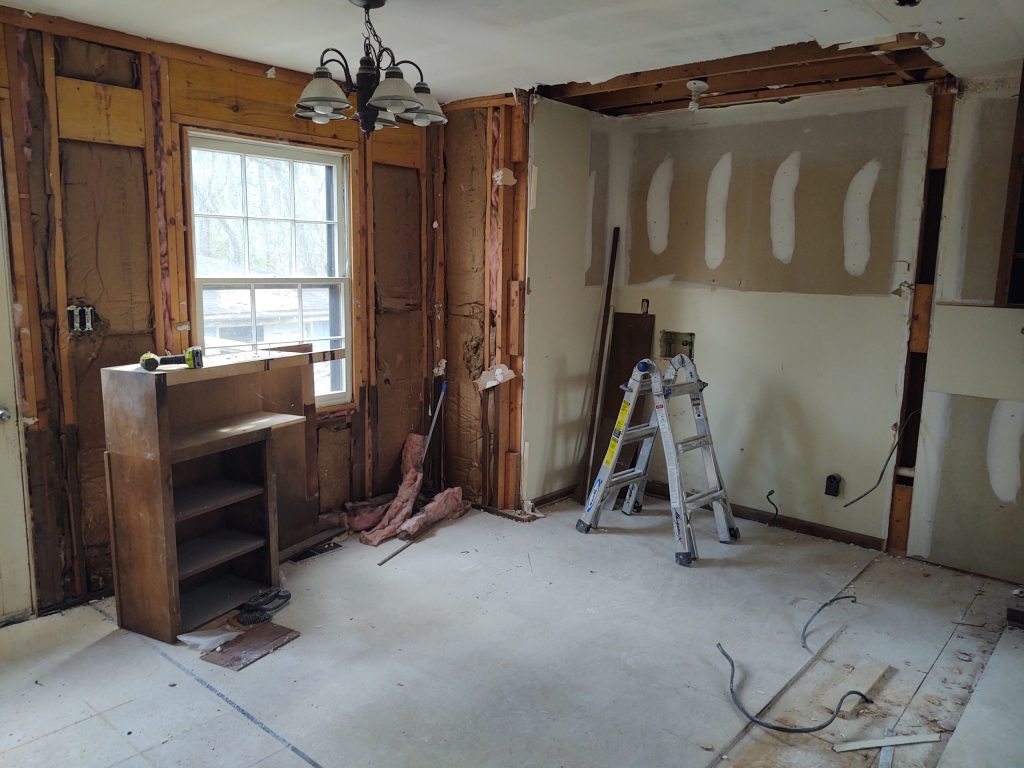
David McAlvany: Coronavirus – Impact on China’s Economy and Real Estate – Part 1 of 2


Website link: https://simplepassivecashflow.com/david-mcalvany-coronavirus-impact-on-chinas-economy-and-real-estate-part-1-of-2/

Start learning about real estate investing – SimplePassiveCashflow.com/start

Subscribe to the Top-50 Investing Free Podcast – https://podcasts.apple.com/us/podcast/simple-passive-cashflow/id1118795347

Transcription:

0:00
Are you a non accredited investor looking for opportunities to invest passively? How about a newer investor looking to get a bit of a track record and confidence from your spouse he’s a little bit skeptic of what you’ve been listening to the last few months and could use the reinforcement of double digit returns paid like clockwork in the form of monthly dividends. The American Home preservation fund or HP is currently open again and is looking to bring new investors with them. I have been investing with them since 2016. And originally I use it as a means to pay for my regular expenses. I started with $60,000 as my initial investment and that paid my car payment completely for me every single month, HP collaborates with existing homeowners to keep them in their homes via restructuring or selling the debts unlike their competitors. It’s a way to make great returns while feeling good about making a social impact. After investing myself in the fun, it was awesome when owner George Newberry saw the impact simple passive cash flow was making and eventually approached To become a spokesperson for the company, you can start investing with as little as 100 bucks. And if you want a fee burdensome book, please send me an email at Lane at simple passive cash flow calm. For more information about investing with hp, go to HP servicing.com slash investors.

1:21
Well, that’s a lie.

1:24
This is a story about a dude named Lane he moved to the mainland and bought one place to stay. And then one day he went try to rent them out, and then he became one. That’s still me.

1:38
A simple passive casual listeners This episode is going to have David mcaveeney I met him at a family office mastermind recently gonna be talking about a lot of good macro economics. We’re gonna split this up in a couple parts. First part we’re going to talk about China, India, other international trends and the second part will probably be talking about more domestic trends. You know who’s going to win the election. What I’m personally doing and what is if Trump wins again where does that go? So enjoy and just be aware that you know David works with high net worth investors right and so if you’re a young kid don’t buy gold man, you got to grow your wealth. I mean, I think gold is a great hedge against inflation and it also it also retains value in case of zombie apocalypse but it doesn’t cash flow doesn’t put food on the table, but enjoy and make sure you guys connect with me join the club, simple passive cash flow calm slash club. This is a story about a dude named Lane he moved to the mainland and bought one place to stay. And then one day he went try to rent them out. And then he became one really but still me. Folks, I got David McElhaney here you guys can check out his website mcilvain e ica.com. We met like a month ago at a family office mastermind and it’s just interesting getting around different types of investors that do bigger deals then some of the stuff I’m normally used to, you know, which is more mom and pop investors and sophisticated mom and pop investors, I’ve been trying to move more into the world of family office type of opportunities and better bring David on the line and kind of just talk about some of the stuff that’s been happening in the macro economy. But David wants you to explain your business. So people have a little context and some of the clientele that you work with, you know, what is their typical profile?

3:24
Yeah, one of the reasons why the macro economic perspective is important to us is because our first business started in 1972 is a precious metals brokerage business. And gold as it plays a role in a portfolio is that of insurance. So whenever you’re talking to the insurance guy, you probably talking about what can go wrong. And that has focused on many different aspects of the global economy, domestic economy, the financial markets, public policy, geopolitics, all of these things factor in at a macro level into what can go wrong with an investment thesis where maybe you’re a little overexposed on a particular asset. don’t have enough liquidity or what have you. So being quote, unquote, in the insurance business, although it’s not, as I say directly, so it’s just the way that gold is treated in the portfolio, it means that we’re constantly looking at the macro picture. We also have an asset management company. And that asset management company is interested in real things just in a more diversified way than gold. So interested in specialty real estate interested in infrastructure, global infrastructure projects, global natural resources and global precious metals. So still looking at real things. But with physical metals, you have no cash flow with those other things on the asset management side, it’s real things with cash flow, that would be the difference between our two businesses. So yeah, we’re very interested and very curious, do a weekly podcast done that for 12 years and speak with some of the leaders in both Wall Street firms and in academia and even into the central bank community, talk to them exactly about the policies that they’re setting in motion that end up impacting pricing of assets, whether that’s stocks, bonds, or real estate So that’s kind of in a nutshell, who we are what we do family business, and we’re in our 48 years. So coming up on five decades or

5:08
so we’ll circle back to the gold stuff at the end here. But you know, I just want to get in your head and what you’re thinking of what are the big movers in the economy and what’s happening in the news, because some of this macro stuff is important. I mean, I’ve always said that when you’re investing in deals or buying a rental property, it should be really some market or even which side of the block you’re on. Are you next to a couple, buy your home, but as I’ve kind of moved through the investor club, and I start to realize that’s the goal, but most passive investors are busy working a day job and they just don’t have the ability to go fly out there and check this out. So they’re really shooting from the hip 1000 miles away. So a lot of the concepts that there’s when they’re making an investment decision, whether it’s right or wrong, is directly correlated with what’s happening in the macro economy. Macro news. For example, you got a deal in Dallas. Everybody’s been hearing that Dallas has been an amazing market for the past three years, but also people investors have been known this for last decade. And you tell me if you can find deals in there, everybody knows it and their mother and every other sophisticated investor out there. So that’s an example whether it’s the right way of doing it or the wrong way, it is what it is. So David, what are some of the macro events in the news that you’re kind of following today that actually really matters? And by the time this goes out, and will time stamp, this is March 2020. In case you guys are catching this up later,

6:23
yeah. So we look at maybe degrees of macro, what you described as a specific micro type deal, but in the context of a larger environment, Dallas, we would even blow that out even further to a macro perspective, either national or international. The things that are on our minds right now. Certainly, you look at a Chinese growth, and it’s been in decline for a number of years now. We’re now at the slowest growth in the Chinese market. We’ve seen in 29 years. There’s direct impact into the real estate market, particularly on the west coast and to a degree you know, in places like Seattle and Vancouver, BC. where a lot of Chinese money has been coming out of the mainland and finding place to be. And so a lot of buying in recent years that buying has slowed for a couple reasons. One, you look at Asian pings moves here recently to consolidate power. He doesn’t want money leaving, he wants it in the economy. He wants to fortify growth and sort of drive a particular theme, whether that’s the one Belt, One Road project or a number of other big picture growth. thematics for China slowest growth in 29 years is kind of a big deal. They have been the largest contributor to global economic activity, global GDP in recent years. And it looks like that’s not going to happen this year. They’ll still contribute something. But why does this matter to us? Why should this matter to you as an investor because mood has a lot to do with what’s happening in the world of finance, if there’s a mood of greed, then you have kind of the days of Gordon Gekko. You remember him saying in Wall Street, perhaps that greed is good? Well, greed certainly drives deals. Greed certainly gets people enthusiastic about spending money and it’s on a spectrum. An emotional spectrum, this mood spectrum where you have that and that’s a part of the business cycle. But you also have fear as another expression of our humanity and a part of the business cycle. And when that mood is in place, then all of a sudden, people are much more restrictive in the dollars, they’re willing to spend the dollars, they’re willing to invest, etc, etc. So as professional investors, we want to know what the mood is. We want to know why it’s being influenced in such a way. So the IMF had numbers recently that came out on global economic growth and they put 2019 numbers at 2.9%. That’s fine. 2.9% is positive, not negative. So should we worry the issue is below 2.5 2.5% or lower? You’re categorically in a global recession? Again, we come back to mood is there a difference in mood a difference in the way that investors spend money capital flows, interest rates get directed in light of the prevailing mood in the market, or 40 basis points away from what I would consider a significant mood shift now comes in the headlines of coronavirus over the last several months. So we have this virus that is really not well understood continues to grow. We’ve seen daily growth rates as much as 20%. And as small as between five and 10%. So some days, we say, Oh, it’s gonna be solved. Look, the growth rate of diseases or the viruses is diminishing, they must have it under control. And then the next day, we have different news. And again, it affects the mood of the market. The real impact here is because we’re already close to a recessionary level on a global basis, you’re talking about a significant change in terms of the way people feel, and ultimately how they allocate assets. So as an investor, do you want to be aware of the mood? Absolutely. Do you want to be aware of the things that impact the mood of the market? Absolutely. And so something like the corona virus, maybe and only time will tell, but maybe just what is necessary to push us back into global recession? What does that mean? We have got a whole host of policy responses that we may see from the People’s Bank of China, the Federal Reserve the European Central Bank, to try to keep the business side Michael going again, this is all very interesting to me. Because if you look at growth in the US stock market, we’re at the end of basically 11 years of growth, the longest stretch of growth we’ve ever had in US financial market history without a significant or major correction. Right. So we’ve done very well in the financial markets. Will that continue? Now this backdrop issue of mood and perhaps a shift towards global recession? Maybe that’s the defining factor for late 2020.

10:24
I think the corona virus I mean, who knows by the time I get this podcast out and aired, but it might have just gone away In your opinion, is that just a story that’s sort of just being a headline right now? What is the real weakness in the Chinese economy that’s been more prevailing for the last two, three years? That’s that’s kind of made this downward trend?

10:42
Yeah, the big transition for them is an inability to transition from being mercantile stick where they’re basically building products and shipping them overseas and selling them major export led growth. They’d like to change their whole economic model from being export driven to Being based on internal consumption. So consumption as a share of GDP, they’ve tried to get that towards 50%. And they can’t move the needle. They can’t get that to happen. So it’s basically been a failed project getting consumption is the driver of growth in Chinese economy that has been problematic. We’ve had a major property boom there. And some booms turned to busts, particularly if the financing of the deals is done on a very shoddy basis. And I think that’s only fair to say you’ve had credit expansion in mainland China on such a massive scale, that it’s allowed for really bad deals to have been done. And now it’s time to sort of find the skeletons in the closet, see where the bodies are buried. Because in a world of very loose finance, sometimes sane minds and good business decisions are not well calculated. So I think that’s the the backdrop issue is massive credit expansion and major fragility within the Chinese financial system and an inability to convert from the old business model which is export driven to internal No consumption, which they’ve used is much more stable long term. They just haven’t been able to make that switch yet something I read recently because they did that one child policy is going to come and haunt them in the next decade or two, the One China policy is a disaster, it is already haunting them and to be a single male in mainland China, prospects of marriage and family are not that great. So yeah, I think that’s an issue. It’s a demographic issue. Also, from the standpoint of when you provide public services, a safety net of sorts, it requires dollars in for the dollars out. And so when they begin to make promises to the public, but don’t have enough dollars coming in, because they have a demographic cliff, again, just not enough people in the workforce, this becomes a real issue and that I would describe the demographic issue is more of a long fuse issue. It’s not going to hurt them this year next year, but over a 10 and 20 and 30 year timeframe to complete disaster in China the demographic disaster and it really does stem back to that issue of the one child policy where you’ve not created a replacement. So huge obligation And cash outflow and not enough coming into government coffers to pay for it.

13:04
So moving over to India, you hear that they’re kind of the next up and comer in terms of economy. Is that true? Are they kind of a drop in the bucket compared to

13:12
China, India is a fascinating case. In some respects, their economy is transforming and becoming a very compelling place to be the growth rates in the demographics are very different. Their demographics are completely different in India than they are in China. And there’s a story certainly that could develop there. Modi is experiencing or experimenting on the national level with something that he did in the state where he was kind of local politician before hit the national scene with something called Hindu nationalism. And it’s very, I don’t know if extremist is the right word. It’s not quite the right word. But it’s something that ultimately I think is going to if this continues, it’ll hinder growth in India. If you are not a practicing Hindu. Now all of a sudden you are actually at threat, if not in terms of civil liberties, maybe even in terms of your life. You can Look at this in certain regions and see that it’s affecting both Muslim populations as well as Christian populations. And if you’re not a dyed in the wool Hindu, I don’t know if that’s quite the right word phraseology. But it’s not a place that’s catering to openness and an expansion of the capital markets, because they’re prioritizing sort of, again, this mix of religion and nationalism in a way that is very, it’s biased, bigoted and exclusive, which means it excludes anyone who’s not just like them, if you want to grow your markets, you open up, you free up, you create opportunities, you don’t restrict, and they’re in the process of restricting and defining the winners and losers. And I think ultimately, that’s the big issue is they gonna have to come to terms with their own religious identity before they can really come into the 21st century.

14:42
Any other international trends that we should be following or maybe not what are some that really get too much press that really don’t matter that much?

14:50
Yeah, I think the other ones that matter a lot. You look at Europe, and just as we talked about China earlier and sort of growth economically in China, you’re lacking the main engines of growth in Europe as well. So industrial production, the numbers coming out of Germany and France and Italy have all been pretty horrific in recent quarters and even years. And so declining growth in Europe is a significant issue. If you’ve got declining growth in Asia, the US is kind of standing out as the beacon on a hill, we’re not doing that bad. But that’s on a relative basis where you actually have a steep decline in growth in Europe and declining trends in China. I guess if you’re looking at risk and reward the US markets are not a bad place to be. I mean, from most of

15:31
the listeners are real estate investors. And I don’t know why you would look anywhere else in America, I mean, in terms of rent to value ratios for what you get, you can’t be

15:39
a part of that is even more basic, the rule of law where you’ve got contracts and established understanding of property rights. And this is not true all over the world. There’s conditions for ownership, there’s issues with squatting, all kinds of other issues which we just don’t have to worry about because we exist in a in a place that has been very stable the rule of law Something that we can almost take for granted.

16:05
This website offers very general information concerning real estate for investment purposes every investor situation is unique. Always seek the services of licensed third party appraisers inspectors to verify the value and condition of any property you intend to purchase. Use the services of professional title and escrow companies and licensed tax investment and or legal advisor before relying on any information contained here and information is not guaranteed as an every investment there is risk. The content found here is just my opinion and things change and I reserve the right to change my mind. Above all else, do your own analysis and think for yourself because in the end, you’re the only person who is going to look out for your best interests.
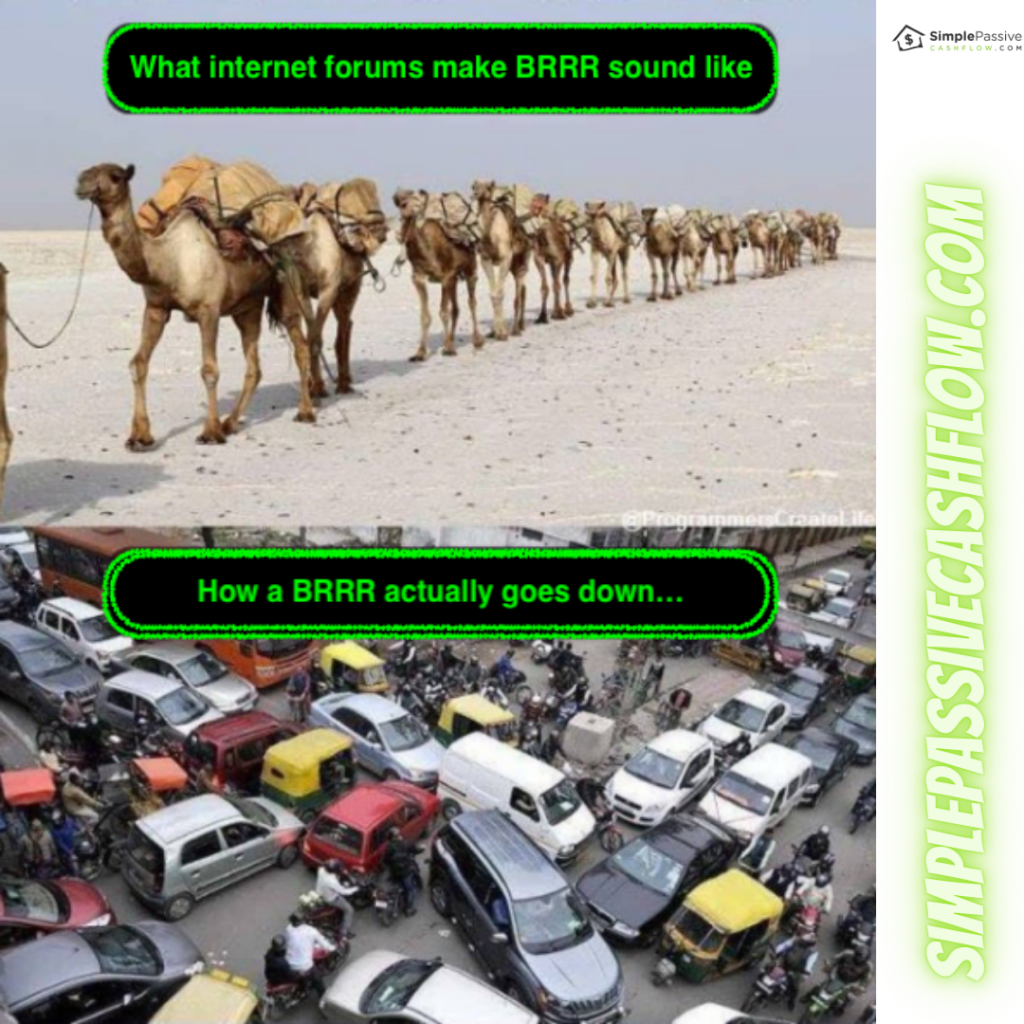
 

_________________________

Top SimplePassiveCashflow Posts:
This website has been going through daily improvements everyday since 2016. I admit things are a bit all over the place as I learn about these investments and wealth tactics.

Events – SimplePassiveCashflow.com/events
Past Projects – crowdfundaloha.com/past-projects/
Simple Passive Cashflow’s Investor Friend Finder!!! –SimplePassiveCashflow.com/friends
Menu of Investing Options – SimplePassiveCashflow.com/menu
LaneHack – SimplePassiveCashflow.com/lanehack
Passive Investor Accelerator eCourse – SimplePassiveCashflow.com/ecourse
Passive Investor Accelerator eCourse & Mastermind – SimplePassiveCashflow.com/journey
Coaching – SimplePassiveCashflow.com/coaching
Join our Private Investor Club – SimplePassiveCashflow.com/club
Join our Team – SimplePassiveCashflow.com/jointeam
Our Mission – SimplePassiveCashflow.com/mission
Partner Opportunity – SimplePassiveCashflow.com/partner
Products I support – SimplePassiveCashflow.com/products
About Lane Kawaoka – SimplePassiveCashflow.com/about-me
Quarterly Investor Updates – http://simplepassivecashflow.com/investorletter
SPC YouTube Channel – https://www.youtube.com/channel/UC3cIIsGKx3osVU5rt2P0HfQ
Real Estate Book Recommendations – SimplePassiveCashflow.com/books
Backwards Engineering Happiness – SimplePassiveCashflow.com/happy
Rental Property Analyser – SimplePassiveCashflow.com/analyser
Visit Lane in Hawaii – SimplePassiveCashflow.com/retreat
Start Here – http://simplepassivecashflow.com/start
Ultimate Simple Passive Cashflow Guide to…
1031 Exchanges – Simplepassivecashflow.com/1031guide
Newbies – SimplePassiveCashflow.com/noob
Infinite Banking – SimplePassiveCashflow.com/banking
Your Opportunity fund – SimplePassiveCashflow.com/ofund
Taxes – SimplePassiveCashflow.com/tax
Tradelines – Simplepassivecashflow.com/tradelines
Turnkey Rental Guide: simplepassivecashflow.com/turnkey
Syndication Guide – simplepassivecashflow.com/syndication
Crowdfunding – SimplePassiveCashflow.com/crowdfunding
Networking – SimplePassiveCashflow.com/people
Private Money Lending – SimplePassiveCashflow.com/lend
Investing in Coffee/Cocoa – SimplePassiveCashflow.com/coffee
Investing in Non-Preforming Notes – SimplePassiveCashflow.com/ahp
Rent don’t buy – SimplePassiveCashflow.com/home
Investor Fallacy: Return of Equity – SimplePassiveCashflow.com/roe
How to Calculate Investment Returns – SimplePassiveCashflow.com/returns
Why you should break up with your Financial Planner – SimplePassiveCashflow.com/fp
Quitting your job – SimplePassiveCashflow.com/quit

Wealth Management Tips from Centimillionaire Family Office Advisor Richard Wilson (184)

See our Family Office services. Link Here.


Summary: Family offices are firms that serve the ultra-high net worth investors such as centimillionaires and billionaires. While many people would be over the moon after receiving a 1 million dollar check after hours of negotiations and meetings, those same individuals from family offices wouldn’t even show up for such a low amount. In fact, a similar meeting for a family office would leave them in control of an additional 500 million in equity or more.

Richard Wilson gives his insight on how he assists these individuals manage their wealth.

https://simplepassivecashflow.com/hui3/

https://simplepassivecashflow.com/coaching/

https://simplepassivecashflow.com/ohana/

Pulling insights from meeting with 1,000+ single family offices,

having over 1,700 family office speakers on stage at our events

over the last 11 years, and helping dozens setup and operate

their single family offices,


Investing With No Set Strategy:

Families spend 15, 25, or 40 years building a business or real estate portfolio.


Over-Spending & Allocating After Liquidity:
Over-spending and investing right after a liquidity event. 


3 single family residences that will take 8 years to sell if you ever wanted to do so, or purchasing 5 private jets, or leasing 42 cars for your friends and family 


many families spend 15-25% of their net worth within the first 2-3 years after spending
a lifetime earning it –


  1. Ignoring Tax Optimization & Estate Planning:
    Despite doing a million things most entrepreneurs do not take action on trust structure, tax
    optimization, or estate planning 


  1. Lack of Integration:

Cannot operate without a clear set of values, documented mission, rules of engagement for the

family members, or priorities even. 


This leaves the team in disarray, causes confusion, sometimes it also tears families

apart due to not managing expectations as to what the wealth is for. Failure to setup proper governance, communications, quarterly family meetings, ethical policies, direct investment strike zones, processes, and approval steps can cost many families over $1M every year, not just in their first year of liquidity. 


  1. Playing a Generic Game:

Not knowing what game they are playing.

Do not play someone else’s game who has distinct strengths from their own. 


Many families get told what game they should be playing by advisors who are biased by their own solution offerings. 


strengths, location, access, insights, and resources should


1st compartment – Defensive Wealth Management

2nd compartment – Cash Flowing Commercial Real Estate

3rd compartment – Direct investments in operating businesses

Becoming a master at one category such as Stem cells or cannabis and investing in that. You can Passive cashflow your way to 1 million but after that you need to find something you’re passionate about. 

Start learning about real estate investing – SimplePassiveCashflow.com/start

Subscribe to the Top-50 Investing Free Podcast – https://podcasts.apple.com/us/podcast/simple-passive-cashflow/id1118795347

_________________________

Top SimplePassiveCashflow Posts:
This website has been going through daily improvements everyday since 2016. I admit things are a bit all over the place as I learn about these investments and wealth tactics.

Events – SimplePassiveCashflow.com/events
Past Projects – crowdfundaloha.com/past-projects/
Simple Passive Cashflow’s Investor Friend Finder!!! –SimplePassiveCashflow.com/friends
Menu of Investing Options – SimplePassiveCashflow.com/menu
LaneHack – SimplePassiveCashflow.com/lanehack
Passive Investor Accelerator eCourse – SimplePassiveCashflow.com/ecourse
Passive Investor Accelerator eCourse & Mastermind – SimplePassiveCashflow.com/journey
Coaching – SimplePassiveCashflow.com/coaching
Join our Private Investor Club – SimplePassiveCashflow.com/club
Join our Team – SimplePassiveCashflow.com/jointeam
Our Mission – SimplePassiveCashflow.com/mission
Partner Opportunity – SimplePassiveCashflow.com/partner
Products I support – SimplePassiveCashflow.com/products
About Lane Kawaoka – SimplePassiveCashflow.com/about-me
Quarterly Investor Updates – http://simplepassivecashflow.com/investorletter
SPC YouTube Channel – https://www.youtube.com/channel/UC3cIIsGKx3osVU5rt2P0HfQ
Real Estate Book Recommendations – SimplePassiveCashflow.com/books
Backwards Engineering Happiness – SimplePassiveCashflow.com/happy
Rental Property Analyser – SimplePassiveCashflow.com/analyser
Visit Lane in Hawaii – SimplePassiveCashflow.com/retreat
Start Here – http://simplepassivecashflow.com/start
Ultimate Simple Passive Cashflow Guide to…
1031 Exchanges – Simplepassivecashflow.com/1031guide
Newbies – SimplePassiveCashflow.com/noob
Infinite Banking – SimplePassiveCashflow.com/banking
Your Opportunity fund – SimplePassiveCashflow.com/ofund
Taxes – SimplePassiveCashflow.com/tax
Tradelines – Simplepassivecashflow.com/tradelines
Turnkey Rental Guide: simplepassivecashflow.com/turnkey
Syndication Guide – simplepassivecashflow.com/syndication
Crowdfunding – SimplePassiveCashflow.com/crowdfunding
Networking – SimplePassiveCashflow.com/people
Private Money Lending – SimplePassiveCashflow.com/lend
Investing in Coffee/Cocoa – SimplePassiveCashflow.com/coffee
Investing in Non-Preforming Notes – SimplePassiveCashflow.com/ahp
Rent don’t buy – SimplePassiveCashflow.com/home
Investor Fallacy: Return of Equity – SimplePassiveCashflow.com/roe
How to Calculate Investment Returns – SimplePassiveCashflow.com/returns
Why you should break up with your Financial Planner – SimplePassiveCashflow.com/fp
Quitting your job – SimplePassiveCashflow.com/quit

Transcription:

0:00
Richard Wilson is a guy who works with deca millionaires and you guys haven’t heard of the term family office is the term for families that have gotten well beyond that four and a half million dollar mark. They’re more in the 5100 $200 million range. So think of it like Bruce Wayne in the Batman he had Alfred Alfred did a little bit more than your average family office in terms of keeping them out of trouble when they came up and all these gadgets but essentially, you get what a family office does. They’re a consultant that is brought on board basically the kids don’t mess it up and the family wealth keeps moving on. I’m trying to sort of do the same thing here in Hawaii and across my simple passive cash flow nation you guys want to check out my family office offering go to simple passive cash flow calm slash coaching, or go to Rei aloha comm slash ohana to read about my services where I can help out your higher net worth family definitely probably on applies to accredited investors there but accredited investors and above do things very different than your average half a million dollar net worth below you know the infinite banking is just a start but you know now you’re starting to talk about oversee trusts and tricky things like that that are I’d probably say unfair. So if you want to learn more about that you can email Lane at simple passive cash flow and here’s the show.

1:22
What’s up simple passive cash flow listeners once

1:24
in nounce, the first multi day we mastermind in Hawaii will be holding it on

1:31
my island of Oahu,

1:33
Honolulu is on President’s Day 2020 and that’s February 14 and 17. And a reminder, Valentine’s Day is the 14th. But we’ll keep that evening for you. families and couples want to come on down for that we’re actually encouraging spouses and families that come down because that’s part of the whole experience, getting to know other families and getting to know other committee members. gonna be a big part of this. So what to expect structured networking and masterminding with existing CWI investors and other affluent investors, we’re going to create the time and the environment to build real relationships that you can take forward forever. And for you, a students out there will do even be doing a full day of networking and mastermind and education. So once again, bring your families we’re going to have optional excursions such as a luau, happy hours, dinners and some other activities to be able to have fun in the sun. And, you know, space is extremely limited because my vision is to kind of create this as a more intimate environment where we’re all one big little ohana here. So come in and combined business and pleasure in a little tax write off hopefully you can get that right off in before the 2019 ends. Those signing up now we’ll be able to get your free one on one strategy session that if you want to stick around till Tuesday, we can knock that out or if you’re leaving early we can try and get that done throughout the weekend but hope to see you out in Hawaii go to simple passive cash

3:15
flow calm slash week three and we’ll see you guys here how’s it

3:22
going Richard? Thanks for coming on. Good Yeah, thanks for having me here lane.

3:25
Yeah, so give us a little background you know how you got started and advising these sensimilla in their family Sure,

3:31
Dad no at the start it was educated myself. I started writing online when I was learning while meeting with them realize many of them are not meeting with each other too often. That got me on the front page of the Boston Globe many different media mentions which got me speaking invites so I ended up speaking a couple hundred times in 14 countries got a book deal with Wiley bought family offices calm to start sharing that leadership and then the additional books written and all the hundred and 14 conferences with hosted now just kind of built on top of that progress. I mean, less The industry has expanded greatly since I got started 12 years ago. So I got a little fortunate being in the right spot at the right time, you know, thought leadership and just providing value as I’m learning has been the main way that things have grown. Yes, it’s just so people

4:12
kind of left at the bus stop there. What is a family office? What are we talking about? Sure,

4:17
yeah, it’s basically a solution for those who have a lot more money than the average person who are much more wealthy. And the way I like to explain is that if you’re only worth $100,000, and you make a mistake, that’s equal to 5% of your net worth, that’s just $5,000 mistake, maybe you could have hired a consultant to help you avoid that and spend, they could spend a couple hours helping you prevent making that mistake again. But if you’re worth 100 million dollars, or even just $10 million, and you make a 5% mistake, it’s much more painful. And you could have a part time person, a secretary, an investment analyst, an attorney or project manager that would just help you avoid making those mistakes. And so as families become more wealthy, they’re gonna be more likely to make mistakes because they’re very busy. everybody’s asking for their checkbook, their time, to get On their calendar, etc, they’ve got many different business entities, different investments going on deals going down all the time, they might be overseeing a 400, person, team, etc. So they’re more likely to make mistakes and every mistake could cost them $500,000 here, 200,000 there, etc. So a family office solution gets you family office quality solution providers, it gives you less chaos, less stress, better deal flow, and it allows you to really be more effective at what probably created your wealth in the first place, which is typically not coordinating with your CPA or insurance advisor and filling out paperwork for 50 different LLCs and overseeing all that.

5:35
So it’s a lot more than your basic financial planner gets Commission’s off something. It’s more of a holistic advisor right away.

5:43
Yeah, for sure. In fact, many times like one client where onboarding now is worth around 300 million, and we’ll probably be doing six to eight months of heavy estate planning, organizational accounting, legal structure work before we even focus on the investments very much will try to slow him down on Making allocations until we develop a direct investment program with him. And I think it’s not all about the investing. In fact, the best investment many of the ultra wealthy can make is in getting great tax and estate planning in place, because almost nothing else is going to provide a multiplied return in the same year where you’re really just saving so much more than you’re spending on that advice being employed. That’s usually one of the first items to look at.

6:22
So based on clients coming to you guys, are you seeing that they are continually growing wealth? Or is their wealth accelerating in that respect? Or is it sort of decaying? And you definitely see it sputtering out with the next generation with where kind of the spreads that you see.

6:38
Yeah, I mean, there’s a lot of statistics about families losing their wealth over two or three generations. But you know, it just depends on what the family’s goals are. Some families have goals of giving away a lot of their wealth during their life. other families have a real goal of passing along entrepreneurial traits to the next generation. Others say Well, next generation decides what they want to do with their life. We’re going to have enough so they have education and they can buy their first home. Maybe for a medical emergency, there’s some access to capital, but they don’t want the generation to have control the capital. So it really depends on the family. But if you’re an entrepreneur listening to this, and you want to, you know, make sure you’re passing on those traits of hard work ethic and being resourceful, etc, then having something like a family bank that has it’s an informal bank, but with formal rules about how maybe the next generation only gets money for school, first house medical emergency, or a business idea that gets approved by the older generation and the family and then that way, they could buy the chain of three jompa juices or they could buy the chain of 10 carwashes or start that business. They want to start on Amazon etc. But it has to be approved by the family and then you get the money for the business and profits off the business you’re able to keep but you’re not just given a check to go buy Ferrari isn’t a condo in Monaco or Hawaii.

7:49
Right. I think it’s something that as I build my podcasts over the last few years, I’m kind of more getting into the more the advising side and definitely helping people get from zero To a million dollars network that seems to be my sort of claim to fame and that individual, they start working through their 20s and 30s. They’re hustling and they have some kids and they get to about the 50s and 60s, what are some of the planning essentials for someone that have hit that pedestal? $3.5 million shelf as total network? Is it enough to start to bring in a family office? Or what are the best options for that? Somebody?

8:22
Yeah, it’s interesting. It’s good question. I mean, you can definitely take some lessons from the family office world, most multi family offices, the ones who take on 1020 or 50, clients, etc, will want you to have at least seven to 8 million net worth before they’re going to take you on as a client. But if your net worth is growing by a million dollars a year you can probably convince them to take you on because I know that you’re going to be a long term valuable client the serve but some lessons you could take. I think the most important one is to separate your thinking in your wealth management and you’re investing into three compartments and it helps you focus your energy where you can maximize your return. So traditional wealth management is all about defense that stocks and bonds and commodities and fund managers and every is to find things that are uncorrelated. And that’s what the whole wealth management industry talks about. But that’s just one of the three compartments. And so typically, unless you created your wealth and and space, you shouldn’t be managing that yourself doing a whole bunch of research and thinking you’re going to buy Amazon at the perfect time or buy Tesla the best time or short this or that unless that’s your background, you just love that stuff. And that’s your whole life, I would just find the best in class provider and a wealth advisor. they’ll manage that first compartment, which is your defensive compartment of your wealth. And the goal there is not to grow your wealth is to make it so that it doesn’t get lost in great amounts and economy goes down and then it slowly kind of just tracks the market on the way up, hopefully, but no one gives money to a wealth advisor, typically nobody and they’re worth 2 million and now because of that Wealth Advisors, great work on diversification. Now they’re worth 20 million and none of my clients got wealthy because they had a good wealth advisor. So I think that’s important to keep in mind. That’s the first compartment is a defensive wealth management and that should be a certain percentage of your portfolio depending on who you are. The second compartment is cash flowing commercial real estate. Which is area you know very well and I always encourage clients to look at things are already cash flowing that are not too much developments unless for some reason they really like that slant or have an angle on that and is in an area they understand. And usually in this area, they’re finding an independent sponsor or a fund manager, or they’re using a property manager for property they buy directly. So they’re kind of at arm’s length. And most of them don’t like to go into the funds. They don’t know what property they’re getting like to choose the properties one off and work with independent sponsors and that way, but it’s a good medium because they’re not saying Okay, Mr. banker manage my defensive portfolio, they’re saying, okay, sponsor show me four deals a year and I’m going to say yes to one or two of them, and they’re keeping some control of where an investment goes, it could be in one suburb of Indianapolis versus another one or one part of Honolulu versus another part of their more high conviction on that’s not overheated or it’s going to grow more. So that’s the second compartment and usually focusing on two to three types of commercial real estate for it most is a good idea and not going too broad. And then the third compartment is direct investments in Operating businesses, which should probably be in the area where you created your wealth, if it’s manufacturing autoparts should probably narrow your focus just investing in that area or in some area that you really for the next 1025 years you want to be investing in to be an expert in like stem cells or cannabis or something where you’re just going to go all in on that read everything about it only look at deals there and be a real master of investing in that niche. And those are the three compartments that if you break down your decision making then you can see whereas it makes sense for me to have complete control, partial control and who can I trust to help guide me on each of those three areas?

11:33
And you know, kind of piggybacking on that last category there something I’m kind of learning after making this whole podcast simple, passive cash flow, I thought the secret to life is just passive cash flow me You can passive cash flow your way from zero to a million, but you’re not going to passive cash flow your way from a million to 4 million, there’s going to be up to some kind of thing that you enjoy or some special skill that you’re gonna have to create a business in some industry that Richards kind of talking about in that third category,

11:59
right? Yeah, I think it I think otherwise could take a long time. I think that the trick is that all the ultra wealthy clients ICER to get up to really the 30 $50 million level if someone has an ambition to really jump there Well the truth is that I don’t know anyone who’s done that by placing a lot of passive bets you can get sometimes better returns with hard assets behind it by going into commercial real estate sometimes that is possible for sure. But if you are not focusing your creation of value into the world into something very specific, they can really magnify your returns your equity stake in it, then it can be hard to get to that ultra wealthy level. But you know, some people are very risk adverse some people have needs for high incomes. Obviously, there is no recommendation for all investors out there should take a lot of risk in a very specific area for sure that’s not good advice. But if if someone is coming to you lane and saying like how do I grow my wealth more rapidly, I would say to think in those three compartments and think where it makes sense to apply the most of their control and then find the best in class for the other areas. So every hour you’re spending on a project, it’s an area where you have an advantage over everybody else in the marketplace or you have a unique focus. So you’re making progress over competitors or over the market with every day of energy you invest. I think

13:11
people generally intuitively understand that. But now they’re like, well, I gotta get in general partnership. And so these deals, how do I do that? I’m like, dude, you gotta find the deal. You gotta run it, or she could have you had to add some value, right? People just don’t get that. I think some of these, right?

13:26
Yeah, yeah. Now that’s true. I’ve heard that similar conversation. I mean, I think otherwise, you have to be putting up 50% of the deal or you know, some big amount of the LP base, yeah, systematically or something. Just click and delete the contact.

13:42
Other than the 27 weeks of curated content for the passive investor, the new mastermind will offer bi weekly power calls with the following format. first week of every month, we will dial in on being a direct investor for simple passive cash flow 1.0 I call it which is getting your first rental Nicole shading sourcing operation etc. second week of every month, we will discuss holistic wealth building topics or what I call simple passive cash flow two point O plus, which is holistic Wealth Management syndications private placements, tax legal lifestyle design, etc.

14:19
Get a sense of this forum by

14:20
checking out the guide the taxes video at simple passive cash flow calm backslash tax, I’ll be honest, some things I can’t see the general public because it’s too personal. And it’s not to say bad things about others. Unless you’re in the mastermind. One rule we have is what happens in the mastermind stays in the mastermind. To get in go to simple passive cash flow calm, backslash journey. Don’t be left out and join the day. If you’ve been waiting on the sidelines. This is your moment and not to be taken by an institutionalized education program. about this idea of like integration, right synergies, profession and interest. What are some things that you’ve kind of tied people together? Like, Hey, have you tried this idea of this type of business?

15:03
Yeah, yeah, I’m glad you brought that up usually in the podcast with that, because nobody ever asked me about it. And they asked me if I have any last things I want to add. And it’s that idea of integrity or integration. And I think it’s very important for someone who is investing because if your background is a computer programmer or an engineer, then you could add value potentially in that area and look for companies in that space. So a good example is an investor friend that lives here. I live on the island of Key Biscayne, one of my neighbors made his money in debt investing or reading a debt platform for consumers. And he wanted to start investing in multifamily properties. And I said, Well, one way to look at it is how can you invest in the debt side of the multifamily space, that’s where your expertise is, you might come in as a normal LP investor on some deals, but if a sponsor ever wants to structure it as a debt note, or if you can find real estate investment structured as debt notes or come up with a creative structure, it might be a way for you to help people get deals closed and you get an X percent return with the collateral of an apartment building. behind that, that’s an example of playing a unique game in the marketplace. I’ve got another friend who helps sponsors by waiting until they close the deal. Maybe the sponsor put up 10%. And then three to six months after closing, they will go to the sponsor and say, Hey, I know you’re looking to do your next deal, I’ll buy out 8% of the 10% that you just put down on your last deal. Now you’ve got eight out of the 10% that you need on your next one, but they get to then see three to six months of operating history, are the rents coming in as planned, the person that sell you the property lie about the condition of the units, you know, did everything settle fine at closing and etc? Or are there problems that are coming up, etc, and allows them to get superior due diligence done because of that unique model they have? And I think it’s just important to look at yourself what others are doing and try to create a unique game for yourself as an investor. You know, if you’re just using someone else’s template that’s not unique to your DNA and your background, then I think that you’re not going to excel like your background, for example is in engineering, right, link. That’s right,

16:57
but I don’t like to do with operations and stuff like that. Right, right

17:01
but have you might have a unique attention to detail on the due diligence approach and setting up this podcast. I’ve never seen someone more organized and doing so it’s like the links and stuff you had in there and made it very easy to work together on getting this podcast done. And so those unique aspects of who you are could allow you to find the things and due diligence that others Miss might allow you to walk through a property or look at construction or cost of things have a much better estimate and intelligent assessment and the average real estate investor or because of your unique background, maybe you’re able to identify a group of engineering company owners or an insider industry group where the cost of join is very high. So the only people who are joining are very successful making 300 500,000 a year or they run a big team of engineering services or an engineering company and because of that, you’re just naturally meeting investors left and right who appreciate that special skill set that you bring to your deals.

17:55
I think I’ll add that you’re not going to find this at the W two day job. You’ve got to kind of take that leap of faith, kind of like how I did. And I haven’t really found that what I’m personally want to do with my time. But the same here it is a passive cash flow simple part, what you do after is it’s really the hard thing.

18:10
Right? Right. Well, hopefully it’s combination of something that uses your DNA background where you can make a lot of money and what you’re really passionate about. And hopefully those combinations can be something very unique in the marketplace. So with your geographical focus, you only have one or two competitors, or no competitors. And I think that you can use those screens to narrow it down. I found that you know, you did, a lot of energy goes into creating a podcast like this, but I found that most people won’t ever start a podcast, I won’t ever write a book, it will never go to public talks. And much of the time is because they’re not sure on what they want to stand for what they want to get done. And if you’re unsure about something, then it feels risky to invest your energy into it. But if you can make a decision based on those three areas, and you know, it’s a unique game that you’re playing, then you can invest far more energy into it than others are investing in their projects. And then the marketplace will recognize you because of your certainty. You’re able to I run circles around a competition with what you’re putting out what you’re getting done and just the amount of energy that you’re infusing into your projects

19:06
right so they will switch gears a little bit the person listen to the podcast, they get it, they’re they’re kind of actively building portfolio that may or may not be taking that next step to building their business but at some point, the guys are listening to this podcast get it and they’re going to be a net worth of a million to $5 million in the next decade or two. You know it’s scary right? Because you’ve created all this wealth you can give it to your kid he’s just gonna may likely be a trust fund kid you know, I went to private school so I know how it works right? I see all these right the girl up and how kind of new components they become prices. How do you what is the best mindset for that kind of parent who means well and wants to pass off? Well, the right way has some skills and traits.

19:48
Sure, I mean, as much as you can, I think encouraging them starting their own business when they’re in grade school or high school like I had started five businesses before I got out of high school and I had a business in college. I got out of college started in Another business. So I think encouraging that, you know, we have our daughters to lemonade stands, and they’re only two, four and six years old, but they do lemonade stands maybe twice a month and they’ll think they made $56 last time and our goal this time is to make $100. And you know, that is their allowance and they make them count the money they will cash register. One of them is the salesperson one of them’s the money handler one of them’s pouring a lemonade and you know, just infusing that into the family DNA. So they’re excited about it. And they they get that like, we bought the lemonade for $10. That’s how much the supplies cost. And then we brought in $56. So we made $46. So that’s the profits from doing that. It’s something as simple as that. And my father took me to business meetings growing up when he was running his business. And I think that helped me He also read ink magazine a lot growing up. So I always reading about these great stories of people’s high growth companies. And that got my brain early on. And I talked to my girls a lot about what I’m doing in the business and what’s going on, even if they don’t seem to be listening sometimes. And I think that kind of rubs off on the kids. getting them involved early, putting them in charge of something, maybe buying them a small business or getting them to run something and letting them fail if they need to fail to learn. So do you think that not all kids have that entrepreneurial bug? Or are all people in general, do high net worth families? They sort of trying to infuse that small business mindset. But are they okay with them becoming a dentist or doctor or some more traditional academic, I mean, only a percentage even want their kids to be entrepreneurial? For sure. I found that a percentage are okay with whatever path they want to take. And it don’t even have a preference for them to be an entrepreneur, even though they were

21:36
entrepreneurs themselves.

21:38
Yeah, many of them are open to them doing whatever path makes them happy. And then no matter what their intention, many of them fail to direct the kids where they want them to. Just like with my girls, I have no idea. God forbid something. They make horrible decisions. I hope not but they could be anything when they grow up. I’m not sure obviously, they’re so young, but it’s a big challenge for many families just because they have a lot of money and even if they have been highly intentional about where they want to Right there kids, you can’t control all the different variables and they’ve got a mind of their own. So I think that is a big challenge for many families and communicating with the monies for and expectations around who’s going to get what money and why very difficult and the tears a lot of families apart. So I think it’s something that’s good to be talking about as kids grow up and manage those expectations and manage what are the family values? What are the goals, you know, what are the expectations that people don’t think they’re going to be inheriting $10 million, so they just drink at their frat for seven years at college and don’t worry about their own career versus really encouraging them to go out and get their own career I think also as possible having it be so that the kid has money for school food, etc, but not a lot of money to go on crazy trips and have a Mercedes on their 16th birthday and etc. You know, and may if they want money, then they need to go earn the money. It’s not free. You have to go create value in the world.

22:54
I mean, you guys help the family on the money side but raising productive adults that’s up to them then yeah, we

22:59
know couples, therapist types that can work through family issues if there’s a big problem going on within the family. And we can help put in into place governance policies and rules and ethical policy for the family office and help them avoid some major pitfalls. But some families don’t have it as a high priority, or it’s so messed up already, when they come to us that they really need the help of a therapist to address the one son who’s a drug addict or something of that nature.

23:26
All right, so what would you suggest for somebody who has aging parents that has a pretty decent sized estate yet? They just saved their way to getting that? What would be the suggestion there to take over that estate? Right?

23:39
Well, I think as early as possible, it’s good to meet with an estate attorney, a tax attorney and start structuring things. There are things you can do annually that if you just wait until they’re on their deathbed, you’ll have missed out on a lot of opportunities to structure things right and you will end up giving up more to the IRS and you’ll pay more taxes than you needed to if you wait Tell somebody who’s terminally ill I mean, if somebody is 60 already or 6570 any wait too long, then by the time decisions start to be made, there can be questions within the family if the person was mentally coherent enough, or whether there should have been a power of attorney enacting chaos, fighting within the family, maybe the uncle or the cousin or another sibling thinks that because maybe you’re local, and like, I don’t know you well enough later to know if you have a sister or brother or 10 of them. But let’s just give an example of if it was your parents, and let’s say you had a sibling in San Diego, but your parents were local to you there in Hawaii. And let’s say you are local, and then you help your parents work through these decisions. And somehow, even though you think it’s totally fair and equal, and that was the whole intent, you think that was the whole settling of the issue. If the sister thinks because you’re local, you got a better shake out of it because you got to keep the house or you got to do something extra with the assets and you benefit more than she does. She might be very upset about such a thing. I’ve seen it happen many times with families At the same time, the brother can feel like hey, I help the parents, instead of going into the senior living. I helped them manage their care for seven years because they didn’t want to go into senior living. I helped meet with the attorneys 22 times. I didn’t take compensation for any of that. So yeah, I’m living in the house because I was taking care of them in the house, you know, so you can see how easily this stuff can turn into like nobody talking to each other for 20 years. You know, so that’s the sad part about it. Yeah, to be really careful about it and kind of predict and just like over communicate when these types of things are going to be inevitably happening. Right. The one of the biggest things I see that screw people up the parents, they’re very sentimental about this physical house. It’s just always easier if you just would liquidate everything and just do a simple math exercise and divided by the amount of people and right or rent it out and then split it equally by the amount of people. Many times properties haven’t been refinanced and ages could be refinanced, a little distribution and then a rental drip but it totally depends on the family obviously, and what their needs are and their ages, etc. Right. It’s just the insight I think a lot of people just sort of blindly being blind is the tough part in between this one the 10 $5 million zone, it’s not quite enough to get somebody on board and like a family office level. But yeah, it’s true. I would, you know, that you bring up a really good point is that until you’re at the eight or 10 million level, it’s hard to get family office quality solution providers, but because I’ve seen so many families get such an ROI out of their estate planning tax advice area is one area where you shouldn’t look at it as a cost. It really should be seen as an investment in interviewing the five to seven trust in the state planners, tax advisors, maybe someone who can do both things within one team and get to know them over one or two meetings or interviews and get the best one that you can get as the best one is used to dealing with deca millionaires, even if you are at 5 million is going to know the more advanced planning that could be an option where if you go to the guy who seems really nice and is really local to you, but his average client is one minute Net Worth and you’re at five, he might miss some major things that could have saved save you a lot on taxes and would have paid the bill five times over. So it’s not smart to choose an advisor in that area based on the cost. It’s really an investment, right? You wouldn’t buy an apartment building because it costs 1 million versus the other one costs 2 million like, oh, let’s get the cheaper one. It’s better to always go cheap. You know, it’s about the ROI.

27:23
What What is the typical compensation structure for a $10 million family office or 100 million dollar family office?

27:30
Yeah, so usually, usually it’s percentage and usually be anywhere from 30 to 50 basis points on the low end up to 1% of assets under management. But for estate planners are usually charging a hourly fee, but then they’ll usually have sort of a base retainer and the hourly fees can be 300 $800 an hour and then associates on their team will be lower. That’s definitely not inexpensive. But there’s some wealth management firms out there that have performance fee based arrangements so they’re not charging you Failure is charging a performance fee on how your portfolio does while working with them. And that’s kind of a newer trend. And are these

28:05
guys do they also pick up some compensation via selling certain securities? Or is that no goal

28:12
it could be if it’s disclosed, it’s always about being transparent, disclosing everything disclosing conflicts of interest or even potential conflicts of interest and just kind of over communicating that with clients and but most Wealth Advisors just have their wealth advisory firm although probably about 10% of the marketplace. I have a real expertise in an area like stem cells or self storage or something and then that might be a reason why clients want to work with them. They were really strong on this everything else we do traditional wealth management, everything else we we find the best in class, but here’s why we’re best in class in self storage, etc.

28:47
So typical clients, they’ll pay by the hour, let’s just say then they’ll come in how often for

28:52
tune ups and oil changes. I mean, estate planners in tax attorneys will typically charge by the hour but they might have a base rate teeners, they might charge you 1500 a month or 5000 a month, and then have a per hour charge as well. And that retainer gets you a certain number of hours. For the wealth management firm, or a multi family office type solution, it’s going to be more about, hey, we’re going to charge say, 70 basis points on your 7 million and assets that we’re going to be managing. And then as that grows, you might get a break in fee once you hit 10 million and assets being managed, etc.

29:26
That’s typically much call Richard whenever you want.

29:30
I mean, I’m glad you said that, because here’s what happens a lot of the time is that the dynamic needs that you might have could be related to direct investments you want to do, right? So the calling for extra advice on investment decisions that usually occurs because somebody offered you an investment in a multifamily property or an operating business or some new investment opportunity came up and you brought up a sore point for the whole wealth management industry is they’re pretty good at diversifying your assets, fund managers quality stuff. stocks bonds. And there’s 40,000 people that can do that probably in Hawaii alone on some base level, but many multifamily offices and wealth management firms fail to advise that all on cash flow in commercial real estate, hard assets, direct investments and operating businesses is a huge blind spot for the industry. To the extent where with our advisory solution is simply the millionaire advisors, we are only helping with the direct investment portion, if somebody wants to full balance sheets solution and the defensive Wealth Management portion. We have a $6 billion family office partner and we can do that together in conjunction with them, but we’re just providing the piece that we feel like everyone else is not providing to these families. And that’s the type of stuff that requires more intra month of conversations back and forth. So it’s not just plug and play like I’ll take your 7 million will diversify it across, you know, one of our normal portfolio breakdowns based on your investment policy statement and you know, we’re good and we’ll adjust to each quarter and tell you how we’re doing that’s more of a efficient thing that you can scale that people like yourself, people that wants to get the Five 710 million they want to do direct investments I found very commonly, from based on what you see guy listen to the

31:05
podcasts, they’re about $5 million net worth, they’re getting up to retirement ages and you know, definitely a lot of this stuff passing down the baton, and then they just don’t know where to start. I mean, how many hours do you think someone like an advisor would be able to get them up to speed and something that they would be looking for?

31:23
Right, right. I think that it can be pretty intensive work. depending on the complexity of the client, they might need to do four to five half day meetings to make sense and come up with a game plan of what needs to be done. And then based on the complexity of that game plan, you’ll need to engage one or two other solution providers, you might need a higher quality CPA might need a great estate planner or a tax attorney. And then the carrying out of the actual investment management plan could take four to nine months or even a year to get things allocated in the right areas. When it comes to direct investments. It’s not a good thing to get allocated all at once you know, some are it fluctuates, you want to be at different entry points, you want to make sure you’re investing in the best deals possible, not just rushing in and allocating all $7 million to what’s in front of you right now, you always want to have some liquid for a great opportunity. And the real estate markets been going up so long, a lot of families want to stay, you know, 1020 25%, fully liquid. So when the market goes down, they can be fully allocated and not before that point. Right. So the reason we brought Richard on

32:26
the podcast is just to tell you guys a little bit about the sort of industry as you’re building your network, so you don’t get stuck at the all these deals, but I don’t know what to do with it after. So do you think we miss Richard though, kind of help the folks as a journey through the one and then the three and then the $5 million net worth levels?

32:45
Yeah, I think that just bringing it back to plan a unique game, making sure everything is integrated and aligned and what you’re spending your time on, who you’re working with, where you’re based, where your investments are, what industry they’re in, and then making sure you’re playing the long term game over. lot of families position their portfolio. So inevitably, whether it’s 1015 or 20 years, they have a great wealth accumulation. So just setting things up. So you’re doing well long term because it’s not like the stock market and what’s happening with Tesla stock. It’s not like you’re managing Tesla. And after I do quarterly earnings reporting, most people listening to this have a 1020 year time horizon for retiring for, you know, building up to that $10 million goal, which I know a lot of people at one to five, eventually their goals be worth 10 million. So I think that making sure you’re playing a game, that long term is very sound and your high conviction on will make you more energized to take action on it and and really put energy into making that game work.

33:41
All right. Well, thanks for coming on and talking to us poor people a little bit. We’ll get there eventually. Yeah, Google, Richard Wilson found me offices. He’s all over there. So that’d be the way to get ahold of him.

33:53
Great. Yeah, thanks for having hairlines appreciate it. All right. Thanks. Take care.

34:01
This website offers very general information concerning real estate for investment purposes every investor situation is unique. Always seek the services of licensed third party appraisers and inspectors to verify the valuing condition of any property you intend to purchase. Use the services of professional title and escrow companies and license tax investment and our legal advisor before relying on any information contained herein information is not guaranteed as an every investment there is risk. The content found here is just my opinion and things change and I reserve the right to change my mind. Above all else, do your own analysis and think for yourself because in the end, you’re the only person who is going to look out for your best

34:37
interests.


When is it time to Retire? Accredited Investor Live Coaching Call


Summary: Live coaching call of an Accredited investor. Discussing when to retire and how to transition to cashflowing assets such as multifamily apartments or syndications.


Start learning about real estate investing – SimplePassiveCashflow.com/start

Subscribe to the Top-50 Investing Free Podcast – https://podcasts.apple.com/us/podcast/simple-passive-cashflow/id1118795347

_________________________

Top SimplePassiveCashflow Posts:
This website has been going through daily improvements everyday since 2016. I admit things are a bit all over the place as I learn about these investments and wealth tactics.

Events – SimplePassiveCashflow.com/events
Past Projects – crowdfundaloha.com/past-projects/
Simple Passive Cashflow’s Investor Friend Finder!!! –SimplePassiveCashflow.com/friends
Menu of Investing Options – SimplePassiveCashflow.com/menu
LaneHack – SimplePassiveCashflow.com/lanehack
Passive Investor Accelerator eCourse – SimplePassiveCashflow.com/ecourse
Passive Investor Accelerator eCourse & Mastermind – SimplePassiveCashflow.com/journey
Coaching – SimplePassiveCashflow.com/coaching
Join our Private Investor Club – SimplePassiveCashflow.com/club
Join our Team – SimplePassiveCashflow.com/jointeam
Our Mission – SimplePassiveCashflow.com/mission
Partner Opportunity – SimplePassiveCashflow.com/partner
Products I support – SimplePassiveCashflow.com/products
About Lane Kawaoka – SimplePassiveCashflow.com/about-me
Quarterly Investor Updates – http://simplepassivecashflow.com/investorletter
SPC YouTube Channel – https://www.youtube.com/channel/UC3cIIsGKx3osVU5rt2P0HfQ
Real Estate Book Recommendations – SimplePassiveCashflow.com/books
Backwards Engineering Happiness – SimplePassiveCashflow.com/happy
Rental Property Analyser – SimplePassiveCashflow.com/analyser
Visit Lane in Hawaii – SimplePassiveCashflow.com/retreat
Start Here – http://simplepassivecashflow.com/start
Ultimate Simple Passive Cashflow Guide to…
1031 Exchanges – Simplepassivecashflow.com/1031guide
Newbies – SimplePassiveCashflow.com/noob
Infinite Banking – SimplePassiveCashflow.com/banking
Your Opportunity fund – SimplePassiveCashflow.com/ofund
Taxes – SimplePassiveCashflow.com/tax
Tradelines – Simplepassivecashflow.com/tradelines
Turnkey Rental Guide: simplepassivecashflow.com/turnkey
Syndication Guide – simplepassivecashflow.com/syndication
Crowdfunding – SimplePassiveCashflow.com/crowdfunding
Networking – SimplePassiveCashflow.com/people
Private Money Lending – SimplePassiveCashflow.com/lend
Investing in Coffee/Cocoa – SimplePassiveCashflow.com/coffee
Investing in Non-Preforming Notes – SimplePassiveCashflow.com/ahp
Rent don’t buy – SimplePassiveCashflow.com/home
Investor Fallacy: Return of Equity – SimplePassiveCashflow.com/roe
How to Calculate Investment Returns – SimplePassiveCashflow.com/returns
Why you should break up with your Financial Planner – SimplePassiveCashflow.com/fp
Quitting your job – SimplePassiveCashflow.com/quit

Transcription:

0:07
What’s up simple passive cash flow listeners once in nounce, the first multi day we mastermind in Hawaii will be holding it on my island of Oahu, Honolulu is on President’s Day 2020. And that’s February 14 to 17. And a reminder, Valentine’s Day is the 14th. But we’ll keep that evening for you. families and couples want to come on down for that we’re actually encouraging spouses and families have come down, because that’s part of the whole experience. Getting to know other families and getting to know other committee members is gonna be a big part of this. So what to expect

0:49
structured

0:50
networking and masterminding with existing CWI investors and other affluent investors. We’re going to create the time in the environment to build real relationships that you can take For forever and for you, a students out there will do even be doing a full day of networking and mastermind and education. So once again, bring your families we’re going to have optional excursions such as a luau, happy hours dinners and some other activities to be able to have fun in the sun. And, you know, space is extremely limited because my vision is to kind of create this as a more intimate

1:29
environment

1:30
where we’re all one big little ohana here. So come in and combined business and pleasure in a little tax write off hopefully you can get that right off in before the 2019 ends. Those signing up now we’ll be able to get a free one on one strategy session that if you want to stick around till Tuesday, you can knock that out or if you’re leaving early, we can try and get that done throughout the weekend. But Hope to see you out in Hawaii go to simple passive cash flow. dot com slash week three and we’ll see you guys here

2:06
a simple passive cash flow listeners today we have Mr. accredited investor Lee here we’re going to be going through his personal financial sheet and hopefully I would say a lot of you guys are in this situation is on the verge of being accredited so let me introduce codename Lee here How’s it going? Good yes so once you kind of give us the high level and and where you’re at with life and what you’ve done up to this point and a little bit of your day to day because you do for work and tell us a little bit about yourself.

2:34
Okay, I’m a engineer for general contracting Hawaii and I’ve been doing it or been with them for about 20 years I’ve been in the business about 35 so I started investing in about five years ago started with get

2:48
funding for flipping houses here in Hawaii and then I started going to the mainland because they had a little bit better profit. So you kind of came to this a little bit later. I mean, you are no more investing for one K off market or a decade or two, what wish you to look elsewhere?

3:04
Well, it kind of started late in my time in investment. So just looking at the time I wanted to retire and the amount of time I had now needed to accelerate my portfolio for my retirement. So I figured real estate investment might be a good idea to meet my retirement goals. Being an engineer, you can kind of do the math math doesn’t lie but what you end up with

3:25
Yeah, so that’s what I did. I was coming up short so I figured I needed to find another way other than stocks and going K to meet my retirement goal see are mostly a passive investor doing private money lending to a bunch of local flipper, what were some of the the rates you’re getting there. And how did that go for you,

3:41
the local vendors, I would say like 10 to 15% 15% would be kind of lucky.

3:49
that a long time ago though, right now, like cap rates are getting compressed now. So everyone’s starving for deals, that’s still the going rate.

3:56
Now, so I would say about five years ago, so not that long, but it’s getting harder the margin is getting harder to get 15% 10% is kind of the norm but even that I think it’s going even lower because of the offer ratio so I went to the mainland and went to this seminar and kind of bought in and I did three deals one I made out maybe about 20 to 20% profit another way just broke even and third one

4:22
I lost everything What were you guys doing was the operation was flipping houses

4:25
okay Roman oh

4:26
yeah all over the US different cities I’m making you can make money doing it. But I mean, I live in Hawaii too. I’m actually got the rehabs in the progress right now. And I’m know I’m getting gouged on price but I have no leverage being remote mean I know people get an inspector to inspect the work part way but I don’t know. I think it’s just a single point of failure and you’re gonna get screwed at some point. Yeah, I noticed a key so you gotta have a good contractor realtor and like you see an inspector and some of these people that you deal with, you know, they were all part of a group but you don’t really know that. And their experience so if they don’t have a good contract there it’s like the first time they ever worked with them and you know the history and background like one of my deals contract actually was doing shoddy work so we had to do that on goal me being a passive investor I didn’t know who this contractor was or what his experience was unfortunately they found somebody else to finish up the job and so when we broke even we didn’t make anything but we didn’t lose anything and I think one thing I noticed a lot of people just don’t realize flipping houses you’re a private money lender you have no upside you’re not equity investing is a debt investor and even when you’re doing your own burst out of stage and all these profits are all active income and as I learned from very high net worth investor the game as much attacks game as it is making money game, you know, you’re not getting any depreciation there too. Yeah, that’s

5:48
correct. You’re absolutely right. The profit I made I have a sequel. Yeah, the tax you off of that profit. And so there’s not much tax relief on that. Yeah.

5:58
I mean, whether you have an LLC or something Corporate all falls down to yourself.

6:02
And then when you take it out to your personal then you get taxed again. So it gets kind of a double tax.

6:07
So which might be fine if you’re a broke guy, right making like 2040 grand a year but you’re not a broke guy so I’m kind of digging into the personal financial sheet and you guys are looking at the YouTube channel we have this displayed on the screen. So if you guys want to go over there and check that out, you know, a bunch of other coaching ones that we’ve done just like this, but I’m looking at celje 38 years monthly salary is 9000 bucks a month. That’s pretty good in Hawaii. Right took I took like a 30% pay cut. When I went from Seattle to Hawaii,

6:39
you did Oh my goodness.

6:40
I don’t know people survive out here but so that every dollar that you make private money lending or flipping a house gets taxed at a pretty high rate exactly what it is that like 20 to 30% there. So the way I break down this personal financial, the first thing I do is I look at this upper right hand quadrant and I’m just kind of seeing where you are in terms of network. You’re right under a million bucks. So that’s good. And then I’m trying to look at your income and expenses. This is sort of your monthly cash flow. Right? And what I’m looking at is, you know, as much as I praise the higher salary there, you know, that doesn’t matter because I talked to a lot of people that make 250 Grand 400 grand a year yet they can barely save $10,000 a year, which is just like boggles my mind.

7:24
Yeah. So lifestyle, I guess.

7:27
San Francisco and ours.

7:31
Once your world changes of their anyway, it’s this bottom left you 53 cell, which is the net cash flow per month, so you’re able to put away probably about $30,000 a year. That’s about right.

7:45
Yeah, that’s about right.

7:46
Yeah. So I will put you in like the top maybe 80% of my podcast list, or I mean, I think the top 510 percent are the guys able to save 50 grand a year but then hey, this is doable, right? I mean, at this rate You’re able to buy one turnkey rental a year and a $30,000 downpayment. But your net worth is high enough where I wouldn’t really suggest buying single family home but like I tell people, you don’t want to be like me and by 11, turnkey rentals, you’re just going to realize you’re just like, create another job for yourself. Yeah, I

8:16
don’t want to deal with the management and the idiq.

8:18
Right. So you’ve got a lot of your assets are sort of tied up in equity in your home. So let’s kind of dig into that currently, your home is appraised at 525. Okay, balance of 385.

8:33
Part of that was investing in these flips, so I will use my healer. Okay, so part of that is coming back and once a clip is completed, and right now I was doing some private lending to one of the associates I’ve been dealing with, and she just needed a kind of like a bridge loan. So it was about eight weeks, so it should be due in a couple of weeks. So reduce debt, he lacked balance.

8:56
So first question I would ask is like are you going to live in this house for A long time you think this kind of your forever home? Yeah, I think so that’s the case you know you have some nice equity here. Maybe you might want to think about getting a new, new 30 year loan, especially before you retire. Right? And I think once you get fully invested, I don’t know why you’re even working to be honest. But before even but make sure you you get that 30 year mortgage, that’s all fresh. He drained the equity out of it.

9:25
Yeah, actually, the mortgage is paid off so that the only mortgage proceeds that he learned

9:30
Oh, goodness gracious, yeah, you need to go get a loan tomorrow. I’m being very serious, actually. He looks are nice because it’s not like you have to pay origination fees with that stuff. I tell people use it as a temporary as you’re trying to dabble and all these real estate investments and you’re getting used to it. It’s a great way to kind of dip your toe in the water and I know in Hawaii there’s a lot of introductory keylock teaser rates, which I have already a local comm slash lock, spreadsheet and cheat sheet for that. you’re somebody who’s already kind of drinking the Kool Aid and you get this stuff. I’d say it’s time to go and get after the whole thing, because the problem with the helix is they only give you up for like, what 80% of the value? Yes, that’s right. So it’s kind of like one of those Gator a bit gets where you’re never getting at that bottom 20%.

10:17
But it’s interest only versus a 30 year locked in with a principal and interest. So your monthly is higher than to get the healer which is a lower interest only rate and you can pay whatever you want on the principal.

10:29
Yeah. If you’re kind of just dabbling and you haven’t bought into the whole alternative investing thing. I think it’s a good idea, but the fact that you get at that extra 20% and I know what these banks do this like it shouldn’t be a thing where they sort of downgrade the appraisal value. How do they dp risk their side of the investor?

10:46
Yeah, I noticed that

10:48
you’re absolutely right. Yeah, those tricky suckers.

10:52
Oh, really, there’s probably about 30% maybe even more of the equity. You’re never getting it. So hey, you’re an engineer. Do you then numbers for yourself. It’s kind of up to you, but that’d be my suggestion. Okay. When I

11:04
was getting my first few rentals, I found networking and local Rei club absolutely a waste of time. Most of the people you network with, especially in random networking events will not lead to anything. The running joke amongst sophisticated investors is that the local real estate club is the worst place for us passive investors to find peers because it’s just a bunch of broke people. That’s why people are seeking real estate advice to get unbroke hashtag BP. For the same reason I am turned off by the 10 x crackered own followers because they are really a ninja in disguise, no income, no job, no assets. And some cases they have a scarcity mindset motivated individual willing to step over whoever they need to they are not broke anymore. For more networking tips go to simple passive cash flow.com backslash people since 2016, I’ve given hundreds, almost thousands of free calls my podcast listeners. And now you can chat with me but you got to join the who deal pipeline club. I do this to filter the right people into my circle. I’m always watching and taking notes. Tip I give freely and generously to those who reciprocate and exhibits generosity. Some people are givers and other takers. I’ve lost so much money on the table giving out free advice, contacts, and resources. This is the way I filter people who I want to work with in the future. Ultimately, I play the long game. The mastermind journey the simple passive cash flow is a platform to find like minded, curated, not broke people are jerks, and the best chance for busy adults to meet lifelong friends even when you have graduated from the program. For the price I’m offering for the networking alone, it’s worth it. But way by the way, you get 27 weeks of organized content and bi weekly semi private coaching calls to simple passive cash flow.com backslash journey Learn more

13:04
see going down here and see here the he locks you had, you know here you had an interest rate of 2.5% I think that’s a logical fallacy that most people will say, Oh, that’s a great interest rate. Why would you want to trade that in for three and a half percent today sophisticated investors don’t really look at interest rate. I mean, that’s 21% not not losing sleep over that what I would lose sleep over is what if the economy turns right and now all these Keizer keylock rates go away and then worse the equities gone that you can’t draw from the law because this is all fine and dandy now, but if you were to lose the equity, your car goes away where he would have locked in a 30 year loan got that cash? Yeah, that’s true. But if you weren’t going to look live in that home for the next 10 years, I would say maybe that would be a better strategy. That’s why I asked you if you’re going to live in that home for a while. So what’s this other condo

13:56
here? Oh, my sister and I own condo. Okay,

14:00
so it’s worth about the ad. Yeah. You guys or was only 50 grand loud.

14:07
Yeah, that was part of the

14:08
deal. So tell me about that relationship. Are you guys getting along? Well, yes.

14:13
My sister and I get along really well. So she trusts us. And

14:16
so does she invest in real estate too? And the alternative investing? Really?

14:22
Yeah. Sounds like my family.

14:25
Let’s see. I’m working on it.

14:27
Yeah, yeah. Why you would you keep this condo? Or you got renters in here?

14:31
No, that actually my sister lives in that condo. So it’s all paid off. It was absolutely yeah, yeah.

14:36
Why doesn’t she get her own mortgage? Can she buy on her own? What do you mean because what I’m looking to do is just like your primary residence, drain the equity out of this thing. Get it?

14:45
Oh, I see. Like I said, we’re working on it.

14:47
So let’s say like the low hanging fruit for you is the your primary residence. And then as you do equity, this is the second you might happen to this a year from now.

14:57
Yeah, I try not to touch that because as hers in Something is left in the cold. Yeah,

15:04
here’s how I would explain it to her, you go out and get a new mortgage on this. And then I think the mortgage payments would might be, what about 2000 bucks a month, right? So you set aside 100 grand or 50 grand, and now she can live off that for five years. And surely she can get on her feet in five years, right. But in the meantime, you’re turning your money more effectively. I think people have that false sense of security is what they need. But like I said, you’re going to tap the primary residence for equity first, and for now, I would just start having the conversation can be slower than working with the government on this year. That’s true, though. Just like your construction projects. I’m sure some of your environmental permits or take like a year, two years, this might be a little faster, but I would start the conversation now. And what I would do is I would have the property in her name, mortgage in her name, and there’s a little bit of liability there, too. It’s just better to get get it out of your building. Now. That’s the reason why I asked you guys get along some people got like drug addicts, sisters or brothers? Right?

16:03
Yeah, I have some friends that do. So

16:06
yeah, that’s just another thing to keep in mind. So this is the just regular Term Life home. So you got some 401k money. Is that still on touch then? Yeah. So in terms of risks, like if there is a recession, I don’t know what’s worse, having the money in your 401k or the or the equity in your home, I really don’t know I don’t have a crystal ball. But let’s say this would be another source of equity to start investing this $400,000 and I have this conversation with almost every other person I have a call with people they think this 401k is not getting taxed on but the argument I always say is like, hey, you’re going to get taxed on this 100 grand either now or later, I would rather pick it out now hidden taxes on it now because in the future, you’re going to be paying more tax because number one, you’re going to be making more money unlike how financial experts say you’re going to be living on rice and beans on your own. I want you to be living on caviar and you can Whatever. And I mean, the country’s not going in the right direction taxes are going to go up How else we’re going to pay off all this stuff?

17:06
Yeah, we might not have security system either. Yeah. So how can you get this 401k out of it in taking out loans?

17:13
Yeah. So taking the loan is like your short term solution. That’s kind of how you are using the key lock for you. Right, but other primary residence and you’re still another like six months, 18 months from like, really, really needing this cash cow. I would say I’m assuming this is what your primary source of income your construction company, right, so yeah, yeah. So you’re currently still working with them? What I would do is I would call your HR and ask them Can I do it in service transaction, and there’s kind of a little blurb I wrote on this on my time and guide at simple passive cash flow, comm slash q Rp. But you want to basically see if they can do that, from what I hear about informally pulling my folks is that 20% of companies will allow you to do it in service transaction and be able to get the money out of this thing, but it depends how they set it up. They’re 401k

18:01
Yeah, I tried to ask him about that. It seems like they have strict rules on taking out certain amount you might

18:06
want to ask again and talk to a supervisor because most times people don’t have a freakin clue about this stuff. And they’ve been told this they need to go in the manual and look this stuff up. It’s a long shot, you know, the only be like, 20% of time that they can. But if I were you, I know you’re not going to do this. I would just quit my job and just be a full time investor. Take all your passive losses, get your active income. I mean, you’ve got enough net worth to make it happen, but I know you’re not going to do that. That’s what I would do. And then I can get at my 400 grand.

18:37
That’s true. That’s just one way of getting it the 400 Yeah, cuz How old are you now? 61

18:42
Yeah, I know. You’re probably thinking well, I just wait to normal age but what’s the normal eight most people who are 65 they’re sick and they’re broke.

18:49
Are they still working? Yeah, Tuesday’s get a higher score their retirement age.

18:54
Yeah, I mean, maybe you can like even go take a contractor role, right and just to get at the 400 Grand and take a peek. Who cares about your income, you get so much money sitting on the sideline. Yeah, and they don’t really do anything. Yeah, you don’t need to get up for work every day. At this point, of course, you gotta get proof of concept for what you’re investing in, right? But I’m just kind of telling you what’s possible and then loans or you can do that in service transaction or just quit the government. I mean, they need people like you, I know, we kind of talked before, I mean, you actually kind of enjoy your job. It’s not too stressful. So get that. But I mean, just think about it. If you quit your job, you put this 400 grand and something like HP, you know, I’m not saying you would put it all in there, right. But that’s 40 grand coming at you every year, you know. Now you can go work half time, and pretty much get the same thing. And I would call HP sort of your bronze level invest 10% a year, no depreciation on that either. Just like the private money lending stuff. I would say like the Roth a Roth IRA is your first lover here that you’ve already paid the taxes on. So all you have to do is pay the penalties on that to get that out. You can take out all the distributions and I’m just guessing, you know, maybe 30 grand or this is what you deposit it in, right? Yeah, if are you I would just take that out tomorrow, the 30 grand Roth IRAs 401, K’s all don’t make any sense, in my opinion, because you’re kind of stuck investing in garbage investments. I know a lot of people try and sell the self directed IRA, which I’m not a fan of at all. I mean, you can invest in private money lending stuff, but those are pretty bad investments, in my opinion, because you don’t get the deduction. What about the GRP? So you can you can put your 401k roll into a Q Rp. But again, you don’t get any of the deduction? Oh, I see. I think the Q RP is definitely better than the sub directed IRA, because the self director are going to be getting the unified tax and all that stuff on the leverage portion in pretty much every deal there that’s hitting those nice returns are using leverage to get that. But hey, you know, a lot of people make a lot of money selling self directed IRAs. So that’s why it’s out there. Right. Just like the 1031 exchange, people make money off doing it. Not to say it’s not a bad thing. But all too often that tool is sort of used for most things when it shouldn’t be. So yeah, first thing here, I would get the 30 grand of what you put in out tomorrow. You run out of cash. But yeah, you got a lot of slack here, right? I mean, you’ve got cash all over the place. I think need deals, right. You need to put your money into you long term equity deals done looking for. Yeah, I mean, a lot of this stuff. You have the conversation with your sister about the condo, but that’s still a year off you off? I would say But yeah, I mean, any kind of questions. I mean, I don’t know why you’re working man. I’d say the only other thing would be is your spouse work? I’m not married. Yeah. So you can marry some kind of like real estate agent. Now you can get that real estate professional thing. Oh, yeah. I mean, but that’s another reason why you should just quit your job. Because then you can get the real estate professional status. Now you can take those passive losses.

21:50
Right, right. Yeah, I have some friends that their spouse is a realtor. In fact, my daughter’s a realtor. So

21:57
yeah, there you go. You got an 800 credit score, but that doesn’t mean anything. You don’t want to buy your own rental properties. No, there’s I mean, at this point, I don’t know if you’d like to do all that travel hacking, but you can have fun with that stuff. If you’re bored. Just get all the credit cards you want bomb your credit score.

22:12
Yeah, I don’t need that. Yeah.

22:15
Some people find it fun. But yeah, I mean, there’s any questions that are next step? Well,

22:18
I was thinking of investing. You’re talking about some bonus depreciation deals and getting through those? Yeah, let’s say syndicated deals.

22:27
Yeah, let’s say like, come around my group, don’t talk to me talk to the other people in the deals and see what kind of feedback they have. From my experience in 2018. I think I must have got like a few hundred thousand dollars of passive losses. I asked like my lawyer, and some of my people, my inner circles, like so I’m not paying taxes, right, but the next few years and they’re like, no negative ghostrider you’re not paying any taxes. You’re gonna pay a sum, right? Just the, you know, keep the auditor’s off your back, right. But I mean, it’s crazy. Oh, that’s all the rich though, right? Yeah. So the rich do it and they’re just following the tunnel. Expo this kind of going out with the outside pitch and just riffing at the right field. Yeah, but I would say yeah, you gotta like build up your passive investor network. Unfortunately, I haven’t found too many groups locally where you have people who are even a net worth of $500,000 or above. I mean, that’s the key. You have to find people that are around your network, which sounds really horrible from economic or, I mean, just makes me sound like a jerk, but it’s all part of a journey. And you’re trying to find people sort of at your point in the path.

23:29
Yeah, just gotta keep on looking at Yes, yeah, find the right group. You know, one question I always ask

23:33
my investors is, Do you know anybody in your network currently doing private placements or syndications, and it’s very polarized. Most people they have nobody. And this is why they’re kind of subjected to these private money lending deals, and you’re only getting eight to 10 12%. You get none of the upside. You get no depreciation or the other guys who Yeah, they have a few people in their network doing it and they’re already a couple dozen deals, it’s crazy. It’s like the rich get richer and the poor get poorer. But it’s not in rich in terms of money. It’s more rich in terms of network, like I’ve always hear about the term your network is your network, which is being an engineer. I thought that was kind of BS. But now I think when your network goes above $500,000, that becomes so true. You don’t really need a network to get from zero to 500,000. You just got to bust your butt and go to your day job and work hard to get there. But to take that next step, there definitely is a strategy ship. Yeah, I mean, was there any other acts legal or infinite banking questions you had or anything under the sun? Yeah, you

24:36
know, the infinite bank, easy that kind of like you’re setting up your own bank, and you’re lending. What is the benefits of that? Yeah. So

24:42
what you’re doing there is it’s not really for life insurance. It’s just life insurance, but you don’t get taxed on the game. So it says, Oh, I see. Right, but you’re able to put it in there. You make like a small return, but it’s tax free, and then you borrow from there at a rate but it’s tax deductible because it’s a business expense. So there’s a little bit of a Delta there. But you can make it into a bank account for yourself where you just sort of store liquidity for yourself. And now it’s off the table in terms of liability. It’s still good occasion, but it

25:11
has tax advantages, because you’re not really paying tax on it.

25:14
Right? Right. But the money’s not making anything. So you got to take that money out in terms of a thing alone from yourself, then invest. Right, right. But when you get ca invest that money and profits, does that get tax or? Yeah, yeah, it might be good for your situation, because you have so much slack. If tomorrow You did the right things, you you got a loan on your primary and then that condo, and then you pulled out your Roth IRA, you probably have like four to $600,000 in the video, I wouldn’t suggest you invest that in syndication all in the first year. And they took me 18 months to kind of meet the people and learn that investment. So I invested 50 grand, I probably put a cap on you and say yeah, and the next six months to a year you can’t invest more Than $100,000 No, you’re not allowed to just going to do something stupid or invested. Right, right.

26:06
Well, yeah, I kind of wanted to fill out the syndicated deal and not go overboard and put it all in. So

26:12
yeah, yeah, if you start out with 50,000 and then see how it goes, right, so you got like $400,000 and you’re going to invest 100. Now, what are we going to do with the other 300? Right? Yeah, that’s where all right, this money is not doing anything, we might as well just start priming the pump on your infinite banking. So you’re not just shooting from the hip here, maybe you put in like 20 grand a year to start on the low side. And then it’s usually like a plan where you have to sign out to do it for five or six years. Right? Right. So that would sort of allocate 120 grand over the next five years of that liquidity and you know, what’s nice about is you can layer another policy on top of it and increase it as your you kind of get the hang of it. Because what will likely happen is you put in 20 and then you might backdate it six months so you can put another 20 all in a couple of days. So you up to 40 grand. And then next year you put another 20. And you kind of use it right? You’re using it for quiddity events, you’re like, Oh, I like this. So I might play another $10,000 policy on top of that,

27:11
what’s the normal percentage that comes out of the investment for for the insurance portion.

27:15
So it’s a step down thing. So in the beginning, you’re typically doing maybe 30 35%. In terms of fees, by the time of year three comes around, it goes down to maybe about 10%. And

27:29
so the more the more you put in the

27:30
non non is not the more you put in, it’s just like on the timeline is, you know, it’s usually five or six years is how much you have to commit to putting incremental payments. And so the, if you think about it, like if you think about in terms of a graph, like it’s a step down thing, like goes down as time that the fee percentage than the beginning, it’s 35% 30% of what you put in and then steps down 10% of what you put in here three then buddy Oh,

27:56
I see. I see. Okay,

27:58
yeah. And I think like, you know, basically Your age, that 35% ship you pretty much the ballpark.

28:04
This kind of like the surrender years, the longer participate in the amount of return is is more, right right and

28:11
your situation where your net worth is. And based on how much slack you have like a good idea, just do something or like 25 grand a year, you just get that rolling you probably people up to 50 grand a year if you wanted to. So for the guy listening on this YouTube channel on the podcasts, like if you got under $500,000 this is not for you, right? This is more for people with higher net worth because of that 35 30% of the fees go away to the life insurance, right? It’s a great way to make fees for these guys are those people you need every dollar to go through a down payment for rental property. You just can’t afford that you got to deploy all the troops to go make money for you can kind of batten down the hatches like how you’re doing here. The way I do it is I would recommend the like the logic I would use is all right, you’re going to you’re going to create some kind of at the payment schedule and the next one to five years right so maybe this next six months you just don’t do any but six months 18 months you’re going to deploy 100 grand in a couple of years and then after that you’re going to go in a deal every six months or something like that, it should be conservative. All right, and then you know, you kind of put that on a spreadsheet on a timeline one year 12345 and then you also overlay on top of that pay 25 grand is going to go out this year for my life insurance next year for life insurance and then just kind of play out your liquidity and make a plan that way as much as a joke around that you know, you probably should quit your job I know you’re not going to do that you’re not going to see the feedback for another couple of years

29:40
yeah, that’s what that’s what I wanted to do is see how it works out and then if it doesn’t, yeah, maybe I will quit my job but you get have to

29:47
see for yourself. I mean, not how it feels go well, but a you get the depreciation and nothing

29:53
is guaranteed investment. So

29:54
yeah, but you go at least going into the deal where it’s cash flowing day one and A better way of doing it.

30:01
Yeah, can be that

30:02
was there anything else you want to chat about? Oh, you’re in good shape here. I mean, I, maybe we check in in a couple of years, I’m sure we’ll be starting to think about when that retirement day when you’re going to pull the pin, you know, hopefully sooner than later. But I think that’s the main thing, mindset wise, I mean, I’m just looking at this numbers here. And if over me, I’ve deployed 200 grand of it the next six months, and I’m pretty sure you could retire on that. But let’s go with a real life conservative plan of attack here and I’m thinking maybe in the next couple years, you’re going to start to see these fields that you go into, start the pan out, get stabilize the cash flow, and then start to figure out when when the last day is and then you know, I would say in the next year, you’re gonna start to see a little signs of this and maybe you can even start over like what am I going to do after I like retire, you know, yeah.

30:53
Pick up a hobby or something.

30:55
Yeah, maybe flip some houses or something.

30:56
There you go. Just for fun,

30:59
just for fun, right? But how do you want to do that? That’s a DOB that’s a more competitive game. Oh

31:05
that’s I was got funny I wasn’t doing that wasn’t doing the deals because yeah these guys are just tearing each other apart yeah it’s it’s a lot of work you got a lot of communication with your contract a realtor yeah

31:16
yeah rosters these house flippers they pay all my taxes for the state and federal for me yeah they do god bless them

31:27
god bless america

31:30
all right leave up till next

31:31
year Great thanks Lee

31:37
this website offers very general information concerning real estate for investment purposes every investor situation is unique. Always seek the services of licensed third party appraisers and inspectors to verify the value and condition of any property you intend to purchase. Use the services of professional title and escrow companies and licensed tax investment and or legal advisor before relying on any information contained here at information is not Gary T as in every investment there is risk. The content found here is just my opinion and things change and I reserve the right to change my mind. Above all else, do your own analysis and think for yourself because in the end, you’re the only person who is going to look out for your best interests.
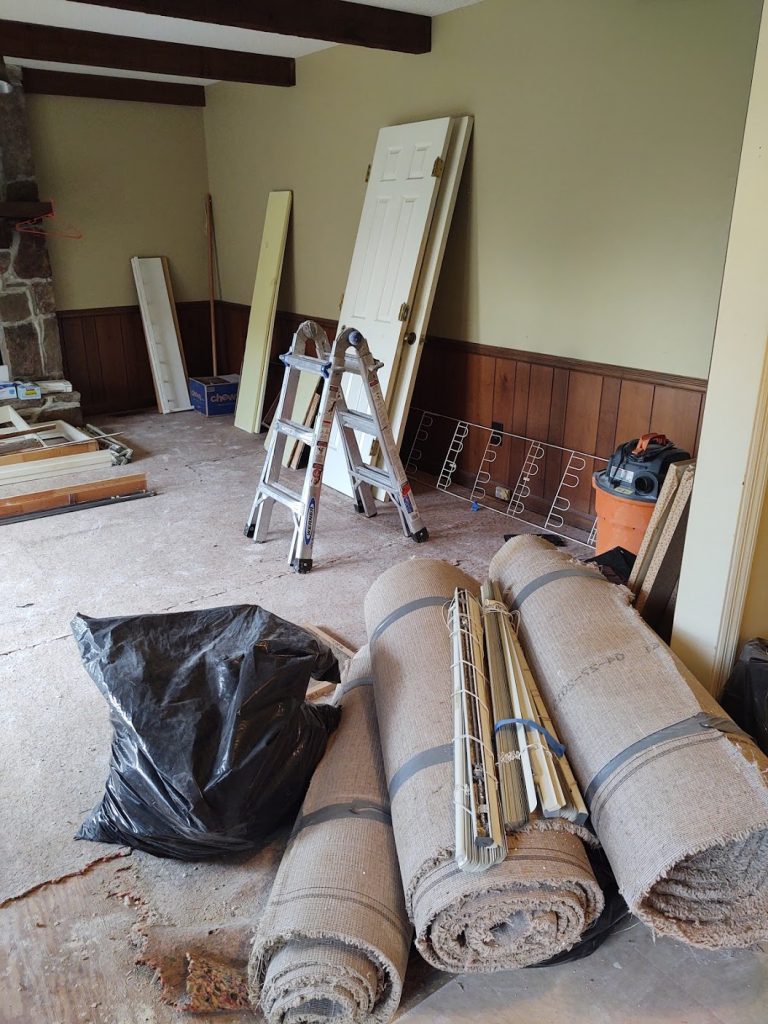
Transcribed by https://otter.ai


2020 Launch – Guided Goals Webinar

Let’s kick off another year [define endgame] with a 30-minute goals brainstorming session.

***I will assign accountability partners to those who join us and would like to participate.

Want to join us in person Feb 14-17? Check out the details here.


Resources:

  1. Editable worksheet to follow along link
  2. Download of “Action Board” guide to make you Vision Board 2.0
  3. Download PDF deck


Here are some shallow things that I am shooting for in the next two years…

  1. Assistants to help me so I don’t work 12 hour days 7 days a week. HIRING
  2. A new book DONE
  3. A smaller core of inner circle Hui Mastermind members GETTING THERE
  4. Get to 11% body fat WENT OPPOSITE WAY


SPC followers are typically younger than 30 or older than 35. My observation is that when people have kids, that takes all precedence.


DO NOT READ BELOW THIS LINE UNITL AFTER THE WEBINAR!


____________________________________________

5 things you accomplished this past year?

STOP – Move around… do 10 push up, jumping jacks, squats!


5 more things you accomplished this past year? Reflecting and celebrating the wins this past year


Top 3 things that were impossible?

What did you do to make those three things possible?


Track Record of success:
The Hui Deal Pipeline Club has acquired over $215 Million dollars of real estate acquired by syndicating over $24 Million Dollars of private equity since 2016.
16 Apartments Buildings Purchased, 7 Manufactured Home developments, and an Assisted-Living Facility
3,000+ total units 8 US Markets – AL, GA, OK, LA, IA, TX, MO, MS Started investing in 2009 – 10 years of experience
3,100 investors and 80 new Kool-Aid drinkers every month!

[Health: Get to 155lbs]

[Wealth: Get rid of all turnkeys, do fund]

[Relationships: Create community]

[Personal (skill, hobby, enjoy?): Find something new and fun]


SMART check? Specific – Measurableble – Attainable – Realistic – Timely

On the last day of this year… I will be immensely satisfied when I…

[Get down to 155 lbs before October 2020…]


If it does not scare you bit… Its not high enough.

If you accomplish it what will it give you?

[A level that I can maintain and focus on quality.]


In TEN YEARS… I will be immensely satisfied when I…

[$25k passive a month with still being able to interact with a person a day]


Consider your Eulogy – Eavesdrop letter on your funeral


“We overestimate what we can do in one year and underestimate what we can do in ten years” -Tony Robbins


5 things you did NOT accomplished this year?

[Weight goals
Find a new hobby outlet
Operate in a less frantic mode]


Why not?

1) Disconnect
2) surrogate to accomplish the same why
3) used the wrong strategy
4) lacked knowledge/resources/people
5) you took the easy way
6) crabs in a bucket (peer group)


Creating the plan…


Break down the goal in four chunks:

1) Complete routine of activity 3 days a week
2) Evaluate progress in March 1
3) Possible add 4/5th day of activity
4) Evaluate progress in June 1 and at that point address diet


3 People hack: 1 person above you, at your level, and below you that you mentor


Setup environment/systems

Full Habit article link here

Scheduling in the calendar (not recurring cause it won’t be special)

Daily Habit Board Natural image 0


Four tendencies: upholder, rebel, questioner, obliger


Rewards/Penalties


Beware of the Pitfalls

Say No

Musterbating

Shoulding

Negative beliefs

Taking action

  • Revisit this exercise in next week
    • Most of you folks are hard-charging achieving types who listen to my podcast at 2X speed. For once you need to stop that just for this exercise.
    • Set the timer for 20-40 minutes and get into the right State.
    • Getting into this State is critical. Music, a little wine, whatever floats your boat…
    • Get a pen, paper, (or your computer/mobile device) and a quiet space and here we go…
  • Scheduling in the calendar (not recurring cause it won’t be special)
  • Every 2-4 weeks review big goals
  • Would you like an accountability partner? Lane@SimplePassiveCashflow.com
  • Peer group – immersion mastermind & retreat – SimplePassiveCashflow.com/hui3

Passive Investor Accelerator & Mastermind

-Mostly Accredited high paid professionals to connect with personally and build your own network (currently 45 members)
-27 modules of content in a closed membership site
-Bi-weekly Zoom Video calls (25+ on-demand recordings a year plus all library of past calls)
-Now with a membership coordinator check-in’s to help facilitate what you are doing and connect you with the right people in the group (if you are shy)

Learn more and apply before out max head count is reached and 2020 pricing takes effect – SimplePassiveCashflow.com/Journey

Enter to Win a free eCourse by subscribing to the YouTube Channel which has 1,170+ subscribers (Quarterly Drawing)


Additions for 2021

Abstainer or Moderator aka “All or Nothing” type of person

Personally I am really bad at eating a small or moderate bit of one thing like popcorn. I buy the large size cause you get a free refill. I know myself so its either feast or famine.

Other things I can moderate quite well like buying doodas. Or this other cool stuff.

How are you? Can you practice moderation? Can you give yourself permission and partake responsibly? Are you practicing 80/20 the Pareto rule.
Or do you go off the freaking rails like a heroin addict!
I am going to give credit to Gretchen Rubin where I first heard of this distinction.

Step one – decide or understand what you are.

Step two – create a strategy to help you stay on track or do that positive habit or stop that bad habit.

Step three – evaluate strategy and constant improvement.


Transcription:

1:04

Aloha, welcome to the year 2020.

1:06

On today’s edition, you guys are going to be listening in on a recent goals webinar that unless you’re not part of the cuido pipeline club, you don’t get emails like this for invites out to these special virtual meetings that I have from time to time. I’ve been doing this goals meeting for the past few years. And this is the 2020 version of it. If you guys are struggling to find a CPA or if your current one looks at you cross eyed when you tell them you’re trying to save taxes and they see something lame, like invest in your 401k or Roth IRA, you probably need a new CPA and you guys need a referral, shoot me an email glanceable passive cash flow. Let me know what you’re working with. That way I don’t send you to the wrong one. Again, you guys can check this out on the YouTube channel, simple passive cash flows YouTube channel, and we’re taking a little drawing in the YouTube channel where you guys subscribe, and once a quarter we’ll try to pick a winner from there and we’ll give them a prize What’s up simple passive cash flow listeners wanted to announce the first multi day we mastermind in Hawaii will be holding it on my island of Oahu, Honolulu is on President’s Day 2020. And that’s February 14 to the 17th. And a

2:22

reminder, Valentine’s Day is the 14th.

2:25

But we’ll keep that evening for you. families and couples want to come on down for that we’re actually encouraging spouses and families to come down. Because that’s part of the whole experience. Getting to know other families and getting to know other committee members is gonna be a big part of this. So what to expect structured networking and masterminding with existing CWI investors and other affluent investors. We’re going to create the time in the environment to build real relationships that you can take forward forever For you, a students out there will do even be doing a full day of networking and mastermind and education. So once again, bring your families we’re going to have optional excursions such as a luau, happy hours dinners and some other activities to be able to have fun in the sun. And, you know, space is extremely limited because my vision is to kind of create this as a more intimate environment where we’re all one big little ohana here. So come in and combine business and pleasure in a little tax write off hopefully you can get that right off in before the 2019 ends. Those signing up now we’ll be able to get a free one on one strategy session that if you want to stick around till Tuesday, you can knock that out or if you’re leaving early, we can try and get that done throughout the weekend. But Hope to see you out in Hawaii go to simple passive cash flow calm slash, we re We’ll see you guys here.

4:09

Alright, so this is the 2020 launch for goals. If you guys go to simple passive cash flow calm slash 2020 dash launch, you’ll get access to the cheat sheet here on the top are the important links that you want to get your hands on. So the first one is an edible worksheet to follow along link. So what this is, is I’m going to guide you through some questions to go through and this is just make it easier. And I was hoping to create some kind of environment where people will take over what other people are doing and they get some good ideas. And then the other downloadable here is the little cheat sheet for how to creating an action board for yourself. But if you’re a visual person, and it does show that you put up pictures of what you want to achieve, you see it from time to time it just kind of reminded of your goals. I’m not a big fan of the whole law of attraction partly because if the law of attraction True the opposite should be true so if you think of something really bad and and then happened to so you guys can follow along here get the slide deck here so I asked this question in the we Facebook club and a couple other groups that I have online and if you guys aren’t in this group go to simple passive cash flow calm slash club and then join the club there and you guys should get access to the private Facebook group. But the question I asked was either these three things what is getting in your way of achieving your goals because all your failure of not achieving what you want is contributed to attention focus or time or not having enough energy so I kind of pulls it out there and although informal poll and the big ones that came up a lot, I think was time and then second attention and focus energy didn’t seem to be a big thing for me personally, I think after quitting my job I got all the all time in the world. That’s why I didn’t check that box with Alan For me it was just attention and focus. So if it is attention Focus then let’s actually set the attention and focus right now. If not, we’re just doing whatever throughout the whole year. So here’s some things I’m going to ask you guys to get out of your comfort zone a little bit, we’re going to use lies the breakout rooms in this. And we’re going to ask you guys to get a pen and paper out or your mobile device and write some notes down. And just to kick things off here some things that I kind of get done in 2018, I was trying to get some assistance. So I have to work 12 hour days, seven days a week, and currently that’s in progress right now try to get a new book done. And that was done. Try to get a smaller core inner circle who he mastermind members in getting there and trying to get to 11% body fat, but that went the opposite way. So yeah, acknowledge that failure right there. And if you’re not hitting your goals, you need to do something else. Like sometimes what I’ll do is I’ll have a project that not getting done for like two or three weeks, like recording all these videos that’s going in the E course is really hard, and I don’t Get it done. I’m going to wake up super early one morning sort of a penalty to myself. So that’s just another example for the physical fitness one. If I’m not losing the weight or I’m not on the track, I’m going to add another day of going to the gym. I was always frustrated by the numerous investing education programs out there who gouge their investors charging them 5000 10,025 and $40,000. I don’t know about you, but I thought it was completely wrong when they trick people actually had them call their credit card providers to get a credit line increase to pay for the program. Many of these people could not afford these expensive coaching options and should have used it as a down payment for the first investment. If someone only had 20 grand they should use that to buy a rental to get started. Let me make one thing clear our mastermind is not for you if you’re broke, it’s a cost effective way to mitigate mistakes when building your portfolio. People in this group are going to be a pre selected population of professionals and high net worth individuals. You’ll be a good company. That is after Apply and get in at simple passive cash flow calm backslash journey and yeah if you’re lonely in Chicago to find motivated friends who want to do more than sit at their w two jobs collecting and paycheck and go home and watching Netflix all day because all they can afford is 899 a month on their digital entertainment budget then this is a place for you to simple passive cash flow calm backslash journey to learn more.

8:23

So at this point, I want you guys to write down five things you accomplished this past year. So if you’re just sitting there not doing anything you need to get a pen and paper out and play full out and just this is not going to take very long just probably gonna roll probably rush to this and about 2030 minutes and if you guys are watching this on the replay, you guys can you know skip forward to the pauses but we are going to roll through this quickly so you guys can get off on your merry way. But if we’re doing this for real, I probably leave a lot more time for you guys to write out your thoughts. So stop where you’re at and move around to some jumping jacks, some squats and push ups. And if you’re not doing anything, maybe you should consider what’s your what’s going on. I mean, are you too cool for school or what you get everything done last year? Well, if not, you better get down and give me 10 is need to get yourself moving. And the whole point of this is to get yourself in a better state because we’re going to kind of create the intentions for the year mazels do it from a place of London and in a good mood. So if you’re not a moving around person, and you’re in mobile will think of something that you made you laugh or made you smile, or just freaking smile, fake smile, if you can, that works, too. And I’ll preface like the next 2030 minutes of saying like some of what I’ll be presenting may seem like you already know this. So we’ll see a little bit out there. I won’t ask you guys to jump around. Again, we’re done with that and some will seem totally off the wall. And that’s where I’m going to challenge you to get really curious. I’m going to end this goal setting activity with a bunch of tips that hopefully you haven’t seen before, but if you have Take a chance, take it as an opportunity to reevaluate some new strategies around. So again, go back to the five things that you accomplished this past year and write some more and reflecting on what they were and celebrating the wins for this past year, because it’s not like you didn’t do anything. 365 days, I forgot what that song was in rent, but 5100 edited. If you guys seen that play, you probably sing it in your head, and it probably ruined your evening. But the reason why we’re doing this is at some point in this year, you’re going to lose momentum. For some of you guys, it’ll be tomorrow afternoon. For others, it might be in the first quarter, second quarter, or even in December, but I know for sure you’re not going to be at 100% all the time. So you want to refuse this as a little less of being like, Oh, look at that stuff I did last year. I’ve accomplished a lot and hopefully that gets you out of your rut. So out of those circle or add three things that were impossible from that list. Now what were the three big one and maybe make a side note. What did you do? To make those things possible, was it a strategy? was a system you put in place? Or was it some kind of internal dialogue that you told yourself couple years ago, I kind of had a better vision of what this weedle pipeline club was going to be all about and over like the last few years, quite over almost a quarter billion dollars and brought in $24 million from now over 200 investors in our group, I wouldn’t have believed them. This is a good example of an impossible goal. And what did what did I do to make this possible? And obviously it’s a big goal, a lot of aspects to it, but I think it was just keep working at it every day strategizing, re planning and using that strategy, because if it’s worked for you in the past, it can possibly work for you in the future. It’s just the way you’re wired up to finish that up top three things that you thought were impossible and worth the strategies that it took to happen. So next step here is to do a smart check. SM AR t Specific, Measurable, Attainable, Realistic and timely. So an example of this would be on the last day of this year. I will be immensely special. satisfied when I get down 255 pounds before October 2020. Right? It’s specific. It’s measurable. 35 pounds in there. I don’t know if it’s quite attainable if you’re a foreigner pounds realistic, and there’s a timely thing you’re too but I always talk about the four legged stool in terms of your life where one leg is health. The other leg is wealth, relationships and personal stuff like more spiritual stuff. Take the time now and write at least one in each of these categories. Other self help groups, they’ll recommend like the wheels, what they call it, which has not four legs, but like 16 legs, which I think is just really confusing. And yeah, be careful when you make things really confusing. You end up doing nothing. So I like to keep things simple, the simple passive cash flow right so I keep it to these for another metaphor that I’ve heard when I was working at my job was certain things are glass balls, certain things are rubber balls, juggling all these balls and you’re always going to be overwhelmed. Then there’s always gonna be balls in the air, but there’s certain balls be dropped them, they’ll shatter. They won’t just bounce things like relationships, I think you could probably consider that the last ball where things in your business depending on the situation, it could be a little more resilient. So I’m going to quick here because you guys can watch the replay later again and again. So if this goal does not scare you, but it’s not high enough, and if you accomplish it, what will it give you? It’s good to write why you’re doing something because again, when the year goes by, and your motivation dip naturally dips and 30 to 60 days from now, you’re going to want to reaffirm Why the heck you were doing this in the first place. So once you’re done with that next exercise is kind of on that same line of the Y is here’s an exercise that I personally do often I’d say probably you know once or twice a year is in 10 years, I will be immensely satisfied when I and I fill in the blank and it could be $25,000 passive a month with still being able to interact with a person a day was something I had written in In the past, I’ve been kind of changing my expectations on like people have been saying like, I want 100 doors, I want $25,000 passive, I challenge a lot of people in the mastermind where I keep telling them like, that’s just a number, tell us what that will give you what kind of a lifestyle so you get very specific here in 10 years, I would be immensely satisfied when I wake up when I want to, and that is at 943. No one is home, I get to jump in my Maserati and go to not my job, but I’m just going to go to Starbucks to do this stuff. And then I just continue on this sentence, create your lifestyle, and we pick this 10 year timeframe because Tony Robbins says, you know, we overestimate what we can do in one year and underestimate what we can do in 10 years and something I’ve been noticing I have talks with investors quite often I’ll be multiple times a day and a lot of people are new to investing and this this concept of pull versus push were the differences. Why do people call up this random guy on the internet with this podcast? Pretty much pretty They’ll call a lot of financial personal information. And most times it’s something that’s compelled them or push them to do it. And that is some kind of unfortunate incidents that has happened at their day job, for example, like maybe they got passed over by a promotion. Or maybe they maybe they’re going to get fired. They had, you know, got put on probation, or maybe they just had their second kid and they just did the math the other day, and they realized they’re not going to have enough to be able to have the retirement that they want. Or maybe somebody else is driving a nicer car than them and they’re pissed. There’s something that compels people to get out of their normal set tracks. Unfortunately, this only lasts for about I’d say about like three to nine months, typically. And I’ll even see it in a lot of highly motivated people. I check back in on random people that I talked to, I know where they’re at when they give me a call, and I kind of track them. I can do this because I have social media and I can spy on everybody. So my finding is the people that kind of transcend that three to nine months. period are people who find some kind of bigger meaning that holds them to the next level. It’s kind of like getting going from year one to year two to year three to year four. And that mechanism is your Why Why are you doing this? And I outlined that in my book, why do I do simple passive cash flow and stay up to three o’clock in the morning because I feel like there’s a whole bunch of bad financial advice out there that’s just robbing people’s lives and not only retirement and I’ve kind of set out to help people in that facet. So as corny as it sounds, it’s been working. I’ve been at this for about four years and haven’t missed a week yet on the podcast. Don’t get me wrong, I wanted to quit little times. And before I quit my day job I was went down to like bi weekly podcasts. So define that why and I wrote a further article what simple passive cash flow calm slash goals, which is more of a deep dive into this defining end game you guys can do on your own time. If you guys come to Hawaii, we’re going to be doing This in person. So we’re going to skip this networking break here. And we were going to talk to our partner about our goals and vision. The partner was going to give us feedback if it was smart because something I find is what works well as you know, share this with your partner, your friend and have them call you out on it if it’s smart, but we don’t have time for that today we need to get moving next step in the action plan here is to write down five things you did not accomplish this past year. Now these things could be you didn’t hit your weight loss goals. Yeah, I caught myself at it, I got a little slower finding new hobby outlet. I didn’t do that I thought I was gonna play a new musical instrument or do something new. I don’t know, maybe I just not thinking hard enough. But I didn’t really do anything like that sort this past year. I normally operate in a frantic mode, doing all this stuff, and I didn’t really improve that. So those are some of myself and hopefully that gave you some ideas to call yourself on it. And that just goes to show right it’s either lack of time focus, or lack energy. Those are the three things that this all points down to four failure, no more specifically, you know, here’s some six common things that get in our way. Number one, we just disconnect from the goal. Maybe it’s because of a week why we were pushed at one point. But then once that push, that quick motivation went away, and we got used to the status quo, we weren’t able to follow through number two here, maybe we find a surrogate for that goal to accomplish that same way. So the example of that would be you wanted to leave your day job because you didn’t like your boss, but then your boss left and you’re fine. Now, actually, things improved. Number three, use the wrong strategy. And that’s what we’re kind of going to work on for the rest of the time here is, you know, working on strategy, I’m a big strategy guy, as opposed to some of the Fufu stuff and think about it and it might happen attitude. Number four, you lack the knowledge resources or people before a lot of people that’s why they join the mastermind to get around the right people because as you know, passive investors especially accredited investors, or even people 500,000 dollars network are higher. It’s all in the network and the people that you know, and the other people trying to do the same thing. You know, knowledge is found in podcasts and books at some point, you kind of run the circuit on that maybe that was once the barrier for you. Number five, you took the easy way. And maybe number six, it was the whole crabs in a bucket theory, where you just had the wrong people around you that weren’t growth mindset and kind of pulled you back down. So now look at your goals and at least take one of them now and break down the goal into four chunks. Example of the whole physical fitness here is being broken down. And I like to use physical fitness because it’s very logical as opposed to some of these bigger goals. Just to outline the procedure. First step would be creating a routine of activity three days a week number two, see this is a defined check in point. So evaluate process in March 1. And when you do that, you literally want to write it down or put it on the calendar or whatever you use and put it in as you evaluate the process and what you’ve been doing up to that point and You might have to change your course correction, number three part of the strategy here, that’s that earlier strategies not working, maybe you add a fourth, fifth day of working out. And then the step four here, evaluate progress in June 1. And at that point, really start to looking at the diet. So take your goals, break it down into four chunks, it may not be the best strategy, but look better than nothing, at least you have a plan going in, I’m going to go over a variety of different tricks or hacks that you can use to improve your strategy that you have right now. So first one is that the person hacks so this involves you getting someone who who was five years ahead of you at your level, and someone who you can mentor in something that you’re working on, which sounds counterintuitive. So the first person that you’re kind of looking up to this person is going to have the lay of land for you and be able to advise you, the person at your level that’s going to be sort of my accountability partner, keep you motivated and the person under your level, this kind of keeps you up at your level. And some people they just want to let people down and by teaching other people You inherently learn a lot I thought I didn’t know much about investing. When I started this podcast I was just going to talk about what the stuff I did but apparently by talking about it I kind of got a pretty good understanding and a good way to communicate different concepts. So that’s a prime example of that. The next tip here you can sort of employ is this concept of the four levels of a mentors sold for the first level, the lowest level or mentors that unconscious you absorb. So these would be the podcasts you listen to the books, you read the news articles, you read the stuff that you see on TV, this is all the unconscious stuff that you’re bringing in and the influence your thoughts and creatures, your set points on the way you act. The second level is informal mentors. Now these are the guys who could possibly five years or more ahead of you that’s going to help you out give you the lay of land here there but make no mistake after your chance meeting with them or maybe it’s a serious they don’t really have skin in the game. They’re here just to be a cool person and help you out. I think a lot of senses just in our we Facebook group club, it’s a lot of good networking. But at the same time, it’s a lot of informal networking and informal mentoring, where you might just talk to one person. And that’s it. And that’s why I like the passive investor accelerator and masterminds and you’re able to really get to know people, it becomes more of a reciprocal relationship for the informal mentor, they’re helping you out, but they’re not bought in as like the third level, which is the more of a formal mentor where you’re actually paying this person for their services. Or maybe you’re not paying for the services, but they have skin in the game that may be akin to like your children, right? Because if you screw up, they’re probably going to come and mooch off your money. So you don’t want that to happen. Where informal mentors kind of like your niece or nephew you know, you don’t really care if they run around in the restaurant or not yours you set the deal with them once in a while. The last level the highest level is you kind of completing the circle of life and becoming a mentor of yourself and paying it forward. Here’s some environmental systems you can create for yourself. I bought this habit board hasn’t come in the mail yet. So I’m excited to see if it works for me or not, but you build a habit and you put a push pin in the hole every day that you complete that task. And I think Jerry Seinfeld created this productivity hack where you don’t break the chain. It’s your job to figure out what is this daily habit or already habit or whatever to do that’s going to move slowly towards your goals over the long term. And it could be something like you’re going to do a set of ABS at eight o’clock every day, or you’re going to go to the gym every day, or some of you guys to brush your teeth every day. So this all goes down to the whole there’s a very popular books, Benjamin hardy wrote willpower doesn’t work The Power of Habit, obviously you guys know what that’s all about. But you don’t really need to read the books. Just trust me. The systems and creating your environment are very important because willpower is weak. We fall victim to what’s easy, and what’s easy isn’t typically aligned with where a direction we’d like to have. There’s another book here by Gretchen Rubin, the 14th sees she’s got four types of people, the upholder, the rebel, the questioner and neoplasia. I think she has like a quick quiz on her website to quickly identify who you are. But I’ll kind of go through these four categories of holders the person who always follows the rules. And for someone who would like myself who was more of a question or a question everything, the upholders are really annoying to me because they are more about process than getting things done. The rebel is the person who always does the opposite of what everybody says and what society wants. And the Oh pleasure does things for other people instead of keeping things doing things for themselves. So go back to the upholder, the person who follows the rules. So you create rules for yourself. That’s a strategy for you. If you’re a rebel, or if you’re you know, if your kids are rebel, right? You have them come to the conclusion that they should not eat candy. Let them say what do you want to have a sore stomach? Well, last time you had a sore stomach, if you had the candy, it’s just kind of creating the fence around them and letting them make the decision for themselves because If you make the decision, you’re going to go the opposite way. And we kind of do this to ourselves unconsciously the questioner is the person who questions things. So I would say myself being a questioner, I think what works a lot is understanding the why why am I doing this reconfirm? What’s the big picture here, then the openledger person who wants to please other people, any nouns, the simplest like you set up calendar invites with other people to set you on the right goals the right thing. So you go to the gym with another person, you carpool with the person. That way when you you don’t want to go to the gym, you don’t want to let the other person down or yourself down rewards and penalties here are another way of strategizing to set yourself up for success. Some people respond more to the stick and which is the penalty getting hit and some people respond more to setting up milestones and rewards. So you’re kind of working towards milestones along the way, and you give yourself maybe a treat here or maybe you buy yourself something or maybe You take yourself off to a massage Michelangelo says here that I saw the angel in the marble and carved until I set him free. So he said this, if you think about the statue of the Michelangelo was this big marble block, and it really wasn’t anything until he removed the outer layer. And a lot of times, just saying no can be the best thing. I mean, look into your life, everybody’s on demand for your time and energy. But if you’re especially if you’re in a blazer and you’re trying to please everybody, you’re going to be drained pretty quickly, and you’re not going to have any bandwidth to do anything that you want it to do. So also beware of muster baiting. These are the person who says I must do this, I must do that must and also same time, look out for the shitting on yourself. How do you deal with your muster Bader and a shitter, to use words that create possibility ownership and forward momentum to example, I’m choosing to take control of my financial freedom today, or I’m choosing to direct my money or I’m choosing to be more consistent with my motivation. It’s funny You watch a lot of people and you’re very conscious to the words that they’re choosing and the way they view the world, but to that person, it’s their blind spot, and they can often mean their downfall. And we are very blind to our own self self torture questions. If you’re a person who beat yourself up use what instead of why, instead of why can’t I be more consistent to know what can I do to be more consistent in a way it’s instead of arguing with yourself try and be more collaborative with yourself and try and address the problem the negative loops or belief you have will get you in the magic words that you can use our up until now. So you can use up until now I thought insert the negative loop or the self torture phrase that you’ve been using for the longest time. So build goals and strategies, at least four steps and with the check in points and here’s a little guide for for the check in points is you know, set the timer for 20 to 40 minutes getting into the right state. Maybe you need to put on Nice music, maybe you need a little wine, whatever floats your boat and get a pen and paper or on your computer, mobile device and a quiet space and check in on yourself and see how your strategy is working and make sure you schedule these check ins in the calendar. If not, I guarantee you will not happen create a check in schedule here I put two to four weeks as a recommendation. But sometimes it might be a more appropriate to do more of a quarterly check in or half a year check in but find something that’s appropriate. If you’re signing up to do something every two weeks and every four weeks and you don’t do it because it’s impractical. It’s not the right chicken schedule for the right scope of the project or scope size, then you’re going to lose a lot of momentum. And it’s kind of like Well, I’m going to go to the gym and do 1000 push ups well likely you’re not going to do anything make the goal small and obtainable and then you’ll get momentum on your side. And you know, we have see strategies because mike tyson says everybody has a plan until they get punched in the mouth. All right. It works. Online is still open if you guys want to record some stuff on there, hopefully you guys can get some good ideas and some other people’s goals if you want to steal some of there’s no problem with that. But that concludes our goals webinar this year. Hope to see you guys out in Honolulu on February 14 to 17th go to simple passive cash flow calm slash week three to get involved with that and also the passive investor acceleration mastermind. If you guys like this interaction, we kind of do this quite often. We do this every two weeks, and we pair up people and we get to start to build their relationships that way and also the online community there. I hope you guys have a good 2020 and we’ll post this on the website and the YouTube channel. If you guys want to go ahead and review this on your own time and make sure you add more goals. My suggestion would be to make three to seven goals anymore is too much in the overwhelm any less you might get stalled on a wonderful it’s always good to Have two or three that you can keep moving on. Thanks for listening guys and we’ll see you guys at the next investor letter meetings will pass a casual comm slash investor letter for that and hopefully you guys have a good 2020

30:12

right

30:17

this website offers very general information concerning real estate for investment purposes every investor situation is unique always seek the services of licensed third party appraisers and inspectors to verify the value and condition of any property you intend to purchase. Use the services of professional title and escrow companies and licensed tax investment and or legal advisor before relying on any information contained herein information is not guaranteed as an everyday investment there is risk. The content found here is just my opinion and things change and I reserve the right to change my mind. Above all else, do your own analysis and think for yourself because in the end, you’re the only person who is going to look out for your best interests.