2020 Launch – Guided Goals Webinar

Let’s kick off another year [define endgame] with a 30-minute goals brainstorming session.

***I will assign accountability partners to those who join us and would like to participate.

Want to join us in person Feb 14-17? Check out the details here.


Resources:

  1. Editable worksheet to follow along link
  2. Download of “Action Board” guide to make you Vision Board 2.0
  3. Download PDF deck


Here are some shallow things that I am shooting for in the next two years…

  1. Assistants to help me so I don’t work 12 hour days 7 days a week. HIRING
  2. A new book DONE
  3. A smaller core of inner circle Hui Mastermind members GETTING THERE
  4. Get to 11% body fat WENT OPPOSITE WAY


SPC followers are typically younger than 30 or older than 35. My observation is that when people have kids, that takes all precedence.


DO NOT READ BELOW THIS LINE UNITL AFTER THE WEBINAR!


____________________________________________

5 things you accomplished this past year?

STOP – Move around… do 10 push up, jumping jacks, squats!


5 more things you accomplished this past year? Reflecting and celebrating the wins this past year


Top 3 things that were impossible?

What did you do to make those three things possible?


Track Record of success:
The Hui Deal Pipeline Club has acquired over $215 Million dollars of real estate acquired by syndicating over $24 Million Dollars of private equity since 2016.
16 Apartments Buildings Purchased, 7 Manufactured Home developments, and an Assisted-Living Facility
3,000+ total units 8 US Markets – AL, GA, OK, LA, IA, TX, MO, MS Started investing in 2009 – 10 years of experience
3,100 investors and 80 new Kool-Aid drinkers every month!

[Health: Get to 155lbs]

[Wealth: Get rid of all turnkeys, do fund]

[Relationships: Create community]

[Personal (skill, hobby, enjoy?): Find something new and fun]


SMART check? Specific – Measurableble – Attainable – Realistic – Timely

On the last day of this year… I will be immensely satisfied when I…

[Get down to 155 lbs before October 2020…]


If it does not scare you bit… Its not high enough.

If you accomplish it what will it give you?

[A level that I can maintain and focus on quality.]


In TEN YEARS… I will be immensely satisfied when I…

[$25k passive a month with still being able to interact with a person a day]


Consider your Eulogy – Eavesdrop letter on your funeral


“We overestimate what we can do in one year and underestimate what we can do in ten years” -Tony Robbins


5 things you did NOT accomplished this year?

[Weight goals
Find a new hobby outlet
Operate in a less frantic mode]


Why not?

1) Disconnect
2) surrogate to accomplish the same why
3) used the wrong strategy
4) lacked knowledge/resources/people
5) you took the easy way
6) crabs in a bucket (peer group)


Creating the plan…


Break down the goal in four chunks:

1) Complete routine of activity 3 days a week
2) Evaluate progress in March 1
3) Possible add 4/5th day of activity
4) Evaluate progress in June 1 and at that point address diet


3 People hack: 1 person above you, at your level, and below you that you mentor


Setup environment/systems

Full Habit article link here
Scheduling in the calendar (not recurring cause it won’t be special)

Daily Habit Board Natural image 0


Four tendencies: upholder, rebel, questioner, obliger
 

Rewards/Penalties


Beware of the Pitfalls

Say No

Musterbating

Shoulding

Negative beliefs

Taking action

  • Revisit this exercise in next week
    • Most of you folks are hard-charging achieving types who listen to my podcast at 2X speed. For once you need to stop that just for this exercise.
    • Set the timer for 20-40 minutes and get into the right State.
    • Getting into this State is critical. Music, a little wine, whatever floats your boat…
    • Get a pen, paper, (or your computer/mobile device) and a quiet space and here we go…
  • Scheduling in the calendar (not recurring cause it won’t be special)
  • Every 2-4 weeks review big goals
  • Would you like an accountability partner? Lane@SimplePassiveCashflow.com
  • Peer group – immersion mastermind & retreat – SimplePassiveCashflow.com/hui3

Passive Investor Accelerator & Mastermind

-Mostly Accredited high paid professionals to connect with personally and build your own network (currently 45 members)
-27 modules of content in a closed membership site
-Bi-weekly Zoom Video calls (25+ on-demand recordings a year plus all library of past calls)
-Now with a membership coordinator check-in’s to help facilitate what you are doing and connect you with the right people in the group (if you are shy)

Learn more and apply before out max head count is reached and 2020 pricing takes effect – SimplePassiveCashflow.com/Journey

Enter to Win a free eCourse by subscribing to the YouTube Channel which has 1,170+ subscribers (Quarterly Drawing)


Additions for 2021

Abstainer or Moderator aka “All or Nothing” type of person

Personally I am really bad at eating a small or moderate bit of one thing like popcorn. I buy the large size cause you get a free refill. I know myself so its either feast or famine.

Other things I can moderate quite well like buying doodas. Or this other cool stuff.

How are you? Can you practice moderation? Can you give yourself permission and partake responsibly? Are you practicing 80/20 the Pareto rule.
Or do you go off the freaking rails like a heroin addict!
I am going to give credit to Gretchen Rubin where I first heard of this distinction.

Step one – decide or understand what you are.

Step two – create a strategy to help you stay on track or do that positive habit or stop that bad habit.

Step three – evaluate strategy and constant improvement.


Transcription:

1:04

Aloha, welcome to the year 2020.

1:06

On today’s edition, you guys are going to be listening in on a recent goals webinar that unless you’re not part of the cuido pipeline club, you don’t get emails like this for invites out to these special virtual meetings that I have from time to time. I’ve been doing this goals meeting for the past few years. And this is the 2020 version of it. If you guys are struggling to find a CPA or if your current one looks at you cross eyed when you tell them you’re trying to save taxes and they see something lame, like invest in your 401k or Roth IRA, you probably need a new CPA and you guys need a referral, shoot me an email glanceable passive cash flow. Let me know what you’re working with. That way I don’t send you to the wrong one. Again, you guys can check this out on the YouTube channel, simple passive cash flows YouTube channel, and we’re taking a little drawing in the YouTube channel where you guys subscribe, and once a quarter we’ll try to pick a winner from there and we’ll give them a prize What’s up simple passive cash flow listeners wanted to announce the first multi day we mastermind in Hawaii will be holding it on my island of Oahu, Honolulu is on President’s Day 2020. And that’s February 14 to the 17th. And a

2:22

reminder, Valentine’s Day is the 14th.

2:25

But we’ll keep that evening for you. families and couples want to come on down for that we’re actually encouraging spouses and families to come down. Because that’s part of the whole experience. Getting to know other families and getting to know other committee members is gonna be a big part of this. So what to expect structured networking and masterminding with existing CWI investors and other affluent investors. We’re going to create the time in the environment to build real relationships that you can take forward forever For you, a students out there will do even be doing a full day of networking and mastermind and education. So once again, bring your families we’re going to have optional excursions such as a luau, happy hours dinners and some other activities to be able to have fun in the sun. And, you know, space is extremely limited because my vision is to kind of create this as a more intimate environment where we’re all one big little ohana here. So come in and combine business and pleasure in a little tax write off hopefully you can get that right off in before the 2019 ends. Those signing up now we’ll be able to get a free one on one strategy session that if you want to stick around till Tuesday, you can knock that out or if you’re leaving early, we can try and get that done throughout the weekend. But Hope to see you out in Hawaii go to simple passive cash flow calm slash, we re We’ll see you guys here.

4:09

Alright, so this is the 2020 launch for goals. If you guys go to simple passive cash flow calm slash 2020 dash launch, you’ll get access to the cheat sheet here on the top are the important links that you want to get your hands on. So the first one is an edible worksheet to follow along link. So what this is, is I’m going to guide you through some questions to go through and this is just make it easier. And I was hoping to create some kind of environment where people will take over what other people are doing and they get some good ideas. And then the other downloadable here is the little cheat sheet for how to creating an action board for yourself. But if you’re a visual person, and it does show that you put up pictures of what you want to achieve, you see it from time to time it just kind of reminded of your goals. I’m not a big fan of the whole law of attraction partly because if the law of attraction True the opposite should be true so if you think of something really bad and and then happened to so you guys can follow along here get the slide deck here so I asked this question in the we Facebook club and a couple other groups that I have online and if you guys aren’t in this group go to simple passive cash flow calm slash club and then join the club there and you guys should get access to the private Facebook group. But the question I asked was either these three things what is getting in your way of achieving your goals because all your failure of not achieving what you want is contributed to attention focus or time or not having enough energy so I kind of pulls it out there and although informal poll and the big ones that came up a lot, I think was time and then second attention and focus energy didn’t seem to be a big thing for me personally, I think after quitting my job I got all the all time in the world. That’s why I didn’t check that box with Alan For me it was just attention and focus. So if it is attention Focus then let’s actually set the attention and focus right now. If not, we’re just doing whatever throughout the whole year. So here’s some things I’m going to ask you guys to get out of your comfort zone a little bit, we’re going to use lies the breakout rooms in this. And we’re going to ask you guys to get a pen and paper out or your mobile device and write some notes down. And just to kick things off here some things that I kind of get done in 2018, I was trying to get some assistance. So I have to work 12 hour days, seven days a week, and currently that’s in progress right now try to get a new book done. And that was done. Try to get a smaller core inner circle who he mastermind members in getting there and trying to get to 11% body fat, but that went the opposite way. So yeah, acknowledge that failure right there. And if you’re not hitting your goals, you need to do something else. Like sometimes what I’ll do is I’ll have a project that not getting done for like two or three weeks, like recording all these videos that’s going in the E course is really hard, and I don’t Get it done. I’m going to wake up super early one morning sort of a penalty to myself. So that’s just another example for the physical fitness one. If I’m not losing the weight or I’m not on the track, I’m going to add another day of going to the gym. I was always frustrated by the numerous investing education programs out there who gouge their investors charging them 5000 10,025 and $40,000. I don’t know about you, but I thought it was completely wrong when they trick people actually had them call their credit card providers to get a credit line increase to pay for the program. Many of these people could not afford these expensive coaching options and should have used it as a down payment for the first investment. If someone only had 20 grand they should use that to buy a rental to get started. Let me make one thing clear our mastermind is not for you if you’re broke, it’s a cost effective way to mitigate mistakes when building your portfolio. People in this group are going to be a pre selected population of professionals and high net worth individuals. You’ll be a good company. That is after Apply and get in at simple passive cash flow calm backslash journey and yeah if you’re lonely in Chicago to find motivated friends who want to do more than sit at their w two jobs collecting and paycheck and go home and watching Netflix all day because all they can afford is 899 a month on their digital entertainment budget then this is a place for you to simple passive cash flow calm backslash journey to learn more.

8:23

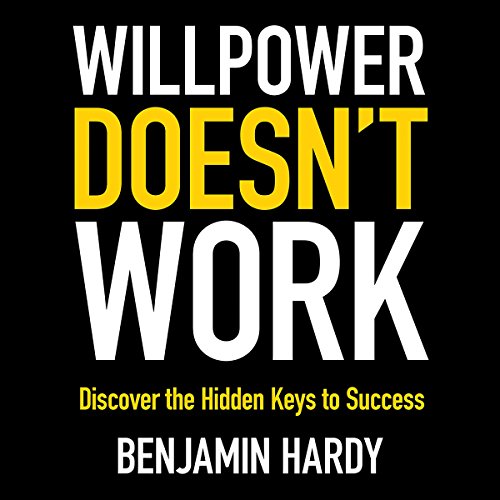
So at this point, I want you guys to write down five things you accomplished this past year. So if you’re just sitting there not doing anything you need to get a pen and paper out and play full out and just this is not going to take very long just probably gonna roll probably rush to this and about 2030 minutes and if you guys are watching this on the replay, you guys can you know skip forward to the pauses but we are going to roll through this quickly so you guys can get off on your merry way. But if we’re doing this for real, I probably leave a lot more time for you guys to write out your thoughts. So stop where you’re at and move around to some jumping jacks, some squats and push ups. And if you’re not doing anything, maybe you should consider what’s your what’s going on. I mean, are you too cool for school or what you get everything done last year? Well, if not, you better get down and give me 10 is need to get yourself moving. And the whole point of this is to get yourself in a better state because we’re going to kind of create the intentions for the year mazels do it from a place of London and in a good mood. So if you’re not a moving around person, and you’re in mobile will think of something that you made you laugh or made you smile, or just freaking smile, fake smile, if you can, that works, too. And I’ll preface like the next 2030 minutes of saying like some of what I’ll be presenting may seem like you already know this. So we’ll see a little bit out there. I won’t ask you guys to jump around. Again, we’re done with that and some will seem totally off the wall. And that’s where I’m going to challenge you to get really curious. I’m going to end this goal setting activity with a bunch of tips that hopefully you haven’t seen before, but if you have Take a chance, take it as an opportunity to reevaluate some new strategies around. So again, go back to the five things that you accomplished this past year and write some more and reflecting on what they were and celebrating the wins for this past year, because it’s not like you didn’t do anything. 365 days, I forgot what that song was in rent, but 5100 edited. If you guys seen that play, you probably sing it in your head, and it probably ruined your evening. But the reason why we’re doing this is at some point in this year, you’re going to lose momentum. For some of you guys, it’ll be tomorrow afternoon. For others, it might be in the first quarter, second quarter, or even in December, but I know for sure you’re not going to be at 100% all the time. So you want to refuse this as a little less of being like, Oh, look at that stuff I did last year. I’ve accomplished a lot and hopefully that gets you out of your rut. So out of those circle or add three things that were impossible from that list. Now what were the three big one and maybe make a side note. What did you do? To make those things possible, was it a strategy? was a system you put in place? Or was it some kind of internal dialogue that you told yourself couple years ago, I kind of had a better vision of what this weedle pipeline club was going to be all about and over like the last few years, quite over almost a quarter billion dollars and brought in $24 million from now over 200 investors in our group, I wouldn’t have believed them. This is a good example of an impossible goal. And what did what did I do to make this possible? And obviously it’s a big goal, a lot of aspects to it, but I think it was just keep working at it every day strategizing, re planning and using that strategy, because if it’s worked for you in the past, it can possibly work for you in the future. It’s just the way you’re wired up to finish that up top three things that you thought were impossible and worth the strategies that it took to happen. So next step here is to do a smart check. SM AR t Specific, Measurable, Attainable, Realistic and timely. So an example of this would be on the last day of this year. I will be immensely special. satisfied when I get down 255 pounds before October 2020. Right? It’s specific. It’s measurable. 35 pounds in there. I don’t know if it’s quite attainable if you’re a foreigner pounds realistic, and there’s a timely thing you’re too but I always talk about the four legged stool in terms of your life where one leg is health. The other leg is wealth, relationships and personal stuff like more spiritual stuff. Take the time now and write at least one in each of these categories. Other self help groups, they’ll recommend like the wheels, what they call it, which has not four legs, but like 16 legs, which I think is just really confusing. And yeah, be careful when you make things really confusing. You end up doing nothing. So I like to keep things simple, the simple passive cash flow right so I keep it to these for another metaphor that I’ve heard when I was working at my job was certain things are glass balls, certain things are rubber balls, juggling all these balls and you’re always going to be overwhelmed. Then there’s always gonna be balls in the air, but there’s certain balls be dropped them, they’ll shatter. They won’t just bounce things like relationships, I think you could probably consider that the last ball where things in your business depending on the situation, it could be a little more resilient. So I’m going to quick here because you guys can watch the replay later again and again. So if this goal does not scare you, but it’s not high enough, and if you accomplish it, what will it give you? It’s good to write why you’re doing something because again, when the year goes by, and your motivation dip naturally dips and 30 to 60 days from now, you’re going to want to reaffirm Why the heck you were doing this in the first place. So once you’re done with that next exercise is kind of on that same line of the Y is here’s an exercise that I personally do often I’d say probably you know once or twice a year is in 10 years, I will be immensely satisfied when I and I fill in the blank and it could be $25,000 passive a month with still being able to interact with a person a day was something I had written in In the past, I’ve been kind of changing my expectations on like people have been saying like, I want 100 doors, I want $25,000 passive, I challenge a lot of people in the mastermind where I keep telling them like, that’s just a number, tell us what that will give you what kind of a lifestyle so you get very specific here in 10 years, I would be immensely satisfied when I wake up when I want to, and that is at 943. No one is home, I get to jump in my Maserati and go to not my job, but I’m just going to go to Starbucks to do this stuff. And then I just continue on this sentence, create your lifestyle, and we pick this 10 year timeframe because Tony Robbins says, you know, we overestimate what we can do in one year and underestimate what we can do in 10 years and something I’ve been noticing I have talks with investors quite often I’ll be multiple times a day and a lot of people are new to investing and this this concept of pull versus push were the differences. Why do people call up this random guy on the internet with this podcast? Pretty much pretty They’ll call a lot of financial personal information. And most times it’s something that’s compelled them or push them to do it. And that is some kind of unfortunate incidents that has happened at their day job, for example, like maybe they got passed over by a promotion. Or maybe they maybe they’re going to get fired. They had, you know, got put on probation, or maybe they just had their second kid and they just did the math the other day, and they realized they’re not going to have enough to be able to have the retirement that they want. Or maybe somebody else is driving a nicer car than them and they’re pissed. There’s something that compels people to get out of their normal set tracks. Unfortunately, this only lasts for about I’d say about like three to nine months, typically. And I’ll even see it in a lot of highly motivated people. I check back in on random people that I talked to, I know where they’re at when they give me a call, and I kind of track them. I can do this because I have social media and I can spy on everybody. So my finding is the people that kind of transcend that three to nine months. period are people who find some kind of bigger meaning that holds them to the next level. It’s kind of like getting going from year one to year two to year three to year four. And that mechanism is your Why Why are you doing this? And I outlined that in my book, why do I do simple passive cash flow and stay up to three o’clock in the morning because I feel like there’s a whole bunch of bad financial advice out there that’s just robbing people’s lives and not only retirement and I’ve kind of set out to help people in that facet. So as corny as it sounds, it’s been working. I’ve been at this for about four years and haven’t missed a week yet on the podcast. Don’t get me wrong, I wanted to quit little times. And before I quit my day job I was went down to like bi weekly podcasts. So define that why and I wrote a further article what simple passive cash flow calm slash goals, which is more of a deep dive into this defining end game you guys can do on your own time. If you guys come to Hawaii, we’re going to be doing This in person. So we’re going to skip this networking break here. And we were going to talk to our partner about our goals and vision. The partner was going to give us feedback if it was smart because something I find is what works well as you know, share this with your partner, your friend and have them call you out on it if it’s smart, but we don’t have time for that today we need to get moving next step in the action plan here is to write down five things you did not accomplish this past year. Now these things could be you didn’t hit your weight loss goals. Yeah, I caught myself at it, I got a little slower finding new hobby outlet. I didn’t do that I thought I was gonna play a new musical instrument or do something new. I don’t know, maybe I just not thinking hard enough. But I didn’t really do anything like that sort this past year. I normally operate in a frantic mode, doing all this stuff, and I didn’t really improve that. So those are some of myself and hopefully that gave you some ideas to call yourself on it. And that just goes to show right it’s either lack of time focus, or lack energy. Those are the three things that this all points down to four failure, no more specifically, you know, here’s some six common things that get in our way. Number one, we just disconnect from the goal. Maybe it’s because of a week why we were pushed at one point. But then once that push, that quick motivation went away, and we got used to the status quo, we weren’t able to follow through number two here, maybe we find a surrogate for that goal to accomplish that same way. So the example of that would be you wanted to leave your day job because you didn’t like your boss, but then your boss left and you’re fine. Now, actually, things improved. Number three, use the wrong strategy. And that’s what we’re kind of going to work on for the rest of the time here is, you know, working on strategy, I’m a big strategy guy, as opposed to some of the Fufu stuff and think about it and it might happen attitude. Number four, you lack the knowledge resources or people before a lot of people that’s why they join the mastermind to get around the right people because as you know, passive investors especially accredited investors, or even people 500,000 dollars network are higher. It’s all in the network and the people that you know, and the other people trying to do the same thing. You know, knowledge is found in podcasts and books at some point, you kind of run the circuit on that maybe that was once the barrier for you. Number five, you took the easy way. And maybe number six, it was the whole crabs in a bucket theory, where you just had the wrong people around you that weren’t growth mindset and kind of pulled you back down. So now look at your goals and at least take one of them now and break down the goal into four chunks. Example of the whole physical fitness here is being broken down. And I like to use physical fitness because it’s very logical as opposed to some of these bigger goals. Just to outline the procedure. First step would be creating a routine of activity three days a week number two, see this is a defined check in point. So evaluate process in March 1. And when you do that, you literally want to write it down or put it on the calendar or whatever you use and put it in as you evaluate the process and what you’ve been doing up to that point and You might have to change your course correction, number three part of the strategy here, that’s that earlier strategies not working, maybe you add a fourth, fifth day of working out. And then the step four here, evaluate progress in June 1. And at that point, really start to looking at the diet. So take your goals, break it down into four chunks, it may not be the best strategy, but look better than nothing, at least you have a plan going in, I’m going to go over a variety of different tricks or hacks that you can use to improve your strategy that you have right now. So first one is that the person hacks so this involves you getting someone who who was five years ahead of you at your level, and someone who you can mentor in something that you’re working on, which sounds counterintuitive. So the first person that you’re kind of looking up to this person is going to have the lay of land for you and be able to advise you, the person at your level that’s going to be sort of my accountability partner, keep you motivated and the person under your level, this kind of keeps you up at your level. And some people they just want to let people down and by teaching other people You inherently learn a lot I thought I didn’t know much about investing. When I started this podcast I was just going to talk about what the stuff I did but apparently by talking about it I kind of got a pretty good understanding and a good way to communicate different concepts. So that’s a prime example of that. The next tip here you can sort of employ is this concept of the four levels of a mentors sold for the first level, the lowest level or mentors that unconscious you absorb. So these would be the podcasts you listen to the books, you read the news articles, you read the stuff that you see on TV, this is all the unconscious stuff that you’re bringing in and the influence your thoughts and creatures, your set points on the way you act. The second level is informal mentors. Now these are the guys who could possibly five years or more ahead of you that’s going to help you out give you the lay of land here there but make no mistake after your chance meeting with them or maybe it’s a serious they don’t really have skin in the game. They’re here just to be a cool person and help you out. I think a lot of senses just in our we Facebook group club, it’s a lot of good networking. But at the same time, it’s a lot of informal networking and informal mentoring, where you might just talk to one person. And that’s it. And that’s why I like the passive investor accelerator and masterminds and you’re able to really get to know people, it becomes more of a reciprocal relationship for the informal mentor, they’re helping you out, but they’re not bought in as like the third level, which is the more of a formal mentor where you’re actually paying this person for their services. Or maybe you’re not paying for the services, but they have skin in the game that may be akin to like your children, right? Because if you screw up, they’re probably going to come and mooch off your money. So you don’t want that to happen. Where informal mentors kind of like your niece or nephew you know, you don’t really care if they run around in the restaurant or not yours you set the deal with them once in a while. The last level the highest level is you kind of completing the circle of life and becoming a mentor of yourself and paying it forward. Here’s some environmental systems you can create for yourself. I bought this habit board hasn’t come in the mail yet. So I’m excited to see if it works for me or not, but you build a habit and you put a push pin in the hole every day that you complete that task. And I think Jerry Seinfeld created this productivity hack where you don’t break the chain. It’s your job to figure out what is this daily habit or already habit or whatever to do that’s going to move slowly towards your goals over the long term. And it could be something like you’re going to do a set of ABS at eight o’clock every day, or you’re going to go to the gym every day, or some of you guys to brush your teeth every day. So this all goes down to the whole there’s a very popular books, Benjamin hardy wrote willpower doesn’t work The Power of Habit, obviously you guys know what that’s all about. But you don’t really need to read the books. Just trust me. The systems and creating your environment are very important because willpower is weak. We fall victim to what’s easy, and what’s easy isn’t typically aligned with where a direction we’d like to have. There’s another book here by Gretchen Rubin, the 14th sees she’s got four types of people, the upholder, the rebel, the questioner and neoplasia. I think she has like a quick quiz on her website to quickly identify who you are. But I’ll kind of go through these four categories of holders the person who always follows the rules. And for someone who would like myself who was more of a question or a question everything, the upholders are really annoying to me because they are more about process than getting things done. The rebel is the person who always does the opposite of what everybody says and what society wants. And the Oh pleasure does things for other people instead of keeping things doing things for themselves. So go back to the upholder, the person who follows the rules. So you create rules for yourself. That’s a strategy for you. If you’re a rebel, or if you’re you know, if your kids are rebel, right? You have them come to the conclusion that they should not eat candy. Let them say what do you want to have a sore stomach? Well, last time you had a sore stomach, if you had the candy, it’s just kind of creating the fence around them and letting them make the decision for themselves because If you make the decision, you’re going to go the opposite way. And we kind of do this to ourselves unconsciously the questioner is the person who questions things. So I would say myself being a questioner, I think what works a lot is understanding the why why am I doing this reconfirm? What’s the big picture here, then the openledger person who wants to please other people, any nouns, the simplest like you set up calendar invites with other people to set you on the right goals the right thing. So you go to the gym with another person, you carpool with the person. That way when you you don’t want to go to the gym, you don’t want to let the other person down or yourself down rewards and penalties here are another way of strategizing to set yourself up for success. Some people respond more to the stick and which is the penalty getting hit and some people respond more to setting up milestones and rewards. So you’re kind of working towards milestones along the way, and you give yourself maybe a treat here or maybe you buy yourself something or maybe You take yourself off to a massage Michelangelo says here that I saw the angel in the marble and carved until I set him free. So he said this, if you think about the statue of the Michelangelo was this big marble block, and it really wasn’t anything until he removed the outer layer. And a lot of times, just saying no can be the best thing. I mean, look into your life, everybody’s on demand for your time and energy. But if you’re especially if you’re in a blazer and you’re trying to please everybody, you’re going to be drained pretty quickly, and you’re not going to have any bandwidth to do anything that you want it to do. So also beware of muster baiting. These are the person who says I must do this, I must do that must and also same time, look out for the shitting on yourself. How do you deal with your muster Bader and a shitter, to use words that create possibility ownership and forward momentum to example, I’m choosing to take control of my financial freedom today, or I’m choosing to direct my money or I’m choosing to be more consistent with my motivation. It’s funny You watch a lot of people and you’re very conscious to the words that they’re choosing and the way they view the world, but to that person, it’s their blind spot, and they can often mean their downfall. And we are very blind to our own self self torture questions. If you’re a person who beat yourself up use what instead of why, instead of why can’t I be more consistent to know what can I do to be more consistent in a way it’s instead of arguing with yourself try and be more collaborative with yourself and try and address the problem the negative loops or belief you have will get you in the magic words that you can use our up until now. So you can use up until now I thought insert the negative loop or the self torture phrase that you’ve been using for the longest time. So build goals and strategies, at least four steps and with the check in points and here’s a little guide for for the check in points is you know, set the timer for 20 to 40 minutes getting into the right state. Maybe you need to put on Nice music, maybe you need a little wine, whatever floats your boat and get a pen and paper or on your computer, mobile device and a quiet space and check in on yourself and see how your strategy is working and make sure you schedule these check ins in the calendar. If not, I guarantee you will not happen create a check in schedule here I put two to four weeks as a recommendation. But sometimes it might be a more appropriate to do more of a quarterly check in or half a year check in but find something that’s appropriate. If you’re signing up to do something every two weeks and every four weeks and you don’t do it because it’s impractical. It’s not the right chicken schedule for the right scope of the project or scope size, then you’re going to lose a lot of momentum. And it’s kind of like Well, I’m going to go to the gym and do 1000 push ups well likely you’re not going to do anything make the goal small and obtainable and then you’ll get momentum on your side. And you know, we have see strategies because mike tyson says everybody has a plan until they get punched in the mouth. All right. It works. Online is still open if you guys want to record some stuff on there, hopefully you guys can get some good ideas and some other people’s goals if you want to steal some of there’s no problem with that. But that concludes our goals webinar this year. Hope to see you guys out in Honolulu on February 14 to 17th go to simple passive cash flow calm slash week three to get involved with that and also the passive investor acceleration mastermind. If you guys like this interaction, we kind of do this quite often. We do this every two weeks, and we pair up people and we get to start to build their relationships that way and also the online community there. I hope you guys have a good 2020 and we’ll post this on the website and the YouTube channel. If you guys want to go ahead and review this on your own time and make sure you add more goals. My suggestion would be to make three to seven goals anymore is too much in the overwhelm any less you might get stalled on a wonderful it’s always good to Have two or three that you can keep moving on. Thanks for listening guys and we’ll see you guys at the next investor letter meetings will pass a casual comm slash investor letter for that and hopefully you guys have a good 2020

30:12

right

30:17

this website offers very general information concerning real estate for investment purposes every investor situation is unique always seek the services of licensed third party appraisers and inspectors to verify the value and condition of any property you intend to purchase. Use the services of professional title and escrow companies and licensed tax investment and or legal advisor before relying on any information contained herein information is not guaranteed as an everyday investment there is risk. The content found here is just my opinion and things change and I reserve the right to change my mind. Above all else, do your own analysis and think for yourself because in the end, you’re the only person who is going to look out for your best interests.


#8 – 2019.12 – The SPC Greensheet

Dear investor,

It was a rather quiet month as we successfully closed two deals. It is a good season for taking it a little slower as we get ready for a busy 2020.

December Greensheet links

1) Web version
2) Video version

https://youtu.be/-pC0IK4Yp3E?sub_confirmation=1

  1. Legal Guide
  2. Talking with your Spouse
  3. My Last rental! – https://simplepassivecashflow.com/al4/
  4. Stop Being a Crazy Rich “Mom/Pop” Asian Investor w/ Elisa Zhang – https://simplepassivecashflow.com/ezmoney/
  5. Financial Freedom for Doctors – https://simplepassivecashflow.com/doctor/
  6. Mortgage lending questions for 2020 w/ Graham Parham – https://simplepassivecashflow.com/mortgage-lending-questions-for-2020-w-graham-parham/ 
  7. eCourse is now live – SimplePassiveCashflow.com/ecourse
  8. New investor portal with 3 free modules and past deal webinars


  1. Apple Commits $2.5B Toward California Housing Crisis – MHN 19.11.05 – “will commit $2.5 billion towards efforts to solve the severe lack of housing and affordable housing in the Golden State. Apple’s pledge follows similar announcements made recently by fellow big tech firms Facebook and Google.” – Microsoft kicked off the commitments in January, when it announced it would invest $500 million to affordable housing in the Seattle area. Five months later, Google doubled Microsoft’s pledge with a $1 billion investment in Bay Area housing and a plan to build 20,000 units. And just two weeks ago, Facebook announced it was committing $1 billion toward affordable housing efforts in California. – [Failure for markets and public policy to meet housing needs]
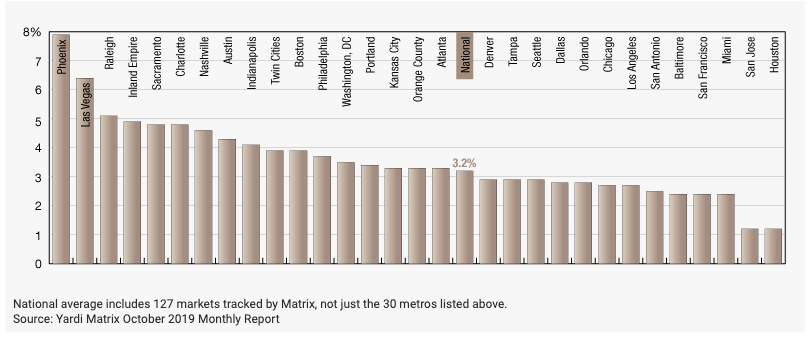
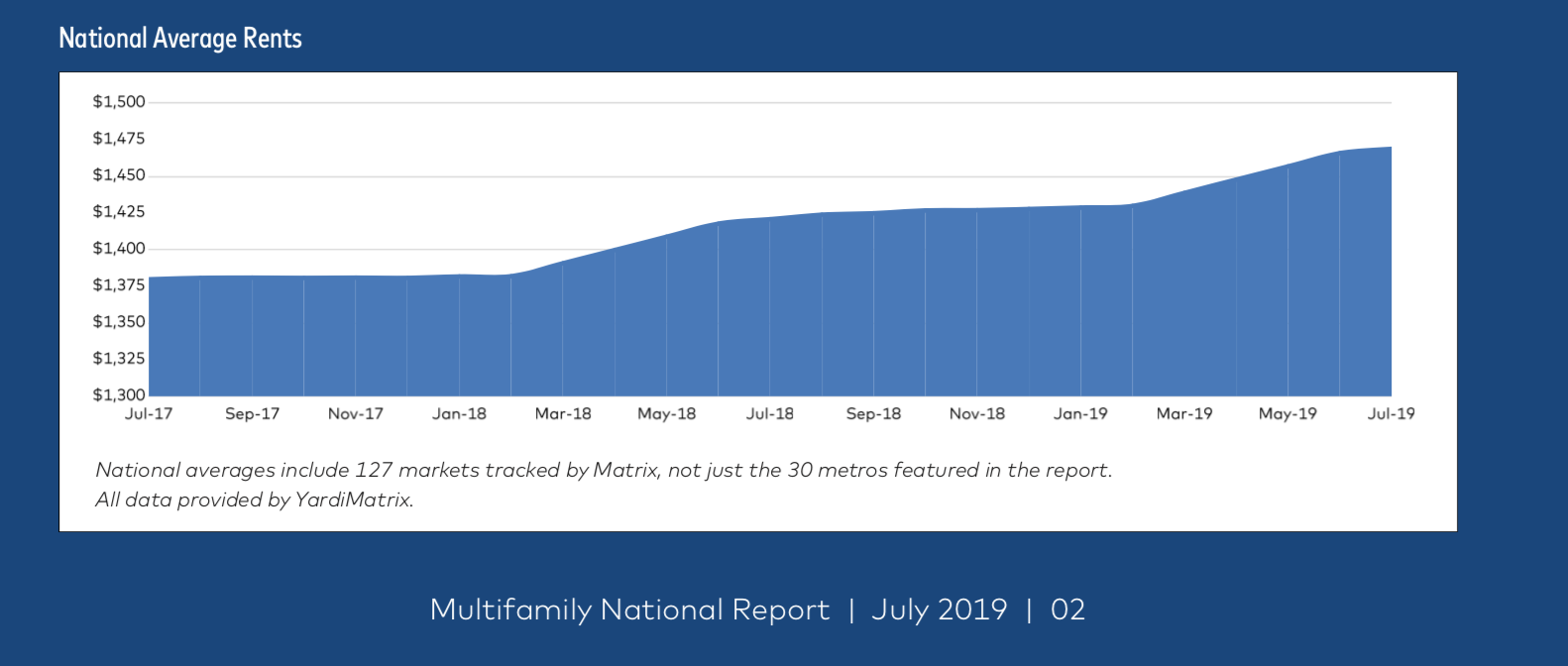
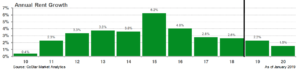
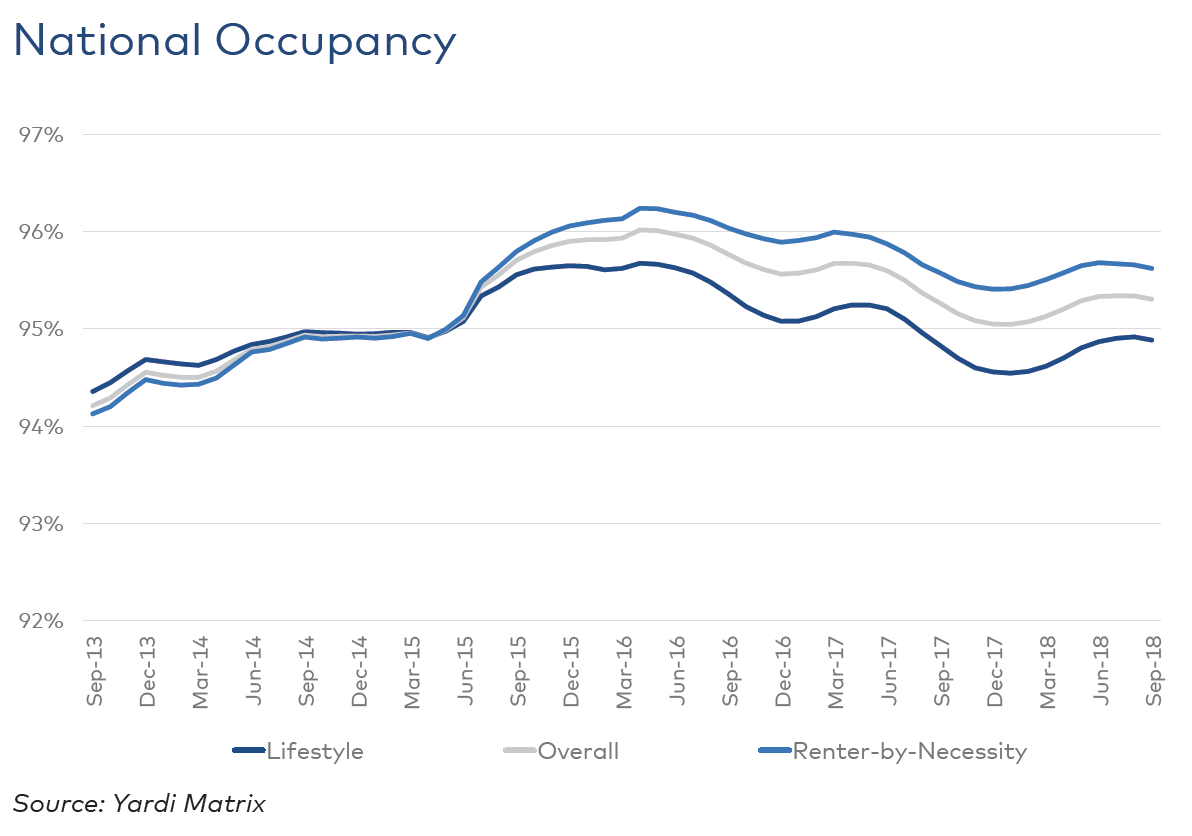
  2. 2019 Rent Growth – MHN 19.11.18 -“multifamily rent growth is back in the black, increasing $1 to an average of $1,476. Year-over-year rent growth remained at 3.2 percent and has been at least 3 percent for more than a year, according to a Yardi Matrix survey of 127 markets”
  3. Class B & C Investors Circling Secondary, Tertiary Markets – MHN 19.11.04 – “Fueled by strong employment and a growing group of renters by choice, investor exuberance for multifamily properties is spilling over into older properties as well as secondary and tertiary markets. Buyer older properties and renovating them, meanwhile, can offer better returns.”“Groups that would have been looking for the newest, shiniest Class A downtown asset now have modified their strategy to allow for Class B investments,” Pesant said.“I was talking to an investor the other day who bought an asset in Florence, S.C., because it was a 7 cap,” she said. “Everything is a 5 to 5.5 cap in secondary markets. They are going to tertiary markets to get yield and going down the quality curve.” – [Not a new trend for SPC investors but here is another viewpoint of the opposite. Lesson learned is know what you are investing in a specialize and operate well]
  4. 3Q19 UNITED STATES MULTIFAMILY CAPITAL MARKETS REPORT
  5. Jersey City Joins Push to Block Airbnb – MHN 19.11.08 – “The new rules in Jersey City bar renters from listing their apartments on the site as well as owners who don’t live on-site.” – [Another reason why I don’t like STRs and prefer blue collar rentals due to this demand]
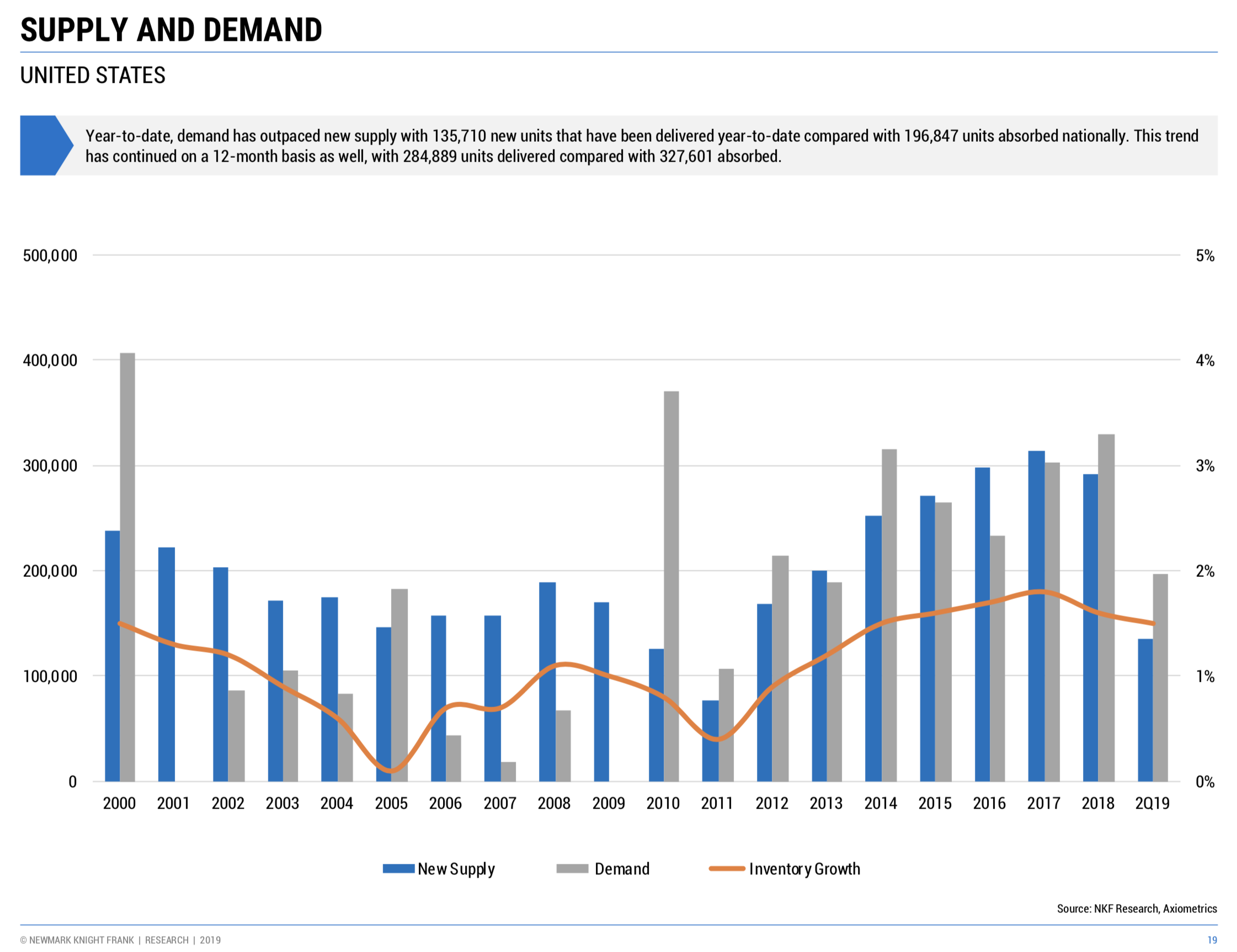
  6. Multifamily Rents Rise as Vacancy Tightens – MHN 19.11.08 – ” Effective rents for institutional properties grew by 3.3 percent year-over-year in the second quarter, up 1.6 percent over the previous quarter, as low unemployment rates and ongoing job growth fueled healthy absorption.The vacancy rate declined by 20 basis points year-over-year to 5.8 percent, even as apartment stock continues to expand by 2 percent a year, according to a new report by the commercial real estate finance firm. More than 4,400 buildings providing 797,000 units are currently under construction” – [This is a big of general data on the whole US market which is not really useful but in the big picture the demand is there]
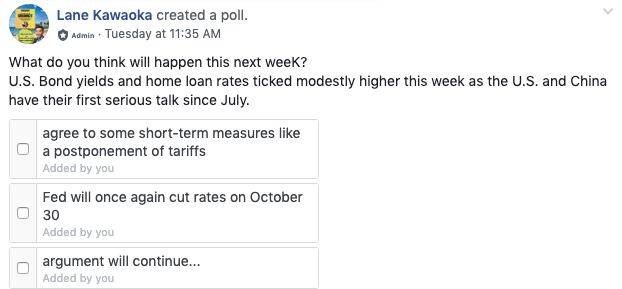
  7. China Trade deal update 19.11.11 – Home loans started higher but were “saved” midweek when reports came out suggesting a delay of a “phase one” trade deal signing. Bonds and home loan rates like bad news, so a disruption or delay of the trade signing was the reason for rates to improve off the worst levels midweek. Word that both the U.S. and China would roll back tariffs as a deal gets put together was very good news which pushed Stocks to all-time highs at the expense of Bonds and home loan rates. Loan on same level they were at back on July 31st when the Fed cut rates for the first time in 10 years.
  8. Co-working space
  9. More than half of the world’s richest investors see a big market drop in 2020, says UBS survey – CNBC 19.11.12 – “UBS surveyed more than 3,400 high net worth investors with at least $1 million in investable assets. Fifty-five percent of respondents expect a significant drop in the markets at some point in 2020. The super rich have increased their cash holding to 25% of their average assets, the survey showed.” – [You are not the rich if your net worth is under 1M… I found it interesting that they still had 75% of their money in the game despite this outlook. This also means not dead equity too.]
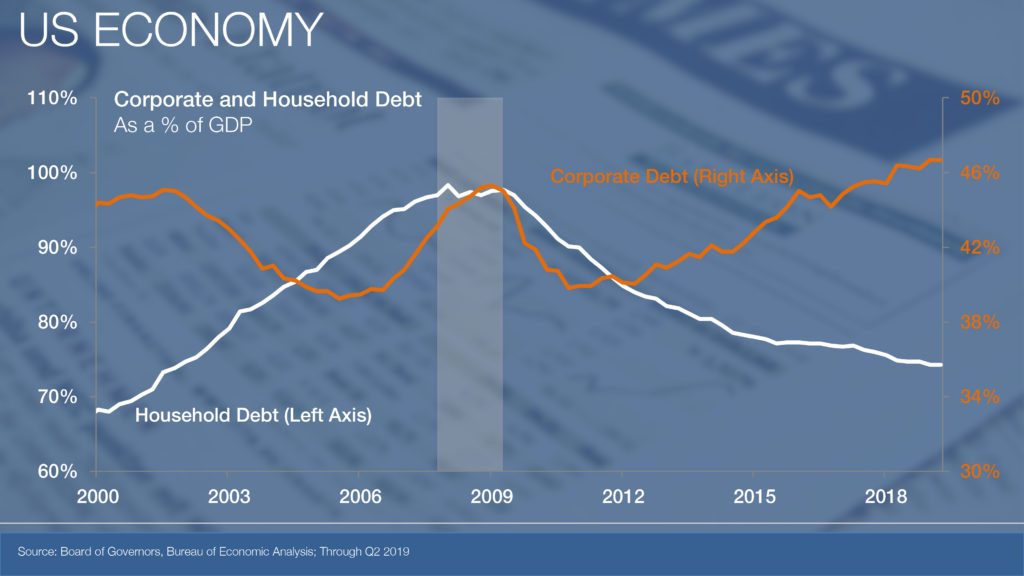
  10. us economy chart corporate and household debt
  11. Hillwood to Develop 1 MSF Amazon Fulfillment Center in North Mississippi – REBusiness Online 19.11.19 – “The facility will house picking, packing and shipping operations for larger customer orders and create 500 new full-time jobs. According to The Clarion-Ledger, the new facility will be located within Hillwood’s Legacy Park, a 266-acre business park in DeSoto County. The Class A industrial campus has proximity to U.S. Highway 78 and Tennessee Highway 385; the BNSF and Norfolk Southern intermodal terminals; Memphis International Airport; FedEx Air and Ground hubs; and a UPS sort hub.” – [You need to start getting creating and looking into tertiary markets]
  12. CRE Industry Preps for New EB-5 Regulations – CPE 19.11.20 – “The new minimums have been adjusted for years of inflation. The minimum investment in assets in a targeted employment area will increase by 80 percent, from $500,000 to 900,000, and the standard minimum investment will rise by the same percentage, going from $1 million to $1.8 million.”
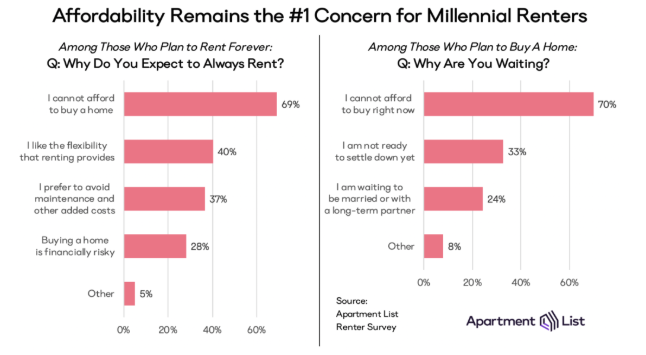
  13. https://www.apartmentlist.com/rentonomics/2019-millennial-homeownership-report/


I made some revisions with new happiness study data.


Plan for 2020.

Start to make key hires to help group SPC.


https://simplepassivecashflow.com/spouse/

Tips to have this difficult conversations

$216M Real estate controlled, 3,000 units, $24M diverted from Wall Street, 226 LIVE investors


Stop going to REI events and start going to private entrepreneurial and coaching groups.


Taking a look at asset management systems for improvement.


Used a $100 gift card to nice restaurant


My coffee sucks I might consider an espresso machine once I use all 144 remaining K-Cup pods.

I don’t like to hear about other peoples jobs because most time its just complaining. If you don’t like it do something else.

I spent twenty dollars for this voice over.

Book Report – George Clason – Richest Man in Babylon

Complete #LaneHack list

Passive Investor Accelerator & Mastermind

-Mostly Accredited high paid professionals to connect with personally and build your own network (currently 45 members)
-27 modules of content in a closed membership site
-Bi-weekly Zoom Video calls (25+ on-demand recordings a year plus all library of past calls)
-Now with a membership coordinator check-in’s to help facilitate what you are doing and connect you with the right people in the group (if you are shy)

Learn more and apply before out max head count is reached and 2020 pricing takes effect – SimplePassiveCashflow.com/Journey

If can do me a favor… If you get a chance people review leave a review for the podcast on iTunes (https://podcasts.apple.com/us/podcast/simple-passive-cashflow/id1118795347) and email simplepassivecashflow.com to a friend.


Unknown Speaker 0:00
Are you busy professional overwhelmed and misled by the stock market dogma saving and work into your 70 I like to help you out and get to know you a little bit better with a quick 15 minute strategy call. Hurry as I’m only opening my schedule for a limited time as I take it easy the rest of the holiday season and get going for a busy New Year. But good call by going to simple passive

Unknown Speaker 0:20
cash flow calm slash talk.

Unknown Speaker 0:22
Hey guys, I’m traveling at the moment going down to the collective genius mastermind at San Diego then off the Huntsman Dallas. I’m really enjoying the real life of a professional investor without that day job. This week, you’re going to be listening to my monthly market update webinar, which you can join us live by joining our email list or check out the YouTube video online. And while you’re there, subscribe to our YouTube channel which we’re giving away free course subscription for YouTube subscribers. Also, if you want to check out the video form of this webinar, go to simple passive cash flow comm slash investing letter aloha Maybe we’ll try to rent them out. And then he became one real investor maybe you guys haven’t subscribed to the podcast simple passive cash flow comm check it out. And also check out the YouTube channel. I’ve been getting a lot better adding more videos there to you guys want a free version of my ebook, text ebook 25873176099 and join our Facebook community if you have not already. So our first article here is Apple committing 2.5 billion toward California housing crisis. So they’re saying that they will commit $2.5 billion towards efforts of solving the obvious affordable housing issue in Northern California. I used to work for a city and these are Always there’s always a negotiation to give permits. That’s the leverage a municipality has over big companies like this. And you know, these big companies, they would like to build infrastructure like sidewalks, curbs, and not have to do ridiculous the tension tanks under new construction and different stormwater. Anyway. The municipality has leverage over them. So this is a way that that the business of how it can kind of negotiate things for the community. And it seems like it’s a Oh, it’s a wonderful thing that Apple has done, but no, they probably it’s a deal deal between them and the municipality just like how Google did this. And Microsoft had first hand view on what Microsoft did in their city. And this is this kind of shows failures for markets and public policy to meet the housing needs. I wouldn’t want I live in Northern California, unless I had a huge tech salary. Yep, that’s a, it’s in the chat window cronyism. That’s what you’re talking about. Next article here 3019 rent growth chart here from mid November. This one they released pretty often multifamily rent growth is back and in the black, increasing $1 to an average of 1400 bucks about per month. The takeaway is that the rent growth are still happening. Class B and C investors are circling secondary, tertiary markets. And this is no secret to a lot of us simple passive capital investors targeting non primary markets for the cash flow and not having to compete with dumb money, to say the least. So there and I’m co here. It’s fueled by Strong employment and a growing group of renters by choice, investor exuberance for multifamily properties is spilling over into older properties as well as secondary and tertiary markets buyer older properties and renovating them, meanwhile, can offer better returns. I think we all know this. But you know, not everybody in the world thinks like this. there on the bottom, we had a chart that I took from the last apartment.

Unknown Speaker 4:30
You know, those are the typical class BNC rents that you’re going to see in a lot of the secondary and tertiary markets, anywhere from 550 a month, up to $800 a month. Definitely a culture shock to a lot of us that live in poverty markets where you’re used to seeing houses cost 300 $400,000 or more, and paying $2,000 a month rent for a little studio. For those of you who want to kind of come back to this presentation you guys can do this later, but this is the third quarter 2019, United States multifamily capital markets, they do a good job of just running down the high level of what’s kind of happening across the nation. And it’s interesting to track this, each quarter that each quarter no surprise yields are compressed nine basis points, which isn’t very much year over year. And that’s consistent with what I’m feeling, but it’s nothing like I think a lot of people are like, Oh, no, the sky is falling, and will never be able to get yield. There’s yield there. The gap is closing very slow, slowly, but it’s still there. But you’re not buying the average. You know, they come up with this number where they average probably million deals out there. You’re trying to find that one needle in the haystack and, you know, if you’re patient, you’ll find it rent growth. You know, just like the last publication I just mentioned, they’re saying that the rent growth increased 3.2% nationally. Which is up 60 basis points over last year article about those impacting those doing Airbnb and short term rentals. Jersey City joins the push the block Airbnb, where what they’re doing is they’re going to borrow renters from listing the apartments on the site as well as owners who don’t live on site. And this is another reason why I don’t like short term rentals at all. I prefer blue collar workforce housing, long term rentals, just boring stuff. article titles multifamily rents rise as a vacancy, Titans, effective rents for institutional properties and what they mean by institutional properties are like these are the big ones typically the a class because it’s easier for them to get data on this. They’re saying rents grew 3.3% which is, you know, mimics kind of what we very close to what the last news source mentioned. Up 1.6% over the previous quarter. So that’s almost half of the annual growth in the last quarter, which makes sense because right growth is pretty cyclical. When you get into these cold or slow months, you don’t have as much demand on people moving. So that makes total sense from a logical standpoint. vacancy rates declined by 20 basis points to 5.8%, even as the apartment stock continues to expand, so they’re building new units by 2% a year. More than 4400 buildings providing almost 800,000 units are currently under construction. But remember, this is Big Data comprised of the whole United States, which is insightful yet not really useful, because when you’re an investor, you’re trying to key in not only in a certain market but a sub market. You know, is it going To be West Irving as opposed to just the Irving Texas for example or the DFW market. I took a couple pictures here of you know, everybody loves these like the top 10 happiest city, which they said it was Miami, Florida, Oakland Austin send it to San Jose, Philadelphia, la Boston, Honolulu, Portland, San Diego. And America’s top 10 dynamic cities which is San Francisco, Seattle, Denver, Aurora, Grand Prairie, Oklahoma, Fort Worth, San Jose, Atlanta, Georgia, Miami, Florida, where they get this data. I don’t have a clue. Me I don’t really need much into it. But people like these type of news articles and so that’s why I put it in here.

Unknown Speaker 8:51
Other than the 27 weeks of curated content for the passive investor, the new mastermind will offer bi weekly power calls with the following format. first week of every month we will dial in on being a direct investor for simple passive cash flow 1.0 I call it which is getting your first rental negotiating sourcing operation etc. second week of every month we will discuss holistic wealth building topics or what I call simple passive cash flow two point O plus, which is holistic Wealth Management syndications private placements, tax legal lifestyle design etc. Get a sense of this forum by checking out the guide to taxes video at simple passive cash flow calm backslash tax, I’ll be honest, some things I can’t see the general public because it’s too personal. And it’s not to say bad things about others. Unless you’re in the mastermind. One rule we have is what happens in the mastermind stays in the mastermind. To get in go to simple passive cash flow.com backslash journey.

Unknown Speaker 9:51
Don’t be left out and join the day. If you’ve

Unknown Speaker 9:54
been waiting on the sidelines. This is your moment and not to be taken by an institutionalized education

Unknown Speaker 9:59
program.

Unknown Speaker 10:01
update on the whole China trade deal as of November 11 2019. Now the home loan started higher. But we were kind of save middle of the month when the reports came out suggesting that a delay of a phase one trade deal was about to be signed. So it was a disruption to relay to the trade citing was the reason for the rates to improve off the worst levels mid week. There was worried that both the United States and China would roll back terrorists as a deal with push through. And this push stocks to all time highs as the expensive the bonds and the home loan rates low and on the same level. They were back on July 31. When the Fed cut their rates for the first time in 10 years. co working spaces a little bit if you haven’t been watching the news and heard about headlines About the company we work. But essentially, if you read between the lines and here’s my summary of the whole thing, we work along with many other tech companies, their venture capital, and they have a lot of money backing them, which can power a lot of marketing and make a company look good. But like in any business, if you don’t have organic marketing, to create new customers for you, your business will likely fail. It just matter depends on how much artificial capital you can burn up to keep this thing going. And just like any business, you have to kind of feed the beast until you kind of take off and go on your own. But we work they kind of got to a point where they realize that they weren’t making money doing this and then they had a another infusion of cash. Here of sort of the percentage of CO working spaces on a graph. I’m still less than 4% even in Manhattan, and where the mark the vacancy rates are. For those real estate usage, the trend line is showing the higher amount of vacancy. The lower amount of percent coworking. So New York, Manhattan, Brooklyn, they have a low vacancy rate, which means a high demand. And that’s why they have more percent of CO working space. But most of these, these cities follow the trend line. I’m not really too many outliers here. More than half of the world’s richest investors see a big market dip drop in 2020. So the UPS survey and this is from the good old CNBC news station, whether that’s good or bad or not. So they’re saying they surveyed 3400 high net worth investors How they got those people? And what the heck kind of high net worth investors are going to sit on the phone for four minutes and answer surveys My other question, but they said 55% of respondents expected a significant drop in the market at some point in 2020. And they also said that the super rich have increased their cash holdings to 25% of their average assets. Put this in here mainly to kind of show people a little measuring stick, like you have high net worth investors or people here, maybe. And they’re still not sitting on any more than a quarter of their net worth in cash. And here’s my message if you’re not rich, if your net worth is under $1 million, $1 million is really not that money. And oftentimes, I see those under $1 million net worth sitting on a large huge majority like almost 75% money in cash or stuck in lazy debt equity in their home or other rental properties paid off. I mean, you would think it’d be the opposite right high net worth investors should have more cash on hand because they have you know, they don’t need to get yield, they don’t need cash flow to eat, eat from that was my takeaway that 25% level for cash flow sitting on the sidelines from some random survey of of high net worth people. Me I’m kind of more like, I don’t know like 10% or something like I invest aggressively maybe part of that is because I feel like I have good deal flow. But I invest in majority cash flowing investments that are cash flowing today.

Unknown Speaker 14:50
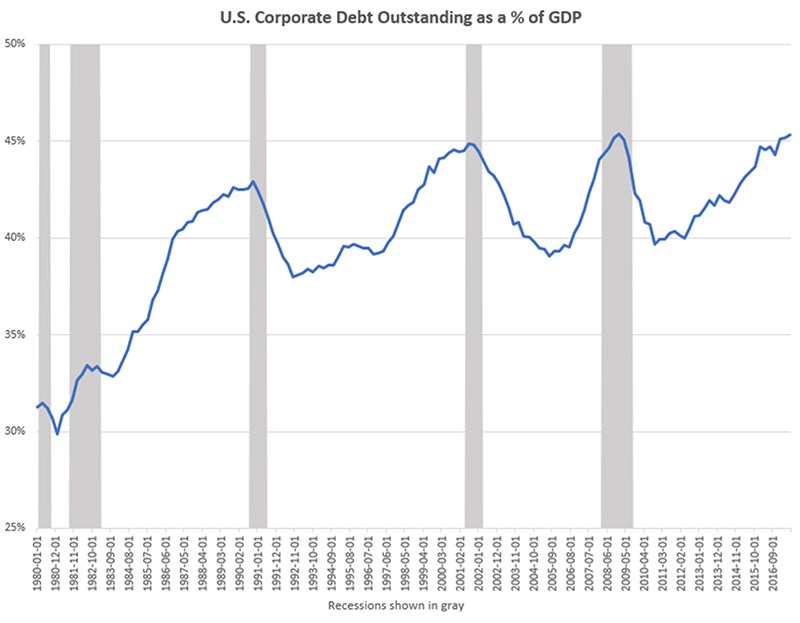
So this next chart here is taken from Arbor who is a direct Fannie Mae Freddie Mac lender. Orange graph is showing the court debt which is going up. And the household debt which peaked in 2008 2009, obviously, is on the decline, which is, in my opinion a good thing. This is similar to the levels of two top 2000 were corporate debt was at 46% ish. And household debt was a little over 70% hill-wood to develop a 1 million square foot Amazon fulfillment center in North Mississippi, put this in here as just a you know a lot of people they look at all these headlines of this building going into Seattle or this building going in San Francisco, frankly don’t really care about any of this stuff I look at more of these type of articles here is like a class and choke campus going in. Next, the US Highway 78. More importantly next BNSF and Norfolk Southern Railroad lines. This is a similar play to people going into Memphis for the old FedEx and UPS, transit hubs. You know, these days you’re looking for yield you can’t really go to secondary markets your Kansas City’s your Memphis says because they’ve been picked over since 2012 2016. You’ve really got to kind of go into these more tertiary markets that nobody ever really is talking about. Not saying that this is a good market to invest in, but maybe look into some of these market like in northern Mississippi. Again, it is in DeSoto County CBR he industry preps for the new Eb five regulations. So those of you who aren’t aware of Eb five, this is the old way to if you’re International, you want to become a US citizen. Well, you can pay to play because we’ll take your money and we’ll give you citizenship so we can get money. You have to invest in an asset that My understanding is that it helps the United States economic or its benefits America, I see it as sort of like a donation in a way to get citizenship. But they used to be, they’re going to increase the target that you you’re supposed to put up from $500,000 to $900,000. And it’s supposed to pace inflation. And the standard minimum investment will rise by the same percentage going from 1 million to $1.8 million. So I’ve heard of a lot of people coming into the country this way. Again, a lot of the international money people coming in, they’re not the 1% of their country. They’re like the point 01 percent. So just plunking down a million dollars on something like that is think about it if you’re going to the airport, and you want the Fast Pass, but the Fast Pass is way better. But it was 10 times the price and money was no object to you, you do it. These charts are talking about millennial renters. They ask these millennials, why do you expect to always rent? And some of the excuses? I mean, some of the the reasons where I can’t afford to buy a house was 69%. The next one is I like the flexibility that renting provides. Third with 37% is I prefer to avoid maintenance and edit costs. And then last summer was buying a phone is financially risky. And then they asked millennials who plan to buy your house. Why are you waiting? What’s your excuse? And 70% said I can’t afford to buy right now. 33% said I’m not ready to settle down yet. 24% said I’m waiting to get married probably to share the costs and the Then there’s another chart that they put in here and they split up the different demographics. Not going to go into that you guys can check that out later by going to simple passive cash flow, comm slash investor letter. And you guys can download these slides there.

Unknown Speaker 19:17
Those are the news articles I dug up this month. Here are the new simple passive cash flow articles and podcasts that I created this month. The first one was a lot of my investors, they they might be totally on board with financial freedom and investing in alternative assets but they may have a reluctant spouse in an In fact, this is in most cases call this reluctant spouse syndrome. So I pinged and surveyed a few people in my tribe and put down some useful tips on how to get your spouse on board. possibly create some kind of Midway there, too. You guys can check out that article at simple passive cash flow comm slash spouse. I’m starting to build a legal guide just like the tax guide, tax guide you can find a simple passive cash flow calm slash tax. But this legal guide that I’ve been creating a simple passive cash flow comm slash legal. I’m not a tax attorney I’m not a CPA, I’m not a lawyer. But here are some notes that I’ve been keeping for myself that you guys can also review I have my last rental property on the market and I am showcasing what’s happening with that one at simple passive cash flow calm slash A l four l for because it’s in Alabama and it was my fourth rental in Alabama. I interviewed at least it’s on you guys can check out that interview there. Also I interviewed a doctor who is doing short term rentals. And if you’re a doctor, I would go to that simple passive cash flow. COMM slash doctor and there’s all other tidbits and thoughts for doctors and you know if you’re a new Doctor, what are some tips to for financial freedom there and and other mindsets even if you’re probably a higher paid profession I would recommend checking that out. For those of you who are still buying turnkeys we did a webinar last week where we talked about the mortgage lending requirements in 2020. And moving forward with Graham can check that out simple passive cash flow comm slash turnkey. The E course went live on Black Friday for those of you who took advantage of the that special launch pricing. It’s that simple passive cash flow calm slash e course. And if you guys buy that we can credit back to the price you paid if you choose to go into the mastermind, at any point, we currently have 55 members in there. We do bi weekly zoom calls, we do networking similar to how we kick this meeting off here. Great way to get around. accredited investors quick going to The local Ria or the free Facebook group. So the forums, you’re just going to find a bunch of book people there. And I launched the new investor portal for those of you who are in deals with me to access it, you have to create a login, then you can access to all the monthly updates there just in case you miss an email. Once we all get a lot of emails these days, and if you guys want to sign up, go to the website, and you create a join the deal club, you guys get access to the first three modules of the E course those of you who are not verified with me and haven’t set up a call with me yet. After you do that, you can get access to the past do webinars to review and further your learning. They’re just going to go over some updates that I’ve been doing personally. Man November was a quick month so I think put this down really quickly. I’ve had a little bit of downtime to plan for 2020 I’m starting to make key hires to help the group and simple passive cash flow, notably a membership director for the mastermind group. So what we’re doing now is we’re going through all the members and kind of building a little matrix and who’s doing what, who we can connect with who, and then we’re going to kind of forced the matchmaking to happen. contribution. I felt like the whole addressing this reluctant spouse syndrome was a big issue I needed to sort of help people with. The graphic I have on screen is what we’re all trying to avoid. This guy was wearing like one of those Apple watches and it just happened to be the day that he got fired. So about 10 o’clock, he got the news that he got laid off his beats per minute, went up spiked up 220 from a resting heart rate of 85. It kinda went down. He had a meeting with HR Little around two o’clock and it spiked to

Unknown Speaker 24:04
110. And then he left work at 530 went right back up as probably he went home because he didn’t want to tell a spouse, that his supposedly job that was keeping their family alive was no more. And then he went to bed at 110 beats per minute. So you don’t want that to happen. And that’s why you invest in alternative assets and you do something that everybody else doesn’t do. Not because it’s going to create the future one, but it’s going to avoid situations like this. And maybe that’s the pain that willingness pain will speak to you more than the financial rewards. Some cool things that I get to talk about here, my significant slide, I counted up the real estate control $216 million. Guess that’s almost a quarter billion 3000 units or so 24 million diverted from Wall Street from Other passive investors in the squee. So we are currently up to 226 live investors today.

Unknown Speaker 25:10
Thank you, for especially you guys have been waiting for quite a few deals. This next side is uncertainty because you’re always trying to find ways to make things a little bit a surprise in life as I’m planning 2020 for myself, I made it a goal not to go to real estate events where I know everybody and it’s like cheers and everybody knows my name. And I don’t have to get out my comfort zone. Because everybody already knows me. I’m going to go to start to go to more private entrepreneur type of events where nobody knows me and different coaching groups just do something a little bit different way I’m going to get certainty in my life. I’m starting to look at like doing asset management, taking that over from a third party and some of our deals and doing this in house. I don’t know why I didn’t do this in the past. Maybe because I didn’t like doing it as a job as a project manager, but I’m sick and tired of seeing these accountants or computer programmers or non professionals be project managers when this is exactly what I did at my job for 10 years. And maybe even though I didn’t like it, or I didn’t think I was that good, I can do a lot better than all these amateurs. What I did for relationships and connections and love, I took my wife out, and we use the hundred dollar gift card that somebody gave us. It took some time for that. So I’m always trying to identify what is the resistance in my business in my life, and try and eliminate those. And we had a webinar in our mastermind going over INTERNATIONAL TRUST. And if you think LLCs and two layers LLC are cool, this is going to blow your mind. It’s all about getting over charging order protection. This fraudulent conveyance much better Domestic trust. Again I have a lot of those notes and simple passive cash flow calm slash legal. You guys want to check it out and and part of this is like there’s no worse feeling than being in a lawsuit and even if it’s a stupid one, that somebody else can control your assets and do like a charging order, which is basically freeze your stuff and stop your ability to find future deals, or even getting a home loan for yourself or you maybe even getting a credit card. Creating complex events, legal entities is a way of getting some leverage in those situations. And for me, it’s money well spent. Other other frivolous things. I think my coffee sucks. I’m going to stop using that key cup after my lot of 144 remaining k cup pods are gone. Probably gonna get one of those $50 special machines and Thanksgiving is always tough for me because I don’t like to hear about people’s jobs because is most times is people complaining all the time. My attitude is if you don’t like your job then do something about it. Thanksgiving is over, thankfully. And Christmas is here and I bought myself some air pots. These are finally the good ones actually stay in New Year. And gunk doesn’t get stuck inside of them. Some lessons learned I’m reading. Well, I just finished this last night The Richest Man in Babylon. A lot of people have recommended this book to me in the past for the first couple of chapters, there was a big takeaway. It was like this really rich guy, he’s he’s teaching this this younger guy who’s not rich at all like a man How do I get rich and then the old guy tells them put aside 10% of your money and go and buy assets or go into deals that make you money. One of the first deals he goes into he goes to like the blacksmith who’s going to buy like spices from wherever. And then the old man is like, all right, well, that’s cool. Like Yeah, that can possibly make you money for why the hell are you investing with the blacksmith that doesn’t know anything about spices? And then you know, that’s the lesson learned the guy didn’t make any money. But eventually he moves and he goes into a better deal. And now he starts to see the this proven concept. And at that point, after I read like the first 10 minutes of this book, it’s written in Old English, sort of like the Bible, and it totally puts me to sleep, which is why I didn’t get anything out of the book, and I eventually gave up on it. But now I can say I read it now when people talk about it, because they get the gist of it. Well, thanks for joining. And we’ll see you guys next month on another monthly update right?

Unknown Speaker 30:01
This website offers very general information concerning real estate for investment purposes every investor situation is unique. Always seek the services of licensed third party appraisers and inspectors to verify the valuing condition of any property you intend to purchase. Use the services of professional title and escrow companies and licensed tax investment and or legal advisor before relying on any information contained herein information is not guaranteed as an every investment there is risk. The content found here is just my opinion and things change and I reserve the right to change my mind. Above all else, do your own analysis and think for yourself because in the end, you’re the only person who is going to look out for your best interests.

 

#7 – 2019.11 – The SPC Greensheet


Dear investor,

We wrapped up a couple of big deals recently!

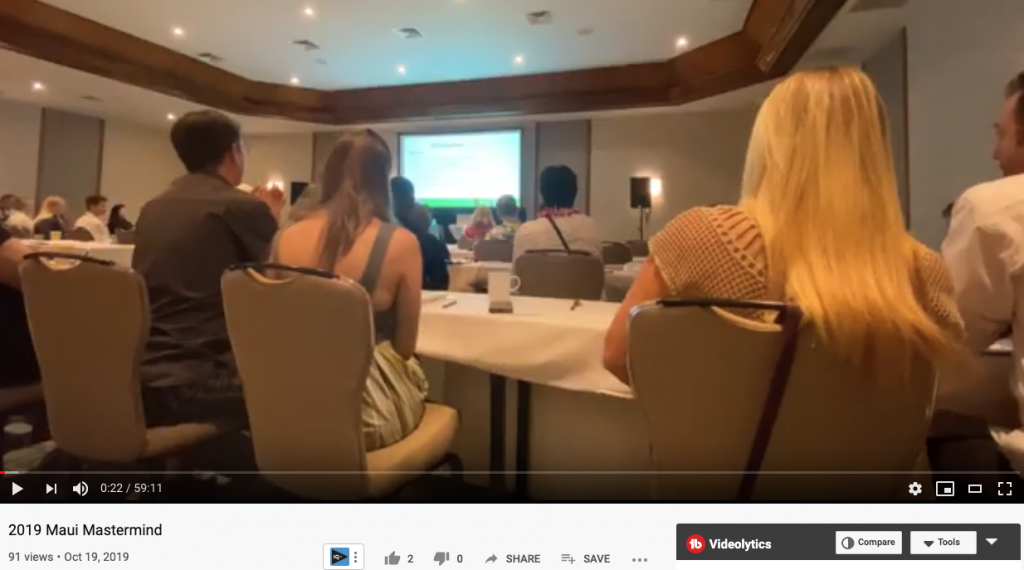
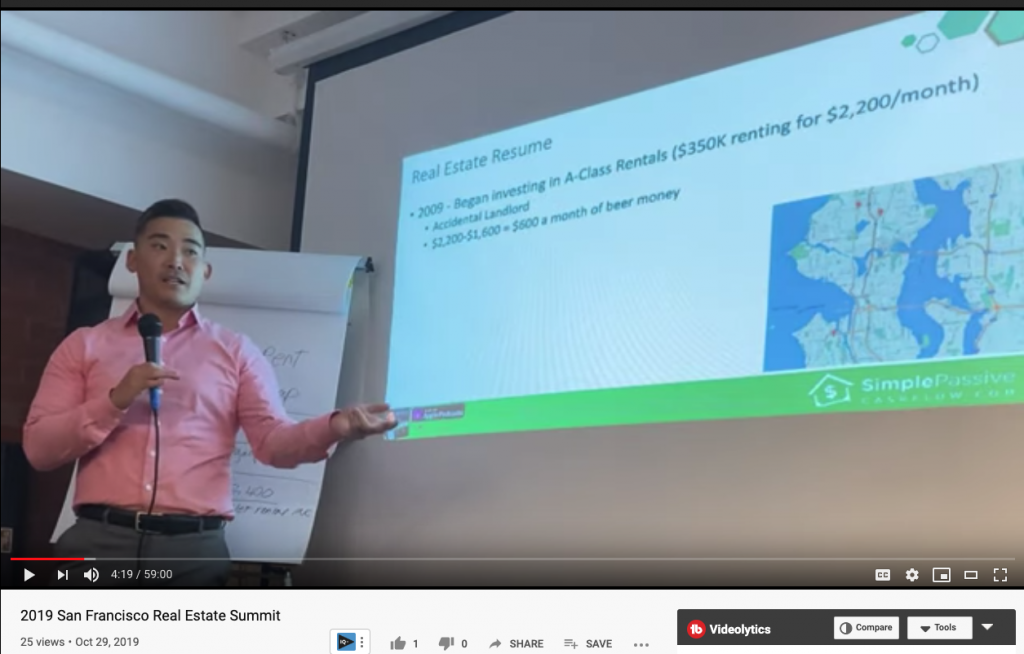
I just got back from Maui where I gave this talk (video replay). And San Francisco where I gave this talk (video replay).


Something about going on a short retreat puts things in perspective…

This year was a great year with the following Hui Deal Pipeline Club deals:
1) 309-Unit, Class-C+ Apartment @El Paso, Texas
2) 207-Unit, 5 Mobile Home Parks @Gulf Shores, AL
3) 80-Unit, Class B Apartment @Gulfport, MS

4) 104-Unit, Class B Apartment @Huntsville, AL
5) 212-Unit, Class B+ Apartment @ Irving, TX

Thank you all for your support and joining me on this journey!

I will be “taking it easy” these next couple months.

If you have anyone that is looking to get out of volatile stock market which seems to get worse as Trump and the Fed battle behind the scenes… please connect us via email*.

A referral to a friend/family is the best compliment. It is my mission to get people to financial freedom.

As we have seen when I posted my 2018 taxes and paying 4%… its un unfair game.

Now some rest and relaxation.

November Greensheet links

1) PDF Version
2) Web version
3) Video version

  1. Untold Stories of being a W2 Lawyer (#169)
  2. $1,700 passive a month w/ 7 rentals w/ Realliferentals.com
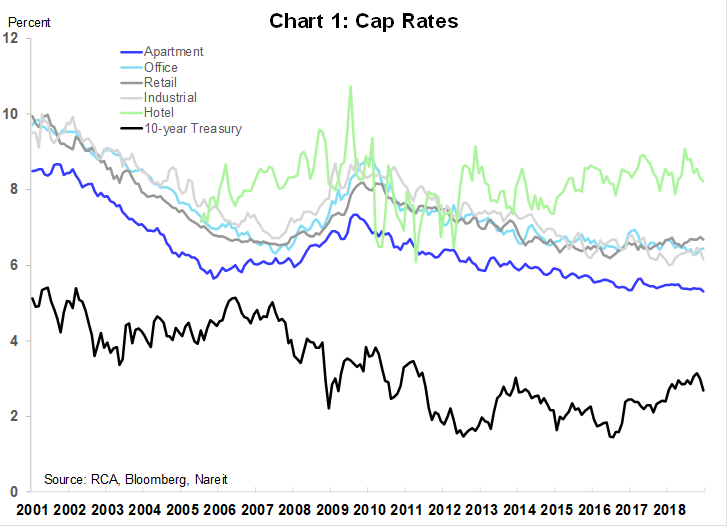
  3. Cap Rates in Real Estate Explained (#171)
  4. SEC Advisory
  5. Legal Strategies for Real Estate Investors w/ Scott Smith #172
  6. Live Coaching call (Non-Accredited $300k net-worth) #173


  1. Update from Mr. Duncan – QE4 (inflation) has begun (From QT) – New round of asset purchases through $190B Repos
  2. 2019 Top US Markets Reports for Large Multifamily Report – Arbor – [I did not find this report one bit useful as I like secondary and tertiary markets that do better than these top tier markets… and cashflow]
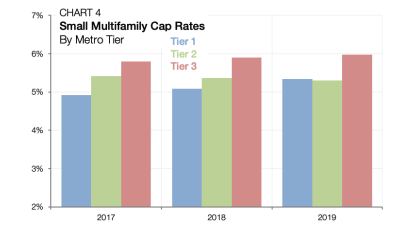
  3. 2019 Metro-Level Small Multifamily Investment Trends Report – Arbor – [Good discussion on differences between caps on tier 1/2/3]
  4. Blackstone Bets $4.3B on Bellagio – CPE – 19.10.16 – “MGM Resorts International have entered into an agreement to acquire the Bellagio in Las Vegas… hotel and casino development has been limited since 2010. In another deal that emphasizes Las Vegas’ healthy market, MGM Resorts entered into an agreement to sell Circus Circus Las Vegas for $825 million to real estate mogul Phil Ruffian.” – [Illustrates what happens to assets as they age]
  5. ALN 2019 Q3 Review – [Good write ups on high level of each market. Again remember its more able submarkets than overall markets]
  6. Repurchase Agreement (Repo): form of short-term borrowing for dealers in government securities. In the case of a repo, the dealer sells government securities to investors, usually on an overnight basis, and buys them back the following day.Repo markets are generally used by banks and financial institutions to fund short term/ overnight liabilities using assets such as U.S. Treasuries, securities or other intangible property as collateral. It is where financial institutions go when they need short term cash, in exchange for some collateral, like Treasuries or mortgage securities, for a short-term loan. Rather than having to sell off assets to pay or fund liabilities, institutions can use these overnight markets to access liquidity. The Federal Reserve has provided liquidity through injections of funds ($200B) into the Repo markets in order to calm them.
  7. Vacancy Falls, Rents Rise for Manufactured Homes – MHN 19.10.10 – “steady cash flows, the potential for higher returns and the reduced management headaches compared to other property types. The scarcity of product means that large top-tier community that do hit the market will attract multiple offers from a range of buyers, driving sale prices higher. Marcus & Millichap finds that cap rates for these assets tend to fall in the 4 to 5 percent range but can be as low as 3 percent.Manufactured housing REITs are surging.” – [MHPs are an endangered specie. Dumb money is definitely going into multifamily apartments at this point and its smart to diversity to get away from the crowd]
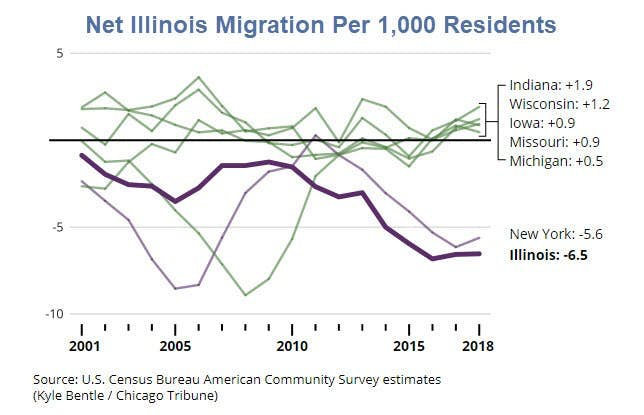
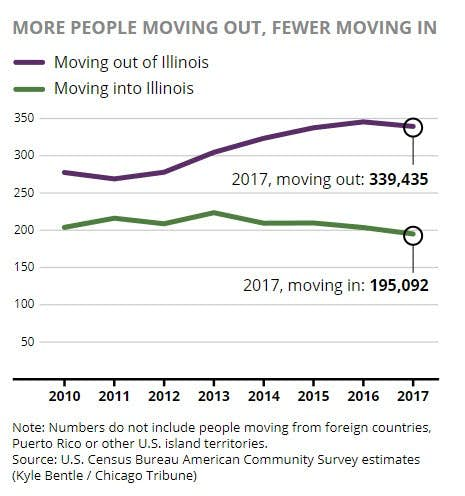
  8. Escape Illinois – Mish Talk  19.10.05 – [There always was a lack of reliable turnkey providers in Chicago. Plus it also has bad landlord laws. Population is declining too] 
  9. Retailers Look to Capture the ‘Laptops and Lattes’ Crowd – REBusiness – 19.09.24 – [Interesting look at retailing trends, parking at 45 min gyms, food/fun/fitness/fashion]
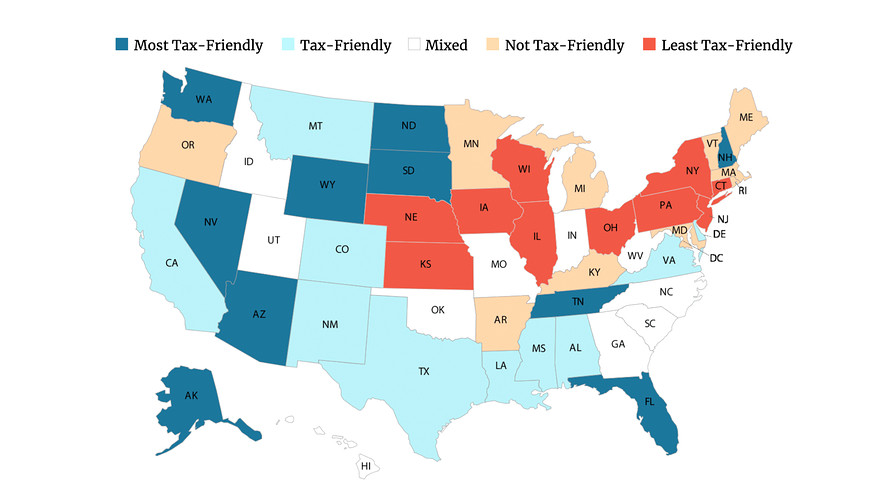
  10. Worst states for taxes – Market Watch – 19.10.5 –  
  11. November 2019 Rent Report – Apartment List – 19.11.2 – “Our national rent index ticked up by 0.1 percent from September to October. Over the three month period from March to June rents increased by 1.3 percent, the fastest growth over any three month period since the summer of 2017. However, since June, rents have been essentially flat, representing an early end to the summer spike in rent prices.” – [Normal seasonality throughout year] 
  12. 5 Markets With the Greatest Occupancy Loss – MHN – 19.10.23 – [One of our projects is cashing out in Chattanooga and we did not see this down trend what so ever? Fake News!]
  13. Vacancy Falls, Rents Rise for Manufactured Homes – MHN News – 19.10.10 – “Vacancy in manufactured home communities is tightening across all regions of the U.S., as renters increasingly turn to low-cost housing options, according to a new national market report by Marcus & Millichap” – [Thats why we like MHPs – more info]
  14. Holiday Shoppers Plan to Spend 4 Percent More This Year, NRF Survey Shows – RE Business Online – 19.10.29 – [Lets wait and see what happens] 
  15. NOI vs. Capex Yield – CPE 19.11.2 – “Variables such as age, location and property type can influence how much capex is required to operate an asset”
  16. Fannie Mae 3.5% Mortgage Bond (Friday Oct 25, 2019) 

I made some revisions with new happiness study data.


Two speaking engagements where I gave this talk (video replay).

And San Francisco where I gave this talk (video replay).


I am on a mission to give the secrets of the wealthy to everyone.

I recently used an S-Corp so I can start having 14 corporate meetings a year at my home.

Here is some of the work I put in to determine the fair market value of me renting out my home to my self per day.


Decided to hire some staff and take myself out of the business.

Simplepassivecashflow.com/jointeam if you have any impressionable family members who would like to start off on the right foot.


Decided to shut it down for 2019 and get ready for 2020!


Plan a vacation to Japan!


40-50 emails a day so I decided to filter ALL emails to be read later in the day so I only have to deal with a dozen must reply emails in my first hour of the day.


I broke down and bought Youtube Premium

Book Report – Gary Vaynerchuk – Crushing It

Complete #LaneHack list

Passive Investor Accelerator & Mastermind

-Mostly Accredited high paid professionals to connect with personally and build your own network (currently 45 members)
-27 modules of content in a closed membership site
-Bi-weekly Zoom Video calls (25+ on-demand recordings a year plus all library of past calls)

Learn more and apply before out max headcount is reached and 2020 pricing takes effect – SimplePassiveCashflow.com/Journey

If can do me a favor… If you get a chance people review leave a review for the podcast on iTunes (https://podcasts.apple.com/us/podcast/simple-passive-cashflow/id1118795347) and email simplepassivecashflow.com to a friend.


#6 – 2019.10 – The SPC Greensheet

Dear investor,

It has been a very busy month for sure!

Sold a couple of my turnkey rentals. One of these I had to pay a 37.7K repair bill. Full story here.

A lot of deal closings so things are very crazy.

Things should slow down very soon as I am looking to shut it down for the rest of the deal (like Lebron James not making the NBA playoffs he is on break). We put in an offer on a large Huntsville apartment and got out bid by $1M dollars LOL.

Looking forward to seeing a couple of these deals that I went into earlier in 2019 to start cashflow before the end of the year to add to the rest.

Here is the Video replay and the Greensheet (PDF).

  1. UNTOLD STORIES OF BEING A W2 LAWYER (#169) – https://simplepassivecashflow.com/lawyer/
  2. DO I NEED UMBRELLA INSURANCE? – https://simplepassivecashflow.com/do-i-need-umbrella-insurance/
  3. FITNESS TIPS AND VIRTUAL TRAINING FOR THE BUSY (#168) – https://simplepassivecashflow.com/fitness/
  4. COMMERCIAL MULTIFAMILY LENDING W/ JAMES ENG (#167) – https://simplepassivecashflow.com/167lending/
  5. JUST SOLD RENTAL 8 OUT OF 11!!! – https://simplepassivecashflow.com/saraashley/
  6. ENGINEER INVESTING IN SFH THEN MFH – JACOB AYERS – https://simplepassivecashflow.com/166jacob/
  7. LIVE COACHING CALL W/ ANOTHER ENGINEER (NON-ACCREDITED INVESTOR) EP.165 – https://simplepassivecashflow.com/165pat/
  8. SEC ADVISORY – https://simplepassivecashflow.com/sec-advisory/

  1. The Big Short’s Michael Burry Explains Why Index Funds Are Like Subprime CDOsBloomberg 19.09.4 – “Central banks and Basel III have more or less removed price discovery from the credit markets, meaning risk does not have an accurate pricing mechanism in interest rates anymore. And now passive investing has removed price discovery from the equity markets. The simple theses and the models that get people into sectors, factors, indexes, or ETFs and mutual funds mimicking those strategies — these do not require the security-level analysis that is required for true price discovery” – [Equities are intangible assets, same guy investing in water]
  2. Fannie Mae Eases Credit to Aid Mortgage LendingNew York Times – Throwback 1999 – “extend home mortgages to individuals whose credit is generally not good” – [Captain obvious]
  3. Trump signs executive order to tackle lack of affordable housingHousing Wire 19.06.25 – “According to the Census Bureau, only seven homes were built for every 10 households formed from 2010 to 2016” – [We are undersupply from a housing standpoint]
  4. Stocks and Mortgage Rates Rise!This past week home loan rates ticked up sharply from the previous week leaving many wondering — have rates bottomed?Three things affecting home loan rates:U.S./China Trade Dispute: 1) Tariffs being delayed by the U.S. and China. With economies slowing, 2) central banks are cutting rates and introducing new financial stimulus to keep the economic expansion growing, 3) August 5 – Mortgage Bonds hit a 2019 price high and have been unable to break above that price, and subsequently slipped lower creating a tough “ceiling of resistance”
  5. Fed Cuts Interest Rates for Second Time in 7 WeeksCPE 19.09.18 –  “Clearly the Fed is concerned that the economy is more fragile than has been popularly thought,” Kelly told Commercial Property Executive.  “That’s reflected in the rate cut, and also the ‘lite’ Quantitative Easing being considered.”” – [Politics at play here?]
  6. Construction Spending Slows, Reflecting Economy’s Pace – CPE 19.09.19“Nonresidential construction spending dropped 1.8 percent to $773.8 billion on a seasonally adjusted annual basis from May to June; although, spending increased 2.3 percent year-over-year, mirroring the rate of inflation. Of the 16 tracked nonresidential construction sectors, which range from office to highway and street to water supply, five recorded contraction: commercial (retail), educational, religious, communication and power. The commercial sector saw the greatest decline, shrinking 10.7 percent.” – [ITR is calling a 2019 slowdown and 2020 to get back and going up again]
  7. Six predictions for 2020 and beyondPWC Trend Report – 
    1. The global investable real estate universe will expand substantially, leading to a huge expansion in opportunity, especially in emerging economies. World population growth and increasing GDP per capita will propel this expansion. By 2020, investable real estate will have grown by more than 55% compared to 2012, according to PwC forecasts, and then will expand by a similar proportion in the following decade. 
    2. Fast-growing cities will present a wider range of risk and return opportunities. Cities will present opportunities ranging from low risk/ low yield in advanced economy core real estate, to high risk/high reward in emerging economies. The greatest social migration of all time – chiefly in emerging economies – will drive the biggest ever construction surge. 
    3. Technology innovation and sustainability will be key drivers for value. All buildings will need to have ‘sustainability’ ratings, while new developments will need to be ‘sustainable’ in the broadest sense, providing their residents with pleasant places to live. Technology will disrupt real estate economics, making some types of real estate obsolete. 
    4. Collaborating with governments will become more important. Real estate managers, the investment community and developers will need to partner with government to mitigate risks of schemes that might otherwise be uneconomic. In many emerging economies, governments will take the lead in developing urban real estate and infrastructure. 
    5. Competition for prime assets will intensify further. New wealth from the emerging economies will intensify competition for prime assets; the investment community will need to think laterally to earn attractive returns. They might have to develop assets in fast-growing but higher risk emerging economies, or specialise in the fast-growing subsectors, such as agriculture, retirement, etc. 
    6. A broader range of risks will emerge. New risks will emerge. Climate change risk, accelerating behavioural change and political risk will be key.
  8. Forever 21 Files for Chapter 11 Bankruptcy, Plans to Shutter 350 Stores WorldwideShopping Center Business 19.09.30 – “company plans to exit most of its international locations in Asia and Europe, but will continue operations in Mexico and Latin America. The Wall Street Journal reports Forever 21 could close up to 350 stores worldwide, including up to 178 In the U.S.” – [E-Commerce is not destroying these retailers but its to much debt] 
  9. Treasury Unveils Plans to Privatize Fannie Mae, Freddie MacGV Wire 19.09.8  – “The administration’s plan calls for returning Fannie and Freddie to private ownership and reducing risk to taxpayers.” Trump administration unveils plan to privatize Fannie Mae, Freddie Mac – USA Today 19.09.5[Unsophisticated investors get too excited when they see these headlines and brokers love to scare investors to buy. Don’t hold your breath on anything with the government]
  10. 5 Things You Should Know About California’s New Rent Control LawMHN 19.09.19 – [Why are you investing in California?!?] 
  11. Miami Real Estate Is About To CollapseWolfStreet 19.09.26 – [Softness in high appreciation markets]
  12. SEC Considers Expanding the Accredited Investor DefinitionWealth Management 19.06.19 – “JOBS Act 3.0, meant to spur capital formation, prompt more initial public offerings and generally expand the public’s opportunities to invest. That package passed the House of Representatives last July. One bill in that package, the Fair Investment Opportunities for Professional Experts Act, would expand the definition of an accredited investor to include education and job experience” – [I hear that they are going to make Accredited investor definition 5M and market it easier to qualify]
  13. Not a fan of self storage
  14. Home flipping profits are fallingHousingWire –  59,876 single-family homes were flipped in Q2 2019, up 12.4% from the previous quarter, but down 5.2% from 2018. This decline is primarily a result of rising home prices leading to lower flipping margins for investors. CBS News ROI of house flipping reached an eight-year low in Q2 of 2019, and while housing prices rose 4% since 2018, home flipping profits fell by 2%. CNBCthe average gross profit on a flip was $62,700, which then translated into a 39.9% return on investment, after renovation and carrying costs. That is down from a 40.9% gross flipping return in the first quarter of this year and a 44.4% return in the second quarter of 2018.”Chron points out that the fastest-growing segment of home flippers are classified as inexperienced based on CoreLogic data: “Small-time investors—people who have purchased 10 homes or fewer over the past two decades—are increasingly flipping homes rather than renting them out.”WCPO Cincinnati reports that a federal racketeering lawsuit has been filed against Build Realty—also known as Greenleaf Funding. The company markets itself as a “one-stop-shop for home-flippers looking for help with financing, including rehab costs, without a credit check.” In reality, the company reportedly scammed money out of hundreds of home flippers in the region.


I made some revisions with new happiness study data.


Joining Collective Genius!

Creating a mastermind in Hawaii of passive investors


Watch me work out – SimplePassiveCashflow.com/fitness


Sold a couple of my turnkey rentals. One of these I had to pay a 37.7K repair bill. Full story here.


Planned vacation!
Maui and Japan


Annoying citations from counties for tall grass.

So many people have been complaining that a recession is coming. 

Buy for cashflow simple…


Complete #LaneHack list

Book Report – Cal Newport – Deep Work

  • Shallow work is being more common and does not create value
  • Set yourself up: cabin in woods, get a hotel, fly on airplane
  • Serendipitous encounter where there is collaboration open office vs solo thinker
  • Hub and spoke technique
  • Buy here


Passive Investor Accelerator & Mastermind

-Mostly Accredited high paid professionals
-27 weeks of content
-bi-weekly Zoom Video calls

SimplePassiveCashflow.com/Journey

It’s going to be a really cool format where people take the journey together. Think like a Fraternity/Sorority without the weird stuff. When I was going through programs it was most beneficial to connect and climb the ladder with quality people. Who knows someone of your Cohorts might do a deal together or become lifelong friends or accountability partners.

If can do me a favor… If you get a chance people review leave a review for the podcast on iTunes (https://podcasts.apple.com/us/podcast/simple-passive-cashflow/id1118795347) and email simplepassivecashflow.com to a friend.


Fitness Tips and Virtual training for the Busy (#168)

Fitness Tips and Virtual training for the Busy

1.) Morning routine – Lemon juice – Spring tips tea and homemade Kombucha – https://kit.com/SimplePassiveCashflow/fitness

2.) when to drink coffee – Simple Passive Cashflow Latte –

http://simplepassivecashflow.com/the-simple-passive-cashflow-latte/

https://kit.com/SimplePassiveCashflow/simple-passive-cashflow-latte

3.) sleep tips – Sleep Cycle alarm clock by Sleep Cycle AB

https://itunes.apple.com/us/app/sleep-cycle-alarm-clock/id320606217?mt=8

4.) what best workout program to get in shape

5.) how to drink alcohol

As far as workouts go for you, Jeff asks what your goals are, why they are important to you, and what time availability you have throughout the week to get in sessions.  Then he recommends if 1 if not 2 days a week is good for you depending on what you are looking to do.

“We specialize in creating a personalized 13 point training system that holds you accountable to attain your desired health and fitness goal in 3 months…GUARANTEED”

Jeff McMahon

www.tbc.fit

Start learning about real estate investing – SimplePassiveCashflow.com/start

#5 – 2019.9 – The SPC Greensheet

Dear investor,

This is the new monthly letter update called the “GreenSheet.”

Many of you have said that although you enjoy the updates to the various SPC Ultimate Guides (such as for tax or syndications) that the emails was too long to read. Going forward I will create an archive-able web-post here which you can access the index on this page.

Quitting my job last month has allowed me to spend more time making this “great (online) American novel” I call SimplePassiveCashflow.com. Hopefully the contents can help you quit your job too and spend time on what really matters.

  1. Live Coaching Call w/ Non-Accredited Investor
  2. Hunter Thompson from Cashflow Connections
  3. Timeshares are the worse. Mostly because there is negative equity as soon as you purchase because you have to pay a huge sum of money to leave your monthly/annual commitment.Check out these tips from a timeshare lawyer that helps poor consumers exit these bad deals – SimplePassiveCashflow.com/timeshare
  4. Added a link to schedule a free tax/legal strategy call with my CPA in the Tax guide.
  5. Life Settlement Info Page – https://simplepassivecashflow.com/life-settlement-investing/
  6. New Most Popular SPC Page – SimplePassiveCashflow.com/top
  7. (Here is a cheaper service for cost segregations for single family homes or under $2M assets – but I am personally a little skeptic)
  8. Live Coaching Call w/ Non-Accredited Investor – SimplePassiveCashflow.com/155jason 
  9. 152 – Kyle Jones Apartment Investor & 7 lessons learned
  10. Update to Banking Guide – 

    Index Universal Life (IUL) Caps: Will They Rise When Interest Rates Rise?

    Normally when we are taking about a banking policy we are talking about a wholelife product however sometime an indexed universal life (IUL) is preferred which is why it makes sense to work with only people you (we) trust. The cap defines the upper limit of the policy cash value crediting rate.

    Typically (2014-2019) IUL caps have gradually fallen, leading some to wonder what would stop carriers from gradually dropping caps to the policy’s minimum guarantees. This concern is particularly common when the client is considering whole life as an alternative because whole life discussions begin with guaranteed performance enhanced by dividends. Legally this is possible, and advisors may need some clarity to make a decision.

    So, how valid and relevant is the concern that caps may fall to the level of policy guarantees?

    Cap levels are essentially driven by the amount of money the carrier has available to purchase long options in support of its IUL book of business. While option pricing is a combined function of option budget, market volatility, and the price of zero-risk products, data indicates it is the option budget that is by far the overriding driver. This is particularly true when considered over the medium to long term.

    It’s indisputable that the reason whole life dividends, universal life declared rates, and IUL caps have fallen over the last 20 years is the declining interest rate environment. As rates fall, the general account return must also fall because its portfolio is comprised of primarily fixed income investments. When rates rise, bond returns in the general account will increase slowly as the life insurance carrier replaces maturing bonds and adds additional bonds with new premium. The question is this: will the carrier keep the extra return instead of passing it on to the end client in the form of higher caps, dividends, or declared rates?
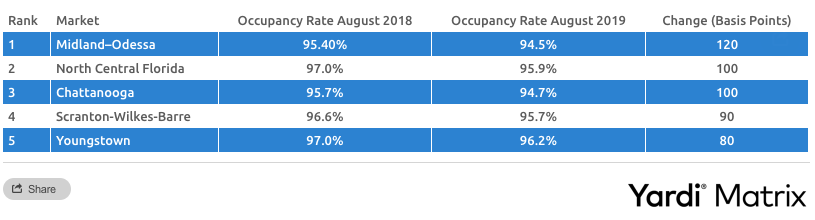
    The life insurance carrier would say that they take their profit in the form of money management fees, costs of insurance, and policy charges; thus regarding the improved yields as policy owner money. On the other hand, cynics would disagree and say the life insurance carrier will pocket the increased yield.

    Let’s assume for the moment the cynics are correct, and that carriers have no regard for policyholders and deal only in their own self-interest. Well then, is carrier self-interest positively served by such behavior? The answer is no. And here’s why.

    IUL products are mostly sold to clients below the age of 65 who will live for a long amount of time. If interest rates rise but caps do not, then an IUL product becomes less attractive compared to similar products issued by competitors with higher caps and higher client yields. Healthy clients, encouraged by agents and other advisors, will surrender their policy so that they can move to the more competitive products. Furthermore, this would create another problem for the original carrier because the remaining pool would be the unhealthy, and this would result in more early death claims and therefore further losses.
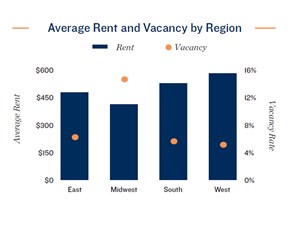
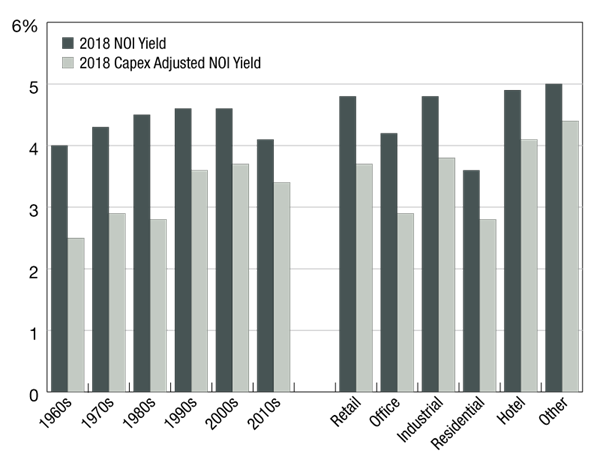
    Will the original life carrier care about these lapses? After all, they won’t be paying a death claim and have already booked profit, as we noted above. The answer is yes.

    One of the great advantages of life insurance is that as standard practice the carriers guarantee the mark-to- market value of the bonds that support the cash surrender value. This was not an issue in a declining rate environment because the carrier could sell the attractive higher-yielding bonds and pocket the gain. However, when rates are rising and especially if the rise is rapid, the reverse is true. Thus, clients induced to surrender by higher caps elsewhere create a significant mark-to-market liquidation loss for the short-sighted carrier.

    For example, if the insurer has a general account with an average bond maturity of ten years (typical for the industry) the losses would be a 9% loss on the cash value surrendered if there was a 1% increase in underlying market interest rates, and a 35% loss if there was a 5% increase. For a single client this is unpleasant but unlikely to break the carrier. However, if it happens on a large scale it creates an enormous loss that no senior management team is likely to survive.

    Given the potential for considerable losses and that the carrier hits its profit objectives by passing through the increase in general account yield, the carrier is incented to pass through improved yields to the client in the form of higher caps. By doing so, the carrier attracts more premium while simultaneously protecting prior profits. By not doing so, the carrier risks mass surrenders which could result in the loss of hundreds of millions of dollars.

    No one knows when interest rates will rise, but data and logic tell us that the life carriers will protect their profits. To do that they must pass on improved yields to the client in the form of increased caps and/or improved participation rates.

    I’ve been burned before with Life Insurance that was sold to me by a 24-year-old out of college salesperson and everyone says whole life insurance is a scam. What can I do with my old policy?

    Have no fear my friend you basically have three options:

    • Cash it out and just walk away with the cash that’s in it.. In that case you obviously no longer have a life insurance policy so the death benefit goes away.. Because of the way it was designed, it possible does not have enough built in cash value yet for there to be any tax consequence so you don’t have to work about that..
    • Borrow against this policy and use the money that way.. You can use it as a properly design self-banking instrument, the downside being that the it’s not a great cash building policy so there’s more cost in it than what you’d like to see and the loan rate may not be real favorable.
    • Open a new policy (one that is designed for cash build up) and do a 1035 exchange into and this time get a policy optimized for banking.. The nice thing here is that there would be little cash right up front to boost the new policy because we are using the old one.. The downside is just going through the process of getting a new policy with physical evaluation etc..
  11. Ep. 150 – Live Coaching Call with a Doctor going 45 to 75 MPH! 
  12. Ep. 150 – Apartments to Mobile Home Parks with Paul MooreTake the hint from other high level investors and be aware that MFH Apartments is where a lot of new syndicators are starting businesses and where all the gurus are teaching about the space. It might be time to look elsewhere other than Apartments and into mobile home parks. Learn more about the asset class here
  13. Episode 149 – QRP Retirement plans Follow Up Webinar – Follow up on QRP questions with Damion Lupo – Video
  14.  Additions to the Analyser

    What are these expenses?

    Taxes: In the beginning of the acquisition process you have to ASSume part the taxes as a certain percentage of the market price.  However keep in mind that every county calculates this differently and re-assesses the tax basis for properties especially when the property transfers ownership. Best tip is to get around other passive investors in that area to ask them what the change as been or to assume that taxes will go up 10-80%.

    Insurance: You can take a certain percentage outlined in the spreadsheet, ask the current owner (if you believe them), or what we suggest is to get one of our insurance referrals within the mastermind to give you an actual value.

    Management: This is typically 8-10% of the rental revenue plus 50-100% of the first months rent. The property management can also collect additional fees by splitting late fees or charge for renewing previous tenant leases. This is where it is important to have peers or a mentor to save you hidden dollars here. Also make sure you pick a good one with this guide.

    Vacancy/Turn-over Expenses: Typically it takes 2-6 weeks to do some touch ups around the property after a tenant moves out to when the new tenant moves in. 4 week vacancy is 1/12th loss rents and needs to be accounted for as a “Vacancy” expense line item. This is where most novice investors fail to account for.

    Maintenance: I have always been told to put aside 10% of the rents or 1 months rents as money set aside to fix random things in the property. Also remember that when you old tenant moves out you might have to fix a thing or two (or $20,000).

    Also don’t forget about contract services such as lawn/yard service, snow removal, pest control, or pool maintenance.

    Cap Ex: This is not in your net operating income for all you geeks (engineers) crunching numbers but this is another 10% or so going to a cash reserve account to pay for broken stuff down the 2-15 year road. This money is to pay for large ticket items. More info here. I say geeks because experienced landlords know that its very hard to predict this stuff and it is a waste of time to track and build models to predict this stuff. In reality the best thing you can do is spend your time not in Spreadsheet Land but find more deals to decrease your risk but making more cashflow! Easier said than done when you are limited with fund and getting started which is why you get a mentor to mitigate your risk and understand that these scary things is exactly why you should push forward because most people will back out and thin your competition.

    Utilities – In most single family homes the tenant is in charge of the utilities (electric, gas, trash, sewer, water) which makes you life easier. However in 2-4+ unit arrangements the responsibility is all over the place.

    HOA Fees – It worth mentioning but check if your property has this. Condo or townhouses typically have a HOA monthly fee and is why we don’t recommend them as investments in addition the face that it is a nightmare dealing with their governance system.


  15. Additions to the guide to People/Psychology guideWall of Shame (don’t make these mistakes)Deprival Super-Reaction TendencyPeople prefer avoiding losses over acquiring gains.  Most of us have a stronger reaction toward losing something we already own. I see this when people have made bad decisions in buying a non cashflowing piece of land or crappy turnkey rental and they just won’t sell for a loss even though they have no other capital to get themselves moving again. When I lost $40K in this deal… my first inclination was to just hold on (stick my head in the sand), but realizing this I sold at a lost and moved on and freed up my mental bandwidth to close on over 1,500 units in 2018.Excessive Self-Regard Tendency
    We overestimate our skills, which leads to overestimating the competency of our decisions, which leads to overestimating the value of our investments or assets.  While confidence is needed in investing, excessive self-regard results in people thinking they’re better at picking stocks or investments than they actually are.  I see this went I go to networking events and run into someone venturing over from the stock trading camp or someone who thinks they are super smart because they are a genius in the computer science universe.
    If you are doing well monitoring trends 28 hours a day awesome for you!
    Sometimes I have a call with someone and they argue with against starting out with a turnkey rental and cite the reason why MFH is superior because they have listened to 1,000 hours of podcasts (inception by Guru) but they don’t have any experience even running a SFH!
    Real estate is very simple and requires soft skills to acquire the network needed to excel. In that respect it is like playing ultimate frisbee where the playing field is leveled and the physically gifted don’t really stand out like a pick up basketball game would. If you don’t know what I’m talking about you should check out the sport, it could be your calling.Social Proof Tendency
    We tend to seek out people who think the same way we do, and we want to do something just because someone else has done it, rather than for its own merit or because we’ve done the research.  This leads to an unhealthy herd mentality.
    Example:
    Investor A tells Investor B that Operator C is a great operator. Investor A does not know anything (how to run the numbers) just investing in a few deals done by Operator Z. Now Investor B invests in Operator C’s deal.
    Charlie Munger’s example:
    “Big-shot businessmen get into these waves of social proof.  Do you remember some years ago when one oil company bought a fertilizer company, and every other major oil company practically ran out and bought a fertilizer company?  And there was no damned reason for all these oil companies to buy fertilizer companies, but they didn’t know exactly what to do, and if Exxon was doing it, it was good enough for Mobil, and vice versa.  I think they’re all gone now, but it was a total disaster.”
    Combine Excessive Self-Regard (rich people with investing track record or not) with Social Proof Tendency you get a recipe for group thinking. This is something I constantly see in my of the groups that I paid to be in and as I grow my own mastermind.Consistency Avoidance Tendency
    Just because something has worked in the past does not mean that markets do not change. It is difficult to be objective and move against your past operating system. This is why in the podcast we always ask guests what is something they once thought, put their ego aside, but they realized was wrong.Envy/Jealousy Tendency
    Its no doubt that its impressive when someone says they own 2,600 units or whatever. Not going to lie, its definatly a pissing contest.
    You might see a 310-unit deal come by and a 424-unit come by and want to invest just to increase your unit count. Just know to keep to your underwriting standards and not compromise.
    Deals are like airplanes. Everyone is waves goodbye in great admiration and fanfare when the airplane takes off but once it disappears into the horizon no one knows if the plane made it to the end goal.
    Sometimes it is clear that some planes leave the origin with a quarter tank of gas or a drunk pilot.
    It is often the deals that you don’t do (even though it costs you $50,000 of earnest money) are the best deals you make because you prevent the drain of money and more important life energy.
    People prefer avoiding losses over acquiring gains.  Most of us have a stronger reaction toward losing something we already own. I see this when people have made bad decisions in buying a non cashflowing piece of land or crappy turnkey rental and they just won’t sell for a loss even though they have no other capital to get themselves moving again. When I lost $40K in this deal… my first inclination was to just hold on (stick my head in the sand), but realizing this I sold at a lost and moved on and freed up my mental bandwidth to close on over 1,500 units in 2018.Excessive Self-Regard Tendency
    We overestimate our skills, which leads to overestimating the competency of our decisions, which leads to overestimating the value of our investments or assets.  While confidence is needed in investing, excessive self-regard results in people thinking they’re better at picking stocks or investments than they actually are.  I see this went I go to networking events and run into someone venturing over from the stock trading camp or someone who thinks they are super smart because they are a genius in the computer science universe.
    If you are doing well monitoring trends 28 hours a day awesome for you!
    Sometimes I have a call with someone and they argue with against starting out with a turnkey rental and cite the reason why MFH is superior because they have listened to 1,000 hours of podcasts (inception by Guru) but they don’t have any experience even running a SFH!
    Real estate is very simple and requires soft skills to acquire the network needed to excel. In that respect it is like playing ultimate frisbee where the playing field is leveled and the physically gifted don’t really stand out like a pick up basketball game would. If you don’t know what I’m talking about you should check out the sport, it could be your calling.Social Proof Tendency
    We tend to seek out people who think the same way we do, and we want to do something just because someone else has done it, rather than for its own merit or because we’ve done the research.  This leads to an unhealthy herd mentality.
    Example:
    Investor A tells Investor B that Operator C is a great operator. Investor A does not know anything (how to run the numbers) just investing in a few deals done by Operator Z. Now Investor B invests in Operator C’s deal.
    Charlie Munger’s example:
    “Big-shot businessmen get into these waves of social proof.  Do you remember some years ago when one oil company bought a fertilizer company, and every other major oil company practically ran out and bought a fertilizer company?  And there was no damned reason for all these oil companies to buy fertilizer companies, but they didn’t know exactly what to do, and if Exxon was doing it, it was good enough for Mobil, and vice versa.  I think they’re all gone now, but it was a total disaster.”
    Combine Excessive Self-Regard (rich people with investing track record or not) with Social Proof Tendency you get a recipe for group thinking. This is something I constantly see in my of the groups that I paid to be in and as I grow my own mastermind.Consistency Avoidance Tendency
    Just because something has worked in the past does not mean that markets do not change. It is difficult to be objective and move against your past operating system. This is why in the podcast we always ask guests what is something they once thought, put their ego aside, but they realized was wrong.Envy/Jealousy Tendency
    Its no doubt that its impressive when someone says they own 2,600 units or whatever. Not going to lie, its definatly a pissing contest.
    You might see a 310-unit deal come by and a 424-unit come by and want to invest just to increase your unit count. Just know to keep to your underwriting standards and not compromise.
    Deals are like airplanes. Everyone is waves goodbye in great admiration and fanfare when the airplane takes off but once it disappears into the horizon no one knows if the plane made it to the end goal.
    Sometimes it is clear that some planes leave the origin with a quarter tank of gas or a drunk pilot.
    It is often the deals that you don’t do (even though it costs you $50,000 of earnest money) are the best deals you make because you prevent the drain of money and more important life energy.
  16. Additions to the Syndication Guide – To be a General Partner you need to find the deal, run it, bring a large portion (25% of the total capital), and answer annoying questions from the bank like this:https://youtu.be/WHC7LmUrnKEUltimately the reason I decided to not do a 4-50 unit by myself was because of the leading options under $1M are horrible and full recourse. Check out with these options for debt that the pros use which are typically out of reach from mom & pop investors.What is Syndication?
    A syndication is pooling of capital to invest in an opportunity. The benefit of putting capital together is that it might make it possible to purchase something that one person or small group may not be able to on their own with a Joint Venture agreement. We use syndications to get into opportunities to get away from the mom and pop chaotic and highly competitive space of under $1M-$2M deals. In addition, we try to stay under $10M-$20M purchase price sizes so we do not compete with larger institutions or hedge funds who are mostly interested in capital preservation not optimizing equity growth.
    You can syndicate anything from a shave-ice store to a multi-million dollar development. I just try to stay in my lane and focus on cashflowing real estate where tenants demand is high.
    Video version of this article with extra commentary:<a href="https://youtu.be/z5WHIa5FFng%5B/embed%5D" target="_blank" data-saferedirecturl="https://www.google.com/url?hl=en&q=https://youtu.be/z5WHIa5FFng%255B/embed%255D&source=gmail&ust=1559113668961000&usg=AFQjCNGZ6g95TgHv60sX47JIVtQukfua1Q">https://youtu.be/<wbr>z5WHIa5FFng

    My Experience with Syndications
    In 2016, I paid over $30,000 to get the mentorship to be an apartment operator/investor. What I learned in the process was that I did not need to be a General Partner because I had enough income and net worth to invest as a Passive investor (LP). After doing 
    turnkey single-family homes from 2009 for 7 years I was ready to graduate to bigger deals as a passive investor.
    Technically, I paid $40,000 on this fiasco too.
    Since then I have been General Partner and Limited Partner on over a dozen deals from 2017-2018.
    Webinar – What are Syndications/Private Placements? – https://youtu.be/n_qsZHBOCS4

    <a href="https://youtu.be/n_qsZHBOCS4%5B/embed%5D" target="_blank" data-saferedirecturl="https://www.google.com/url?hl=en&q=https://youtu.be/n_qsZHBOCS4%255B/embed%255D&source=gmail&ust=1559113668961000&usg=AFQjCNHHCbdHxFEcFUoGDeKsGPRzh8Ynig">https://youtu.be/n_<wbr>qsZHBOCS4

    Two Types of Syndications
    There are two forms of syndications:

    1. A single (of finite number of assets) that are going to be put into the ownership entity. For example we are going to syndication the purchase and rehab of a 200-unit apartment complex at 123 Main Street. The assets are identified before capital is raised. This allows sophisticated investors to vet the deals on an individual basis.
    2. A Blind Pool Fund (like a real estate fund) where capital is raised based on the sponsor’s vision, track record, and reputation. The capital is raised first the sponsors will then go out and acquire properties.

    What are the Various Roles in a Syndication?
    Whenever you are learning something new like ball room dancing for example its best to learn the definitions first. Then once you understand those we will build up on the concepts. Remember mastery only happens with the right 
    Mastermind and actually jumping into deals.

    Sponsor/Lead/Co-Sponsor/Manager/General Partner (GP)/Syndicator
    There are many terms for this person or company that organizes this investment and that is responsible for managing the whole operation on behalf of the investors. They are interchangeably known as the Sponsor, Lead, Manager, Operator, or Syndicator. Being in over a dozen different arrangements I can tell you that sometimes there can be a lot of dead weight in a GP however if you are looking to be in the GP you need to help with the deal with 1) finding it, 2) doing the grunt work, 3) bringing in a lot more capital than a typical Limited Partner.
    The loans (financial liability) is guaranteed by the Loan Guarantors or Key Principals (KPs). You guessed it! Typically a “rich dude/gal” with a net worth of over $2-5M is signing on the debt for the entire GP and Syndication. You can get compensated for this but every case varies which determines if it is a good risk reward. If you are a “rich dude/gal” we should probably connect and you should enroll in my mastermind with over 50% accredited investors too. But for the rest of you under $2M net worth keep reading…

    Investors
    Investors are known as Limited Partners (LPs). Not giving you any legal advice here of course but 80% of my investors invest in deals via their personal name because as the name implies there is limited liability because the liability goes through the GP first and the loans are guaranteed by the KPs.

    Legal Structures
    As mentioned before, the syndication may be created with a certain tax and legal structure. It is usually created as a Limited Partnership (LP) or a Limited Liability Company (LLC) to own the property on behalf of investors.
    Accredited Investors
    An accredited investor is a defined by the United States Securities & Exchange Commission as someone who makes a minimum of $200,000 ($300,000 if filing jointly) or has a net worth of 1 million dollars excluding personal residence. The significance of being an accredited investor is that you can invest in things that those with less money, cannot. You can also be something called “a sophisticated investor” which has a much more nebulous definition but essentially says you know what you are doing even if you don’t have that much money. These laws were put in place long ago to “protect” the average person from predatory activity. The irony of this all is that there is no protection for the average Joe, or pension funds for that matter, against investing in a wildly bloated stock market at record valuations. Every major trader out there knows we are in a bubble but there is no protection for individuals dumping money into their retirement accounts to buy mutual funds. It’s an archaic system which makes little sense. Certainly, there has been some recognition of this fact. The 2012 JOBS act made it easier for Main Street America to participate in “alternative” investments via crowdfunding and made it easier for sponsors to advertise previously unknown opportunities. However, we have a long way to go. I would advise you that you need to know the lead syndicator personally. None of this “we met at a local REIA and he pitched me his deal”. If a guy does not have a list of solid investors they must lack the track record. Also I did a podcast with Amy Wan a syndication attorney talking a lot about this topic.
    It is a misnomer that syndications are only for accredited investors. 97%-90% of deals out there also accept non-accredited investors it just that you are not personally connected to any of these people.

    Two Typical Syndication Methods
    Most deals are put together with the following structures which follow the SEC’s governances.

    1. Regulation 506B – 97-90% of deals our there accept non-accredited investors and the GP cannot openly market the deal to a non-private list (no TV, Radio, social media ads for example). Investors (LPs) will self certify if they are accredited or non-accredited.
    2. Regulation 506C – the minority of deals following the new rules where you can advertise into the free world but the SEC says if you do this you cannot bring in non-accredited investors. Investors (LPs) will need a third-party letter from lawyer, accountant, or third party site like Verify-Investor validating Accredited status.

    The Process
    The following is how the process typically works.

    1. Someone finds a deal.
    2. GP ties up the property up in a contract and starts building their GP team. (This is where they call me and see if the Hui Deal Pipeline Club is interested in the deal).
    3. The GP performs their due diligence and in parallel they get the syndication lawyer (not another run of the mill person who happen to pass the BAR) to create an investment package typically referred to as a Private Placement Memorandum or PPM. The PPM includes details of the property/deal, terms, sponsor contribution, equity splits, projected returns (proforma), fee structure, payout structure, and other marketing. The PPM is a heavy document over 100-pages. In most cases it scares new investors because it discloses all the risks that can happen. In the end it does two things: 1) Signs the GP up to be fiduciary to no lie, cheap, steal, and run the investment to the best of their ability and 2) Signs the LP up to minimize their ability to sue the GP incase the deal does not go well after all in everything there is risk and sophisticated investors know this.
    4. The GP will then go about raising money from investors (LP). They will decide a minimum investment amount based on the downpayment needed, cash reserves, capital needed for extra construction, fees/compensation for putting the deal together. Experienced GPs will always write the PPM to allow some wiggle room incase an extra 5-20% of capital is needed so they don’t have to spend another $10,000 for another irrevocable PPM. I am mentioning this because a common question from LPs is why does the PPM say the max raise is $4M and the sponsor just told me their take get is $3.5M? As a LP it is important to understand the rough breakdown on what the initial capital raise is being used for. Beware if capital is being raised to pay out investors in the first year. This is technically a semi-legal Ponzi Scheme but is not a good best practice by a GP and a way of tricking unsophisticated LPs.
    5. Once there is enough capital and the financing is worked out, the property will be purchased and the sponsor manages and operates the property. This is always a monumental movement as millions of dollars are being wired in from dozens and dozens of LPs in just a matter of days.
    6. After the property is acquired the fanfare and excitement goes away and the GP rolls up their sleep and gets to work. Distributions and profits are given as outlined in the PPM. In a way the LP courting stage is over, the wedding was a blast, and now we see how well this marriage lasts/goes.

    Why did I focus on being a LP
    Again for me, it was simple math. The assumption was that my money would grow at 15-20% a year in part cashflow and equity & forced appreciation. The syndications that I do are not BS REITs and RE Funds where you know the people running the deal for you and you don’t have layers of people taking hidden fees.
    I get all the pass-through tax treatment and depreciation and interest expense. In fact it is stronger than my direct ownership rentals because of cost segregation and bonus depreciation. See our tax guide.
    What I give up for control (most of which is an ego thing) I gain in diversification (multiple partners, markets, business plans, and asset classes). And the property management is typically a lot more professional than the property managers in the residential (1-20 unit) world.

    What are the downsides of a Syndication?
    Syndications as a LP are for people with money. If your net worth is under $250K its cool to learn but you really should not think about investing in one. Being an LP is more of an end game strategy or once you have hit your critical mass point.
    Lack of liquidity. Should something happen in your life like someone kidnaps your child or your spouse wants you holdings its almost impossible to get the money out. Again not for broke people.
    Lack of control. The GP calls the shots and you are on for the ride. Then again most LPs are amateurs and at some point its better to give the wheel to the pros.
    Costs and fees can be misleading. We break these down in our MastermindYou have to find another deal when it exits. Although I find this fun!

  1. [Resource MFH info page] Physical Occupancy vs. Economic Occupancy in Apartment Investing – Note this is mostly used as an example of what LP’s should be aware of. In most cases LP’s either know too little for example they just look at the Pro-Forma returns and don’t look at the assumptions that the operator used to get there. Or they spend so much time evaluating things that have little impact to the numbers for example running away when they hear of minor foundation issues or rodents that can be remediated with a few thousand dollars of seller concessions. In the Passive Investor Accelerator & Mastermind we try to focus on what is really important but obviously that is not free (but going into a bad deal is costly too). Vacancy in apartments decreases top line income and getting occupancy as high as possible is the goal. There are two different types in apartment investing 1)Physical Occupancy and 2) Economic Occupancy. Physical occupancy (number of units that have a tenant with a signed lease, occupying a unit) is what most people are familiar with in apartment investing and what is often overlooked when a passive investor reviews the underwriting assumptions of a syndicator. This is shown on the rent roll with the tenants name next to the unit number which also needs to by physically audited with boots on the ground verification. Physical occupancy is a percentage calculated by dividing the number of occupied units by the total number of units for example a 100 unit apartment with 8 units vacant has a physical occupancy is 92% (92 ÷ 100).Pay attention here… if a rent roll shows a unit is occupied, doesn’t necessary mean it’s also generating income. A tenant might be a deadbeat or the nice way of putting it there might be “loss to lease.”Economic occupancy is the amount of money of actual rents received as related to the occupancy. This also takes into account tenants who don’t pay the full rent and also things like concessions ($200 move in specials, discounts to motivate tenant prospects). This is the net rents received (not including other income). The net income will deduct for bad debts/loss to lease. The economic occupancy is calculated by dividing net rent received by the gross rents possible.On the same 100 unit apartment, assume each unit rents for $1000/mo. There’s a gross potential of $1,200,000/year (100 units x $1000 = $100,000/mo x 12 = $1,200,000/year). Using the same physical example say there are an additional 10 deadbeats (that the previous seller stuffed in there right before the sale) and 10 people only able to pay half the rent… then you are looking at an economic occupancy of 75%.This might be a little too much info for a LP but Economic occupancy can be a sign of the following:Bad Management and bad collection practices
    Bad tenant qualification practices
    PM stealing money
    Bad rent collection practices
    Lack of maintenance, causing tenants to leave
    Or a clear sign of opportunity!

Why Invest as a LP in a Syndication?

1. Minimizing PITA (simplepassivecashflow.com/pita): No more managing tenants, vacancies, maintenance and the managing the manager (who is a $12-20 dollar employee who’s compensation structure us not aligned with your goals) By passing the control of the day to day operations to true experts who are literally partners (direct alignment of compensation and motivations), you can assure the investment is being optimized while you spend your time on what you want which is 1) making more money at your day job, 2) spending time with your family or 3) finding that one off deal that you want to do one your own while pairing with a Limited Partner strategy.

2. Asset Diversification:  Many commercial real estate investments have high acquisition prices (think $10M+) where most people don’t  have access to. You want to get away from these other Mom and Pop invests like these 1-40 units. When I was a syndication newbie and thought I could do everything by myself and did not trust anyone. I then realized in a few months that 1-40 unit deals had horrible pricing because all the amateurs were involved and the ones that looked good from a per unit price prospective were under 80% occupied and had ISSUES.  Investing passively in a group can allow you to invest in multiple asset classes (apartment/mobile home/assisted living), in multiple locations and with varying business plan duration. 

3. Avoid Credit and Liability Risk:  Investing passively allows one to avoid being exposed to credit or liability risk.  No W2 documented income no problem!  You do not need to personally guarantee multi-million dollar loans and and be the fall guy. Plus now you can get into all the travel hacking credit cards and tradelines you want (Simplepassivecashflow.com/tradelines).

4. Cash Flow:  The goal of a LP syndication investor is to create a “ladder” of investment that create accumulated cashflow and cash out (refinance or sell) at different times. It’s like your grandpa’s CD ladder strategy but with 10-30x returns.

5. Taxes: All the deprecation benefits of single family home being your DIY direct investing but even better! Bigger deals are able to pay for a cost segregation to squeeze out even more depreciation. More info Simplepassivecashflow.com/costseg

  1. What is an example of an investor split on a Development deal?

    First off most development deals are higher risk and higher returns. Whereas I tend to invest the majority of my portfolio in cashflowing stabilized assets. Development deals have two huge “ifs” which are what the property sells for and how long construction will take. Typically there are huge promote fees on both acquisition/funds raised and during construction.

    Here is one example using a sponsor’s proforma, the manager is at 5.88% of gross on fees + 50% equity.
    Manager profit ration of 38% with a client return of 14%. [That seems greedy to me given the client return and risk.]

    Manager Fees

    3.3% dirt + build ($12.05m) = $397,650
    1% sale ($16.27m) = $162,700
    3.5% build ($11.32M) = $396,200
    50% equity Class A/B; 65% equity Class C
    Gross margin: $4,217,712
    Duration 24 months (build to sale) – this is the largest variable other than what the property sells for.

    To Class A shares or the LP portion ($10.60m raise)

    Preferred return = $2,226,000 10%
    Remainder margin = $1,991,712 * 50% = $995,856
    Total = $3.22m
    $10.60m -> $13.86m ~ 14% return
    To Manager:

    $956,550 fees + $995,856 margin = $1.95m
    Manager/Class A = 60%
    Manager/Margin = 37.7

  2. What are some things that most LP’s over look:
    1. Many general partners put up substantial amount of money that is non-refundable after a certain point in the diligence phase. This is called your money going hard. It’s a dirty little secret that many operators will force a deal to happen with loose underwriting rather than pull out of the deal and eat $50,000 to $200,000 of their non refundable earnest money.
    2. It is good to look at the how the capital raised is being used. The largest amount of money will be used for the down-payment and then for the capital expenses. Then the fees (rightly so) and cash reserves to mitigate a cash call but not too much to dilute investor returns. Be careful if there is extra money raised to pay out investors in the beginning stages of the investment. I am not an attorney but I believe that may be a Ponzi scheme but is definitely not a best practice in borrowing from the future to pay investors out of. The cashflow should come from the income minus expenses generated.
    3. Where are LP’s in a capital stack? Sometimes there may be a preferred equity partner in the general partnership that is gaining better treatment before LPs. Something to be aware of and understand how profits flow to investors.
    4. Anyone have “the talk” with their parents? Any insights to add to this article to help others in our community? 
    5. Additions to the Crowdfunding guideChicago company that was recently shut down for allegedly running a Ponzi scheme.They promised investors returns of 15% to 20% on Chicago real estate. This is a huge red flag in my opinion. Those returns are extremely tough to achieve in Chicago, even in “high yield” areas.https://www.housingwire.com/articles/46567-sec-shuts-down-equitybuild-claims-company-is-135m-real-estate-ponzi-scheme
    6. Additions to the 1031 Guide – Delayed Sale TrustGood for people selling very large assets such as a $5M dentist franchise due to high costs.
      Defers taxes on the sale of a primary home. Unlike a 1031 Exchange, the proceeds from the sale do not have to be invested in “like- kind” property in a very short timeframe to achieve tax deferral. Moreover, a DST can be used to “rescue” a 1031 Exchange that is in danger of failing.Doing this converts an illiquid asset, like a business or commercial real estate, into a diversified portfolio of liquid investments. Now you get diversification from a variety of asset classes or geographical locations like how we are investing syndications.There is an added benefit of being able to split partnership interests and outside of taxable estates at the close of the DST ($11M and $22M married). Here is one firm that we have a relationship with.
      Additional reading: IRC 453, Installment Sales
    7. Additions to the QRP & Retirement Plan GuideCan a Roth IRA be converted directly into a QRP? And if so, can a Roth IRA be converted into a regular IRA first and then immediately converted into a QRP as a way to get around this rule?Converting Roth IRA into Traditional IRA is called “Recharacterization”. It is not as common as Traditional IRA –> Roth IRA, due to the tax benefit of Roth IRA.In 2018, as part of the Tax Cut and Jobs Act, recharacterization of Roth IRA conversions from traditional IRAs and qualified plans (e.g., 401(k)) was repealed. As a result, all Roth conversions taking place on or after January 1, 2018 are irrevocable. But recharacterizing Roth contributions is still permitted. For instance, a traditional IRA contribution can be recharacterized to a Roth IRA contribution and vice-versa.Prior to January 2018, an investor had four available recharacterization options including: (1) traditional IRA contribution to a Roth IRA, (2) Roth IRA contribution to a traditional IRA, (3) conversion of traditional, SEP, or SIMPLE IRA and (4) qualified plan (e.g., 401(k)-to-Roth IRA conversion to a traditional IRA). Under the new rules, the list of options has been reduced.According to the IRS, a Roth IRA conversion made in 2017 may be recharacterized as a contribution to a traditional IRA if the recharacterization is made by October 15, 2018. A Roth IRA conversion made on or after January 1, 2018, cannot be recharacterized, the IRS says. For details, see “Recharacterizations” in Publication 590-A, “Contributions to Individual Retirement Arrangements (IRAs).”https://www.lordabbett.com/…/roth-recharacterization…
    8. Additions to the Turnkey Rental GuideWhere do I get a loan?
      First off do not go to a big bank lender like Chase, Bank of America, Wells Fargo. Even worse they use the same guy that got them their primary residence. Don’t use those guys cause now you are buying a remove non-owner occupied rental!
      You are getting an investment property that you are not going to live in. It is a going to be a little different and a typical residential owner occupied property and the drone working at those big banks will just mess it up as the file gets passed from the sales guy (the one you interact with) to the underwriters (people who cover the banks butt).
      Not all lenders are created equal. And it always preferred to work with a lender who is an investor too or works with other sophisticated investors to draw the best practices as opposed to it being a blind leading the blind experience.
      If you are serious buyer let me know and I’ll connect you with who we use.Who are you using and I’ll let you know who I recommend.If you would like a referral to a turnkey provider or broker let us know here.
    9. Additions to the Newbie Money GuideSaving rate versus investment returns?Albert Einstein supposedly once said that compound interest is the eighth wonder of the world. But Einstein was an employee never understood leverage in government subsidized real estate loans x compound interest.What matters more: your saving rate or your investment returns?Accumulating Wealth in the Early YearsIf your goal is to achieve a net worth of $1 million (bad goal since it should be more a cashflow per month number) and you invest $10,000 every year and earn a 7% annual return on your investments — which is a reasonable assumption for long-term stock market returns — you’ll accumulate $1 million in about 30.7 years.
      The pixelated chart below shows exactly how long it would take to reach every $100,000 net worth milestone, using the assumptions of a $10,000 annual investment earning a 7% annual return:Notice how each $100,000 net worth milestone takes less time to reach than the last.Take away 1: We are told the normal stock market stuff grows at 8-10% a year. But what happens if you direct invest in deals and make 25-35% a year? What about a conservative 15%?You might find these charts discouraging if you’re someone who has yet to save their first $100,000.The numbers don’t lie: The first $100,000 takes the longest to accumulate. Warren Buffett’s longtime business partner Charlie Munger even once said, “The first $100,000 is a bitch!”I’m not a rocket scientist (did go to Space Camp) but it takes a large portion of the fuel to get the Space Shuttle off the ground a few inches. The rest is just momentum. In a real estate investor’s progression we call this the law of the first deal where its not going to be that great but as you stick to it you learn and more importantly your network grows (or join these others on the journey) and your ability to attract better deals improves.Have you ever tried to court a cat? You need to attract it! That’s how good deals are… they come to you.SimplePassiveCashflow.com is meant for high(er) net-worth, wait correct that… not-broke people who are responsible with their money and hard working professionals. We are real estate investors and you need money to invest.If you are aiming for financial independence (especially while working a full-time job) focus on variables you can control. Those ingrained in the the FIRE (Financial Freedom Retirement Extreme) movement focus on saving money. Never having a $5 Simple Passive Cashflow Latte. We astute investor responsible use debt to maximize returns (and be smart with how we spend money).
      Personally I live by the Fat FIRE life style which consist of:

      1. I don’t buy anything I don’t really need
      2. Focus on experiences and get out of trading time for money
      3. And BTW I drive a Mercedes (only after my cashflow allowed me to do so)


    1. Yardi Report – 19.08.13 – [No major findings] – “The average U.S. multifamily rent increased by $3 in July to $1,469. Year-over-year growth increased to 3.4%, up 10 basis points from June. Rent growth has remained at the 3.0% level or higher all year. In this prolonged positive cycle going back at least six years, the consistency and geographic di- versity of rent growth remain the most remarkable elements. Fast-growing metros in the South and Southwest, metros with strong technology industries, established metros in the Northeast and Midwest—all are producing healthy gains. “
    2. 2Q19 UNITED STATES MULTIFAMILY CAPITAL MARKETS REPORT
      Sales Volume Quarterly sales volume totaled $43.2 billion, representing a 15.9% quarter-over-quarter increase and an 18.5% year-over-year increase compared with second quarter of 2018. Additionally, this marks the ninth consecutive quarter in which the multifamily sector has been the top recipient of sales volume of all major property types.
      Cap Rates Cap rates compressed 3 basis points year-over-year to 5.39% nationally. Over the past 12 months, cap rates in non-major markets have compressed 6 basis points as investors chase value-add product in well-positioned suburban markets.
      Rent Growth Annual effective rental growth accelerated to 3.2% nationally, while markets such as Las Vegas and Phoenix experienced rental growth of 7.8% and 7.5% respectively.
      Supply and Demand Demand remains remarkably strong as 196,847 units have been absorbed year-to-date, compared with 135,710 new units delivered nationally. Charlotte and Nashville experienced inventory expansion of 4.2% and 3.6%, respectively. Despite the uptick in inventory, absorption remained strong over the past year, as demand outpaced new supply in emerging markets such as Charlotte and Nashville.
      International Capital Direct acquisitions by international capital sources totaled $15.7 billion over the past 12 months, representing a 7.5% increase year-over-year. Canada remains the top buyer of US multifamily, accounting for 58.3% of acquisitions.
      Debt Markets Mortgage debt outstanding for multifamily grew to $1.4 trillion, a 1.3% quarter-over-quarter increase as debt capital remains plentiful. Debt outstanding for GSE lenders experienced the largest nominal change on a quarterly basis, increasing $12.3 billion.
    3. Freddie Mac Predicts 8 Percent Increase for 2019 Multifamily Loan Origination Volume – 19.08.13 REBusiness – “According to the report, vacancy rates are expected to inch upward as new supply comes on line. The U.S. Census Bureau reports five-plus unit multifamily completions are on pace in 2019 to exceed the previous few years. Freddie Mac’s updated forecast calls for multifamily developers to add up to 365,000 units in 2019, compared with the 345,000 units completed in each of the prior two years.” – [More steady supply of Class A new builds]
    4. Soooo I asked the question and the gods wrote this article for me the next day…Is Multifamily Overbuilding? – 19.08.14 ALN – “All told, there are 18 markets across the country with more units currently under construction than have been absorbed in the prior three years. Once currently vacant lease-up units are added in, that number rises to 52 markets. This means for about 30% of markets, average occupancy will fall without an uptick in demand. Another 27 markets will need to maintain their current level of demand as these units hit the market to maintain current average occupancy.Economic indicators like wage growth, job growth and unemployment have looked promising this year, but there are also causes for concern. The trade war is beginning to have an impact and equity volatility has ramped up.”
    5. Top 5 Hot MFH markets (just based on occupancy growth)5. HUNTSVILLE, ALA.
      Known primarily for its aerospace and defense industry, Huntsville, Ala., is diversifying its economy by also focusing on the tech and manufacturing sectors. Both Facebook and Google are developing data centers in the metro, in two separate investments totaling more than $1.3 billion. Additionally, Mazda-Toyota is investing $1.7 billion in an upcoming manufacturing facility where the company is expected to hire as many as 4,000 people. Unsurprisingly, Huntsville’s overall occupancy rate increased 90 basis points year-over-year as of April. The metro’s population grew 6.3 percent between April 2010 and July 2018.4. MCALLEN, TEXAS
      Image courtesy of Anthony Acosta via Wikimedia Commons
      Image courtesy of Anthony Acosta via Wikimedia Commons
      The economic and demographic boom of the border metro of McAllen, Texas, shows no signs of stopping, following a 120 basis point uptick in its overall vacancy rate year-over-year through April. Between April 2010 and July 2018, almost 100,000 persons settled here, an 11.3 percent surge. Meanwhile, developers added 4,680 new units to the metro during that time. McAllen had had a consistent occupancy rate of more than 93.0 percent until the end of 2017, when 1,100 units came online, almost three times as much as in 2016. However, the new inventory has been quickly absorbed and the occupancy rate surged back to 93.2 percent by last July. Of the five metros on this list, McAllen had the lowest average occupancy rate in April, 93.4 percent.3. TALLAHASSEE, FLA.
      Tallahassee, Fla., has seen unprecedented population gains since 2010, a 4.2 percent surge as of July 2018. As a result, construction activity picked up pace in the metro over this period and increasingly so in 2018, with 1,003 units delivered, a 129.5 percent increase from the previous year. In 2019, developers are expected to complete nine projects totaling 1,442 apartments, the highest level in more than two decades. But as supply couldn’t keep up with demand, the metro’s occupancy rate jumped 1.3 percent year-over-year as of April to 95.0 percent, on par with the national average.At the beginning of the year, Carter Multifamily expanded its Florida footprint with the acquisition of a 262-unit community in Tallahassee.2. COLUMBUS, GA.
      The metro benefits from a strong employment market, up 1.6 percent year-over-year as of March to 191,000 total jobs, and an estimated unemployment rate of 3.8 percent as of April, the lowest level on record. Demand greatly outpaced supply, as developers completed fewer than 100 units since October 2017. As a result, the metro’s occupancy rate increased 1.3% year-over-year through April. Unsurprisingly, the overall rent grew 3.7 percent during the same period, 110 basis points above the national average.1. WILMINGTON, N.C.
      One of the country’s top markets for multifamily rent growth, Wilmington, N.C., is outperforming every other metro in the state— in terms of growth in occupancy rates, as well, with an increase of 3.2 percent year-over-year through April. An astonishing turnaround, considering that two years ago Wilmington was among the country’s top markets with the greatest occupancy loss, following the record completion of 844 units in the first two quarters of 2017, nearly double the total deliveries of 2016.According to the latest U.S. Census Bureau population estimates, the metro’s population increased by 15.5% between April 2010 and July 2018, placing it 49th in the country. During this period, developers added about 3,500 units to the metro, keeping the average occupancy rate consistently above 92.0 percent and as high as 96.5 percent this January.

  1. What is this China Trade War?Potential higher costs for goods.President Trump raised tariffs again on $200 billion worth of Chinese imports, from the previous 10% increase to 25%.Most believe its good in the long run but short term it’s a bit of a head-to-head hunger strike (where the US should prevail)May 13th China put higher tariffs on about $60 billion of American goods.The Dow plunged as much as 700 points. (China impacted stocks Apple and Boeing impacted most) Other Articles: NYT – Reuters –
  2. CNBC – What is the yield curve — and why it matters – 19.08.15 – “Yields on 10-year US Treasury bonds dipped below the yield on the US 2-year bond Wednesday. It was the first time the 10-year yield was below the 2-year yield since 2007 — just before the Great Recession. Both were hovering around 1.58% as of late Wednesday afternoon. In another worrisome sign, the yield on the 30-Year US Treasury fell to a record low Wednesday of about 2.01%. This is significant. When shorter-term rates are higher than longer-term bond yields, that is known as an inverted yield curve. The 3-month US Treasury already inverted versus the 10-year this spring. Yield curve inversions have often preceded recessions and are a sign of just how nervous investors are about the immediate outlook for the economy. They are demanding higher rates for short-term loans, which is not normal.” 
  3. CNBC – Janet Yellen says yield curve inversion may be false recession signal this time – Markets should place less weight on this yield curve inversion, former Federal Reserve Chair Janet Yellen said Wednesday.”
  4. FOX – Wall Street regains momentum after worst day of year – Wall Street rallied Thursday morning, after a severe routing on Wednesday that saw all three major indices notch their biggest declines of the year on fears of an impending recession. Trump reignited tensions between the two sides earlier this month when he said he would impose an additional 10 percent tariff on $300 billion of mainly consumer goods imported from China, starting on Sept. 1. Earlier this week, the White House said it would delay taxing some items until Dec. 15. Trump blamed the Federal Reserve for Wednesday’s market dive, branding Fed Chairman Jerome Powell as “clueless” for not easing monetary policy as central banks in other countries have done. With the economy as the central focus of his re-election campaign, Trump has continually berated Powell for not slashing rates sooner, despite the Fed’s quarter-point-percentage cut last month. While some market observers concede that the Fed should trim rates, Trump’s chaotic and sometimes contradictory trade rhetoric has left many U.S. businesses struggling to find clarity — a situation that will become all the more critical as the holiday season approaches.” – [Wow]
  5. Commercial Property Executive – 19.08.16 – What the Inverted Yield Curve Means for CRE -“Typically, when you see a yield curve invert, banks begin to tighten lending standards, and they make fewer loans,” said Sweet. “You can see that already beginning to happen with some lending in CRE mortgages.” – [We have gotten personal emails from our contacts at Freddie Mac that they have already hit their lending quota for the year]


I made some revisions with new happiness study data.


I designated a set 1-2 hour time block in my calendar each week to learn new things and finally get through some of these online classes that I never got to go through.


After quitting my job in 2019, and transitioning to a life of working on what I want to instead of working for someone else (obligation) I discovered that everyone will always work. If you think retirement is just golfing… well that’s fine but many people SPC investors find that their life energy is better served to go into something bigger. But it does not have to be a structured 40-80 hour work week. As little as 8 hours a week is all this study says we need to achieve autonomy. However I find I still work 10 hours everyday on building the SPC community and adding more content.
I was honored to speak alongside of one of my mentors, Robert Helms.


As I continue to sell of my annoying turnkey rentals I can proudly say I am down to my final 4 of 11 rentals!

I normally list at 95-98% of market value to inspire multiple offers and entice those cash buyers who are a lot less of a headache – trouble is they don’t bite on over priced properties.

This property in Atlanta that I put over $35,000 of work into was finally put onto the market on Wednesday August 28th. We received a lot of traffic and the following offers the first day.

I posted it into our Hui Facebook group so others could learn

The listing came out mid last week. We had lots of showings. I told my agent to take best and final offers due Monday. The key here is to have your agent go to those who offered and whisper “$140k cash and its yours” We had some good offers but I got lucky and got an even higher cash offer!

Someone came in with $136,900 all cash!


Rei Aloha events
Dallas Events


Illegal SEC practices

The Miracle Morning: The Not-So-Obvious Secret Guaranteed to Transform Your Life (Before 8AM)

  • You don’t need 8 hours of sleep
  • Overall was not impressed but I was already aware of this community online (Facebook or super motivated people)

I finally sat down and finished my K1s & Schedule E for all my rentals and syndications. It took me 4 hours! With a little help of chemicals. What a relief!


So many people have been complaining that a recession is coming. 

When I ask people what they are doing its often the $1M net worth and higher still investing because they have the networks and know what to invest in which is cashflow. And its the broke people who are scared out of their mind to do anything and listening to the ill-advised of the ultra wealth $5M and above who can live off 2% returns a year and not do anything.

It drives me crazy every-time I see someone under $500k investing in private money lending with has no upside and no depreciation.


Complete #LaneHack list

Single Family home landlord insurance companies payout sometimes. 

MFH/Commercial claims actually pay out and give us free new roofs 😁

No more Passwords!

The most frustrating thing is to lose an hour of productivity every few weeks when your cookies on your computer refresh and you have to remember and change your passwords. Try LastPass to make this first world problem go away!

Purchase annual Premium subscription for only $36/user/year


Unfortunately, I did not #LaneHack Roomba beer pong but did come up with the following.

8?s to Identify a Real Problem
Why isn’t this problem already solved?
Why am I not where I want to be?
How did this get to be a problem to begin with?
What have been the impediments or constraints that have hindered me from solving this problem? (skills, desire, resources, time, discipline, environment)
If I could only ______ really, really, well, I would have it all figured out
What could I do to make this problem even worse?
What can be done today to improve this situation?
If I only had ____, I could solve this problem.

Change Your Cell Phone Reminders

You can change the sounds your cell phone makes and those sounds can become triggers, reminding you to engage in a good habit. The theme from the movie Rocky can serve as a reminder to stop watching TV, get off the couch and exercise.

You can set your cell phone reminders to anything that serves to remind you to engage in a particular new, good habit.

Post Pictures Where You Can See Them Every Day

Every day, millions wake up, head for the bathroom, gargle and brush their teeth.  The bathroom mirror is the first thing many of us see in the morning.

Pictures are effective in forming new habits, but not so effective in eliminating old, bad habits.

If you want to stop eating, place a picture on your bathroom mirror of the figure you desire to have. This will act as a trigger to exercise (new habit), and exercise is one of those keystone habits that affect other habits, such as eating junk food.

You can also download a picture to your cell phone and make it your background picture, something you cannot avoid seeing every day.

Remove Environmental Triggers

If you have the habit of watching TV after eating your dinner, which triggers sitting on the couch and drinking alcohol, put a sign on your dinner table that says “Read” or “Exercise” of “Go For a Walk”.

If your kitchen cupboard is a trigger to snack on junk food, then remove all of the junk food and replace it with some healthy alternatives.

If McDonalds or Dunkin Donuts is a trigger to eat junk breakfast food, then change the route of your commute to avoid seeing those yellow arches or that big donut sign.

Depending on the study, 40% or more of your daily activities are habits. Since habits are a major factor in determining the circumstances of your life, changing them must become a priority, if your life is not what you desire.


Passive Investor Accelerator & Mastermind

-Mostly Accredited high paid professionals
-27 weeks of content
-bi-weekly Zoom Video calls

SimplePassiveCashflow.com/Journey

It’s going to be a really cool format where people take the journey together. Think like a Fraternity/Sorority without the weird stuff. When I was going through programs it was most beneficial to connect and climb the ladder with quality people. Who knows someone of your Cohorts might do a deal together or become lifelong friends or accountability partners.

If can do me a favor… If you get a chance people review leave a review for the podcast on iTunes (https://podcasts.apple.com/us/podcast/simple-passive-cashflow/id1118795347) and email simplepassivecashflow.com to a friend.


“It is unlikely for someone to transform from a scarcity mindset to an abundance mindset (without a life altering experience ie. life-death experience, LSD, tribal drugs, or passing of loved one) without reaching or getting on the path to financial freedom. On my journey to financial freedom, I was cheap with my money and time. Somewhere along the way my outlooked changed but it is a process… you cannot just meditate or recite mantras to and obtain an abundant mindset. Perhaps scarcity mindset is the fire under your ass to do something. And beware of “Cheap Easy Free people” (CEF) along the journey because it typically a sign for a scarce mindset. CEFs are usually 1) not very much fun, 2) have lame relationships and friends, 3) looking out for themself first.”

After quitting my job in 2019, and transitioning to a life of working on what I want to instead of working for someone else (obligation) I discovered that everyone will always work. If you think retirement is just golfing… well that’s fine but many people SPC investors find that their life energy is better served to go into something bigger. But it does not have to be a structured 40-80 hour work week. As little as 8 hours a week is all this study says we need to achieve autonomy. However I find I still work 10 hours everyday on building the SPC community and adding more content.


…Additions to “Reverse Engineering Happy”

On a less serious note… check out the engineers who invented Roomba beer pong!

#4 – 2019.08 – The SPC GreenSheet


Investor Quarterly Letter #4 & My Journey to SPC

2019 Q2 @ First Quarter Without a W2!

Questions from the HUI!

I summarized my feelings of investing in a living article here.

What is this China Trade War?

Potential higher costs for goods.

President Trump raised tariffs again on $200 billion worth of Chinese imports, from the previous 10% increase to 25%.

Most believe its good in the long run but short term it’s a bit of a head-to-head hunger strike (where the US should prevail)

May 13th China put higher tariffs on about $60 billion of American goods.  

The Dow plunged as much as 700 points. (China impacted stocks Apple and Boeing impacted most)

Comments from the Facebook community:

“We have the food and we can print money. China has US treasuries, which they can sell (but it would hurt them, too). They can and will manipulate their own currency by pegging it to the dollar at artificially low rates. Most of the tariffs from China are on American agricultural products, which the US government subsidizes anyways. I am not worried about it. I feel like it will end before the 2020 election with some kind of concessions from Trump and declaration of victory, regardless of whether it is a good deal. If he can get them to do something about intellectual property theft, that would be a win. The PRC can afford to wait it out for now I think, as they don’t need to worry about politics. Which suggests that something will probably happen before US elections. Definitely some interesting game theory to consider.”

“A tariff is simply a tax on foreign goods. But the people that pay the tax are the citizens of the taxing country. So we’re paying an artificially high price for the same goods. Regardless of the outcome, the citizens of the U.S. are being hurt by this policy. The amount paid for every job saved is exponentially more than the job value. Also, where goods cross borders armies do not. So an economic war could lead to an armed conflict.”

“Being from Iowa, and knowing many farmers, the sanctions are having a substantial impact. With China boycotting US soybeans, the market has dropped and many doubt if China will ever return to the same level of import. The US needs China more than the inverse. Who owns the US debt? China. Where are most of our day to day products made? China. Who is positioned to be the next super power? China. The Chinese are positioned all over the world and they can take a longer economic hit than the US in my opinion.”

“I have first-hand experience with high tariffs being slapped on some of my old products. All you can do is absorb it or raise your prices until you can find a non Chinese manufacturer (could take years or more realistically you may never find one). Might be good for the long run (3+ yrs) but definitely not for the short term in my industry.”

Other Articles: NYTReutersCNBC

The other Monthly Green Papers

May 2019

  1. What do I ask a property management company during interviews
  2. The Newbie Wall
  3. Apartments to Mobile Home Parks with Paul Moore – https://simplepassivecashflow.com/150paul/
  4. 19.05.23 – Crypto Trend
  5. 19.05.23 – The State of Bit Coin
  6. Ep 153 – Lessons from the Wealthy w/ Frazer Rice – https://simplepassivecashflow.com/153rice/
  7. Life Settlement Info Page – https://simplepassivecashflow.com/life-settlement-investing/
  8. The Cons of Private Money Lending
  9. Land Conservation Easement info page
  10. Commercial Shopping Center Investing w/ Michael Flight (EP156)

  1. Washington Post – China’s yuan falls below sensitive level of 7 to US dollar –  19.08.7 – “weak currency makes China’s exports too inexpensive” – [China’s response to the US trade tariffs is to de-value their currency]
  2. CPExecutive – Federal Reserve Cuts Rates for 1st Time Since Recession – 19.08.1 – [I see this as the FED being pro-active in some softness. Like taking some Vitamin C after a long dirty airline flight] 
  3. CPExecutive – Industry Watches as Fed says no rate cut for now – 19.06.20 – [Some say its the beginning of a downward slide but I think its just a good example of how the Fed controls the extreme ups and downs.
  4. MHN – Portland Multifamily Report – Summer 2019 – year-over-year rent growth decelerated to 1.2% as of May – [1-3% annual rent increases is typical]
  5. CPE – Saturated Markets Push Down Self Storage Rents – 19.07.8 – [This is why I like MHP much more than Self Storage]
  6. Census data for population data – [although I think this information is not too useful because it does not capture inter-state migration]
  7. MHN Multi-Housing News – 19.06.12 – Don’t Wait to ‘Buy the Dip’ in Seniors Housing
    A number of this segment’s investors have sidelined themselves waiting for deeply distressed assets to come to market. Those opportunities may not present themselves.
  8. REITS buying into Primary Markets like Seattle
  9. MHN Multi-Housing News – 19.06.5 – Senior Housing Demand to Surge Over Next 5 Years – [They expect old people live longer which is good for senior housing]
  10. 19.04.22 -Recently Hot Housing Markets Now See Biggest Sales Declines – Bloomberg – [Mostly from primary residences which is speculative in nature]
  11. Q1 GDP 3.2% – Big Upside Surprise! – “3.2% was well ahead of the consensus 2.3% estimated” – [We have been slumping since end of 2016 this might be the end of a pause and another good run] – Yahoo News – 19.04.29
  12. US Stocks Mixed After Blowout Q1 GDP Data; ExxonMobil Earnings Miss Clips Dow – [Market impacts on stock prices] – The Street – 19.04.29
  13. US Census data – in excel format
  14. Yardi Report for April – 19.05.20
  15. Sales Volume

    Investment sales volume totaled $36.4 billion in 1Q19, up 1.3% year-over-year, with over 70% invested in non-major markets. Trailing 12-month sales volume rose 8.1% to $175.2 billion. 1Q19 marks the eighth consecutive quarter in which multifamily represented the highest sales volume of all property types. 

    Cap Rates

    Nationally, cap rates decreased 2 basis points quarter-over-quarter to 5.39%, with major markets increasing 3 basis points and non-major markets decreasing 7 basis points. Yields between major markets and non-major markets compressed to 85 basis points, representing the tightest spread since 1Q13. 

    Rent Growth

    Annual effective rent growth increased 10 basis points to 3.0%, led by above-average growth in Las Vegas, Phoenix, Orlando, Jacksonville and Tampa. Rent growth was particularly strong in the Class B space, which increased 3.4% year-over-year. 

    Supply and Demand

    Over the past 12 months, 301,210 new units have been delivered while 299,310 have been absorbed. Dallas, Los Angeles and New York have added the greatest number of new units over the past 12 months, while Nashville and Charlotte have experienced the largest inventory growth rates at 4.2% and 4.0%, respectively. 

    International Capital

    Direct acquisitions by international capital sources totaled $14.7 billion over the past 12 months, representing a 3.5% increase year-over-year with increasing international interest in non-major markets. Canada remains the top foreign buyer of US multifamily, accounting for 49.5% of acquisitions by foreign buyers. 

    Debt Markets

    Mortgage debt outstanding for multifamily grew $32.2 billion to $1.4 trillion, a 2.4% quarter-over-quarter increase. Debt outstanding for GSE and Life Insurance lenders rose 11.4% and 9.4%, respectively. $124.1 billion of US multifamily mortgage are set to mature in 2019. 

    Download report here.


    Source: http://www.ngkf.com/home/research/us-market-reports/multifamily-capital-markets-report.aspx

I made some revisions with new happiness study data.

Ben-Shahar shares four archetypes in his book called Happier outlines how we fall into these four “the happiness archetypes”:

  1. Rat Racer – enjoy the idea of a future destination, but neglect the present
  2. Hedonist – enjoy the journey (right now), but neglect the future
  3. Nihilist  enjoy reliving the past, but neglect the present & future (because it’s hopeless)
  4. Happiness – enjoy the experience of climbing toward the peak

The happiness archetype is the ideal.

I designated a set 1-2 hour time block in my calendar each week to learn new things and finally get through some of these online classes that I never got to go through.

If you would like a rent-o-meter report go here. I am also on the search for paid groups or subscriptions to join to share the data or services I get with you!
I gave a seminar to other Apartment investors discussing… Why Invest as a LP in a Syndication?


1. Minimizing PITA (simplepassivecashflow.com/pita): No more managing tenants, vacancies, maintenance and the managing the manager (who is a $12-20 dollar employee who’s compensation structure us not aligned with your goals) By passing the control of the day to day operations to true experts who are literally partners (direct alignment of compensation and motivations), you can assure the investment is being optimized while you spend your time on what you want which is 1) making more money at your day job, 2) spending time with your family or 3) finding that one off deal that you want to do one your own while pairing with a Limited Partner strategy.

2. Asset Diversification:  Many commercial real estate investments have high acquisition prices (think $10M+) where most people don’t  have access to. You want to get away from these other Mom and Pop invests like these 1-40 units. When I was a syndication newbie and thought I could do everything by myself and did not trust anyone. I then realized in a few months that 1-40 unit deals had horrible pricing because all the amateurs were involved and the ones that looked good from a per unit price prospective were under 80% occupied and had ISSUES.  Investing passively in a group can allow you to invest in multiple asset classes (apartment/mobile home/assisted living), in multiple locations and with varying business plan duration. 

3. Avoid Credit and Liability Risk:  Investing passively allows one to avoid being exposed to credit or liability risk.  No W2 documented income no problem!  You do not need to personally guarantee multi-million dollar loans and and be the fall guy. Plus now you can get into all the travel hacking credit cards and tradelines you want (Simplepassivecashflow.com/tradelines).

4. Cash Flow:  The goal of a LP syndication investor is to create a “ladder” of investment that create accumulated cashflow and cash out (refinance or sell) at different times. It’s like your grandpa’s CD ladder strategy but with 10-30x returns.

5. Taxes: All the deprecation benefits of single family home being your DIY direct investing but even better! Bigger deals are able to pay for a cost segregation to squeeze out even more depreciation. More info Simplepassivecashflow.com/costseg


After quitting my job in 2019, and transitioning to a life of working on what I want to instead of working for someone else (obligation) I discovered that everyone will always work. If you think retirement is just golfing… well that’s fine but many people SPC investors find that their life energy is better served to go into something bigger. But it does not have to be a structured 40-80 hour work week. As little as 8 hours a week is all this study says we need to achieve autonomy. However I find I still work 10 hours everyday on building the SPC community and adding more content.


Getting out of comfort zone with apartment and moving toward a new asset class (MHP).


I’ve been trying to get jacked (in shape). Because the summer is coming and the sun is coming out and the gunz must too. Its been over a decade of the college days when I would go to the gym and work out for two hours and I need that extra boost therefore I am looking at pre-workout drinks.

If you haven’t been doing a lot of pre-workout I would go with C4.

There are more crazy stuff but most of them have tons of caffeine (like 300mgs). Definitely stuff found in the glass case at GNC.
PES High Volume has no caffeine or creatine (more for pumps) and is pretty good


Tour Highlights


Trying to get organized on so much content.


The Newbie Wall

Stop Asking Couples When They’re Going to Have a Kid (or Another Kid)

https://kit.com/SimplePassiveCashflow/super-random-other-fun-stuff


Complete #LaneHack list

New format for monthly updates!!!

Passive Investor Accelerator & Mastermind

-Mostly Accredited high paid professionals
-27 weeks of content
-bi-weekly Zoom Video calls

SimplePassiveCashflow.com/Journey


It’s going to be a really cool format where people take the journey together. Think like a Fraternity/Sorority without the weird stuff. When I was going through programs it was most beneficial to connect and climb the ladder with quality people. Who knows someone of your Cohorts might do a deal together or become lifelong friends or accountability partners.


#3 – 2019.04 – The SPC GreenSheet

Investor Quarterly Letter #3 & My Journey to SPC

2019 Q1 @ FI! Quit Job 4/5/2019!


Questions from the HUI!

I summarized my feelings of investing in a living article here.

We are witnessing history in the making with the longest bull market since WW2. (Source)


I don’t know what the Black-Swan Event will finally make the economy tip…

This is NOT the time to be aggressive in your deal underwriting (lowering reversion cap rates, vacancy rates, and increasing annual rent increases over 2.5%). And its NOT the time to get short term loans (5 years or less).
We have an inverted yield curve which academics call an indicator of a recession…and also the Fed – after raising rates in September and again in December announced it envisions no rate hikes in 2019. This trend is usually a good predictor of upcoming recession as shown in the past history of US financial performance.

And on March 22. 2019 CNBC announces that the ‘Yield Curve’ inverts as 3-month yield tops 10-year rate.

This means that the 3 months yield curve is more attractive than 10 year.  This is what we call a “yield curve inversion “.
No regular guy on the street feels this but it impacts the banks greatly. The banks make money by paying retail to CD savings paying ~1% using short term interest rates like 3  months or 2-year yield to the regular guy who walks into the bank for a loan or gives us a 4-5% commercial real estate loan to do a syndication.  That arbitrage is how the bank makes money.  If short term yield is higher than the 10-year treasury yield, then the banks can’t really make money by arbitrage. The Banks will stop lending.  When then banks stop lending,  no one can get any loans which leads to a slowdown in economic activities leading to recession. Companies start shipping less and ordering more raw goods and everyone freaks themselves out into being gun shy.

China’s debt bubble from overbuilding coming to pay the piper? The Wall? Government shutdowns? At least we don’t have to worry about missiles hitting Hawaii anymore.

Here are some more scenarios from our online tribe:

“Total corporate debt has increased by over $2.5 trillion or 40 percent since its previous record high in 2008, to about $9 trillion, dwarfing commercial real estate debt, which is about $2.8 trillion. (By way of comparison, residential mortgages have decreased from $11.3 trillion to $10.7 trillion over the same time span.)” – CPE – 19.03.6

How likely are these events?

But I’m beginning to search for something other than MFH Apartments. Email me for a sneak peek 😉

Look at the uptick in Retail vs MFH H2-2016


[Investors are chasing for decreasing yield these days] – REI.com – 19.03.4

[Sophisticated Investors know interest rates and caps go up and down together and their money is made in the delta between the two] – REI.com – 19.03.4

MFH is great but you need to be aware of new Class A apartments being built to put downward pressure on pricing – Source MHN

Something I am watching lately is the jobless claim stats which seems to be a more of a direct indicator that the manipulated unemployment stats. To use a medical analogy, the jobless claim is like your blood sugar level where the unemployment stats is your longer term A1C number.

Jobless Claims are:

  1. Complete data – not sampled.  Most official data is a partial sample.  Jobless Claims are conducted across all parts of the US.
  2. Not modeled.  Most official data gets modeled and extrapolated.  That means inflection points and disruptions get missed until the model is ‘corrected’.  Jobless Claims are pure
  3. Actual data, not opinion.  A lot of data points are actually just opinions and soft surveys.  (Q: How do you feel about prices?  A: I dunno.  ok?)   Conversely, each Jobless Claim required an individual to raise their hand and say they were just fired.
  4. Frequent and Real time.  Jobless Claims are published each week within days of filing.

But enough of this doom and gloom because most gurus out there call recession everyday just so they can have Tweetable content.

I saw the new Group Coaching program and wondering if you are still investing your money on the LP side of deals or if you are moving more towards selling courses and education?

Here is the deal… I am seeing more and more random people get into this business syndicating and deals (its just more noise as an LP to go through to see which are underwritten the right way). I see where things are going 2020+. I also see deals floating around out there for months and then being re-syndicated which I believe because the original sponsors are desperate not to pay hard money costs and its easier to give someone an arm and a leg to raise the money for them. That said those deals suck to begin with and if they were such a good deal that it would get funded in the first month. ‘ unfortunate what people do to for money and something I personally struggle with as I don’t want to be in deals that are sucky in a couple of deals cause the numbers did not make sense in the first place.
I started with a goal of getting FI which I feel I’m pretty much there. Now the goal is to build even more meaningful relationships with people and it seems I am blessed to get on bi weekly calls with people who are really motivated and gracious on what I do. Nothing is better than that. It’s truly an honor and energizing.
I’m trying to stay in a sweet spot where I’m not charging people who can’t afford $20,000 mentorships and working with the non-CEF crowd. Where CEF stands for cheap, easy, free. Don’t get me wrong… I’m all for free content and much of what I gathered 2009-2015 was on my own but then again I wasted a lot of time and made a few mistakes. One thing I notice in the CEF or “freebie-joe” crowd is that you have a lot of scarcity-minded people who just want to get un-broke and not really her for relationships and sport. Its sort of like me at my day job… I work my 40 hours do my job but that’s it… no extra credit stuff not much fun too. The theory is that when you start charging a dollar (or go to a nicer venue with $7 dollar beers) at the door you start getting maybe not higher quality people but higher quality mindsets.
Site visits per month on SimplePassiveCashflow.com => more people I get to pick and choose who I associate with


  1. Episode 147 – Economic Predications with MoneyBall Trader

    Vice Index
    Watch the China Trade
    Economic indicators
  2. Episode 146 – Investing in Musicals w/ Matt “Broadway” Picheny

    Matt, and I met a few years back when we were starting to invest in apartments. Having the right network is critical and its important to grow with people. Make no mistake this type of investing is high risk high reward but it’s a whole lot of fun. When I build my base of cashflowing Class B and C apartments I will look to trophy assets like these.
  3. IRS notice 2019-07  (https://www.irs.gov/pub/irs-drop/n-19-07.pdf)


    ​​Section 199A was enacted on December 22, 2017, and was amended on March 23, 2018, retroactively to January 1, 2018, by the Consolidated Appropriations Act, 2018, Pub. L. No. 115-141.
    The Treasury Department and the IRS wanted to clarify the rules and prepared a document* to explain the Section 199A deductions.  

    BELOW IS JUST AN INTERPRETATION AND YOU ARE ENCOURAGED TO FIND YOUR OWN LEGAL AND TAX PROFESSIONAL *IRS notice 2019-07  (https://www.irs.gov/pub/irs-drop/n-19-07.pdf) explains the administrative rules and defines a safe harbor for real estate investors as is defined in Section 199A of the Code.
    Safe harbor for the purposes of section 199A, a rental real estate enterprise will be treated as a trade or business if the following requirements are satisfied during the taxable year with respect to the rental real estate enterprise:
    1. Solely for purposes of this safe harbor, a rental real estate enterprise is defined as an interest in real property held to produce rents and may consist of an interest in multiple properties.
    2. The individual or relevant pass through entity (RPE) relying on this revenue procedure must hold the interest directly or through an entity disregarded (such as an LLC) as an entity separate from its owner under § 301.7701-3.
    3. Taxpayers must either treat each property held, for the production of rents, as a separate enterprise or treat all similar properties held for the production of rents as a single enterprise (i.e. owned by the same LLC).
    4. Commercial and residential real estate may not be part of the same enterprise. (There is a question regarding the treatment of mixed-use buildings under this ruling, that has not been resolved yet)
    5. Note: Taxpayers may not vary this treatment from year-to-year unless there has been a significant change in facts and circumstances.
    6. This includes a deduction of up to 20 percent of aggregate real estate investment trust (REIT) dividends and qualified publicly traded partnership income.
    Additional Safe Harbor Requirements (A) Separate books and records are maintained to reflect income and expenses for each rental real estate enterprise; (B) For taxable years beginning prior to January 1, 2023, 250 or more hours of rental services must be performed (as described in this revenue procedure) per year, with respect to the rental enterprise. For taxable years beginning after December 31, 2022, if in any three of the five consecutive taxable years that end with the taxable year 250 or more hours of rental services are performed (as described in this revenue procedure) per year with respect to the rental real estate enterprise; and
    The taxpayer maintains a record of the following:
    1. Hours of all services performed.
    2. Description of all services performed.
    3. Dates on which such services were performed.
    4. Who performed the services.
    Rental activities allowed in the 250 hours for the purpose of this revenue procedure include:
    1. Advertising to rent or lease the real estate.
    2. Negotiating and executing leases.
    3. Verifying information contained in prospective tenant applications.
    4. Collection of rent.
    5. Daily operation, maintenance, and repair of the property.
    6. Management of the real estate.
    7. Purchase of materials.
    8. Supervision of employees and independent contractors.
    9. Rental services may be performed by owners or by employees, agents, and/or independent contractors of the owners.
    The following tasks are excluded and not allowed to be counted as part of the 250-hour Safe Harbor:
    1. Financial or investment management activities, such as arranging financing.
    2. Procuring real estate.
    3. Studying and reviewing financial statements or reports.
    4. Planning, managing, or constructing long-term capital improvements.
    5. Hours spent traveling to and from the property.
    [In order words you seem like you need to do actual work]
    Clearly Excluded from Safe Harbor:
    1. Real estate used by the taxpayer including an owner or beneficiary of an RPE (relevant passthrough entity), as a residence, for any part of the year.
    2. Real estate rented or leased under a triple net lease for purposes of this revenue procedure, a triple net lease includes a lease agreement that requires the tenant or lessee to pay (at least a portion of) rent, utilities, maintenance, taxes, fees, and insurance
    3. LLC’s where commercial and residential real estate are part of the same enterprise, such as an apartment complex and industrial building in the same LLC.
    These rules place the burden of keeping time spent records of the rental services, on the Taxpayer. The work can be performed by a combination of owners, agents, and contractors. The key will be that all those involved in an investment will need to keep time records starting January 1, 2019, and will need to consolidate them for the next tax year.
    The goal, of course, is to obtain 250 Hours of Services to qualify for the Safe Harbor and the tax savings.
    You should talk with the managing partner of the pass-through entities you own and make sure these requirements are being meet starting January 1, 2019.
    Don’t have 250 hours?
    Should you not be able to reach the 250 Hour threshold to shelter your income, you can instead focus on reducing income instead to reduce tax expenditures.
    To reduce income, property owners may want to consider cost segregation studies to increase/accelerate depreciation.
    Also, under the new law, improvements to the interior of a building may qualify for bonus depreciation.  Unfortunately, there seems to be a wording error in the legislation, which will need to be fixed by Congress. 

    The error in the legislation is technical, so property owners will want to consult their tax advisors to determine what position they want to take on the error.
    Summary
    The Treasury Department and the IRS have clarified their understanding of Section 199A of the revenue code.   In this case the changes relate to businesses and additional savings that can be garnered with an additional deduction of up to 20% of the taxpayers qualified business income for non-corporate taxpayers including businesses operated through partnerships, S corporations or sole proprietorships.
    Your goal as a real estate investor is to reach the 250-hour safe harbor mark so you can take these deductions.  This will not be easy. If you are excluded from the safe harbor, look for ways you can accelerate depreciation so you can save on taxes instead.   This tax change is significant and very complicated. If you need a referral to my CPA let me know.

  4. FORBES – Is All Debt Bad Debt? – By Lane Kawaoka – 19.03.29
  5. Our Book Club Webinars – Tax-Free Wealth – Learn how I am able to write off these types of items in my business (and fight of mosquitos).
  6. Update to SPC Ultimate Guide to Taxes – 
    Capital Improvements vs. Repairs & Maintenance Expenses
     
    Once your property is in service, you’ll need to determine whether each repair and maintenance expense you incur should be classified as a regular expense or a capital improvement. Capital improvements must be capitalized and depreciated which sucks because you can’t take the tax deduction right away. Most rental property owners will prefer to have as many of these costs as possible classified as regular repair and maintenance expenses in order to maximize current year deductions and minimize depreciation recapture.
     
    There are three safe harbors that help move some expenses that would otherwise be classified as capital, into the regular expenses bucket:
     
    • Safe Harbor for Small Taxpayers
    • Routine Maintenance Safe Harbor
    • De Minimis Safe Harbor
     
    Here are some examples of maintenance (Not Capital improvements)
     
    Fixing:
    • an existing AC unit
    • a faucet or toilet
     
    Replacing:
    • a few shingles on a roof
    • a cabinet door
    • a few planks or tiles on a floor
    • a broken pipe
     
    Costs incurred to:
     
    • inspect, or clean part of the building structure and/or building system
    • replace broken or worn out parts with comparable parts
     
    Here are some examples of Capital improvements (Boooo you have to capitalize)
     
    Additions (e.g. additional room, deck, pool, etc.)
     
    • Renovating an entire room (e.g. kitchen)
    • Installing central air conditioning, new plumbing system, etc.
    • Replacing 30% or more of a building component (i.e. roof, windows, floors, electrical system, HVAC, etc.)
     
    Passive Activity Limits
    In 2017, I was able to bring $25,000 of passive losses to deduct off my W2 income to ultimately pay 14% effective taxes for the year.
     
    Under the passive activity limits, you can deduct up to $25,000 in passive losses against your ordinary income (e.g. W-2 wages) if your modified adjusted gross income (MAGI) is $100,000 or less. This deduction phases out $1 for every $2 of MAGI above $100,000 until $150,000 when it is completely phased out. Note: these limits apply to both those filing single or married filing joint.
     
    In addition, in order to take losses against your ordinary income, you must materially participate in the activity by meeting one of the following seven tests:
     
    1. You participated in the activity for more than 500 hours.
    2. Your participation was substantially all the participation in the activity of all individuals for the tax year, including the participation of individuals who didn’t own any interest in the activity.
    3. You participated in the activity for more than 100 hours during the tax year, and you participated at least as much as any other individual (including individuals who didn’t own any interest in the activity) for the year.
    4. The activity is a significant participation activity, and you participated in all significant participation activities for more than 500 hours. A significant participation activity is any trade or business activity in which you participated for more than 100 hours during the year and in which you didn’t materially participate under any of the material participation tests, other than this test.
    5. You materially participated in the activity (other than by meeting this fifth test) for any 5 (whether or not consecutive) of the 10 immediately preceding tax years.
    6. The activity is a personal service activity in which you materially participated for any 3 (whether or not consecutive) preceding tax years. An activity is a personal service activity if it involves the performance of personal services in the fields of health (including veterinary services), law, engineering, architecture, accounting, actuarial science, performing arts, consulting, or any other trade or business in which capital isn’t a material income-producing factor.
    7. Based on all the facts and circumstances, you participated in the activity on a regular, continuous, and substantial basis during the year.

    High Paid W2 Earner & “Real Estate Professional” the perfect “Kobe & Shaq” Combo

    The “real estate professional status” allows real estate investors to take unlimited rental losses against their ordinary income – strategically you want to get out of the highest two tax brackets at least. This has now been limited to $250,000 in losses if single (and $500,000 if married) under the excess business loss limits introduced by the Tax Cuts & Jobs Act.

    In order to qualify as a real estate professional you must spend at least 750 hours in a real estate trade or business and more than half your total working hours must be in a real estate trade or business.

    Due to these requirements, many investors who work a full-time job or full-time in another business that is not real estate-related will have a hard time qualifying as a real estate professional.

    Meeting the above requirements will not necessarily allow you to deduct your rental losses against your ordinary income. You must also materially participate in the rental activity using the same tests mentioned above, but is most commonly done by electing to aggregate all your rental properties as one activity and then working 500 or more hours in this single activity per year.

    Note that if one spouse qualifies for the 750 hour test, both spouse’s time on the rental properties count towards material participation, and losses can then be taken against either spouse’s income.

    This is a great strategy for couples where one spouse works in a real estate trade or business, works only part-time, or not at all outside of your investment activities.

    Note: In any year you elect to be treated as a real estate professional for tax purposes, you’ll need to keep a log of all hours worked within a real estate trade or business

    More homeowner advice:

    Join the movement of high-income earners who are renters cause they did the math and did what made sense.

    Learn more about renting in primary markets here.

  1. ALN – Market Stats April 2019 – Link
  2. Senior Housing Business – 19.04.3 – Seniors Housing Developers Pressured from Multiple Sides
  3. Get Ready: Recession-Proofing An Apartment Portfolio – [Bottom line is buy cashflowing assets in good locations, good lending terms] – National Apartment Association 19.03.7
  4. Landlords are now limited to increases once per year that cannot exceed 7 percent plus the change in the consumer price index, which is used to calculate inflation. [Most investors see rent control as mostly the Government being stupid but I think 7% rent increases is a nice little control. We underwrite 2-2.5% increase in rents as high] – Source 19.03.6 
  5.  
  6. Between 2010 and 2017, population growth averaged 5.5% for the US as a whole. Delaware boasted the highest growth rate, 15.3%, over these years. A state with a relatively small population, however, needs fewer new residents to achieve such a high growth rate. The double-digit rates recorded by Texas (up 12.6%) and Florida (up 11.6%), both high-population states, are therefore that much more impressive. There were three states that posted population decline between 2010 and 2017: West Virginia (down 2.0%), Vermont (down 0.3%), and Illinois (down 0.2%). – ITR – 19.02.28 
  7. How affordable is rent really? – “During the same span, median effective rent nationally has risen by about 26%. That rent appreciation pushed the median monthly rent nationally to around $1,220 per unit to end 2018. With the US median household income being just over $62,000, this rent accounts for 24% of monthly income. Using the typical benchmark of monthly rent being 30% of monthly household income for affordability, a margin remains for renters.” – [If you stick to using 2% and under rent growths and stay away from Tier I or Primary markets you should be fine] – ALN 19.02.24
  8. Apartment Report – [More people really are moving in with mom and dad] – Greenstreet – 19.02.20 (Sample report with Atlanta)
  9. 4Q 2018 Report NKF – 19.02.20
  10. Salt Lake City Tops U.S. in Diversity of Jobs; Las Vegas Is Last – [Economic diversity is important] – 19.02.20 – Bloomberg
  11. 19.02.14 – RE BusinessOnline: Google to Invest $13B in 2019 on New Data Centers, Offices Across the United States – [I see institutions taking a bigger and bigger share of the market squeezing us the mom and pop investor]
  12. 19.02.13 RE Business Online – Fading Tailwinds Will Limit U.S. Economic Growth in 2019, Says MBA’s Chief Economist – [Nice recap of what has been going on lately, although no one knows when the end is. Media is always trying to guess the drop so they can play the “I told you so” game]
  13. Yardi Report 19.02.7  – [Stats on rent increases etc]
  14. Yardi 19.02.7  – January Self Storage Report
  15. Co-star 19.02.7  – Past performance is no indicator of future success. Many operators in Dallas 2012-2014 were able to double investors money in just a year or two – come to find out they only implemented 20% of the rehab. It was mostly market appreciation which is out of our control and can bail out a bad operator.

    Dallas Growth 2010-2018 +projections

  16. Freddie Mac MFH Presentation 2-7-19 – [Good perspective on where we are in the cycle and not to underwrite for growth over 3%]
  17. RE Business Online 2-6-19 – KeyBank Provides $142.1M Acquisition Loan for 15-Property Skilled Nursing Portfolio – [A one-off deal but shows that institutions are getting into the assisted living arena]
  18. MFE 2-6-19  – 2018’s Record Deal Volume Suggests Positive Trajectory for 2019 – “driven in large part by increased interest in the student housing sector, which accounted for 17% of all deal activity in the third quarter, compared with a consistent 4% over the past 13 years” – [I don’t like student housing as I am seeing an education bubble with all the lending. It’s crazy how dorms get renovated every few years]
  19. MFE 2-6-19 -Freddie Mac Sets Multifamily Production Record – “$78 billion in total production bests the company’s prior record of $73.2 billion set in 2017. Overall, the company financed more than 860,000 rental units, more than 90% of which are considered affordable to low- and moderate-income families making 120% of area median income (AMI) and below.” – [More more more!!!]
  20. 1-28-19 – Great annual report with breakdowns with each major MSA – Link – [MM is a MFH broker so expect it to be a bit bullish on the market]
  21. 1/23/2019 – In December 2018, I started the see the signs that the economy was turning and therefore I needed to pivot.The US stock market flirted with bear-market territory (typically defined as a 20-percent drop from a prior peak) before a meek rally closed the month, reeling it back from the edge. (Source – ITR):
    • The S&P 500 finished December 2018 down 6.2% from the December 2017 level, the harshest month-over-month drop since early 2016.
    • The S&P 500 monthly data trend ended 2018 lower than it opened, posting the worst calendar-year decline for the US stock market since 2008.
    • The just-recorded month-to-month drop of 9.2% was the second-sharpest November-to-December decline on record. The sharpest? 1931 – not good historical company to keep.
  22. 1/23/2019 – (Pro-investing/broker) publications mention “Healthy 2019 Projected for Multifamily Investment: Investors should be keen on apartment assets due to strong fundamentals, opportunities for both buyers and sellers, and an abundance of capital. ” That abundance of capital is what is concerning me because its the dumb money rushing into accessible asset classes such as apartments and residential real estate… especially when the same publication releases this article on the same day – “US REITs to Continue Solid Performance in 2019, But Growth is Slowing.”
  23. Bloomberg – 1/17/2019 – [Sam] Zell reveals what he’s doing right now and why – Video link – [You are not Sam Zell… if you are under 1M-2M net worth you should still be investing proactively]
  24. MHN 1/19/2019 – “Apple, Facebook and Google are branching out from Silicon Valley, while J.P. Morgan, Charles Schwab and Alliance Bernstein are moving some operations out of New York City and San Francisco. Favored destinations are locations like Austin, Denver, Dallas, Nashville and Raleigh” – [This might explain the softness in the Bay Area but it explains the emergence of secondary Tech markets.
  25. CPE 1/19/2019 – “As the U.S. enters its 10th year of this unhurried expansion, economists are not ruling out the possibility that a slowdown will finally arrive in late 2019 or early 2020” – [We are already seeing less action than in 2017 and 2018]
  26. ALN 1/5/2019 – “At a national level in 2018, the multifamily industry added about 300,000 new conventional units. That is an increase from the roughly 280,000 units from 2017. Fortunately, net absorption outpaced this new supply by an even greater margin than the previous year. There were about 340,000 newly rented units in 2018, beating the 2017 mark by a full 100,000 units. As a result, average occupancy managed a slight uptick of 0.5% despite the new supply and ended the year at around 92%.” Full Data – [Remember these guys are trying to sell MFH]
  27. Yardi Winter Report – 1/5/2019 – “The economy is showing signs of strain and stock market volatility demonstrates heightened concern about the economy among investors, but job growth and consumer spending are likely to remain healthy. GDP might not approach 3% again, but neither do we see it slowing below 2%.” – [Remember that this includes all data including Class A which skews rent increases]
  28. 1/10/19 – “2018 proved to be a solid year for the multifamily sector, and 3.2% rent growth slightly exceeded going-in expectations. Despite the recent volatility in the financial markets, we foresee more of the same in 2019, with strong demand producing rent growth just shy of 3% nationally.” – Yardi – [Remember that a lot of this data includes primary markets like Bay Area and Vegas, 2.5% might be a better input for rent increases]
  29. Check the latest U-Haul report (Do it yourself/blue collar moves) – https://www.uhaul.com/Articles/About/16390/U-Haul-Announces-Top-25-Us-Growth-Cities-For-2018/Note: The “Van-Line” Report is more for white collar job movement.


I made some revisions with new happiness study data.

If you are like me and lost when it comes to the softer side of being a human you need a book like this to tell you what to do.


We went to Tony Robbins as a group in March and it was a great time of transformation. Here is the Tony Robbins Priming video to use at home. I ripped the mp3 here if you want to download and store on your phone for quick reference. If you propeller hats out there want to add it to Alexa/Siri’s quick play as your morning ritual good for you!

Here are some takeways I had:

Less urgency with more systems

Barriers- peers around to do the same things, 

What needs to shift what actions… Deciding how to do this

Why will you live in a beautiful state everyday no matter why?

Life is too short
It is a slippery slope backwards
In the end a beautiful state is what we are after anyway not money, house, job or relationships. 
I have control over this… Potential => Actions => results => belief/concerns

Flavors of reaction: 

Three things that cause suffering the fear of 1) loss 2) less 3) never have something

Suffering => appreciation => joy

You will make more money if you are in a better state.

Two things that I did to start investing to go bigger – 1) started something that could be better and connect with others and build a platform to have larger impact. I made small changes and found models and copied and got around the right people and slowly built 2) started paying to learn

https://www.youtube.com/c/SimplePasiveCashflowdotcom

Trying to make a cost-effective program that combats predatory real estate companies:

“A couple of years ago I was scrolling my Facebook feed and saw an ad from a notable author that said “make a bunch of money with zero money wholesaling and flipping houses”

And I said wow that’s amazing.

I’m going to be an entrepreneur!

I showed up at this seminar by the end of the day I paid $40,000

(of course on my credit card), hehe.

First, off I should have not even been doing those active real estate activities cause I was a busy professional.”


Hopefully my addition to Forbes can prevent someone from investing in a hotel –

 
Hotels are a speculative asset class. Class B and C apartments perform in tough times because everyone needs a place to live. Vacations are a discretionary item on most people’s budget. In good times it outperforms many asset classes because of dynamic pricing, where the prices surge due to demand. Hotel investments have a place in a portfolio after more recession-proof assets are acquired first. – Lane Kawaoka


Just Closed 101-Units (not puppies)!!!

Class C Apartment in a Tertiary market due to port expansion. Not underwritten for more than 2.5% annual rent increases but built more for cashflow as we get ready for the coming recession…
5.3% for 30-year amortization (Hybrid note: fixed for 7-years, Floating rate 13-years, Loan Term 20-years)
The coolest thing is how we got 7 first-time investors (Wall Street refugees) on this project!
Learn more about how to get started here: simplepassivecashflow.com/start
And out Hui just closed on The Trails At Rancho Vista, a 309-unit apartment complex in El Paso, Texas!


How to make Coffee: Pour Over with a Chemex – “when you have time to have a cup of coffee while you are waiting for your cup of coffee”

I went to got to a free Transcendental mediation info session. It was in a historical home and it felt like Scientology. Nah Nah its not a religious cult or anything but a specific and structured for of mediation for two 20-minute periods a day. Part of the structured part is due because it’s a highly branded and franchise system. It was under $1,000 dollars for a handful of instructor-led sessions but I opted to try this “HeartMath Inner Balance Lightning” out for now. Stay tuned!


Nothing like units finally getting rehabbed after the seasonal slow and cold weather up in Des Moines… The market is coming back!

My business partner… Chase Keller always willing to pick up the paintbrush or help with customer service.


What would you do socially, if you weren’t at your day job?

I would say at home, possibly eat junk food, and not get a lot of inspiration from seeing the struggles of W2 people around me. Where else would I get an insiders perspective of the humor of the hampster wheel if I were not in it myself?

We have all heard the “5 people you hang out with most rule… yada yada” perhaps a new circle with a mindset more supportive of your goals?

I am trying to build that here but its a lot harder in Hawaii. The entrepreneurial spirit is poor here perhaps with a smaller population pool or just island complacency.

Local client meetings, realtors, travel, interviews, exercise, gym, hobbies?

At this point, there is nothing that I cannot do with having to fulfill the requirements of my day job. Granted it could shut off the computer at 10PM instead of midnight but I see that as a small price to pay temporality for the “easy money”. I talked with another friend who broke it down to hourly rate. I think he said $75 dollars and hour as a consultant, which is why he refuses to take on low ROI tasks like property management.

For now (in this season) it is good but I agree. And at the least you will get a commitment that I will not be here for more than 4 years. I think the security trigger is having my syndications start to cash out after the repositions take place.

One bad decision can cost you significant money. A lot of my investing peers are doing passive investing have pretty boring. Yea I don’t think I have failed much (other than this one) not for lack of doing my due diligence but for the most I have taken very small risks from turnkey rentals to 90%+ stabilized non-recourse apartment investments today.

When you are in a position of weakness financially you tend to get attracted for the magic pill and that Jeepers Creepers guys whispering to you about “hey do you want to hear about passive cashflow.” When you start of a high paid professional you sort of have a leg up on a lot of people and can transcend a lot of these growing pains.

Guess what? There is nothing passive about getting cashflow.. If it were that easy to get then it would be easy for the next kid who lives in their mothers basement to take it away.

When you are in a position of scarcity/weakness, all future decisions you make are made out of necessity – to solve some immediate short-term immediate need, which is usually a financial one.

By covering your bases and having a stable day job that puts food on the table you minimize the chances of a bad decision from the following reasons:

Out of desperation, you fail to do your due diligence (homework) before making an investment;
Out of desperation, you partner with someone whose background you really don’t know enough about;
Out of desperation, you ignore facts or details that a non-desperate person would never ignore.
Never make a major decision when you are in a position of scarcity/weakness. Only make major decisions from a position of abundance/strength.

This allows me to store cash in a very secure (Certain) place

Additions to the Ultimate Guide to Infinite Banking – Flex paid off rider:

In whole life policies, you have this add-on where you are allowed to add paid up additions (purchasing larger death payout and cash value). In my policy, I need to put in at least 70% of $35,000 once every three years. Note – there are other types of these riders where the requirement is to put a more consistent amount every year but personally prefer the 1 out of three-year arrangement because my business income fluctuates so much. 

Without penalty, I can go over 120% or $42,000 every year as my max. If I want to put in more I would have to make a new policy and get another physical. This limits the risk for the insurance company if you are putting away infinite amounts of cash after deciding to pick up the hobby of skydiving while smoking 2 packs of cancer sticks a day.

Taxes

One of the reasons I moved on from Turnkey rentals is because on bigger deals you can pay for a cost segregation to write off almost 30% of the asset in year one!

Not have to wait for 27 years!

And if your CPA isn’t understanding or proactive in communicating this to you… you need one. (I can let you know who I use)

Numbers don’t lie look at the year one depreciation I am getting on these deals:


That’s $62,452 that I can use to take off my income! If you are in the highest tax bracket that’s like $30,000 tax savings!

As a full time real estate profession (I quit my day job) I am able to take all of those deductions. For those of you with day jobs you are capped depending on your income level however those deductions carry forward to that magical day when you fire the boss.


Thanks for you folks who gave testimonials it make me feel swell 😁


The previous seller let the property drop 10% occupancy during a long closing period… oh well let’s make do and get after it!


I’m so tired of watching deal pitches and people using the phrase “I’m so excited”… I don’t care if you are excited… show me the numbers…

Why people fail/Blind Spots

After over 1000 strategy calls with investors and coaching clients over the past couple of years here are some of the most common excuses/pitfalls people fall victim to:

  1. Health problems/take care of family getting in the way
  2. Ask-hole – there are givers and takers, takers only take and operate with a scarcity mentality operating system. What is worse is these guys are always seeking and not doing. Before you seek out the wisdom of a $1000/hour person and was their time go do the thing that the 5 dollar book said to do or what you said you were going to do.
  3. Never launcher – These guys use perfectionism as their excuse never to launch a product, website, or idea. Subconsciously they are either a coward to put themselves out there or have an inability to get things done.
  4. Debbie Downer/Negative Ned – No one likes yourself. Take a cell phone out and do some camera work to see how unfriendly you come across. You may not want to even interact with yourself.
  5. Worrying about how much the shovel costs when the project is to dig a big home
  6. Misplaced energy – This is the guy who reads all the books, has a vision board, but when you check his facebook it’s all about snowboarding trips every weekend to take advantage of the season.


Complete #LaneHack list

  1. The Law of Avoidance by Mark Manson – How to not give a Fuck – audiohttps://simplepassivecashflow.com/lanehack/

  1. Look fo

Get in as a [Founding] Group Coaching student!

The group coaching is something that I have been trying to put together a couple years now after I accumulated a lot of content and got a feel for coaching students these past few years in a one-on-one setting – see SimplePassiveCashflow.com/coaching

I’m code naming this project, “The Journey to Simple Passive Cashflow” and it will consist of:

1) 27 weeks of curated content with concepts building on top of each other

2) Participants go through those modules together and are able to interact on the Bi-Weekly Call and the Private Facebook group in a “group study” environment

3) Bi-Weekly hour power calls switch between the topics of a) Acquiring you direct investment and b) more high-level wealth building concepts and syndication education

It’s going to be a really cool format where people take the journey together. Think like a Fraternity/Sorority without the weird stuff. When I was going through programs it was most beneficial to connect and climb the ladder with quality people. Who knows someone of your Cohorts might do a deal together or become lifelong friends or accountability partners.

Still working on the website but here is a survey to get on the waiting list.


What’s in the Pipeline?


% Chance of happening – Details – Timing:

1) Currently open for investors – 101-Unit Class C in Gulfport MS

2) 30% – MFH Apartment

3) 90% – Finally a Non-MFH fund syndication (where I do the admin/accounting) to lower costs and get higher prefs and lower minimal investments. Q2 2019


Unlock additional info by joining the Hui – SimplePassiveCashflow.com/club


Events:

January 17-19 – Online – Use code “LANE” for a discount at MFINSummit.com

February 16 – Honolulu, Hawaii – Use code “SPC” for a discount at infinityinvestinghawaii.com

March 1-2 – Scottsdale, AZ – Titans of Multi-Family Real Estate – wealthformulaevents.com

March 14-17 – Los Angeles – SimplePassiveCashflow.com/mastermindtony

Current investors in past deals let’s meet up when you are in Hawaii.  Non-investors you can still kick it with Lane


The Hui Deal Pipeline Club is a free investor club where I filter investments and underwrite the numbers and partners myself. Unlike other investor lists and groups, my investors have personal access to me and know that I personally have skin in the game investing alongside with my investors.


We have acquired over $155 Million dollars of real estate acquired by syndicating over $13 Million Dollars of private equity since 2016.


Track Record of success:

15 Apartments Buildings Purchased, 2 Manufactured Home developments, and an Assisted-Living Facility

2,100+ total units

10 US Markets – AL, GA, IN, OK, LA, IA, TX, WA, PA, MO
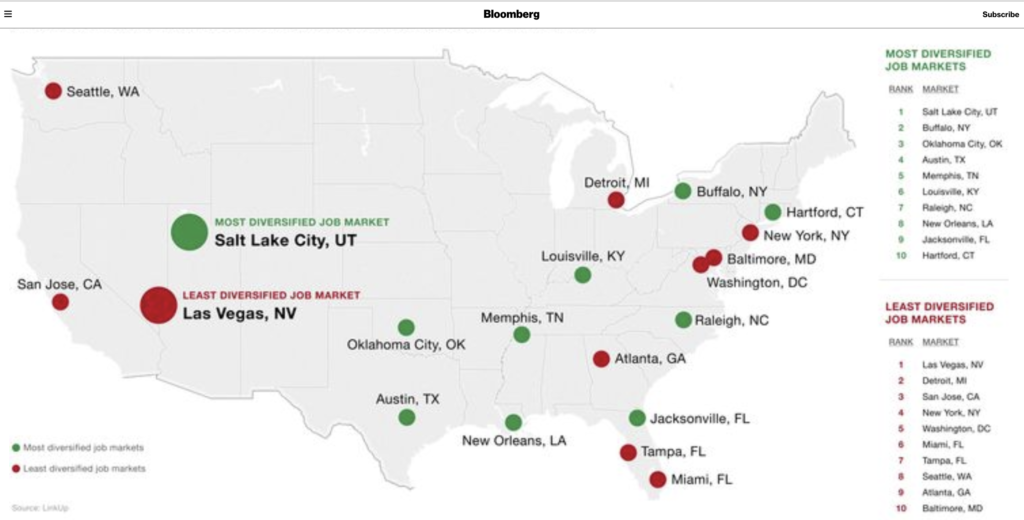
Started investing in 2009 – 9 years of experience

Countless Mastermind and Mentorships in the Live & Virtual clubs through the education platform at SimplePassiveCashflow.com

2,600 investors and 100 new Kool-Aid drinkers every month!