Smart Tip for Your Student Loan

https://youtu.be/wSMWaqSP4cA

📍 And student loans, like you don’t have too much of it, but tell us a little bit, like where you started off with your strategy. Get to this. Yeah, so a little bit, it goes back. So I did a co-op program. So I, it was a work study. I did five work sessions over five years. And so I graduated with about 18 months of experience and they actually paid extremely well.

I was. Probably close to what a full engineer was making my final year. And they were also paying for my housing in Chicago, which was tax-free. So that ended up putting me in a position when I graduated college with a, roughly 20,000 in cash and 30,000 in student loans. And so I started rapidly paying down the student loans and then for the first eight months of my working career, And then I kinda got the bug of, I wanted a new car.

And I had always told myself once I paid off my student loans that I’d get a new car, but I ended up deciding that I wanted the car sooner. And so that’s when I took out a more expensive car loan for me. And so I, at that point I reduced my student loans to the minimum payment and then had been paying down my.

Yeah, man. What’s life without a nice car getting the financial independence. I actually just refinanced it from the, so I extended the paydown a little bit, so we reduced it from 6 55 down to 4 52. And so I’m just going to make the minimum payment on all of these loans with my plan and then take the extra cash and invest it. .

4 Reasons You Don’t Need a 401k

https://youtu.be/DK1Sb59GfzM

When I first started getting into financial independence, the first things you find are index funds. And so I just haven’t really looked at it since, and in my opinion, it’s not a significant dollar amount in terms of if the market dropped 50%. Yeah. I’d lose 10 grand or 15 grand. It’s not like I’m sitting there with hundreds of thousands that I would lose a ton of money.

Yeah. Let’s keep it on red mentality. Just let it ride significance. Not make sense. And also with my logical and with my mindset too, could I ever run my bank zero, like really low to invest in a deal. And so I’m always going to keep some cash available and this is being a little bit more aggressive and the cash is a little bit more conservative and all this stuff for you.

Like I’m getting really nitpicky. You’re not working with too much, but this is the foundation for when you get over half a million, then you won’t really care about all this stuff. If you were to take this and maybe think about taking the Roth out, because you’ve already paid your contributions into it and just taking it out cash to invest it.

We talk about this a lot. Why do you not want retirement accounts? Number one? You’re going to be retired well before you’re 50 on the way to your sending to get it. Number two, your tax bracket is probably a lot lower today. So you want to pay your taxes on it today, then in the future, number three, where this country is going, taxes are going to be going way up.

But what a lot of people don’t realize is number four, when you invest in a retirement account, you don’t get the passive losses from your investments. So that is you need the passive losses, especially from the syndication. To get out the simple, passive cashflow gravy train, which is all about lowering your W2 activity, come and paying little to no taxes.

You don’t get that opportunity to do that. Yeah. You got to get real estate professional status at 750 hours. You don’t get to do that until you get those passive losses. So that’s the fourth reason why you don’t do retirement accounts, but something to think about, like Richard, like just maybe take out the Roth because you already paid a tax on it.

So it’s not really that big of a deal. And at least take out the contributions. You not the gains because you take out the contributions. You don’t need to pay the penalty. 10% penalty. So drain that out. But at the same time you want that magic number. I don’t know what that is in your head, like 20 to 30 grand of emergency savings.

But if you have to increase it, we’ll then put money into your 401k via the match. .

Fun Story – Operating/Investing ATM Machines

https://youtu.be/AvAdSmFNEE0

hey, Simple Passive Cashflow listeners. Today, we have a simple passive cashflow who we deal pipeline club member. Who’s invested in some deals and has an absolutely crazy story to share with you guys. Now, the people that sign up for our group and especially come out to our events are definitely not average.

I think a lot of you guys say that. Yeah, I can’t talk about like how much money do I take out of my retirement account? To make my AGI not go over a certain threshold. So I don’t pay those taxes. Not buying a house to live in. Like my friends, family, coworkers, think I’m absolutely crazy.

And I have nobody to talk with, but if that’s you guys need to get involved with our tribe go to our networking section and events section on the website to learn more how you can get more involved or if not, just join our investor clubs, we’ll pass the cashflow. Dot com slash club. But everybody, I think in our group the common thread I see is, we’re not trust fund kids.

A lot of us are first generational wealth. Which means our parents did not have a million dollars. My parents, even on real estate, they told me not to ever buy stuff and have people live in. Cause people screw it up. Boy, were they wrong? But everybody who comes in there they’re very frugal, actually a lot of people did a lot of crazy stuff in their twenties, such as travel hacking.

If you guys remember the mint coins where you. Buy $10,000 of coins and take it to your bank. So you can get the 2% on the credit cards. Had a one guy who rented a storage closet, so he could build the Ikea furniture. So you could sell the pre-made furniture on the internet. Daniel, Yeti, crazy stuff like that.

Okay. From your earlier days, when I was 18, I got bit with the network marketing bug, the multi-level thing. So I tried that for a long time going from different one, the different one, I was hanging out with the people that were making all the money. That’s definitely not making the money.

That was not so great, but it did open me up to the idea. That’s when I found out about That little purple book that most people read that got me into thinking about real estate, but I never did anything because I was so young and I didn’t have any money. And so I just never did anything with it, but nothing really crazy, like what you’re talking about, but I definitely did some different things that I guess most people don’t do.

I know in my. In my late teens, I did the Apple Rama’s so I could get a whole bunch of credit cards and business credit cards. So I could get back in those days, you could get like 6% interest rates in checking accounts and savings accounts. So I got, I racked up like 50, a hundred grand. This is during college and I just milked it for five, 6%.

And then in my early twenties, To my thirties. I did that. Those rewards checking accounts the ones we have to make full debit card transaction and get East statements. I had four of those accounts because a lot of the times you max out at 10 grand per account, some accounts I could set up with Venmo or PayPal transactions, I could do that from the comfort of my house, but there was always that one that I had to actually go to the freaking gas station and pump.

12 transactions, but you couldn’t do more than four because they would flag your account and And they’ve shut you down. And they had called my cell phone that was like the low point of my life doing this stuff. I was like, what am I doing? It was like 40 degrees outside driving around to all these crappy gas stations and pumping small micro-transactions.

So I could hit my 12th transaction so I can get my three, 4% at the time. I’m a recovering. Covering person today, but so Danielle is, I’m gonna be talking about a really cool story and it’s just mainly for fun. I think we don’t recommend people doing this strategy at all, but I think how we first met, you came in through the investor club, we connected and then you actually came to some events, but I don’t know, maybe I think you misinterpreted what I said.

I think he said You’re not allowed to invest. I told you, you can’t invest with me because you don’t have enough money. Is that she thought, I thought you had said you wouldn’t let me invest all of it. So I had made in what I thought was a substantial amount of money in the stock market fairly quickly.

And I was like, wow, I have some money now. I want to do real estate. And so of course. Got to you. And I think, I remember you saying, okay, you can’t put it all in right now, so you eat, you can do something. So I took some and started with you, but then I took the other half and I was like, okay, what can I do?

Did you look at like turnkey rentals, you go down that road. I did. That’s where I started was okay. I better get a single family home. Let’s start looking into that. I started looking into that and then I started finding the turnkey rental companies that were out there and I was following the breadcrumbs, so to speak.

And I just kept thinking to myself once I do one or two of these. There’s gotta be a bigger way of doing this. I was thinking, what about the people that do the apartments? Maybe I could check in to how they do that. They must pull their money together and started looking around. And that’s when I found you started listening to what you were saying.

And I was like, this is it. This is exactly what I’m wanting to do. And so I set the single family home part aside. And just went straight in and took my other half of my money. I was like, okay, what other kind of business can I do now to make money? And I had originally looked into doing vending machines, cause I thought about that a long time ago.

So I started looking into that again, cause I didn’t want employees, I didn’t want overhead. I didn’t want a building. And I saw this little ad. While I was looking around for ATM’s, which isn’t a vending machine, they just spending cash. So I started looking into that. So how that got started.

Yeah. It’s funny how, when you told me this, I was like, Oh, you went into these the ATM funds that everybody goes into, you hear about that. I’m not a big fan they’re decaying assets or how the fund is created they are a little misleading with how they also put in like the tax benefits there as returns, which is, I don’t think is what you should be doing in a performer.

Anyway, we’re not really here to discuss that stuff. That’s more for inner circle type discussions, but I was like, Oh yeah. Okay, cool. Daniel did a ATN and I tell him, I bought ATM machines to take us through. How you did this and how does it all work? I first started looking around online to see what this was all about.

There were a lot of YouTube folks out there that were promoting doing it yourself, which I guess most people. Don’t know that you can do it yourself. I started checking those out, listening to videos and podcasts and things about that. Just to learn, I liked the idea of how it was similar real estate in that these are things that you can own.

These are things that you can depreciate. These are things that cashflow we’ll call it. Half passive income because you do have to do things with it. And so I was looking at that and then I found out there was another way to do it besides doing it on your own. And , that a company offers you to able to join with them and have them do most of the work, the calling the contracts.

The leads, all of that. I wanted to go that route because I don’t like rejection. I don’t like meeting people and them telling me no all the time. And so I decided I’m going to go that route. Like a ATM turnkey ATM and to me, that’s the daunting part. I don’t know too much about the business, but like you have to make a deal with the corner deli or the shopping mall to put that thing in there.

The one part of this where you don’t have the technical expertise, so that industry knowledge and so they would set up the leads where I could then go and visit the hotel or the mall or the event center or whatever it was. And so I went that route and actually even went further than that

and decided I was gonna buy into an existing what you might call a route.

Where there were already ones placed already making money, and I’m just buying it from somebody else, stabilize asset or stabilized cash crop. Exactly. Or you can start from scratch. So I did both where I bought in, but then I also started myself trying to get my own. And so I did both of those and.

Obviously it costs more money to buy in than to start from scratch. And it’s definitely more lucrative to start from scratch, but it also takes a lot longer and there’s a far more rejection involved in doing it on your own. So to speak, trying to find your own leads and that kind of thing.

It varies depending on how you do it. And not that they. Always have it where you can buy in. They don’t, they just happen to be doing an acquisition at the time. And so they funnel those out to those people that want to do it that way as well.

Now there’s a lot of this stuff. You gotta be careful here.

Daniel can reveal all the numbers and everything. I think he likes beer. So if you guys see him in real life, I’m sure you can bribe him. And he’ll tell you all the dirty little secrets, but

just to give people some magnitude in their head, was it one of these ATM machines cost?

if you were to do it on your own and if, using these kinds property management type of companies that kind of gets you going. , I think an easy way to think about it again, not an expert, but from what I’ve learned, you can get an ATM for a couple thousand. If you want to go turnkey, let’s just call it just double that.

So 4,000, let’s just say then of course, you’re going to have to put money in and that is going to depend on what type of place you put it in. So if you’re in a mall, you’re going to need a lot more money than if you’re at the tattoo shop around the corner. The amount of investment on that side of it varies drastically.

And then of course, how busy the place is, will determine either how often you go or how much money you choose to put in at the time. that’s an easy way to think about the cost of the ATM as far as. The cashflow again, that’s going to depend greatly, but let’s just say an average of $300 a month.

Two to $300 a month is a nice, easy way to think about it. The annual lies, that’s a few grand. Yeah, 3030 500 somewhere around there. And you’re going to spend anywhere from two to 4,000 on the machine, the cash to put in it. So let’s just say $10,000. one, that’s how I think about it. Like when I was finding out about the turnkey rentals and everything for the real estate, okay. 20,000 to get you a hundred thousand dollar home. I think about these the same way, $10,000 to get me a home, but I’m going to make two or $300 a month, which may be somewhere, which is on par, right? Yeah. But as one of the podcasters would say, there’s no tenants, toilets or trash with this.

I thought that was a pretty funny way to think about there’s no leverage to involve. You’re buying these ATM’s cash, right? You can’t leverage. , you could possibly, once you get more. At this, you can probably get a business loan, I would think. But at this point starting off, it’s pretty lucrative actually has got my wheels turning.

It com it could be. you’re making about what a hundred. I got some random questions. The repairs, do these things break, what do you do on it? Because then what typically breaks on these things? Usually around 10 years or so before, you’re going to have to start replacing parts 10 to 15 years. And at that point you might replace a card reader. The piece that actually reads the card that goes in or maybe the speaker. Just little things. There’s not major that I have been made aware And obviously I haven’t been doing it 10 to 15 years, but there are people that I’ve met that have been doing it 15 to 20 years.

, I think that’s the most. Detrimental part about the businesses I’m buying this piece of metal and it’s just going downhill and it’s not something where I can just, Oh, Hey, I’m going to upgrade this and it’s going to be awesome. No, you’re going to have to buy a brand new one. And so it’s like just starting over.

It’s like a car, a depreciating asset. And. When these things break, right? I’m sure you had little mishaps, like you just call somebody and they go check it out themselves. If you, you don’t have to go out there and do diagnostics on yourself, cause you don’t know what you’re looking at.

I do. And I have access to technical support to help, but yes, I do everything , that could be a hurdle for a lot of people would, if people are very on. Technically inclined. They could just call a dude to go do that for them. I know that there are people that you can call that, do this kind of thing.

I haven’t done it it’s not that technical. more, unscrew this and turn that and okay. Put that back in and screw it back on. It’s not too techie. that makes sense. But you got to watch your six in case someone comes up hits you in the back of the head, right? Yeah. You want to go when nobody’s around?

Sure. Okay. So tell us, okay, now this is the fun part. You gotta feed this machine and Daniel’s not made of money, so he’s not stack overflowing this thing with the 110, the 50 grand in an ATM. You can’t even put that much. And if you wanted to, , you got,

Cheaper real estate. So the throughput on these things, isn’t super high, I’m assuming. So you’re how often are you refilling these things with five grand, 10 grand or something? Something like that every week or two just depends on the location and how it does. You got half a dozen of these things?

Yeah, I have eight technically. Okay. So how much take us through that day and what, when you go, so it’s just a route that you drive, right? You’re like a paper boy. Yeah. I go, I get my stuff ready. I go, I fill them up. I download the transactions on a little SD card and I go home. It’s really quite boring, but that’s what I love.

You’re missing out the good part. You go to the bank, you pick out. Oh yeah. I forgot about 40 grand of cash telling you. I’m telling you the first time I went, it was a little dicey. So I go to the bank and I’m like, all right. Give me 40,000 or whatever. I don’t remember what it was, but it was a lot of money and these were not hundreds.

So it was more than you would think. And so they’re just bringing their like, stacking, just. Stacks is like a movie. I felt I was like looking around. Is anybody else here? I was it was fun. I felt like I was robbing them, but yeah. How much shoe boxes of money is that 40,000? It’d be like. It’d be like that.

Okay. Just one or two for stacks of 10,000 or something. Yeah. You should make like a YouTube channel, just like you going to the bank and like getting all this money and putting it in your car or at home and just stalking people like that type of stuff. Oh yeah. It’s all over.

It’s already out there. I couldn’t do any better than whatever is out there already. You can watch people do their little videos. It’s funny. You’re taking this money around and you gotta be safe, right? Gotta be cool. Yeah. I am, I guess maybe lucky enough.

I don’t know. When I go there I go. When nobody’s there. So either before the place is open or whatever, obviously I know somebody that’s there, it’s very low key for me, which I’m very happy about. I would definitely not want some convenience store where I have to go. And there’s, 20, 30 people in there that’s not smart.

. Cause the institutional guys. Are sending in two dudes about two times your size with guns and a van truck. Got it. Oh yeah. And it’s even funnier to me. Sometimes I’ll go to a particular place that I have and the armor truck is outside. I’m just laughing because they have no idea what I’m doing.

And if they know they would probably laugh as well. Are you like trying to lift weights? At least look the part or I just try to look like your everyday Joe walking around. I think I do. Okay. I hope you you don’t have your like air buds in your ear. ABC have some situational awareness.

Yeah, I don’t, I’m good. I’m watching around. So one question I always ask for, like, when you vet any investment, is that aspect of insurance, right? What is the worst skin happen? And that’s okay. If you can mitigate that like some agriculture deals you can ensure the crop, in case it burns or there’s a flood.

What’s another one. Like some guys like to play around with like sports cards that just stresses me out. You’re not keeping that stuff in a safety deposit account. Most times you’re docking at it in your bedroom and you can smudge a corner. Your house could catch up fire, maybe it can fall on your homeowners insurance, but is there any insurance at this stuff? What if somebody does whack you in the back of your head and takes your money and, or steals the ATM machine? That’s very common. You see it in all the movies, they chain it to the back of the check and drag it around main street.

I guess the way I think about it is the type of locations that I chose to go with are more, the, I don’t want to call them higher end, but just less in areas where that kind of thing goes on. So convenience stores obviously are going to have way more opportunity for them

to hook that thing up and rip it right out. Whereas mine is in a location where it’s not even near the front door, so it’s just literally not possible for anybody to do that. Not to mention you can bolt them down. To the floor. That definitely helps a lot, most times in my reading and looking around as they’re stolen, because they’re not bolted down, they just throw the ATM in there and not too difficult to rip out.

Cause it’s not anything to rip out. You just take it. Yeah. I haven’t really had to think about that much. Thankfully I don’t think about it. But as far as insurance, I know you can insure the ATM and I’m required to through what, the way I do it. But I don’t believe you can insure the cash.

I’ve heard some people say you can, I’ve heard other people say you can’t. My research says can’t. So I wonder if they take it. Yeah. But once it’s in the machine is locked up. You’re covered at that point. Maybe you can cover it on your, like your homeowners. Of course.

You’re going to have to talk to your insurance guy off the record first to change because they may not like this idea. They won’t, I guarantee they won’t it’s just even getting a bank account is not easy. Yeah. This is like a money laundering stream. This one. Absolutely. Yeah. I, it’s funny just thinking about it.

Your broker brings you the location and you’re vetting it from there is your top of funnel filtering process. Then if I say, okay, go then they’ll try and get the deal. Okay. And the deal is how much do I make? much do they make that kind of thing?

So where is this all going? Are you just gonna fill it out? The goal, the end game is sell them hopefully in five to 10 years. It’s not like it can grow like. You can’t grow. It just does what it does. There’s nothing you can do to make it any better. And so that part, I really disliked.

So it makes sense. There’s no value add there’s no ability you can’t increase anything. There’s nothing you can do. Literally you can’t increase the fee structure. That’s them. That’s a no, I can’t change it. And the kinds of deals that they get when they sign the contracts are usually one to three year contracts.

After that, I haven’t been doing it long enough to know what happens after that. What if they say, no, we’re done. Get your ATM out of here. I guess I go find another place. I wonder if your broker’s business plan is that you’re captive to them. But maybe you can be your own like kind of commercial real estate broker and find other ATM folks.

So maybe that’s another part of this business you might want to build out where you start to build lists and cold call, cold email, different owners and make a deal with them. Hey, how would you like to have ATM machine? Here’s the splits and trying to cut, cutting that company out if you’re so inclined, right?

That’s how you want to use your time. Technically, I can’t do that, but if I didn’t go the route I went and you did it on your own, that’s exactly what you would be doing. You’d be going and meeting owners of businesses and trying to see if they’d let you put it in there. A lot of times you might not even pay them anything.

And that’s how you can technically make more money doing it on your own. But it comes with also other things that you have to deal with. The people that call when they say. That it didn’t give me money, but took my money, but it didn’t give me the money. I don’t not want to deal with somebody calling me and 2:00 AM, however, an issue, no way I don’t have to deal with that, but I’m sure there’s like a service or you can just outsource that part too.

Or if you want to stop doing the driving around with stacks of cash, you can outsource that. I assume. That gets into A little bit dicey thing where they’re walking around with my $20,000. And obviously I can know if they don’t put it in there, but it would take some time to figure that out and then they could be long gone.

I don’t know. I don’t, I have trust issues. I think we talked all about the bad stuff, but some of the good stuff it’s okay. Not only having $40,000 of cash in front of you taking selfies with can be a little therapeutic, but you mentioned to me last time we saw each other that you enjoy the taper out aspect.

Yeah. I liked driving around. I liked doing my own thing. I like being low key. I just do my thing and it works for me. I could be out doing whatever whenever for however long. And. I can check on it anytime I want online, see exactly what it’s doing, how much it’s done, how much is left.

And cool. It’s almost like checking my stocks. So I got addicted to checking my stocks when I was doing that. And so this kind of gives me that outlet as well. A little bit are you more from a tax perspective? Are you like what expenses you’re incurring? Like you writing off?

Mileage and definitely mileage administrative office reimbursements the accelerated depreciation. I did all of that. It’s really pretty cool. But I definitely had to get a CPA who knew what they were doing. So thank you for that, by the way. It’s nice to have somebody that knows exactly what to do and exactly how to do it.

Now you can justify buying a big lifted truck. That’s part of the branding. Yeah. No, thank you. It’s good. You could also justify a big pit bull or any kind of cool dog that makes you feel safer to go on your runs with you and a gun, that could be a business success.

I don’t know. Is there anything else that you could write off that would be necessary? Not really anything else, just normal expenses buying paper and different things like that. The bonus depreciation was definitely the biggest and most lucrative depreciate thing that I could write off.

So that was very helpful. Yeah. Maybe a gym membership. Maybe you could put down in there too. You could, or maybe a tattoo invented tattoos on your ear. That’d make you look a little bit more. The part I definitely don’t look the part I know. Cool. Yeah, any other insights from this?

A little fun when you making activity? I only if you’re going to do it all from scratch. If you’re going to buy in, it’s fine. It’s just when I compare it to what we’re doing in the Hawaii club, it doesn’t really compare unless you do it all on your own, and it’s going to take you a while to build it up.

So if you’re willing to do that or you like doing that might be something to do, but I liked the more passive route than the half passive route, especially if it makes the same or more. Yeah. I think what I like about this stuff, and a lot of people have that itch, right? Checking your stocks, seeing the money, hits your bank account, whether it’s like a short term rental, something like this, or some kind of side gig, or maybe note investing, something that a lot of people live in places where they can’t invest.

Something that is fun, like a hobby to them to justify some expenses. I think this is add that to that list. Yeah, I agree with you. Definitely. Thanks for jumping on Daniel and a lot of cool stuff you guys are doing. Like of course this is the simple passive cashflow group where we try and keep things simple and passive and very unsinkable and not passive at all.

But I think it’s a lifestyle and you always had the wheel spinning. Come in check us out, meet folks like Danielle here is a crazy stories when she, when they happen, hopefully they don’t happen. And yeah. Thanks. Thanks for joining us.

And we’ll see you guys on next week. Bye. Thanks.

Near Death Experiences with Kathy McDaniel

https://youtu.be/_Mhh74obBWs

Hey, simple passive cashflow listeners. Today, we have Mary McDonald here who is an author of a great book that you could find on Amazon called misfit and hell to heaven. Ex-pat so the reason why we are bringing. Mary onstage is because we like to do one of these touchy feely podcasts, know, maybe at least every couple of months, because a lot of the listeners who are listening are financially free.

You’re definitely on the right path to get there. Me certainly, I’m not to where I want to be, but I know. I’m on that flight path or that trajectory to get there. So I really try and make a conscious point to smell the roses along the journey. And you hear it all the time, even though you have hardly think it’s stupid.

Everybody says it’s all about the journey. Easier said than when you get there. Of course. But today, if you’re kind of rushing around trying to put on your own oxygen mask, trying to get your rentals or build your portfolio streams of income. Maybe take a break and, really embody what we’re going to talk about today,

but, um, It’s marihuana. give some quick background on yourself. You used to be a property, just like the rest of us were rental property owners. I started out just went to school and had, was an English major and then got married, had a couple of kids. Got divorced and then needed a job. So I was lucky I had done some bookkeeping for a bank.

So I went to work for a property management company. They had about a hundred units. And so I was thrown in the middle of that. There was two young men that had done. It started off as sheet metal workers and they started buying properties, rental properties, one at a time. And now after just a few years, they quit their sheet metal working and had all these properties all over town.

So a lot of them were run down. They bought them out. Discount, but they didn’t really bother fixing them. So it was a bit of a challenge for the type of tenants they drew. And it became my mission to get in there and organize everything, to bring the units up to a more habitable condition.

And then we better tenant that could afford to pay. Anyway, it was a, about a seven or eight. Project and I loved it. I loved working with people. And then at one point they said gee whiz, why don’t we start a property management company of our own. Kathy. My name is Mary Kathleen. I go by Kathy.

You go and get your real estate brokers license and we’ll do this well. We had a falling out over percentages, of course, when it came to it. So I started my own company. I left them and started my own company. It was the second one in town. So I had another lady ahead of me that I could see.

How she was doing it, but I loved it and it grew I, I hired my sister. I hired my daughter. We had a really good reputation. I was known as the land lady and I had oh gosh, I had probably. 35 units that I manage full-time and then I did hundreds of leasings. We lived in a university town, so there was lots of tenants that came in that were students, but I love this.

And I had a fiance that I was crazy about and life was good. And then things started coming apart. My fiance got transferred to the east coast. I didn’t want to leave my family and my business. And so we decided to split up. Soon after that he discovers, he’s got leukemia. He’s got to go get treatments in Seattle.

They’re going to try and save him at a research hospital. He was only 53 years old. We’ve been together for eight years and he needed a caregiver and I said, sure. So I dropped everything and it was only supposed to be a couple of months, get the treatments and then we’ll see how it goes.

Everybody was feeling good about it. We got up there and he would rollercoaster up the wood and hit the bottom. Then he’d beat up. And this other woman and I ran ourselves ragged for seven months taking turns, sleeping and driving and take him to the hospital. At the end of the seven months, he passed away and I was.

And physically, emotionally, mentally I didn’t know whether to go back to Santa Cruz to stay in Seattle, but I got the flu and in my run down condition it went to pneumonia and then to ARDS, which is very much like COVID, it’s a lung failure. My friend took me to the hospital.

Thank God I, my heart stopped and the ambulance that got me started again. And next thing I knew there were saying, Kathy you’re going to sleep. You’re going to sleep. You’re going to be fine. I was in an oxygen tent. Everybody was panicked and they intubated me and put me in a coma for about three weeks and really didn’t expect me to live.

Supposedly I’m laying there asleep, but I wasn’t, I slipped over to the other side. And the first thing I realized when I got back is that I never really knew I was dead. You don’t feel dead. You’re just still you don’t really have a mirror to reflect and say, whoops, I don’t have a body. You’re just you.

Opening my eyes in that situation was not good. I could tell something was wrong. There was this accurate smoke and a reddish glow. And then this horrible voice came at me with, do you know where you are? And I said, hell. And it just laughed this boisterous Bela Lugosi laugh.

I took off running because I used to do, I was terrified. It was a long process in that place. I went from being in this horrible bombed out city with these creatures creeping around to different sections of hell. At the time again, I did not have the luxury to be logical and sit down and say, wow, I wonder what’s going on at all times.

I was literally what I thought running from my mother. I, was given tasks by these demons that were really just cat and mouse games. They were playing with me. The tasks were impossible or they were disgusting or just terrible. Take my word for it. That I refuse to do that. Every time I refused to do something, I was thrown into a worse situation.

They kept saying that I should disappear. I should just give up. I was never getting out, but there was just something deep inside of me that thought, no, I’m a fighter man. I’m a survivor. And I will get out of here. At the very last section, I didn’t know it was going to be my last section and I never quite last my last sense of humor.

Okay. I did something and it’s all explained in the book, but it had to do with singing a Christmas Carol in hell and that’s not done. So with that Christmas, Carol coming to the words of Jesus. Boom. I found myself in this huge white light space and I was filled with joy and love. And it sounds so trite.

You hear people talk about this all the time, but when it’s you, it’s a totally different party. I knew again, I did not know I was dead. I just knew that I’d forgotten everything that had happened before. I had no recollection of hell no recollection. Of my family on earth, my job, nothing. I was just in this totally wonderful place that I didn’t ever want to leave.

And when I looked up and looked around, I saw my friend, the one who had died and I thought, oh my gosh, it was so thrilled to see him because he looked great. The last time I’d seen him, poor thing. He was bald. He was all purple with all the bruising and wasted away. And now we look fabulous and I, started to say something and I thought that’s when the recollection here, I thought, oh my God, he doesn’t know he’s dead.

And he started to laugh and I thought, wait a minute, if he’s dead, maybe I’m dead. And the thought of it sunk in, all right, bingo. You’re totally happy. You’re in this wonderful place. And you’re with your friends. I was astatic. I thought, oh my God, I made it to heaven and this is going to be great.

But then, and where all the angels like in the garden and stuff what’s going on. So he had been showing me something in this book. And when I came back, I couldn’t remember what it was, but I know now it was probably what I had to come back and do before I could return, because he said, now, Mary Kay, you’ve got too much left to do.

And it was like no hole. I was not going to go willingly. He just kinda smiled and shook his head and I woke up in the. I see you unit and there’s my family around me. I think they’re my family. I’m really not sure. My poor mind is full of drugs and I’m back. And I just remember being in heaven just a little while ago and how I had too much to do, but how could I do that?

Right now I was down to 86 pounds. I had no muscle mass. I couldn’t breathe on my own. I couldn’t move. I could blink and move one finger. And I was thinking, how cruel was that? You’ve got too much left to do, and you can’t even breathe on your own. I really feel for the COVID people and their families, because just because you survive three weeks in a coma, doesn’t mean your work is over.

They sent me to a rehab abilitation hospital for physical therapy. I had to learn how to do everything again, my muscle mass had evaporated, so I didn’t know how to crawl swallow. Tie his shoe walk, go up steps, nothing. I had to learn all of that all over again, just like a baby. And it took a month before I was able to walk to make my bed.

They wouldn’t let me go home unless I could do a few basic survival skills. But I did get home. And I had been dating this nice man that stood by my side unknowingly and during the whole coma, we got married and I tried to get back into my life. However, I was rather depressed about my. Financial situation.

I quit my job and sold my business to come help my friend and all that was gone. I had no home. I was 53 years old. I had just married somebody that I’d only known for about eight months and I was supposed to be doing all this work so I could go home to heaven. It was not good.

However, the real estate instinct in me kicked back in my husband and I said, let’s get a home. We need a home. We bought a Jeep home, lived in that for awhile. Then I had an inheritance. I bought another home. We rented out the first home and we started buying rentals up in Washington. The the real estate was practically free after living in California.

So you could buy rental, put the minimum amount down. And the rent that came in covered the expenses almost. So we started gradually building that back up. I read everything. I could get my hands on for the new things that were coming in. I found lending club. That was an organization I saw on 60 minutes where you lend money to other people through this company and they can skip the bank fees and all of that stuff.

And then they give you back a decent percentage of interest. So you’re helping people with your money. I liked the idea of that. I started doing that when they opened, I can’t remember how many years ago now, seven or something, but I’ve gotten a steady six and a half percent. And I pick my own people that I want to lend to that tells you who they are, what they do for a living, why they want the money gives you a credit report.

Anyway, it’s a hands-on kind of thing. And you feel like you’re helping people. I liked that. I liked also after coming back from this near death experience, this incredible. Feeling of needing to help people in worse situations than myself became almost overwhelming. I got great joy from giving money to homeless people.

People standing on the corner with a sign, give me, I just got such a sense of money, helping people, not only just helping myself. So that, that became very ingrained in me.

Like you had empathy the thing and the gave you empathy to see it from those people, the needy person’s eyes, or was it more, am I going to be I’m on earth for a little bit more? What it was this money, but what else could this money be going for? It was so interesting being dead because you didn’t have anything.

Physical you had you, there was that whole thing of you can’t take it with you became abundantly clear. I had no jewelry on, nothing that was there except my soul and what I did on earth that I brought with me, which was the good that I did. I brought with me. So when I saw it. People. I got, I had this thing after being in a wheelchair for quite a while.

I had this thing about being invisible. When I was in a wheelchair, it was an awful feeling. So when I got out and I would see somebody particularly homeless people in a wheelchair, I would go out of my way to look in their eyes and say hi, and just get shock on their face. Oh dude, I’m not invisible anymore.

Same thing. That sounds like it’s like you had that higher level of empathy, or you are aware a lot more aware of other people’s yeah. Sense that we’re all one, we’re all pieces of God. One person is not any more valuable than another. What you have is not as important as what you do.

And that’s what really brings you joy. It just seems to me that, money is a wonderful thing and it’s because you can use it to do things just to afford it or. Just only for myself, just brings a hunger for more. That’s what I found. I still love my real estate. I love what it can do for people.

I have a real empathy for homeless. My book I didn’t get into it to make money. I know I was sent back to write it. The book . Is more than just that one little three or four chapters about how it’s about my whole life and my family’s lives going way back, a couple of generations up till now and how we all struggle with things.

And we have to help one another. And I don’t know, I just feel like. The homeless are the people that need the most help. So I’m an advocate that direction, any money I make, half of it.

You’re in Tacoma and I’ve already given them a lot more than I’ll probably ever make, but it’s always worth it. Just go downtown sometimes and drive around and see the people sitting around the corner, particularly up here when it gets cold in the winter with nothing. If it doesn’t move you It probably something you should think about, but yes, we all have to provide for ourselves and our family, but there’s that need to also share.

And that’s what we usually teach our children when they’re small share, but we can’t lose that lesson. So what this is called the is NDE near death experience. It’s like an epiphany moment. Very, I don’t know what you would call, like a lot of you guys look like talk to has some kind of experience at work where you get fired, or you get passed up for a job or.

You go to someone’s retirement party and they have crappy Chinese noodles to wish somebody off for 50 years of hard work and dedication. And it’s similar. It’s a turning point in your life that you see another perspective and it takes you down another path, but it gets Kathy you’re in this realm of NDEs.

Do you see any, how other people react to it? Have you seen any other perspectives that you’ve seen from other people’s the, that you’ve spoken to as you shared your experience, it’s very lonely when you get back from a near-death experience, because most people don’t believe you. They don’t have any understanding.

The only ones would be sometimes emergency personnel who’ve seen this before. They’ll believe you, but your family doesn’t want to hear about it. They tell you it’s it was the drugs. Didn’t really happen. It was a dream, but this is a life altering experience. This is something that doesn’t go away and it changes you forever.

And it took me about 10 years to get up to them. N, which is the international association of near-death studies in Seattle. To where I found an organization of hundreds and thousands of people all over this world that have had NDEs and to go to their annual conferences and and the monthly meetings, and just be surrounded by people who have had this experience and who are also changed and are living in the world.

And they love living in the world, but they can’t wait to get home. That’s what changes you, you lose all fear. Nothing really can throw you off the rails much anymore, whether it’s politics or money or whatever, it’s all going to be okay. This life is really just a place. And I’ve learned from other people we choose to come down here and be who we are and learn the lessons we want to learn.

And God isn’t picking on us is something we’ve chosen. So I can give up victimhood. I can stop saying that person was mean to me. If they hadn’t done this, I picked every single thing that happened in my life. And so something weird happens that I don’t, like I say, wow, I wonder what the lesson was there.

But I look forward to going home and being, and having a that’s just indescribably. Great. But while I’m here, I’m going to enjoy the ride I’m going to do what I think I’ve been sent down to do. And just give people hope and give people a little hint that it matters.

What you do here? Most people up there get a life review. God’s not up there with a book saying, okay, you did this, you did that. God does not judge us. We get a life review and it’s not even a matter of judging ourselves. We just get to see what our actions did to every single person we ever came into contact with our whole lives and to feel how they felt when we interacted.

So when we’re interacting with people in a loving and kind way, we’ll be able to feel that if we’re being mean and stingy and hurtful, we’ll be able to feel that too. It can’t help, but change you, having that realization, having that happen to you? Yeah, I’ll say like in our community I now doing this podcast since 2016, hundreds of thousands of people I’ve come into contact.

I still do free initial onboarding calls to new folks who joined the club. It’s civil, passive cashflow.com/club. But I see so many different financial profiles. And more importantly, I see the similarities with the people who are going to reach financial independence and happiness, and those who don’t and those guys who don’t, they have this, what’s in it for me type of mentality.

They’ll come into the free, I have a free Facebook group, which is a kind of a a neat wait. So I can filter people into the community. These are the guys who is intermittently coming into the group and asking some random, okay, does anybody have a referral for this? Does anybody for this?

Everything’s me. They’re so stingy with their money, like you said, right there. And I get it. I was the same way, and that’s why I pick it up so quickly because I was that same way. It’s the people who. From what some of my mentors that spend money freely, especially on like expanding the business, or going on a trip to go visit a property. I see the stark contrast between somebody who doesn’t want to spend $50 on some kind of ebook to learn, or, and they continuously go to these free resources. CFEs is what I call it. Chief easy. And it’s funny because they don’t realize what they’re doing and everybody else who’s in the inner circle, who has that more abundance mindset.

They can point these people out super easily, and they distance themselves from those individuals. And unfortunately, these individuals never know, but I’m saying this because. Maybe take a self-awareness check of yourself. Are you somebody who, when money stops at you, do you afford money?

Like Scrooge McDuck? It’s okay to like, to see the numbers rack up in the bank account. I love doing that. That’s one of the fun things I like to do in the week is just check my bait count. I’m not going to lie, but are you somebody who. It’s hard to give away, especially to other people or to, do you spend money on education or meeting other people to expand your network, to expand your net worth?

Or do you hold it back for that next investment? But don’t want to get too preachy here, but I’m just saying, Hey, us in the inner circle we see these stark contrasts and these people never again to there. Because they have that type I agree with you. And not everybody has to go through and NDE near death experience to see that the other side, hopefully this worked for a lot of you guys.

Maybe next time we’ll do a wash, the cust ceremony, just kidding. But sometimes that’s what people need. Right. So people are so like, they’re still stuck. Serious. They get too serious. You got to lighten up. And that the last thing I’ll end with, and this kind of goes in with our retreat that we do every year.

And the communities that we try and foster is at the end of the day, y’all are going to be financially independent and likely five to 10 years. If you invest in the right side, You need to get on the simple passive cashflow gravy train, you get the passive losses, you pay less taxes. It’s math.

You’re going to be financially free five to 10 times faster than most people. The currency of the rich is relationships. I see it on Facebook all the time. Somebody posts something and nobody cares because that person is just one of those CFE guys. Cheap, easy. They offered no value to their people around them.

Who are the cool people in high school? The cool people, other than the cheerleaders and football players, blah, blah, blah, or the people who added value to other people. And that is ultimately when you’re older and you have the money you’re going to wish you had that. All right.

Any last thoughts before we wrap up? No just for fun, you can go to Amazon and buy misfit and hell they have an ex-pat. It is get a lot of humor in it. And I think a lot of people resonate with the type of families that I grew up with. And the bottom line is just to be loving and kind,

so we are not advocating going in engineering your own near death experience. There is no NDE in a bottle at this point. So the best we have is to learn from others. That’s right. That’s right. You’ll learn soon enough. Thank you. Yeah. Thanks for coming on Kathy. And everybody else maybe check out the networking section on.


Tips to Increase Other Income From Real Estate

Now, another trick that folks like did you in this business inflating other income or non rental revenue, such as trash filet, additional storage fees, reserved parking or covered parking in Texas. That’s a big one for those late hailstorms money for vending machines, money from laundry machines or any type of service that may or may not be tested by the current clientele.

This has been a way to sneak deals past even the most astute, passive investors. We have understanding of underwriting, just put stuff into other income category because most people don’t look there.

How Much Cash Should You Have in Order to Invest

Is there a certain percent number that you’d like to keep as cash. It’s a couple hundred dollars, $200,000. I think people will get nervous if they say, oh, where do we only have a hundred thousand dollars in the bank? Just because there’s always paid just as money comes in every day. There’s bills that come in.

And once in while almost like an emergent, Hey, we got to cover this taxes today or something like that. So there’s always typically a hundred or 200, lots of times more. And we try to manage that sometimes we’ll get significant payoffs or Oreos or significant money comes in or investments come in and it’s not readily deployed.

We sweep that money to a money market account. So we’re earning some anemic rate of interest, but at least there’s a little bit of money versus sitting in the kind of operating account where they’re earned zero. So that’s done regularly. It doesn’t add up to much, but it’s fine.

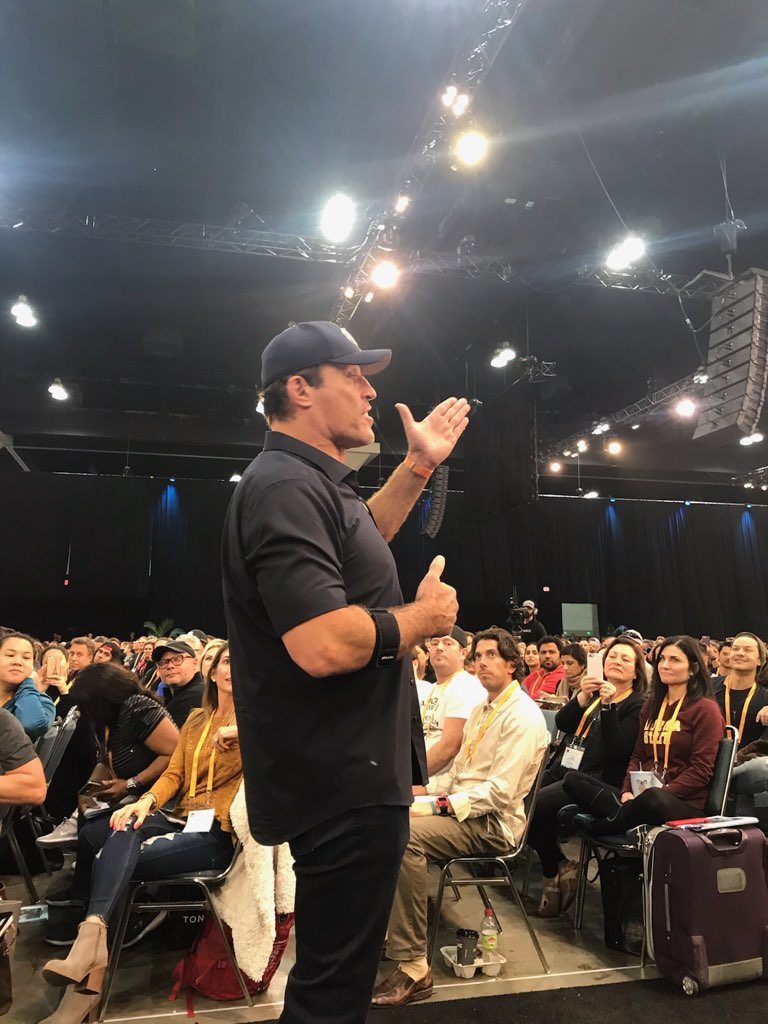
Tony Robbins UPW – Group Travel 2021 Palm Beach FL

Get a UPW discount by signing up here.


We are forming a mini group mastermind like the last one in Sonoma.

Sorry Lane will not be there because he is not allowed to travel with his kid now 1.5 months old 🙁 

I attended it in 2016 and again in LA in 2019 and it was the inspiration behind my story in my book.

I’m normally not an excitable person (there is a lot of jumping around and dancing – which I’m not too big of a fan) but this UPW event the real deal!

Pricing (Complete form BEFORE JULY 31 to get on our group order)

*You will need to pay me before July 31 so I can pay as a group. I think I will be able to get us all upgraded one level up at the very least based on our numbers from last year. So it will be just like syndications… everyone pool their money together and we all get more in the end 😁


Here is the direct link to Tony’s website.

I suggest bringing an accountability buddy or significant other. The worse thing is to come back to normal life without someone speaking the same “language” around you.

I see these motivational events as “baths” which you need to take from time to time. Even if you are someone who is internally motivated, this will take you to another level.

Why join the Hui:

  1. Learn the framework to be happy – best video segment ever
  2. Connect with people like minded
  3. You will leave this event changed – as silly as it sounds “things will never be the same”
  4. This event will be held in a smaller venue (12,000 people) which I was really excited about when I was planning this because it is a lot better environment than the normal sports arena setting where everyone is captive in their rows.
  5. You get to walk on burning coals!
  6. Learn more about the event here – note the LA event is not yet listed

Details are still being formed but we will likely get upgraded one or two levels if we come in as a large group. 

I am also arranging for a Monday decompression meeting to connect with other investors who attended from the Hui.

This event is more for personal development than investing. But it is certainly investing in yourself! After all… getting the passive cashflow is Simple but what you do after is the hard part.

I don’t personally guarantee investments because of course there is always a risk but I WILL guarantee your ROI if you come to this event! Call me and I will share my experience.

See what Tim Ferriss says about this event (last quarter of the end of video)

Trust me it’s going to be amazing!

After going in 2016, I made these goals in 2017. Some of which happened so of which I overshot.

2019 Takeaways:

Less urgency with more systems

Barriers- peers around to do the same things, 

What needs to shift what actions… Deciding how to do this

Why will you live in a beautiful state everyday no matter why?

Life is too short
It is a slippery slope backwards
In the end a beautiful state is what we are after anyway not money, house, job or relationships. 
I have control over this… Potential => Actions => results => belief/concerns

Flavors of reaction: 

Three things that cause suffering the fear of 1) loss 2) less 3) never have something

Suffering => appreciation => joy

You will make more money if you are in a better state.

Two things that I did to start investing to go bigger – 1) started something that could be better and connect with others and build a platform to have larger impact. I made small changes and found models and copied and got around the right people and slowly built 2) started paying to learn


So you are in!

Preparing for your first Unleashed the Power Within Seminar:

1) Come with an open mind.

2) Make a list of a few limiting beliefs. Everyone has these. Some common examples are I am not achieving what I want because… (I’m to young, too old, never went to college, a woman, I’m brown, I did not come from money). These are the things that subconsciously hold us back. What are limiting belief’s here are some softer examples and they range to not being a certain race, not having the right education, not being tall enough, to not being good at math.
3) Prepare to tackle your biggest, hairy, huge goals.
4) Tony will bring it. He drops the F-bomb a lot. Mostly for shock value as again it is entirely on purpose. Note: he gives free tickets to some troubled kids and he tries to speak to a lot of the kids in the first few minutes who likely have never have heard him before.
5) Prepare to dance your ass off. Even if you can’t dance/hate to dance/have no legs… You will still want to dance. Get in that “puppy pit”.  For goodness sake… Live like you don’t give a fuck. Get comfortable with being uncomfortable. Dance because if only it is you trying to do something different.
6) Joseph McClellan will speak on day two and day four.  He is a good speaker too. This is not a 5k seminar so you do not get four days of Tony… Its a fraction of that.
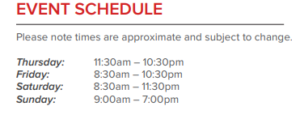
7) Be prepared to show up early and go long. Like 8 am to 2 am long. Stay as close to the convention as possible it will be crazy leaving when everyone else does. Don’t try to skip out. If you are getting tired you are letting circumstances control you instead of your leading your state! It is often in the moments when you are close to your limits that the biggest breakthroughs happen, so don’t sell yourself short.
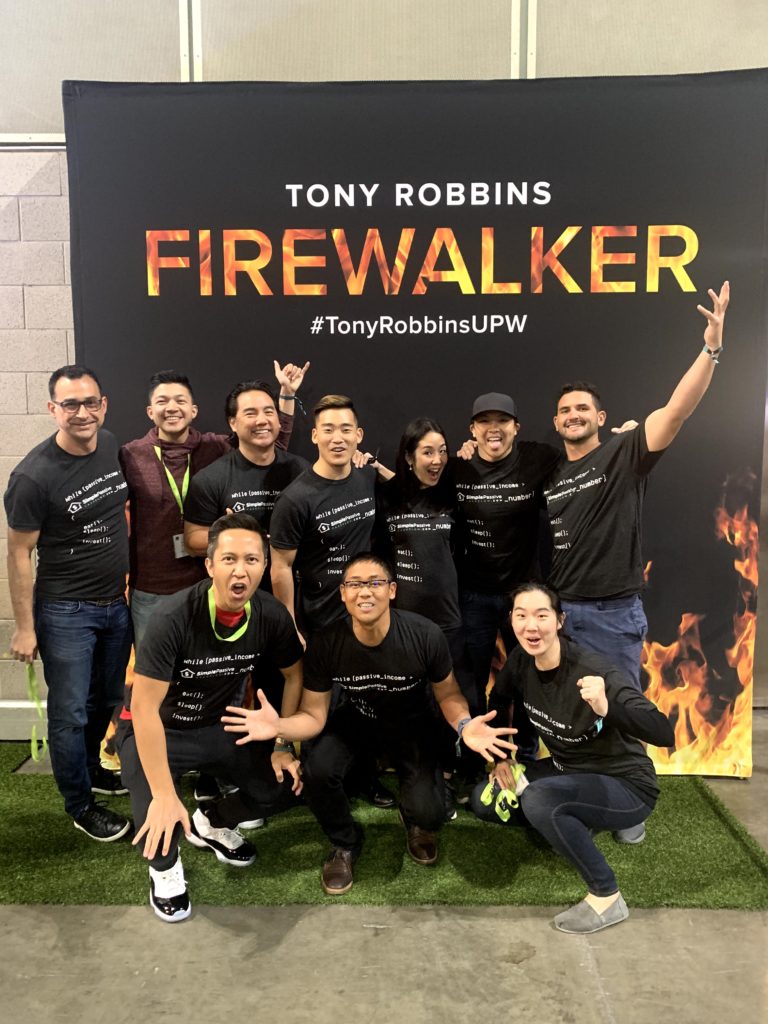
8) Firewalking is real. I thought it was a party trick when I did it and did NOT get into state. You can do it and you will remember it for the rest of your life. This will be trumped by day 3 transformation evening showcase.
9) Taking your spouse or buddy? It’s good that you will be on the same page when you get back to real life but consider not sitting together for part or all of the seminar. There is a lot of value to connecting with others there and getting outside of your normal conventions.  Don’t be afraid to talk to some people. Volunteers, there are a wealth of information about what’s coming next and what to do. You can be your true self when you don’t know the other person as they don’t know you or have any expectations of who you “should” be. Here is what the staff told me “It is highly suggested, but not mandatory, for family members, friends and colleagues to not sit with each other.  We find it that you end up “playing full out” with strangers than with people you know.
10) I would take notes and more importantly brainstorm action items and implantation plans.
11) Drink the kool-aide. Be all in. Dance, scream, visualize. Show up on time and stay till the end. Get your money’s worth. Do it! It’s worth it.
12) Tony is on another level in terms of hypnosis that makes NLP obsolete. Go with it.
13) Try to sit in the aisle so you can mix and mingle. This makes it easier to run out for a quick bathroom break. You will have to be in there a little earlier like 30 minutes scheduled to start. Also, try and find the bathroom that no one uses for quicker usage. don’t wash your hands it’s faster… Jk.
14) Read/listen to any of his books or audio program
15) Check out what is on YouTube e.g. his TED Talk
15) Watch I Am Not Your Guru on Netflix
16) Six Human Needs and Triad are the core of his work you can learn more in his TED Talk or on his website
17) If you’re not in the right state, not getting it, not feeling right etc. ask any of the leaders and trainers for help, they are amazing resources and have been through it so many times before so have seen, heard and experienced it all before.
18) Subscribe to UPW Facebook group for the event
19) On day two make a list of things you will Stop doing

20) You may not want to commute to and from the event as the event starts early in the morning and end late night.  The first night may end after 12 midnight.

What to bring to the Seminar

1) A heavy jacket or even blanker – Tony keeps the room extremely cold on purpose. It’s all part of his magic. Embrace it.
2)  You will be jumping for hours. No heels or dress shoes. The only type of shoes you should be wearing are tennis/keds/flats/basketball shoes. Most people will wear causal or gym type attire.
3) Don’t just bring snacks. Bring meals. I’m talking fruit, nuts, hummus, veggies, crackers, granola bars, etc. If you don’t, prepare to race 10,000 other people to be in front of the food line. Post-mates/Uber eats can be a good healthy option. If you are so compelled fast for the four days – and start the literal cellular autophagy – as you will learn the pain is all in your mind!
4) Notebook

Post-event:

1) Give yourself a couple of extra days after the event to catch up on sleep, decompress, review your notes, absorb and process what you learned and make a plan for how you will integrate changes in your life.  You will be tempted to plan to rush back into “life” straight afterward but to allow yourself to recover and to successfully integrate your learnings you need to give yourself a little time. There will be some discussion on this on the fourth day.
2) Stay tuned… I will plan an event Monday morning or Sunday evening.
I’ll try to get some of the following

Hot hands

Bars
Water
Bags
Jerky
Nuts


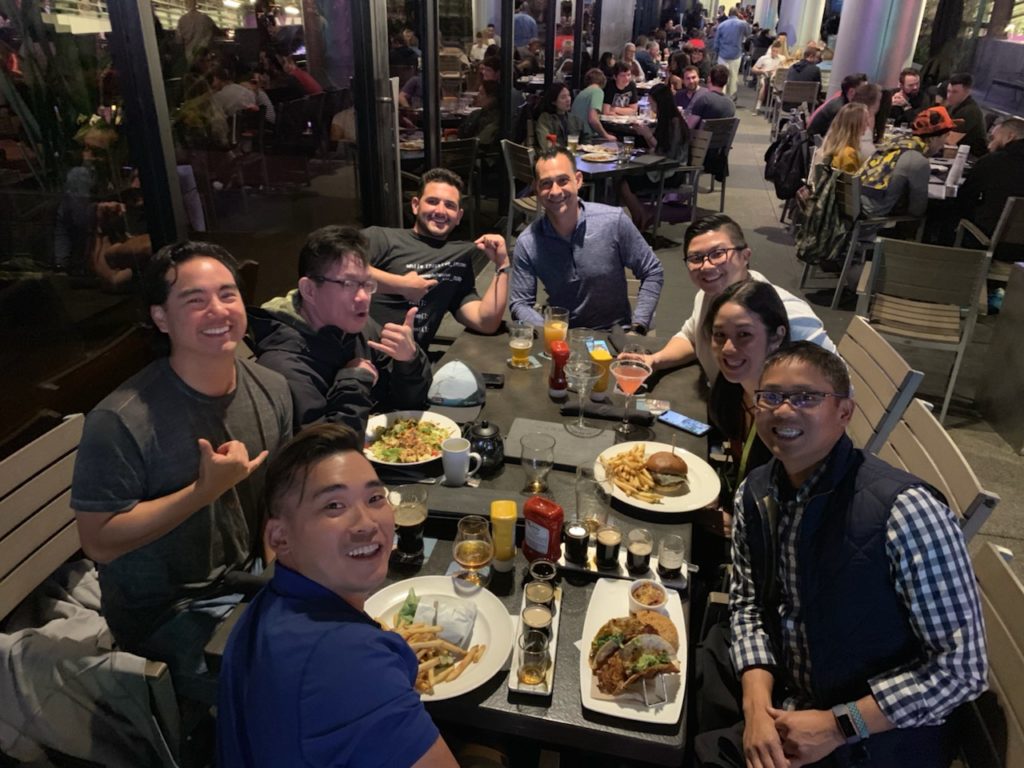
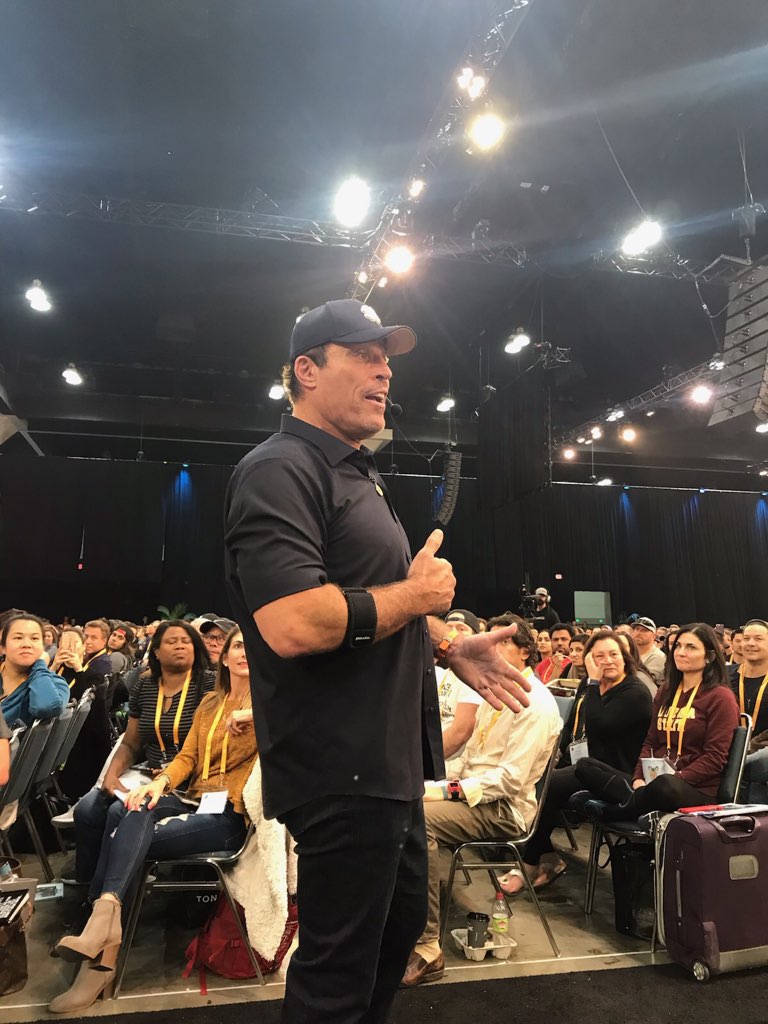
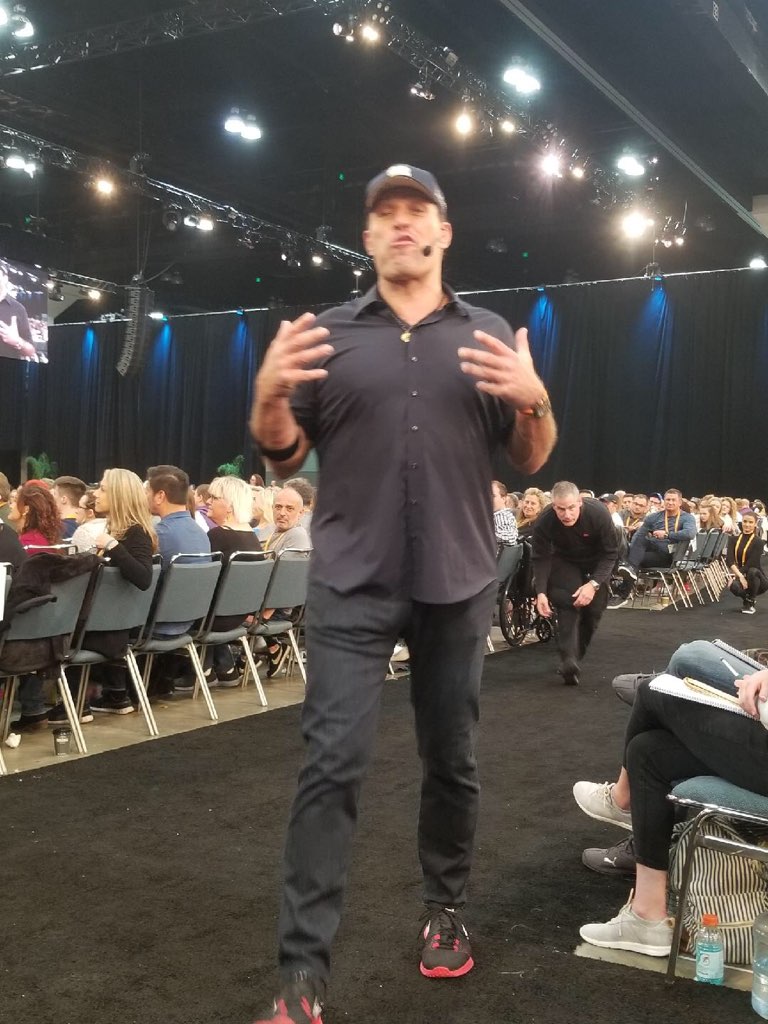
Pics from the 2019 Los Angeles Event:


How Multi-Millionaires PROTECT Their Wealth

https://youtu.be/6z69B3pP-HU

What are some of those common safeguard? Or maybe not drugs in particular. Cause I think it would be that one off, but other issues into the surface with when these consults with families and how do you protect against how do you write it into a trust? The biggest again, communication is by far the biggest one.

And, but I want to hit that from a different angle that I answer your question in not a different way, but from another issue, critical David York and I he’s a coauthor on our books. But for, it was for trusting the state’s magazine in 2017 and trusted in states magazine. And our nerd world is, are our peer reviewed periodical.

And you got to do annotations and case studies and it’s, I’ll never write one of these damn things again, but we call it Gratz versus graphics. That was the title of the article. Now a grad in our world is a strategy for transferring wealth from one generation to the next extensor grantor retained annuity trust.

So the point of the title was, are you trying to pass on it again, written to our, our colleagues, other attorneys in the state world. Are you trying to help your clients pass on wealth or gratitude? Okay. We took a look at all of our families that again, have done this very well. And one of the things that we found was the biggest deciding factor about whether or not a family stays in harmony, meaning that a year after mom and dad dies, they’re still having Thanksgiving dinner.

Or we have this, the state is saying in the estate planning world that you never truly know a person until you share an inheritance with them because the best families, the claws will come out and people will fireboat fight over mom’s engagement ring. I don’t think it doesn’t say anything bad to the person.

It doesn’t necessarily mean that you’re greedy. I’ve seen a lot of greed in these scenarios, but you lose a loved one and you go through that emotional toil and then you hang on to a personal item. I remember when. Duck hunting with my dad for the first time. And he gave me a shotgun and the use, and I want that, whatever it is, it has this emotional attachment that because of the emotional turmoil you’re going through with that last one, you latch onto that.

I will see people fight over tooth and nail over that. So the point of this is the biggest deciding factor is openness being open with your family and having the open dialogue. And that’s a really counter-intuitive thing. Not so much for our generations. Our generations are getting a little bit more comfortable with it, but you have the silent generation.

There was a reason. They were called the silent generation. They did not want to talk about money. They did not want to talk about finances, include the family. David, one of my partners, he has this great story about this family. He was talking to this with, and the mom and dad looked at him and say, can we, we try to instill our kids, all these financial ideas and how lucky they are all the time.

And we did that recently on a trip because we sat in first class and we made them sit and coach you’re going. You don’t get it, pal, your kids still get it. Your kids still get that they’re flying the Maui that you’re sitting in first class, that there are assets. There don’t act like they’re stupid.

People include them. Let them know though what they’re going to expect, even if they expect nothing. Because then the anger you will, isn’t directed to you, or isn’t directed to their siblings. It’s directed at you. Who’s six feet under and they can jump on your grave all you want. So that the point being opened, the books is a really big thing that I encourage people to do.

And we really feel that kids can start getting involved in some of these discussions in age appropriate way. But his early as five years old, or just lie to them, tell them, it’s your grandparents trust. It’s not yours. No, don’t do that. No. Cause again, that’s our second principal with the first principal of them trusted families as they, like I said, they know who they are and they know who they believe.

But the second principle is that entrusted families. Prepare the next generation for the wealth, rather than concentrating on preparing the wealth for the next generation. And that’s all estate planning is doing right now is concentrating on preparing the wealth without again, the consequences it has on that next iteration, without question, including kids into.

Meetings. I was in meetings with family advisors, financial advisors, accountants. I was told to sit in the corner, shut up and suck my thumb, but I was also told to listen. And if I had a question, I could ask it and so forth, but it was a way for you to start speaking that language. There’s a whole nother financial language that’s out there and you’ve got, gotta be able to speak it.

Creating your Family Estate + Trust w/ Andrew Howell

https://youtu.be/aATY_Mo8X8U

What’s up simple classic cashflow listeners. Now this week, we’re going to be listening to a reporter that I do with Andrew Howell, who puts together a lot of trusts for folks, but not those type of trusts that just nearly gets you around probate. Again, a little PSA for you folks. If you guys have a will, that ain’t gonna work, guys, that’s going to go through the probate process and.

It’s going to take a lot of your money. You need to have a trust. So it skips over that and doesn’t get tied up in the process and all your dirty laundry or how much you have gets up without there in the public domain. So you want to trust, but not any trust, is what we’re going to talk about today.

We want to trust that facilitates the wealth. So it grows creates a structure for the next offspring to come along and not Raleigh, screw it up. No, I have a new child now, and although I’m changing like 13 diapers a day, at some point, I’d like this person to grow up, maybe not easy to grow a multimillion dollar real estate investment company.

I just want them to be good contributors to society or good people and just to be happy. Certainly don’t want them to be a cocaine or heroin. Or like a lot of trust fund kids, they just become lost because , they haven’t had the need to go get a job to create skills that the world uses.

And therefore they haven’t gotten any traction in life.

I think at the very least, want to create a structure to allow. Offspring to take our wealth and to just not mess it up. So how do we do that? So one of the biggest activities I’m doing right now as I’m building up staff and creating that growing company is values.

And I see this no different than creating a family office and a trust, which is just a document that kind of pulls together your family office, going into the field. So going back to the business, right? A lot of the is predicated on your values and some of my values I’ll go through them right here, just listed out.

But in order four of them that I have written down now is honor ownership, accountability, initiative, and Kaizen. So going in more detail on that honor, we say where we’re going to do, we don’t reach straight with our sellers. We honor the commitment to our clients to get their expectations.

And if not, we’ll make it right. So that’s similar to integrity, not chicken shit and no nickel and diming, if something is wrong, call me out. That’s what honor is to me, ownership and accountability. If there’s a failure, there are no excuses. We take ownership and fix the problem too often.

I see people just not take accountability, blame it on other people. The last, the third out of four that I have now is take initiative. This kind of goes hand in hand with accountability, where creates a business or a family where everybody’s empowered to improve the processes and to make decisions.

A lot of people out there floating around, make light. They don’t have the ability to change their life. It’s a value that needs to be instilled. And the last one is. For some strange reason, the way I’m wired up, I always like to be implementing new things and improving the processes, improving myself.

Kaizen is the constant improvement and this kind of goes in with the whole accountability initiative for my staff is I don’t dictate costs as is their means or methods. I don’t like when people do that to me, in fact, it drives me so crazy. That’s been one of the big motivators to leave. An be two job, but I want people to create the processes where it works for them. And I, I want these values to be distilled down to everybody in the organization. And these are the values that I want to create in my family office. But now here’s where the bridge and the difficulty happens.

You may have these values, or you may not have these values created at this point, which you really should sit down with your partner and figure what these things are. But how do you create a document that rewards these types of values such as honor, ? Doing what is right. Making the world better than you found it.

I’m thinking ownership, accountability, maybe the trust creates a certain amount of money, but once you run out of it, you’re done. Or, maybe there’s some kind of, for Kaizen, the value of KZN, maybe the trust creates this program, or you’re able to get essentially unlimited funding, but you need to be constantly improving yourself.

Sure. You might squander it. Maybe go into a bad business deal here. But if you’re continually developing yourself at some point, something’s going to hit and you’re going to get that traction and you’re going to be able to grow the family office even more and, initiative, I’m not, nothing’s coming to mind right now, these are the ideas that are different to everybody.

And obviously my family office is going to be looking different than you are. A lot of us in the family office, a Honda mastermind, which you guys can join it. Civil plastic, hassle.com/journey are going to be having a in-depth discussion about this in the future and more, I think it’s going to be better in person when we do the annual retreat in January of 2022, when everybody comes down to Hawaii, these are the homework that I think people need to do before they start to create that family office style. That document can be changed in the future, but I think the quicker you start to create this value system, I think it starts to give you the structure and the path to create what kind of behaviors you want to motivate .

So I was watching the movie Jiro dreams of sushi. So it’s that Netflix documentary, you wear that thing. Three-step. Michelin star restaurant in Japan where this guy chiro, if you watch him, he’s a G the way he does things is very stoic. And I like that and it’s a lot of the values that I you know, the way I live my life by, but it may not be for you.

And I think that might be a good way to brainstorm or at least get the conversation started with your spouse. Or with your kids, as you’re watching these types of documentaries or movies, even movie stars, right? Why do you like James Bond? Why do you like this certain character?

What are the values that this person or this potential fictitious character represents? What are the values that this person demonstrates and start to list them down and then start to use that as a brainstorming. To start to narrow down your top four to 10 values that you want to use in your trust.

Anyway, that’s just a little bit of my input. If not, you’re just starting out in the dark. No, this is not a sure-fire way to get to your family office trust document. But, it’s just one thing that I was thinking about the other day. I was third to create my business and kind of be tinker by family office document.

And if you guys haven’t yet, please check out the websites and we’ll pass a castle and join our private investor club@simplepassivecashflow.com slash club. And here’s the show.


Hey, simple, passive cashflow nation. Welcome today. We are going to be talking to Andrew Howe who does a lot of trusts for folks in our group, and we’re not going to really get into, LLCs or all those entities, but , everybody says that you need to have a trust. And most people in our group are like, all right, cool.

A document that kind of avoids probate, but how do you create that document that is the living. Blueprint to pass down your wealth. After all 90% of folks wealth usually goes away in two to three generations. I know very well. I went to private school. I went to school with a lot of rich kids who is second generation, third generation wealth.

And I can see the wealth just squandered away. Not many of us are simple passive cashflow listeners who are first-generation wealth, creating their wealth and want to be good stewards of it and want to see it go somewhere, maybe something even bigger and better. But a welcome Andrew. Yeah let’s dive into the topic here.

Yeah, it was a huge topic before we started recording and we talked that this is going to be a big topic to discuss, and let’s try to find a starting point. I want to just make it clear. I think the only time you don’t need an estate plan a will trust. There’s a lot of things that go on of that is where you really just don’t care.

What happens with your assets when you die. And of course, there’s. A lot more going on with that. If you have minor children, you need to think about guardianship and all of those things that go along with it. So foundational estate planning is a must in my, but that’s, coming from an estate lawyer, what I want to concentrate on more is.

Is what I would bet and lean a lot of your viewers and listeners and so forth are thinking about, which is what our generation is thinking about. More and more this idea that , we want to do things for our children that give them a good start in life, give them educational opportunities, given up entrepreneurial log activity or onto potential things that they could do there.


But what we don’t want to do is just dump on top of a bunch of cash and these trust fund babies, right? You mentioned three shirtsleeves to shirtsleeves in three generations. It’s a common theme. In fact, I just had been. Pass this quote from the founder of Dubai. I’m not going to even try to say his name because I’ll butcher it, but he says hard times create strong men create easy times create weak men, weak time, create difficult times many will not understand it, but you have to raise warriors, not parasite.

This is a worldwide issue. It’s not United States. Everybody gets this idea that if they don’t create some sort of main motivational aspect within their planning, they really do , run the risk of creating a situation where kids as Warren buffet would say, have so much that they can do nothing.

You want to give them so much, they can do anything, but not so much that they can do nothing. So how do you do this and how I typically see most estate plans is work the way they did a hundred years ago where mom and dad pass away. The assets then get divided into as many shares as there are children.

And then that share of the estate gets dumped on that child. Maybe not immediately, but when they’re 25 or 30 or 35, and the asset now goes to that child. And again, this is all planning. That is the same. It was a hundred years ago because of how that generation viewed wealth. Our grandparents great-grandparents depending upon the age of the audience the greatest generation who unfortunately is leaving us too quickly, they viewed wealth completely differently.

There was a true economic hardship that they lived through. They, weren’t eating and standing in lines to get soup. In our generation, we’ve lived through some interesting times, great recession. We fell unhappy. COVID certainly been unhappy, but we’re still eating. There’s that hierarchy of priorities based upon safety. Human beings are always searching out safety. And my grandpa, he had the same that I always loved, which was money. Isn’t everything. But it sure. Quiets the nerves. And the idea being that if you can’t, or you don’t know where your next meal is coming from, how you’re going to feed your family.

As they were coming out of the great depression and that was no longer an issue that was, creating safety and that way they said, okay, what we want our estate planning to do is solely concentrate on the financial wealth and how we get the most financial wealth to that next generation.

But without any real thought about the consequences of the impact that wealth might make. What we try to do in our trust just to to draft them in a different way is number one, they should be personalized. You really shouldn’t have a trust that is cookie cutter, and this is just opening Pandora’s box or I guess it’s the man behind the curtains in my industry.

Most estate planning lawyers have a software program that create your estate planning documents. They punch your name into it. And it pumps out a document that looks like the one, they did five minutes. There’s nothing wrong with that. There are some clients that want to put some effort into it, just doing the basics and maybe their children are just amazing stewards over their assets, otherwise different reasons not leave it to a kid ever.

But they’re much more pragmatic reasons that we can talk about. The point being is that ought to be personalized. I had to be able to read your trust and, or read my trust. And you ought to learn more about who the hollow family is instead of just my name and my kids’ birthdays.

And there is very little personalization that goes on within a state planning these days. We call it trust mill. You run people in, they go through this very set process. You pump out documents that look the same as everybody else’s and you sign them. So personalization is a big thing for me and we’ll get into this and how it weaves into some of the.

Yeah, no books we’ve written and so forth and our thought process on that. But really what we’re trying to deal with are these three erosive effects that we see with wealth transfer. And this is how we do planning a little bit differently than I think other planners do. The first erosive effect is the division of an estate,

if mom and dad have a $10 million estate and they pass away , they have four children. Each of those kids are getting two and a half million bucks. If you’re looking at the standard estate plan and the power of 10 million. Is not the same as the power of 2.5 million, right?

You can get into deals and real estate projects and all of these different kinds of things at a $10 million investment level, then you can at 2.5 and it has more power, you can get better terms, better interest rates, you have power, the golden rule. He who has the gold rules. It’s one of those ways of maintaining the family financial power.

So how do you do that? We think of it as the mineshaft approach. You keep things together is the family as a whole, instead of the shotgun approach, which is at death, we’re just going to spray it out to the kids and in proportionate shares or disproportionate shares, whatever. So we’re preserving the power of the family wealth by holding it all together.

The second thing that people need to be concerned about, especially as high net worth individuals and in high-income earners. Is which are, exclusively my clients, they are going to exceedingly be looked at in the future to pay the tax bill. It’s already the case and it’s going to get worse.

I don’t really care about what your political preference is. I don’t care who you voted for, but from a tax perspective for high net worth individuals and high income earners. What happened on November 3rd it’s not good. We’re going to be some experiencing some significant tax hikes. And one of those is related to this success tax that people have to pay,

when you two successful the federal government and some state governments, depending upon where you live, one another crack at your assets, they want to come in and. Tax you at the federal level is 40% and States are usually lower than that. And usually on a grinding sliding scale. But what we’re hearing now out of Washington is there could be a big push to go back to the 2009 level under current law before that 40% tax kicks in.

Every us citizen can give away 11.7 million entirely estate tax free at their death. So as a married couple that’s $23.4 million, it’s a heck of a lot of money. And most people are in debt when it gets down to it, let alone having positive net worth in excess of 23.4 million. But what we’re hearing out of Congress right now, Or I shouldn’t say Congress, I watched Washington let’s say is that there’s going to be a push to lower that from 11 seven to three and a half.

That’s what you can give away. A state tax raise 7 million as a married couple with a potential 55% tax on a meeting over and above it. And essence, this is the Bernie Sanders plan. This is what he proposed through the campaign. Now keep in mind, the state tax is just like any other tax law change is political and there’ll be the whole political process that goes along with that, not just what the public sees, but the back office, you scratch my back.

I’ll scratch yours. And I think that it, as the negotiations on this estate tax goes down, it’s ultimately going to come out to be somewhere close to where we were under Obama. Where you could get five to 6 million as an individual, 10 to 12 million as a married couple, and then a 35, 40% tax on anything over and above.

I think that’s where it’s going to wind up. I, of course don’t have any clue for sure, but I don’t think anybody really does, but that does mean that 10 million or 7 million. It’s a lot of money. But it’s nowhere close to 23. Many more people are going to be affected. And then another really bad part of the estate tax lien is that first of all the IRS demands payment of the estate tax within nine months, following your data, Beth and the taxes have to be paid in cash. So let’s say your group has a lot of real estate. It’s not a very liquid asset, right? And if your death, you have a real estate holding of $15 million and all you can pass is $10 million away.

The other 5 million being subject to a 50% tax. Two and a half million dollar tax bill owed nine months in cash. So where are you going to get that liquidity to pay that maybe you’ve got to sell real estate and sell it quickly. So you’re not necessarily getting the best price for it. So a state tax planning is a really important thing.

It’s much more of the pragmatic tax stuff that, you do want to get attorneys and accountants and so forth, involved in. But I also do believe that the estate tax is a negligence tax and the only people who pay it are those who fell the plan. So planning around the estate tax is an important thing for clients that are at that level.

And I think if there are clients that expect to have a $10 million estate or in excess, that you really do need to look at doing some greater estate tax planning, I just don’t see the government needing less money in the future. Yeah. So few points here. I wanted to bring up, I think a lot of people are listening $10 million.

They’re thinking that’s a lot of money that ain’t that much money. Just in the last couple of years, you’ve had a lot of people come into my group that are $10 million or more. And I’ve got to assume that there’s a lot more out there that we just don’t know about that are hiding. I bet you three or four times a day, I tell people that they are multi-millionaires and they don’t feel that way because, cashflow or whatever, I’m still living paycheck to paycheck.

Maybe not that bad but you also have. An IRA, a 401k, you have equity in your home. You have a second home, you have life insurance that has a death benefit. Maybe that’s really high. You have equity in all these rental properties and maybe you have a privately owned company, right? You’re an entrepreneur in some way.

And one of the other issues with with clients that have privately owned companies, you don’t know what that company’s worth, it’s worth what somebody is willing to come in and pay you for it. And the problem is that at your death, the IRS is going to try to determine a value and they are going to try to determine it’s worth as much as they possibly can.

So some of state tax planning involves you coming in and taking control of, what you think your estate is worth at this time. Reporting all that to the IRS and then hoping they don’t challenge you on it. But if they do no big deal no planning should be done in a way that is.

We had this saying, which is in tax planning, pigs, get fat hogs, get slaughtered. You don’t do what you can, but don’t do too much. But it, you also just want to stay on top of it. And even though you may not have, people that you work with that are at that level yet. Chances are they’re going to get at that level.

And in less, maybe Baron Von Trump gets elected president and eight years or something where the estate tax might go back up to a hundred million dollar credit that you could give away a state debt free. I just don’t see that happening for some reason in this world, there has been this villainization of success, and I have no idea where it came from.

I can remember walking down the street. With my grandpa, who I worked at his office as a kid and he worked in downtown salt Lake and I love cars. I’ve always loved cars. I’ve always been into it and even was back then. And I can remember still to this day, this Lamborghini which was my.

Absolute dream car, right? The old school learns from the eighties drives by and I was just drooling. And my grandpa looks at me. He didn’t say, that’s an evil guy. He screwed somebody over to get that. It was look, you work hard. You create value for people. You make money, you can get one yourself, it wasn’t looked at as a negative thing. It was looked at. This is something that you might want to strive for. Again, anyway, I probably went off topic there, but yeah, no, I agree. Most people are a bunch of haters, and that’s what kind of limits some people behind anything. Money is easy.

It’s a V it’s a victim mentality. And if you don’t have what I have, it’s because you’re a victim. That’s the mentality and it drives me crazy, but we’re probably kindred spirits on that. Okay. So again, that kind of a state tax planning is an important thing. And, I talked to clients that have worked with other lawyers may have even heard of this estate tax because of that feeling.

It doesn’t affect most people. I just think that it will. As most recently as January 1st of 2013, the estate tax exemption, what you could give away a state tax-free was only $1 million. With a 55% tax on anything over and above that, that’s eight years ago now they fixed it the next day with the American taxpayer relief act.

But we fell off the fiscal cliff and we were that, that we went back to the 2001 level. We have no idea where it’s going to be, and that’s a lottery system, you’re playing the lottery about when you’re going to die and how big your estate is going to be. What we do have right now, though.

And this is important for your listeners and your participants to understand. Is that at least right now, the law says not just death. Can you give away 11.7? You could do it during your lifetime. The way that this works is, as soon as the IRS told wealthy people that if they were too wealthy, they had too many assets in their estate at death.

They were going to get taxed again. It’s okay. We’ll just give it away during our lifetime. IRA said, no, you can’t do that. Whatever you give away during your life will count against what you can give away at death. And we call that the gift tax. Now, as I mentioned earlier, we’re hearing, they’re wanting to reduce it down to three and a half million on the death estate tax side, but on the gift tax, what you can give away during your lifetime, they’re talking about reducing it back to a millionaire.

In essence 10.7 million that you could get away could go away, but at least right now you have that 11.7 and I’ve been doing a lot of work with clients that have been leveraging and using their gifting power that they have right now, because we don’t know when it’s going to be lost, but they have it right now to move assets out of their estate in a very strategic way.

And there is a short window to do that because. We don’t really know when the tax laws are going to change. I think most people are betting next year, 2022, but there was again, another whole rumor out of Washington that they were going to try to push things through labor push things through by labor day.

I don’t think there’ll be able to do that. That’s pushing it pretty hard, but I do think before the end of the year, we’re going to know what’s going to happen next year. That’s like the concept of people watch football. That’s the Wildcat offense, right? We don’t know what’s going to happen in the future.

It’s very much an art form, but right now you have that opportunity to pitch it out to the running back and get it out. Now, before you take a chance what we are forced to do in the future and also in the future might be good potentially. When was it? George Steinbrenner died? It was a hundred million dollar the, 2010.

He died three and a half, $350 million a state that 2010 was the throw momma from the train year. Cause if they died that year, there was no estate tax Steinbrenner was mentioned in the news. But the biggest one was this guy down in Texas. He was an oil guy and I think at the time he was the 14th wealthiest man in the world.

Again, this is 2010 and I believe it was a $19 billion estate that he had. His family said 10 billion, $8 billion. That’s with a B in taxes, just because he died that year. Now, one of the other things though, that happened in 2010. Is that stepped up basis went away, right? When you receive an asset at death you get it with a clean tax base.

You could say sell it the next day and not have any capital gains tax to pay. But in 2010, when they said you can pass everything, a state tax free, if you took that option, it had carry over basis. You had to take an essence what your parents, his basis was in it. But look, if I can save a 50% a state tax and paid 25% capital gains tax or whatever it was back then, you’re certainly going to take the second option.

There’s give and take. But why that’s important now is this is all cyclical and we’re seeing this stuff come back, right? They’re wanting to get rid of stepped up basis at death there. They’re talking about this right at death, whatever your basis in and your assets are as you pass them to your kids.

They pass to the kids. And so they’re going to pay capital gains tax. It’s so important on all of those assets. Now, I think that’s going to be a tougher tax law to pass because everybody has to deal with that. The average inheritance is 177,000 and most of it, consents of primary real estate or primary residences.

And there’s no child that’s going to want to inherit mom and dad’s house without the ability to sell it the next day. Tax-free the estate tax. It again, it doesn’t affect most people, even if it goes back to three and a half million, most people don’t have $7 million net worth, but you have to also consider, like I said earlier, all of the assets I glossed over this, but I want to touch on it pretty quickly.

Life insurance. Prior to going into law school in 99, I was a life insurance agent right in the three most hated professions in the world are attorneys, life insurance agents and use car salesman. And my best, friend’s a used car salesman. So I hit all three in some way, one of the selling points of life insurance is that It’s not subject to tax.

I have a $5 million life insurance policy on my life and my wife’s the beneficiary and I die. She gets $5 million, completely income tax rate. The only reason for that really is because the insurance companies have this really strong lobby in Congress, and they’ve been able to carve out the definition of income to include.

Life insurance, death benefit. That’s it. So the reason the issue though, is that my wife would now have $5 million of cash as part of her estate. And now is there an estate tax problem? How to plan for that life insurance death benefit becomes a big one. Anyway, I don’t want to, that’s a much more kind of static.

Tax issue, and it’s definitely something that can be dealt with, but there is a small Wipro window of opportunity that can be going away. To close that portion out, right? I think it’s important for folks to be aware of this stuff and understand it because things are going to change.

And in the very end, you may just be stuck, it just may be how the times are, but there may be opportunities to. Do that wild cat off the, to the right. We’re all stuck, right? It’s the way the times are. And we’re just going to have to live through it now, again, I’m not coming from any kind of political side on this.

I just, as a tax attorney, I hate. Paying taxes. I pay my fair share and all of those kinds of things, but and by the way, if you’ve ever worked with a tax attorney that likes taxes, you’re working with the wrong attorney. But the point is that there really are planning techniques that can.

Put you in control and you in power of what happens with your legacy at your death, do you want to leave it to your kids in the most tax efficient manner or maybe you don’t right. You could have, and I have clients that are this way that say, yeah, I want to give my kids some, but I really want to benefit charities in some way.

Charities don’t pay taxes, including the estate tax. So you have a hundred million dollar estate and 80 million of it is going to go to charity. We don’t have an estate tax problem anyway, but it’s how do we leverage and use that financial wealth to accomplish what this next issue deals with?

. Just to refresh your memory. Cause we’ve talked about so much the erosive effects, number one, the division of the estate, spreading it out at death means that everybody gets less assets and we lose power. Second issue the estate tax, because if it ever, the regeneration of family is having to pay 50% of the tax to the government, that’s going to weed down a family’s financial wealth over time.

But then the biggest issue that bleeds into this. Shirtsleeves to shirtsleeves in three generation phenomenon. It is fact it happens. It’s not just this idea. It is fact is the third party attacks to the wealth. Meaning you leave an asset to a child and they go through a divorce or they get sued or they start a business and it fails and they have to declare bankruptcy.

And what mom and dad gave him gets taken by those creditors and then, and mismanagement, right? You give the assets to the kids and they go just. By Ferrari’s and I’m thinking against Ferrari’s beautiful cars. I like cars, but I expect my kids to make the money themselves to buy their own damn Ferrari.

They’re not using the money that I left in to buy the Ferrari. What I had, what I think is the worst one is like the parents give a $1.5 million state the kids go and break it down and go build a $3 million house with her $80,000 a year salary and get a new mortgage on that. That’s the account as a third party attack themselves, it counts as mismanagement.

And that brings into exactly this discussion of how do you deal with each of those issues? First of all, third-party attacks are pretty easy to deal with. One of the things that I see in a lot of people’s planning lane is that at their death again, They might leave it in trust for the benefit of their kids for awhile.

Understanding that an 18 year old is probably not well equipped to handle a lot of assets. You probably were at 18. I was not but Hey, we’re going to hang on to it for a little while longer. We’re going to put a trustee in charge of it. Who’s more responsible, but then when the kids reach 25, 30, 35, these are very common ages.

We’re start doling the money out to them. Literally requiring the trustee to give one third. Of the assets outright to the child. And to me, that’s a huge, no-no what I do. Like in my planning for my kids. In fact, I’ve done this in the planning for my mom, keep mentioning my grandpa just as a really big person in my life, but he’d done very well in life and he passed away in 2006.

My mom’s an only child. And she’d be game a pretty wealthy woman. And I’m a mama’s boy through and through. I talked to her every morning on the way to work, and I don’t want this lovely woman going anywhere. But when she does launch off, I want the last check she writes, but to bounce, but I don’t need her money just fine.

But when it comes to me, it’s coming to me in a trust. And then my sister had a trust that will exist for our entire lifetime. And the reason for that is number one, we deal with that erosive effect. We just talked about this, a state tax issue. Look, I’m going to do what I can to have an estate tax problem.

It’s not the only thing I’m striving for in life, but if my wife and I have a mast in the state of $20 million, let’s say I don’t need my mom dumping on top of me, half of her estate, because now my net worth increases. When I die, those same assets are subject to an additional state tax. I want to enjoy those assets, right?

I’m not completely altruistic by her leaving it in a trust that exists for my entire lifetime. It never becomes part of my estate when I die, if I’m worth $50 million and there’s $5 million in that trust that my mom left me. That’s not part of my estate. It generationally skips the estate tax and go on.

It goes on to my children, her grandchildren, a state tax-free. That’s a benefit of that lifetime trust. But then in terms of third-party attacks, if my wife decides that she’s tired of my horrible sense of humor and she runs off to The Bahamas with the pool boy The assets. My mom leaves me in that trust are for my benefit.

Nobody else. My wife is not a beneficiary of that. Trust a divorcing or a bankruptcy trustee. I literally could go through an entire bankruptcy, come out. The other side of that bankruptcy with the assets. My mom left me entirely intact. Now the downside of that of course, is this term lifetime. And does this mean that my mom has, in my case chosen some third-party trustee.

At her death to be in charge of what she leaves me and my sister. Thankfully she has this idea that I know how to run a trust. At her death, I get to be in control of what she leaves me as my own trustee. It’s not part of my estate and not available to creditors, even though I’m entirely in control.

That’s a big thing that your client or your associates should think about doing within their planning, leaving it in a trust. But not a trust that will ever make or be required to make outright distributions to that band fishing. Okay. Now, one potential issue with that, that I’m seeing as your sister, your sibling now she’s at the mercy of you, the trustee, right?

Nope. She gets to be her own trustee over her share. Okay. Everything stays together. But there’s individual trustees for their portion. Yeah. We have a family partnership that my mom and my sister and myself own and that’s where we concentrate the wealth. We hold it all together. So it’s not.

Split apart. And then ultimately what will happen at my mom’s passing is all own half of that partnership in this trust that I mentioned, and my sister will own half of the partnership in the trust, as I mentioned, and yet we need to work together on running the partnership, but we run our trusts.

However we want. I’m very handsy when I talk happens, if like your sister’s a drug addict or just not just doesn’t care. So now you bring up a funny story. I got to tell another story about my grandpa. He had this fabulous sense of humor up until the last breath that he took. And it sounds a little bit morbid, but we have this small, strange little family and we are around his house talking to him about his burial instructions.

And we always thought he wanted to be buried next to grandma on the family plot. And he said, no I’ve changed my mind. And I want to be cremated. I said, okay, where do you want them? What do you want your ashes spread? And he said, okay, Andrew we have a small ranch up in Montana. And he said he loved it.

One of his favorite places on earth. He said, take a box of ashes and spread it up at the ranch. And my dad said, okay, no problem. He, this river in Idaho that he loved and there was this one spot on the stretch of the river. He would always stop and have lunch when we were fishing. And I probably stopped there a hundred times over the years with him.

He said, I want a box of ashes spread on the bank of that river, and I’m not going to tell you where, so you can’t turn me into the APA, but he said, okay, what do you want done with this third box of ashes and the whole family’s waiting on bated breath. And he says, Andrew, I want you to take that third box of ashes to Nordstrom’s.

And I want you to sprinkle my ashes and every planet at Nordstrom’s that you can find. Cause that’s going to give me the best possible chance that my sister. Or that your daughter, your sister will actually come and visit me after my death. She has a quadruple black belt in shopping. I love her to death, but she doesn’t really have a good sense of finances.

She hasn’t wanted to learn about it. Big heart. Amazing person, but just not really the most financial savvy. You have to deal with that. And when I mentioned more cavalierly just a moment ago that she would be her own trustee, to an extent we have some safe cards in there just to protect their financial Ms decisions.

But in terms of drug dependency and it doesn’t have to be drug, it could be any substance abuse illegal or legal, right. You can have prescription. Drug abuse, anything that is causing an impact to that beneficiary you’ve got to deal with because money’s not good or bad, it just is. But what it has a tendency to do is enhance a good or a bad characteristic, right?

You have a child with a drug problem and they get a bunch more money. It’s going to increase that drug problem. It’s not going to solve it. So you absolutely need to have in your trust a way to deal with that. We probably have two or three pages alone on the ability for say a trustee that is managing a beneficiary’s trust, who hasn’t yet been put in charge of their trust.

Like my mom would put me in charge of, but like my kids, no way they will never, they will be in charge of their own trust until their behavior changes a lot. You put in some of those safeguards where the trustee of the trust can suspend making distributions to that beneficiary in the event, the trustee knows it’s going to be used for an inappropriate purpose.

Doesn’t mean that the beneficiary can’t still benefit from the trust. For example, you’re worried about giving that beneficiary money. Cause he’s, he or she you’re going to take it and go buy. Drugs, alcohol, whatever. And they’ve got the problem. The trustee can pay the person’s mortgage directly.

They can make sure that the mortgage payment is going to get paid. So you have to have some of those. And then we even put in ours The ability to, obviously drug testing gets involved, but also we get counseling and have that counseling paid for they get a second chance, right?

Although you gotta be really careful about that. Drug has a huge recidivism, right? Those are some of the hard things that you have to craft around and identifying those is a really big part of it. In fact, that’s where we always start out with saying is that people that successfully navigate this, idea of transferring wealth with more purpose and also I think preserving family harmony they routinely spend time knowing who they are and families don’t really do that very often any longer. How often do you sit down and say, okay, who are we as a family? What makes us unique?

What are our core values? And that’s the other aspect to what this lifetime trust provides. It’s a way for you to pass on that personalization that I mentioned earlier, that I’d come back to this. This is where you, as a family could come in and say, these are the five core values or. I don’t want however many values you want to put in there that we really want our trust to be driven by.

If you were to look at my trust document, you would see that there’s 35 pages, just giving directions to my trustees about the type of things that I would want to do, because I want to incentive my C incentivize my kids and much more. Then the static way that a trust is written, where it says the assets in that trust for the beneficiary are to be used for their health education, maintenance support.

That’s not where I want it to end. I want my kids to be able to use it for entrepreneurial activities. I want to use it while they’re alive to help teach them some of these financial literacy ideas. Right? Financial literacy is an extremely important thing for a parent to teach to a child because they don’t learn it anywhere else.

They don’t learn it in school. You wouldn’t want them learning financial literacy in school. Last thing you want to do is take financial advice from a teacher joking, but the point being is that you as the parent, whatever, however you define that really does have that responsibility for taking on that financial education to your kids.

How are you going to do that? Incentivizing them is just incredibly powerful. You’ll see things in people’s trusts where they will, provide for the family to be really thought of as a bank. And if a child wants something from the family bank, they don’t just get it given to them.

They have to apply for a loan. And if it’s for business, I don’t care if it’s a lemonade stand or like I have this fam actually my son is 15. Now he wants to start buying cars and reselling them and fixing them up or whatever, not in my experience, a real lucrative process, but he needs to learn his lessons and I’ll help him, and I say, okay, look, I’ll loan you the money to help buy your first car, but I’ll tell you what, you’re going to come to the whole family. Your brother, your sister and us, your mom and your dad, because you’re taking the family’s money and you are going to deliver us a business purpose. And I’ll help you write it.

I am teaching them how to write a business plan and I want to understand what you plan on doing. You’ve done all the due diligence on costs, startups and all of these different kinds of things. I want him to start learning those things, even if he blows the thousand dollars or whatever that I might lend him.

He’s had a learning experience. Now, if he has an outstanding loan, he’s got to regularly come back and deliver. State of the business address, if you will, to the family, cause that’s creating accountability, but it’s also teaching each other. There’s no better way to learn a topic or a subject than to have to teach it.

And my kids now are teaching each other about what they’re doing right. And what they’re doing wrong. In all these activities, because I know my kids are going to make mistakes. You learn from your mistakes, but I’ll be really pissed off. If all of my kids make the exact same mistake. And if they can learn from each other, this is what I did, this is what I did wrong. You’re creating family togetherness. You’re hopefully creating synergy for the kids working together. My kids are going to have to work together and how my plan is set up. Something happens to me. Nothing. No, it doesn’t go a third. Like I said, it all stays together and they’re going to have to work together on managing it under the principles that we’ve all laid out.

And I think the beauty of that is it’s kinda like when you go for a job interview, if you’ve never been on the interviewee panel, you don’t have that empathy. You don’t have that insight. But your kids kind of evaluating their siblings plans for the money. They gain that empathy and they realize how next time they come up for the proposal, next time they’re in the hot seat, how to, how it comes across and presents it.

And then ultimately they grow. It’s whimsical when they’re young, but it gets more serious, bigger dollars in the future. And all this, the foundation was set. That’s the point. And I literally did this with a lemonade stand where, we priced out the lemonade or the lemons priced out the sugar, priced out the water, all this kind of stuff had them do a whole progression on it.

And it was for my daughter. And then she had to come back and say, of course the 500 bucks was gone, but she, as you were definitely in the hole on that deal, But she had to explain that and she was doing that at nine years old. Now I’m not saying that’s what everybody needs to do or should be doing, but there’s all of these different ways that you can do it.

What you don’t want to do is just throw money at somebody with no accountability, because somebody else’s money never means as much as your own money means to you. We have this. This parable that we tell in our book, this gentleman has created these wonderful businesses and he has this, Arab parent, this son that he wants to leave all of these businesses too.

But the kids a spendthrift right, the standard go out and spend everything, and he wants this kid to get serious. So he tells the kid, look, you go and make $10,000 and you bring it back to me. And we’ll talk about me handing over your business. So the kid says, ah, I can, it’s 10,000. That’s not that much.

I can get that easy. It goes out, yeah. He talks to one of his buddies and he says, Hey look yeah, Gimme 10,000 bucks. And when my dad makes me in charge of the businesses, I’ll pay you back 20 and his friend says, no problem. Here you go. Here’s $10,000. So the kid comes marching into the dad’s office, hands in the $10,000 in cash.

The dad stands up, walks across the office to the fireplace. That’s burning throws, the $10,000 into the fireplace, burns it up completely. And he looks at his son and he says, I know you didn’t earn that money. You go out, make $10,000, bring it back to me and we’ll talk. So the guy’s going, Oh my Lord. How did dad know that?

I’ve got to talk to somebody that’s smarter. So he actually calls one of his dad’s advisors thinking that he can get his dad’s advisor in on the scheme. And he knows what his dad is worth. So we talked to the advisor and he says, Hey, look, you lend me , $10,000. And I’ll give you a percentage of dad’s businesses when he turns it over to me.

No problem. Here’s 10,000 bucks, right? It comes marching into dad’s office, hands in the $10,000. Dad stands up, walks across the room, throws it in the fire, burns it up. I know you didn’t make that money. Go out and make $10,000. This is your last chance. Now the kid by this point is really gone. Look, dad’s buddies are going to sell out on me.

That’s the only way he could have found out. What am I going to do? I better go out and this money. So he does right. Most lawns does all the standard stuff makes $10,000. Comes into his dad’s office, hands in the $10,000. Dad proceeds to get up, walk across the room, throw the money in the fire. The kid jumps up and grabs the money out of the fire.

Dad says, I know you earned that money. It means more to you when you do it yourself. We always say, people need to put in sort of three things when they’re doing philanthropy or when a lot of our clients that are into generosity or want to include charitable organizations.

It’s easy to give away somebody else’s money, but you’ve got to put in your own time, treasure. And or talent into whatever you’re doing. So this idea of accountability creates the scenario where I am earning it, or I am losing it. And if I lose it, I need to explain why now they pay the loan back.

They get a higher credit rating and I’ll loan them more. Again, it’s one of those things where I’m not trying to be dictatorial with my kids. You have to be really careful about that. You don’t want to create a structure. That’s not going to work 50 years from now. But you want to try to create a situation.

Where kids are held accountable in some way, and not just accountable in terms of what we’ve been talking about so far, but also accountable in terms of what’s expected of them. And families just don’t have these conversations. So we have a whole process within trusted for families to go through and have this discussion where at the end of the day, every family member is very clear.

With their five core values and the family then creates a sort of a family crest motto, whatever, but of their five core values. And what’s interesting about the core values is are completely developed based upon your life experience. Let’s just say, for example, one of my core values is honesty which sounds strange coming from a lawyer.

But what that means to me is any meaningful relationship in my life, beyond the friend that you see every year at the Christmas party and say hi to, but everybody, that’s in my life that I have a meaningful connection to, there has to be this element of honesty. If not, it just won’t work.

I know myself and that comes from the fact that early on in my life, there was somebody in our family that was really dishonest with us and it really shaped my life and a lot of the decisions that I made in life that were turned out to be good. If I’m now having a discussion with my family about why honesty is one of my core values.

What I’m doing is telling my history, , my failures, , my successes. I’m not being preachy. I’m not sitting down and telling my son, Thomas who’s my oldest. Hey, look, Paul, you were really dishonest last week when you did this, but I’m not scolding him. It’s not in a bad light, pessimistic, light.

Honesty is important to me. This is why, so this is why I think it should be important to everybody, but then not, everybody’s going to have the same core values. In fact, if you take the 44 values that we concentrate on you would have a 15 million different renditions as those 44 values were condensed into five for each person, and then you can play it in the reverse as well.

I can play it with my wife and I can say, Hey, look, these are the five core values I see in you. And that’s a powerful conversation because you’re validating that other person. And again it’s a transformative way to start that discussion. It’s very similar to people read the book out there, EOS traction, they tell you to find these values, and it’s seems a little bit around about way to get there, but it’s really the only sustainable way of governing this money. That’s always, the first question is these are all great ideas, but how do I do it? How do I start the discussion? And that’s where we’re unique.

I think in terms of the other books that are out there and there’s a lot of books that are out there talking about this stuff. I don’t mean to name them, but they’re good books and there’s nothing wrong with them. But when the rubber meets the road and you say, okay, how do I do it? How do I bend this to begin these discussions with our, with my family?

That’s where the process we developed, I think is extremely helpful. , we basically tell a family that we need about six hours of their time to really get in there and understand the dynamics that are going on. And a lot of times you’ll find roadblocks families. A lot of families have communication problems.

Whether it be, they’re not communicating at all, when they do communicate, it’s not productive. I have members of my family that I can’t have a conversation with without it turning into an argument. There’s and so if you can’t communicate on this as a family, that’s something that needs to be overcome and, Through this, I think we’ve taken about 300 plus families through this process now.

And we’ve developed a lot of the outlets to that, right? A family has a connection problem or a communication problem, or like you were mentioning lane. If they have a substance abuse issue, look, you have a child out there with a substance abuse issue. The last thing you potentially think, or the last thing you’re thinking about is meeting with a bloodsucking vampire lawyer about death and taxes and doing your trust, right?

Your family is in crisis and you’re dealing with a member of that family. Now we’ve got to deal with that situation in some way, whether it’s we get help for that person or that person’s not willing to get help and you decide, okay, Then you’re not going to be part of the family legacy that we’re building.

, we can’t afford all of the damages is taking place to the rest of the family because you are choosing not to participate because you can’t. And I’ve had, those families that have made that hard choice, not cutting a member of the family out at all, but saying, we like this. It’s just that we have this thorn in our side with this person that can’t get their life together.

And it shouldn’t punish those who do have their life together any more than it already has throughout their life. What are some of those common safeguards for maybe not drugs in particular? Cause I think we’ve beat that one up, but other. Issues under the surface with when these, in these consults with families and how do you protect against how do you write it into a trust?

The biggest, again, communication is by far the biggest one and I’ll, but I want to hit that from a different angle, that I answer your question , in not a different way, but from another issue we wrote an article David York, and I he’s a coauthor on our books, but for, it was for trusts and estates magazine in 2017 and trusted in the States magazine and our.

Nerd world is, are our peer reviewed periodical, and you got to do annotations and case studies and it’s, I’ll never write one of these damn things again, but we call it Gratz versus gratitude. That was the title of the article. Now a graph in our world is a strategy for transferring wealth from one generation to the next extensor, grantor retained annuity trust.

But the point of the title was, are you trying to pass on it again, written to our colleagues, other attorneys in the state world. Are you trying to help your clients pass on wealth or gratitude? Okay. And. We took a look at all of our families that again, have done this very well. And one of the things that we found was the biggest deciding factor about whether or not a family stays in harmony, meaning that a year after mom and dad dies, they’re still having Thanksgiving dinner together.

Or we have this saying in the estate planning world that you never truly know a person until you share an inheritance with them. Because the best families, the claws will come out and people will Five-O fight over mom’s engagement ring. I don’t think it doesn’t say anything bad to the person.

It doesn’t necessarily mean that you’re greedy. Although I’ve seen a lot of greed in these scenarios, but you lose a loved one and you go through that emotional toil. And then you hang on to a personal item. I remember when I went. Duck hunting with my dad for the first time.

And he gave me a shotgun and to use, and I want that, whatever it is, it has this emotional attachment that because of the emotional turmoil you’re going through with that last one you latch onto that and I will see people fight over, tooth and nail over that. So the point of this is the biggest deciding factor is openness.

Being open with your family and having the open dialogue. And that’s a really counter-intuitive thing, not so much for our generations. Our generations are getting a little bit more comfortable with it, but you have the silent generation. There was a reason they were called the silent generation.

They did not want to talk about money. They did not want to talk about finances, include the family. David , one of my partners, he has this great story about this family. He was talking to this with, and the mom and dad looked at him and say, can we try to instill our kids, all these, financial ideas and how lucky they are all the time.

And we did that recently on a trip because we sat in first class and we made them sit and coach. You’re going, no, you don’t get it pal. Your kids still get it. Your kids still get that. They’re flying to Maui that you’re sitting in first class, that there are assets. There don’t act like they’re stupid.

People include them. Let them know though what they’re going to expect. Even if that they expect nothing, because then the aid, if you will, isn’t directed to you or isn’t directed to their siblings. It’s directed at you. Who’s six feet under and they can jump on your grave all you want. So the point being opened, the books is a really big thing that I encourage people to do.

And we really feel the kids can start getting involved in some of these discussions in age appropriate ways. But as early as five years old, Or just lie to them, tell them what your grandparents trust and it’s not yours. No, that’s a joke. Don’t do that. No because again, that’s our second principal with, first principle of them trusted families as they, like I said, they know who they are and they know who they believe.

But the second principle is that entrusted families prepare the next generation for the wealth, rather than concentrating on preparing the wealth for the next generation. And that’s all a state planning is doing right now is concentrating on preparing the wealth without again, the consequences it has on that next iteration.

Without question, including kids into meetings, I was in meetings with family. Advisors, financial advisors, accountants. I was told to sit in the corner, shut up and suck my thumb. But I was also told to listen. And if I had a question, I could ask it and so forth, but it was a way for you to start speaking that language, there’s a whole nother financial language that’s out there and you’ve gotta be able to speak it. Points that I know you got to get run into here. Andrew, I’m wanting. And once you got to get your information out there and be in case people want to get ahold of you folks use some of your guys’ content.

Yeah. Holding me is it’s corny and it’s, but it’s through email team andrew@yourcowl.com. That’s T E a M a N D R E w@yorkhowell.com. That’ll go to my two paralegals and my three assistants and me that way I never listed him. He never missed an email. Yeah. Welcome to reach out to me. I’d love to help anybody in my office can coordinate a time for us to talk.

All right. Thanks for listening folks again, if you want or looking for a peer network of independent office on a mastermind, the form, what we call it? Check it out. Simple. Passive cashflow.com/journey. It’s not fair professionals and good luck on your own. We’ll see you guys next time.


Tips for Real Estate SELLERS

https://youtu.be/RRmBSR-Il9U

On the side for sellers. Now here’s some, one big one, you for sellers the way, however you look at it, buyers too, but it’s the appraisal and they’re not coming in where we want them to. And they’re coming under purchase price or agreed upon price things to keep in mind. Whichever side you’re on is that transactions that are pending or active listings are typically not considered in the final opinion value.

You can’t say, oh, I’m in contract for $950,000. And there’s another comparable four bedroom house to that at 1.2 I’m golden. Right. And I know that’s the thing. Issue with appraisals is they look at historical closed transactions and that’s what they’re basing their appraisal off of. That’s the challenge we have, especially in an upward moving market, trying to substantiate these prices that are, or these agreed upon per purchase prices that are pushing the envelope on an upward moving trend.

Keep in mind, one fourth of offer prices are higher than appraised value. One out of four times, we’re coming out short, right? One way that the seller can help or the seller with assistance from your realtor, your agent is to detail itemize, any improvements or innovations that you have and provide it to the appraiser.

And if you have invoices or cost. Or the price that you paid to do these improvements or renovations that also helps is it’s not the silver bullet and it gets you up there, but it helps provide perspective to the appraiser. And if anything, it’s evidence for them to substantiate a higher, uh, praises as a realtor, never afraid to talk to that.

Praiser you don’t want to influence them. Make them think you’re influencing and every appraiser is different. Some appraisers, I think they’re their guide. In some case, they are in this situation because our hands are tied, but oftentimes appraisers are very amicable and friendly and I’d like to talk to them, let them know about the improvements that have gone on what makes this property more valuable than others and how, or.

Why it may be perceived as less, but why it’s not just letting them know your opinion. There’s no harm in that. Assuming that the prisoner is open to discussion and to talk about it, sometimes I’ll even provide like a packet of information, but it is what it is. They’re going to pull the comparables and you know what they say, goals, you can contest it on the buyer’s agent can contest it.

Or if it’s on the VA side, if it’s a Tidewater, there’s a process where you can appeal. But at the end of the day, You’re at the whim of the appraiser. Just do what you can to increase the chances of that praise of coming up, because it’s in the benefit of both the buyer and the center for it to come out, regardless of what I put as a fourth bullet point, which is an appraisal clause.

If anyone has been putting an offer. Recently and to get a fighting chance, you should all know what an appraisal clause is, right? In terms of the buyer is willing to come up with the difference of the appraisal clause versus the purchase price. In order to ensure that you close, ideally on the seller side, you would want to have a buyer who submits an appraisal clause and that they’re financially able to, to do so if it does come on.

And on the buyer side to increase your chances of winning in a multiple offer situation or getting your offer accepted appraisal clauses are going to help you in the light of looking like a stronger offer for this center.