#11 – 2020.03 – The SPC Greensheet

Dear investor,

I had my head down in a couple of deals and especially during the HUI3 weekend (mastermind in Hawaii) which turned out to be amazing!!!

When I realized it the month of February was over and we were in the midst of the quickest 10% downward correction in the stock market ever. Supposedly due to the Coronavirus. I say supposedly because you can never really tell what is the reason for movements in stocks but this time it seems like it has really gotten people up in arms.

Links to the PDF slide-deck.

Video format of this Month’s investor letter:

  1. What is the Next Step in Asset Protection After LLCs
  2. Top Things Ignorant Investors Do
  3. Top Markets to Invest in 2020
  4. Stop Listening to Real Estate Gurus
  5. Mental Mistakes of Investors w Marco Santarelli
  6. How the Rich Use Land Conservation Easements for Tax Deductions
  7. What Interest Rate to Expect from Investing in Private Money Lending
  8. Don’t Invest in Short Term Rentals Until You Understand This
  9. Best Marketing Platform for Short Term Rentals
  10. How to Position Your Short-Term Rental
  11. How Much Money You Should Have to Do Private Money Lending
  12. How Politics and Rent Control Affect Where You Should Invest
  13. Big Changes to Your Retirement Account in 2020
  14. How the Secure Act Screwed over millions?
  15. Do I Need Asset Protection on my Retirement Accounts?
  16. Is it Safe to Transfer Money to Overseas Trusts?

  1. It took stocks only six days to fall into correction, the fastest drop in history – CNBC – “The S&P 500′s swift drop marked the quickest 10% decline from an all-time high in the index’s history. The speed of the decline over the past week even beats the Black Monday plunge in October 1987
  2.  Why the Coronavirus inverted the Yield Curve – Pensford – My initial thought was that the market is overreacting to the coronavirus news.  “Classic flight-to-safety-knee-jerk-overreaction, rates will rebound if we can get a grip on containment.But the traders I spoke with were legitimately concerned about the long-lasting effect.  Sure, the 35bps drop in the last few weeks was re-positioning to avoid getting steamrolled in the event the news got much worse.But longer term, the virus has the potential to pull the global economy into a recession.”  
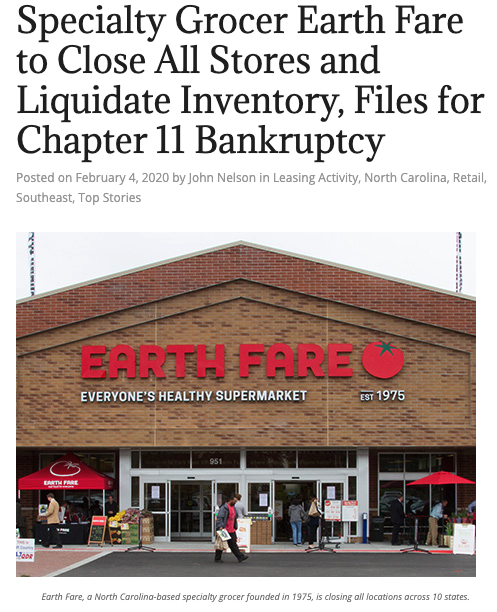
  3. Specialty Grocer Earth Fare to Close All Stores and Liquidate Inventory, Files for Chapter 11 Bankruptcy – REBusiness – “Most of Earth Fare’s locations are near a Whole Foods, Trader Joe’s, Sprouts and/or a Fresh Market,” says Beitz, whose firm operates an online platform called Planned Grocery. The app maps the real estate locations of all grocery stores in the planning, development and operating phases.
  4. Industrial Outlook for 2020-2021 Remains Strong – CPE – “Dallas is in growth mode due to many factors, such as strong population growth, a friendly business environment, low operating cost compared to other gateway markets and limited regional competitors,” local industrial broker Nathan Orbin, Cushman & Wakefield executive managing director. Net Lease
  5. Investors Still Value Dollar Stores – CPE – “Dollar General has announced 1,000 new stores in 2020, while Dollar Tree continues to focus on renovating hundreds of Family Dollar stores and growing in strategic markets.Currently, the average cap rate for dollar stores with 10 or more years of lease term remaining, that have been on the market 90 days or less is 6.16 percent. Logically, many of these current offerings are newly built stores, as they offer the majority of longer lease terms.”
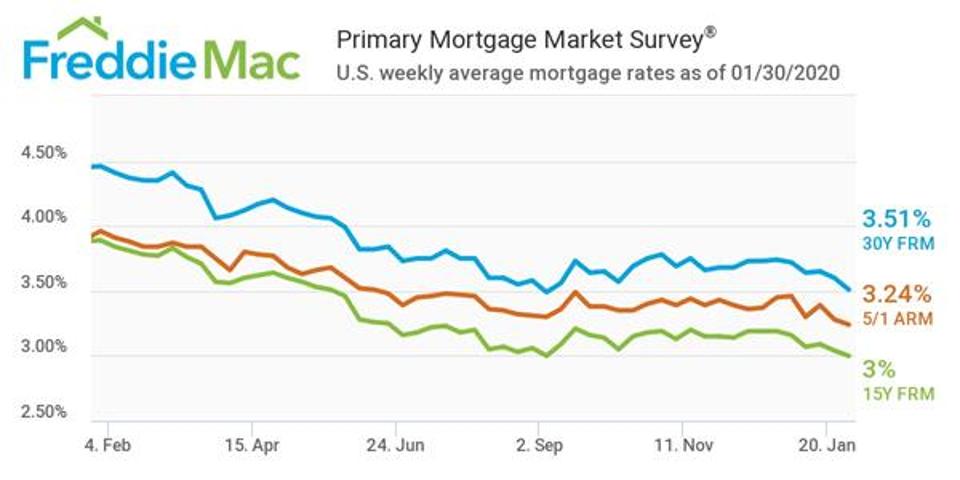
  6. Mortgage Rates Near 3-Year Low – Forbes – decrease was largely due to investor uncertainty surrounding the coronavirus, as well as trade-related and geopolitical concerns. mortgage rates
  7. Cleveland Multifamily Report – Winter 2020 – Boosted by the ongoing revival of the city core, the metro’s rental market wrapped up 2019 on a positive note. – CPE – “Most of the new development targets downtown Cleveland; the area ranks as the largest jobs hub in Ohio and is expected to see a population”

  8. Sherwin-Williams to Develop World Headquarters, R&D Center in Metro Cleveland for $600M – RE Business – The transition to the new facilities won’t occur until 2023 at the earliest, the company says. Sherwin-Williams previously launched a nationwide search for its new headquarters location before deciding to stay in Ohio, where it has been based since it was founded in 1866.
  9. MBA Forecasts U.S. Economy to Slow in 2020 as Job Market Weakens – RE Business – His forecast calls for U.S. GDP growth of 1.2 percent in 2020, down from 2.2 percent in 2019, and for job growth to dip from a monthly average of 175,000 last year to 150,000 this year. The unemployment rate, which currently stands at 3.6 percent and is near a 50-year low, is expected to reach 3.9 percent by year’s end.
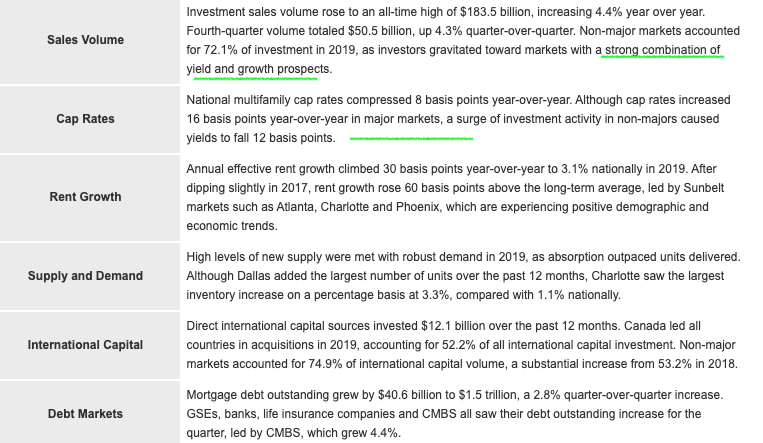
  10. Newmark Knight Frank MFH Capital Market Report 4Q19 – 
  11. Arbor – Q4 2019 Small Multifamily Investment Trends Report 
  12. Trump’s 2021 budget proposal – Cut $5.6 billion from Department of Education funding—that’s a 7.8% decrease with changes to the ways we take out and pay back loans for higher education expenses. Positives:Eliminating subsidized Stafford Loans, which don’t accrue interest while you’re enrolled, Eliminating the Supplemental Educational Opportunity Grant, which typically goes to independent students or those whose families make less than $30,000 per year, Cutting $630 million of funding to the Federal Work Study Program, Reducing income-driven loan repayment programs to one option. Instead of paying 10% of your income, you’d pay 12.5%. Payment plans would last 15 years instead of 20, with the remainder forgiven, but graduate students would have to make payments for 30 years under income-driven repayment, Eliminating the Public Service Loan Forgiveness program. Positives:  Reinstating federal Pell Grant eligibility for short-term education programs and for some currently incarcerated students who are being released within five years, Increasing career and technical education funding by $900 million, Putting caps on graduate and parent loans with annual and lifetime limits. Parent PLUS loans for undergrads would be limited to $26,500. Graduate students would be capped at $50,000 annually and $100,000 total.
  13. The U.S. is experiencing its longest economic expansion on record, besting the period from 1991 to 2001. (CNBC
  14. The decade-long U.S. economic expansion has generated 20 million jobs. (New York Times
  15. 3.4% year-over-year wage growth is the strongest in more than a decade. (MarketWatch
  16. January 2020 had record job growth in the private sector: 291,000 new jobs, the largest monthly gain since March 2015. (Yahoo Finance
  17. The U.S. hit the lowest unemployment rate in 50 years in 2019. (Whitehouse.gov
  18. 2020’s Property Taxes by State – WalletHub – 

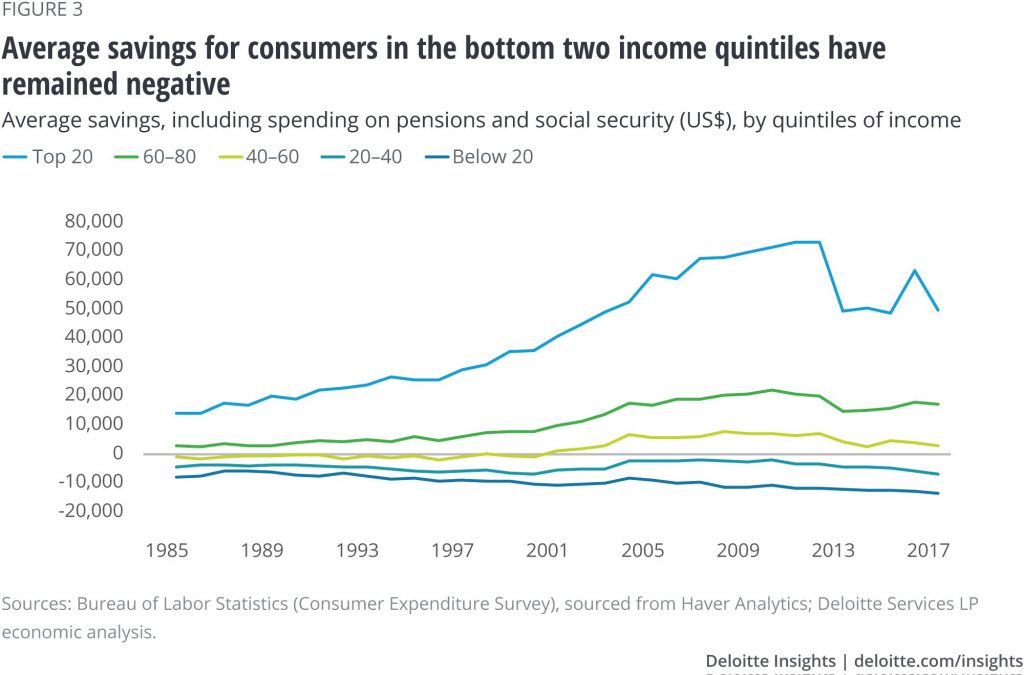
  19. Personal savings: A look at how Americans are saving – Deloitte – While the personal savings rate has been trending upward, average savings—calculated using the Consumer Expenditure Survey—has been on a broad declining trend since 2010–2012 for consumers across income levels and for key working-age groups.

 

Starting with a coach to keep me accountable and compress “lying to myself time”

A little work trying to work with someone at Donorschoose.com

Working with coach to find a bigger way to find an impact?


Don’t have any bigger plans for 2020? Any ideas?

 

Do HUI3 every year. Maybe MLK weekend 2021.



After leaving the day job I am realizing that there is (was always) just me as the barrier. We all get the same amount of hours a say to create something more meaningful. Its unfortunate at most people have to spend at least 40 hours a week feeding the time clock.

No exceptions




Complete #LaneHack list

Passive Investor Accelerator & Mastermind

-Mostly Accredited high paid professionals to connect with personally and build your own network (currently 45 members)
-27 modules of content in a closed membership site
-Bi-weekly Zoom Video calls (25+ on-demand recordings a year plus all library of past calls)
-Now with a membership coordinator check-in’s to help facilitate what you are doing and connect you with the right people in the group (if you are shy)

Learn more and apply – SimplePassiveCashflow.com/Journey

If can do me a favor… If you get a chance people review leave a review for the podcast on iTunes (https://podcasts.apple.com/us/podcast/simple-passive-cashflow/id1118795347) and email simplepassivecashflow.com to a friend.


Transcript:

0:00
Hello everybody is March 2020 and this is the monthly market update that I try and do every month for you guys a compiled ation of different news articles that I’ve come across this past month you guys can get all the show notes to this at simple passive cash flow calm slash green 11 podcast listeners can get access to the recording on the YouTube channel or go to simple passive cash flow comm slash investor letter if you’re checking this out later and you want to get all the past monthly updates there you haven’t heard of me before My name is Lane Kawaoka x engineer I have the simple passive cash flow podcasts on YouTube Spotify, iTunes I Heart Radio. This is a story about a dude named Lane he moved to the mainland and bought one place to stay and then one day he went try to rent them out. And then he became one really but still may.

0:59
So first headline here. And I think a lot of us have been on this roller coaster ride the past. That’s the past week I took this article a few days ago, it took stocks only six days to fall into correction, the fastest drop in history, though this was back on February 27. And it was the quickest 10% decline all time. And I believe it’s gone up a couple times and down once I mean, today, it went up 1000 points, just craziness. If you ask me, it’s all fake money, I don’t have any stocks. My stuff is all in things that I feel like I can control and cash flow, whether the stock goes up 5% or down percent, or 6% or 2%. The value is what it cash flows every month, but it’s been pretty cool watching this, the Fed dropped the rate by half a percent point you could probably say that’s partially due to the corona virus that’s out. I don’t really buy into the whole media thing. It’s not as debilitating as the flu is I believe that mortality rates on it’s like 2%, but I’m not a medical person, nor do I know what’s really happening out there, but as they know anything, the media typically throws it out of proportion. A little bit of hindsight on coronavirus. I have a couple charts in here showing what the SARS did a while ago. That was way back when in 2003. So pence furred said that the coronavirus inverted the yield curve and again my initial thought was that the market was overreacting to the corona virus news classic fight to safety knee jerk reaction quote here the traders I spoke to were legitimately concerned about the long lasting effect. Sure the 35 bps drop in the last few weeks was repositioning to avoid getting steamrolled in the event that news got much worse. And of course, this was only about a week or two weeks ago, but in the long term, the virus has the potential to pull the global economy into recession, just like any other black swan event that we’ve been talking about for the past few years China trade war Iran you name it the euro. So there’s a couple of charts here showing the decline of when SARS came into the picture with these charts are showing is that the SARS actually made an uptick after that it was short lived charts of SARS impact on the stock market was material but short lift so if history will repeat itself perhaps we’re going to look for a little bit of a bull market on the heels of this coronavirus endemic supposedly moving on specialty grocer Earth fair to close all stores and liquidate inventory files for chapter 11 bankruptcy. This is a health food store out on the east side of the country. This one’s showing one in North Carolina the most of their locations are near Whole Foods Trader Joe’s sprouts are fresh marks. So they’re kind of just getting gobbled up by their competition, but it’s showing how a lot of these other competition is pretty fierce out there even with something that’s traditionally been thought of as an emerging market which is healthy supermarkets. CPE says industry outlook for 2020 to 2021 remains strong Dallas is in growth mode due to many factors such as a strong population growth, a friendly business environment, low operating costs compared to other gateway markets and limited regional competitors. And I think if you’ve been listening and hearing to the market, you know, this is sort of Captain Obvious news. Dallas is obviously one of the frontrunners in terms of growth, but you dig a little bit deeper and if you’re actually trying to find deals there, it’s probably banging your head against the wall or pulling your hair out whatever you do to cope with things you know, everybody knows about it, right? So as an investor, you want to go where the action is at yet you want to stay away from where all the frenzy is, too. So the interest rates have been coming down. As we all know, Forbes is saying the mortgage rates near three year low decrease was largely due to investor uncertainty surrounding the coronavirus as well as trade related and geopolitical concerns. As I said earlier, the Fed dropped The interest rate half a percent, which is pretty big movement, normally they’d like to move it in terms of quarter points. And I think when everybody hears the bad news, they automatically think that they should probably look at refinancing their mortgage. But that’s not always necessarily true. The feds rate it sort of is correlated with the Treasury, but it’s not always but this time when they did drop it half a point, it did drop a treasury, so that impacts the mortgage rates and I locked in a big deal today with him closing so I think we got kind of lucky there. We got like a 3.5% on a commercial loan to pretty awesome, but I think people get a little bit too excited. I mean, 3.5% 3.754% I mean, who really cares? I mean, it’s it really doesn’t make too much of a difference when you run the numbers and you run out of deal five, six years, but it sure helps. Nice. We get lucky.

5:53
We work with hard working professionals looking to opt out of investments for the clueless I mean mainstream investors We work with people we have a direct relationship while enjoying higher returns and a quicker path to financial freedom. I personally move my endorsement from turnkey rentals to syndications as my network has grown however, the downside of many of these deals is that you need at least $50,000 to invest and the frequency of deals that meet my criteria is sporadic.

6:21
Check out my article about passive

6:22
cash flow calm slash fund and learn how I always have cash on hand by using the American Home preservation fund as part of this one two punch to be ready for a great deal while still making a double digit return. I had been investing in HP since 2016. HP is a crowdfunding solution to the mortgage crisis in America. We’re collectively the fund and investors like you pulled their money together and get great bulk discounts and distressed mortgages. It’s a business model that I think gets stronger should a bump in the economy comm because this is where there will be even more distressed inventory for HP to purchase. The American Home preservation fund aims to keep people in their homes. So you can make a 10% return while making a positive social impact invested as low as $100 by going to HP servicing.com slash investors. And if you want the free burn zone book and learn about George Newberry story, please send me an email at Lane at simple passive, casual calm.

7:23
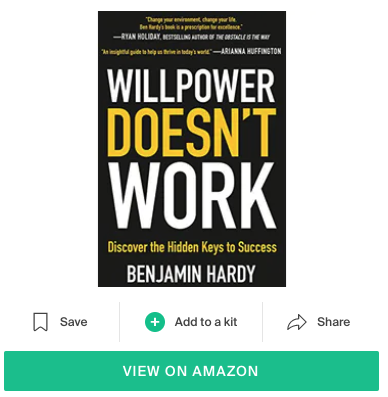
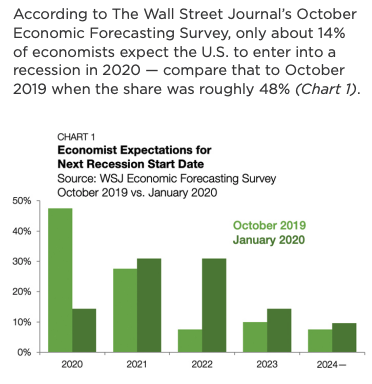
Well, that’s a like a report from CPE talking about cleaving here cleaving multifamily report boosted the ongoing revival of the city core. So this is an example of like, you have to look at it from a submarket viewpoint, I think a lot of people will look at places like Birmingham or Cleveland. And you know, one of the first things you should look at is the population growth or where’s the population going? And that’s one way of doing it, but you really got to look at it a little bit deeper, and you got to look at on a sub market. So in Cleveland, what’s happening is that the downtown area is getting most of the new development whereas the suburbs are kind I’m struggling a little bit. So CPE says here most of the new development targets downtown Cleveland, the area ranks as the largest job hubs in Ohio and is expected to see a population growth. And I followed that up with another Sherwin Williams to develop world headquarters in Cleveland. The transition to the new facilities won’t occur until 2023 at the earliest, and they previously launched a nationwide search for their new headquarters before deciding to stay right at home in Ohio, where it’s been based since 1866 news from Las Vegas we have several articles about some of the older hotels when I mean older Oh, what was it like Carnival one, the ones that are maybe a decade or two old but they’re finally going to make a what I would call Class A hotel. And the reason why I look at this stuff is you know, just I’m not interested in hotel investing, but it’s interesting to see another asset class how they cycle through assets and how and when I say it gets older, some other things Group buys it maybe it does a little bit value add and then they take it down and then these new properties come up so dream Hotel Group is opening a 450 room luxury hotel on the Las Vegas Strip This is dubbed dream Las Vegas the project is looking to open in 2023 course are gonna have a rooftop pool deck bar lounge, two restaurants, two additional bars, gaming floor, everything that you would probably want in a level hotel. You guys are probably asking where is it? It’s going to be located across the street from the Mandalay Bay Resort and will be one of the first hotels seen from the iconic Las Vegas site property will be situated two blocks away from the new Allegiant stadium the future home of the Las Vegas Raiders, maybe Tom Brady will go there. Who knows. So already business reports that NBA forecast the US economy to slow in 2020 as job market weakens, and I always just put these articles in here, you know, these are all commentary, and you’re just making wild guesses in the sky. And I like to try and put both good articles and bad articles. But they have a point sometimes. And sometimes these predictions never happen. But again, the media is trying to sell news articles. So for those of you guys who are looking on the screen, we are showing the trend from 2018 1920 and prediction 2021 2022 of GDP growth, which is dipping this year in 2020, which should come right back up in 2021 and 2022. Inflation is holding pretty steady at 1.8 to 2.2 2.4%. Across the five years unemployment again pretty steady at just under 4% Feds funds rate it’s expected to dip down this year but come back up to where it was in 2018. And the 10 year Treasury and the 30 year mortgage rates are sort of fix. They kind of follow the Fed funds rate they’re calling the 30 year mortgage to be 3.7% this year. And go up to 3.8% next year and then up to 4.1% 2022. And this is pretty consistent with what I’m thinking I think 2020 will be a little bit of a weakness or take a breath year pretty sure Trump is going to win whether you like it or not, I don’t care personally, and then we might be in for another few years of a nice Bull Run after this is kind of my prediction took this excerpt from the Newmark Knight Frank multi family housing capital report from their 2019 fourth quarter report. Usually these things are just a bunch of words and blah, blah, blah, blah. So I’ll go over the highlights here are the sales volume, they reported that investors gravitated towards markets with a strong combination of yield and growth prospects. Yes, not too insightful. There’s kind of like obvious right in terms of cap rates, national multifamily cap rates compressed eight basis points year over year, which is nothing although cap rates increased six basis points year over year in major markets a surge of investment activity in non major markets cause yields to fall 12 basis points the rest I’m not going to read because it’s not doesn’t seem like too much of a news you guys can check this out on the YouTube channel if you guys are so inclined to read into it Arbor who is a direct lender and we use arberg for our deals, you can go through any broker, but those brokers typically don’t add any value and it just makes more sense to go straight to the source which is our bro who deals the Fannie Mae and Freddie Mac large commercial paper. So in their 2019 fourth quarter small multifamily investment trends report which are smaller multifamily apartments, I probably say and like the 20 to 100 unit ban. They’re saying that according to The Wall Street Journal’s October economic forecasting survey, only about 14% of economists expect the US to enter into recession in 2020. Compare that to when they tested in October 2019 when the share was roughly 48% sense. So what they’re saying here is the economists are sort of backpedaling, and the 48% of them call the 2019 recession. And when it didn’t happen, no, only 14% of them are calling it for 2020. And they put this on a graph what the survey was in 2019 and 2020, which, again, is horrible data, right? It’s just a survey Who the heck knows, right? But it gets these people are a little bit more insightful, I guess. But it’s still just opinion. But I think what you’re just seeing is everybody wants to look like the smartest guy and cause a recession. But when it doesn’t happen in the year just backs up to the next year. Now it’s in the next year. Oh, it’s in the next year. So I think that’s what you’re seeing in this article. Again, not too much news. But sometimes I’ll put some of these bad news articles in here just to pointed out again from arbour in that same report, they are graphing the spread between small multifamily cap rates and the 10 year Treasury yields through fourth quarter 2019. And this is why we do it folks. This is why we invest and use leverage because as investors, you’re making the difference between the spread between the cap rate and the your interest rate, which is basically the 10 year Treasury. So if you look back from 2009 to now it’s there’s always been about 300 to 500 points spread, it’s gone up a little bit, it’s gone down, but it stays pretty consistent. And I think this is one of those absolute truths in the world where this is the way the world works. And this is why I’m not too concerned where interest rates go, because if interest rates go up likely so well, the cap rates again, as an investor, I make my money off of a spread, which is typically a consistent 500 to 300 points spread, and then I apply leverage on that, too. If you’re thinking four to one, you multiply this by four. So I’m sure all of you have been keeping up with the proposed budgets from Mr. Trump, but if not, I took a little excerpt on the proposed budget which you can get online at OMB I don’t know why you would would unless you don’t have a day job and you don’t have anything better to do. But he is proposing a 5.6 billion cut from the department of education funding. What does that mean? That’s a 7.8% decrease. So I’ll go over the negatives and some of the positives here the negatives are eliminating subsidized Stafford loans. And those are the ones that don’t accrue interest while you’re enrolled. They’re going to eliminate this supplemental Education Opportunity Grant, which typically goes to independent students or families who make less than 30 grand a year, they’re cutting the 630 million of funding to the federal work study program, reducing income driven loan repayment programs to one option instead of paying 10% of your income you’d pay 12.5% payment plans would last 15 years instead of 20 with the remainder forgiven, but grad students would have to make payments for 30 years under income driven repayment and they’re eliminating the public service loan forgiveness program. Some of the positives are there reinstating the Federal Pell Grant eligibility for short term education programs. And for some currently incarcerated students who are being released within five years increasing career and technical education funding by 900 million in putting caps and graduate and parent loans with annual and lifetime limits Parent PLUS loans for undergrads will be limited to 26,500. graduate students would be capped at $50,000 annually and $100,000 total who knows how this legit plan will go and be changed. But that is the way that Trump’s kind of got his education budget lined up, should he get reelected wallet hub. These guys are really good at making these cool color graphs comparing state to state but this is actually very misleading. So what they did here is they took the 2020s properties taxes by state and I guess it’s kind of good because they have it a sort of an interactive table where you can click on the effective tax. Real estate tax rate here and number one lowest is Hawaii at 0.27%. Number two is Alabama at point four 2% effective tax rate on the real estate you know, you gotta use your brain here because obviously Hawaii’s average medium price is probably about three or four times that of Alabama. So you have to really look at what is the annual taxes on a median home that next column over the annual taxes on a $200,000 home. To me that column is meaningless because that’s a mansion in Alabama. And you frankly can’t find a 300 square foot house in Hawaii for that much state median home value, as you can see there $130,000 in Alabama to $587,000 in Hawaii, but for those of you in Hawaii, that’s the price of Paradise live where you want invest where the numbers make sense. I actually like the fourth column here annual taxes on home price at state medium value. I think that’s where you’re starting to see where the true month numbers are being shown because a lot of times like our Facebook group for example, someone will chime in and say well you know, Alabama has low taxes right and here the effective tax rate is the number two lowest in the country but you got to go on the based on the value so like another one is a famous one is like Chicago, Chicago has really high taxes and sort of high values so that can really skew your numbers. Again, I would just recommend if you’re looking at rental properties, just put into the analyzer and see how the numbers turn out and compare that number at the bottom of the spreadsheet which is anticipated cash flow on your Performa we kind of had a lot of bad news. I wanted to put in the side with some good news. And these are all five headlines of Hey, look on the brighter side guys, it’s not all doom and gloom. First one here by CNBC. The US is experiencing the longest economic expansion on record best seen the period from 1991 to 2001. Some guys probably like Whoa, what’s gonna end soon? Well, you should enjoy the good times right now. New York Times says the decade long us expansion has generated At 20 million jobs market watch says 3.4%. year over year, wage growth is the strongest in more than a decade. Yahoo Finance says January 2020 had a record job growth in the private sector largest monthly gains since March 2015. And the Whitehouse. gov was always trying to toot their horn does the US hit the lowest unemployment rate in 50 years in 2009. Of course, there’s a lot of questions whether how do you take the unemployment rate? Is it legit, but right now things are pretty good. I mean, people are working and I haven’t really seen any indicators saying that larger companies are laying people off decreasing their orders. And in my mastermind, I’m in somebody predicted the 2008 meltdown in there and that person was like a big time builder. And they were saying that they knew it was coming down when the foot traffic that we’re checking out those new bills just weren’t there. The demand just dried up and that was when they knew was the end and that’s why it’s been 25 thousand dollars to go to groups like that because they are closer to the action. And hopefully I can react better than the average bear out there by having that information. And I don’t want to just sit on the sidelines. I know I say this so many times, but it’s because I talked to so many new investors, you know, they’ll book every intro call with me, we’ll chat and a lot of investors will have this mindset of like, well, it’s the top of the market, I’m just gonna hold back. And I think that’s a huge mistake, especially if your net worth is under half a million dollars, you need to go out there and swing the bat and go into equity deals and grow your network. You might be hearing guys that are four or 510 million dollars and above sitting on their high horse saying they’re not doing anything right now. Well, guess what, they can do nothing. They can live off one 2% off that large portfolio and not do anything and I ultimately think is just newer investors just kind of shooting themselves in the foot. So Deloitte did a report on the personal savings rate of Americans. And they said while the personal savings rate has been trending upward average savings calculated using the consumer actions expenditure survey has been on a broad decline since 2010 2012. for consumers across income levels and for key working age groups. So we got a little graph here showing how different groups are saving their money, which ultimately, I think that’s the most important statistic to keep, you know, whenever I have a console with an investor, yeah, like to know how much you make and how much you spend, but I ultimately want to know how much you net at the end of the year again, most investors in our group, they’re able to save maybe about $30,000 a year and other ones that are a little better making able to see $50,000 a year that means they might be able to buy two rental properties a year not saying they would, right, but you’ll probably go crazy after you get five or 10 of those turnkey rentals, but they’re exponentially growing their portfolio. So this graph is kind of showing. One thing I pick up on is from 2008. You know, everybody got shell shocked and the recession brought people back to frugal ness. And I think there was a hashtag trend out there where he was cool to be frugal. Right, I read another book and they coined this term called the Great forgetting. And they say, people will normally forget how things were in like eight to 12 years. And I think that’s what’s going on here. Maybe people got really frugal 2008 to 2009 1011 12. But you’re seeing that the clients start to happen in 2013, especially in the top 20% of folks. And the other takeaway I have from this graph is it’s just a little bad that the top 20% have so much disposable income, and that’s why they you know, they go into the all these deals, and that’s great, right, but the people who are in the 8060 to 80 percentile 40 to 60 percentile 20 to 40%. percentile, like they just are not able to create any net at the end of the year. In fact that people that are below 40%, they are negative, they’re they’re like going into debt every single year. So some new podcasts that I have created this past month are up here we did some discussions with asset protection. If you guys think lol C’s are the end all be all well that’s just where it starts and then people that are 1,000,002 million dollar net worth and above should probably be looking into irrevocable trusts and potentially even international trusts. We had Marco Santorelli of nerado who talked about Top Things ignorant investors do and again one of those gonna shoot themselves in the foot not doing anything so in the top markets to invest in 2020 in all these are short YouTube clips that have created in the YouTube channel so if you guys want to go there and share it with friends, I’d appreciate it part of the Richie’s land conservation easements what interest rate to expect from private money lending don’t invest in short term rentals until you understand this, where’s the best marketing platform for short term rentals. Another big one is how is the politics and rent control affect where you should invest? I just stick to the red states simple passive cash flow right big changes to your retirement accounts. And if you didn’t hear what they did with the secure act better, go and check out that article on how the secure x screwed millions out of people’s retirements and do I need asset protection on my retirement accounts was answered in that short form but do you guys have any more questions go to simple passive cash flow calm slash question and type it in there if you leave your email we’ll try and get an answer back to you for a little bit of what I’ve been up to. And again, these all come from the Tony Robbins six needs versus growth so I started to employ a coach to keep me accountable and compress time for me and basically eliminate the time that I lie to myself continually I’ve been doing this for about a month and already it’s just been totally worth its money. I think consider a accountability partner for your selfish you can’t afford it. But yeah, I mean, at the price I pay for this thing pays for itself like four or five times over there, like the emotions that you have the thoughts you having is a sign it’s your job to turn that sign into action. And most times in the past I would just like ignore it right. But as I tell somebody coach who has skin in the game in me being successful, they kind of tease that out and they don’t let me just be okay with contribution. So I actually had a call, I’m trying to work out something where we can contribute to some kind of a charity. I think if the URL is like simple passive cash flow, calm slash charity, you can see the couple projects we’ve done in the past. But my problem is, like, I don’t have the time to find good causes to give to and I don’t want it to just go into oblivion, like a Red Cross thing. I’m not saying it’s a bad cause, but I’d rather be a little bit more. I mean, I’m totally acting like a spoiled rich person, but I want to have control over it. I want to designate where it goes. And one cool site that I found was donors choose so I had a consult with them today figuring out what we can do as a group to pull our money together and something where I can go in there maybe an hour a month and select individual projects. And what’s cool in there is like my wife’s a teacher. So we did this with her class. Last year, and quite frankly, she can’t spend all the money. I mean, there’s just there’s a lot of need on this other site, other teachers but it’s really cool because the teachers they give you feedback, the kids write you letters and they give you like a monthly report on what’s happening so you really feel like you’re making a difference but I want to go in there and pen select projects that are aligned with financial literacy education. Somebody wants to buy a seesaw or some kind of I think it was like a canoe or something. I’m like yeah, we’re not gonna do that and that’s where I’m going to get involved try and pick some of those projects but if you guys have something else or somebody else in our who wants to take the lead on being the point person for selecting these type of charities, let me know number three here significance again, I working with that coach and something that I’m realizing working with them is I need to try and find a way to make a bigger impact whether it’s for ego or what I feel that I need to help spread the word of financial freedom and investing the right way too many people are just misled By the wrong things like paying off debt, I mean, if you pay off debt, you’ll never buy assets that grow your net worth. That’s exactly what they want you to do if there wasn’t dead people would never own their houses not saying that buying a house to live in is a good idea. Number four, how did I create uncertainty in my life? Because sometimes you need to get out of your comfort zone. I don’t have any bigger plans for this year. So if you guys come up with ideas that will stuff for our group to do I don’t know I’m maybe I’m just a little tired. Since we had the QE three in Hawaii a few weeks ago. How did I create some certainty? The QE three was really cool. And I’ll put some pictures on it here. That was us. And that was how I fulfilled that last love and connection because people is what makes all the difference. But people came over for probably about four days, five days actually, if you count the first night, and it was a lot of fun. And it’s something I think that I’m just speaking for myself. Something I’ll probably remember forever. It’s not often you get a group of 30 to 55 year olds in a room are out hiking out on the beach for a sunrise. out to a luau out playing some pickleball and escape rooms where you can do something fun with first total strangers but really start to bond over some of the like mindedness of the financial freedom aspect. And you know, what do you do to build a legacy? So that was something that I want to do it more in the future. And I am thinking this slight mastermind thing might be a annual event ran more like a family reunion than a dozen other real estate events. So maybe Martin Luther King weekend might be a good time to do it. This time was a little weird with Valentine’s Day involved on the first day, I had to go to 90 degrees. So that kind of took a lot of energy. Yeah, maybe mark your calendar might be a little premature of Martin Luther King 2021. Let me see you guys in Hawaii, some of the resistance and barriers after leaving my day job. I’m realizing that it’s just me is the barrier and it always was and people always say well, you must have a lot of this extra time to do what you want. And I honestly say that I probably get almost the same amount done. The day as I did when I was working a full day job I might get like 10 20% more done without the day job but I think it’s there’s a lot less stress a lot better quality of life and it just brings perspective that people especially for the people who don’t like their day jobs most people have to spend at least 40 hours a week beating the time clock in for what right yeah, you make some good friends at work but if you didn’t have to go to the job would you still hang out with those people? Maybe Maybe not. So if there’s any way I can help anybody get out of financial freedom you know, that’s what I’m trying to wrap my head around how do I kind of help the most people get out of this a quick technology tip wrote a quick article on how do you create an instant note without opening up the lock feature on your iPhone every single time I just get so many ideas and I’m sure a lot of you guys get so many ideas and just trying to capture it is one of the most important things especially if you’ve read the whole GTD getting things done methods I finished up this willpower doesn’t work which actually thought was wasn’t a bad book. I thought like it was just had a lot of different strategies. there and I think you’ve just listened to it not at two x speed or three x speed, you just listen at one x speed that might incite some habit changes or new processes you can put into your daily life. So I just wrapped that up and I’m starting to read the go giver. Now, I think the premise is helping others get to where they want to be, and the rest should fall into place. And I’m starting the book club. So what we’re going to do here is every other month I’ll be the last Saturday of the month, every other month, we are going to do a webinar or a meeting and whoever wants to join on you know, you don’t have to be in the passive investor accelerator mastermind and just jump on and hopefully you read the book, but the goal here is to read five or six books a year and you guys can join there at simple passive cash flow calm slash lien hat and click the button register with zoom and you can join us on all the BI monthly calls we have on the books so if you guys go there, sign up and or you go you got two months, I think the next one, I’ll have it is April 25, which is Saturday where we’ll be going over the good giver. So you guys got two months to read it though, but it gets started now. And if you haven’t checked out the passive investor excetera mastermind, we are pretty much done with the first year of it in existence, some investors are phasing out of it. And that was my goal, right? Get them in, get you guys up to a point where you guys can analyze deals and be able to create your network and build some friendships. And if you guys want to get out, right, it’s not one of those things that you need to be in forever. Maybe you need to take a break. Maybe you can come back later. But yeah, we got some openings there. So if you guys want to check that out, go to simple passive cash flow, comm slash journey. So somebody asks, How do you find or choose your coach? So I just went through the Tony Robbins, folks, I can connect you with my guy, but yeah, I mean, supposedly you do the disc exam and this personality test and they fit you with somebody. I don’t know if that’s really how it is, but I Like as a speaking as an entrepreneur, everybody’s an entrepreneur these days, right? You don’t know who’s legit, who’s just faking it. So I just want to go to some brand that was sort of okay. And I’m sure Tony Robbins brand and or directory of coaches is sort of, okay, maybe even pretty good. Who knows, but I just didn’t have the bandwidth to go find a coach. And some people recommended one rule. If you want to really go and roll up your sleeves and go find your own coach, a recommendation that was given to me is you always go off for a referral. It’s just like, Oh, right, like that’s what we do with property managers, brokers, everybody, right, syndicators, it’s always offer all and then they said, well try it out. You can do a few sessions with somebody another session with somebody else and just try it out. See how it works, because that coach may not jive with you, or you may really resonate with them. And another question I had was, well, does this person need to run a podcast and be in real estate and do this stuff I do. And the conclusion that I came up with that you may or may not agree with is that No, they don’t. need to know anything about what you do, they don’t even need to know what a rental property is, or they don’t. Their role is to apply a framework of getting results with you and keeping you accountable and calling you out on your BS. And if they can do that, they probably do 80 to 90% of what you’re looking to do. So a thing that’s just my opinion is they don’t really be doing what you’re doing. I think if you’re looking for that type of person, you’re looking more for a specific business coach. Thank you for listening, and we’ll see you guys next month and be sure to tell your friends about the podcasts and have a good evening everybody like

33:41
this website offers very general information concerning real estate for investment purposes every investor situation is unique. Always seek the services of licensed third party appraisers inspectors to verify the value and condition of any property you intend to purchase. Use the services of professional title and escrow companies and licensed tax investment and or legal advisor before relying on any information contained here and information is not guaranteed as an every investment there is risk. The content found here is just my opinion and things change and I reserve the right to change my mind. Above all else, do your own analysis and think for yourself because in the end, you’re the only person who is going to look out for your best interests.

Transcribed by https://otter.ai

#LaneHack – Apple iPhone or iPad instant notes

Capturing notes or ideas has been so difficult on the fly. I have even tried third part apps like http://captio.co/

Try this #LaneHack out!

Illustration for article titled Apples Instant Notes Is a Must-Have on Your iPhone or iPad

Doing this process you will be able to enable the quick Notes icon to your iPhone or iPad’s Control Center so you won’t even have to fuss with unlocking your device in order to scribble down a quick thought. You can set your device to automatically pull up the last note you were working on, if you’d rather edit a larger, running list than create a new note each time you tap the button.

To get started, tap on your Settings app and pull up the Control Center. Tap on Customize Controls, scroll down a bit, and tap on the plus sign next to Notes to add it to your Control Center.

Illustration for article titled Apples Instant Notes Is a Must-Have on Your iPhone or iPadIllustration for article titled Apples Instant Notes Is a Must-Have on Your iPhone or iPadIllustration for article titled Apples Instant Notes Is a Must-Have on Your iPhone or iPadIllustration for article titled Apples Instant Notes Is a Must-Have on Your iPhone or iPad

Next, you’ll want to stay in your Settings app, but head back to the primary screen and scroll down until you see the Notes app. Tap on that to access its settings. Scroll down until you see the option to “Access Notes from Lock Screen,” and tap on that.

Illustration for article titled Apples Instant Notes Is a Must-Have on Your iPhone or iPad

From there, you’ll get one of two options to pick from. Choose wisely:

Illustration for article titled Apples Instant Notes Is a Must-Have on Your iPhone or iPad

Also, note that you get a number of specific options to adjust if you select “Resume Last Note,” including how long your device should wait before creating a brand-new note—an important security feature, in case someone gets their hands on your device.

Illustration for article titled Apples Instant Notes Is a Must-Have on Your iPhone or iPad


Once you’ve finished setting up the Notes app, you’ll now be able to swipe down from the upper-right corner of your iPhone or iPad—whether it’s locked or not—and tap the Notes icon to begin writing down your thoughts. The interface is the exact same as Apple’s regular Notes app with one small modification: You won’t be able to access the rest of your iPhone or iPad’s notes unless you authenticate into your device.

Illustration for article titled Apples Instant Notes Is a Must-Have on Your iPhone or iPad

If you’re on an iPad and you happen to have an Apple Pencil, you can also activate your screen and tap twice with the Pencil to automatically pull up Instant Notes—no Control Center shortcut required

Overseas International Trusts for Asset Protection

More legal info – SimplePassiveCashflow.com/legal

0:00
This week’s show we’re going to be discussing overseas trusts pretty much the bazooka version of asset protection Now a lot of you guys have been calling me and you know I’m totally fine taking the shorter introduction tragic calls for you guys for signing up for the cuido pipeline club sign up for that it’s simple passive cash flow calm slash club but a common question that comes up as a you know, I’ve got a property here to my net worth is under $500,000 ROI i do i do these LLC fees and series LLC and all that’s fine. But once you get above a million dollars network, you’re going to want something different and quite frankly, those LLC and series LLC ideas, there’s a little bit of kitty stuff and they work in theory, and they’re not entirely foolproof, I think is fine. I’m not giving any legal advice here. But if your net worth is under half a million or even half even a million honestly you don’t really have much to lose and oftentimes the best defense for a lawsuit is being broke and then not having too much of a price to go after. So today’s podcast is again talking about overseas dress, it’s going to be also in webinar version. So if you guys haven’t checked out the YouTube version, sign up there and click the bell to subscribe and you get signed up for quarterly prize there. But you also get to check out the slides that came along with this recording. So if you guys are interested in implementing the strategy yourself, it is very expensive. And look, if you’re not a million dollar net worth guy, it ain’t for you. But I think that a lot of people are going to be heading in that direction. I mean, most of my you guys, my investors, you guys are able to save $30,000 after your day job and all your expenses and a lot of you guys are able to see 50 or $100,000 every year so in just in a matter of a years will be over a million dollars off to the next four and a half million dollar milestone which everybody talks about. And this type of asset protection is exactly what you’re probably looking for. And in fact, this is sort of a strategy that I use today for myself being out in the spotlight and being at a pedestal to be taking pawn shots of frivolous lawsuits. So enjoy the show. And you guys have any questions or serious about getting this type of asset protection shoot me an email plain and simple passive cash flow calm and we’ll see you guys later. This is a story about a dude named Lane he moved to the mainland and bought one place to stay. And then one day he went try to rent them out. And then he became one real investor may

2:22
want to introduce Doug and Brian once you guys say hi and introduce yourselves and we’ll get

2:27
Brian.

2:28
Hi, my name is Douglas ludmilla. And I’m the founding Managing Partner log more log Mel and we do nothing with asset protection. So as all I’ve done for 20 plus years is helped people protect their assets. So work with tons of real estate investors like yourself, as well as every other imaginable specialty in the profession that you can think of. I work with Brian and together we’re going to just talk about asset protection and Lane asked us to kind of start with LLC because that’s a big thing. And we do use LLC They’re very functional in our system. The question is, is, you know, is that enough? Can I just use an LLC? So Brian a

3:06
little bit about that. I’ll jump into that. And I’m Brian Bradley, and I’m licensed all over the state. And I got into asset protection as a trial lawyer on the litigation side, I look at it as what actually happens in court. And so that’s why I like setting up things that actually aren’t maybe protection and is really strong protection, which is what we’re going to be talking about today, especially for you investors, or if you’re credited have that 1 million net worth for a little bit more. This is kind of where what we’re talking about for you guys, first, thanks for putting this all together. And I appreciate that letting us talk to your group, you want to lead off about what’s going on with LLCs why they’re weak. They’re a good starting point. But what is it that’s wrong with them, what’s missing with them and so as Doug said, the LLC or limited liability companies, it’s a good entry point to establish some basic form of protection dog and I we both use them and then as clients grow those level of protection then grows as you grow. So you need something that grows with you on an This is kind of like the adage where you starts not where you’re going to end up the same thing with LLCs. As you grow, what’s going to happen, you’re going to add another LLC, another LLC, another LLC, that’s just going to start creating a massive mess. But you also need to understand a lot of the pros and cons. There’s weaknesses to everything. And generally, I think what most people hear is just the pros about LLCs, but not understand about how they actually function. And so LLC say it right in their name. They’re limited. They don’t hide the fact that they have this limited protection, but they’re affordable, and you’re going to get some limited personal liability out of them. A weakness is that its protection, or it’s what’s called a veil can be pierced. I’m sure most of you are familiar with this term piercing the corporate veil, and you have a lot of unfriendly states like California, New York and a lot of other ones that do not like to honor that limited liability protection, and they’re easy to pierce and then depending on the state of the jurisdiction, you can either have really strong charging orders are horrible August and so what a charging order is referring to is how much a creditor can actually collect from you, the member who owns that LLC. And so good state charging orders are going to have the charging order being the sole remedy basically that saying that a creditor with a judgment against the member you the owner is going to be entitled only to that limited remedy or that charging order. That’s it. But LLCs have limitations and drawbacks, you know, states have started differentiating between themselves and just how serious they’re going to take asset protection like California, they’re basically turn non asset protection friendly states and same in New York and a lot of other states. So if you’re really interested in true protection, it’s important to understand what these limitations are, and what are some of the solutions around them that we provide. And so as case laws developed over the decades, we’re seeing courses completely disregard the charging or only remedy and then directly reached LLC assets, whatever assets you put into those LLC is that you’re thinking you’re protecting courts are just piercing straight through them, and then letting those assets be reached by creditors. And this is becoming really common. It’s just called piercing the corporate veil.

5:58
Maybe you can do a little example On this, we all think we’re getting tricky here by using these Nevada or Wyoming or Delaware LLC, but may be explained it doesn’t really protect here that charging order protection or how you can pierce that. And now you’re charging order protection. Yeah, Doug will

6:13
hit that on a deeper level later on mutation. But a lot of these are created state statutorily first state residents. And so you’re having a lot of out of state residents using will just use California as an example using Nevada asset protection trust, or California using Delaware or Texas or Nevada LLC. And the course is saying, well, your assets are here in California, you’re being sued here in California, why do I care that you created something in another state, the tort laws that are going to be applied are going to be applied in the state where you’re being sued anyways, so they just completely disregard those entities. And that’s one of the major weaknesses and we’ll get into a little bit more detail of that in the presentation as we start going through domestic first offshore and then I can break down some of the case law with dog on that just to show you know, like we’re not just making this up. And one

6:58
thing if I shut up again, And this is for accredited investors and above. And especially if you’re in a high risk profession like a doctor, you got a lot of liability. I am personally very terrible at keeping bank accounts and credit cards straight. I think it’s a complete waste of time for me to worry about that. So that’s why I like something like this. And someone had set up something previously very similar to what this is, but there’s a little bit of issues with it, maybe you guys will go into it, but kind of what I’m doing to kind of protect myself again, I’m the general partner and all my deals so my butt is kind of out there. And I’m obviously very public facing so this is what I’m doing. It may not be for you but like how Brian saying you’ll grow into this as your network gets one 2 billion and above.

7:42
And I’ll piggyback off of that even as it’s even stage double because I don’t want you to scare away a lot of your members to where let’s say they just need an LLC but at the end of this like Oh hey, I really want to grow into this later on. You start a new skill in LLC asset management, limited partnership that then goes into it and the bridge trust later on. Which would touch upon how to skills out later on. So we don’t need to scare away everybody. So to get back to the you know, the LLC, it’s just you have single member LLC exemptions, and that’s become a major concern. Some states like California shown just a consistent propensity to be hell bent on disregarding them and they’re just a determined to pierce all of your LLC. So the LLC is a good starting point. I don’t want to scare people away, it gets property out of your name, we use them you last thing you want to do is own anything personally. But what’s missing is the full strength that you really want and that we’re going to be talking about today, you know, like the offshore asset protection component to it when you get to that million dollar net worth more. And so we’re going to break this down for you more and Doug’s going to jump in with our slide presentation. I’m just going to interject here in there.

8:47
Have you ever listened to a podcast or been in a seminar and too afraid to ask a slightly personal question? Our mastermind will have an intimate seal where people are going through the program together and at their own pace if needed, in order The foster friendships when I was learning and paying thousands of dollars for masterminds and mentorships the network. However, hokey pokey and sounds was a big part of it. What happens in the mastermind stays in the mastermind. We’ll use the BI weekly webinars sessions to the set concepts with real life examples. here how someone else might implement something like infinite banking concept on a hot seat session. Our group will attract thought leaders to meet just with our exclusive group, we can get FaceTime and ask individual questions. Why? Because our group will be people who put their money where their mouth is go out and make things happen as opposed to your local Rei Club, which is traditionally just a bunch of tire kickers and some sharks. Simple passive cash flow calm, backslash journey to learn more.

9:51
Okay, great. Well, LLC, they’re great and they’re definitely the first step just like anything else. They’re just limited in their ability to take you all the way So really the question is, what do we do after you’ve got your LLC? Well, from there, we look at a tool called an asset management, limited partnership, you can think of this as a holding company, this is where your LLC goes. So in your current model, if you just have LLCs, and you’re the member, that’s where the breakdown occurs in this model, you’re going to actually have a holding company that’s the member. So it’s going to hold your LLC interests, whether you own 100% of the LLC, whether you own 10% whether you own 1%, it doesn’t matter whatever percentage you all make and hold other companies that can hold stock cash, any kind of securitized assets. And here we get a choice because Brian made a really good point. If you have real estate in California and you created Nevada LLC thinking, Oh, I’m going to get all this great Nevada protection and then you put California real estate in it. We can absolutely tell you for sure a California Court is not going to apply in Nevada law because it’s holding California real estate. This changes though when we use a holding company because the holding company is not in California doing business. It’s whatever state included if we use Arizona, there’s only has great charging or protection. It’s statutorily The only exclusive remedy in Arizona, so they do not break into limited partnerships and foreclose on the underlying assets, you can include your family member in the holding company, you can include your kids, your spouse, if you have partners that you work with, it’s a great way to create a family asset. And if you want, we can actually make this private. You don’t need it to be private, but it’s easy to make private if you want it to be private. So it’s very difficult for someone to look up what you hold after that. That’s when we look at the asset protection trust. And don’t worry, I’m going to go back into this in more detail. But at a high level, this is where we are taking the assets and creating the capacity to move them literally out of the country if necessary. And Brian mentioned that this is basically at a million dollars worth of net worth in protectable assets whether it’s limited partners of interest, direct real estate that you own your primary residence Cash stocks, whatever it is, once it adds up to a million bucks, we start looking at the asset protection trust, it’s not limited to any specific type of risk. It’s just protect the asset. And again, privacy, I really want to talk about the asset protection trust because this is the thing that there’s a lot of misunderstanding, confusion and misinformation on the internet about so what is it really simply, it’s called a self settled spendthrift trust. All that means is that you creating it for yourself, and you’re putting Spencer provisions in it and what a spendthrift provision is and the provisions that exempt those assets from a creditor says, Hey, if a creditor is trying to reach these assets don’t give them so there’s two ways or two schools of thought in this you can do as an asset protection trust internationally, or you can do it domestically. Talking about both the international options was created first created in 1984, so over 36 years ago, so long time, it has statutory non recognition of any other countries court order or judicial proceedings. Which means if you get a judgment against you here in the United States, and you take it down to the Cook Islands, it’s literally worth nothing down, you have to start all over again, you have to prove your case beyond a reasonable doubt, which, as we all know, is very, very difficult to do. There’s no continued fees down there. Unlike here where every plaintiff’s attorney works for the action. That’s, that’s totally prohibited. You’re not allowed to do that. Once upon a time in this country, it was also considered unethical, terrible Trial Lawyers got ahold of the legal system and remade it in their image, you can’t amend your claim in the Cook Islands. And if you do lose weight, you’re almost certain to lose, because you’re not going to be able to prove your case beyond a reasonable doubt, you’re going to pay the fees and the cost of the winner. So bottom line with this is that it’s incredibly difficult. Oh, by the way, you’re probably not going to be able to even file your claim down there, because the statute of limitations will have run by the time that they get around to filing the plan. So what’s the advantage of the International option effectively? I mean, it is just incredibly effective. What are the drawbacks? Why don’t I use this every single Time Well, one, you’re going to give up control of your assets to a trustee offshore and not everybody’s ready to do that the costs are significant. And that’s just a set of costs which can run 30 to $50,000 to set something like this up, but the annual maintenance costs can easily run $10,000 a year because of the accounting. And that gets to the third drawback which is compliance, the offshore Trust has to have a fair amount of IRS compliance each year. So again, you know, these things are is there extra taxes, but it is expensive, and you do have to raise your hand with the IRS. So what about the domestic options? This is newer, they came around in 1998. So about 15 years after the cooks trust Alaska decided let’s give it a shot. Once Alaska has passed the statute, bunch of other states jumped on board, definitely Nevada and Wyoming and Delaware. So today we have 16 US states for the past some form of domestic asset protection trust legislation. That state adapts

14:53
right when people call it domestic asset protection. Yeah,

14:56
I think

14:58
Nevada, I think mine’s a setup in the out of a lot of people use that state or

15:03
Yeah, so Nevada got really behind the dat the domestic asset protection trust. And so they’ve been very good about trying to amend their statutes and keep it as current as possible and keep it as aggressive as possible. So if you’re going to use a domestic asset protection trust that is considered the best state. The problem is, is that it’s really only acceptable to Nevada residents. So you may think, oh, we can just go in and use Nevada trust, it doesn’t really work that way. And that’s one of the disadvantages, and that’s why they haven’t worked much of the time. In fact, they don’t work. Most of the time when you’re actually tested. They work as the current if you never really test them, but if you get down to the actual nuts and bolts of attacking them, they’re not coming, I will feel comfortable with you. And

15:46
there’s some bolts that go a little bit deeper. The advantages are, they’re less expensive. They are they’re easier to do. They’re not International, you don’t have to be as skilled to work with a Trust Company here and get documents and make them and there’s lesson plans, because of the Not a form truck, what are the disadvantages? They fail, they have consistently failed, they keep failing when the first time you fail, they said, Oh, this is going to happen a lot. And it has, that kind of has happened. And you have to give up even more control than you can imagine, even to attempt to make adapt work. The reason is, is because Doug was saying is that these specific statutes are just created for the state residents. And so if you’re a California resident using a Nevada asset protection trust, the courts are just going to say, well, you’re not a Nevada resident. Why do I care and you’re seeing this statewide now. And so we have cases like Bailey versus Morrison, and this was actually an Alaskan resident using an Alaskan domestic asset protection trust and the courts are using 10 year drawback provisions now that are attacking the daps assets and they’re just completely failing now and then we have another case in re Hubbard same thing to course completely pierce through an out of state domestic asset protection trust and the trust completely failed. A big one. He’ll Kurvers steelman this was a Calvin For me resident using that Nevada asset protection trust the course used to 10 years look back period. And he created this four years before he ever was sued. And you’re starting to see activist judges. And this is what this court specifically did. They’re just starting to go rogue, they don’t follow case law. And they’re actually starting to use public policy to right wrongs that they feel they need to justify themselves. And so this court created a new completely legal standard called a reasonable foreseeable creditor standard that’s never existed before. And so now, if you’re doing business or you’re owning something, you have to think about, oh, hey, I have a regional receivable creditor that’s going to possibly reach me down the line, which is an impossibility to consider. And so this is a lot of the weaknesses that we have. And so this is just case law back. And so I want you guys to understand this is what we’re seeing in the trend continuing. It’s just not us talking about something we do everything strictly case law compliant.

17:50
Yeah. So it’s great that they exist. It’s great that 16 states have acknowledged that asset protection is a valuable and legal concept. They just don’t work so well. So the question that I asked myself was I want to be offshore, I want my clients to be offshore, but I know that most of them are probably not going to need to use it, there probably is a safety net for just in case and to have maintenance costs of seven or eight or $10,000 a year and to have to file the IRS sometimes several years of pretty big burden just in case. So my question was, is there a way that I can have offshore protection when I need it, but not have the compliance and the cost until I need it? And the answer is the bridge trust. So it’s really a hybrid between domestic and foreign. So it’s offshore protection with domestic simplicity. So what it is, is it is an offshore trust. It’s a full offshore trust, and it’s registered offshore and it has an offshore trustee in standby role. And then for the purposes of the IRS, it is brought across the bridge and it’s domesticated. So from the IRS perspective is a US trusted domestic grant trust, the simplest type of trust and Instead, because of that, because no Iris for 35.8, which are the two compliant forms that have to be done every single year or a foreign trust, you don’t have to file a pin Center, the foreign account Tax Compliance act disclosures, there’s no IRS filing report requirement of any type because we can domestic grants are trust, just like every vocable living trust, same type of tax treatment, your assets can remain in the US with your current bank inside of your holding company inside of your Arizona asset management, limited partnership. You don’t have to have that foreign trustee in an active role. They’re there, but they’re domestic. I mean, they’re standby they are not actively in control of your assets. You can be your own trustee. And this is probably the point that my clients like the most is that they’re their own trustee of their asset protection trust, and it’s totally tax mutual domestic grants or trust. So how is it tests when we look at the four things we want? Was it effective? Yes, it’s a completely affecting because if we ever use it, we declare an event of duress the assets crowd grid and us jurisdiction is dropped completely and it becomes a fully formed trust the Cook Islands trust with all the protections of the Cook Islands. So it is completely effective control, you get your remaining control the trust and less we get to that point where we have to trigger the trust and cross the bridge cost much more reasonable. It’s only a couple of thousand dollars a year to maintain this kind of trust versus eight to $10,000 a year unless the setup and then compliance there’s none. There’s no IRS forms of any kind in less for Intel, we have to cross the bridge, that’s when we’re going to have some compliance. But at that point, I can tell you if you’ve got a serious enough threat where we need to be in a foreign trust, you are going to be happy at that point to pay the compliance and file forms and do all the things because then we’re using the protection,

20:46
this trust era vocable or vocable

20:49
yeah great, great question line. So it is irrevocable. Now, let me explain what that means. When you make something theory vocable you cannot revoke it result. means just completely say, okay, it’s no longer in existence what near vocable does not mean is unchangeable. It is actually this trust is extremely flexible. So it can be amended, it can be modified, the assets can be distributed from it completely. So the fat can be as good as revoking if we need to. So if our clients, they’ve had this trust for over 20 years, you know, they retire or, you know, their asset profile goes down, they give all their assets to their kids. They’re doing some pre Medicaid planning, whatever it is, they say, Doug, I don’t need the trust anymore. It’s no longer I’m not out of that stage, like, Can we get rid of it? And the answer is, yes, we can absolutely get rid of it. We can distribute the assets out of it. Once it’s empty. It can be dissolved administratively. It can’t be revoked, but it does not mean it’s not changeable. If it weren’t reversible lane. If it was a reversible truck from work every possible then we have a real problem from an athletic standpoint, because that a court can just command you to trust the other You sent

22:00
an unfortunate word they’re duress so correct me if I’m wrong because I’m not the lawyer here you guys are but see I get sued at that point I’m in the rest so we’re going to take the stress international and I don’t own it some kind of arm’s length maybe you can kind of talk about how era vocable thing kind of protects me that I’m not the one controlling or won’t pay out to me to pay out to my creditors, right. So irreversible means you don’t have the power to revoke the trust one that protector which is a role inside a trust person or company that is assigned the job when a manager

22:36
is a discretionary iteration is by the protector that they feel is the essence service. So we’ll service with detective in the typical case, client will call up and fold and being good looks bad. He doesn’t think it’s going to turn out well I think very comfortable, we get time to say okay, let’s declare to better direct we declare that events that causes that stand by trustee to become the active trustee of the trust and then they A couple of things. One, they remove the client as a trustee. So the client is not doing this, he’s being removed for the terms of the trust to they decided to drop the US jurisdiction of the trust. So they are no longer considered to us trust. Now it’s a fully formed trust. And then three, they’re probably going to demand the assets be distributed from the Limited Partnership, which they have the power to do under the Arizona statute, which is another reason we use Arizona and take steps to take those assets away from the US Court altogether. So what’s that happened? If you end up in front of a judge and they say, Hey, Lane, you know, we just saw a whole bunch of money. We think you have it, we think to your money and you got a judgment against you. We want you to get it back. You won’t actually have the power to get it back because you are now just a discretionary beneficiary and you’re at the mercy of the offshore trustee as to whether you can get your money back and the terms of the trust clarify to the offshore trustee said if there’s any risk Distributing money to you, like a creditor standing there or court is demanding it that that trustee is not going to distribute any money to you. So that’s why it’s important that it’s an irrevocable trust. It is still part of your state, though this is still your assets. So a lot of times when people think about irrevocable trust the thing about trust, whether they’re not a beneficiary where they are completely have given their assets away, this is different between irrevocable trust in which you are still the beneficiary of the trust.

24:29
Yeah, and I think it brings up an important teaching lesson here. The goal is to control everything but own nothing for liability for you. You got your assets in your home as home equity or paid off homes, you’re like a sitting duck is everybody knows where all your stuff is?

24:44
Yeah, I mean, let me piggyback off of what Doug was saying with that as one on what Doug just said is backed by was called the US first grant case, and this is where this wife husband died on her and they had money overseas and an offshore account Cook Islands and they you know, the hustle Die stuffing the IRS for like things like $36 million. And they tried to sue her three times in the Cook Islands. And to her credit, she tried to get the money back to the government. And that offshore trustee said like sorry, you’re under duress, we’re not going to do it under duress. And so the IRS is actually the SEC tried to ask the court to hold her in contempt like, Hey, sorry, we’re not going to do it. She tried. She just can’t do it. And so that’s the power of it is once the control gets moving out of there, it that’s where the strength kicks into, or even if you want it to under it, you know, the government, the man coming after you can take your money, you’re going to settle these cases for pennies on the dollar, because it’s safe and secure. And I think the next logical question would come from that is, you know what I know from talking with you, and it was a good question that you had this crossing the bridge trade, fraudulent transfer. And so I think you should just answer that question, because it’s the logical place for that,

25:50
right. When I stress tested this amongst the other lawyers, I knew again, they were on an asset protection or more general Yeah, they use the F keyword, fraudulent Transfer because yeah, maybe maybe talk define that just for people to get an understanding of that.

26:05
Sure. Yeah. So what a fraudulent transfer is it’s a transfer, which is very important understand what a transfer is. A transfer is a legal title change. So if I give my card Elaine and I sign the title over to them, I have transferred the car, if I drive my car over the lanes house will say, hey, use it for the weekend, I have not transferred my car. So there’s a it’s a legal distinction, you have to legally change the title to the asset for this definition to apply. So a fraudulent transfer is a legal title change within 10, which is a mental state of mind to delay hinder or defraud a creditor, that sort of project transfers, and if it’s court deems that you have done a problem transfer. The remedy is that they can reverse the transfer in most cases, not a criminal act. It doesn’t have a lot of teeth to it. So it sounds very scary because they use the word fraud and fraud is a very, very serious thing. This is not fraud on the court as it would be different fraud case, it really should be called improper transfer California is actually renamed their statute voidable transaction, which is a much more accurate name. It’s actually just avoidable transaction. If the court deems that you have transferred the property with an intention of delay, hinder or defraud a creditor, they can avoid the transfer and bring the asset back.

27:20
Yeah. And so how this applies to crossing the bridge. So a conveyance happens when you actually change ownership of the asset. And so at the point, if and when you ever would have to cross that bridge, most clients never do. So that’s a good thing. There’s not a change in ownership because the bridge trust was in already owns the assets. Right? When we created it, you already have the foreign offshore asset protection trust and the domestic it’s all one it’s just called the bridge trust. And so when you cross the bridge, there’s no conveyance whatsoever. All that conveyance happened right in the beginning, into the bridge trust,

27:52
right. So that’s one of the reasons why it’s so important to do this planning before you have a problem because if we do it today, and we set this up 2019 and we make all the transfers, that’s when the transfers are going to occur. So your LLC interests are going to go into the asset management Limited Partnership, which in turn is owned by the bridge trust. So the bridge trust and getting all the transfers in 2019. When you don’t have a problem, then in 2025, you have a problem. Now the bridge trust says, Hey, I’m going to take all my assets, I’m going to take my toys and go over here and play. I don’t like playing over here because you guys are risking my money. That’s not a transfer, the bridge trust is owned all those assets since 2019. So it’s not a fraudulent transfer either. Because in 2019, you didn’t have that creditor. So it’s very important that if you’re looking at this, it’s better to do it early and build your assets inside of the structure versus waiting until you’ve gotten all your assets and your now you want to protect them. I’d much rather have somebody come to me when they have you know, $100,000 in their starting then we can say okay, let’s layer into this. Let’s use the LLCs and then we’ll add that the holy cow And then we’ll add the bridge trust then to wait until you have $2 million, and then come to me and say, Hey, you know, I think I should protect it. Unfortunately, most people wait, they don’t think about it. They didn’t get the information. They don’t have late to give a webinar on this. And so they’d never heard of it, then they end up in trouble. And then they call me and they The first thing out of their mouth is I wish I would have known about this 10 years ago,

29:20
I’ll just fraudulent transfer is somebody Sue’s you today, and then you create an LLC tomorrow and you put all your titles into that property, or a creditor Sue’s you and now you try to hide bank account money to another hidden bank account that would right, yeah, this example of a Francia. That’s

29:37
a good breakdown

29:38
explanation that you guys just gave, why is it not a function of transfer? You guys have to think for yourselves. Me personally, I’m kind of coming around to the idea.

29:46
Yeah, it’s important to think, you know, here’s the other thing on this point is once you cross the bridge, the court here doesn’t have any power to avoid the transaction. They might say, Well, you know what, we’d be mad at problem transfer. We don’t care. We’re gonna make up a new We’re going to do the president transfer anyway, because we’re trying to get a result. Well, that’s fine. But the Cook Islands is not going to recognize that from the US Court. So even if the court here didn’t deem a transfer, that is not fraudulent transfer, by definition, but they sit in any way, as Brian said, they make up their own rules all the time. Even if they did, they won’t actually have any power to get some money back from the copilot. This leaves you in the driver’s seat, very important concept of asset protection is not about telling everybody to go pound sand. It’s about putting yourself in a position where you can negotiate and you have leverage. It’s all about leverage. This is the whole deal. We want our clients with the leverage so that if you do get into a scrape, and you do need to make a deal, it’s a deal on your terms, not on their terms. If your assets are all sitting and available, then you’re going to feel much more vulnerable, you’re going to cut a much worse deal to avoid going to trial, whereas if your assets are all protected, you’re going to have a much better deal. You’re going to take your trial, go ahead, even if you can win, you’re not going to collect against me, I have seen this work so many times it is so effective. I just wish everybody would realize the power of that, because that’s what this is all about. It works

31:13
because law firms or businesses, first thing I always had was, is am I going to make my profit off of this? You know, and my cost? And so I always had to understand what assets were there what assets were available and not average? Where’s the money coming from? How much is the case going to cost? And if I don’t make a profit, my doors are gonna close very, very soon. So people need to forget about the business end of law firms also this attacks the business and

31:37
yeah, we take away the incentive

31:38
what’s August saying most court cases it’ll be a settlement right? What is it 99% or something like that? I personally like the attitude of go pound sand guys, if you guys want to sue me. First of all, you have to find the lawyer that’s licensed and the Cook Islands of the Flies but out there but he’s definitely going to have to work off no retainer, right, which is kind of like Brian.

31:57
I used to go pound sand a lot.

32:00
Well, I like to compare everybody that it’s about negotiation, there are definitely times where we tell them to go downtown, because that’s the best possible negotiation tactic we can do. I mean, we absolutely use it all the time. And it works. I mean, you know, it’s just that strong.

32:14
Yeah. And I think one of the, you know, it’s not really about anonymity at this point, because it’s strong. And so if you are being sued, like, here’s my bridge trust, here’s my offshore Commons account. If this were to get a judgment against me, you’re not going to collect anything penny on the dollar. Goodbye. So

32:28
let me put it all together. I’m very visual, I like to see how things kind of work in a graph. So here’s the asset management, limited partnership, put that in center, because that’s your holding company. We also then add to as your LLC and make little houses out of the LLC is because they hold houses, they can hold boats, they can hold airplanes, any kind of asset that you value, or that has enough risk that we want to isolate it and then you have the bridge trust and then you have your estate plan, which is typically a revocable living trust. So how does this all fit together? Well The limited liability companies are going to be owned by the asset management limited partnership. So they’re going to be an asset of the limited partnership. What else goes in the asset management, limited partnership, your cash, your stocks, your bonds, your collectibles, your Bitcoin, your cryptocurrency, any kind of securitized assets and going to go in there directly. So the end game is that most of your assets are going to be in the asset management limited partnership. So who owns and controls the asset management Limited Partnership? Well, you control it because you’re the general partner and the bridge trust owns it because it’s the limited partner so you have control and the bridge Trust has ownership. This is where we get that fraudulent conveyance concept. The bridge trust already owns all these assets. So if you die, then we have straight up pass through the remarkable living trust all the bridge test assets actually passed down through the remarkable living trust and they distribute to your estate you maximize your estate tax exemptions, you avoid probate any assets smoothly pass to Air, that’s the most likely kick or we have a real threat at which point the assets get demanded from the bridge trust. And then the bridge trust takes whatever steps it deems prudent, which can include moving those assets actually offshore physically offshore. That means we have opened up Swiss accounts, move apples to Switzerland, had the Brinks trucks go and pick up all your gold and I have one client who’s got this ridiculous art collection with several million dollars. And I remember distinctly the day we had a discussion about how we’re going to have it all picked up by secure bands and taken to a secure vault in the custody of the trustee so that if someone came to shares came and wanted to collect all his art, it wouldn’t be available, it wouldn’t be there for them, and there’d be no way that they could force him to bring it back. So that’s the concept. This is a really high level presentation. The best thing that Brian and I can do for you is really to individually talk to you about your specific situation. So I really want to encourage you to call uses as a TAS for dialysis but for Lane and his group there is none. So we will talk to you at no charge and help you understand if you want to just have a conversation about your specific assets or situation your risk, but everybody’s different. This is just a very generic high level approach to it. So I hope that was helpful and definitely questions we’d be happy to answer. I got a couple on this cruising through some of the chat. So Mark Terry asks, What is the majority of your assets are held in retirement accounts at the present time? Is this a type of protection as needed? Great, great question. So Mark, you’re pretty much solid. If you’re in a risk type qualified retirement plan, you already have asset protection because believer if the US government actually believes in this concept and they actually don’t want to leave people destitute because guess who gets to support destitute people in retirement government, so retirement plans, particularly a risk of qualified plans, but also IRAs to some degree based on your state are already protected? So you don’t have to use this type of planning. If you are already in a qualified plan,

36:05
as you say, like for the IRA, part of it, is it you know, it’s state dependent. And so some will have great protection, and we’re going to have completely crappy protection, and they’re not going to protect you for IRAs for you know, there’s always going to be a fraudulent or unintentional hacked argument, because that’s an exemption for those protections from that. And then another one, what is the source of the risk that you think is the concern here and I think one of the main concerns here is people don’t know where they’re going to get sued from you can is negligent things that come and bite you. In the butt end of the day, a lot of times you loan out your car, the person drinking and driving and t-bone somebody you own a rental property and there’s a fire or one of the renters holds a party and they get drunk, someone gets drunk and kill somebody drinking and driving. You own a business. There’s a lot of liability in owning a business that people don’t even think about just from owning the business. You’re a medical doctor in your investing real estate investors have some of the highest litigation is I think the heaviest litigated area law that there is you can get sued from so many ways, and so the more you have the more you know, moving parts you have, the more concerned you’re going to be about the litigation side of things. And just the unknown.

37:08
Yeah, that’s the best answer there. You have no idea what you can be sued for. Sometimes just having money is enough to get somebody interested in suing you. So my philosophy is just create as much of a barrier as you can

37:20
become the target. I got a question. So you got your houses, you’re putting it in the lock there. You got an LLC is what lock is that an LLC? Is that an escort?

37:30
No, that’s the asset management limited partnership. That’s that Arizona holding company that we talked about. Maybe you can

37:36
talk a little bit about what is the advantages of Arizona op?

37:40
Yeah, so there’s a couple of distinct ones. One, Arizona has followed suit with Nevada, Delaware, Wyoming and made the charging order the exclusive and sole remedy against a partner in the partnership. So in Arizona, they will not foreclose on the partnership and ongoing and reach them during asset so if you have a krendler what happens is if you’re also ternal, a limited partnership in Arizona, and that creditor gets a million dollar judgment against you, and you have a million dollars sitting in cash inside of this partnership, that coordinator zone is not going to say, Oh, you got a million dollars, just give it to your creditor, they’re gonna say, Oh, it’s in a partnership, sorry, Mr. creditor, here’s what we can give you, we can give you something called a charge against the members interest. And if there’s ever a distribution, yes, that’s an if there’s ever distribution, then you can get that distribution. But if there’s not, you can’t force a distribution and you can’t get to the underlying asset. So that’s very important. That’s the whole point of a limited liability company is the whole point of the charging order. The other thing that was on the house was unique in my experiences, they have a little section in their statute, which when I ran across it, I just thought oh my god, this is the ideal way to connect the bridge trust is there is on the 29 dash 333. And what it says is that a limited partner can make a demand for a unilateral withdraw. The partnership upon the occurrence of a predefined event. And so what we do is we predefined the event as an event of direct. And so when that happens instead of you as a general partner making the demand or making a distribution to the limited partner, which could be seen as you facilitating a private transfer, even though it’s not a transfer, we have the trust itself make a demand. So it’s just a great way when we cross the bridge to actually suck the assets out of a limited partnership. So the net apostles, once we cross the bridge, there’s really no more assets than the limited partnership, it’s there. But if they can go try to attack this, they won’t really know what tendered anyway is kind of act as a red herring out there for them to try to spend their time and energy when they finally realize that oh my god, it’s been cleaned out and the money is all over the column. So that’s why I like Arizona, My office is in Arizona as well so we can easily manage the thousands of limited partnerships that we have set up and finally there’s one thing that is truly unique in my experience Arizona and only for limited partnerships does not have any paperwork required or any annual fee. So once I set up a limited partnership in Arizona unless I actively dissolve it, it stays valid. I had another guy call me and he had set up his holding company as a Nevada LLC, which is a common thing. I see it a lot. And he didn’t pay the fee. And Nevada had gotten behind several years. He just kind of figured that there. And then he had to use it. And he called me. He said, Doug, what do I do? And I looked at the entire structure he had set up with somebody else. I said, You’ve got to revive this and he goes, Okay, can you do that? For me, the bill for reviving his LLC was going to be $8,000. And even then we had the risk of the court looking at it saying, well, it was defunct for five years and disregarding it like Brian said in the beginning, that’s a case where the corporate veil was very likely to be pierced. So just not having to worry about that in Arizona is a huge factor for me because I know my parents are never going to have a inadvertence Dissolve holding company because somebody didn’t power for. And so you know, the big elephant in the room question, you know, what’s the cost of this. And so the pricing is fixed the bridge trust cost $23,000. And then the MLP cost 6000. So together, that’s $29,000. And then you can choose to pay 50% retainer, and then the balance when the documents arrive, if you want to go that route, if you pay up front, we generally give a 10% discount. And then another really good question, kind of like on the nuts and bolts of the details of it. This is from Jeff, but all the assets need to be transferred into the MLP. So the entity is the owner, correct? The MLP is the majority ownership that’s like where you’re going to control the holding zone, what’s going to be the owners the bridge trust and what the minority share of a MLP right, the MLP is going to own the actual assets. It will own the interest in the LLC that will own the bank account, but it internally own so it’s just a subsidiary of the bridge trust. So the ultimate owners brands that is the bridge trust

41:58
that process is Pretty simple. You just if you have rental properties, you retitle it into the LP.

42:04
Yeah, yeah. Well, you retired from the rental properties, they should be in an LLC first. So they probably already are for most of your people on this call, you’ve already done that part. So then all we have to do is change the member of the LLC to the MLP.

42:17
And that is very simple to do. What about LP investments that you have in your personal name,

42:22
so those you’d want to switch to the am LP as well. So if you get a bunch of LP investments in your personal name, you would just switch those you call up the manager of the LP and ask them to switch it?

42:35
Here’s a good question or banks, or lenders going to under even understand this setup when they’re applying for loans. And do you think that this is going to essentially affect their ability to, you know, get loans if there is an issue, you know, you can jump on the phone and talk to them but it’s just like any other asset protection system things generally want to know what it is that you have not like what’s on which just what the system is and that is for asset protection is kind of like having, you know, an LLC with the land. interest you say, Hey, I got an LLC for your land trust for asset protection. Like, okay, we got it.

43:05
Yeah, I mean, here’s my experience on that is that banks have gotten very picky. And oftentimes I see clients that have just a home and a revocable living trust, which is the most vanilla thing you can possibly do. And the banks want you to take it out, get the mortgage, and then put it back in. I have tons of real estate people, by and large, this doesn’t create any real issues, it’s just that we do have to sometimes take extra steps. So if you’re used to buying properties with the bank, and you buy them in your own name, and then you transfer them to the LLC, that’s the way you’ve been doing it. We’re going to tell you to continue that way.

43:42
So the only issues I’ve seen is with individuals going to a private lender with a private attorney who doesn’t even understand anything about asset protection or LLCs. At all. That’s the most difficult situation I’ve run across.

43:55
Yeah, but generally, my real estate clients have not had any big problem at all.

43:59
I got an Question when I was doing my due diligence on this structure, another issue that I saw come up, it’s not really has any structure, but let’s just say you get sued and we’re going to take it across the bridge, the Cook Islands, or wherever there’s some scams out there for like, you know that when the money goes overseas, that it goes to a trustworthy third party, what are some ways we can protect against

44:22
will lay? That’s the best question ever, because you transfer your money to protect it to somebody who’s just going to take it that didn’t do the job. So the answer is, is that when you transfer your money, it’s only ever going to go to a real bank, like we’re talking about Swiss private bank that is completely unrelated to the trustee in the Cook Islands. You’re going to have a relationship with the banker. I mean, you’re with the banks are wrestling with the Euro, the Ubl, which in banking terms mean underlying beneficial owner, the bank is going to do their due diligence on you personally, and that money will never leave the bank will Your approval because the bank knows that you’re the overview video. And even if you’re not the legal title holder or even a signer on the account, which you wouldn’t be in the case of those offshore Trust Company in control of it, the bank is never going to let that money out of their site without your explicit approval. So you know it unless you’re crazy enough to send your money down to somebody wire instructions that you don’t really know who they are in our model. You’re never going to lose sight of your money. I made sure that not me, not the trustee offshore, not at buddy, do I really, really trust the only person I really trust with your money is you I’m going to make sure you are always the one with your eyes on your own money.

45:38
Yeah, so when these are drafted properly, there’s internal checks and balances that are created within the trust itself. And so like Doug was saying involves a trustee and then a trust protector looking over the trustee and then you the client looking over the trust protector and then at the end of the bank that you choose, and they have built in delays and you know, like client consent requirements. before they can even transfer anything whatsoever. And so the effect of this is that virtually it’s going to be impossible to make any kind of move without you knowing about it.

46:08
Not even just knowing about it, approving it in the case of your money leaving the bank, if you’re going to leave the bank, you are going to have to prove it, you’re going to get a phone call, it’s going to be somebody you know, who knows you they’re gonna want signatures from you, even though you’re not interested. So, I mean, there’s just no way I would send my money without knowing that I have that control, or I would advise a client send their money without knowing they have that control. Another question, what are the annual recurring cost to the annual fee and the bridge trust? Yeah, so the costs are fixed, and it’s 20 $100 per year for all of the maintenance on it for renewing your trust each year offshore, which is required for We service the statutory agent in Arizona for the partnership, We service the attorney and once you’re a client, we don’t charge by the hour. So other than that annual fee, that’s the only thing you pay. We do Annual minutes each year we do annual meeting. And as much as you need to call me for questions, I had a client call me tonight just wanted to ask a question to five minutes. But you know, he got his answer right away. So he knows what to do tomorrow when he gets into the office and we get it right without you worrying about the bill, if I talked to your CPA, if I talked to your advisor, your financial advisors, whoever, I’m never going to build for that. So it’s very simple. The only additional tax return you have, which is your only other costs in this whole structure is a tax returns done by your CPA is for the holding company for that a MLP. That Asset Management limited partnership. And that’s a very straightforward 1065 return. If you have an LLC that’s multi member you already used to doing that return the exact same return as a multi member LLC has to do

47:47
why the Cook Islands or what are some other other areas you go for to go across that.

47:53
Yeah. Okay. That’s a great question. So, so we talked about the international and domestic. So we decided if we really in trouble, we definitely want to be International, then the question is where international would be the best. So Cook Islands is considered the premier jurisdiction for a couple of reasons. One, they were first they literally invented this entire area of law. They drafted and passed the first statute which allowed for this to occur. And since then, we have about 24 other jurisdictions that have jumped on board everybody from the Bahamas to need us to Grand Cayman. And the issue with them is that they’re all kind of me two jurisdictions. They’re also jurisdictions that all have another source of revenue. They are they do facing they do insurance, their tourism, the Cook Islands pretty much has asset protection, that is its industry it has developed to become a huge, huge part of their economy is extremely important in the Cook Islands. And not only were they first and therefore has almost all of the initial cases come through the Cook Islands, but they have continued to evolve their statues pathway statue Pass amendment and improve it to make it better and better. So in my opinion, they’re just the best jurisdiction because of their level of experience and the fact that they are very proactive and making sure that this works. If we ever get a case that flat out fails in the cookout and I can promise you they will no longer be the criminal jurisdiction. Their incentive to keep to not have that happen is just massive. I like that I like to be hedged that much with my clients. I want the cookouts rooting for my clients as much as I’m rooting for my clients and you can

49:33
sit there and you know Suzy cases of these being challenged in the Cook Islands you can say that but if you go to like Anima Bahamas or you know these other areas you can you can get a cheaper offshore asset protection trust in the Bahamas. But then what happens when you’re sued is oh shoot now we’ve got to go create that Cook Islands one because now we actually are under fire and we need one that actually works. And so that’s the other caveat of it.

49:54
I got another question for you guys are going to fix my asset protection. I spent like 14 grand sitting This elaborate equity stripping scheme. Can you explain to the folks what what that is and why that doesn’t really work?

50:09
Okay, my money

50:09
doesn’t go to nothing that it?

50:12
Well, okay. So I’ll tell you stripping is a concept which says if you don’t have any equity, then they can’t take it from you. And that’s true. So if you go to the bank and you strip equity out with the bank, and you don’t have any equity and you take that money from the bank and you put it somewhere safe, equity stripping absolutely works. The problem with the way a lot of people have converted it or perverted it is that they say, Okay, great, well, let’s just do that. But we don’t want to use a real bank. We don’t want to use your bill transfer, we’re going to have us set up your own company, let’s use Wyoming because they don’t they have a privacy statutes so that no one will know about you, and then we’ll have that company put a lien against your property, and therefore we’re stripping the equity out of it. The problem with that is that you haven’t stripped the actual All you’ve done is record a lien, that’s all you’ve done. There is no transfer of real cash values for that lien. And when you’re sitting in a debtors exam, after you’ve gotten the judgment against you, and they asked you to under oath, explain who this company is, and who you dealt with when you got that loan, and they find out that you actually own that company that that loan will just evaporate. And so equity stripping done with your own company in another jurisdiction, pretending that it’s not you is at gas, a little bit of privacy. It’s just a little tiny shield of privacy, but that privacy doesn’t go very far in a real lawsuit. And Brian can tell you as a litigator that he would tread through that and just about two seconds

51:43
did not have it really comes down to what you’re getting from these loans. And no matter what judge I ever go to a mediator, you know, arbitration, it doesn’t bolster the case, it really looks bad and doesn’t pass the smell test. And so because we’re using these friendly loans, a judge is just going to say sorry, that’s probably And we’re going down to create the wrong way, what you want is the system and the structure in place to where if you ever had to go and strip the equity and move it, you know, that’s the last piece of the pie that you need to have, you don’t need to go that far. Generally, if you have a system that we’re talking about in place already, because the system is going to protect you already, if you were completely sued Your hair’s on fire, you know, Doug, and I talking like, yeah, this is just going bad really fast, then all you care about at the end of the day is not even what you own, but just getting all your assets out. And so we would just fire, sell everything, strip all the equity out, and then transfer everything over create Swiss bank accounts, and that’s where that would go. But that’s the last piece of the pie that most people don’t ever need to go at that stage. And so I also see it as a loss of potential use of your equity, you know, especially if you’re investing and you want to use it. Now you tie it up with friendly loan on there. And now if you ever want to use that equity, now you’re going to have to then pay off your friendly loan and it just creates more problems. So I would say It’s a great idea and concept that people have is the last piece of the pie when you’re talking about protection that’s needed. And if you are to ever be challenged, the court is going to look at it. And it’s just not going to pass the smell test unless you get a fair market value loan. Yeah,

53:13
absolutely.

53:14
We got a couple other questions here. Will I need to set up a foreign bank account just in case my trust needs to cross the bridge? Or do you set that up after your interest?

53:24
Yeah, that’s a really good question. So you do not need to set up before a bank. Now, there are some costs of setting up a foreign bank account. There’s some changes in the way you have to deal with foreign bank. They’re much more private banking style, there’s some minimum sometimes that you have to meet to open an account and most of our clients do not set one up just because they don’t need it. They don’t want it. They’re happy with their Mondays and the money where it is. I do have some clients that they actually want a foreign bank account. They have some concerns about things on this side of the fence and they just want to have some diversification. If you want it, it’s totally fine to do but it’s You don’t take it’s not really applicable to you, then you don’t need to do it. We could set it up after we cross the bridge. That’s totally fine. And that’s how we do it most of the time

54:10
in the follow up to that what countries are best for that bank account?

54:14
Yeah, so the bank account is it’s really Switzerland, Liechtenstein, Luxembourg. We’re talking about the European banking Center, the private banking Center. This is where just massive amount of global wealth is. It’s not private, in the sense that we used to watch James Bond movies with, you know, Swiss private member to cancer, the term you know, john Grisham was the number to count that doesn’t exist anymore. All accounts are transparent. They all report to the IRS. So sometimes I get clients say, oh, I’ve heard about when you take your money offshore, you don’t have to pay any taxes until you bring it back. That is completely untrue. You have to pay taxes on all the money you earn anywhere in the world that you earn it even if you earned it on Mars. If you go mine and ask where you’re going to pay taxes on that profit that you earn on the asteroid If you’re a US citizen or resident, because the US taxes on a worldwide income, so it doesn’t matter where you earn it. So it’s not about hiding from the IRS or even deferring taxes. It’s simply about protection. Because those banks do not have us branches. They don’t have any us any way a US Court can get jurisdiction over them. And so from a purely asset protection standpoint, they’re extremely solid. And from a staking capitalization standpoint, they are much more solid than the banks that we’re used to dealing with here. We think our banks are the best in the world, but they’re not they’re not even close. Our banks are underfunded radically because we use fractional reserve banking, whereas the Swiss banks are not they don’t use fractional reserve banking, they actually make the banks hold your money. That’s why it says banking costs more. They actually don’t pay you interest to hold your money. You pay them interest to hold your money. That’s how they make their money. You actually pay them a reverse AIDS is great. It’s usually anywhere from a third of about to a half a percentage point. Just to have an account at a Swiss bank but what you’re getting for that is security level that you can’t be achieved the master quitting. I got an interesting question here. So say you’re going to get married you set one of these entities up is it technically you don’t own anything at that point. So if you happen to get divorce can get the rest are the rest, but then he comments on this. Yeah, so no, technically, it’s not that you don’t own anything. It’s that you own separate assets. So if you are going to get married and you have assets, and you want to make sure that they are not subject to the divorce, this would absolutely be appropriate for you. But it doesn’t mean you don’t own them. It just means that they are completely separate assets and that in a divorce, as long as you keep them separate and you don’t transmute them by transferring them into your spouse’s name, then in the divorce, then your spouse will have no access to important degrees and say

56:54
forget married have a prenuptial with it and it will strengthen the system even more Someone just said like prenuptial on the is a way to strengthen the system. But there’s community property and separate property and you don’t want to commingle your assets. And anything you start accumulating during that marriage is going to be deemed community property. And so the next question like, Oh, I want to get into divorce, is this gonna protect me from having to give my spouse I’m divorcing assets? No, no, because community assets was communities community, and you’re gonna have to go through the court system to determine who gets what, but there’s ways that you can structure and we can work through the system to protect the individual assets, the separate property, and so there’s ways to work within the system for that. So

57:35
if you’re going to do this, and you want to keep that separate property, you don’t want the future spouses name on the trust or how to ensure like if you are married, and then transfer them to them as it should talk a little bit.

57:48
If you are married, and you end up with the divorce. I mean, if you end up dying and you want the assets transferred, then they’re going to transfer because you’re going to direct the bridge just to pay your statement. plunger Mary’s it’ll transfer without any issue whatsoever if you get divorced. So then of course, you’re going to change that and you’re not going to leave your house with your spouse. In the end, the planning itself will protect me from divorce. I will say I think Brian’s 1,000%, right. If you’re getting married, I think a prenuptial is appropriate. They can do things that the trust cannot plan for agree on alimony payments and agree on how you’re segregating what would be otherwise community assets. And it gives great strength to the fact that you want to continue adding assets to your separate property asset protection plan. So I would recommend both some clients come to me and they go, Doug, I just can’t do both like I’m not going to go and so we have to use just the asset protection planning. And in that case, I just say you’re going to have to be very strict. You need to basically close this plan down except for clearly separate assets. We can work around it but a prenuptial is definitely in conjunction with the Aqua protection structure is the best option.

59:00
What’s your guys’s opinion on the series LLC? I know a lot. We’ve been highlighting a lot of chatter on that a lot of California folks are trying to get her on the LLC $800 charge.

59:09
Okay, so series LLC, it’s a great concept. It says, hey, let’s create an LLC, one tax ID number and then we’ll create a series so that way you can have two separate protection, but just one tax ID number. I have a client who wasn’t a client, he called me he had a series LLC, he had three properties in series, all in California, each property was a million dollar property. One of the property had a mold issue, and it was a $5 million dollar claim it was going to exceed his liability insurance by $4 million. And so he calls me because he had thought he was all set. And his attorney told him, Hey, your other two properties are probably at risk. And so he called me in an absolute panic because he realized that the series was going to fail once it actually got tested. And so we had to do some fancy dancing last Second to try to solve that situation. My opinion is if you care about asset protection and segregating the properties, I would not use a series LLC. If you don’t care about segregating the property, then a series LLC is okay. But you need to think of it as just one LLC from a liability standpoint, even though the entire concept is that it’s not one LLC, we don’t have enough good case law that has supported that definitely not in California,

1:00:27
waste of a series because then you just have an LLC and the issue with it is I like them but only if you live in that state that has series LLC legislation, and if the asset that you own is in a state that has series LLC legislation, because if you’re in one that doesn’t have it, the court system say we don’t care we don’t have a series LLC, we don’t recognize the series LLC. Wonderful. And that’s the problem. They’re just not going to recognize it and we see it over and over. And then you know, like you’re talking about the California franchise tag, you know, then you have what’s called Delaware statutory trust, but The issue of those now as they’re being pierced is domestic hasn’t had the power of the offshore and those are being pierced now and so when you keep seeing is keep the constant pattern purely domestic is not for protection

1:01:10
I think the last one for close it out is what do you guys suggest for people net worth half a million dollars make a pretty decent salary? hundred hundred 50,000 a year? Maybe this is overkill, but what do you guys suggest for that individual?

1:01:23
Yeah, I mean, I would definitely that’s really a good time to start. Definitely if you have real estate, you’re going to want the LLC definitely the asset management Limited Partnership if you have that much in whether it’s real estate or cash, you know, and whether you’re ready to add the bridge trust right now or or not quite yet kind of depends on the speed of your of your accumulation and where you’re headed. So, you know, you may or may not want to add the bridge trust to be ready for it. But definitely, you’d probably want to add the first two levels and I would strongly encourage you to call and talk it through or just kind of look at your overall picture. It might be enough that we don’t need the bridge for you right now is scalable. And I was just saying that you may not need that bridge trust component right now. But the fact that you know about it, it gives you a better projection for down the line of saying I might need it two or three years down the road. So now how do I set this up and get into the network as I grow, and then how do I grow properly, and then it’s get the properties out of your name, get the LLC, maybe you need the LLC with the am LP and then you know that now I can bring in the bridge trust later on when I need it. And as Doug says it a lot as funny as it may sound, you know that 500,000 to a million dollar mark is actually we get a lot of clients in that range because it takes a lot of time and energy and money for a lot of people to make that kind of money. And so they’re scared rightfully of losing it everything. You know, I had one client the other day call she has just at the million dollar mark property manager and owns about four properties. And it took her a really long time 25 years to get everything that she owned at that point and she just wanted to make sure it was safe and secure and she went to the bridge trust option, even though guy saying, Hey, you know, let’s scale you up LLC a MLP. And so it’s just a matter of risk tolerance and where you are in your life and how concerned you are about where your risk is coming from.

1:03:10
Yeah, and I’ll kind of close this out for me I’m probably more risk tolerant in terms of like litigation maybe because I, again, general partner a lot of these deals kind of out there on target, but there’s no worse feeling than feeling like somebody can just do a frivolous lawsuit against you. And then you know, whether they win or not is one thing, but just the tie of your assets and that mental bandwidth going to that individual who’s just trolling you, I you know, if you had something set up like this, and this, which is why I’m doing it, you kind of laugh at that situation. You get upon your San line you can use and you’re kind of interested in See how it’s going to work. It’s kind of like taxes, right? If you do everything that you’re supposed to be doing and you get audited, you should be alright, this IRS agents, but actually learn something from it. It’s a very empowering,

1:03:56
I use that same thing of starting to use as a talk is no one’s really interested in tackling Is until you start making money and then you love tax Yeah, learning how to make more making money, make more money and then like, Oh shoot, I need to protect it and then there’s all this new bubble that you need to start learning about and then you get obsessed about asset protection, but it’s the same thing you know, with the taxes.

1:04:15
I mean, I’m running out of stuff to buy to be honest for Christmas. I’ve been this is kind of exciting to me. But you guys have any more questions, feel free to shoot me an email. I will post this up in the mastermind channel. But you guys want to reach out to Brian or Doug there. The email is up there. Brian at vt Eagle comm Bible 37730077 any last words are you think we got it all guys

1:04:39
think we got it

1:04:45
this website offers very general information concerning real estate for investment purposes every investor situation is unique. Always seek the services of licensed third party appraisers inspectors to verify the valuing condition of any property you intend to purchase. Use the services of professional title escrow companies and licensed tax investment and or legal advisor before relying on any information contained herein information is not guaranteed as an everyday investment there is risk. The content found here is just my opinion and things change and I reserve the right to change my mind. Above all else, do your own analysis and think for yourself because in the end, you’re the only person who is going to look out for your best interests.


Do I Need Asset Protection on my Retirement Accounts?

More legal info – SimplePassiveCashflow.com/legal

What is the majority of your assets are held in retirement accounts at the present time? Is this the type of protection that’s needed? You’re pretty much solid. If you’re in a risk type qualified retirement plan, you already have asset protection because believer if the US government actually believes in this concept, and they actually don’t want to leave people destitute, because guess who gets to support destitute people in retirement to government, so retirement plans, particularly a risk of qualified plans, but also IRAs, to some degree based on your state are already protected? So you don’t have to use this type of planning. If your assets are already in a qualified plan. You guys gonna say like for the IRA, part of it, is it you know, it’s state dependent, and so some will have great production and we’re going to have completely crappy protection, and they’re not going to protect you for IRAs. For You know, there’s always going to be a fraudulent or unintentional hack argument because that’s an exemption for those protections.

Is it Safe to Transfer Money to Overseas Trusts?

More legal info – SimplePassiveCashflow.com/legal

There’s some scams out there for like, you know, like when the money goes overseas that it goes to a not a trustworthy third party, what are some ways we can protect against?

So the answer is, is that when you transfer your money, it’s only ever going to go to a real bank. Like we’re talking about Swiss private bank that is completely unrelated to the trustee in the Cook Islands, you’re going to have a relationship with the banker. I mean, you’re with the banks are roughly the Euro, the Ubl, which in banking terms mean, underlying beneficial owner, the bank is going to do their due diligence on you personally, and that money will never leave the bank without your approval, because the bank knows that you’re the overview video. And even if you’re not the legal title holder, or even the signer on the account, which you wouldn’t be in the case of those offshore Trust Company in control of it. The bank is never going to let that money out of their site without your explicit approval. So you know it unless you’re crazy enough to send your money down to somebody Via instruction that you don’t really know who they are in our model, you’re never going to lose sight of your mind. I made sure that not me, not the trustee offshore, not at buddy, do I really, really trust, the only person I really trust with your money is you, I’m going to make sure you were always the one with your eyes on your own money. So when these are drafted properly, there’s internal checks and balances that are created within the trust itself. And so like Doug was saying, it involves a trustee, and then a trust protector, looking over the trustee, and then you the client looking over the trust protector. And then at the end of the day, the bank that you choose, and they have built in delays, and you know, like client consent requirements before they can even transfer anything whatsoever. And so the effect of this is that virtually it’s going to be impossible to make any kind of move without you knowing about it. Not even knowing about it, approving it in the case of your money leaving the bank. If you’re going to leave the bank, you are going to have to prove it. You’re going to get a phone call. It’s going to be somebody you know, who knows you they’re going to want signatures from you. Even though You’re not interested. So, I mean, there’s just no way I would send my money without knowing that I have that control or I would advise a client send their money without knowing they have that control.

What is the Next Step in Asset Protection After LLCs

More legal info – SimplePassiveCashflow.com/legal

What do we do after you’ve got the LLC? Well, from there, we look at a tool called an asset management limited partnership. You can think of this as a holding company. This is where your LLC goes in this model, you’re going to actually have a holding company that’s a member. So it’s going to hold your LLC interest whether you want 100% of the LLC, whether you own 10%, whether you’re 1%, it doesn’t matter whatever percentage you all make and hold other companies that can hold stock cash, any kind of securitized assets. And here we get a choice because if you have real estate in California, and you created a Nevada LLC, thinking I’m gonna get all this great Nevada protection, and then you put California real estate in it, we can absolutely tell you for sure a California Court is not going to apply Nevada law because it’s holding California real estate. This changes though when we use a holding company because the holding company is not in California doing business. It’s whatever state and we use Arizona, Arizona has great charging order protection, it’s statutorily The only exclusive remedy in Arizona so they do not break into limited partnerships and foreclose on the underlying assets. You can include your family member in the holding company, you do have partners that you work with. It’s a great way to create a family’s asset and if you want we can actually make this private


Top Things Ignorant Investors Do


0:00
What are some of the BS things you hear from your investors? They’re shooting themselves as a deal?

0:04
Well, the first thing that happens with a lot of people is just sheer ignorance. I don’t mean that in a disrespectful way is that they don’t you don’t know what you don’t know. But within the context of the United States, there are hundreds of markets you can invest in. So just knowing that should tell you that there are a lot of opportunities out there available to you, you just need to have either the right guidance or right mentor, the right team to work with. So the whole thing about ignorance, it’s not that it’s bliss, it’s expensive. Second is fear, fear, you know, when you unfamiliar with something, and it’s new and you don’t know what the next step is, or what to do, or how to tackle a problem, even if it’s for your own benefit, meaning growing a portfolio and having passive income and creating wealth, and it’s everything that is feeding your benefits and achieving your goals. If you don’t know how to do that, and it looks like a monumental task and a big mystery. Then you have this element of fear and you can easily talk yourself out of fear. The acronym for fear is false evidence appearing real and that’s probably the biggest hurdle for a lot of people. Just fear

Transcribed by https://otter.ai

Top Markets to Invest in 2020

0:00
One or two of the markets they’re easier August one of the stronger ones where person should kind of start off that and then the one or two that are not going to hold you to it but kind of sleepers or maybe tertiary markets to be on the lookout for

0:09
the answer is it depends. It depends on how you’re defining the best market because if you’re an investor that is looking for a what I call a boring market, you’re only in it for keeping pace with inflation and getting cash flow. So just a solid cash flow market cash flow property, a market like Indianapolis, Indiana Memphis, Tennessee, Oklahoma City definitely Alabama markets like we’re in Birmingham, Montgomery and Huntsville I wouldn’t call Huntsville necessarily sleeper market anymore it’s starting to take off the Birmingham Montgomery for sure those are tried and true very linear, very steady markets you start looking at other markets that have a lot more growth potential there little more cyclical in nature, but Jacksonville, Florida Dallas has been this way for the last two three years Kansas City has been this way for the last three years or so

0:44
any tertiary markets that you kind of like noticed an interesting

0:47
Well, actually the outskirts of the Greater Chicago area which was and crosses over into northern Indiana is one area many parts of Wisconsin are becoming a strong growth markets and a lot of people are not even aware of that.

Transcribed by https://otter.ai

Stop Listening to Real Estate Gurus

0:00 For the podcast listener out there whose heads spinning right now stop focusing on the statistics and pick a couple markets and just see who you gel with, whether it’s property managers, brokers, or I mean, this is where the pitch Where is hey man just joined the mastermind you got all these other 40 other people, they’re buying properties right there with you, you build relationships and this is how passive investors should do it in my opinion. Yeah. And forget that drivability factor, you know, the so called gurus out there saying that you should only quote unquote invest within a one or two hour radius of where you live is misguided information, in fact, in many cases is really bad information. I can’t imagine that you have a lot of cheap or affordable neighborhoods or areas in parts of Hawaii that make a whole lot of sense in terms of investing, you know, I related to Northern California, it’s just it’s gotten so expensive, and rents haven’t scaled as fast as that the appreciation in price. So when you have that delta growing over time between rents and property values, when you get into that market, you start acquiring rentals, you just don’t have the returns that you need to make it a logical OR prudent investment. Yeah, I think that the house flipping gurus are just trying to trick us to invest in their students jump flip deals.

Mental Mistakes of Investors w Marco Santarelli


0:00
This week I bring Marco back on the show from the router investments. They provide turnkey investments for their investors. He’s going to talk a lot about mindset with it being still the beginning of the year and maybe some people’s motivation been dwindling over the first few weeks or months I thought it’d be a good time to bring this show out of the archives and actually play it for you guys got a whole bunch of shows that are unreleased that in case I die someone needs to get a hold of my computer and release it into the world but this is a good one now talking to a lot of you guys investors and I still do free coaching calls and strategy calls for you guys you guys want to check that out? Go to simple passive cash flow comm slash contact all I asked is just listen to the first 10 or 20 podcasts and sign up for this passive cash flow we do pipeline club you can join there at simple passive cash flow calm slash club but if you’re not making any movements really take a lot of information to heart free offer for this week is for a free signed copy of my best selling book. The one thing that changed Everything shoot me an email lean and simple passive cash flow and refer me to one of your friends by seeing seeing them all even send them a book make sure you include the mailing address in there and if you are more into the ebook version you can check it out at simple passive cash flow calm slash book and here’s the show this is a story about a dude named Lane he moved to the mainland and bought one place to stay and then one day he went try to rent them

1:25
out and then he became one real investor

1:31
Hey simple passive cash flow listeners we got Marco center la we’re gonna talk a little bit all mindset and what markets to invest in these days. How’s

1:38
it going Marco? It’s going great.

1:41
How are you land? It’s another day in paradise here for those you guys don’t know Marco was on the previous podcast but he runs Narada real estate he helps people find turnkeys definitely playing aggregator of turnkeys out there since you know like I’ve said before to you guys. It’s hard to find these good turnkey operations because once a burger gets pretty good. They step up to bigger tasks and you as a turnkey buyer never see him again. So it’s a constant cat and mouse game. Is that kind of right from your point of view, Marco, like finding these operators and working with them?

2:13
Yeah, what tends to happen is they either get big and they start to lose contact with their clients. And they don’t become a personalized operation where you have that kind of that concierge service to Wall Street comes in and some of these big funds come in and they start buying all their inventory. So now they no longer care about the mom and pops the small investor and they start having to move 10 2030 4050 properties per month because that’s the appetite that these funds are buying three and we’ve seen this happen from time to time, maybe at least once every two years is a company starts off on the right footing with the right inventory, and then they grow too fast for their own good and they start to fall apart. They start to lose contact and they start to lose and their grasp on managing their subcontract And their access to inventory. So they just become a problematic provider. And actually, I thought of a fourth what happens sometimes as well as the market dries up like we’ve seen this happen in Atlanta, Atlanta has been a great market still is a great market today. But what’s happened is, is that there’s so much investor competition there, and a drying up of supply that we just don’t have access to the inventory we wants us to have. So it used to be a perennial market, and it’s still a great market, but we just don’t have access to inventory from the operators because the operators can get their hands on it. So that’s what happens.

3:34
Yes. And here’s some insight. We’ve got our simple passive cash flow Facebook secret group that you guys want access to that you gotta have a phone call with me. So I know you’re not a weirdo. And hopefully now you don’t mask yourself your weirdness so you can get in but, you know, people will say, Oh, hey, I’ve been working with so and so in Kansas City, and they’re smart, they can search and the city turnkey, and they’re like, Oh, I’m gonna work with these guys. And then they come crying to me because the turnkey provider makes some sense. This ridiculous waiver saying if the property doesn’t appraise for 110%, they still got to go through the transaction. I’m like, Yeah, man, that’s what happens when you go with cheap, easy free, you get old advice. And that advice may not be applicable anymore,

4:13
right? Exactly true. You have to know who you’re working with. And you have to have a trust a certain level of trust in a relationship. And that doesn’t happen overnight. That happens over time. And you build that relationship, you build that trust, you build your reputation, and it’s important to work with reputable companies and reputable providers. Because at the end of the day, I’m not going to mention any names, but you probably know one or two right now that are in hot water, one being in a big class action lawsuit. And this was a high profile person, like a personality of sorts. So it’s just important to work with the right team and have the right relationship and trust factor,

4:45
right, right. It’s always nice to work with a group and there’s another operator that we work with that sometimes it’s hard to get administrative stuff done. So it’s a nice where I can just send them an email. And also in the syndication side, we call this thing called operator creep, right? That’s what I’ve kind of coined the term is like once the operator gets pretty good. Now their investor splits start getting more skewed toward the general partner side. And it’s the time when I stop investing Personally, I mean, of course you’d like to work with experience operators but at some point is it not worth it anymore? So again, that term is operator creep. You can find it online or at simple passive cash flow. So the topic of today Marco is you’re in 22 markets, what markets have kind of gone offline and and which are coming back or emerging?

5:27
Well, if what you mean by offline or markets that have faded into the background for various reasons, one of them we just talked about Atlanta, not that it’s not a good market. It is a great market. But the biggest problem in Atlanta is lack of inventory. The second biggest problem is that because it’s been growing and appreciating strongly for the last three, four years, we’ve seen cap rates drop and that means that your returns have dropped and that is not negative cash flow or anything like that. There’s still good deals out there. It’s just not as easy to find and we’re seeing that happen around the country in different phases Jacksonville we’ve been in and out of in phases Phoenix, we’ve been in and out in phases, but you know, then you’ve got those perennial markets like Memphis to a large degree, Houston, Texas, Indianapolis for sure. The Greater Chicago market. These are big, big markets. So there’s a lot of access to inventory. And we can provide good turnkey cash flowing rental properties in these markets because it works interesting in Southwest Florida, the Cape Coral Fort Myers area, way back in 2003 2004 2005. It was a hotbed of investor activity, a lot of it being speculative, but a lot of it also being buy and hold for cash flow, long term perspective, the right way to do things. There was no gambling going on with those investors. They survived. But the people that got caught with their shorts down, we’re buying to flip point I’m trying to make is that being a very cyclical market, we were in that market, there was a lot of inventory. Then we had the great recession, a lot of foreclosures property values dropped, and it was just saturated with inventory. It didn’t make sense anymore. So we left it then about two years ago, we went back into that Market why strong demand people are moving in population growth inventory dropped to the point where demand exceeded supply. And so here we are, again, history repeating itself. We have a market where the numbers are strong, the growth is their populations growing and everybody’s happy. So when you talk about dry markets, it’s not always a perpetually dry market. Cape Coral is an example that Fort Myers is an example that where it ebbs and flows goes through market cycles or real estate cycles. We’re seeing that in Atlanta, we’re seeing that in Kansas City right now, Kansas City has been a perennially great market for buy and hold and cash flow, but just in the last year or two, we’ve seen inventory levels drop and property values go up measurably above its long term average. This is a long answer to your short question. But the point is, is that you have to just be what I say the market agnostic you don’t marry yourself to a market and this is why whether you live in Hawaii or Southern California or San Francisco or you know any other market where it doesn’t make sense financially and or because of inventory reasons. You should not marry yourself to your local market, as many gurus tried to tell you.

8:01
Yeah, one thing that comes to mind as apartment syndication is like Dallas, Texas, right? A lot of people are like, oh, give me Dallas, Texas is the hottest market. I’m like, man that has been coming on the newsletter for last four or five years, you know, even Ken macker eyes had putting up videos right now, don’t invest in Dallas, Texas, Becky, to your point, I want to point it out to people. It’s not that it’s a bad market. But if you’re looking for deals that may or may not be there. So we’re not downgrading a market because it’s going downhill. But it’s just as opportunity investors. That’s just not the place to be looking.

8:33
Right? It’s not the perfect storm, you need inventory. You need the numbers, you need the team, you need the timing. You need the right neighborhoods, you need everything to come together for you. Otherwise, if you’re missing one or two of those pieces, guess what, we’re in a big country. There’s over 400 metropolitan areas, metropolitan statistical areas, so if you can’t find it in your market or another market, keep looking, guess what you will find it because we are in a housing deficit right now and by a lot. Housing demand is very strong. So we need retail homes for sale and we need rentals. And if you’re in the right market where it makes sense and you might have to go down to a tertiary type market, you might have to move away from those larger markets and you know, those well known premium secondary markets and look at a tertiary market. So what it doesn’t have to be sexy, you’re not investing to be flashy, or to show off your investing for what a rate of return you’re investing for cash flow, if you have those things going on for you, guess what, you’re creating wealth and you’re creating passive income. And that’s what you and I talked about all the time.

9:30
When I was getting my first few rentals, I found networking and local Rei club absolutely a waste of time. Most of the people you network with, especially in random networking events will not lead to anything. The running joke amongst sophisticated investors is that the local real estate club is the worst place for us passive investors to find peers because there’s just a bunch of broke people. That’s why people are seeking real estate advice to get unbroke hashtag BP for the same reason I’m turned off by the TEDx Grant Cardone followers because they are really a ninja disguise, no income, no job, no assets. And some cases they have a scarcity mindset motivated individual willing to step over whoever they need to they are not broke anymore. For more networking tips go to simple passive cash flow calm backslash people. Since 2016, I’ve given hundreds almost thousands of free calls my podcast listeners, and now you can chat with me but you gotta join the deal pipeline club. I do this to filter the right people into my circle. I’m always watching and taking notes. Tip I give freely and generously to those who reciprocate and exhibits generosity. Some people are givers and other takers. I’ve lost so much money on the table giving out free advice, contacts, and resources. This is the way I filter people who I want to work with in the future. Ultimately, I play the long game. The mastermind group To simple passive cash flow is a platform to find like minded, curated, not broke, people are jerks, and the best chance for busy adults to meet lifelong friends even when you have graduated from the program. For the price I’m offering for the networking alone, it’s worth it. But way, by the way, you get 27 weeks of organized content and bi weekly semi private coaching calls to simple passive cash flow calm, backslash journey to learn more. So I think most newer investors I talked to, they just do this exercise where they put all the markets and they got all these spreadsheets and I tell them it’s a complete waste of time just to go off of what other people have been and you trust the people. So with that said, What are one or two the markets they’re easier? I’ll use one of the stronger ones where a person should kind of start off at and then v one or two that are not going to hold you to it but kind of sleepers or maybe tertiary markets to be on the lookout for.

11:56
Well, whenever someone asks me that question, what are the markets or even the hot markets? The answer is it depends. It depends on how you’re defining the best market because if you’re an investor that is looking for a what I call it a boring market, you’re only in it for keeping pace with inflation and getting cash flow. So just a solid cash flow market cash flow property, a market like Indianapolis, Indiana, Memphis, Tennessee, Oklahoma City, Birmingham or other Alabama markets like we’re in Birmingham, Montgomery and Huntsville. I wouldn’t call Huntsville necessarily a sleeper market anymore. It’s starting to take off the Birmingham Montgomery for sure those are tried and true, very linear, very steady markets. You start looking at other markets that have a lot more growth potential. They’re a little more cyclical in nature, but Jacksonville, Florida Dallas has been this way for the last two three years Kansas City has been this way for the last three years or so any tertiary markets that you kind of like notice kinda interesting. Well actually the outskirts of the Greater Chicago area which borders and crosses over. Northern Indiana is one area many parts of Wisconsin are becoming a strong growth markets. And a lot of people are not even aware of that. That’s a market that we’re I’m working on right now. And I’m looking to open up here, hopefully in the near future.

13:12
So what about three cities in Ohio,

13:16
Cincinnati and Toledo? Well to lead this is the rust belt. So any kind of growth happening in the rust belt is spotty at best, they’re really just pockets. And that doesn’t mean that there is a growth going on there there is especially with manufacturing starting to ramp up now in a lot of parts of the rust belt. So you’re going to see that growth in the years to come, it might be an area that start looking at, and I’m actually just starting to look at those again, I like to say again for the first time, but I’m looking at those markets. And I’m starting to see again, that growth trend happening in some of those areas. But in the past, Cincinnati and Cleveland have been very stable, predictable, boring type markets that are just cheap properties in terms of the per unit per door basis. You go in you get a really good rate of return and you don’t really expect appreciate You’re just going to keep up with inflation. And that’s really what you got. But now we’re starting to see that trend change a little bit, though, in terms of cash flow. I don’t care about appreciation. I just want stability and cash flow because it’s my first turnkey rental and I just want that big buffer in there. What would you say your top two are? Okay, I’m gonna give you a two part answer on this one. My favorite two markets right now would probably be the Greater Houston Metro for many reasons. I just love that market. There’s a lot going on, and it’s just a very resilient market. And second one for cash flow probably would still be a toss up between Birmingham and Memphis. Now, I want to also attach to that answer the fact that it’s not just the market that you need to be looking at. It goes hand in hand with the neighborhood, I can show you one market and two properties in that market, one being in a, let’s say, an eight or a minus type neighborhood and have probably decent growth potential but the numbers aren’t going to be as sexy or attractive versus properties in the C Class C plus neighborhood you know in that market. And they’re going to look very attractive, definitely on paper and probably in real life because you you don’t know what to expect. And you know, when you go down into lower grade type neighborhoods, but we’re talking about the same market, just different areas within that market. So the point is, is you do want to start with the market and then focus on the best neighborhoods within that market that are going to give you the rates of return that you’re looking for as an investor to make the right decision for you and your investment goals. So when I say Birmingham, Memphis, Houston, gray markets, growth, stability, inventory, cash flow, we have the right teams built there. So you’ve kind of built up everything you need to make a logical, prudent, objective investment decision for those types of markets. It’s really hard to narrow down the one because like, ask someone who’s got a bunch of children, you know, who’s your favorite kid, right? You love them all, but for different reasons. So my answers can change in a week,

15:50
but Right, right, and I think

15:52
for the podcast listener out there, whose heads spinning right now not focusing on the statistics and pick a couple markets, and just Who you gel with whether it’s property managers, brokers, or I mean, this is where the pitch was, hey man just joined the mastermind, you get all these other 40 other people, they’re buying properties right there with you and they’re unbiased. They don’t have a dog in the fight. So you just co invest, you know, invest, you don’t partner up with people, but you build relationships. And this is how passive investors should do it, in my opinion.

16:21
Yeah. And forget that drivability factor. You know, the so called gurus out there saying that you should only quote unquote, invest within a one or two hour radius of where you live is misguided information, in fact, in many cases is really bad information. I’m not sure what city you live in. But I can’t imagine that you have a lot of cheap or affordable neighborhoods or areas in parts of Hawaii that make a whole lot of sense in terms of investing. You know, I related to Northern California, it’s just it’s gotten so expensive and rents haven’t scaled as fast as the appreciation in price. So when you have that delta growing over time between rents and property values, When you get into that market and you start acquiring rentals, you just don’t have the returns that you need to make it a logical or permanent investment. Yeah, I think

17:08
that the house flipping gurus are just trying to trick us to invest in their students junk flip deals. And that’s, that’s my theory. Sometimes they’re selling,

17:17
you know, a very expensive paid programs coaching online courses and mentoring, a lot of times they’re looking to raise capital. It’s not i’m not saying it’s good or bad, but they’re looking to enlist a certain percentage of their students as partners, Capital Partners, or, or bird dogs to find deals within the markets that they want to be. And again, none of that is good or bad. It is what it is, but you just need to be aware that you may be chasing after a unicorn, you know, something that’s not there.

17:43
Right, right. And in my opinion, if your net worth is not a million dollars, you have no business being a debt investor, you need to go after equity and you need to be acquiring your own assets. That’s just me. What do I know?

17:53
No, I think you know, a lot, but that’s good. Everyone’s got an opinion. So one random question I have here, so I’m getting a lot of like Canadian I know you work with a lot of them didn’t get to set up any kind of weird entity or structure to go acquire some of this stuff. That’s a tax related question. I don’t have a final definitive answer to it. I do know that I’ve heard from Canadian clients that what they do is they set up a limited company, Ltd, just like in Great Britain and in Australia. So from a tax perspective, I don’t really know how to answer the question, but I do know this much that they don’t, or at least they’re advised not to buy cross border CPAs not to set up an LLC in the US and be a direct member owner of that LLC. They have to set up a state and entity that gives them the ability to flow the capital and not be overtaxed in that process text Right, right. So I believe what they’re setting up in us is a just a title holding LLC, that is a pass through entity and the member of that LLC happens to be their entity in Canada. And that’s the part I don’t remember I used to know with the type of structure they had in Canada, but we actually have one or two cross border CPA is that we refer to Canadian clients, Canadian investors that are working with us so they can get the right information and set up whatever they need to set up for that purpose. Yeah,

19:10
if you could shoot it over to me when you get a chance, the second part of the interview here, so I talked to a lot of investors and I think Marco talks even more than me that are newer investors and kind of want to get a conversation going on, what are some of the BS things you hear from newer investors that are shooting themselves out of the deal? So maybe if you’re listening, if these things kind of reflect on you, you can kind of do a gut check. And I know what happens to me. I mean, sometimes I’ll start I’ll have a bad feeling about the audience. And I’ll just start looking for things that are wrong, but then try to get more towards the numbers. Right. And how is this compared to the other deals I’ve seen?

19:45
Well, the first thing that happens with a lot of people is just sheer ignorance. I don’t mean that in a disrespectful way is that they don’t you don’t know what you don’t know. And there are a lot of investors out there. They don’t realize that they can invest in other markets. In fact, you could literally no almost anywhere in the world, but within the context of the United States, there are hundreds of markets you can invest in. So just knowing that should tell you that there are a lot of opportunities out there available to you, you just need to have either the right guidance or right mentor or right team to work with. So the whole thing about ignorance, it’s not that it’s bliss, it’s expensive. Second is pure fear. You know, when you unfamiliar with something, and it’s new and you don’t know what the next step is, or what to do, or how to tackle a problem, even if it’s for your own benefit, meaning growing a portfolio and having passive income and creating wealth, and it’s everything that is feeding your benefits and your and achieving your goals. If you don’t know how to do that, and it looks like a monumental task and a big mystery, then you have this element of fear and you can easily talk yourself out of fear. The acronym for fear is false evidence appearing real and that’s probably the biggest hurdle for a lot of people just fear when I see that appearing, as people always ask, Oh, do I need to put this in an LLC, right? So I don’t want to get sued. And when a caveat you both us are not lawyers, we’re not giving out legal advice, but it’s like, come on, man. your net worth is like $30,000. Nobody wants to sue you. What are you freaking out about? Yeah, I mean, you may or may not need an LLC. But I just see that when people ask that question, I see it coming from a place of scarcity, and they’re just afraid. And they’re just giving an excuse not to do anything or wait six months till somebody gives them an answer for it. A lot of times, they’re just trying to poke holes in something that they can’t poke holes into. And so they’re trying to talk themselves out of it by finding a reason or an excuse not to invest. The thing is, is if you’re focused on asset protection, or setting up an LLC, and where and how and all that kind of stuff, guess what, there are professionals to do that for you. So you don’t even need to think about it just hired a professional for a few hundred dollars. They’ll not only give you counsel and advice, but they’ll set it up for you. And second, you’re focused on the wrong thing. You’re focused on the minutia, and the thing that is not moving the needle, you should be focused on the deal. Don’t worry about setting up LLC until you found an investment if you don’t have an investment, why are you worried about an entity to put something in that you don’t have yet? So people do this all the time, and especially analytical people, they overanalyze things to the point where they start to see a world with so much detail in my new show that it just clouds their entire judgment and secures them for making sound decisions on making an investment on making on taking the next step and getting to where they want to be. So don’t do that to yourself. That’s terrible,

22:28
right when I was on your podcast we talked about and what’s some advice and I’m like passive investing shouldn’t take more than a few hours a week, and I shouldn’t. But if you’re worrying about all this minutia, and you’re not doing anything, it’s going to take a lot more than a few hours a week, and likely you’re not spending your time on the important things, which again, we said earlier is building relationships with other passive investors and building relationships with the people on the ground,

22:50
right? I mean, the bottom line of what you’re saying is spend your time on moving the needle and achieving your goals. And if you need help recognize that tell yourself Hey, I don’t I don’t know the Answer this question, I’m going to get help for it. I don’t know if we’re talking about the same thing here, but I just like to simplify things. I want to break it down into essential elements and then ask myself the question, What do I need to do to achieve x? And that’s it. It’s all about execution and if you don’t know how to do it call lane called Marco call somebody call, you know, get some help.

23:17
So I recently wrote this article, simple passive cash flow calm slash wall. And it’s this theory I have that people the reason why they start listening to your podcast, my podcast is in the first three to six, you know, there’s some kind of pain, whether they had a bad day at work, somebody died around them some life altering event, and in three to six months, there’s this window where the world has been shaken and they’re searching for an answer. They’re literally going on Google’s find out how there can be financially independent, how do they can pick apart turnkey rental, whatever. And unfortunately, as humans, we’re very resilient. And after that three to six month window, we heal over and go back to the status quo. Anything you can add to that or anything you’ve seen for so many investors that haven’t been And found success and others who have not done anything and suppose the failed, right, that’s a failure?

24:05
That’s a good question. The two things that come to mind is I find people accomplish a lot more when they start to educate themselves. There’s something that happens with your level of competence when you educate yourself, but what does that give you? That increases your level of confidence because when you know what you don’t know, it creates fear holds you back, you start to think that I need to know those things that I’m aware, I don’t know, in order for me to move forward and take action. And hopefully that made sense to everybody.

24:32
Know, like, what I’m hearing there, here, the four stages of learning that the first stage is exactly what you described, you find out you don’t know anything when the first stage is you don’t know what you don’t know.

24:43
Right? The second biggest piece of the pie

24:45
Yeah, the second stage is what you were referring to, which is you know, that you don’t know jack.

24:50
Well, I’m looking at a three stages you don’t know what you don’t know. And then you know what you don’t know you know, what’s there but you don’t know how to do it. And then there’s the smallest slice of that pie is you know what you You know, and where people get tripped up is they feel that they don’t know enough, they don’t have enough confidence and so they have no confidence to move forward. And the solution, the cure is to build your level of knowledge and competence, because then you will naturally have the confidence to move forward. So that’s why I made that my first rule of my 10 rules of successful real estate investing is because it all starts with investing in yourself not in property. When you invest in yourself, you build your knowledge, you set the stage for everything else that comes right after that, which happens to lead to number two, my 10 rules and that is set yourself investment goals. You need to identify what is your objective, make that your goal and then break that down into steps, actionable steps, that becomes your roadmap, when you have that. I mean, you can fool yourself and just create a checklist and if you create a checklist and you’ve got called CPA, do this do that call and call mark. I mean, you break it down into like, you could reduce it to the ridiculous but you literally create a checklist that’s actionable. Every little thing is actionable. It’s what when you start taking that you’re not Not only building up momentum, you’re building up your confidence, you’ve taken the courage to do it. And next thing you know, as you look back days and weeks and months into the past, you realize holy jumping, I created all this activity and identified my first property or bought my first property or my next property. And so this is nothing new. This is stuff that works. It’s proven time time time again for decades, if not hundreds of years that it works. You could call it fooling yourself, but you’re not. It’s really just applying psychology and motivation techniques that happen to your psyche,

26:28
right? successful people have a good job of tricking themselves into doing the right thing.

26:33
Yeah, it’s just being clear and focused. If you’re clear and focused, you can’t help but to want to pursue the path that you see as being beneficial to you and avoiding pain down the road like Oh, crap, I’m near retirement, I don’t have enough income to support myself. And when you think about it in terms of pain, sometimes that becomes a more a greater motivator than then thinking about it in terms of what pleasure Am I going to drive now or in the near future,

26:57
going back to your suggestion of writing it all down? I mean, Maybe even put in instead of putting all the tasks just put January, March, April, May, June or week one, week two, week, four, week five, just do one thing in each of those slots, but get it done. I mean, there’s actually nothing like figuring out what your goal is to try and buy a turnkey rental man, it shouldn’t take you much more than a four or five month period. I mean, it’s a turnkey rental. Right? I could write a book. It’s one page, right? Go. Take your rental. Of course, that’s not as easy as that. But I mean, you certainly shouldn’t take you a year to do

27:28
No, absolutely not the only reason it would take years because you’ve held yourself back or you just don’t have the capital or the credit today. But if you don’t work on it, and if you want to move it forward faster, find yourself a partner to get going or get started. You can split the capital and go partners on a on a deal that really don’t make excuses. look for solutions. And when it comes to goal setting, you can break that down into a five year five year plan like goal, three year one year, break the linear two quarters, break the quarters in two months and then break those into weeks. And as you go down your Actually just getting more granular, there’s smaller tasks, smaller steps, but each one of those stack on top of each other and lead to the larger and larger objectives and goals that you’ve laid out. So you want to have the big picture objective and break it down into small steps. And that’s how you walk a journey of 1000 miles, you take one step at a time, right?

28:18
As I’m here, you’re saying that I’m kind of working on some newer projects and that I’m very unsure of different from apartments and different from mobile home parks, but you know, I’m just partnering with other people, and then hopefully, we can kind of trick each other and to keep moving forward. Right? The Secret right, it’s all about tricking yourself doing the right thing. Anything other that you’ve kind of seen that you want to warn people about that maybe that they’re doing that’s coming off the top of your head there, Michael, you know,

28:43
some people think that Yeah, we’ve had a good run in real estate, maybe it’s too late. I should wait for the next crash. I don’t buy into that I am of the believer because I’m market agnostic. And you know, our company is market agnostic. There are always opportunities out there and if you find a good market, where A good deal. And it’s an area neighborhood that has a constant tenant demand. In other words, it’s a desirable area and always has been and will continue to be. So then there’s always opportunity to invest in real estate because you got to remember you’re investing for cash flow, cash flow is king. And when you have cash flow on your deal, think of it as the glue that holds your deal together. So what happens is you have income coming in every month and every year you whether through real estate cycles and economic cycles, because you’ve got a property that holds itself together carries itself and what happens over time is your equity grows from the amortization to the loan plus appreciation over time. And that’s the smart way to invest. So it’s not about the time of year or what year or where we are in an economic cycle. It has to do with the fact that real estate is a local phenomenon. It’s a local investment and to we always have a need for housing, we all need a roof over a head so people need a place to live as long as you’re in a market where there’s stability and jobs and ideally job growth. You have all the cards stacked in your favor. So there should be never an excuse that the timing is wrong. No, it’s not about the timing as much as it is about the location because the location and timing or function of each other. So I think it’s always

30:12
a good time to invest. Right? I totally agree with you. I’ll add on to that. If your network is under a million million a half, you have no business not really investing. I mean, yeah, if you’re, if your net worth is 2 million above, yeah, you can just go into some of these some note funds and just cash flow and be fine. But if you’re under that threshold, you need to be in the game man. Like you can’t be sitting on your high horse. Because it’s funny that people would that say that on that. I’m just going to wait for the next one. And you ask them, What do you own and you find out they don’t want jack. You’re the very one who should be trying to learn how to do this now, because time is the most important thing. But as you said, it’s cash flow, right? That’s how we had yourselves cash flow.

30:50
Yeah, it’s what keeps everything together and keeps things moving forward. And that grows over time, set your base and that cash will grow over time.

30:58
Yeah, so what I’ll do is I’ll put your I know you got your past investing guide I’ll put that up on my website for people to download you guys can check that out at the simple passive cash flow just type in Marco and it’ll probably pop up but you want to get your contact information out there Marco for you to get ahold of you want to chat

31:13
yeah well everything that anyone would need is on two websites no rata real estate and o ra da no rata real estate com the user wants remembers passive real estate investing calm and that’s also the home of our podcasts so passive real estate investing calm

31:28
all right Michael appreciate you coming on.

31:30
Thank you lanes been fun. I like to letter

31:36
this website offers very general information concerning real estate for investment purposes every investor situation is unique. Always seek the services of licensed third party appraisers and inspectors to verify the value and condition of any property you intend to purchase. Use the services of professional title and escrow companies and licensed tax investment and or legal advisor before relying on any information contained herein information is not guaranteed. As an investment, there is risk. The content found here is just my opinion and things change and I reserve the right to change my mind. Above all else, do your own analysis and think for yourself because in the end, you’re the only person who is going to look out for your best interests.

Transcribed by https://otter.ai