The country effectively shutdown for half of 2020, unemployment is high (expectedly so with a slow ramp up), yet the stock market is on track to be at all time highs by the end of the year?!? WTF?!? Call me crazy but this sounds fishy!
In case you missed it at least 3 Trillion dollars of economic stimulus has been flushed into the system.
Could this be what is pumping the stock market with fake money?
When is the air going to be let out of the stock market again?
Do you remember how you felt back in March 2020 when stocks lost a third of it’s value? Don’t forget that.
The Cares Act now allows for a 100k withdrawal from your 401k or TSP penalty free till the end of 2020 and possibly till you file your taxes in 2021. This is the time to get out of frothy paper assets and into real hard assets.
Never forget! Do yourself a favor and get out of fake assets and into real assets that produce cashflow.
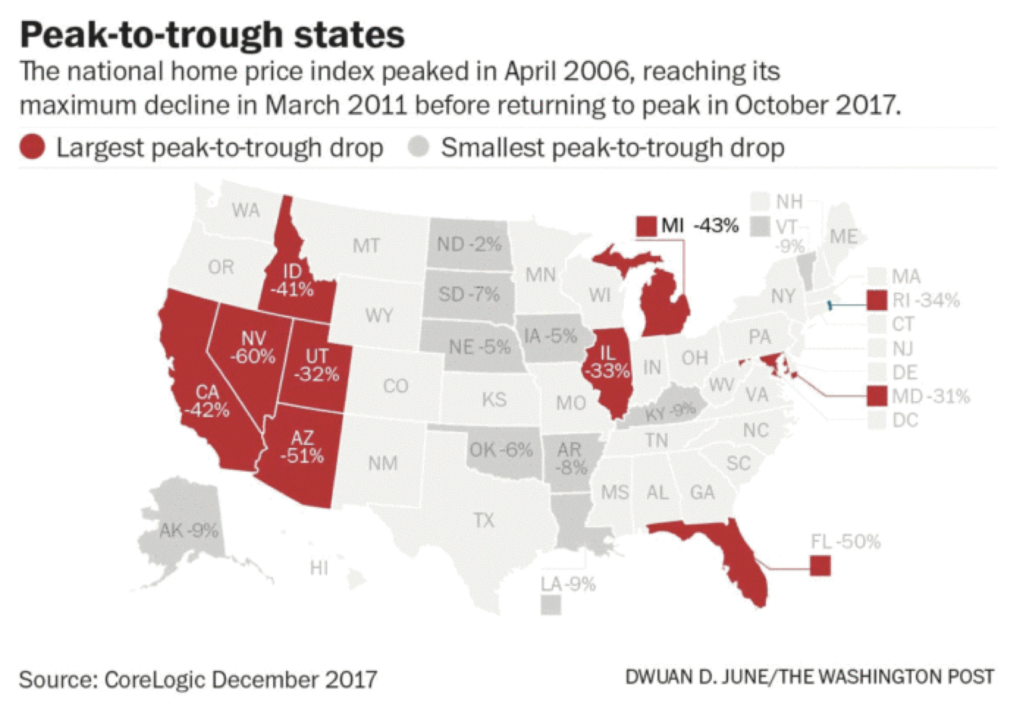
The great Recession of 2008 was a systemic failure in the real estate market caused by bad mortgages, rampant home flipping and speculation, and overbuilding all contributed to the last financial meltdown.
NINJAs (No income no job no asset) were being approved for multiple home loans on the belief that housing prices would just keep going up and these loans were packaged off and sold as Wall Street derivatives.
https://youtu.be/iDcbUAh731s
Today, it is difficult for even high paid professionals like you to qualify for Fannie Mae/Freddie Mac loans. Credit scores need to be higher, debt-to-income ratios need to be lower, and lenders verify incomes much more carefully. Join our Remote Investor Incubator and we can connect you with the lender that we use.
This time around, there is a growing demand for affordable rentals housing due to increasing population, less homeowners, and the constant separation of the haves and have-nots 🙁 the much-stronger housing market isn’t the driver of the crisis—it’s the effects from COVID-19 a medical crisis. It is a true Black Swan event.
What Could Cause the Stock Market to Fall?
A severe second wave of the Coronavirus
Insufficient additional Fiscal Stimulus (which would make the bad economic fundamentals even worse)
The possibility that the markets have already priced in all the impact that the Fed’s new money creation will have on stock prices
If the Fed signals it will create less than $120 billion a month, a new “taper tantrum” would be likely to cause stocks to plunge
A political crisis in the run up to or the aftermath of the November Presidential elections
Any number of other unforeseen developments
Is this a time to sight tight and not invest?
You could do this and make 0% on your money or load it into deals that make sense, tie up good long-term under 4% debt, and hedge against inflation as the country looks for revenue sources such as taxes or debt minimizers with inflation.
I have taken a “load and stabilize” approach to my investing where I…
Load into some good deals (one at a time or every few months)
See them stabilize (harden into recession-proof after a few months)
Repeat the Process
Some may even see this as the “dollar-cost-average” approach which is similar to what were taught in stock investing 101.
I have seen pricing on assets increase every year since 2009.
I felt what you are feeling back in 2012… if I would have stopped I would have missed out on another great run!
I felt what you are feeling back in 2015… if I would have stopped I would have missed out on another great run!
I felt what you are feeling back in 2018… if I would have stopped I would have missed out on another great run!
After seeing this phenomenon happen for a few times and seeing a lot of people who never got started, I realized and had proof of concept that as long as I go into conservatively underwritten deals that cashflow I am pretty much untouchable or going to do a lot better than waiting on the sidelines.
COVID19 came and I was a little worried to see how April and May collections were. But collections remained strong and came down only 2-8% across the 3,500 unit portfolio. In some assets, collections improved! Commercial real estate pricing was pretty much unchanged and experts say that at most Cap rates went up only 0.25%. (Excluding commercial retail storefront and short term AirBNB type rental who got killed)
Now, you can see where I am coming from in my neutral-aggressive stance.
Combine that with the fact that I am around higher level Accredited investors these days who have seen the ups and downs and they say NOW we see the separation between the faint of heart and those who take their family’s legacy to the next level.
Of course… don’t be silly and choose investments in good sub-markets and have sound underwriting to ensure cashflow.
Warren Buffet said “be fearful when others are greedy, and greedy when others are fearful.”
John D Rockefeller said “The way to make money is to buy when blood is running in the streets.”
The Fed has pretty much doubled down and planning for additional stimulus plans which is ensuring the nation moves past the current COVID crisis with Infinite Quantitative Easing commitments through the year 2022 and beyond. Get on this wave now!
We were able to get a lot of interior footage on Harbor Village units on this last trip out to Huntsville!
Also included are drone shots of all recently acquired properties.
2nd half of video is Garden Place and upgraded and non upgraded units in Treehaven which are our other class C properties.
Now what?
Let’s reconnect, huddle up, and get a game plan for you as this is we start to build a legacy!
If we have not connected use this link to setup a time to chat that works best for you.
The population is still going up…
Between 2010 and 2017, population growth averaged 5.5% for the US as a whole. Delaware boasted the highest growth rate, 15.3%, over these years. A state with a relatively small population, however, needs fewer new residents to achieve such a high growth rate. The double-digit rates recorded by Texas (up 12.6%) and Florida (up 11.6%), both high-population states, are therefore that much more impressive. There were three states that posted population decline between 2010 and 2017: West Virginia (down 2.0%), Vermont (down 0.3%), and Illinois (down 0.2%). – ITR – 19.02.28
Since I feel we are in the 9th inning of an 11 inning ball game, I decided to pass on a recent Class-A apartment deal in a secondary market.
Here is my thought process…
First off, Robert Kiyosaki has a saying: “There are three sides to a coin.”
People like to argue that it is either a good time to buy or a bad time to buy. For example, they say that “MFH” is overheated or commercial is getting killed by Amazon and e-commerce. I think these are mental justifications by tire-kickers who are scared to act. I mean really how many of these people are under the accredited status (not sophisticated) or have not obtained their “Simple Passive Cashflow number.”
Lane Kawaoka
Simplepassivecashflow.com Sophisticated investors still trying to grow on the edge of the “coin.” They buy deals out of the reach of amateurs due to the amateurs’ lack of network/knowledge. These opportunities are undervalued, with undermarket rents, with value-add opportunity. Sophisticated investors are patient; they don’t stray from standards that force them to get crushed in a market correction. (Cashflow from other investments makes this possible.) They invest following the macro- and micro- trends and don’t gamble on gimmicks such as guessing where Amazon’s next HQ is going or where the hurricanes just drowned a market.The trouble is that an unsophisticated investor or an outsider (in terms of having a poor network) is figuring out which of these deals transcends the two sides of coin and is on the edge. Stating the obvious (though often ignored by many)… starting out as an investor is going to be slim-pickin’s due to the lack of network. But you have to push through this rough part. You are not able to decode the noise until after a few deals or having someone mentor you.
Get the Right Mentor – Join the Incubator
Real estate is one of the best risk-adjusted investments out there. In private placements or syndications, we are able to crowd-invest in larger & more stable assets while maintaining control with operators who are aligned in our best interests. By going into a project properly capitalized with adequate capital expenditure, budget, and cash reserves, you are able to remain steadfast through softness in the market where rents stagnate and vacancy decreases.
(If you are starting out you should start with turnkey rentals even though they are much more 🎥 volatile)
Pause there. In troubled times what happens?
People lose their jobs and there is a bit of shuffling, let’s take a look at different the different property classes:
Previous
Next
Yea, people need housing, but there will be some vacancy as some people will lose their jobs and be displaced elsewhere.
Following this train of thought…
In a recession, the high end or class A will be hurt the most. It is Class A workers who fulfill much of he discretionary services. We are already seeing softness in rent by rent decreases in class A of the high-end markets such as Seattle and San Francisco.
For example a once $1,700 one bedroom is now $1,625.
Most deals model for 1-5% in annual rent increases or escalators. Other than the Cap Rate to Reversion Cap Rate truck, this is the second most manipulated assumption in investment modeling.
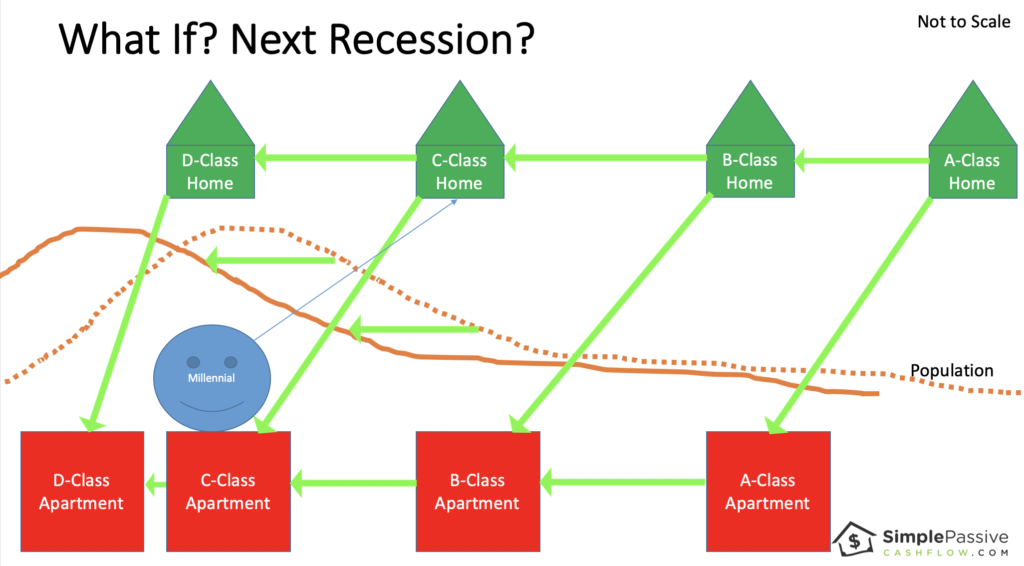
In this unfortunate but natural event, the A-Class renters will fall to class B housing. Some homeowners will even lose their jobs creating foreclosed investments for smaller investors in the single-family home scale.
What’s happens to the B and C class renters?
It is likely that they will also lose their jobs at higher or lower rates, but that is up to debate. In the same fashion as the A-Class renters, the Class B/C renters will downgrade to make ends meet.
I imagine this similar to a game of musical chairs (where the chairs are getting crappier and crappier). Or it looks a lot like the natural housing shuffle in the summer near colleges with people moving in and out. The landlord/investor is likely to see increased vacancy.
Multifamily occupancy varies from 85-95% in stabilized buildings. Some markets are hotter and some are colder. It is important to use the correct assumptions depending on the markets. For example, Dallas typically sees 92% occupancy while Oklahoma City sees 89%.
One of the reasons we love multifamily is because of the decline of the middle class and the need for more scalable workforce housing. [And those millennials can’t save] The population is increasing too.
[I like to use this image cause I make fun of millennials… this is the millennial version… cause they can’t seem to afford (or want) to own anything]
When I travel to Asia (which I see as a more mature society, for better or worse) there is a much larger wealth gap than in the USA. People are living in cramped apartments or very rare single-family homes. And they are driving a Mercedes on barely enough money to share a family moped. This is the trend that the USA is following.
As with many things, you need to look past the headlines and the general data. Instead of analyzing a whole asset class, as the media likes to do, let’s break down vacancy in terms of classes.
Here are some typical vacancy rates (notice the spread).
Class C 4.5%
Class B 5.0%
Class A 5.5%
Why? Because there is just more demand for the lower class properties because there is more demand than supply.
Many times the business plan is the be the “best in class.” For example, businesses want to be the best mobile home park or best high end remodel because you attract the richest customers in that niche.
I like to monitor the number of new units coming online because that is your downward pressure. It is rare that new builds are for Class C or Class B.
The micro-unit trend is an attempt to build for Class C and B tenants due to the need. But often the numbers don’t make sense when you have purchased the same building materials and mobilized the same crews to build a Class B asset as opposed to a class A asset.
Let’s go through that Armageddon example again.
Class A will have to drop rents severely and see great vacancy.
Class B and C will see vacancy come up too as people are losing their jobs but should see some absorption from ex-A Class tenants.
Mom and dad will also see some absorption as deadbeat son or daughter move back home.
Note: one can argue that class A+ will not be affected at all which I believe is true. That’s why we are trying to invest right to enter that untouchable status.
I remember when I sat through the same economic presentation at work from 2010-2014. The sentiment at the time was that it was going to be an extremely slow recovery. It makes sense that the length between the 2008 recession and now is very long which is why I mentioned an 11-inning ball game.
Previous
Next
This is why I took a step back from some pretty Class A deals because I asked myself the following questions:
1) What will happen to the rents if IT should happen?
2) Is the modeled 90% vacancy rate going to get blown up?
Class B and C apartments in strong submarkets will perform best over the long term. If you ensure the loan term is long enough so you don’t get hurt then you should Outlast the bumpy ride ahead.
Beware of the self-destructive behavior of not investing. You know what I mean… are you someone who self-sabotages?
Understand the micro and proceed if the numbers make sense.
I have to admit Class C and B assets are boring but work especially in a seller’s market because 1) they cashflow and 2) have a forced appreciation value-add component to give you levers to pull in tough times.
Again going back to Mr. Kiyosaki’s three-sided coin quote, investors go through three stages:
Do special projects such as Affordable house taking advantage of tax credits or specialized operators (ie take abandoned big-box space like movie theaters and convert to the latest consumer needs)
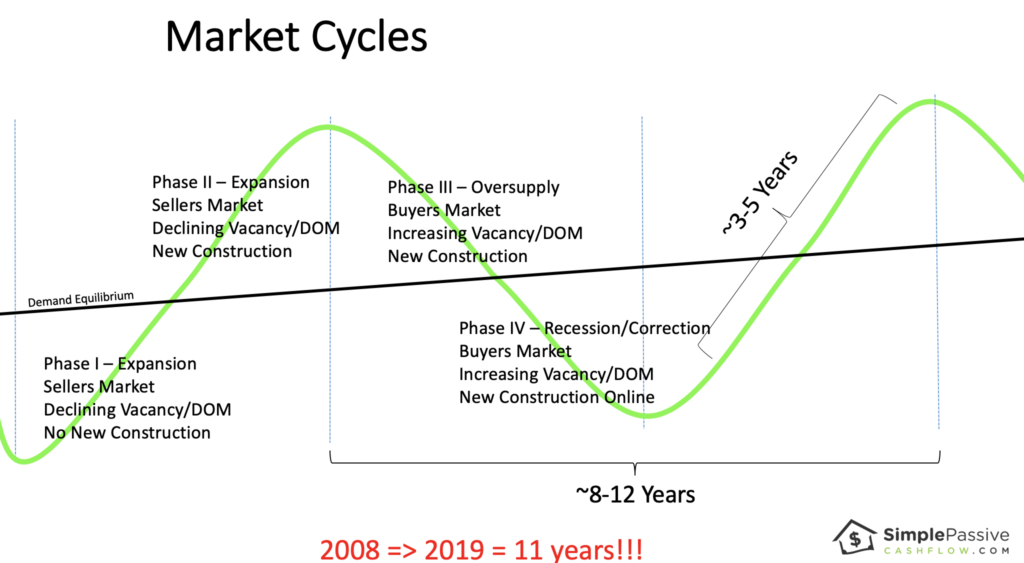
Experienced investors who were in the downturn in 2008 say its interesting that the sentiment in 2006 was exuberance that it was going to keep going up. Now in 2018 the sentiment is fear… This is a good thing. Remember that in this market we still have:
Historically low-interest rates
Historically high rent increases (not 8% anymore but still 2-4%)
Historically low vacancies
Things to monitor if you really need to geek out on numbers:
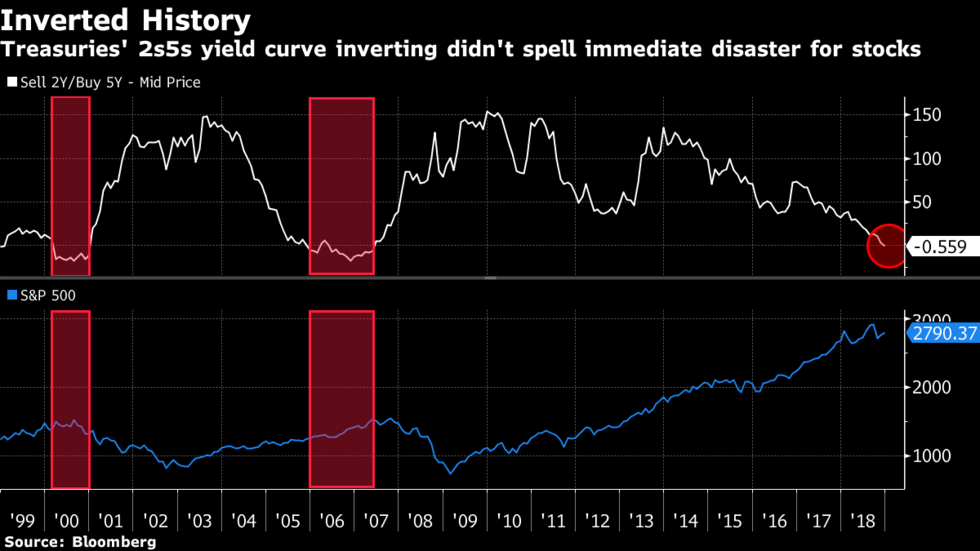
2 and 10 yield t curve. When that crosses you have just-a matter do time. Because its a measure of fear.
Automation and AI – huge shifts in jobs. People need to work but technology has been increasing since the beginning of time.
Wage growth
Bankers prospective: how deals are getting funded and by who (institutional or dumb capital)
There is a saying out there that real estate is location specific. However, when I invest in more stable asset classes it’s a National market based on the economy both USA and international. When you invest in a micro-economic fix and flips then it’s location specific. When you invest in commercial assets it’s with more stable tenants and based on the aforementioned larger economy. How affordable is rent really? – “During the same span, median effective rent nationally has risen by about 26%. That rent appreciation pushed the median monthly rent nationally to around $1,220 per unit to end 2018. With the US median household income being just over $62,000, this rent accounts for 24% of monthly income. Using the typical benchmark of monthly rent being 30% of monthly household income for affordability, a margin remains for renters.” – [If you stick to using 2% and under rent growths and stay away from Tier I or Primary markets you should be fine] – ALN 19.02.24 A lot of people point to the Yield-Curve as a big indicator. In the end, I do believe that real estate will go down because of consumer instability. But if you have stocks you should sell those before even thinking of lumping it into cash flow type rental real estate.
“The guy not investing right now and hoarding cash (with net worth of under $1M… because if you can live off your cash flow then cool you can do what you want) is just afraid and lacks deal flow. Its like the person who complains that there is nothing to do during the weekend in LA (insert city with a vibrant scene) when in actuality they don’t have any friends (lack dealflow)… and by the no one likes (has a bad attitude and that person who makes excuses”
Lane Kawaoka
Simplepassivecashflow.com
Doomsday theory: Everyone talks about national debt but we are far far behind debt to GDP ratio that of Japan. When Japan hits the wall lookout. Here is my theory… watch out post-Japan Olympics when they have to let loose the belt (after a holiday period of excess calories). Leading up to a period where Japan has to save face while they are in the Olympic spotlight (and I’m not being racist cause I am Japanese and it is a thing). I don’t have the latest data but Japan is at around 250% where the USA is at 100%. Household debt KPIs: student debt, car loans, housing debt. Which is why I like these assets that are used by the poor and middle class! #RenterForever Lane’s theory: I’d rather be in deals that cashflow today that do better in a recession like Class C and B assets. Say it cashflows a 8%.The guy who is stilling on the sidelines with the “hoarding cash” mindset will lose because they will make 0%.
Use our Remote Rental Turnkey Rolodex
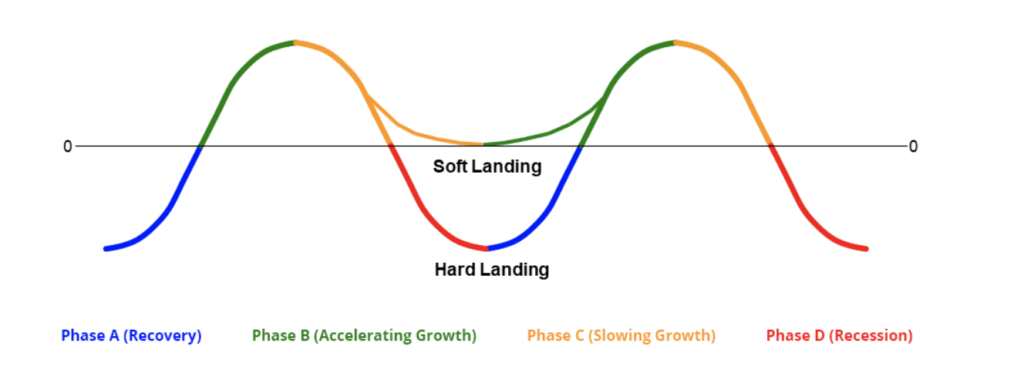
I, on the other hand, might dip from 8% cashflow to 4% cashflow. On paper, I might be in a market with compressed cap rates but hopefully, I have forced appreciation potential if I really needed to sell – the counter move is to get 8-12 year debt to effectively bridge you to the next side of the market cycle. In the meantime you cashflow 4% which is 4% more than the “hoarding cash guy”. In addition, remember back in the 2008 crash. 2009-2012 people did not know if that was the bottom and it was so hard to close deals in that Phase IV (see below). “Hoarding cash guy” in 2009-2012 and the few years after the next recession will likely be in the same clueless situations. Wouldn’t you like to be in solid Class C and B assets that continued to cashflow?!? 4% x 4 years is still 16% ahead! Now if you are “hoarding cash guy” with no deal flow then I get it. Saving cash is the best thing to do for the guy with no deal flow or does not know how to run the numbers. I guess everything does suck.
Previous
Next
[Investors are chasing for decreasing yield these days] – REI.com – 19.03.4
Previous
Next
[Sophisticated Investors know interest rates and caps go up and down together and their money is made in the delta between the two] – REI.com – 19.03.4
Of course, all the Pro-Apartment publications will say this: Get Ready: Recession-Proofing An Apartment Portfolio – National Apartment Association 19.03.7
But enough of this doom and gloom because most gurus out there call recession everyday just so they can have Tweetable content. And they make a living selling subcriptions to their $79/month newsletter. But we are better than the average investor! And understand that future softness could very well be slowdown before the next great bull market.
All right, everybody, this is the August 2021 fi market update. I’m your host Lane Kawaoka. But before we get started the free easter egg giveaway, and we are going to be giving away a buy and hold analyzer for rentals. This is you can use it in Google and Excel for explanation of all expenses for you to make your own performance and vet your own rental properties. For check performance given to you performer means means toilet paper, French, just get rid of it, analyze it yourself, run your numbers yourself and allows you to perform some sensitivity analysis on your own You can get access to that by going to a group putting in the numbers on the Facebook posts, or you can shoot me an email at Lane at simple passive cash flow calm. And, you know, I’ll send it over to you. If you guys want to check out more content on our Facebook group and listen to my podcasts, which has been going on since 2016. found on Google music, Spotify, e to YouTube channel is getting pretty big and robust now. We’re also on iTunes and iHeartRadio. Alright, so first things first, a little bit of teaching points for everybody had demick proof investing. How do you invest in stuff that won’t get destroyed in a pandemic? Well, things that are probably going to remain strong, as we’ve seen through the last few months, do my 3500 units that I own workforce housing. These guys still PE so Class C and maybe try and stay away from class C stuff but definitely the class VNA tenants, their paint, garden style apartments so a garden style apartments are these are the two story or 123 story apartments where it’s sort of think of it like a motel where you drive up to, it is not a high rise apartment. It is sort of medium to light density. And for those people who are unable to afford a house, everybody says they want to you know, get away from other people and have their own house but very little people in America can afford houses to live in. garden style apartments are the best of all worlds you have your space. It’s pretty affordable for them and this is why I choose to invest in these type of card itself apartments and other medium dead suburban locations that would be not in the urban sprawl, urban area, the downtown area but mostly in the suburbs. Areas maybe right near the loop track you know 20 to 30 minutes outside the city center things that I stay away from our elevators you just can’t socially distance in an elevator that’s urban areas of things with no cash flow right because they think you’ve seen an epidemic that things that aren’t producing income to pay his expenses are going to get hurt a lower end tenants and this is where I said you know, maybe stay away from class C tenants definitely Class D and worse. That’s always been a fundamental that we followed a short term rentals are getting killed. Although I hear a little bit of resurgence and some of the some areas of Florida as people there’s some pent up demand coming back online but you know, if you live in Hawaii, you’re getting killed with these short term rentals and and that’s why I told you not to do them in the first place. Pro tenant states. So these are like the California these other places love blue states where there’s more tutorials on no evictions offered A space you know, a lot of tech workers and a lot of them are just told that they may not even come back to the BDM next year if if ever, a lot of people have just told their employees just to work remotely from now on San Francisco Bay Area’s getting killed. Again, this is why we chose not to invest in these type of primary markets. JOHN burns came up with a report and the question is, are you or do you know anybody else living with their parents? Well, they came up with this little stat that for those adults ages 23 to 30 living at home what’s your mom and dad has drastic be bingo going up 30,000 people in March, and then in April a million people and then may another million 1.1 folks moved in with the parents so that is on the rise. And that leads us to a read cafe article or the takeaway here was a quarter of renters now say they will never buy a home. So if you’re looking at This in the YouTube channel you’re seeing and that cool little chart where they surveyed about 7000 renters in May, you know a lot of people just don’t plan to buy a house, you know, I don’t, I don’t buy a house to live in. And if you’re living in a rent to value ratio under 1%, I would urge you to do not buy a place to live in, but instead, invest that money. Check out my article, simple passive cash flow, calm slash home talking all about this very controversial topic, but look at it this way, right? You don’t spend money on a big down payment, and you go out and invest that money and you make cash flow. And it’s basically an arbitrage and I know everybody teaches you otherwise. And I would say for most people, it makes sense because most people aren’t finance financially responsible. So home is sort of a forced savings account for them because if they didn’t put the money into a mortgage that got locked up, they probably spend it but you know, those of us who kind of follow our group are of our tribe, simple passive cash flow, folks, and we’re pretty responsible for our money. We don’t spend our money frivolously. So for those of us it probably makes sense to rent our primary residence, use that equity to go and buy assets and then you know, we don’t have that big mortgage payment, and then we can go out and buy more properties or syndications quicker. You can also probably live in a nicer place to the whole thing of homeownership, I think is a little overrated, but just to just hear giving ideas right, full map of estimated net worth of everybody who every person, each state who is the richest person, so Mark Zuckerberg is at 1 million billion dollars in California. Washington have just Jeff Bezos hundred 17 billion boy is pero dahmer. I don’t even know who that is. A Alice Walton 51 billion. We have a lot of Texas people. Some no We have with some people in Maryland in DC, Ted Lerner family. Ray Dalio is up there in Connecticut at 18 billion. Yeah, a lot of us in our group are California, Oregon and a lot of people in Oregon Phil Knight, and family 40 billion other folks on the west coast. It’s kind of a fun, a fun article. They’re most and least affordable cities from home ownership. It’s kind of a no brainer here but in graphical representation from NAR realty data, the West Coast is probably some of the most unaffordable areas but in there The worst is San Jose, California. And one of the better areas is Spokane, Washington. And I think we have actually a participant from the area of Spokane Washington, shout out to FM is listening. So we like to invest in the south and south east. Phoenix is one of the least affordable places in the south south Phoenix is actually pretty good market, in my opinion, and it’s not too expensive. A lot of people from California move out there. But in terms of the South, it’s one of the more expensive places. Amarillo, Texas is one of the most affordable ones. Kind of a nice little, little fun map to see where’s the nice places to live. And I took a screenshot of some of the chatter that’s been happening in our private Facebook group, or I’m seeing people move out of San Francisco Bay Area lower cost areas in Campbell, California since COVID has enabled them to work remotely. Real Estate seems to be picking up in those areas of Sacramento or El Dorado County, is you don’t get much more for your money while still being you get a little bit more for your money while still being relatively close to the epicenter that is San Francisco and San Jose. Another person commented rents on average in San Francisco are down 12% Because as much as 20% in some areas now, that’s just one person from the UI. But to be honest, I go, I use my network a lot. I mean, a lot of you folks are my eyes and ears out there. And hearing stuff like that is a lot more reliable than what you can find in the news a lot of times and you know, nothing beats going into Facebook marketplace and seeing what the rents are doing, especially for someone who’s been following up on it, and kind of watching it watching the needle. Like a lot of you guys have this data that we read from these news article, there’s quite a bit of lag, typically, where saving for a down payment is the slowest, Hawaii, District of Columbia and California. These are three places where the median home values in DC and Hawaii are a little over $700,000 That sounds about right. I mean, you can’t pick up a house here, away. I mean, yeah, you could pick up a house but it’s gonna be kind of crummy for 600 grand Hello. Foreigners just under $600,000 median home value, if you working with a down payment of 20% time to save for a down payment is 9.1 years for Hawaii, 8.7 years in DC and 7.8 years in California. So if you can save up enough money to buy a house, well, there’s only 3030 or 20 more years you have to work more than likely. So I asked the question why buy in these kind of places to be honest, this invests, but I’ve been told I need to be a little bit more less controversial. You know, if you can’t save your money, then please buy. If you can invest, I think I think you’re going to end up better off than the most. Both day housing news reports such senior housing occupancy slips to an all time low. Now a lot of you guys have mentioned to me that, you know, you see senior housing, the trends, they call it the silver wave. I totally agree with you guys. So, senior housing is going to be in a huge demand assisted living. But I don’t think the silver wave is quite here yet. And it’s a very hard operational asset class. And to me, it shouldn’t really be in the real estate category. I mean, it’s an operational business to me, definitely not for mom and pop investor to operate in a mom and pop operator could possibly invest in apartments and be okay, but definitely not senior housing. The occupancy fell 2.8 percentage points in the second quarter dropping to 87% to 84%. So yeah, this I mean, this is some of the fallout from Colvin, senior housing, I wouldn’t want the liability of that right now. Commercial Property executive reports that the top five secondary markets for self storage default, I’ve been looking into Self Storage lately. I haven’t jumped in quite yet. I originally, you know, one of my things I don’t quite like about self storage is to have You can develop this stuff so quickly and typically you don’t compete directly with what you’re doing. Yeah, there’s not really any class B or C till storage out there like how you buy Class B and C apartments and then when a Class A apartment or a house, a self storage company comes online, it’ll compete directly with you whereas like, you know, we’re buying Class B apartments and in a class A apartment gets split across the street. Well kind of competes with us but not really we’re you know, you’re in a different category for customers. But on this some of the top five secondary markets for self storage development, Augusta, Providence, Knoxville, Rochester, Rochester, Springville, self storage, I think the appeal there is you have no tenants in you know, they have no right it’s just stuff that you’re not going to have any it’s going to take a lot for there to be some laws against no evictions or kicking you out on the street for that. So that’s, that’s why it’s very in favor of the landlord or the operator. Not all markets have come down a little bit since COVID kind of cooled off the market and temporarily, co stars reporting the Huntsville apartment market rising remains resilient and dynamic. But little graph of the same store asking rent just keeps going up through what was called Mr. March in March. That went up from 93 cents to 95 cents or in that market. So I can fully attest to that, because it just keeps going up in the stronger markets. I think part of that is just job growth. On the contrary, Jacksonville found the multifamily Market Report is seeing a little bit of a slide 30 basis points in rents in the last three months. Well, some people you know, some of my peers that have deals in Jacksonville saying that their deals or aren’t seen this, but you know, this is just big data, right? We’re trying to share On a market, commercial property executive also reports construction costs decreased for the first time in a decade, the covid 19 pandemic, and increased competition among contractors are key factors behind the client. So you know, as, as a lot of operators are, are on contractors or developers builders are kind of taking their foot off the gas pedal in terms of future deals, they might also slow down into existing ones too, and, you know, less competition coming online and generally kind of slows down the pace of construction and that ultimately impacts the contractors I think you would have asked this about six months ago you know, one of another reasons why I don’t like doing that silly first strategy, which is too much effort at too much risk is because much of the last few years has been a contractors market, right contractors, any if you’re not a contractor and you’re not working, something’s wrong with you. It’s hard to find contractors up to this point because everybody to work in. It’s really hard for unsophisticated new investor, especially when you’re trying to do it remotely, to find people good people to work with. You know, you got a question, why is this person not working and want to work with me? Well, maybe you’re paying a stupid price to that could be another thing that’s very typical revolt. Investors. Now, now, it’s kind of a good news, right, generally, you know, things are kind of cooling off less competition. So now’s the time to go and build right. I think a lot of newer investors are scared, right? This is the time where you can go in and you can do get this work done a lot cheaper. You know, overall, unemployment is higher. Now these construction guys, the jobs have been absorbed. yardie came up with a report on multifamily and I’m just going to read some of the key findings here. The US multifamily rents decrease by $2 in June, you know, not that much falling to an average of four 1300 $57 and this is all inclusive of you know, ABC class average rents just continuing the four month trend of declines which makes a lot of sense right? I mean went to dang pandemic, you’re expected you know rents to retrace a little bit. Average us rents declined by point 8% in the first half of 2020. And then point 4% in the second quarter. This is a stark contrast from 2.6% rent growth in the first half of 2009 and 1.2. A most people will argue that on average 3% is annual rent increase per year. That’s kind of just follows a pace of inflation. If a market is super hot, like how Dallas was in 2013 and 14 or how Phoenix has been lately, you can see a big pop you know, a market you know, Mark get more of like a MSC, of like a spectral Five to 7% a year. So to see a rec growth of almost zero, that makes sense when this is going to happen from time to time. And this is why on those annual rent escalators, you don’t want to see something too high. I don’t be underwrite more than 2%. Typically when I’m looking at deals, you know, I’m assuming it’s going to go up a little bit, but I want to under pace inflation, which is typically thought of as 3%, where the losers will, it’s the West Coast and tech home markets, as we were saying, hit the hardest in the first half of 2020. That’s the beginning of the year, rents are down 4.6% in San Jose and 3.8%. In San Francisco. Our business online reports that us multifamily originations to decline 20 to 41% in 2020, says Freddie Mac, so all this is is less people are doing deals and yeah, I mean, the last three, four months haven’t really seen that. Very much come through the inbox, probably I would say, unscientifically, I would say maybe a 10th or, you know, 20% of what kind of volume of syndicated deals I see has been coming through. Part of that are that they think most, most investors are just freaked out and scared and people can’t raise the money for it. Part of another part is that, you know, Fannie Mae, Freddie Mac, and they kind of lead a lot of lenders. They’ve kind of restricted a lot of the exemptions they will give that makes these loans extra extra sweet for syndicators and investors. We are at all time, interest rate lows. If you haven’t been seeing this, probably been living under a rock. But yeah, we’re seeing in the multifamily space like 2.9% interest rate is obscene. It almost makes sense for people to buy lukewarm deals, right. I mean, Think about it like this, it’s not going to be a sub 3% forever. If your cash flying like you want to lock up all this good debt now, I mean, there’s all signs point to inflation, how else are you going to pay for this three, four or five $7 trillion of stimulus that’s coming. If you have a primary residence, you might be looking at refinancing your home, but I would be careful, right? Because these lenders are really tricky. They love to get these origination fees typically 1%. So they’re always trying to trick you guys into refinancing. I’d say be careful, right? If you already have a low percent mortgage under 4%, I mean, it may not make sense. Remember, like if you had a 30 year mortgage and you know a few years went by you have 27 years left by them refinancing you again, they put you into a new mortgage. So what you really want to do to compare apples to apples is to say, hey, run my run my numbers, I want to put it as a 27 year mortgage. So I can Compare it to the monthly payments, and I want you to make it a no Fee Loan. Now you these guys can play around with the points and fees. And a lot of times they’ll make it a no Fee Loan sitting. So yeah, see it’s no fees, but then what they’re doing is they’re increasing the percentage slightly. So if the base would be was like three and a half percent, they might increase it to 3.75 to make it to take out their fees there so they could get paid. These buggers are tricky. So do the math for yourself. And if you can’t do the math, find a network and you know, we talked about this stuff in our mastermind all the time. I would say if you’re looking to stay in your home for a long time, more than five or 10 years it might be make sense to refinance it but yeah, if you’re not make sense to just sell the asset now if it’s not a good rental property or and get the equity out now, or just let the mortgage ride for the time being and and I’m avoid pain those friction costs which are those loan origination fees
been investing with hp since 2017. By distressed mortgages and discounts to offer struggling families sustainable solutions to stay in their homes or homes were vacant. HP recognized that lenders frequently struggled as they tried to limit their losses. That’s why owner George Dewberry founded pre aureo, a platform that gets these vacant properties into the hands of local investors like us during the foreclosure process, which mitigates losses to lenders and accelerates returns for investors. Winwin I’m very excited about this platform that connects local investors with board appointed receivers in their area to cost effectively repair, lease and maintain and rent vacant homes during the foreclosure process and ultimately make a profit. I’ve been checking out local properties here in Hawaii and I think it’s a great way finally pick up my home to live in. Even though I think home’s the buyer on all the best you can live with About pre Rio by going to simple passive cash flow calm slash v. Rio.
Sam Zell, this is a smart guy. If you haven’t heard of him, you should probably Google him. But he’s kind of like a czar of investing. He’s less known than Warren Buffett. But he’s, he probably invests in more like more trends. So I think he’s one that a lot of people like to follow. But he’s kind of predicting a U shaped recovery likely beginning in the fall, saying we basically improve someone I think that we’re going to have some kind of slow period improving toward the end of the year. That’s very different from a radical Vshape. Again, he’s he’s kind of thing it’s going to be more of a U shape. So Sam cells, you know, he’s invested in I think he was one of the first guys to jump on the mobile home park bandwagon. But yeah, smart guy and a good person to kind of follow see what he’s doing. And, you know, I think a lot of people will say, Well, yeah, Sam’s They’ll says in the fall, start investing in the fall or shortly after like, no, that’s not, you can’t do that, like you kind of miss out on some of the best bull market. And that’s all I got to say about that. This take a little break here for another giveaway. The other second easter egg here is amortized mortgages suck. You want to use your key lock, if you’re looking to pay off your mortgage a fraction of the time do you want access to this shoemoney McClendon simple passive cash flow after joining the club, if you have not a part of our investor club, go and join that simple passive cash flow calm slash club, but this is the mortgage rate arbitration game where you’re using your healer and you’re paying, you’re paying down your amortized loan with simple interest. And trust me this works. You would say I read a little process here. You can probably read this on the YouTube channel or on the video version, but If you guys are listening in the podcast form, just go ahead and shoot me an email Lane at simple passive cash flow. I can give you all the tutorials and videos on this, but it works. You, you pay off your he lock, you replenish it with your cash flow, and then you magically your mortgages gone in like five to seven years. Sounds cool. But I would caution a lot of people like the strategy is not for everyone. And it is nothing compared to actually investing in good hard assets that pay cash flow. And I think this is where a lot of people get confused, right? They’re like, well, I want to pay off my debt. Well, paying off your debt is not aligned with financial freedom. In many respects, debt is the best part of this whole thing. Like I said earlier, inflation is going to be going up because we have all this free created money, especially in the last few months. What the government is going to do is just inflate the money supply to make their deaths. smaller portion. So what you want to be doing is grabbing as much hard assets that have good debt associated with them. So you can pay it off with future money, whether that is buying a rental property or going into a large syndicated deal at 2.9%. I mean, it’s a no brainer. Don’t take your money. Well, I’m not saying don’t. But if you want to be smart about it, and you want to do the best strategy, in my opinion, don’t take your money that you have in a HELOC and put it to pay off your debt. Again, the debt is is you want that you want to lock up but you don’t want to go pay it off. Instead, take that keylock money and go buy rental properties or go into leverage deals with that. I talk a lot about this in the tutorial. It’s somewhere on my YouTube channel. But if you guys can google it on there too. And a lot of people just don’t understand it. The thing they want to be debt free, which is you know, I guess that’s that’s One thing I think they’re getting it confused with consumer debt, right? Like, you definitely don’t want to be leveraged on your credit cards at 20%. But when you have to read a 5% interest rate on assets that produce income that’s you want to load up on that stuff as much as you can get. I wrote an article on Forbes on this, you can check out at simple passive cash flow calm slash debt. So it’s a very big paradigm shift. Of course, if you haven’t checked out we created a new spin off group for new investors looking to pick up their first few rental properties or remote rentals. turnkeys. We are starting that on August 15. Two if you want to join, go to simple passive cash flow.com slash incubator. If you’ve got any friends who’ve been bugging you, about how you’ve been investing in real estate, and tired of bugging you, and you just want them to work under our umbrella with the people that we’ve worked with in the past, they don’t have to go around and blind date a whole bunch of providers. brokers, this is the group for you. But if you’re more of an accredited investor looking to get associated with our, our close knit inner circle, check out the simple passive cash flow, passive investor etc and master mastermind simple passive cash flow calm slash journey to learn more about that we’re transitioning over into my personal section of the monthly report. And for those of you guys have are on watching, if you guys have any questions, feel free to type it into the question answer box and we’ll kind of get to at the end. But these are the six tenants that I kind of rolled through every month. First one is growth. I’ll be honest, I hadn’t really done much part of this month was me stuck at home because I had gone to Birmingham, Cleveland and Dallas. And boy still has this two week quarantine rule where they actually did text me to see if I was at home. So I got this basketball that’s connected I don’t know how it’s done as some kind of electrode in it, but it’s connected to this app. So I’m trying to get better at dribbling the basketball. sounds silly, but trying to play out these things. It’s fun to me trying to get some hobbies. How did I get a little bit of contribution to my life? Well, if you missed it last Saturday, I spent six and a half hours and I drank two coffees to educate a lot of investors who are looking to pick up their first few rental properties. Who is a no BS, no frills, all education, training. If you guys would like to get access that shoot me an email, I might package it up into the E course. Or actually we’ll go into the E course for remote investors. So if you guys want access to that, go to simple passive cash flow.com slash incubator two, you can just buy the course right there, or we’ll probably do as a package up these videos hopefully in a smaller product. Yeah, probably sell it for like 20 bucks or 50 bucks just enough for you guys to not just think it’s worth nothing and it’s free. Significant. So we closed 179 unit deal. Yeah, the second one this year not too many deals this year with all that’s going to be going on but we got 3.1% Freddie Mac non recourse debt. Amazing, amazing 3.1% this deal was more of a yield deal. Not too much value add, but in a great area of Irving, Texas. I mean you can’t go wrong with this thing. I mean, you know, again, it’s a yield play. So your plays are not a heavy value add. It’s just, it’s cash flying day one. And you know, it’s 97% occupied. Yet To me, this is kind of like blue chip stock in your stock portfolio, except I have no stock. So for me with my 100% alternative asset portfolio, this is some of my very conservative side of my portfolio. How did I create it? uncertainty in my life. Well, I don’t know, if we’re going to be doing a 2021 we mastermind in Hawaii. I still think we’re going to do it. But you know, with the whole second wave going on and everything, you know, we don’t know I’ll probably decide here in the next couple months. But uh, yeah, I mean, check out the video we did on the last year’s one simple passive cash flow calm slash, who we three if you guys have any feedback, you guys really want to have it? Let me know. Maybe we might even do like a smaller one. Maybe that’s a safer way of doing things. Just keep it small hundred I have searched at my life will workforce housing works. It works. I gotta admit, through April and May I was a little worried that people weren’t going to pay the rent, but Dang it, they paid they paid and now I’m even more like confident in this overall strategy of investing in workforce housing. What is workforce housing? Well, that’s Most of America, right? Dang it like doesn’t that makes total sense to invest in something where the majority of people in America need that product. So yeah, workforce housing, we’re pretty confident that and i’m actually going after more higher risk projects these days, because I’m pretty confident in the backbone of my portfolio. Again, I’ve talked a lot about this, you know, these days, you can either be in a more cash flow play and maybe see an equity multiple, two times your money in five to six years with cash flow with, you know, cash flow is great, but you know, it’s, it’s kind of slower, right? Cash Flow is cool, especially when you have a day job to leave your day job. But, you know, legacy wealth is created with no more risks for exponentially more return. Right? So that’s the, that’s where you take nothing, a raw piece of land, and you put a building on it, and you rent it up. These development plays and you know, this is where I’m learning that these accredited families. This is where they live. This is this is where they create that legacy wealth. They don’t need the cash flow, they could care less if they invest 50 or $100,000. And they got a couple grand every quarter. They don’t care, don’t care. In fact, it’s kind of a burden for them. They’re coming in wondering like, what’s this? So my direct deposit statement? And I think the reason why they like development deals is because it’s a shorter time horizon to they get sort of instant feedback, good or bad. Right, and then they can move the money into the next project very quickly. But yeah, I mean, as investors, you have choices, and you have to set a line with your investment philosophy, but me personally, I’ll probably still do a majority of my stuff in cash flowing plays workforce housing again, but trying to go after some nice home runs here and there. How do I get a little love and connection in my life? Well, last weekend we celebrated here in Hawaii. We did a little get together with a few of us here in Hawaii and celebrated the closing of the last deal. At some wine has Some food it’s nice to get around real people not that hang out with my wife every night wasn’t getting boring, but it’s nice to get some different players in the mix. People is all what makes a difference. And relationships is the currency of the rich, I would argue have the right people write some new podcasts and articles that I released this month we talked with mythic markets.com who allows you to invest in geek stuff like Spider Man comics magic cards. I’m waiting for Thor’s hammer to come out. Actually, I mean, like look like a lot of people say that when I bring out something on the podcast. I’m immediately vouching for them. I am not doing that. Just because I bring someone on the process does not mean i think that they are safe to work with. HP is different, right? HMP is a sponsor of the podcast and they brought out number two right here. The person reo service. I definitely believe in hp. You know, personally knowing the owner George Newbery there, if you guys want to, you haven’t got a copy of his book, let me know. I think you guys can get that. It’s simple passive cash flow, calm slash hp. And you can also learn about pre reo there at simple passive cash flow.com slash pre reo, but p o is kind of a cool thing I’ve been looking at there every month or so see what’s around my local area here in Hawaii that I can pick up pre reo, REO properties, if you don’t know our properties that someone has run in tough times and are in foreclosure. The pre reo are the properties that are owned on the bank that are typically in judicial states where it’s harder to collect in general. So the bank is just like Screw it, we’ll just sell it pre reo. So by going through the service, you’re able to jump over a lot of mom and pop investors and they have like a nice little feel There. So check it out, you know might not be for you, you might be a passive that actually you might be a passive investor. But this might be appealing because you wouldn’t buy something that you don’t live near that you can’t check that you don’t have a competitive advantage. So I would say it’s a great way to find a primary residence, political prop bets. predicted.org did a little review on that. This is a cool website. It’s kind of for fun, you can bet on the election. And I think you can only bet up to 1000 bucks. So it’s kind of play money. But I use this as a means to figure out who’s actually winning in the polls. Because the people it’s a very small sample size, but the people who are voting on you know, who they think is going to win is actually putting up money so it’s not like, you know, most office bets or opinions where Yeah, people have an opinion, but very few people put their money behind that. Check out the website, not saying that it’s safe or anything like that, but it’s a cool place to To see, you know, different election how things are tracking in one place. Number four here investing in fine wine so very much like the mythic markets.com company these guys invest in real lots of wine. Actually, this one’s more appealing to me. I think, to me, that’s kind of cool. Owning a winery or investing in fine wine. And it seems more cool to me. You think? I mean, whatever floats your boat, right? So people, it’s like sports cards that has been kind of on the uptick this past year, especially with the land stance and everybody’s stuck at home. I also wrote a article on due diligence again, you can get that at simple passive cash flow, calm due diligence, which is just a sample what’s in the passive investor accelerator. And we’re also putting together a lp guide syndication course. So we’ve collected all the notes over the past couple years, I’ve taught people and putting it all into Nice ecourse so if you’ve checked out the new remote investor ecourse that we launched last month, this is going to be in the very similar format. We also had a live coaching call with another credit investor lawyer. So if you’re a lawyer or you’re another credit investor, check that out. People like those. If you go to the YouTube channel, there’s a section there with all the past live webinars, a live coaching calls, that you can vicariously live through other investors in Hawaii, and self directed IRAs to invest your retirement funds. We kind of talked about, you know, when is it not good to use an IRA or a QR p? I’m not a big fan of retirement funds. I don’t have any. I work with clients that we kind of strategically withdraw to retirement accounts so that we’re keep one eye on our AGI level. So we don’t pay too much taxes because when you take out the money out of your retirement accounts, you it comes up as a active income generating They’re some of the issues I’ve been running into is not enough reading time. I’d like to read more books. Some cool doodads I’ve been buying I bought this like stream deck is a total geek item. But if you’re at your computer for more than six hours a day, you might want to think about getting this. So what it is you can it’s it goes next to your keyboard and it’s a hotkey pad. So you can program each of these buttons and each of these buttons is not just like I thought it was like a little sticker you put on there but it’s like an LED screen and each of these buttons you can program it based on what program you’re and and it’s pretty amazing. It’s pretty cool. Like I mean mines is super basic. I just have cut paste copy, reply to email, archive email, TV, email, close the window, trash this thing go to this website, play my music, undo but you know, time is money and this is really cool. This this got created by a bunch of like gamers if you guys haven’t heard of Twitch and the eSports revolution This is a byproduct of that. Some of the lessons learned here I be very careful not to offend anybody here. I don’t mean to but you know, with all this pandemic going on you were mastered, do not do when the country right, it’s very left versus right. And one thing one truth I understand is if you’re on the left, you can’t see the right if you’re on the right you can’t see the left. It’s It’s It’s amazing as I travel throughout the country as I go and travel and in Huntsville, and Cleveland, how different people are in places like California or the East Coast or Hawaii. It’s It’s amazing. People think that America is one united country, we are a country of 50 individual states, some states are very divided amongst themselves. And you know, I think we all see a little bit of like schools opening what do you do, right, I think I think this is the time where we all need to have a little bit more compassion towards everybody. I mean, nobody’s gone through a pandemic. I mean, we’re all trying our best. And you know, there’s no reason to get all emotional on each other. You know, it is what it is trying to be safe and don’t take things too personal. Join our book club, simple passive cash flow calm slash lien hack we are reading what would the Rockefellers do, which is an application on how to use infinite banking? If you haven’t heard of infinite banking go to simple passive cash flow, calm slash banking, but if anybody doesn’t have any questions into the channel, you guys can type it in. So someone asked here on the YouTube How do you invest in these apartments? Well, it’s just like buying a single family home rental, but add another couple zeros on to it. But a lot of these apartments are very big right inaccessible, most investors so popular method for purchasing apartments is a syndication model. So the analogy I like to use is an airplane. So in the airplane, you have a cockpit of general partners to operate or sponsors were these are the guys who find the apartment, they find the lending, they put the lending in their name, they operate the deal, they make distributions, they kind of do everything. And so passive investors are able to board the airplane, invest in the deal as a passive investor, LP investor, and typically just invest a small sum of money of anywhere from $25,000 to $100,000. As the minimum investment and buy in as a fractional share of this airplane or apartment building, of course, when that happens, securities laws are triggered. So it’s important to have a good lawyer to create documents so that passive investors are protected and general partners are protected to know as soon as you bring on a passive investor, you’ve triggered these securities laws, because why is the is the federal government involved in sec well You’re essentially taking an asset and you’re breaking it up into fractional shares at that point. It’s not like, you know, you have a property and then you know, you partner with a buddy. And you know, both of you guys have collateral. In this case, you’re handing out fractional percentages ownership of an LLC that owns a building. So in the other case, where it might be okay, because you have title to the property, when you do a syndication, passive investors, they don’t have title to the property. They own a fractional share of business, again, an LLC, in a lot of cases. So it triggers securities laws. So passive investors are able to invest, you know, typically around $50,000 and invest in a couple few dozen, you know, firstly stuff a few, but then they grow it to a few dozen properties and assets. And this is something that I learned a while back after I had 11 rental properties, you know, I realized that rental properties just aren’t scalable. You’re going to have a lot evictions, you’re gonna have a lot of things that happen, even if you have property management to deal with all your issues. So that this is where I joined different mastermind groups got around higher level and accredited investors. And I realized that this is how the wealthy invest as private equity investors. So they’re close. They’re, they’re aligned with the operator. They’re not just, you know, investing in retail investments. I think that’s the main thing, getting away from all these like mutual funds and other options that have huge, huge hidden fees involved and getting more closer and cutting out the middleman. And that’s what this is all about. But there’s no more questions. We’ll see you guys next month. And you guys can access all these paths, monthly updates at simple passive cash flow calm slash investor letter, and we’ll see you guys next time. Bye.
This website offers very general information concerning real estate for investment purposes every investor situation is unique. Always seek the services of licensed third party appraisers and inspectors to verify the value and condition of any property you intend to purchase. Use the services of professional title and escrow companies and licensed tax investment and or legal advisor before relying on any information contained here. Information is not guaranteed as an every investment there is risk. The content found here is just my opinion and things change and I reserve the right to change my mind. Above all else, do your own analysis and think for yourself because in the end, you’re the only person who is going to look out for your best interest
Newer investor asks, you know, what are some things that I look at when I look at, you know, help people get some turnkey rentals or getting started, I wrote a few here to new roof and new h vac. We also like to try and get this sewer inspection line done. And then of course, a lot of safety issues that are kind of easy to fight on those inspection reports. In the E course, we have some videos where I walk through inspection reports and kind of notate what we’re going to ask for we shoot that email over asking for a little bit of a seller concession. And it’s important to ask like reasonable things such as safety, right, like electric outlets, not polarized or broken window or something like that. But you lose a lot of reputation when you start asking for really stupid things like oh, this step is not exactly level with the other stuff and it’s out in the back porch. I don’t really have any opinion. On basements, sometimes it can be just have to check if the square footage is counting that basement or if it’s considered another bedroom because you can’t just go off of the spec sheet of how many bedrooms it is. And with a lot of these turnkey commodities, the number of bedrooms is a big factor. For example in Birmingham you know if you have a three bedroom, two bath you’re probably going to be looking at anywhere from 800 to 1200. But if you get that fourth bedroom in there, now you can bump that up another couple hundred bucks either way and a lot of that is especially due to like if you have section eight, those coupons are are usually you know, lined up where they can get their coupon goes up and down. How much the government covers based on how many bedrooms is a big determining factor and not really the square footage and you know, with the bathrooms I would say it’s an extra perk but you know, having us two and a half three bathrooms doesn’t really impact the rent prices being brought in. I would say if you’re trying to sell the property You probably don’t want to have a one bathroom in there like a three bedroom, one bath. This is just somebody who wants to live there as a primary residence and really take exception to that you can’t have a family really with one bathroom. You know as you get more bathrooms is more and more things to break, more toilets get clogged more more things for you to fix, prefer all electric, no gas, something. Another thing to think about is section eight tenants. They don’t like a separate gas bill, they’d rather just pay one bill with electric and a lot of that has to do with section eight tenants don’t have the best credit and a lot of these service providers will need them to run their credit to get it in some lower end properties like C and D class apartments. It can be an added service to have the owner Austin in that example, to pay the utility bill on their behalf and sub charge them a little bit more than what it normally is. Just So that we’re covered because the tenants they can’t get a electric account in their name or they might have to put down a bigger down payment, which they don’t have. So it’s all about figuring out who your customers which could be a Class D or C tenant in that case and figuring out what they want.
If you get a good tenant, they’ll stay in there for a long time. And that’s really very magical moment when that happens. This
0:08
is a story about a dude named Lane he moved to the mainland and bought one place to stay. And then one day he went try to rent them out. And then he became one real investor Tell me
0:22
a simple passive cash flow listeners. Today we are going to be doing a live coaching call with a physician who is fits in the category of a lower net worth but a high salary. Definitely be on the road to being an accredited investor here in the next few years. Introducing JP Kim who took me up on the offer to record their coaching call, which is still open for folks and if you guys haven’t connected with me, please sign up for the investor club at simple passive cash flow comm slash club and I reach out this cam. Thanks for doing this. I want you to give folks a little bit of quick background on You know, or you have kind of been doing the last 20 years of your life
1:03
for the last 20 years. Okay.
1:06
Well, I, I was a non traditional medical students so I decided to go into medicine enter medical school in my late 20s. And then I graduate from med school after five years and then I did my residency training. I got out of training about five years ago and then I’ve been working as a locum tenens traveling physician, seeing geriatric patients in three states, California, Arizona and Indiana. So I I started my job as a 1099, you know, independent contractor physician, so I’m not I’m not in a hospital. I’m not a hospital employee or clinic employee. I’m considered an independent contractor person. So I I only get paid when I’m working. You know, there’s no like paid time off or anything like that. The company That I work for, luckily pays for my travel likes, if I had to move to a different state, the airfare, the hotel accommodations, and then the rental car expenses are all paid for. So as a single person, it’s been a really exciting journey past five years. The money just keep stacking up,
2:21
right? I mean, no
2:22
expenses. I don’t really have any expenses. So like, I don’t have to pay for my own primary residence mortgage or rent, because it’s all you know, being paid for by my company. Yeah, I know, I don’t have a car payment. I used to have a car that I sold because I don’t use a mic my own car anymore. I always get to use a rental car to drive around. So it’s a very unique situation. But then, in about four years ago, I started noticing that, you know, I’m only making money while I’m working. And even though I like to travel and stuff like what if something happened and I can’t work anymore than My income will stop coming in. So I had read Robert Kiyosaki his book, Rich Dad, Poor Dad and the cashflow quadrant. And it really made sense to me that like I should start, you know, buying income producing assets that bring in positive passive income. So even when I’m not working, I still have enough income to pay for all my expenses so that I can help maintain a good quality of life. So I started taking, like the rich dad education seminar, I started attending some of these conferences, and I hired some mentors, who were really successful in real estate investing and learned that buying and holding cash flowing income properties as a way to is the way to get started. I was initially in California when I was working in 2017. That’s when I was going through all the real estate investment education. And I tried to buy a house there, but it was it was extremely Very expensive and competitive to to get a good deal. So after trying for several months, I kind of gave up there but then I started my fellowship at University of Arizona in Tucson. So I would go to Tucson and I noticed that in Tucson It was so much more affordable to buy houses there in comparison to California. So I thought, I thought okay, maybe I’ll buy my first single family home in Tucson, so I just kind of found a property that was going to cash flow. And I got it under contract in in late 2017. And then I closed on it using a conventional loan with 20%, down in early, early 2018. And then I was able to find a property manager who could manage it for me while I’m traveling. And they found a tenant right away and then so the tenant moved in and then they were paying down the mortgage. So it’s been pretty good and then right after that, I decided that I had since I didn’t have a primary residence, I learned that some people do house hacking. So they can use an FHA loan. So a very low downpayment loan to purchase up to a four Plex. So you can you can purchase your primary residence, that can also be a rental property at the same time. So the rent, you can live in one unit and then rent out the other three units and have that rental income from the other three units cover for all your mortgage, your expenses. So that’s what I pursued for the next few months after I closed on my first property in 2018. And this is all under the guidance you had paid like quite a bit of money right for like, quote this coaching, right? Yeah, yeah. So I spent the entire like 2017 going to all these symposiums How much did
5:49
you spend like for all this stuff? And why?
5:53
That $26,000 plus traveling fee, I would say about like, 30 grand on that.
6:01
Yeah,
6:02
I mean, I mean, I’m actually calling on my mission just kind of destroy these type of companies out there taking this money. I mean, I think you’re fine. Like you you had money to invest. So it kind of made sense. I mean, it’s a starting point, right? What a problem like a lot of these guys, they cater towards people without any money. And you’ve kind of reached the, the limits with them kind of where your net worth, or earning potential is, like a lot of these guys, like the best stuff they have for high paid working professionals is the house hacking thing or quadplex, which I think as you’re seeing as you kind of go through our group, I mean, it’s it’s the tip of the iceberg, what the wealthy people are doing, and they just don’t have any insight into that type of world.
6:44
Right, right. But because I had never bought a house before and I never owned any property before. I think it was a good learning experience, just to know, just to get to know how your qualifying for loan works and how to how to put it off.
6:56
right and i think you know, like that. Just kind of Your profile here we have a lot of folks that are kind of in your category where lower net worth kind of starting out in wealth building, again, net worth of a quarter million dollars. And but very high earning potential. Your current active income is about $20,000 a month. So do the math that’s around, you know, quarter million dollars. I mean, most, most doctors are making over, you know, specialists, especially they’re making over three to 500,000 at least a year. So a lot of this is, you know, I think you found this at the right time, and we’ll get you to where you need. We’ll take you from 25 miles an hour up to 70 pretty quickly here.
7:46
Well, yeah, that’s great. That’s Wait,
7:48
that’s the plan.
7:51
So um, here’s the big question. I asked a lot of people, so we have your net worth here. And then your active income is about Not quarter million a year. But you know, with your expenses right now how much you actually stick in the bank every year? How much of it Do you not spend on like food or your lack of car, you said,
8:12
save a lot of money because I don’t really, I don’t have kids yet I’m not married. And I don’t have to spend money on utilities or car payment, like car registration fees or insurance. So I would say like, maybe like 70 of my 80% of my monthly income, I’m saving in the bank, and I’m using it towards either downpayment for for investing or I’m using it for going to these networking events, conferences for real estate investing. I’m also in the process of learning how to build an online health business as well to build another stream of passive income. So for that, I mean, I’m, I’m pursuing like a mastermind group as well, mastermind education So I basically I spend most of my money on on those things, educational activities and self development, growth books, courses,
9:09
just to get it sounds like it’s, you know, 80% of a quarter million. I mean, you’re able to put away 150, at least a year, which is phenomenal. I mean, I, let’s say most people in our investor club, some of the beginners are at 30,000 a year, some of the ones are a little bit better than most are about 50 a year. But I mean, in theory, you’re able to buy 123 probably five turnkey rentals a year, right, which is phenomenal. Not saying I mean, you wouldn’t want anything to do with rental properties. I mean, it’s just not scalable for your, your, your earning power at this point. But I mean, just it’s just the kind of thing.
9:46
Yeah, so owning the single or
9:52
have a good property management company employees. And I had I had to go through a lot of trials and errors during that because because good ones, they got burnt out easily and they quit after a few, you know, a few months, and then I would get a new property manager on that I never had a rapport with and then they would do something that would just that wouldn’t be in alignment with my my investment goals. And then I’ve had a lot of turnover from with my, with every single one of my properties. And that’s been costing me a lot of money. So I’m noticing it wasn’t, I mean, it’s so much headaches that I don’t really feel like I want to pursue buying more or more of these properties anymore. by attending some of the events where there’s more seasoned real estate investors, I learned that people with high net worth and you know, billionaires, they tend to invest in syndications. They network with people who find a really good deals. So it’s like a totally passive investment so you don’t have to be so involved in managing your property manager so that you You can just do invest your money sign that sign the documents and then you just get your your cash flow and then your your appreciation and then all the tax benefits coming in but without having to deal with those headaches. So right. I just learned about that in October 2019 by going to Hawaii and that’s where I met you lane. Right. And then I learned about your syndication deal. So, in February 2020 right before the covid pandemic hit us I I invested my you know, in my first syndication deal, which has been good so far, right?
11:42
Yeah, yeah, checks are coming out here soon.
11:46
We after we read after we closed on the deal, so my goal for the rest of the year is to network with other syndicators and then just learn about these syndication projects and I’m hoping that I can sell these the single family home And for four Plex. Luckily, the Tucson market has been pretty hot. And the the property values have gone up. And I’ve met with the, with a realtor or listing listing agent who who did, who kind of did the comparative marketing market analysis recently. And she says that I will be able to sell those properties at a significant profit. So my goal is to sell those in the next within the next month or so and then use the game to to participate in more syndication deals by the end of this year or early next year.
12:40
Well, and, and a lot of, you know, I would say you’re, you’ve got a lot more time on your hands than the average folk out there. So you’re able to kind of go around and network a lot more travel around the conferences, which is exactly what you need to be doing as a passive investor since your network is your net worth. But for those of you guys listening, you know, that’s why We have the passive investor accelerate mastermind, it’s our online group of it’s kind of a pay to pay program. But you know, it’s the way of building relationships with those, you know, high net worth mostly accredited investors to get deal flow that way and build relationships. jp, let’s you had some, you know, a few questions you had, I think the first one was like about student loans, once you kind of go over, like what you what you are doing in that category for you up to now and then we can kind of talk through the path for it there.
13:30
Yeah, so when I was grad when I graduated from medical school back in 2011, I had about a little bit over $200,000 in student loans. You know, during residency, I was only paying off a little bit like minimum amount and it was only paying off a little bit of interest, so kept on going and growing and growing. So once I, you know, finished, got finished with residency training and started working as a local physicians, you know, making like six figure income was paying off my loans back then the loan payments, the monthly payments were over $3,000 a month, I thought it was kind of high. So by then I had established better credit, my credit score went up. So I checked in with some, like student loan private student loan companies, and they were able to refinance me at a lower interest rates. So it was able, I was able to lower my monthly payments down to 1200 and $48 a month.
14:32
What What did the rate go from? And then now it’s what 5.8 All right. Well, yeah, initially,
14:38
my my student loan rates were like 8.75% when I came out of med school, so now I refinance, to like 5.875%
14:52
were those first loans, the higher rate ones were they like government subsidized or like kind of like a Stafford Loan or anything like that. Or would they just privatize government subsidized loans? Yes.
15:04
Okay. So I think I think that’s, there’s a lot of US companies like so fi that will do it. And we have some of the resources on my website that will do this for folks with a lot of student loans. I’m a little skeptical, though. I mean, I think I mean, everything from the high level looks fine, like the interest rate lowers, and obviously, that lowers the monthly payments. But what I’m concerned with, and I mean, what you’ve done already is done, it’s over. But if you guys are listening to this in the future, I think something to look into, is where you’re going from like a government subsidized loan to a privatized loan. I don’t know. I mean, even if it’s a lower interest rate, you may or may not be worth it. But just something to think about if you guys are doing this in the future, if you guys are listening to this, but did you did you do any kind of research on that? I mean, I mean, you just kind of looked at the interest rate. I mean, you’re gonna pay it off. Anyway, I guess. It’s just more about payment,
16:01
right? So I was debating if I should focus my efforts on, on paying off the student loan first before jumping into real estate investment. But then when I hired the real estate mentor, she mentioned that dumping all that money into trying to pay off the student loan first is actually it’s a sunken cost. And because if you if you find good real estate investments, and you can bring these income producing assets that will bring in more cash flow than the monthly payment, or student loan payment, so even if I were to not work, the income producing assets will pay for my student pay down my student loans, and then when the student loans are all paid off, I’ll still have those assets. Right.
16:48
Right. Exactly. And, you know, kind of, for me to explain it in a different way. A lot of you know, just interest rate arbitrage from a certain extent So, I mean, I have an article at simple passive cash flow calm slash returns, where I kind of just break down the returns that you get from just a typical turnkey rental and you’re looking at 20 plus percent. I mean, 20% is greater than 6% here, so it’s a no brainer, right? But, you know, most people are able to make more than eight to 10% in their, you know, crappy stock investments, right? So you can see why for most people, it would make sense to pay off your your student loans or pay down your mortgage first, but I mean, maybe since I mean, you’ve come to this, this realization, what was for you that kind of tipped the scale in your head that kind of get it? If you think kind of remind remember, sick kind of lot of people are just on the fence, right?
17:48
Well, I mean, there’s always an opportunity cost of doing something so if you spend all your effort on paying off your student loans, your that’s going to delay being able to buy income producing assets. If you Like, like my mentor said, if I if I’m able to buy a income producing asset that not only has good cash flow, but also appreciation, and then the tax benefits, then that really Trumps you know, the interest rate of a student loan. So she was telling me just set you know, refinance my student loans to the lower monthly payment. So you can always pay more if you wanted to pay sooner, but if you but if you keep your student loans at a, you know, higher monthly payment, what if something happens, you lose your job, you get sick, you get into a car accident, then you can’t make your loan payments, and you’re more likely to default on it right? It looks better on your credit. So she was telling me it’s easier if you just kind of refinance it and minimize your monthly payments. And then if you feel like if you’re making good money at certain points in your life through your cash flowing assets, then you can choose to make extra payments to pay down your principal and paid off sooner. But like it just gives you more options to refinance it and minimize your payment obligations as well.
19:00
Well, so good doctor, well said.
19:04
And this kind of carries over also to the whole argument of you do like a 30 year mortgage or a 15 year mortgage mortgage. Right? Like, I mean, like you said, in our camp, we do the longest that we can. And if we choose to, we can pay it off, but debt elimination and is not really correlated with financial freedom. But yeah, I agree. Yeah, delay, you’re paying off your your student loans as long as you can, you know, a lot of people are doing they do this like 10 year, and they work in like a low income area, and they forgive other student loans. Have you kind of looked into that option?
19:40
I looked into that option, but I also heard that if even if you get your loans forgiven, you get taxed on that amount. So you’re gonna have to pay tax during during that time when you get forgiven and it’s really hard to qualify for that too. Yeah, I mean, I’ve heard people you know, spending all that time doing public service and then after After the term, they realized they didn’t qualifier so
20:06
been investing with hp since 2017. To buy distressed mortgages and discounts to offer struggling families sustainable solutions to stay in their homes or homes were vacant. HP recognized that lenders frequently struggled as they tried to limit their losses. That’s why owner George Dewberry founded pre aureo, a platform that gets these vacant properties into the hands of local investors like us during the foreclosure process, which mitigates losses to lenders and accelerates returns for investors a win win. I’m very excited about this platform that connects local investors with board appointed receivers in their area to cost effectively repair, lease and maintain and rent vacant homes during the foreclosure process and ultimately make a profit. I’ve been checking out local properties here in Hawaii and I think it’s a great way to finally pick up my home to live in. Even though I think homes, the buyers are the best You can learn more about pre Rio by going to simple passive cash flow calm slash v. Rio.
21:09
Yeah, I,
21:11
I’ve heard of this, this these companies that they’ll put your stuff in like an LLC, and then they create a nonprofit. And then what they’re doing is they’re gonna show it give you a kinetic excuse to write it off for a nonprofit for 10 years, which I think is kind of shady. Or you can create your own nonprofit and kind of do it but that’s like, you know, that’s more more technical, I guess, then what we’re looking to do. But, yeah, I mean, any other questions on the student loan thing or what’s kind of the next issue at hand that you want to tackle?
21:46
So I have different arguments about you know, so my rental properties right now I’m going through some turnovers because one of my tenant died. She was an old lady. She was really good paying tenant and then now that she died unexpectedly. In May, we’re having to find a new tenant we’re dealing with, like, you know, turning over the property. We are, of course, increasing the rents, but it’s going to take, I don’t know, maybe it’s going to take maybe a few days or weeks to return it over. There might be more than maintenance issues. I’m kind of waiting for that call from a company manager about what’s going to happen about maintenance issues. So is it really worth keeping those properties? So I’m right now I’m deciding if I want to just sell them,
22:28
when which which property? Is this or what’s the what’s the monthly rents on this one?
22:34
Or if some people were telling me I should keep those rental properties because I have direct control over it? Because, you know, sometimes if you get involved in syndication deals, sure. It’s passive, but you might lose control over your money.
22:49
Which which rental property are we talking about here? Just the 1200 a month one?
22:53
Well, I was thinking about selling both
22:57
and what are the rents now
23:00
single family home brings in 11 $95 per month of rent, and then the mortgages 860. And then the four Plex the rents are like 30 $100 a month and the mortgage is 1600 and $9.
23:16
So, I mean, just to kind of follow my logic here, like with your net worth and your kind of your, your high value in time as opposed to money. If you had, like $60,000 property pieces of junk, I would say yeah, unload it, like yesterday, near single family home, it’s probably it’s a decent property, right? It’s more of a B class property and then your duplex and that’s probably a lower class asset. But you know, I mean, it’s there’s some decent scale on that thing. I would say you know, right now you’re you’re kind of one foot in the syndication private placement world in the other foot still in direct ownership, right? You a lot of investors in my group They’re kind of been very the same thing. And at some point, and I think we could both agree maybe in the next three, five, certainly before you know, you retire, you’re going to be all in on the private placements and syndications. But, look, I mean, you got to just when you’re comfortable, you know, you sell these assets. But I have no problem. You know, you kind of holding on to it a little bit longer. You know, if you have enough time, right? If your life gets busier, then yeah, you unload them, but I wouldn’t be buying more properties. You know, I mean, like direct ownership. And yeah, if somebody had the same situation, but they had like, lower crop class properties, more headaches. Yeah, I would try to unload them as soon as possible. That kind of makes sense.
24:44
Yeah, so I’m looking into maybe selling the four Plex because the type of tenants that I’ve been attracting were like lower income people and then we had to go I mean, we had to deal with evictions.
24:59
Which is Not so cool.
25:01
Yeah. And I get the feeling like just your personality, you kind of, I mean, you’re not too bad. But you know, you stress out about this stuff a little bit, right? Like you’re kind of a hands on person in a way.
25:12
No, I like to have a little bit of control over my properties. But at the same time, I didn’t like I really did not enjoy it hassle dealing with the eviction, like my property manager. I mean, she was a new new person that I’d never met before. So I had to kind of wait and see to see if we had an a rapport. Sometimes we had some conflicts, and that that caused a lot of stress. So I’m kind of debating if it’s really worth having to deal with that situation anymore. So luckily, I will be making a lot of profit if I if I were to choose to sell this in the next month or so. Because the Tucson market, they weren’t really affected too much by the pandemic. I mean, they’re their business are still operating and people are still working. So The tenants had been paying rent, you know, a lot of people are still paying rent. And they say the rental market is pretty hot these days. So they’re able to find tenants right away good paying tenants. So, if the listing agent turns out that she’s able to market the property really well, that I will be able to sell it at a pretty good price, and then move that money over to doing more syndications in the future, you know,
26:28
yeah, so what I mean, I made this decision that I was going to I was in one foot in syndication one foot and my 11 single family home rentals back in 2015 16. And then, in 2016, I kind of made that defining point. You know, I think your podcast ad I think was that was that point where I just where I kind of made that decision and for you, this could be three to six months from now, right? When you finally make the decision, it could be a year or two but I took it took me all of 2017 the cell actually hurts yet 2018 to sell seven properties 2019 to sell two and 2020 to sell the remaining two. So you don’t really need to sell this right away. But I would say, maybe the best strategy for now I don’t, I don’t, you know, you don’t need to do something out of haste, but maybe put the duplex on the market and just let it sit there for whatever it takes six months to two years and get your price that you want. You know, you can be that unmotivated seller and maybe do that the same thing for that single family home. I mean, with a single family home, what I would do is if the tenant if you have a good paying tenant, those guys are gold. Maybe you haven’t realized that yet. Because people get it they internally understand that after about a few years of rental property landlording if you get a good tenant, they’ll stay in there for a long time. And that’s it. Really very magical moment when that happens. But if you might have that in this property, and if so that’s cool. But as soon as this current tenant moves out, what I would do is I would fix it up to go retail. So you might have to put in 1020 $30,000. But you’re going to sell this to a nice retail buyer who’s an emotional buyer is going to pay, you know, potentially over 200 250,000 for this thing, and that’s your exit strategy. But you know, that Domino could could topple six months from now, three, four years from now, we don’t know. But your destiny is shaped in your decisions, as Tony Robbins says, and yeah, you’ve made the decision, you’re going to move to private placements, but you don’t need to take the action on it now. Just let it let it happen. Okay. But I think that’s the by doing that strategy, you’re able to extract the most amount of dollars out of it. And, look, I mean, there’s still good rental properties or cash flowing for you. I would say the other question I had that maybe it may impact this decision. is how much liquidity Do you have right now? And how much dry powder? Do you have to invest? sure the deal come up, you know, next month in the in the syndication deal. I’m just looking. Yeah, that number kind of at the top of your head, how much liquidity you have to go?
29:18
Well, assuming that I’ll be continuing to work. I mean, luckily, my job. I mean, I didn’t really get impacted so much with the COVID-19. I know a lot of doctors got furloughed and we had to stop working. But for me, I was doing telemedicine, I had consistent income. So I still making money and I’m still going to be working. I’m still working. So I will continue to have $20,000 $20,000 per month.
29:44
Yeah, you’re saving what 80% of that amazing, right? But currently, I’m just I mean, looking at some of these accounts. I’m in it looks like you have not including our self directed Roth which you can take that out context free. Because you’ve already paid the taxes and penalty free on the on the contributions, but, you know, you probably have about 100 grand on liquidity. So that’s enough to go on to two deals at 50 grand. I mean until you burn through that I wouldn’t I see no reason for you to unload these two rentals. I mean, maybe if you had no liquidity then it would be you’d be a little more motivated but yeah, just you know, this is where your your lazy equity is not doing anything. Get that working first before you you get this stuff for me and for the bottom as much money as you’re able to save. You may never run out quiddity
30:43
is a cool place to be.
30:44
Yeah, but it’s assuming that I’m still healthy that I never get coronavirus infection, you know, and I’m still you know, working at my hundred percent capacity. Yeah,
30:52
I mean, you know, you know, you’re you’re kind of amazing because most doctors I come across, they have this false sense of self Security where they think that well they make so much freakin money. Right? And they never think to invest outside of the normal financial planner stocks. I mean, it’s good that you’re investing in this stuff that you’re very unique.
31:13
Right? Well, I made that mistake during residency. So I What, what I did was that I did contribute to my 401 b during residency training. And the residency director had some some GL advisor, like some company who was like a financial manager company for physicians. They came and gave a presentation and they talked about how they can manage the doctors money because the doctors are so busy
31:38
doctors, which is a complete scam. Usually these guys get kickbacks for that. And
31:44
so I actually hired them to manage my money and what happened during those during those several years that I was in residency, they were managing me money, I would maximize my contribution to my Roth IRA, 401 b and everything. And then they were they were invested. That into like mutual funds, but like, the money wasn’t growing, you know, except for me country contributing. And then towards the end, like after like a year after I got out of residency all of a sudden I found out that that company was prosecuted because they were they were caught frauding with the investors money so they totally like went out of business and all of a sudden my my 401 b money and then my Roth IRA account money was left without a manager without a financial manager and I was like, holy crap, what am I supposed to do and I had no knowledge about finances. So that’s when I like started reading, you know, Rich Dad Poor Dad cash flow game, and that’s when I started scrolling through Facebook to look for information about real estate investing. And then when I you know, that’s when I went, Oh, you know, with mutual funds and stocks, you really don’t have any control over your money, right. And then You can’t stick it out until you’re certain age, whereas real estate you can, you can really find the right cash flowing investments and start making money right now start making cash flow right now that’s generating passive income that can cover for my student loan payment. So that’s, that’s the route that I took after I after making that huge mistake. But luckily, during that time, we just kept it at, you know, at the same amount
33:24
when it comes to something. That’s an amazing story.
33:28
I mean, I don’t know where’s your Where’s your headspace on it. I mean, in in hindsight, I was probably the best thing to happen at the time. Right. So you know, you live and learn, right? Yeah, I mean, so many doctors out there that are just totally still believing in the Easter Bunny and the tooth fairy is going to give them money. 401k is going to work right. You know
33:48
what, like a lot of doctors, you know, when they were hit by COVID. They’re realizing
33:54
everyone’s just kind of in a panic mode. Right now. We’re like learning how to invest in generate other You know, multiple students with passive income so a lot of doctors are getting into the investing world right now, like outside of stocks and mutual funds. Realize like our job is no longer secure anymore and like, the way like the hospital ministration cheated a lot of doctors like rolling doctors and cutting, arbitrarily cutting their salaries to like, you know, if I have a lot of private practice doctors, you know, the doctors, orthopedic surgeons or neurosurgeons or, you know, plastic surgeons, they a lot of they make all their money through elective cases and they’re not able to operate their business and they, they still have to pay their employees, you know, you know, fixed salaries, but they don’t have any revenue coming in because the COVID-19 and now they’re all realizing, oh, you know, we’re not no longer high income earners anymore, you know, during this pandemic, so, I think a lot of doctors are scrambling right now to learn about other other passive income generating opportunities.
34:56
Yeah, I mean, we have like a lot of guys in our kuih that work. You know, general dentists and they were all out of the job. And yet they were the ones gone through life in residence or all their training, thinking that everybody’s going to need their teeth clean come hell or high water, but well, boy, were they wrong. But I mean, at the end of the day, it’s
35:17
like, multiple streams of income is what reigns supreme.
35:22
Right? And there’s no guarantee in anything, right? Yeah.
35:29
But um, let’s say you have one last thing here. I wanted to get to you have you you’re in a place in life where you’re not, you know, you’re not accredited yet in terms of network. But you’re going to be there very quickly. And I like how you kind of like you have some bigger goals, right, that are kind of bigger than yourself, where you want to build enough wealth to build a new medical school at your alma mater, maybe talk to us about how that idea came about. And how, how kind of you’re pulling yourself to that goal,
36:01
well like for me, like personal experience, I went to college on a full scholarship. So when I graduated from college, I didn’t have any debt. But when I went to med school, I had to take out like significant amount of student loans like more than $200,000 even though I went to a public school in California, and it just really it’s been, you know, weighing down heavily on my chest like I always feel like I have an elephant sitting on my chest and a lot of doctors come out there to like he said, You know, my my medical school, going going to medical school, I had to take out a lot of student loans and coming out of training, I always felt this heaviness in my chest with that debt, burden of debt, and, and then the lack of financial education. So I really want to contribute to the society by utilizing my knowledge of business investment. To starting a medical school that focus on integrative medicine but also like on business and investing education so that the future doctors can come You know, they’re not only good clinicians but also really savvy business investors too.
37:16
So what’s um, how much money are you going to need for that? Or what’s the what’s the plan timeline like that.
37:24
In the next 10 years I you know, want to build wealth through doing real estate. It’s mostly like passive syndications and also network with other high net worth people and collaborate so it’ll be about at least 100 million dollars to do that project of building a new medical school and also want to make it very tuition free for all the students who get accepted. So I’ll have to have like a scholarship foundation as well which is like a nonprofit. So once I have a you know, a nice vehicle of money making money More money every year, that can be a lasting legacy that, you know, continues on and on even after I die, you know, I can hire people who can carry on the legacy. I mean, if I have a goal like that, that will keep me motivated to keep pushing through all the hardships and challenges in life. Right?
38:18
Right. Right. And you know, kind of very similar, just different, you know, different end goal. I don’t want to make a medical facility but I would rather I’m trying to create like a financial education program that’s more free and affordable for networking professionals. The LLC is called f5 for the worthy you will find that financial independence is not for everyone, but I kind of want to bring it to the working financially responsible for masses. So yeah, I mean, exactly what you’re doing, you know, trying to put my own oxygen mask on for for now, pretty much there. But um, you know, you need capital to make these big dreams happen, right? So, so for me maybe would be a few more years, maybe 510 more years to get myself up to that point where I’m set up personally and then maybe even the next year or two, I start the nonprofit LLC. I know you’re a little familiar with that. But um, yeah, I’ll let you know how it goes. I mean, the that’s really how big things happen and how money can grow tax free. There’s so many benefits of being a nonprofit. And it’s all predicated, of course, you using that money for good, right? Not just personally benefiting from it. But if you have some bigger dream, that nonprofit is the way to go. But of course, um, you know, there’s definitely going to be some learning lessons down the road, but I’ll let you know how it goes.
39:44
Yeah, yeah. I mean, we’re both. I mean, we have
39:49
tax advisors and CPAs who were really
39:54
they specialize in, you know, real estate investing and then setting up these business entities and nonprofit organizations to protect you from having to pay too much income taxes, right? So I think that helps to, you know, legally minimize income taxes and you can generate more profit and then use that money towards investing in more income producing assets and go from there. So, I think we’re all learning,
40:19
right? And if you guys want to, um, I have a little working page on this whole concept of a nonprofit and simple passive cash flow, calm slash legacy has a whole list of things on there that the benefits to having a nonprofit, you know, like, just kind of reading some of them real quick. I just looked it up. Actually, I don’t have it up. But like things like you until you look forward. Like you don’t realize how many like tax benefits nonprofits have and that really helps you grow your money on restricted to kind of do these bigger, bigger things. But um, Miss Kim, anything else you want to talk about or think for now?
40:59
Oh, Do you have any recommended resources to, for me to keep expanding my network? You know, I need to I mean, in order to get to where I want to be quicker and faster, I need to leverage, you know, good people, right good network and people with the knowledge, the skills and then people who have already have good networks.
41:21
Yeah, I mean, like the, like, the best thing that my guidance for that is like, you got to start with the right people, right. So people with money, and going to the local Ria, and, you know, a lot of free internet forums out there, we all know those websites are some of the worst places to go, because they’re just the cheapskates that are trying to get rich get rich quick. I mean, I’ve I’ve been fortunate to do this podcast where I just attracted you know, all these passive and high net worth passive accredited investors and I find the ones that are kind of thinking the same way as us and, you know, they join my passive investor accelerator mastermind, you know, maybe we can move Work out something I mean, as a current investor in the week club, you know, we can talk offline about that. But for other people listening in you know, that’s that’s kind of the option, right? Like you can either fly I mean, I did it for years, right? You go to all these silly like real estate conferences and you just find it’s a big pitch fest with people on the stage. They’re really not that proven. It’s just like there’s all these Internet’s and ships and stations overnight in real estate and you start to realize that you go there and you meet you meet a lot of cool people, you have some cool drinks but like you, you you go home with like a dozen business cards, and never never formulates to anything and you wasted like $1,000 in the conference and other thousand dollars on the hotel and food and all your time you spent you wasted that you only have so many vacation days. I mean, you really have to be selective. I mean, you know, I would I would invite you out to like the hooey mastermind that we have once a year in January. Last Yeah, last time we did was you can check out the video at simple passive cash flow calm slash QE three. Sure the next one will be called hooey for. But yeah, I mean, just I try and cultivate a group of like high quality genuine people, you know, that have, you know, bigger goals outside themselves. So it’s a good community. And, you know, we kind of kind of play watchdog out for each other, but that’d be my suggestion. Yeah, I mean, other than that, you know, you have the other options are going to the country club, or I know some guys they go to like the cigar room, and they kind of rub shoulders with high net worth people. But the problem there is you’re meeting with a lot of second third generation wealth, right? Like you and I are first generation wealth. We’re kind of building this legacy now. We didn’t nothing really got given to us. So it’s a different mindset. They’re the very narrow band of people you’re trying to find. Yeah, thanks for doing that. So we can do do a little check in next year to you probably get a lot different place, I mean, you’ll probably be very well fit the next three years. If you kind of keep hitting on this trajectory,
44:12
we’ll see how it goes like I will I do want to attempt to sell these rental properties that I have so that I have more cash and more liquidity to kind of jump into the good syndication deals in the next few months or so. So keep me in the loop please. Okay, okay.
44:31
This website offers very general information concerning real estate for investment purposes, every investor situation is unique. Always seek the services of licensed third party appraisers and inspectors to verify the value and condition of any property you intend to purchase. Use the services of professional title and escrow companies and licensed tax investment and or legal adviser before relying on any information contained here and information is not guaranteed, as in every investment there is risk. The content found here is just my opinion and things change. I reserve the right to change my mind. Above all else, do your own analysis and think for yourself because in the end, you’re the only person who is going to look out for your best
Unknown Speaker 0:00 Introducing the new remote investor, incubator and ecourse we had the mastermind and we are going to break off from that being mostly an accredited investor group. And I wanted to create something that was helping out the little guy get started guys getting their first properties. And we’re calling this the incubator group. Get More details at simple passive cash flow, comm slash incubator, but basically what we’re doing here is we’re getting a group of professionals looking to build your network with others starting this journey to financial freedom, the ecourse that’s going to accompany this group is going to have eight modules in a closed membership site plus two bonus modules and download kit all geared toward educating the remote investor in this group. We’re going to have biweekly zoom video calls and if you join up, you’re going to get all past turnkey rental recordings. Now these calls are designed to ask whatever questions you have and hear the other questions from other investors in your shoes. And we’re going to run this like a bootcamp style. This is going to be five month program, we’re going to walk you through the best practices for tax and legal as you acquire your first remote rental. We’re even walk you through the due diligence and offer process we’re going to have staff membership coordinators for extra support to get you over the sticking points and to connect you with the right people in the group. Even if you’re shy. One of the biggest reasons for join is access to our ever changing Rolodex of top turnkey companies, brokers, property managers, insurance companies. Hey guys, we’re basically spoon feeding this to you if you’ve been on the fence and it’s time to get your first rental property go to simple passive cash flow calm slash incubator and by the way, for those accredited investors, we are looking for new members go to simple passive cash flow calm slash journey and join the flagship simple passive cash flow mastermind there. After the pandemic to new world out there having a network around you is so much more important. shoot me an email Lane at simple passive cash flow if you’re unsure if the incubator or if the credited mastermind group is for you, but let’s get you connected with other people and don’t go it alone Hey simple passive cash flow listeners. Today we are going to talk about investing in wine now not the securitized crowdfunding way, but the actual owning the actual bottles, the real assets. So today I have Anthony’s on. Thanks for Thanks for joining us, man. Thanks for having me. We’re happy to be on beyond here. So you guys want to Google this at the same time, you guys can Google their company, venal vest, but this is something that I’m personally interested in. I like that kms wine the cab, it’s like 100 bucks.
Unknown Speaker 2:35 That’s a good one a go to you know, it’s a good with a nice barbecue or steak.
Unknown Speaker 2:40 Yeah, but you guys are buying a lot more better ones and your guys system,
Unknown Speaker 2:45 I would say better from an investment potential, you know, tastes objective, but, you know, we’re looking for wines that are going to be bringing, you know, a solid double digit annual return over the next few years.
Unknown Speaker 2:57 Cool. So yeah, let’s get into this. I also have this displayed on the YouTube channel if you guys want to get access to that and I have a big menu of all kinds of things in the world you can invest in I’ll put the section probably at simple passive cash flow calm slash wine, you guys want to check this out in the future and and you can the root folder for this is simple passive cash flow comm slash menu which has all the different things out there that you can invest in now once you kind of take away anthon will kind of go through this deck.
Unknown Speaker 3:27 Yeah. So I’m Anthony, I’m one of the cofounders and CEO Urbino best. And you know, I first learned about investing in wine a few years ago, I sold I sold my first company so I was looking to invest and didn’t want to put it on the stock market. So I had some in real estate and actually stumbled upon a report talking about the historical returns of fine wine which you can see here. You know, 12% annualized returns actually has beaten out the s&p and relatively low volatility too. So that really just piqued my interest. I really dove into this space. And, you know, I had the general concept that wine gets better with age probably more expensive as well. And as I dove into it, I realized that even though it’s getting good returns, it was pretty tough to manage. There’s not too much info out there about which wines to invest in. I didn’t have a massive wine cellar. So handling third party storage, shipping all around the world was pretty cumbersome. And then finally, real liquidity standpoint, there’s a ton of places where you can buy and sell wine today, but how do you know that you’re interacting with someone who’s trusted? How do you know you’re not getting ripped off with a price there’s really no you know, index for wine that is globally recognized. So those are kind of all the problems I saw on the space that I thought could really be improved and that’s why I started this company.
Unknown Speaker 4:46 I bought a four pack of key messes in from eBay that were like some normally that’s what 100 bucks 90 bucks he I bought it for like 70 bucks, but when I got it I it seemed a little fishy to me.
Unknown Speaker 5:01 Tastes wasn’t exactly what I thought it was.
Unknown Speaker 5:03 It was a lot of fake wine out there.
Unknown Speaker 5:06 Yeah, maybe I bought that. But what, you know, as we’re talking earlier, what from your background kind of brought you into this? Because you’re the co founder of this company. What was I mean, everybody’s interested in wine. Right. But what what from your background and kind of gave you the ins to kind of start this?
Unknown Speaker 5:23 Yeah, so I really just grew up with it. I have some extended family in the wine importing industry. I grew up in Beijing. So during the entire craze in the mid mid 2000s, of lot of Chinese people just kind of getting to know about French wine, Bordeaux, burgundy. You know, part of that kind of being a part of a wine importing family. Just really, I think piqued my interest in it. I always thought owning wine was really really cool. And was just was a pretty dormant passion of mine, I’d say until I read that report and kind of just ignited everything again. Cool. Cool. So,
Unknown Speaker 6:00 you know, like you guys are able to get connections from the suppliers that a big kind of leg up as a group from your network.
Unknown Speaker 6:08 Yeah, I think something about, especially like, the high end like top, you know, top couple percent of wine is that it’s very, very hard to get, you know, it’s always in globe, you know, globally, demand is always going to be outstripping the supply. And it’s very hard to get to so access to the big thing, you know, even if you can get it, it’s probably marked up hundred 200%. And you’re not actually getting it for its true value. So, you know, we, with our connections, and, you know, with our team, which has, you know, members who are masters, Somalis, writers, directors at three Michelin starred restaurants, been in the industry, they have great relationships with some of the top wineries in the world, we’re able to get that insider access, that traditionally is not available to the public wanted to kind of look at some of the factors so as I mentioned, with having knowledge to once again Pick out, being able to store the wine properly and make sure that it’s actually aging in the right conditions. And then finding liquidity when you actually want to exit your investment. It’s a big issue. So, you know, we can go on to the next slide, and I can talk about what we do at the end of last.
Unknown Speaker 7:15 So is there was your family kind of, are you like the Asian Gary Vaynerchuk, then or is that similar? What
Unknown Speaker 7:20 was on that level? Yeah, much, much smaller time. But he’s, you know, I was he he really popularized, I think people just becoming more educated about
Unknown Speaker 7:30 wine. So that’s something that’s a question that came up right when I saw this as like, Alright, where’s this wine stored? It’s not like in your house that you get to impress all your buddies.
Unknown Speaker 7:39 Yeah, so we have six storage facilities globally, strategically located in and near to the biggest wine growing region in the world. So we want to know that in California, we got one in the UK, a couple in France, one in Italy, one in Denmark, and we want to make sure that the wind moves the minimal distance as possible. to not disturb it and make sure that we’re able to make sure its condition is as like kind of pristine as possible. So after we buy it for you, we’re able to have a temperature controlled humidity controlled, actually one of our warehouses, the British Royal Family stores, they’re one in the same spot as us. So it’s really just kind of top notch storage facilities. And with the V Nova solution, you don’t need to know anything about wine investing, to get started, the inputs that we take are like, you know, how long are you looking to hold this asset? Or how much are you looking to invest? What’s your risk appetite like, and we’ve developed an algorithm and also portfolio advisors that can then automatically construct a portfolio for you based on those practices, deploy your capital for you, and also actively manage that portfolio of lines on your behalf. And for the, for the end client. It’s a fully digital experience, you know, like you see in that screenshot. It’s a dashboard that you can track your wind price over time. There are updated in real time, and you can see exactly what you own kind of like a, you know, like a robin hood or like a Schwab brokerage account.
Unknown Speaker 9:07 So when they when you buy a bottle you’re not like buying like a half a bottle you got to buy in increments of the bottle than that.
Unknown Speaker 9:14 Yeah, so usually buy it in cases of six or 12 because that’s what the most kind of liquid unit of measurement is, you know, it’s it’s tough to just buy and sell individual bottles because you don’t really know what condition they are but when they’re in the case, they’re kind of packaged the right way. It’s like kind of the industry standard in terms of what people like to buy in and the quantities that they buy it as well.
Unknown Speaker 9:38 So the normally if you’re buying at a case at 12 at 100 bucks per you’re looking at least a grand
Unknown Speaker 9:45 Yeah, so it’s a grand to get started on our platform.
Unknown Speaker 9:48 And then what what are what is kind of the average is like we see like on here they commence I’ve never heard of that 500 bucks a bottle is I mean, what’s the kind of the median and what’s kind of the higher end price per bottle
Unknown Speaker 10:00 I think it really depends on how much you put in. Because, you know, there’s bottles that can range up to thousands, even 10s of thousands. And some of our higher level clients, you know that the bigger portfolio sizes, it opens you up to more of the wine universe available to purchase. But our average consumer goes around like six $7,000 worth of wine, you know, that’s 5060 bottles, you know, things you know, things that are ranging from 100 something bucks to up to 500 bucks a bottle.
Unknown Speaker 10:28 So when you’re starting this company in the early stages, were you like walking around with like, 10 bucks 10 grand bottles of wine? I mean, what was
Unknown Speaker 10:38 in your hands?
Unknown Speaker 10:39 I mean, I mean, some of these bottles are Yeah, they’re 10 grand, they’re 2020 grand, you know, it’s uh, it’s pretty surreal, but just so treated as an investment, right? Like you hold you hold the bar gold, it’s gonna be pretty, pretty pricey as well.
Unknown Speaker 10:53 Yeah. Do you drink your own supply? Or what’s the average
Unknown Speaker 10:57 of my I think that’s also a good thing about having the storage out of sight out of mind is you know you have some friends over and you have a couple bottles have a good time. It’s really easy to just like reach into the back of your cellar and accidentally pop something back could be thousands to thousands of dollars. So what I drink is much cheaper than that. Okay, what do you drink by the way? I mean I love I love serraj so either from like northern road or from like Santa Barbara I think that’s like my my go to bridal. Yeah, that’s that’s kind of what I’ve been drinking now.
Unknown Speaker 11:34 You want to find deals on real estate before they’re on anyone else’s radar. I recently came across pre aureo a new opportunity from one of my mentors George Newbery founder at HP. On this new platform, real estate investors can partner with pre reo on the purchase of delinquent first mortgages secured by vacant properties directly from lenders. This is huge because normally mom and pop investors like us only have access to REO properties. Usually investors are not able to access these pre foreclosed properties and have to wait until they are foreclosed. But with the help of pre reo investors can easily search and bid on pre Oreos offered at a sizable discount. Connect with experts that are familiar with the P reo process and generate financial returns while making positive impact in their communities. Take advantage of this unique opportunity to expand your real estate portfolio. You can learn more about fi reo by going to simple passive cash flow calm slash pre reo. Cool so so kind of getting back into the storage correct me if I’m wrong, but my my assumption is like that’s like a commodity, right? There’s a lot of storage facilities out there. It’s a totally legit operation very secure is just you guys have built a contract to kind of support your whole operation.
Unknown Speaker 12:55 Exactly. Because you know why people have been storing wine for decades, even centuries. The biggest thing Like, you can’t really do it profitably unless you get economies of scale. So by working with a platform like Coronavirus, we’re able to pass along those savings at scale so that it actually becomes profitable for you to store and manage and invest in wine.
Unknown Speaker 13:14 So if you have like a 500 Well, I guess it wouldn’t be a $500 bottle, but it’d be a $5,000 case, how much would it be per year? Or how do they charge you to store that
Unknown Speaker 13:25 in the so cars like an annual annual management fee based on the value, so with our fees on vino bus, we charge consumers 2.85% annually to manage the asset. So that includes everything from sourcing to fraud detection, to storage insurance, as well as the active managers, all that’s kind of included in ours in our fee structure.
Unknown Speaker 13:49 So these are the questions as an investor you guys want to ask, you know first, like the fraud detection, that’s like when you buy a piece of real estate, you have the title, search and you make sure that the title Clean, you know, I’m assuming if you want to talk to that at the end, like what’s the what is the procedure for the wind to get legitimized? Yeah, cuz like,
Unknown Speaker 14:07 like you mentioned, like there’s a lot of fake wine out there, right? There’s a lot of fake everything. First we have our team be able to inspect that a, it’s authentic, it actually came from the winery, not some, not some person who have remodeled it, and that it is in excellent condition, because, you know, wine is a living thing, right? If you leave in the sun, it’s going to be turning into vinegar and be worthless. So we inspect the condition inspect that it’s authentic. And then when we put in our, in our storage, we actually have an insurance policy that then covers it against all sort of future damage breakage, and it’s insured at its full market value. So you know, we don’t have FDIC in the wine industry, but this is like pretty much, you know, the next best thing
Unknown Speaker 14:48 Yeah, and that and that insurance thing, just like you insure real estate or your cars, that’s a big thing for investors. You know, there was an investment going around last year was like buying some kind of citrus fruit. In different country or you know, any kind of crops, right, you want to, you want to be able to know that if there’s a fire Well, no big deal, you know, it’s insurance not for you’re not gonna be a total loss.
Unknown Speaker 15:11 Exactly. Exactly. Awesome. So, you know, wanted to kind of talk about portfolio construction, right? Because if you’re more on the aggressive side, just like stocks, there’s going to be emerging markets, there’s going to be newer wineries that have potential to outperform the index. And if you’re more on the conservative side, there’s more like your equivalent of blue chips, right. So in this case, it’d be usually wines from from France and from Europe. So Bordeaux, Burgundy, champagne, those are definitely like wine growing regions that have been growing wine for centuries. So we have hundreds of years of historical pricing data we can predict with our AI model with a very high degree of confidence what future returns will be and then there are kind of emerging markets you know, whether it be Australia ci, lay some newer parts of California in Italy or the road and So that’s kind of how we look at portfolio construction making sure that people stay within their risk ranges and that we can give them the right sort of expected returns when you’re looking at this holistically as an alternative asset within their entire portfolio.
Unknown Speaker 16:15 So we had another similar investment on the podcasts of art, I think the the URL was masterclass.io. But you know, the blue chips are like the I mean, if you can get your hands on like the Picasso’s or like all the classical guys but the the new up and comers are like the Andy Warhol I didn’t know who that is apparently, he’s pretty famous, but what are what are some of the like the new I mean, do people even know I mean, I mean, you’re you probably like land you dude, you don’t even know these, these kind of why? Even why even tell you? But I mean, what are some like names or brands that are examples of the two
Unknown Speaker 16:51 so I can give you a good example. So there’s someone called Erickson so he came from one of the most famous wineries in America called screaming Eagle, those bottles retail thousands of dollars, and he loves to go start his own winery. So that’s an example of an emerging kind of winery to look at because it’s someone coming from, you know, a top top winery leaving to start his own brands even though there’s no historical track record per se. You know, it’s someone who’s very very well regarded like say, if you know, the CEO of Apple loves to go start his own new company, people are gonna think it’s hot. Yeah,
Unknown Speaker 17:28 I was thinking like David Beckham coming to the LA Galaxy.
Unknown Speaker 17:32 Yeah, that’s, that’s exactly like that, right, like newer, smaller market unestablished. But, you know, there’s gonna be a following
Unknown Speaker 17:38 so what is like what is the the typical returns that people can kind of expect from you know, doing like more of a blue chip kind of a classical portfolio or more up and coming a little more riskier? What’s
Unknown Speaker 17:51 Yeah, so I’d say with like, our kind of, like, if you’re just tracking the index, you’re gonna get 12% annualized returns, you know, that’s, that’s over the course of decades. That’s what we are. been seeing over the past few years, more aggressive portfolio is going to be ranging up, you know, 16 18% annualized returns. And then if you want to go like super, super conservative, I think our conservative investors have averaged closer to like 8% annual returns.
Unknown Speaker 18:14 And that’s all inclusive of like what you said at 2.8%. About that’s, that’s how you guys make your money. Yeah, so those numbers I’m quoting are before your fees, you take off the fees on top of those returns. Okay, so if you’re if you’re saying 12% analyze returns, they’re sitting at what a nine point something percent per year. Exactly. Okay. I mean, it’s, it’s a hard asset. It doesn’t cash flow, but it’s really cool. So I think I mean, I think that’s the appeal. Right? You say you own these these bottles somewhere? I mean, are what are clients doing? Like they want to show it off? Right? Do they get to see hold the bottle or get to visit it at the safe?
Unknown Speaker 18:57 Yeah. So if they want to visit it, they can can do it anytime they want to take it out, drink it, they can do that anytime. So I think that’s one of the benefits of not securitizing or not owning fractional shares that represent an asset, actually owning the asset is that at the end of the day, you have the direct benefit of owning that physical asset and you can do whatever you want with it at the end of the day. So a lot of our investors like maybe they want to know more about wine or maybe they want to get something for like their, their kids birth year to share on their wedding day, right? So they’ll buy 10 cases and you know, 10 years later they’ll sell off five and then use the profits generated from that five to basically drink nice wine for free with the other five
Unknown Speaker 19:40 Yeah, I’ve thought of like you know, a lot of the deals that we’ll do are like five to seven years, you know, go and buy a bottle case right now and then have it just sit in your safe for five years without turning into vinegar at my house. So guys, um, you know, a couple takeaways that are very similar. Are these the reason why I kind of bring these kind of off the wall investments is it kind of it helps us as passive investors kind of understand and value these type of investments. So for example, Anthony was talking about, you know, legitimising the wine and and I don’t know if it’s some kind of barcode or you know some certified inspection process but you know, like I was looking at life settlements which is you know, you’re you’re kind of buying the asset is a piece of paper a contract with the individual so on their passing but the when I was looking into this one particular one I wasn’t able to get it verified yet so the Emeritus or Northwest feature on the top but I didn’t know if it was just like a fraudulent piece of paper and that’s what made me uncomfortable, but in this case, anti right like these things are some some third party is backing them. Is that how it’s done?
Unknown Speaker 20:54 Exactly. So you can independently audit your ownership every single investor when They come onto a platform and they buy a bottle, you know, there is a paper trail so you can see, and you can visit and you can actually touch your actual asset, you know, we try to make it as as direct as possible in terms of adding you have the kind of confidence you need to invest in something new that you may not be familiar with.
Unknown Speaker 21:17 And another thing that Anthony mentioned was, you know, I forgot who was that that guy that had the wiring that was moving wineries?
Unknown Speaker 21:25 Well,
Unknown Speaker 21:26 yeah, and Eric’s and he’s kind of like the, I would call them the brains of the operation. So I was looking at oil and gas investment and I actually went down there and I met the in the oil and gas investment, it’s, you know, just putting holes in the ground, but the geologists is kind of the the guru, the brains of the operation. So I met him and his dog down there in Texas, and that person is the person that you kind of bet your money on. And in this case, that’s the brains and I guess you could call it similar with you know, apartment vesting, which would be like the owner operator. In that case, but, you know, when you’re investing, you need to figure out where’s that, where’s the brains of the operation, the intellectual firepower of the investment, because that’s, you know, you’re trying to pick the winners here. And, you know, a lot of times you have very little, you may not know too much about the investment. But in some cases, it’s better to go with the proven folks even though past performance does not indicate future success. But in this case, it’s just what sugar and water I don’t know what makes wine grapes or something like that, just grapes. And anything else that you know, that kind of takeaways that investors can take from this or anything else we missed?
Unknown Speaker 22:38 Um, I think the interesting about wine is that it’s, it’s pretty uncorrelated to the market. In good times and bad times people can be drinking wine. And what really drives wine value is that it needs time to age and get better than the bottle. And as it gets better in the bottle, people are drinking from that annual supply, right? So supply dwindles crops up demand. And you know, we’ve seen it even this year with the stock market volatility. In the first quarter when the s&p was down, I think like 20 something percent. You know, our investors are up, and they’re up on this year too. So, you know, it’s not going to be something that’s like Bitcoin or hot tech stock where you’re getting, you know, 50% in a year, although there are some like that, but it is something that’s steady. It is something that is new that, you know, hasn’t really been available unless you’re ultra, ultra wealthy or ultra well connected. And we’re just looking to give this access to more people.
Unknown Speaker 23:35 Now. I’m actually happy I’m in the opposite seat because most times I’m in your seat people are pegging me with hard questions. So here’s a card question these days with the whole rise of of craft beer, because people are cheap, don’t have much money. You know, people are moving more towards that as an also marijuana. You know, eating brownies is probably a lot Well, I don’t know I don’t want to say if it’s healthy or not, but healthier than drinking alcohol, I mean has is that impacting wine prices as a whole,
Unknown Speaker 24:09 I think on the lower level, so like, you know, grocery store wines, definitely, I think as technology has gotten better, they’ve been able to create wine more cheaply and sell it for more cheaply. But this segment that we’re looking at is like, you know, pretty much the top top like 5%, and that is going to be still very, very much so untouched, you know, it’s a luxury segment, people are still going to be wanting these brands, you know, like the equivalent of like, the Ferraris and blue buttons in the wine world. And I don’t think, you know, something that is happening on kind of the lower segments will really affect what we’re doing here.
Unknown Speaker 24:47 And then, you know, as an investor, you know, you always want to be looking at the exit strategy. You know, don’t buy anything that you can unload at any point, even though you know, you got to assume these things are illiquid for the most part, but what’s the what’s the Like if somebody wanted to unload their their case, is that really easy? Is there like a steady supply of buyers? And then, you know, do you guys, do you guys make money off of the commission off that sale? Or is it all encompassing the asset management fee?
Unknown Speaker 25:15 Yeah, good question. So we don’t charge anything extra to liquidate. We don’t have any sort of like minimum lockup periods or anything like that. Because we’re working with wine. And you know, it is a consumable. So if you want to exit, we’re not only selling to other wine investors on our platform, but think about all the retailers distributors, hotel restaurant chains that are all looking to buy wine and consume it. So because of that the liquidity is a lot better the way we’re the way that we’re doing it than a lot of other alternatives. Well,
Unknown Speaker 25:46 so Anthony, once you get your contact information for people to get ahold of you, if not, I can put it at simple passive cash flow calm slash wine Are you guys should know.
Unknown Speaker 25:57 Just feel free to email me directly. If you have any questions. It’s Anthony vino best CO and you know you can browse our website and make an investment directly on there. Cool.
Unknown Speaker 26:08 Well, yeah, thanks everybody for joining us again check out all different types of investments it’s simple passive cash flow.com slash menu you know, I think there were like musicals and all kinds of things you can invest in. Maybe one day I’ll buy like the Backstreet Boys I wanted that way royalties, and a bottle of 12 pack of one of these fancy wines. But if you guys haven’t done so check out our investor clubs both passive cash flow calm slash club, and you’ll get access to the first three trial ecourse sections there.
Unknown Speaker 26:46 This website
Unknown Speaker 26:47 offers very general information concerning real estate for investment purposes every investor situation is unique. Always seek the services of licensed third party appraisers inspectors to verify the value and condition of any property you intend to purchase. Use the services of professional title and escrow companies and licensed tax investment and or legal advisor before relying on any information contained here and information is not guaranteed as an every investment there is risk. The content found here is just my opinion and things change and I reserve the right to change my mind. Above all else, do your own analysis and think for yourself because in the end, you’re the only person who is going to look out for your best interests.
Unknown Speaker 0:00
Introducing the new remote investor, incubator and ecourse we had the mastermind and we are going to break off from that being mostly an accredited investor group. And I wanted to create something that was helping out the little guy get started guys getting their first properties. And we’re calling this the incubator group. Get More details at simple passive cash flow, comm slash incubator, but basically what we’re doing here is we’re getting a group of professionals looking to build your network with others starting this journey to financial freedom, the ecourse that’s going to company this group is going to have eight modules in a closed membership site plus two bonus modules and download kit all geared toward educating the remote investor in this group. We’re going to have biweekly zoom video calls and if you join up, you’re going to get all past turnkey rental recordings. Now these calls are designed to ask whatever questions you have and hear the other questions from other investors in your shoes. And we’re going to run this like a bootcamp style. This is going to be five month program, we’re going to walk you through the best practices for tax and legal as you acquire your first remote rental. We’re even walk you through the due diligence and offer process we’re going to have staff membership coordinators for extra support to get you over the sticking points and to connect you with the right people in the group. Even if you’re shy. One of the biggest reasons for join is access to our ever changing Rolodex of top turnkey companies, brokers, property managers, insurance companies. Hey guys, we’re basically spoon feeding this to you if you’ve been on the fence and it’s time to get your first rental property go to simple passive cash flow calm slash incubator and by the way, for those accredited investors, we are looking for new members go to simple passive cash flow comm slash journey
Unknown Speaker 1:43
and join the flagship simple passive cash flow mastermind there. After the pandemic to new world out there having a network around you is so much more important. shoot me an email Lane at simple passive cash flow if you’re unsure if the incubator or if the credited mastermind group is for you, but let’s get you connected Other people and don’t go it alone. Hey everybody, this is the July 2020 monthly market update, where we go over the latest headlines and I add in my commentary on what’s been going on in the world of real estate and the macro markets. You guys can check out past episodes at simple passive cash flow calm slash investor letter. But let’s start with the giveaway real quick for everybody. I call these the easter egg. You guys can get access to the COVID-19 response folder and I’ve been kind of adding things to this over the past few months in there you’ll get the Small Business Administration loan docs, sample landlord repayment agreements so that you can make deals with your tenants small business owner guidelines and great medical paper done by University of Hawaii while on COVID-19. Get all that and more by texting the world symbol 23146651767 and also Introducing the new incubator group for newer investors looking to get their first few remote rental properties or turnkey properties, we pretty much guide you through the process. And we put the group around you that’s doing the same thing so you can build your peer group network. Learn more about that at simple passive cash flow, comm slash incubator, and we are also doing an August 1 full day workshop. We’re doing it virtually since you know, we’re kind of coming out of the pandemic here. Some people are still afraid of going out in public so you guys can join in. It’s about from 9:30am to 3:30pm Pacific. You could check this out by going to all our events section at simple passive cash flow calm slash events. If you guys haven’t met me before, my name is Lane Kawaoka prefer still got my professional engineering license, and I have a podcast it’s simple passive cash flow calm and on Spotify, Google Play YouTube, all of the such if you’re not part of our community Check us out on Facebook, great group on there. And I also have a local group here in Hawaii. But let’s start with a couple teaching points. So here’s a little table that I found outlining why all we do passive investing and not wholesaling or flipping. And this is why I love house slippers because they all pay my taxes for me, they definitely pay their fair share of the taxes here. So on the left side, you see some of the the taxes that are put forth for rental buy and hold investors, how you can get around the self employment tax which is can be up to 15%. And how you don’t have any depreciation with wholesaling flipping, no bonus depreciation there, you know, we’re writing off almost a third of the building in year one, which can be huge tax write off negative k ones. You learn more about that it’s simple passive cash flow, calm slash cost, say CLS t SDG and second teaching point here. This is the difference between the idle and the PPP loan, I am currently applying for this, see what I’m getting, I think I’m gonna be able to get a 3.75 fixed interest rate with a 30 year term, but I don’t think I need it, you know, I mean if there’s no really sense of taking on that if you don’t need it, so I just kind of did it for the process and kind of let you guys know all about it. And so here’s a little table. Again, if you guys are catching this up on the podcast version, we also put this on the YouTube channel. As you can probably just google simple passive cash flow on YouTube and you can find our channel a lot of cool stuff on there a lot of things that aren’t don’t find the way to the podcasts or the website or put up on the YouTube channel. Because apparently that’s how people find things to say the least that’s how I learned a lot of my stuff these past few years just googling it and YouTube in here, we get into it. I’m going to kind of go through this pretty rapidly. A lot of news, but yeah, let’s kind of start off with the big elephant in the room which is still Coronavirus. This is a article about been checking that’s done by the New York Times, which is the Coronavirus vaccine tracker. And they update this pretty frequently. And they actually have one approved vaccine approved for limited use now before the last time I checked this last month, they had a bunch in phase three and phase two, but nothing approved. So, you know, good news moving forward. I think Fauci was kind of alluding to something like this coming on the way I I kind of looked at it the way his commentary went, but a good news. I mean, we’re getting there. And I think it’s happening a lot faster. And I hear of all all, all kinds of investing, and venture capital, this government funding going to folks expediting this tech scene, one of the big news for those still picking up single family home rentals, or loans in their own name. You know, I think a lot of us are kind of getting on the bandwagon of being more of a passive LP investor, where the nice thing is you don’t need to get the bone in your own name. That’s sponsors are for to kind of Get the net debt in their name and to run the deal. But if you’re still, you know, picking up deals on your own and getting those Fannie Mae Freddie Mac loans which you get 10 years in your name 10 in your spouse’s name, it looks like they’re saying that the debt to income requirements are going away as a qualification criteria. So if you have been falling out lately, debt to income ratio, I mean, there’s a few ways to get there. I really don’t know how to calculate exactly but it’s taking a ratio between how much your debt payments are every month and then how much you’re able to income you’re having. This is going away and I know some guys who have large mortgages because they live in places like Hawaii or California where you really shouldn’t be buying a primary residence in my opinion, you guys can check out my commentary on that at simple passive cash flow, calm slash home, very controversial topic. So I’ll let that go for now, especially for the younger folks out there trying to build their net worth over a million dollars, I would say stay away from home ownership. Use your money to invest your debt to income ratios was really bad because you have this large house that has a big debt payment but very doesn’t bring any income. I mean, that there should tell you right there that it’s not a good thing for your balance sheet. But apparently this dti requirement is going away. And of course, the comments that happen on our Facebook pages are different places or you know, the world is ending, you know that it’s the return of the Ninja loans. I don’t think that that’s the case, these lending standards loosen up very slowly. And this has been happening over the past five years. I’ve been tracking it very closely. And I’m not getting too excited about this, but it’s just a general movement towards opening things up. And this is just a different way of stimulating the economy as opposed to lowering rates. A little report for you, those of you guys living in Southern California, Los Angeles multifamily market is not doing too well. Listen. And a month after California Shelter in Place Order went into effect. La multifamily data started showing early signs of headwinds, the average rent collected by 10 basis points or contracted by 10 basis points on a three month basis as of March. So if you guys are looking on the YouTube, you guys are seeing the charts up there. Yeah, not looking good. And this is why I don’t invest in primary markets like California in first place, invest for cash flow. The next headline we’re talking about the stimulus for is here, the House of Representatives passed the moving Florida act. I don’t know how they keep coming up with these cool names. So it’s an infrastructure we’re building plan. More than 2300 pages if you guys would like to read it all this explaining exact detail how the $1.2 trillion is being spent. Wedding encompasses all types of infrastructures such as air, air, rail highways, bridges, transit systems, alternatives. Your automobiles, broad, broad brand and all types of energy schools housing, water. Now, when I was still in corporate America, I was spending the 2008 stimulus funds, which seems very similar to this. That was the High Speed Rail back then. And I’ll tell you the money doesn’t really find its way into the system into many, many years later. I’ll be as far as 2012 to 2014. So what is that three, four years later? So, but it’s still saying should that act pass the Senate, which is unlikely based on the comments from the Senate leadership, and those of you guys who are not aware the house controls is controlled by the Democrats, that senate is controlled by the republicans and a lot of heavy spending acts just don’t make it through the Republicans. But some of the highlights, I mean, not saying that it’s going to it’s going to be like this exactly, but this is the trend right and this is how you can kind of see where the puck is moving towards like Wayne Gretzky says. So The same new markets tax credit, national funding would increase to 7 billion from 5 billion the rehabilitation tax credit application percentage, which increased to 30%. This is the one I’m excited about the renewable energy production credit will be extended through 2026 instead of 2021. We don’t know if that means your solar panel cells will be still getting you that credit. But um, you know, that’s the way they’re pushing and think how this impacts a lot of us especially in the mass, right, we talk about, you know, how to mitigate our taxes a lot. You know, one of the big ways obviously is you know, bonus depreciation by going into good deals that do cost segues, that’s number one. But for those with a active w two income, and don’t have the real estate professional status, their only options are land conservation easements, and oil and gas deals to also active w two income now, you know, I don’t really want to go into details on that. But you know, like the land conservation easement rents are becoming much, much more controversial and oil and gas kind of sucks these days, right? I mean, if you’ve been watching the news, well, you went like negative on the futures or something like that. So the only third waves, you know, these solar energy credits and but 510 years ago, there was this big thing where you could spend money frivolously why I don’t want to see that word. But people were basically using this as a loophole to get write off on taxes. And this looks like potentially one coming so I would be on the lookout for this to Procter and Gamble sells their headquarters in San Francisco and moves across the beta Oakland, which is a trend towards moving to less priced areas. On CBR. He came out with a great Report. Here are some of their findings turnover, which is defined as the percentage of total rented units not renewed each year. I repeat that again because it took me a few times to really grasp it. So turnover is The percentage of total rented units not renewed each year fell from 47.5% in 2009 to 42.1%. April, the lowest level in 20 years, the decline in turnover has has accelerated due to fewer tenants moving because of COVID-19 economic downturn, turnover up rises each spring, but declined this year due to lockout mandates and economic concerns. So the way this really plays out, I can say like, you know, through our across our 3500 unit portfolio, right as landlords you’re kind of I was a little stressed out, you know, April May collections. Obviously, they turned out fine. I’m more than impressed what happened and I’m even more like bullish on multifamily workforce housing, right, because I think we saw the strength through a pandemic, but what they’re saying is, you know, people weren’t moving out because people were shocked at literally sheltering in place and they weren’t looking for a new place to say and landlords and in US included you know, we’re very accommodating towards people you know, but I think turnover should probably pick up here is south and west regions typically typically have higher turnover rates by and by property type Class A assets typically have higher turnover rates. So people have been asking, you know, after the pandemic, what are some changes that are going to be designed into houses and apartment? Now I don’t know if this is the case. I think this is just an article made to satisfy a consumer reader need but this article is design changes for life changes created by john burns group, first thing that they’re citing is you know, people are going to work from home so flex spaces that can accommodate the home officer for like Nokes are going to be kind of popping up or they they won’t I don’t you know, I don’t know, who knows in like six months, maybe everybody’s forgotten about this endemic thing. I can tell you maybe like six months ago everybody was sort of freaking out about, you know, workplace or school shootings and they’re saying things like, oh, they’re gonna they’re gonna design all these buildings with curved hallways and bullets. It’s hard to kind of shoot people if you have curved hallways and obviously now nobody cares about that stuff. It’s just times of change and you will have forgotten people forget very quickly. But anyway, getting back to the article here so there’ll be also changes in the kitchen design, the fewer people are going to want the great big open rooms that the to include the kitchen with more now one in the kitchen to return to having some separation to hide the smells, mess and noise, grow garage configurations. Now that families will not be able to have fewer cars per person opening up the garage to multiple configurations. Front Entry, the public entry will still need great street appeal and allow for secure package drop off and I guess, you know, Uber Eats or Postmates But the festival also need better drops on air for shoes, packages, leashes, etc. These are called mud rooms will migrate from colder climates to provide a buffer between the outside and inside. Another thing that’s emerging is home management centers. So this is where all the technology is stored, like the Wi Fi and all the other appliance tech items. You know, think of like your your battery for your your Tesla home battery system, you have solar power cells, some people will say the laundry room will kind of hold this type of stuff. And then as far as bedrooms for space efficiency of the guests back bedroom and their home office will likely be the same space for many families. For more other families. They would prefer a small bedroom for sleeping only with the square footage devoted to other spaces, so others will want a larger bedroom that will accommodate even more uses, including TV and watching and this has been happening the last 2030 years where previous Yes, the larger bedrooms but now the bedrooms are smaller and then the square footage is being transferred to living areas.
Unknown Speaker 17:07
If you’ve been following my
Unknown Speaker 17:08
journey I’ve been selling my initial real property and transitioning into syndication deals lately for more purely passive investment strategy. One critical part of my portfolio is the American Home preservation fund, or what folks in the we call HP for short. George Newbery once apartment owner, operator and mentor to me, is now sponsoring the podcast is private fun, which by the way, also accepts non accredited investors cuts the middlemen out and allows you to invest directly with him to fight the mortgage crisis in America. join him by purchasing distressed mortgages while getting a double digit annual return paid monthly. Find something else better out there. Well, let me know. Feel good knowing that you’re helping families stay in their home after buying their underwater note at a huge discount. Invest as low as $100 by going to HP servicing comm slash investors and if you want the free bernsen book, please send me an email Lane at simple passive cash flow calm.
Unknown Speaker 18:11
Well, that’s like
Unknown Speaker 18:19
this article came from Wall Street calm sort of alternative news source but very great, great insight. So they have on the left side here the cities with the biggest percent increases in one bedroom rents. Number one was Cleveland, Ohio of a year over year change of 16%. Indianapolis was next, Columbus, Ohio, Rochester, New York, Chattanooga, Tennessee, Cincinnati, Ohio, Philadelphia, Pennsylvania and St. Louis, Missouri, rounded out the top eight, a lot of Ohio this there. And then on the right side here the 17 most expensive us rental markets, who you don’t want to live in to San Francisco, California, New York and Boston, San Jose, Oakland are the top five in there also la Seattle, San Diego, Santa Ana, Honolulu, Hawaii and number 12. And then but the important thing is important things that I want to point out are the big movers are San Francisco number one cent San Jose number four, the most expensive ones. They almost drop off San Francisco drop 11.8% median asking rents from a year ago in San Jose dropped 8%. Now this is something I’ve been hearing just from my buddy’s living in the Bay Area that rents are dropping and this supports that entirely. You can see number five there Oakland, California went up four and a half percent even though it’s in the Bay Area, but it looks like there’s a lot of people are just running away from the San Jose’s and San Francisco to go to Oakland and you know, that was the last article we just talked about right Procter and Gamble moving headquarters from San Francisco to Oakland. I get to go wanna stay wars are pretty feeling pretty dumb right now moving from Oakland to San Francisco, but I’m sure they have the money. I think that’s all that’s all been syndicated and their model building the equity for that Golden State Warriors with all syndicated by big, passive investors. So that was interesting. I found that out when you know, I think there’s like that one guy who kind of pushed one of the players during the Toronto Raptors game and then they said he was like one of the passive investors in the deal. But john burns comes out with this summary image for the U haul report. And the U haul report is something we we love to watch this because the U haul report captures where the trucks are moving in one way trips. We like the U haul report over the fan line report because the U haul report is sort of the budget way of moving and as workforce housing Class B and C no regular blue collar folks or folks like myself who are cheap. This is how you Move your butt over to the next place you’re going to live. And then you hopefully have some beer and pizza for your buddies to help you. So the places that they’re moving towards the places all in red are in the Bay Area in Southern California. And the green dots are Seattle, Portland, all pretty much all Texas, a lot of Florida a lot in the south southeast. And they are moving away from getting the California’s and I think believe that Chicago and all the Northeast, it’s all right up there. Thumper came up with a lot of great data here on where bedroom rents for tracking some of the big takeaways here when we kind of talked about this, but again, yeah, I mean, declines in your your kind of more big city areas. Of course, as an investor, you’re always looking at the sub market. You know, for example, if you’re investing in, you know, like Dallas, right, I mean, Dallas is made up of a couple of dozen sub markets, so you can’t just frankly Look at Dallas for data. Great place to start, but you got to dig in. That is if you’re more sophisticated investor. If you’re not well, you should probably just passively invest because this probably ain’t the game for you. I’ve caught on got screenshots of all the data here. So if you guys want to check this out on the YouTube channel, you guys can check it out there. But I also put this all my our Facebook group and then if you guys want to find me on Instagram, I’ll usually post it on there. If you guys are first time homebuyers and rental property owners, don’t do it alone. Make sure you join us on August 1 for the full day workshop, you there’s a URL to register. It’s a little bit hard to remember but you can find it by just going to simple passive cash flow comm slash events. Also having a afterparty in Honolulu, if you guys can make that and, you know, people are always asking, you know, like they’re getting confused by all these masterminds and groups. We have kind of two programs that we the flagship Group is the mastermind and accelerator which is you guys can find information at simple passive cash flow calm slash journey. Now, this one’s sort of becoming the accredited investor Group, a lot of people are, you know, they they’ve had a little bit experience with single family homes but they just want to invest as a passive investor and want to build their network with other credit investors and learn how to get syndication deals, whereas the incubator group is more of a way to get your first rental property get your feet wet, especially if you’re a non accredited investor. And there’s gonna be probably a lot more hand holding and granular level tactics and steps to follow in this group that will help people and this is kind of my my way to kind of help people get started. I mean, when I got started, there was really nothing I had to kind of fumble through it myself and I got lucky I work with the right people. The moving on on the monthly report or real page reports as apartment demand rebounds, rent cuts disappear in most market. So there’s a nice little chart kind of showing the actions From March, April, May June, on new lease volume has changed and the executing new lease Oh, this is kind of funny slide. Well, it’s not it’s a bunch of bankruptcies but so chapter 11 bankruptcy for 24 Hour Fitness you know you I think you’ve been hearing that these guys weren’t doing too well and I think the COVID-19 and all the negative laws against you know, do you need to wear a face mask or disinfect and they just couldn’t stand business. So they’re closing 132 locations 41 in California and 26 in Texas, and then about a week later GNC files for chapter 11 bankruptcy plans to close 1200 stores. Now I don’t know that those two are related. Probably not. That’s just a kind of a bad joke, but also at&t to close 250 at&t mobility and Cricket Wireless stores, too. That’s pretty much the end of the monthly report. Usually we try and end with something I guess that was the joke. That was the joke guys, you know, 24 Hour Fitness closes, therefore people can’t get their supplements. Well, they don’t need their supplements anymore, apparently. But now I’m going to roll into my personal report what I’ve been kind of up to this last month and I split them up into six sections based on the Tony Robbins six needs. And this is the way I check myself every month that I am scoring points where it counts, because if not, what is the point? The first category here is kind of how did I get growth? How am I working on something getting better? So we closed 140 unit Class A apartment in Lake Dallas. It took forever to close this deal because it was a HUD loan. So HUD loans are probably a higher level on the Fannie and Freddie loans. There. We had a 35 and a half year amortization period. When you add it up with the other loans. It was like a 2.9% interest rate. So pretty amazing. And this was a class asset. So something I don’t really have to worry about and through pandemic, yeah, this thing cash flows. Number two contribution. How did I leave the world a little better place? Well, this is the incubator group. And this is the group for those looking to pick up their first few rental properties. I wanted to find a way to fight back against the evil real estate empires out there that will trick people to come to these conferences, teach them how to raise their lines on their credit cards, and kind of swindle them into crappy real estate education that really everything can be found there on the internet, including my own and charges guys like 20, Grand 30, Grand 40, some even 50 or $100,000. With after it’s all said and done with all the upsells. Now financial freedom is not for everybody, but you know, for those willing to put in the work. I think that You know, it can be attainable by everybody, especially for those, you know, hard working guys and gals in, you know, corporate America. You know, a lot of our folks are hard working doctors, lawyers, engineers, I see no reason why you can’t get financially free in less than 10 years if you’re able to save at least $30,000 from your day job. So, if you guys are new to the group, check out the incubator group. We are starting the next group on August 18 or August 15. So if you haven’t, this is an application only. So check that out simple passive cash flow comm slash incubator number three significant so I found this little meme out here says little Wolf, leading the pack and this is the way I’ve kind of found significance for the stuff I do. This is why I work 12 hours a day even though I don’t need to. It’s because a lot of people out there they read, listen to a podcast or to read a few books and get this idea There’s something better than just going to their work every day. And Little do they know well most people don’t realize how much they’re getting screwed over by mutual funds were taking about a third of their profits whether or not the price of the stock goes up or down. And for those who do realize this, they start to come into this world of real estate investing but you need the people and you need the insight and and the stuff that I do is not really that hard is at least what I think. I mean, it’s just stuff I picked up along the way and it’s not too hard to kind of just help people along the way give back and know that’s what the incubator group is and this is why I feel special, I guess. The hot it I have a little uncertainty in this time. So of course the whole Corona virus thing has been a stressful thing for myself and everybody. I, you know, oh, here’s the Coronavirus tracker and I had a screenshot of last month’s where they were at you can see how much things have changed over the past month in terms of where the vaccines Are you know will it be a V shaped checkbox U shaped L shape? correction? Well, nobody knows. Um, but you know, I, from my perspective, I don’t really care because
Unknown Speaker 29:13
here’s everybody’s most for the most part paying at places I I’m investing in and, you know, I know a lot of times this is just a storm if you can get out, he can survive through it will be stronger at the end. And it’s the people who are investing in things like hotel investments or short term rentals, Airbnb stuff, or Yep, you know, those, those kind of sexy boutique, the luxury type of developments, you know, those are people getting killed right now. And this is just a fat cutting time. For my opinion. This is where the workforce housing shines the best. How do I get some certainty this month? Yeah, I’ve been the trade lines have been chugging along. I mean, I think I make I make probably like 100 or 200 bucks every week or two by two In this, I know I’m up to like $11,000 total doing this, if you guys haven’t heard of trade, what the heck trade lines are. So you can add somebody to your credit card as an authorized user. It sounds a little crazy. But look, I mean, I’ve done my risk analysis. And to me, I think it’s a good amount of risk, I have found ways to safeguard myself by putting alerts on the credit cards, actually not even activating the credit cards. And then making a nice little side change on the side. And I think a lot of people like this because you just get a notification on your phone that you sold a trade line that might be 100 or $300. And it’s like, it’s easy money. And, you know, I’ve heard somebody said that, you know, when that $200 trade line gets sold, they take 100 bucks and they give 50 bucks each to their kids. And everybody’s having an awesome day that day. So you guys can read more about that simple passive cash flow calm, straight line. And last but not least, how did I get a little love and connection this month? Well, I went on a trip, I actually left Hawaii amongst the pandemic and I went to Huntsville. There we are on the left filming some apartment tours, some of the assets we own down there. And we went to Dallas met a lot of you guys out there. I think there are like 25 folks that came out. Unfortunately, we all couldn’t take a tour because there were some restrictions on how many people could visit but we all got to meet a lot of you guys in person. That was cool. And then you know, went up to Cleveland checked out the the Rockefeller and all these cool places got to spend time with the wife and that’s it’s all about go and travel Onix business expenses to some new podcasts and articles I put out this past month people really liked the David McElhaney Cast they were recorded before the pandemic all happen. But a great commentary from a different perspective. I’ve been kind of falling more family office, and more industry type of influencers. To me a lot of podcasts these days are just done by guys who, you know, want to syndicate stuff or really have no experience doing what they’re doing. So I’ve kind of frankly stopped listening to podcasts you pay for what you get. And it doesn’t take much to do podcasts. I can do on number two legacy. So this is a cool, there’s a little download with this one. So if you go to simple passive cash flow, calm slash legacy, there’s a net worth tracker on there, but a whole bunch of ideas, especially for those of you guys building your estate trusts, which, you know, we try and help folks in our passive investor accelerator for the accredited guys, or a lot of that is you know, just little ideas. You have that you have From your network number three, the cons of the birds, I’m really not a fan of the birds. You know, it’s all the kids doing it, which is great. If you don’t have a net worth of at least half a million dollars, you got to take some risks. Number four, why would you do a bridge loan and apartment syndication? There was a I did a video on bridge loans. Number five, I had Benjamin hardy who wrote willpower doesn’t work. And then he has his personality isn’t permanent, which he actually sent to me a couple of weeks ago. So that was kind of cool. Great. I think that was a pretty good podcast. I mean, I’ve been doing a little bit more like, like a donor lifestyle podcast here and there. Because let’s face it, like you know, once you’ve listened to 100, something podcasts a simple passive cash flow. There’s not much to this passive investing thing. And I mean, it’s more about enriching your life.
Unknown Speaker 33:55
And then, you know, same thing, the workplace culture and the young professional advice from Peter YAHWAH. It’s the reason I’m brought him on board was because a lot of investors that listen to this podcast are, you know, older and they have kids. So I was trying to bridge the gap between, you know their kids, and at least I was trying to. And then last but not least, it’s self directed IRAs to invest your retirement funds. If you guys need a referral to like a QRP, solo 401k or self directed IRA, let me know. Um, you know, there’s a myriad of these guys. And everybody kind of uses the same few ones. For the most part, there’s really no real reason to kind of waste time betting stuff down from a list of 100 you know, stick start with this top three and just go from there as my opinion, some of the barriers that I’ve been working through so I came home and the State of Hawaii wants to quarantine me 14 days. So I think I’m on currently day four. I’m in high spirits. I have lots of fresh juices and pre made meals. My unfortunately my co2 tank that I make gobs and gobs of soda water, every day is is down. I might have to sneak out of the house and refill my co2 contain this slide I usually put what I bought, which are doodads things that you burn your cash on. But I don’t know about you guys, but this pandemic, I haven’t been buying too much stuff from Amazon. I don’t know, let me know if that’s the same thing with you guys. And some of the lessons learned. So I read this book, everything is F by Mark Madson. It’s a kind of a philosophical book, that he uses the F word a lot. And it’s kind of comedic In my opinion, if you like that type of stuff. He’s low on the word, raw and rebellious type, kind of the message of the book. It’s a book about hope, by the way, despite the name, everything is F. I think a lot of us realize like there’s a lot of media out there and it’s designed to kind of put you in a tailspin. span and keep you glued to the screen. And it’s a book that kind of keeps things in perspective. And ultimately, we’re all here to find the truth. Right. So we are doing another book club, I think on October 31 is the next one and we are reading what would the Rockefellers do? And you guys can sign up for that at simple passive cash flow calm slash lane hack. And what we do is we just hop on a call once a quarter and talk about the book and one last easter egg for you guys, if you guys want to download and I just revised the 2020 buy and hold analyzer for single family homes in Excel or Google Sheet format. You were the people the reason why people like it is like I put down all the expenses you should have for your rental property. And there’s some footnotes and some guidelines what it should be. So that’s a $1,553 value all for you for free. Just have to text simple to the word simple 2314 6651767 check out the other too much good stuff on the website and remember, this is just a infotainment podcasts. And we’ll appreciate you guys kind of supporting the show for this long and if you guys have any other questions shoot me an email at Lane at simple passive cash flow calm and if you haven’t gotten on the phone yet, let’s set up a call and let’s get to know each other better. And I will see you guys next time bye.
Unknown Speaker 37:38
This website
Unknown Speaker 37:38
offers very general information concerning real estate for investment purposes every investor situation is unique. Always seek the services of licensed third party appraisers inspectors to verify the value and condition of any property you intend to purchase. Use the services of professional title and escrow companies and licensed tax investment or legal advisor before relying on any information contained here in it. Information is not guaranteed as an every investment there is risk. The content found here is just my opinion and things change and I reserve the right to change my mind. Above all else, do your own analysis and think for yourself because in the end, you’re the only person who is going to look out for your best interests.
What is the best way of doing due-diligence?First of most LP investors are not able to underwrite a deal. In fact, it is very rare that a pitch deck has even an ounce of raw data (rent rolls, profit and loss statements from the last 1-3 years, or rent comps). Secondly, even if someone were to plop the data in your lap what would you do with it without a working model (spreadsheet). It took me a couple years of analyzing a couple hundred deals with full financials to get the hang of it.
Alright… so how do I do it? The way I do it again is 50% the numbers and 50% the person/operator. If you don’t have the numbers side then focus on what you have the ability to control. So that is the people side where you work with people with good integrity and track record. The difficulty is that verifying the track record is very difficult to accurately verify because of the nature of private placements since it is private after all. So how do you do it? I call it “Investor Proxy” where you never invest in anything without having a good referral from another peer LP investor who is not getting paid a referral or marketing fee and is putting in their own money. That means you need to build your network with other high net worth investors which are not found at the local REIA club or free internet forums because that is where broke people hang out that are not private equity investors. This is why I am shamelessly plugging my Passive Investor Accelerator & Mastermind where the members have found me through my podcast, hung out with me in Hawaii, and I have curated the right personalities in this potent group. The only way you are going to build your database of deals and operators is to start with a network of other passive investors… the only way to build that network of other passive investors is to build organic relationships… not one beer/cocktail/phone call relationships. You need to go deep and grow real relationships. Real estate is a people business and part of the Hui Deal Pipeline Club foundation where we don’t work with anyone we don’t know like and trust.
If you want to further your education so you are ready for the next unique deal check out these options:
-Professionals looking to build your network with others on starting this journey to financial freedom
-11 modules in a closed membership site plus 2 bonus modules and download kit
-Bi-weekly Zoom Video calls (Plus all past turnkey rental recordings)
-We walk you through best practices for Tax and legal so you acquire your first remote rental in our 5 month program
-Staffed membership coordinators for extra support to get over the sticking points and to connect you with the right people in the group (if you are shy)
-Access to our ever-changing rolodex of top turnkey companies, brokers, property managers, and insurance companies
0:41
So tell us a little bit about yourself. Um, we met like about a year, year and a half ago, but you know, just just sort of people listening out there. Maybe cut them just give them a sense of you know where you’re at. So when we go through your personal financial sheet and your mindset went through this coaching call they can kind of, you know, certain people will resonate with this. Yeah, sure. So thanks for having me on. So yeah, we did meet about a year ago at the time, I was just so I’m a lawyer by trade. So at the time, I was switching jobs from, like a big law firm, so more like intense work to house positions. So that kind of after law school, I did, like five years at a big law firm and that’s like a very intense 80 hour a week job. So you don’t see much of friends, family and all that. So trading your time and and all that it gets it gets that, you know, brings you down. And so I started listening to podcasts maybe three years ago, and then I came upon yours probably two years ago, on six months before we met, and then so just educating myself and why don’t I get kind of out of the rat race, that whole mentality like everybody does, and reading rich dad and all that, like it’s not but I knew I couldn’t really I didn’t have the time to spend on investing other than listening to podcasts and reading books. There, but eventually I found once I made this switch, job wise, it freed up a lot of my time. And then kind of alongside with that I on the family fun I like, you know, had a kid and started to settle down more. So then it’s starting to be mobile, you know, sustainable environment like I’m not. I wasn’t like, you know, stuck chained to my desk per se, but I still wanted to pursue investing more seriously, you know, about a year ago. So then I’ve been since then we’ve been kind of talking about getting my first turnkey property. That’s something we’ll probably talk about today. And so that’s kind of my background, you know, having the high wage, but, you know, now time constraints with family and then also just having to grow my portfolio organically. That’s, you know, that’s my position.
2:45
So when we first started, you had written like little Memoirs of a lawyer thing for me. What were some of the I thought that was pretty powerful. I didn’t know that’s how it really was in a lawyer. My journey was You know, being a construction supervisor, that’s how usually engineers start out, work some of the best stories that we can throw a teaser in there, and they’ll link up the article that you put together for me kind of here.
3:12
Yeah, so it was, I mean, it’s when you get to law school, you can go a couple different routes, and one of the more popular routes to pay off like yours, you know, we have like, at least 160 in debt is a common number, like 60,000. So and, you know, for me, like it was even more than that. So, you know, you try to get high paying job and they call like, a big wall job. And these are the firms that you know, it’s kind of like the equivalent of you know, high finance type thing. So, for me, it was like representing like, these big m&a guys private equity guys who you know, they’re working also 80 to 100 hours a week grinding and but you’re like, even you know, you’re servicing their needs. So you’re on call all the time you don’t see your friends and family and you can’t really make plans, you know, so it becomes frustrating on a personal front but also like, you can See the partner track. And that was something that really just to satisfy me, you know, you see guys who kind of get the golden handcuffs mentality you come in, you’re making, like I think starting now is even higher, but it was something like, I think currently is like 180,000 to start so you can imagine like, they’re paying you that money much money with zero experience other than going to law school like they’re gonna pretty much only own you, right? So like, you’re sitting there like Friday night, you know having dinner with a family that, hey, this weekend, we got a deal coming in, you’re done like you had come in. And it’s like that for like, you know, and then you don’t know when it ends, you know, I’ve taken multiple trips where, you know, I just go like on a four day binge, like up to another office and you’re just working 24 hours a day, and it’s really high stress. It’s not just like being there and like turning paper. It’s like, it’s very high stress. Like, I’ve never actually had to go through that kind of like
4:51
stress. Do they ever like I mean, when I was at my job, like, I was telling my wife the other day, like, you know, they would tell us Oh, that’s pretty poor planning, they will literally say stuff like that and they just like be super mean to you. And yeah, that’s that’s horrible leadership. Right on the farm Lucius was initially just talking to me like that. But yeah, no, that’s not
5:13
you know you can imagine like a stressful environment that’s exactly the stuff that happens to you right like not only dealing with like the work itself and then like not being able to see your friends family then once a while like people get like testy, right. Like, I was fortunate not to have too much of that, but like, there was some times where you’re like, you know, there’s some clashing and then you’re just like, dude, like, now you just hate your life, right? Pretty much just miserable. And like, I can’t leave you feel the sense of like, I can’t leave, right. So it’s like, I have this deal that’s there. Like it’s gonna lead me to my desk for the next two months, right? And it’s like, Oh, great. And and now I’m like feuding with somebody on the team. It’s kind of you know, that happens. So, I mean, it’s, it’s tough, like emotional. I mean, just talking about in the abstract, it seems like okay, it’s fine. But like, one of the things I think I mentioned, that article was like, we were dealing with a closing or something for a deal that didn’t work out for like Two months. And then the night before, like, the, the partner I was working with, and he’s like 20 years old. I mean, like, and he’s just like, you know, how can you like we’re like the smartest. Like, we think we’re the smartest guys in the room, but there’s like a client there who’s like, he slept like four hours ago. And it’s like, 2am now and he’s gonna wake up in the morning get paid like 10 million. And like, I’m gonna have to close another deal tomorrow night. And he’s like, this is like, not the best career to get into. But like just hearing that from somebody who like you think made it right. He’s making probably like, one 2 million a year or something, which is great, but he’s like, he’s working 100 hours a week all the time. And I always go into that stress. I was like, Why? Why not beat the client? Right? That’s, that’s just something everyone would probably think about. But it’s not easy to do that, of course, but sometimes, like I had the opportunity to think outside the box because I’m younger, you know, I don’t want to get down that road where like 20 years from now I regret everything.
6:50
Right, right. So I’ve got your your personal financial sheet for those of you listening in, or watching on YouTube little follow On the visual aid, I got the personal financial sheet. So currently you’re making about 13,000 a month, which, but how much was it back in the day when you’re at that crappy job much higher?
7:14
It was higher. So it was, um, it’s probably and see, this is like 140. Yes. I think it was like, like 16,000. So,
7:25
yeah, see some 16,000 to high 12 Do you notice the difference? I mean, yeah,
7:34
yeah, you do. Okay.
7:37
Yeah, I do. I mean, like, back then you’d like used to seeing like a big paycheck and you’re like, oh, man, like, Great. I’ll use that someday, you know, but now it’s like, oh, I want to use it for investing. It’s like, Oh, well, it’s not that much. I have to save some of it for you know, the kid and the wife and then you know, the rest of it. I guess I have to try to figure out how to best it.
7:56
There it is on on cue in the background. And that’s the other big thing right? You lost the secondary income to win. Yeah,
8:04
that’s another thing. Like my, my wife was in the same profession as me. And then once we have kids by a year and a half ago like she stopped and so you can imagine we were saving putting away a lot of money and then we end up getting you know, house here in California, which is expensive real estate to live in. We can talk about that some more. But that was all planning to have a kid and then she stopped working. So now we’re kind of like, in a more, you know, stable environment, just my job. But yeah, there’s not a lot being saved. So it’s tough.
8:35
Yeah, so dual income, no kids instagramming traveling all over the world went to single income. And then the student loans stayed the same. So yeah, let me see where that is. It’s under page three here. Somewhere in here. You’ve got about 2300 Hundred in loans per month? Yeah, what’s the principal on that thing? Or the total?
9:08
I think it’s the total. I’m not saying balance, right. It’s like, still got 170 left to pay. Okay. Okay. So the first thing, you know, I think we got this done when we just put this on the format, right? Or not different, but just the least as possible, which is a lot. Now we tried. Yeah, so that’s something that we started out talking like, immediately, a year ago, you said try to negotiate and see if I could get a longer term on it. Like for me, unfortunately, I was already like, in a weird spot with my loan where there wasn’t technically qualified as a student loan, like in terms of the government, they wouldn’t let you refinance into another student loan. So even if I found a better rate, I have a really good rate, right? Like, although you say that doesn’t matter. Like that’s what drew me in three years ago, when I refinanced it, I gotta get a rate and then then I tried to refinance it last year. It’s a personal loan now. So but a lot of other guys out there who listen We’re trying to do this, like if you if you can refinance it like, I’ve talked to a lot of the major like student, student loan like lenders, and I think the best you could get is like 15 year term. So like, I’m still like, on, I like six and a half years left. So it started originally like 10 years. But I think like you were saying spread it out as long as you can. So that 2400 a month becomes like 1200. If you can, that’s feasible, our cash flow.
10:27
Yeah, most people will be focused on getting rid of debt. But that’s maybe not the best thing to do. Right, the cash flow for you to save to buy properties is probably more important. Yeah. Because right now, yeah, you’re making a ton, but you’re also spending a ton. Your net cash flow is you’re barely able to save 20 grand a year. Right. And you go on vacation that wipes that out? Yeah. Yeah.
10:57
So I guess one last question on the whole students thing is that
11:02
is that why, like you hear all these guys like refinancing and stuff like that? Is that the the new answer that if they’re refinancing from like a government subsidized loan to a private loan? Yeah, that’s right. Yeah. And that’s why there’s like, I don’t know my wife came out yesterday and one of her boneheaded friends was like, Oh, the, we will refinance all this this student debt and now it’s 3.5. And I was like, it doesn’t seem right to me. something going on here is that so that’s the thing that’s going on, right? Well, no. So
11:38
I think now like if you did it, I think that is right. It sounds like too good to be true type thing, right? Like something real is happening. So it starts at 7% thing around for government when you put all those different loans together. Yeah, a lot of these guys they’re getting it for like 3.5 for 10 years, or whatever it is. And that’s obviously to anybody seems great, right? But like again, like I didn’t realize that I should choose a longer term if possible, and you can always pay more. Right? Like, that’s something that I learned from you. Okay. Okay.
12:06
So that the ammeter ization schedule a lot shorter.
12:10
Yeah, as long as a 10 year, right. And that’s, that’s the problem. So it’s 10 year or something like you can go to as long as five years. Some people do that, like, they think like, Oh, I’m gonna go through residency in med school, I’m gonna get out and make 200 grand, I’m gonna pay it off in five years, but like, that five years, not guaranteed, right? You know, that’s the problem. And same with my job, right? When I got out of default five years was like, barely able to do it. And so that’s the thing, if you could, right, you would try to do a 15 year and I think they used to do even 30 year that’s like, that was pre recession now. But I think now 15 point along as you can get, and like, okay,
12:45
okay, now No, no, I see exactly what’s happening and I can rebuttal. But yeah, nobody, none of those guys ever listened to me.
12:53
Yeah, they go on to the rain, I thought was what I went to, like, chase the rain, because great I could pay it off. But that’s like you You’re paying still $2,000 a month. That’s like a whole?
13:03
Yeah, no. Yeah, I mean, the, for those of you guys, I mean, go check out my article, simple, passive, casual, calm slash debt. So it was in my articles in Forbes. And I wanted to get in Forbes because nobody listens to me, but they just have Forbes. But it’s not all about debt or interest rate. sophisticated investors don’t look at interest rate or debt, they look at your impact in your network. So in this case, if he can go for a longer amortization schedule, for free up more cash flow to invest in more assets, like rental properties, that will have a bigger, positive impact on his network at the end of the day. So also looking at this, you know, why is your cash flow so low? I mean, obviously, it’s here. It’s living expenses. So you live in California, and you own your own home. We can talk about that. A little bit here, I think. So I was like, dude, you gotta get why you read Why you bought bought a home? And so why did you buy a home? This like,
14:06
it’s probably half cultural and half. More than that. I mean, culturally like everyone around here like that’s kind of like all my friends and family that’s like what you do right when you get to this point in life, like so there’s that brainwashing aspect of it and then like, there’s like for me personally, it was like having a kid that was a big part of it. So once we knew I’d be like starving for a house. I think a lot of my friends and colleagues are doing that too. Like, no matter what you say, like renting is better type thing. Everyone has a sense of like, Oh, god, oh, my own home, right. So it’s kind of hard to convince anyone otherwise. You know, it’s weird. It’s just at least for where I’m at. And the people are like, my friends who are high pay professionals, whatever. That’s kind of what everyone’s thinking.
14:49
Yeah, yeah. I mean, you guys the article there simple passive, casual, calm slash home. If you guys want to take a look at that it’s better to rent in primary markets, like California, Hawaii, Seattle, all east coast. But you guys, you know, do the numbers yourself because numbers don’t lie. But one thing I did ask john here was like, one observation I’ve been having is the spouse whether the spouse is male or female doesn’t even matter if they have come from a place of financial scarcity, like they didn’t have too much money growing up. A lot of times what I noticed is the house is super. They cling on to that. Yeah. But I remember for you is kind of the opposite, right? I mean, but yes, I don’t know if that’s right. Right. A lot of this is like pseudoscience and I kind of am been at this for too long, but just a little observation of why that is. Because people want security and safety.
15:54
Yeah, I think that’s what it is. And I mean, it’s for some people, like some of our friends are good majority of them. They think that it’s like your California and appreciating markets. So they think that’s investing too, right? Obviously, we’re not like, trying to get in for the appreciation, but like, some people think oh, it’s like I’m putting money in a piggy bank growing at a greater percentage than my savings. And I think it’s safer that way. Right.
16:17
Majority think that way. So yeah,
16:18
and then they talked about like, the tax deductions and all that and like yet, you’re still paying 65% of that. Yeah. So But yeah, I think like still like, yeah, it’s more comfortable living for sure. But it’s like, you know, like, it’s a it’s definitely an expense in my eyes, like, you see, like, it’s a liability. It’s but for some people still think of it as like, Oh, I’m gonna buy this great asset.
16:40
So that’s another
16:42
mistake. I guess a lot of people make in my age in this area, at least. Yeah,
16:46
but what’s done is done. And you know, you got the kids so you can’t really move around. You got to mobile, but there’s enough breathing room here that we can, we can move around a little bit. Yeah. So that’s where we are, you’re able to save about 20 grand a year at most. But hopefully once you start to get going, you know, you can definitely put a turbo charge in the savings and maybe your pay will go up a little bit and your you might tighten the belt and expenses. So that’ll be that’ll be helpful. All right, so where are we at today? You know, your assets, how much liquidity do you have on hand? You’ve probably got like, right about 40 I told you to save like 30,000 for is like a down payment on a good B C class property. That’s like 100 grand. And then you’ve got a little breathing room 10 grand for other cash reserves. So you’re ready to go there. Let me see how I mean so your home is 920,000 and your current mortgage on that is six 600,000 about you got to lock in that you you go check that out.
17:56
I did I put that somewhere down below and I’m continuing liabilities are something I think maybe it’s not reflected. It’s on the it’s the extra hundred on my, on top of my student loan payment that’s 2460 under under uses of cash but down below, see 2460 above that? Yeah, right there. So that’s like I think it’s like 140 or so month in terms of healing payments, it’s like outstanding balance of 16,000 is it was a $20,000 healing because I got it right as soon as I bought the house so they were like, you can only afford $20,000 healing you know, at the time. Okay, okay. I used it I maxed it out for me like no, we renovated house we went all in and
18:39
you went all in and then some
18:41
Yeah, and then so Exactly. So very happy with real living but paying for it now. Right. But yeah, the he likes it interestingly 10 year loan. So like, that’s not something I’m worried too much about, you know, like 10 years from now student loan will be gone. I’ll have a lot more to pay it off. All that it’s not that much. But it doesn’t really give me much flexibility there. Right. It’s not like an open line of credit it’s I got three four grand on that I could use if I need to for emergencies, but I’m slowly paying down like $100 a month.
19:08
So that’s 2020 grand of this $900,000 house is just barely 5% Yeah, I mean what have you thought about going out and getting like one of these teaser long teaser rates for like 80% LTV? No I haven’t and then going out and because how much did you take out for the HELOC? 20 grand yesterday? Did you actually use I think we use all that at first but now it’s down to 16 days outstanding. Okay, I mean effect is that still the 20 but like you could probably you’ve got $300,000 here. They, they’ll usually give you 80% I mean, you could probably get a HELOC for like 150 200 I guess guessing and then you pay off the 1617 grand you check out that the site simple password Cash Flow calm slash key lock. Okay. But here in Hawaii, there’s like three or four banks that because we only have six banks here there’s three or four banks that are always competing for HELOC business. So they’ll give you like these one or two year. Key locks at like, like one or 2%. And what you do, it’s a little game and I have sort of the instructions there like you can hop from one to the other to the other. Yeah,
20:30
they have like the minimum hold periods. And that’s mine was at least, like minimum periods in which it has to be open or something.
20:37
Yeah, but I mean, you’re a lawyer figure it out. It’s not too hard. But the whole point is not not so much the rate, right? Because like I said, sophisticated vessels don’t care about the interest rate as much, but it’s now you have access to like, $200,000. Yeah, you just a fraction of that extinguishes. 17 grand. That’s a lot You got another big chunk to use to go out and buy? Let’s just see a 200 you could buy 12348 rentals to create $2,000 a passive cash flow a month. Yeah, I think that’s the that’s one of the next steps after buying this first rental because you can use your liquidity right now. That’s no problem. But yeah, put that on your action item list for sure. Okay, cool. Because there’s gotta be like the teaser rates in California, just look around for them or Screw it, just pay the 5% or whatever it is, whatever the market rent rate is. But the important thing is you’re getting on the 80% of the value of the available budget balance, right. I know I’m saying it wrong. But yeah,
21:46
so that is like if I took a HELOC, let’s say let’s just say for example, $150,000, he lock and then I use, let’s say 30,000. Next property, I’d be paying interest on a 30,000, let’s say a 5%, or whatever right? And then I just had to make sure the numbers work where when I run the numbers through my rental property calculator that at the end of the day, the cash flow can service that as well. So it’s positive. That’s the whole idea.
22:10
Yeah, I mean, you can even put like the 100 200, grand and HP and you’re making 5% still netted out, right? Obviously, I don’t really want you to do that, because that’s kind of putting too much eggs in one basket. But that’s just a theory. Right? That’s actually a good idea. Because you can, you can find find the sweet spot, like you’re saying, right, like, get a good chunk that you know, is gonna pay off in those nodes. It’s guaranteed and the rest of it is deployed. And just make sure it’s positive cash flow on these turnkeys. Right, right. So I mean, what kind of transition more granular stuff right now but you know, once you get your first rental, now you’re dead in the water right. So the next step would be to get the HELOC going. Just English that that first mon $17 in the current keylock. And then now you have way more money to play with Right at $20,000 one, it was like a sucker deal that’s like then giving you a free appetizer where you got to pay for two freakin entrees. I know. Yeah,
23:10
yeah, that was the same bank to that my mortgage with. So they’re like, we don’t care, you know like,
23:16
yeah, yeah. So the banks will actually the other banks are more than willing to walk you walk you by the hand and how to do this? Yeah, yeah.
23:28
Cool. That’s great man. I mean, I knew there’s a ton of equity going to be stuck in this place because it’s part of the deal. But I just didn’t know how to access it. I was like, I don’t know what they’re gonna do that he walked in. I didn’t really think too much about either too much hassle to refinance or whatever it might be called, where you get a HELOC to extinguish this.
23:47
Yeah, yeah. So that that’ll be I would start that in the next month. But right now the task on hand and what we’ll kind of talk about now is you’ve been doing some work on you know, calling around to some turnkey providers. I gave you a list of some guys I’ve worked with. And then yeah, maybe give us an idea where we’re at now and then we can kind of roll through this sheet.
24:10
Yeah. So I’m, I’m looking in the, in Alabama in Birmingham, that’s one of the two places that you mentioned. There, Atlanta, so I just kind of focused on this one from cash flow. And so then, I don’t know, this is probably over six months ago, I started calling some of your providers and and people you’ve worked with in the past just to get just to, you know, make a relationship. And then they started sending me properties, you know, and then I put them at analyzing money, your deal analyzer spreadsheet, which I think you have somewhere. And that was super helpful, like that thing allowed me to create data points and like, start to compare, right? Because until you start doing the analysis you like, you don’t know that 1% of the whole like with any of these properties look like? So I started doing that a while back and then I kept a log of maybe 4050 properties over time. time that I started looking at and just most of them just didn’t really make sense they didn’t cash flow under your at least your setup at least like in terms of they didn’t get the red minus more you know pie and then also minus all the reserves they just didn’t have positive cash flow so there’s only a handful that did and so now I’m at the point where and I was able to network with some people that you that you knew too and and you connect to me with it so one of the investors uses this current provider I’m pursuing their property under in Alabama and that’s where I’m hoping to lock down the next week or so.
25:39
Yeah, and that and that’s like one thing I tell every investor that books a call with me that like you got your job is to go find other passive investors where they’re, you’re buying turnkey rentals or looking for syndication deals. I mean, the the network is the most critical thing in your network work is your net worth is the same and I mean, I can only help you so far. But it’s the other relationship with other people that are gonna be there doing the same thing. And on the same level as you are critical.
26:07
Yeah, it’s really cool to invalidates everything, right? Because like, of course, like one success story when you’re telling other people it’s like, you know, you think like, oh, maybe Lane just got lucky or something, you know, like, people who listen to you probably don’t think that but like, if you’re new to the game, you might think, Oh, it’s just somewhere I lucky. But then once you start networking with these people, like, man, there’s a lot of people out there who are doing exactly what I want to do and what Lena said to do. And they’re doing really well apparently, because they’re just still chugging along, right, then find their fifth sixth property. So that really helped to like just kind of, just to sell it to me, you know, and then also now I can sell to others if I can do it, right. But
26:42
yeah, yeah. And sometimes I’ll try and find this guy who’s pretty. He seems really dumb just to make you guys feel better.
26:53
I mean, that’s what I got. When I got started. I was kind of like, Man, this guy can do it. Yeah, I can do I can be okay. Yeah, yeah, no. I think that’s, you know, whatever. It doesn’t get you motivated, right?
27:05
Yeah. For sure. Like people who like you think like, Oh, you gotta have a lot of money or whatever it is, like, a lot of it’s hustle, right? That’s what I’m learning like, I just need that’s a lot of it’s like having the time to hustle on the side like and do this. That’s the hardest part.
27:20
Yeah, I mean that part of it. I mean, that’s the guys signing up for like the one on one coaching. It’s like, like, for example that he loved we just talked about right, like, at the end of the day, sometimes it’s just accountability. And it’s just like, john Did you freakin go and like get that talk to the bank for five minutes? No, man, I didn’t you know, why not? You know, would you rather like work for another six years at 20 grand positive cash flow a year to get that hundred 20 grand. Would you rather spend 10 freakin minutes to go get that he locked and get 120 grand that way? Yeah, that’s great.
27:58
Yeah, I think people like It’s like, it’s the lack of Yeah, like we just don’t know, right? Obviously, you don’t know what you don’t know. And then also, like, you don’t think about it the way that you might write, you’re like, oh, man, that’s like getting another loan. I’m not ready for another loan, but you don’t realize that that’s a good debt. Right? Like in the scheme of things at least. So until you said it 10 minutes ago to me on the call. I didn’t you didn’t click with me because I’m still pointing into the hole. You know, like always thinking?
28:22
Yeah, I mean, that’s why the personal financial sheet is is so powerful, right? Because I can see the whole picture. Yeah. Yeah. It’s really cool. So yeah, so the first thing here, the purchase and sale agreement. What’s up here?
28:40
Yeah, so I can give a little Do you want me to give a little background on this? Yeah, sure. So um, so pretty much I talked to this specific provider and they have this pretty short form purchase and sale agreement. And I think you mentioned laying that like for you, there’s MLS deals and there’s not in last deal. So unless there’s a form right, that’s already like everyone’s It agrees to I guess if you bought the MLS so it’s more mutual here, if you’re going to the turnkey providers on learning is that they provide their phones, which makes sense to the seller. And it’s gonna be probably more favorable than in terms of being like skinny. So they have less reps or, or whatever representations or whatever they are saying that you’re gonna get with the deal. So it’s kind of like, I’m gonna, like I’m in the wild west, I need to figure out what I need to include in here that doesn’t look overly oily either, right? Like, I can’t just add on 20 pages to this thing.
29:31
Yeah, yeah. And it’s good that, you know, this is why I bring you guys on because a lot of the stuff I forgot about, but Yeah, it is. I remember talking about this in one of the first podcasts, the first 20 podcasts are all about turnkey rentals and this kind of stuff. And I mentioned, you know, you can buy properties three ways versus through the turnkey provider. And it is sort of the Wild Wild West you’re buying it. It’s so I don’t know if it’s MLS transaction. You know, I don’t know I’m not a licensed real estate guy. So I can’t advise on that. is not legal advice, but you know, you’re signing these like, kind of wild wild west one page documents that are probably more. They’re not very neutral, I’m guessing. But, you know, like I said, if you’re working with good people, you know, you don’t need contracts my opinion. Yeah, right.
30:21
And so long as I’m learning to like from, from this, like, it’s hard for me because the lawyer I’m gonna if I were representing me, you know, in this deal I would probably go harder on this but like knowing kind of the relationship that stay here and like, a lot of goodwill between the investor friend that you that’s a mutual friend who referred me to this provider, like that’s, you know, I can’t really rock the boat too much. You can only ask for the bare minimum like what I actually need economic terms.
30:48
Yeah, and I’ll kind of correct myself real quickly because I’m sure someone’s like head exploded on that one. Like, I do contracts. Don’t get me wrong. But like you said, it’s the relationship right? Because the thought is You’re going to be working with the sky into the future. And hopefully that person wants you to work with them that, you know you have a contract, but it’s like, hey, let’s treat each other fairly. And let’s go in with, you know, good faith that, you know, this is what I think we’re going to buy, what kind of property we’re going to buy, and this is how we’re going to work through the transaction to both come to a mutually agreements. Yeah, yeah. Yeah, so the other couple ways of buying a rental is going through the MLS, or getting a like kind of like a, you know, just going to getting a broker and then also the other way is like, kind of finding a more turnkey property yourself and getting another broker to represent you on it. In both cases, you’re typically doing that MLS transaction, we’re using the Moore’s this, whether it’s the state’s forms, very neutral document a lot longer, maybe even seven pages or something like that. But I mean, I In the beginning, I felt more comfortable with the MLS stuff.
32:03
Yeah, I mean, when I bought my primary residence is like 810 pages and my agent walked me through and I was like, Okay, I didn’t even try it. I didn’t negotiate any of it other than like, maybe the price stuff but, you know, that’s like when you’re a piano I guess primary residence you that’s what you expect, right? But here it’s like okay, now no one’s gonna protect me when I’m buying from the provider. So I really got to think about how this works around this issue, like I’m trying to figure out what’s, what are some things that absolutely should ask for, like I know about contingencies? Maybe we could talk about that a little bit.
32:38
Yeah, yeah. So some of the contingencies I like to use our our roll running down here. inspection, contingency appraisal, contingency and financing contingency. If you don’t, you don’t know what that is. I mean, I’m not a lawyer. So I really want to stay neutral here. But these are ways of kind of giving yourself an out out of the trend transaction. Obviously, you want to know that you’re financially solvent to get a loan. So you don’t have to pull that financing contingency because that’s not cool, right to go into the cycle, but we’re talking about when to go on good faith. You know, some some turnkey providers will will make you sign something saying hey, if this property comes up not appraising, which means like, let’s say you buy a property at $100,000, but the appraisal comes back at 90 grand. And there’s a difference there. So sometimes you write it the right you can back out but the turnkey provider may may have something well if you’re within 5% too bad, so sad, your stop. Yeah, or they may make you waive it altogether. And then you know, the inspection you a big part of this is going through the inspection, getting an inspector in there and making sure you’re not buying a lemon. And then that gives you an out, but also you gotta you know, on top of this, the big the big, overarching thing is like as a turnkey provider, you’re very you got turnkey providers lining up around the block. And I’ll tell you, like, when I started doing this in like 2014, going out of state, there, there were a lot of us, but now it’s ridiculous how many people are like, like, I can’t find cash flow in California? Well, duh. And everybody’s figured that out. It’s been a bull market in real estate for the last dozen years. And everybody wants real estate now. So I mean, some turnkey providers have like lists of people. And you don’t get to see a single property until you come up on up in the queue like three, four months later. And then they’re like, Alright, you have two hours to decide if you want this. Yeah, you know, I really recommend that that type, but, you know, that’s that kind of is how the game is.
34:52
Yeah. Yeah. So I find myself kind of fortunate with this one, like, I mean, a lot of goodwill obviously between the investor And this turnkey provider, I think she has like over five, six properties with this, this provider. But But yeah, like so on top of just like the trust part of it this, you know, I think they didn’t ask so this contract just like getting into the nitty gritty, they didn’t really ask for like an earnest money deposit like, just that that’s non refundable anything is actually there’s nothing like that in there. So I could technically walk away after signing this contract. You don’t want it to right. Of course, I’ve burned that bridge if I did it for no reason, right? Yeah. So I guess I just want to see like, what kinds of things I should try to push in now I’m trying to finalize the contract before I take on leaving, like traveling soon. So I’m trying to finalize before I leave so that I can get my inspector.
35:46
I think you will always be traveling when a transaction is happening. So that’s just how life it is. Yeah. But so I would do the instance inspection and the financing and I mean, the appraisal was up to But I think those those two are very common. Okay? But you know you’ve built you’ve built a rapport with the seller and in you know, he, your your fair guy that’s why I like you. Like you know, as long as things don’t come up too ridiculous I’m sure you’ll just go through the transaction or maybe even get like a little concession work on a concession but just you know that’ll just grease the transaction and that’s where I think if there’s only there’s one place in the whole process where one on one coaching or just signing up an hour of my time is super critical is during once you get that inspection report or even a little bit before getting an inspection report to coaching council then spectrum what you want. That’s that’s where experience comes in. Yeah, um, yeah, I was trying to try to write up like an inspection tutorial in the mastermind page, paid coaching page the other night and I’m like, I just can’t do this. This is more experience and feeling out the relationship and how much you can push. Right? Yeah. Um, so But that said, I don’t think that you can really get, you know, these turnkey providers will, will have a list price. And that’s pretty much the price Dude, you might be able to get $500 off, if they’re desperate, maybe even 1000 if they’re really desperate, but the price is the price, but you just have to go into the transaction and spend your $500 and getting an inspector to get you some evidence that the property is not up to par. And then you work the way through the transaction. One just one aspect is like, let’s say the roof, right? Say the roof has. It’s like a 15 year old roof and there’s only like, the inspector says, well, it’s kind of in bad shape. It’s only gonna last for a few more years. A remedial action could be replacing the whole thing or two Putting up shingles and spending like, you know, a couple thousand dollars on that. Right? I think in that case the you know these turnkey properties it’s not to say that you’re going to have a new roof right but you’re going to you should have a roof that should last you maybe about at least 10 years. So whatever it gets you up to that length of lifespan. So that may mean this situation that a couple thousand dollars of repairs and crews afternoon of work to get it up to that standard is fair game. That’s what you should ask on your inspection report. Or you know, when you come back to then go negotiation tape, I think that is fair. You don’t want to be one of these terms, providers that are turnkey buyers who think that that’s you owe them the world and the moon because you’re gonna get fired as a customer you know, and never want to work with you again. You want to be fair and reasonable, but But yeah, then again, you’ve never done this before. You don’t know what fair and reasonable is.
38:58
So like the way I approached it. Without knowing I mean, just learning through what you provided, like those resources you have on your page and stuff. What I kind of saw I further down there when they sent me, I asked for the scope of work on what he did to rehab this property. And then I thought to myself, like probably like when you have that initial conversation with the inspector, it’s probably like, mixture of these items are what they say they are. Is that is that the right approach? Like Like they say they have a new roof New Age back, I think like refinish floors and all this stuff. Like those are the high like, I think you have somewhere in your page. And those are the biggest capex expenditures.
39:33
Right, right. Like plumbing. Electrical. Is it the right electrical? Yeah. All that kind of stuff. Right? Yeah.
39:40
Big, big dollar issues that might like screw you over in the long run when the cap x time hits you. Like those are the kinds of things I figured I would ask the inspector to focus on. Right?
39:50
Is that am I thinking about that the right way? Right and and this is super critical. When you’re talking to the inspector. You want to build up a rapport with that guy. Because it usually is a dude. And he’s usually want to find the older ones because I mean, that’s that’s in my opinion, like you can’t really tell who is the good ones are the bad ones. Yeah, you can go on Yelp and whatever. But years of experience, unfortunately reign supreme in that industry. But the more important thing is that you can talk to the guy. And he’s not just like, he understands that you’re just not another residential owner occupied owner, right, which are 99% of the characters. He works out there. You want to tell him say save the space of the report and don’t put any others garbage like, Oh, this concrete panel for the sidewalk is not level with this concrete panel or this point, still dangerous. You know, like you want the big stuff so that you can he can build up ammo for you to go to the negotiation table. But if he fills up that report with all a bunch of noise and junk, now you look like an idiot at the negotiation table. Right? Right. Yes. So he needs to be on The same page as you and I know you’re like, Oh, you know, john, I know exactly what you want, right? Like, you want the big stuff. And now I can focus in on that for you. And then, you know, maybe build the rapport enough to be like, Hey, you know, like if you were buying this as a owner on non owner occupied rental, like, what would the big things you would ask for? Like, would you buy this property? Now this is kind of on par with whatever you’re selling out there.
41:24
Alright. Cool. That’s good. That’s a good approach. Yeah. So I guess I should send that to him. Right, like the scope of work that the turnkey providers sent me like, send that to him, and then have a call and say, Hey, before you get in there, this is like, what I’m focused on, and then ask him that question, like, what would you focus on and see what he says? Make sure he’s thinking about it that way, right.
41:44
Yeah, yeah. And then, you know, we’ve talked in you saw that mastermind call where, you know, different nuances like, you don’t connect the turnkey provider with Inspector, right. You want to play the quarterback. A lot of guys, they’ll just say it Here, Inspector, here’s the phone and contact for the provider, right? Like not to say people aren’t going to do, you know, are not dishonest, but you know, that’s a good situation where you have conclusion behind your back. So try and, you know, tell the turnkey provider say, hey, when are you busy? All right, Tuesday at eight o’clock it is and then you call your Inspector, right? Tuesday, eight o’clock, be at this place, talk to this person. And then minimize all that. This is how you do this without ever flying. They’re just doing it smart. But again, at the end of day, you got to trust professionals. Right? And you know, it’s kind of a shame that this this guy is so critical. You’re only paying like 300 500 bucks, right?
42:45
Yeah, yeah. So yeah, that thing that was really important I think this guy was I end up choosing someone on the on a list of one of your like, referred providers had to, like send me their vendor list. When I had a call with them, I don’t know eight months ago, I haven’t found a good property through them yet but this guy was on that list and then the investor friend refer this inspector and same with this provider. So it’s like I got enough objectivity that I’m not worried that it’s just someone this providers paying off right? So I was able to book discounts and more confidence and then I just need to talk to him.
43:22
Yeah, talk to the man right? relationships is important.
43:26
If you’ve been following my journey, I’ve been selling my initial real property and transitioning into syndication deals lately for more purely passive investment strategy. One critical part of my portfolio is the American Home preservation fund, or what folks in the we call HP for short. George Newberry once apartment owner, operator and mentor to me is now sponsoring the podcast is private fun, which by the way, also accepts non accredited investors cuts the middlemen out and allows you to invest directly with him to fight the mortgage crisis in America. join him by purchasing distressed mortgages while getting a double digit annual return paid monthly. Find something else better out there. Well let me know. Feel good knowing that you are helping families stay in their home after buying their underwater note at a huge discount, invest as low as $100 by going to HP servicing.com slash investors. And if you want the free burns on book, please send me an email Lane at simple passive cash flow calm.
44:30
Well, that’s a light bill.
44:37
All right, so moving on to item four here property management, right.
44:43
This one was you want me to jump into this one?
44:47
Yeah, sure.
44:48
So this one’s a little tricky for me because I think a lot of
44:53
a lot of the providers, you know, if someone’s been looking out for providers, a lot of them do in house, right? And so there’s that whole argument like is Are the incentives aligned or not? They’re selling you something just to get the property management on it or versus are they selling you something? And they want to make sure it does well, right. So then in my case, so that’s like the whole, like, it’d be in house property management or not for turnkey. In my specific case, this provider doesn’t have in house per se, but they have a relationship with two property managers. That’s kind of like part of their system is what I’m understanding as I talk to them more about into the investor fan. I’m learning that it’s it’s kind of like this provided uses two different managers puts a lot of his clients investors like, properties with them and his own portfolio, and then kind of was able to play them off each other and be like, hey, not playing law, per se, with the Hey, this guy’s doing it this way. Maybe you should try it like this just to get the best out of each of his two property managers. And he’s selling that as part of the system to me, so I didn’t understand that at first, I think I talked to you earlier about in the process about bringing your property managers that you had recommended. But then as I raised it to him on the call, I think that kind of got the sense that he was saying, and then I talked to the investor friend later, like, you don’t get his guarantees and his work product, his stamp of approval and hand holding afterwards, if I go with someone outside of that his world, the property manager, so he can’t really like, he’s like a cost control is a big part of what I’m selling you. So like, if I sell you a good property as it is today, I stand behind that work. And then I’ll continue to service it with my teams at a cheaper rate than you would get if you went with someone else outside other property managers, because I guess he’s saying to flex a little bit of muscle, because he has so much, you know, at stake with these property managers. So that’s kind of where I’m leaving, like, okay, I should probably use who he recommended as opposed to going with your guy, but it’s still like, I want to make sure that seems to be the right choice for me at this point. But I kinda want to get your thoughts on like this whole how this whole thing works, and maybe it’s helpful for listeners to because I feel like there’s different ways that this property management stuff works with turnkey providers, like they’ll have it in house. They’ll have it way, my situation is where they outsource it, but like having some kind of control over, and then they can go a completely third party like I just pick my own like I like if I went with yours, and then there’s like levels of accountability there, right?
47:12
So this guy, he’s referring to a couple people are those people in his company or? No, they’re they’re outside his
47:19
company, but he owns he says he owns a large portfolio of properties. And he like splits it 5050 with each of those guys. So he’s able to say like, he has some power over them, and he refers to each of those two. So he’s kind of like saying, like, hey, they’ll listen to what I say type thing. And also, like he says something about like, having his own crews like being able to do like smaller things, right? Like, if AC goes out, for example, here’s like, if an AC goes out, instead of a property manager, just calling an AC repair guys. 150 bucks says come and look at it. He can get his own crew to be like, because I copy him on work orders I have to the property manager, right. And then, and then this tracking provider would copy and he’d be like, wait a minute, let me see. Just go send my guys out there, I pay him like 25 bucks an hour anyways, they’re on my payroll. So they can look at it and they’re on my rental team so they can look at it and fix it if they need to in like an hour and then also spot other things on the property that might be wrong. And then like that way he can keep a pulse on the properties. And from what I understand, the investor friend said that system worked really well for her like she has, like over six properties with him. And he’s, you know, it’s been working really well that way.
48:27
Well, I guess one thing, like the turnkey providers, I don’t like using their property manager, I feel like it’s too much power conflict of interest. Because what if that property is a piece of junk? Well, that that in house property management is going to kind of hide the dust under the rug for you, right? Because you want to be able to have a third party person being telling you when you want to buy another property from this guy. You want to ask your property manager like Hey, is this a good area is even good property right? So that relationship is is key, and then the asset to you and you kind of for gold that when you kind of work with these collusion type of I’m not saying it in a bad way but and of course, there’s I’m sure there’s kickbacks and all that kind of stuff happening to you. But at the end of the day, if these guys give you the level of service you’re you’re wanting that’s, you know, I have no problem with that. That’s just it is what it is. I don’t know. I haven’t been in the conversations you’ve had, but based on what you tell me, I would maybe it sounds like I’ll just try them out. I mean, right. Yeah, that’s, that’s how I’ve done it. Like, just try them out and sort of what makes me fire them is like when I get these ridiculous like $800 Plumbing Repair, that’s just a freakin leak. And what I can and on is like, what is the hours of the work order? If it’s 12 hours to fix a toilet leak? Goodness gracious, like, what do you guys doing? Like watch a TV on my couch and like there’s tool you know, What the heck was patty cake all day long, you know, trying to get my toilet unplugged. And sometimes it’s ridiculous, right? And that’s when I move. And that’s when your network is so critical that then you can ask your your buddy, like, Who are you using at that point? Okay, yeah, that’s it. I mean, I would say, I would just say just try him out, please kind of put you in a hard position, right? He’s like, hey, john, like, Look, man, I really suggest using these guys. And you know, just to kind of grease the transaction a little better. Kind of like, Alright, well, we’ll see how it goes, you know? Yeah, that’s true. But then I again, I did have my guy go check out the property for you. So, you know, obviously, that’s time out of his schedule. I know. Right? So yeah, but he gets it. You know, my, my guy gets it. He does it for a lot of my clients too. So it’s, you know, a lot of my guys will go with him too. Yeah, but
51:01
Yeah, so that’s why I figured like I didn’t that was the sensitivity to where I like after I talked to your guy who’s a good guy, like I didn’t, I can, you know, it’s just tough to be like, I took someone’s time, and he did me a favor to look and say, you know, this looks good. This property looks good to buy, you know, give me a thumbs up there. So like, I think I’ll have to have a conversation with him probably, and just let him know, like, this is how the system is working with this provider. And then just let him know, like, hey, you’re like, anything else has provided your online top of my list? I want to work with you. Right?
51:31
So yeah, yeah, I mean, I guess I think with 70% certainty, you will be calling my guy in the next three years. For something else, right. I don’t know. Maybe, maybe send them like $100 gift card or something like that. Yeah. You know, if anything, maybe in the next property, he could, like, you know, do a drive by for you. Yeah,
51:56
that’s something anything outside of this kind of arrangement. That’s what I’m learning, right. I’m obviously My first time like even doing this out of state thing, so it’s like, you it’s it’s you’re juggling a lot of different pieces. And I’m like, man, I, like have too many wheels in motion. I just don’t want to like be wasting people’s time. So that’s a good idea like I should. I should you know anything outside of this system. I feel like, obviously, he’s the one to work with. But also like, I should probably talk to him and let him know how much
52:23
another idea I had, like when you actually head down to this place because you’d never you’d never been to Birmingham, right? Yeah, you don’t need to and there’s not much to see out there. But, I mean, if you ever went down there, I was gonna say, well, maybe you take them out to lunch. But you know what, like, a lot of us guys in real estate, we don’t want to have frickin lunch. I guess time is more important as like the father us, you know,
52:47
he’s gonna take that as a more of an offensive. And I’m not gonna,
52:50
you know, like, I mean, I’ll say here, right? Like, you know, people come to Hawaii. And I’m like, Look, yeah, you sign up for the hoodoo pipeline come with DeGeneres. Invest with me. Lunch at you, you know, we’ll have a call, well, I can wash my dishes and like, you know, pick up after my dog in the meantime and do something else. So we have a 15 minute conversation, but the time is valuable, right. So that’s why my idea is like giving like a gift card or something like that. Yeah, that’s good. I think a lot of people are just like, I don’t know what, where they get their manners from, but they’re just like, Oh, it’s a favor that I get to take them to lunch.
53:30
I can buy my own lunch, you know? Yeah.
53:36
Nice, but just, yeah. So it sounds like a good idea. And then I got a Yeah. To see what the property management agreement was with my turnkey guy. So
53:48
cool. So insurance is an excellent what’s
53:50
going on there. So I haven’t started on this road. yet. The investor friend mentioned that she could give me her contact. But I also wanted to know if you had someone and like at what stage Right like I know you obviously have someone but like what stage do I when I’m dealing with all this other stuff exciting the contract game Inspector? And when do you engage the insurance person?
54:08
Well, you might want to do it right after the purchase and sale agreement is done because then you give them the address and then they you know, that spreadsheet, that analysis spreadsheet, right? That’s when you start those are all guesses still, right? Like I can get like a certain percentage of the purchase price right? Now you go to the address to the insurance guy and say, Hey, give me a quote. So I can fill in that with an actual right I’ve got kind of some podcasts on that and you know, the the you know, in the Facebook group I really shy away from giving recommendations for tax legal and whatever because it changes from time to time. Yeah, I’ll leave it at that make sense? Yeah, there there are that you know, there’s there’s companies out there that definitely be watching out for their what they do. This is like this master lease. trick, or mass not massively master policy lists. So they’ll they’ll ensure all the small claims and like 25,000. But on the bigger one, they’ll kind of like, I don’t know what the word is, like subcontract the claim out to somebody else. So that’s something nasty you should watch out for. And that’s why they’re cheaper. Right? They’re gonna fight you extra hard on the bigger stuff, because it’s not you and them. It’s you, them and another third party. That’s really the one showing you, right? And then just
55:30
since I’m like totally new to this, maybe this is a question for me to ask the insurance person, right? is it and why is this going to be the same type of insurance that we’ll talk about like instead of doing an LLC, whatever to protect your savings, getting brella insurance to protect yourself if you’re starting out and it’s not worth? For me California paying $800 a month for an LLC out of state then maybe it’s better to just get a bigger policy. Is this the same? policy I’m negotiating? No, this is not an umbrella umbrella is on top of This one. So this one ensures this one property then if you would like, Oh, I don’t know, one recommendation, I do think it was nice to have on top of this, right? It’d be the same person giving me that quote, or
56:14
same or different. Okay. And then same thing with the tax to write because you’ve got it now you just have a placeholder for the taxes. Yeah, I had another mastermind member, he did all this calculations on what the taxes would be. And I’m like, you know, I’m not going to start to tell you what it is. Every city, every state, every county has a different calculation and it changes all the time. There’s no way of knowing, right, really, and then a lot of times, what you really got to watch out for is these properties, especially if it’s turnkey. Like this property might be worth 50 grand on Zillow. Right? And that’s why I say never look at Zillow, because it was a piece of junk a year ago, it was a crack house potentially. Right. And now when you buy it in two years, the market value could Double, or triple. And that is what the property texts are based on.
57:05
Yeah. And what and what I learned, like looking at this property specifically and trying to dig into how they got their tax them, that provider gave out, it’s like, you go on the county assessor’s website for this specific property right in whatever county in Alabama, and then you look, when you read the numbers, and they show you like property taxes over the years, it’s only like a certain assessed value that gets taxed. And I don’t even know how to come up with that number. It’s like some percentages, like it was something like 5% of the total purchase price. And then they tax that assessed value, like at point 05, or whatever it is, I can’t remember, but then they get their tax from there. And so you kind of see the trend over time, but those those percentages change, right? Like over time, it used to be 5%. And now it’s 5.5%. And then the assessment changes. So it’s like, it’s hard to tell by looking at Zillow and be like, it’s double the value. Like, you know, it’s gonna be double the value when I buy it. But then that doesn’t mean that the assessed value is going to double Right. Yeah.
57:57
And what what I mean, like the calculations get like are really coming Using sometimes like 27% of the 15% of this state or like, of this of the land value 5% of the land value, but 95% of the property value, you know, it’s like all these weird things. Yeah, that but on the analysis spreadsheet, I think it’s like set like two to 3% or something like that a purchase price is usually what it is. But when you’re looking from like, like Chicago, I think it’s a big tax state for Alabama is very lower taxes, I think it’s mean on my properties, like hundred thousand dollar properties. I think I might even pay on like, 1500 a year or something like that. So yeah, this is all like the detective work, right? That you have to do while you’re in due diligence on the side of doing the inspection. So there’s a lot of parallel paths going on. Right? Um, but it is forgiving, right? I mean, yeah, you totally screw it up. And you know, maybe that’s just an extra thousand dollars a year right? Not gonna. It’s not gonna make not gonna ruin everyone’s day. At the end of the decade, yeah, to chillax about it, just know that it’s a head and shoulders above the stock market, right?
59:09
Yeah, for sure. So, financing, well, maybe for financing, it’s pretty plain right? Like I talked you, you had some lenders I talked to them got my dog Sam got pre approved. And then one thing I wanted to ask you is like, I think something on a podcast, you’re done with the lender talking about, there’s like this 2% cap for seller credits, closing credits. And so that’s something I was thinking about earlier on in the purchase agreement thinking about negotiating in because it doesn’t do anything to the turnkey providers. So for the example is like let’s say it’s $100,000 property, and I want to do I want to get the lender to finance the part of that closing costs up to 2%. I mean, I’m not saying that right, but pretty much I can get $2,000 that they can raise it right 102,000 now the turnkey providers Getting an extra $2,000 but now I’m only paying 20% of that, and then on the back end refund me 2000 of those dollars to my closing credits. And so I’m wondering like, what, that’s probably something that’s not even a big deal to the turnkey provider. Right. So if I asked for it, should I be able to get it?
1:00:17
Yeah, yeah. So you gotta, you know, like cuz this seller pay we’re talking about seller played, paid closing costs based if you’re getting a Fannie Mae Freddie Mac loan, there’s different restrictions where they they have a cap on it. So for example, your primary residence it’s a really big cap. Yeah, I think you can put like four to 6% in it. So with non owner occupied I think right now it’s 2%. But this changes all the time. So talk to your lender. So the game here is like let’s just say you close on a property and or not, you have to purchase a sale contract for 100. You both both sides. Agree to 100 and then you spend like two minutes on the phone explaining what you’re doing here and saying, Hey, mister turnkey provider or Mr. seller, can you bump up the price by to, you know, two grand or 2%. And then just right in there, that seller pay seller will pay 2% closing costs for buyer. And most times, it’s a lot very logical and they’ll be like, Alright, cool, whatever for them. It really doesn’t make any difference. I think as long as it appraises, right?
1:01:29
I guess that’s the only Yeah,
1:01:30
and that’s where you have to have the understanding, right? Because now you’re running more risk of it not appraising right by 2%. They may want something in writing to maybe even waive the financing contingency because you’re doing that but I mean, this works wonders on primary residence, right? Because if you can, like say, let’s say the cap is 5%. Now, if you bought like a $100,000 home and now you Can credit back 5% you just raise the price to 105 and get back 5% and especially if like you’re going in with like a 5% down payment, like this is how you get in with like zero money. Right? And I don’t know if that’s exactly how it works for primary residence, but that’s, you know, that’s how it starts, the conversation starts. Yeah. And most lenders You know, this is where it’s important to work with the right lender because most lenders will just be like, What? Oh, man, you know, I don’t understand what you’re doing and this is seems like fraud to me, you know, they just they just don’t know how to do this stuff and they’re just confused. That’s why you never it’s like a big bang work with people who are competent. But that’s just you know, that’s helps a little bit right because especially when, you know that’s that may be the difference from you know, you got like I said, we have $40,000 of liquidity to go at this. You buy the first one maybe you squeak out at just $25,000 out of pocket, right where would have been like 27 or 28? Yeah, now might need a difference between of few months of buying a property earlier on the next one. Exactly. Yeah,
1:03:09
that’s a figure that’s important to ask like, why not? It’s easier to get if I can get them to agree, right?
1:03:14
Yeah, yeah, of course, this stuff all changes all the time, right? The lending requirements, and you know, what you can, what you can do with this stuff changes.
1:03:23
So I guess the idea is, if I could talk to the provider, or get into the contract, and then get it signed, and send it to the lender, then they could tell me, Hey, you can’t do this, then I can go back to the cell and say, Hey, they changed the rules. I can’t do this right and get it out early, rather than later when they’re already underwriting it.
1:03:38
Yeah, yeah. But any other questions from here that we skipped over?
1:03:45
No, I think you you hit them all. pretty helpful. So I just needed some action items. Obviously, I got to do but it’s all like in parallel. So
1:03:55
yeah, I think you know, kind of going back to the bigger picture. Got this closing on a property? that’s a that’s a big one. And then that key lock Dude, that’s a big one. Yeah. Yeah, we did a nice thing. The nice thing about key locks are like you can set it up, but you don’t have to use it right away.
1:04:17
Does it affect?
1:04:18
Just at a high level? Does it affect your credit? The bigger the? I mean, maybe not so much at all. Like, I don’t think so. Because you’re not tapping it.
1:04:26
Right. Okay. But I don’t know. I mean, like, if your credit score, as long as you have like a 650 or 680, you’re getting the best score. Yeah.
1:04:38
Because it kind of just caps out after that
1:04:40
tapers off. Yeah, yeah. And if you if you’re like at 620. I mean, you can do like these things called tradelines and just become an authorized user at somebody’s account and I think that bumps your score up 50 points or even 100 points. You can usually like, pay like three to 500 That’s a little trick to kind of get you over the dotted line. But you know, I don’t recommend holding on to these properties for more than three to seven years. So it may not even matter. But that definitely helps somebody like who is not qualified to get qualified for that credit score requirement. All right, you guys can learn more about that simple passive cash flow, calm slash trade lines, which is more for, like, if you were at like 500 or something like that, I think you need a credit score 620 or so let’s just say at 620. And you are like 590, I could put you as an authorized user on my credit card. All the state charge you, right? Because it’s like, there’s always a fee for stuff that you would pay about $500 right, but this is what I’m doing. Like, I let people go on my credit card, I use a third party. So they make it all clean and stuff like that and kind of protect people’s privacy a little bit, but you would pay the company $500 and they would pay me 300 to do that.
1:05:58
That’s cool. Get people over the bumpers Nice.
1:06:02
Yeah, well, I mean, that’s, you should actually, that’s actually a good thing that you might want to look into. You got a whole bunch of credit cards. Mm hmm. Like if you were one of those guys in your 20s doing all that travel hacking garbage. Now you got a lot of credit cards, but now you can like harvest a lot of money from you’re basically renting out your credit. Wow. And I mean, I can make like 1020 grand a year doing that kind of stuff. And that, you know, when your cash flow is no right on the bubble at, what, 20,000 a year, that’s, that might be the difference. That’s huge. Yeah.
1:06:37
That’s really cool. I never heard of that, does it? I mean, is there any risk to you, like privacy wise are these companies protect
1:06:44
as well, so they send you the credit card of the authorized user. And suppose that never gets sent out to the authorized user. So I’m always kind of thinking Alright, if I was authorized user and I really want to scam this other guy. Maybe I could call the clinic In a car company, but you never have the card number, so you can’t really get access to it. So maybe if they hacked something and got the card number, or find out where you live, then intercepted it. Yeah. I’ve also heard that, you know, if you go to the bank that somebody, this is why your network is so important. Somebody actually called the bank and asked them like, they went into the, you know, somebody went into the branch, you know, at chase or whatever, and tried to do this, like they they’re not gonna let them do it. Yeah. You know, because you’re the master on the line. I think it’s pretty smart. I think it freaks most people out. But you know, hey, that’s, that’s like anything in life, right? If it freaks people out, it must be something you might want to look into. Right? Like buying properties out of state that you never seen before. That’s crazy. Yeah. Who would want to do that or put 50 grand into a syndication deal. And don’t get any like certificate back or whatever. That’s crazy. Who would want to do that? That’s interesting.
1:08:02
I gotta look into that. Yeah. You said there’s a link somewhere now.
1:08:05
Yeah. And I and I post, like, all the money I make doing it. And it’s like really fun because I’ll get these emails and be like, Oh, you got you got you got somebody wants to buy your trade line. Like it’s kind of fun.
1:08:17
Yeah, it’s like getting a referral. Like, it’s that’s pretty cool.
1:08:21
Yeah, I mean from one you get, the more longer the age of the line. And the bigger the credit line sit needs to be a credit card or than two years. Like so like, if you have a credit line that’s like $5,000. And like a couple years old, you can get like 100 bucks every month. Wow. You can have two of these authorized users. But they have to stay on there for two months, and then you cycle them out and you can do it again. But like I have like cards like 2007 that’s like 20,000 $30,000 a credit those I can get like almost $400 Wow her So it’s to to authorize users at a time. Again that cycles out but you can make you know, just from a one card you can make like three $400 a month and that’s like a turnkey rental. Right. That’s a really good you know, with no money down. Yeah, that’s like a turnkey rental. Yeah, you don’t get the mortgage pay down appreciation or taxman is from it, and it is active income. Your thing I haven’t got I haven’t got any tax forms yet, because I just started doing it. But cool, you know, a lot better than driving Uber. Yeah.
1:09:30
Cool. Yeah. Any anything else you wanted to chat about before we get going here?
1:09:34
I’m just moving really quickly. I mean, this by benefits others but we’ve talked about in the past, your ideas on tapping the 401k right, like we talked about the past like that’s the second after the HELOC is probably the next big liquidity piece I have. So that’s like obviously take the 10% penalty and then the tax hit but drawing that over time would be another source for future turnkey rentals, right. Buy it.
1:10:00
Yeah, let me see where you have that. It’s a page. Usually, the first comp, right? Is this Oh, here, here, here here. Right? So the first question is, is this from an old employer? I know it is right? Because you left this guy a while ago. I mean, when I did it, I had about the same thing a little less, but I just thought it was better to just take it out and pay the taxes. But here’s the game that’s being played. And I’ve done this before on another coaching call, because you’re trying to stay above that next tax bracket, right? So you figure out where your AGI falls. And if you take this all at one year, you’re obviously going to go above that, that next tax bracket climb. So it’s a game of just taking enough out to stay under it. So I think for you, I don’t know figure out where you are in the tax brackets married filing jointly, or Because maybe if you you have your order of operations is to use this 40 grand first and then use the healer next the healer is going to keep you burning for a long time that that likely will get you do 2020 21 maybe. So you technically don’t need to take this out but I would rather take use this money to invest then the keylock if that makes sense because I feel I personally feel in my humble opinion that this is more of a wrist at this point of going down I don’t know what you have it in my life
1:11:45
expands I think.
1:11:46
Yeah.
1:11:48
But most people if you just turn into the the coaching call now and you’re not you haven’t been into this tribe for a while. You think taking money out of your deferred comp retirement. Plan is absolute sin. And we should shut down this YouTube channel and I should never be allowed to talk ever again. No. I mean, it’s like,
1:12:12
I talk to people about and they’re like, You’re crazy, but I even found it like it’s in like Tom wheelwrights book, right? Like, it’s there. Just
1:12:20
it’s in a book. It must be true, right? It’s on the internet. It must be true.
1:12:25
Yeah, well, it’s a free country, I can say what I want. So here’s what I how I would play it. If you kind of trust me here, I would take money out of the deferred comp first. Right that’d be the order operation for the next rental property. But I let’s just say I don’t know. I would be strategic and high. Take that out. Because right now your AGI is somewhere in that hundred hundred 50 range. Yeah, so let’s just say the next tax bracket is starts at 200 right? I don’t Know what it is you got to figure it out on your own and get your tax guy on board. That’s where I stopped I help you with the strategy but those exact numbers where you get your guys involve your team. So there’s this hurdle here right 200,000 in your like 150 or whatever, you have 50,000 of delta between there so of the hundred 38,000 of deferred comp, just to say in 2019 you take 50 out to get you right up to that amount no more and then 2020 you take another whatever to to get to that level again. So may take you three years, four years to take this whole hundred 38 out. Right But if you want if you if you’re not doing anything, you want to pick up another property or going to a syndication deal. Screw it maybe just take it all out or take it all in two chunks. Right. So that this is the game that’s been playing. Yeah, yeah. I mean like the
1:13:59
the worst The worst thing that could happen once you get into the next bracket, I guess it’s all incremental anyways, right? I just guess this depends on the percentage, john. So it goes from like 30 to. I don’t know, I don’t know the numbers right now. But let’s say it goes from 25 to 30%. Yeah, you’re paying 5% more tax on the incremental dollars above that bracket. Right. But you’re not that’s like the risk. That’s the worst that could happen.
1:14:23
Yeah, yeah. But But like, I think what it’s gonna be, it’s gonna be like, there’s no black and white way of doing it, you’re gonna have to get up to that amount, right? Say it’s 50 grand gets you to that amount and then take money from the headlock. Because that’s, you know, paying taxes on it. You’re just taking a loan from herself. Right? Right. If you need more money, yeah. So if there’s five deals that come up, now you’re taking from the HELOC after that, but then come 3020 now you can start seeing from when the deferred comp taking the withdrawals from there up to that the next tax bracket, right or doing or taking a Hilo? Yeah, well, let’s just say you exhausted all the Hilo, which is I don’t know how you’re going to do that that’s a lot of money. Then you just say Screw it. Let’s just take it all out go on the next tax break. It’s not the end of the world, like you said. But there’s a strategic way of doing this to optimize it. Right. Right. That’s what we’re all about being smart. Not working hard. Right. So cool. Yeah. I mean, you know, what hard work is this is only 10 minutes of hard work and thought going about it. So this is this is easy and simple. Compared to other stuff you do. But yeah, thanks for doing this. If you guys like that, more of this. Jon’s in our mastermind group mastermind. So if you guys like this stuff, we have calls on this every other week and get to meet cool people like him and build your tribe that way. But yeah, thanks, john, for joining us, man.
1:15:56
Yeah, absolutely. Thanks, Lee. Thanks for all the help so far. And this is hopefully this is helpful to someone it definitely is for me so cool man
1:16:03
Talk to you later. All right take care
1:16:09
this website offers very general information concerning real estate for investment purposes every investor situation is unique always seek the services of licensed third party appraisers inspectors to verify the value and condition of any property you intend to purchase. Use the services of professional title and escrow companies and licensed tax investment and or legal adviser before relying on any information contained here and information is not guaranteed as an every investment there is risk. The content found here is just my opinion and things change and I reserve the right to change my mind. Above all else, do your own analysis and think for yourself because in the end, you’re the only person who is going to look out for your best interests.
0:01
This is a story about a dude named Lane he moved to the mainland and bought one place to stay. And then one day he went try to rent them
0:10
out, and then he became one. That’s still me.
0:15
Hey everybody, this is Lane with the simple passive casual podcast. Today we are going to talk about self directed IRAs. If you guys didn’t know you guys can take your retirement account and roll it into a self directed IRA, either a Roth form or a regular IRA form, but you’re going to need to get it out of the hands of those who can say the names that the Vanguard’s fidelity’s all those like big brokerages that you know they got in cahoots with the government way back when in the 80s in the 70s. I don’t know if this is true American history here but it created this thing called the mutual fund to keep your money locked up so they could extract a gazillion hidden fees. Those of you guys listening on the podcast will also have a nice presentation slides. Hear that? If you guys want to go to the YouTube channel you guys can check out there or I will put this up on our retirement fund account page at simple passive cash flow calm slash q Rp. So again, that’s slash q RP if you guys want to check out the video there, but I got a special guest today, Jason from new view trusts. How’s it going, Jason?
1:20
Hey, Lane. How are you? Thanks for having me.
1:22
All right, so we’ve got about nine slides here. Less than 10 so people don’t go to sleep. But yeah, let’s quickly go over what the heck is a self directed IRA? And, you know, how can we use this to turbocharge our investing
1:37
share? Well, you know, you kind of hit on something. And I don’t know if it’s an old wives tale or if it is reality in terms of American history and the origin of the mutual fund. But I think we’d all agree, the financial markets as a whole are just not designed for the average retail investor unless they happen to get in and get out at the right time. And, you know, I think we’re seeing that out in the market today, you know, as we see it going up and going down and I read an article that you’ve got three different companies that are in the process of filing for bankruptcy that are up over 30% you know, which conventional wisdom would tell you you get out of a stock before they file bankruptcy, not get into them. And so what do we know is just individual investors, right? We’re all unfortunately left holding the bag. But as you mentioned, kind of the Vanguard’s the Schwab’s the fidelity’s, they’re in the business of providing retirement account custody, right, just like we are, but their business is to hold investments that are traditional stocks, bonds, mutual funds, Navy just exist in the same manner to hold investments that are not stocks, bonds, mutual funds, so we’re here to provide the same level of custody, but we’re allowing you as a client to pick your own investments to include things like real property or mortgage notes, private equity, right? All the passive investments, you know, that Lane talks to you guys about all the time. All of those can be done in an IRA and for those that are looking Looking at the screen, you know, we one of the things that we make clear from the get go is we’re not advisors, we’re not tax accountants, we’re not, you know, legal professionals, we’re custodians, we’re just here to hold your account, take your direction and hold the assets that you want. Self direction, gives you control. So the self and self direction means you find your own investments, you evaluate them, you do your own due diligence, and we go by and when you’re ready. So that’s really the role we play the role you play in the value, you know, to some degree of a self directed account. That’s right. We are here here for giving information and what do I know, right? I mean, I just bought some rental properties and quit my day job about 12 years later. And that’s what really upsets me about all that retirement funds stuck in these mutual funds. Like when I had a rental property, I was making like 30% a year when I was, you know, my leverage position was good, but then you look at my like the stocks and mutual funds like you’re making, what, seven 8% a year. It’s like where the heck did all my money go? And you look at these expense ratios and doesn’t it’s not all inclusive of all the He’s certainly right. I think what what is such a challenge for so many people and we hear it all the time is, you know, you charge me account fees, you know, fidelity doesn’t charge me account fees. And I think to myself, and I’ll sometimes say depending on the customer, you know, do you really think fidelity advertises on every possible television channel with all big buildings in town? Because they don’t charge you anything. You know, just because you go and you get a, a water for free or your drinks included, doesn’t mean you’re not paying for it somewhere, right? You’re paying a higher price on something. So you’re absolutely right. Mutual funds are notorious for for hidden fees and a lot of money gets raked out of those before an investor ever sees $1 in both good times, and bad.
4:45
Don’t get me started with financial planners, you guys can check out all the big rant page at simple passive cash flow calm slash. FP is one of those HBO comedy special videos in there too. If you guys think poking fun at financial planners, let’s kind of go through Some of this slide deck, Jason and then chime in with questions here. They’re the listener
5:05
perfect. Well, yeah, this is a slide that that I think really helps underscore. And it’s probably the thing that the story I like to tell the most in this. And if you can just leave that first one up for a second lane, and we’ll we’ll get to the kind of the grand finale here if, if it doesn’t pop up, but, you know, one of the things that so many people get focused on is they focus on investments, right. And, and naturally, we all do that, obviously, you’re, you know, you spend a lot of time talking about it. And and it’s so mission critical. Unfortunately, in the world that we occupy, what a lot of people step over is, can I buy the same investment in a different vehicle and yield better results? And that’s really what this slide is going to illustrate for you. I’ll kind of tell you the story. And so one of the things that happens right is as investors we look for the best investments, right? We assume that if we can just buy good investments, we can win the game. And I think it’s really two parts prior to that, and, and laying your story is so fascinating to me because you know, you didn’t have to go in and syndicate deals because you save the money. So you could be a passive investor, right. So you’re more successful as an investor because you had money to invest. And that gives people a big leg up. So we’re going to talk about the value of saving, and the value of saving in the right vehicle. So if you were to go out, and I’m just going to use a simplistic example. And again, those if you’re not, if you don’t have the slides that encourage you to go to the website and grab them, because it illustrates a little bit better, but just to illustrate how much taxes impact our investments, so if you said I want to go out and become an investor, and I’ve got $1, right, I’ve got $1 to invest and I’m going to invest it every year and it’s going to double year after year. So I’m going to invest $1, it’s going to become two I’m going to invest two, it’s going to become four, four becomes eight becomes 16. You get the idea. If you double that dollar for 20 years, right? 20 years $1 if you do that in a time taxable account, assuming there’s a 25% annual tax on your profits, you’re going to end up turning $1 into 72,000 bucks right now at face value, right? If you were to talk to anyone that turned $1 into 72,000 bucks, they look like a financial genius, right? And we’d all celebrate and we’d say that’s awesome. But what people overstep is what if I took that same dollar made the same investments that doubled every year for 20 years. But instead of having Uncle Sam partnering with me for 25%, or a little bit more or less, depending on your tax bracket, what if I simply put that money into a retirement account? First, let’s just say a Roth IRA. I paid tax on $1. Right, so if the tax rate was 25%, it cost me a quarter. And then I invested that money the same way I did outside of my IRA, doubling it every years, every year for 20 years, instead of $72,000. I’m going to end up with Just over a million dollars, right? So if everyone can kind of let that sink in for a second, same investor, same investment, same amount of time, one person made the investment with their personal money, the other person put it into a Roth IRA from the get go and then made all the same investments. One investor has $1,048,000 and the other investor has $72,000. Now, when I asked you what type of investor Do you want to be? The answer is so painfully obvious. And that’s what self directed IRAs do, is they allow you to take the investments that you’re making with your personal money today, and simply duplicated them into your IRA tax free. And obviously, the slide speaks for itself but the amount of money that you can make as a result is staggering. Not because you were a better investor, because you put it in the right vehicle and this is the exact reason
9:00
How we’re gonna pay for this all these stimulus packages, right? This is how the government makes money.
9:06
That’s exactly right. And the beauty of IRAs is it is a it is a tax free, tax advantaged account from the get go, meaning they’ve been designed this way since inception. So this isn’t a loophole that if you’ve got a good enough CPA or you’re wealthy enough to understand this is every single run of the mill investor can participate in this program, and it’s perfectly permissible and perfectly legal.
9:36
Well, it’s kind of a loophole, right? It’s the guys in Congress make these programs so they themselves can take advantage of them.
9:42
Well, this one’s interesting, right? Because, you know, what were the challenges is, it’s not whether or not you can do it, it’s whether or not you come across the opportunity and so many investors, you know, they just never learned that this is an option. Right? And, you know, we’ve been added I personally have been in this This business for 15 years, and we’ve been telling the story, and I can tell you 15 years ago, that people were telling the story to, you know, then is much different than today, right? 15 years ago, one out of 100, people even knew what this looked like, let alone how to do it. And now, probably 50 out of 100, people I talked to are at least familiar with it. So the message is getting out more and more people are turning to this opportunity, because it doesn’t make any sense to own an investment in your personal account, if you could own it in your retirement account and never pay tax on it. Right. I mean, that’s the beauty of, of setting up a self directed account. So when we talk about, you know, accounts, you know, I’ll just quickly highlight kind of how these plans work and the different types of plans that exist and I won’t get necessarily too deep in the weeds here. But, you know, a lot of times people kind of view retirement accounts as a one size fits. All right, there’s one plan, maybe two, and the reality is there’s not. There’s four different types of IRAs. So all of which you can park money into a traditional Roth IRAs Sep and as simple as Sep kind of being the unique one because it’s for those that are self employed HSA, for those that are on high deductible insurance plans, you can actually have an HSA and go self directed into passive investments, educational savings accounts. So for those with kids and grandkids, you can actually contribute to an ESA just like a Roth for your kids or grandkids and that money can all grow into whatever investments you choose completely tax free. And then you can use it to pay your your your kids, grandkids, etc. You can use it to pay their qualifying educational expenses. So not only can you use it to build retirement wealth, right, you can also use it to build tax free wealth for health expenses, and you can use it to build tax free wealth for educational expenses. And then the last plan the solo 401k the QR p if you will, that plan allows people to utilize the N q RP simply stands for qualified retirement plan. The q RP allows people to To take all the benefits of a so of a 401k plan, right, much higher contribution limits a lot more investor flexibility, etc. And you can do all of that inside a solo 401k plan and buy whatever investments that you want. So for those that are listening today are joining us, if you’re self employed, that tool is fantastic. Those that aren’t self employed yet, right? Maybe you’re taking kind of Lane’s approach, right, which is, you know, get some investments and give yourself enough passive income to to, to quit your day job. While you’re still employed. You may want to utilize some of these other tools that traditional the Roth solo, or sorry, the HSA, the ESA, we can walk you through that process and talk you through that. But key key takeaway here, everybody, is it, you there’s lots of different vehicles to save money. And if I go back to that slide of Dublin for $1, right? Well, what if you put $1 into a Roth $1 into an HSA and $1 in it to an ESA and you went out invested all three of those right and You doubled it $1 every every year, and you ended up with a million dollars in three different accounts, it sure beats a million dollars in just one account. So, lots to think about there. I don’t want to belabor it, and I don’t want to bore you with it. But I always want to share the value that that there are different plant types and a lot that have different levels of value for you.
13:18
And just for example, I’ve got it had an HSA account, and I put a coffee farm parcel in there. So I think what we’ll talk about some of the more exotic things you can invest in and then the a lot of a lot of my guys are doing a solo 401k is grps these days, and you know, they don’t necessarily run a traditional business. But, you know, there’s some ways around that. Of course, we’re not giving legal advice here. We’re just telling what other people are doing they’re kind of Thrive kicking butt.
13:45
So I you know, this this is kind of the the part where we talk about what are the rules, right? I mean, obviously the the government is not going to hand out tax free accounts without having some limitations and that makes sense. The biggest concern The government has really is, are you going to use this money to try to funnel or get money in or out either above the limits or without penalty. And so the IRS really has two sets of rules they enforce. Number one, you can’t buy life insurance and you can’t buy collectibles. Pretty straightforward and pretty easy, right? No Life Insurance, no collectibles. So this isn’t a tool to go buy artwork or you know, metals or gems unless they’re bought for their intrinsic value. But if you’re buying numismatics or you’re buying, you know, a painting or something, the IRS simply doesn’t let you do that in an IRA. There’s just too much stuff to try to manage market value in that. The second rule that they have is really less geared around what you buy and it’s more geared around who the IRA is tax free or tax advantaged entity does business with and in the case of a retirement account, they don’t want that that account doing business with you, your spouse, most of your close family members, certainly people above you and below you from a family tree. Right, your ancestors, parents, grandparents, your descendants, children and grandchildren. And business is owned by those parties. So what it says is my IRA could go invest with Lane, right? We’re not related as it as it as it is compared to this list. So my IRA could go do business with Lane tomorrow. So I could invest passively in a deal that that Lane was sponsoring, or I could I could buy a property that Lane was selling or whatever the deal was, but I couldn’t go do that. If Lane, you know, if I invested into with Lane and Lane was a child of mine, right? Because the IRS says that’s too close to the flame, we’re not certain that you’re going to be able to behave yourself in a in a, you know, parental with a child type transaction. So it’s not the deal that’s prohibited. It’s the fact that that our relation crosses the line, so smallest to people, right? The beauty of passive investing and what we’re really spending most of our time talking about is it’s exactly that right? It is passive If it is with unrelated parties, it’s mailbox money. And all of those deals, which we’re going to talk about here in a second are perfectly permissible in an IRA.
16:07
And what Jason is talking about is what we call the prohibited transaction. So we kind of self deal with ourselves. And what you’re kind of alluding to is pretty is it is actually pretty cool advanced technique that a lot of people in my mastermind do. what they’ll do is they’ll You know, they’re active investors but they’ll invest in their buddies deal with their self directed IRA. A lot of people will do that within the syndications to other sponsors and just can’t you got to make sure that like, you know, nobody gets married in the family right with it’s kind of like brothers in law. I don’t, I don’t know if you can do that or not, but maybe be careful may not be worth it. But you can’t actively be in you’re adding value to your your investment, right. Like if you own a rental property, you can’t be the property manager. You can’t trim the hedge, you can’t paint the property. You can’t fix anything. You have to be armed. Link transaction.
17:01
Yeah. And if you think about this in the stock world, right, it would be like, you know, the IRS doesn’t want Bill Gates buying Microsoft stock in his IRA, because they don’t want him having tax advantaged opportunities to grow money of a business that he controls, right. But there would be nothing that would prevent Bill Gates from investing into apple. Right? Because there’s no related party there. Even if he is great friends with Tim Cook and understands everything about Apple’s business model. It makes him a good investor. And there’s nothing prohibited about that. They just don’t want him investing into his own business or doing anything that gives him that sweat equity as you kind of alluded to. So you know, this isn’t necessary. This is far from a deal breaker. In fact, I would suggest if this catches you up, you’re probably kind of missing the true intent of really passive investing. But this is a you know, we got to follow the rules. And if we want to have the tax benefits, we gotta follow a real small set of rules.
17:57
Yeah, some some of the more fun techniques I hear about whether it’s legal or not, is, you know, like, note investors, they like peel off though, you know, they they make it like they’re investing $1 they peel off all the future payments is, you know, added value, and that’s how they turbocharge their self directed IRA. I mean, that’s how like, was it Nick and Romney had like a gazillion dollars in this self directed Roth, and like, you know, how the heck did he do that when you can only put in $6,000 a year right, either doing tricky things like that. But you don’t have to comment on that. Jason. I mean, that’s what we’ll have to come
18:34
to Hawaii. Best. I I don’t I think the way that I will. I will, I will. Just and you know, the beauty is of a self directed account is you are limited by your own creativity. And, you know, certainly that creativity should fall within the bounds but there’s a lot of strategies to turbocharge investments and, and find ways to really have some high profit, especially as a percentage type investments inside accounts. And as long as you’re not, you know, breaking either these rules that we just talked about, you’ve got an infinite opportunity. And you know, I love hearing stories like that, assuming they all fall within the legal realm because it’s exactly it and people like Mitt Romney don’t have to be the ones that can you know, it’s not meant for wealthy people like meant to be able to, you know, turbocharged the average mom and pop investor has that ability through an account with new view.
19:29
Jason just sells the motorcycle and it needs all
19:33
regulations, but do you want to go do some wheelies? That’s on you.
19:39
Are you a non accredited investor looking for opportunities to invest passively? How about a newer investor looking to get a bit of a track record and confidence from your spouse
19:47
who’s a little bit skeptic of what you’ve been listened to the last few months and could use the reinforcement of double digit returns paid like clockwork in the form of monthly dividends, the American Home preservation fund or a SP is currently open again, and it’s looking to bring new investors with them. I have been investing with them since 2016. And originally I use it as a means to pay for my regular expenses. I started with $60,000 as my initial investment and that paid my car payment completely for me every single month, he collaborates with existing homeowners to keep them in their homes via restructuring or selling the depths. Unlike their competitors, it’s a way to make great returns while feeling good about making a social impact. After investing myself in the fun, it was awesome when owner George Newberry saw the impact simple passive cash flow was making and eventually approached me to become a spokesperson for the company. You can start investing with as little as hundred bucks. And if you want a fee burdensome book, please send me an email at Lane at simple passive cash flow calm. For more information about investing with hp, go to HP servicing.com slash investors That’s like, going back to that what your IRA cannot invest in? Does wine fall in that category?
21:09
Believe it or not, alcoholic beverages is actually a line item under collectibles and IRS code. So, yep, wine in any other alcoholic beverages for the same reason you can’t hold a painting. Okay.
21:23
You can’t directly on artwork, but there are operators out there that will syndicate it. And but I know you can do it that way. But I think that’s where if you’re getting enjoyment out of the actual painting in your gallery or in your house or a wine that you could potentially tap and fill with purple water. That’s where they draw the line, right.
21:46
You know, that as the custodian who gets to hold all the assets right on behalf of the accounts. You know, it’s a bit disappointing that we can’t hold the artwork and wine and alcohol on behalf of our clients. And you know, I I think we all have a little experience when we were younger, figuring out how to refill the liquor bottles, at least certainly I know me and my friends did in our respective, you know, parents liquor cabinets. But yeah, it’s prohibited and you know, really laid what what, what their biggest concern is candidly is it has to do with market value and investing into a fund is investing into a business, right, and the fund managers are responsible to oversee the activity. And it’s a little bit different. If you own a Picasso in your IRA, how would the IRS ever know what your tax liability is? Right? So if if you decided to withdraw that Picasso painting from your account, which is perfectly permissible? How would they know if that’s valued at 1,000,002 million 10 million or 100 million and obviously, as a taxpayer, you’re going to try to get that valued at the lowest amount possible to limit your tax. So that was really their intention from the get go is, is obviously a personal use and personal consumption and that’s certainly a large country. Reading factor, but it also goes a step further into the behavior of the the account holder. And from a tax liability standpoint,
23:08
that’s always kind of playfully push the limits on this because it helps you understand, right? What is the intention and essentially Congress there, you know, they got to keep all US monkeys in line, so they got to draw the line somewhere. That’s right. But what about gold Boolean is that Can you can you own that in your IRA
23:27
IRA. So any precious metal, right, whether it be gold, silver, platinum, palladium, they can all be held as long as they are above purity levels. So for all metals, except for gold, because it’s a little bit softer, more malleable. The requirement of purity is point 995 for gold and point 999 for all other metals. So if you wanted to invest into Golden Eagles, let’s just say, as long as it in a golden eagle does meet the criteria to Treasury, you know, it’s a government issued and it’s not domestic, you can buy Canadian Maple Leafs and other things. But as long as the coin that you’re buying, even if it’s unmarked, has to meet certain refinery guidelines and be above the purity level. So what you can’t do is you can’t go buy a piece of gold from the Titanic, because you’re buying it for its numismatic value or its collectible value that’s prohibited. But if you bought a just, you know, one ounce gold coin that was met the refinery requirements and was point 995 percent pure above that it would be perfectly permissible.
24:35
Again, it comes back to Mike Kennedy, the market value be verified. You got it on it.
24:41
Yep. All right.
24:43
What about Bitcoin?
24:44
Yeah, Bitcoin can be held. There’s a few different ways to access it but cryptocurrencies of all different types can be held and, you know, we can set help you set up your account where you can actually go designate your own storage. Find your own, you know, Whatever crypto you want to buy, whatever the platform you’re using to buy it, whatever platform you want to use to hold it, and you can manage all of that, on behalf of the IRA.
25:10
I’m not a big fan of crypto unless you got a lot of money more than half a million dollars to play around with it. Nor am I big fan of precious metals I just think that’s what all like the Guru’s out there trying to scare people that the world is ending so they can get their Commission’s on both gold and silver Booleans. But hey, who do I know? I mean, might work. I just don’t do it. But let’s, you know, also my folks are interested in like the real estate side, whether it’s a syndication or LLC, if you can kind of expand on what people are using for that.
25:43
Sure. So So I’ve got two slides on that. And you know, before we talk about kind of the the passive approach, you know, your your IRA can own really anything that’s not prohibited. Well, what are the most common things our clients own Really it boils down into three asset classes. And all three are pretty close to the same in terms of percentage of assets. So, real estate, and this is all different types of real estate. As you can imagine, mortgages and notes, right performing non performing, it doesn’t matter, they all fall under that mortgage note, basically a loan of some sort. And then private equity and private equity covers a pretty big range, if you will, but that’s partnership deals, whether they’re, you know, whether they’re, they’re just straight passive investments or whether or not it’s private stock investment, like an active business. All of those can be held LLCs, obviously, and then we have the other category, right? And that’s the probably 10 or 15% of what we do, or what our clients do. Precious Metals falls into that cryptocurrency, tax liens, tax deeds, tax certificates. You know, we’ve we’ve got clients that have invested in race horses. We’ve had You know we’ve seen it if you can imagine it I think as it farmers it says we know a thing or two because we’ve seen a thing or two. Man we we’ve seen a thing or two, that’s for sure.
27:12
Now hands down, it’s kind of inspiring. What if I wanted to buy like one of those five or $10,000 like purebred Eagles or something like that, or like one of those like exotic cats that celebrities own like a, like a hybrid Lynx?
27:28
Sure, I mean, so long as you there’s really a couple key things. Number one is your clear ownership paperwork, right? And for a lot of these including a racehorse, yes, you cannot store it yourself. Right. So you can’t bring it to your property. And you know, for the racehorse, for example, it needs to be stored somewhere. You have to be hands off. So in the example of the racehorse or in your example of we’ll call you lane exotic you know, for free You’re some sort of Tiger, right? You could you could do it, your IRA would buy it, your IRA would pay whomever housed it. If there was training or anything that went in, you know, that that was involved, all of that would be paid for out of the IRA. And you could get this to a point where it was ready to be sold, and you could turn and go sell it, and the profit would go right back into your IRA.
28:22
What if I just want it for a lifelong friend?
28:26
That’s prohibited that’s prohibited, it’s prohibited you cannot take physical possession of anything in your IRA. So you you got to have it held somewhere else you can FaceTime it, I suppose.
28:37
Even me out of jail.
28:41
So, you know, I one of the things I wanted to just maybe kind of wrap up on is really the the passive investment side and, you know, when we say the passive investment, right, I mean, it’s the key difference between active and passive, at least the way I try to kind of view it is active means I’m going to go out and actively find the deal. So If I want to go buy a rental property, I’m gonna go find the rental property. If I want to go right alone, I’m gonna go right alone, right? passive investments say, you know what, maybe I’ll rely on someone else’s expertise here. I will let someone else that that knows how to find the right rental properties, go build a portfolio of rental properties and all invest into that. And, and what I’m getting is two big things, right? I’m getting knowledge and experience from the person that’s creating the opportunity, but to I’m getting some diversity, right, because I don’t have enough money in my IRA to go buy 30 investment properties, I can go buy one or two. And then, you know, if one doesn’t read, obviously, I’ve I’ve lost some real diversity there. But if I own 2% of a pool of 30 properties, now I’ve gotten some real diversity in my investments. So passive investments are something we see our clients do. Really probably the most common thing our clients do. When we talk about, you know, passive real estate, obviously you have multifamily funds, you’ve got rental funds, you’ve got You know, low income housing funds, you’ve got affordable housing funds trailer park, mobile home, you know, type funds syndications. So you know, anything that’s that’s syndicated and syndications is doesn’t always have to be real estate, right? We see all kinds of things that are syndicated from an investment standpoint, you know, all the way down to ATM machines, right? as something that could be syndicated mortgage and note funds. So you may not want to be in the business of going out and figuring out who needs to borrow money, but you like the passive income that alone offers and so you can go out in the marketplace and find people that will write the loans for you and find the borrowers and negotiate all the terms. crowdfunding, you know, this is something that is becoming increasingly popular and, you know, crowdfunding gives you the ability to hop onto websites, right and take a look at at some of those offerings right on a website. You know, Which, which is really was created by the JOBS Act, you know, some years ago, and it’s really made a major impact because it’s allowed a lot more, it’s allowed a lot more access to private investors, you know, to access some of these true private investments. Because in the past a lot of the investments we’re talking about, we’re really only available for the wealthy, right? It’s why mitt romney’s you know, investment funds delivered such great results to his wealthy friends. Whereas, you know, crowdfunding gives Joe sixpack right the ability to kind of log on to the website, they got to do their own due diligence, but it gives them access to some of these more attractive, fun level deals. And then private equity and other investment funds. So, you know, the the world of private equity is huge. I mean, you know, Uber Lyft grubhub. You know, if you look at all these companies that we all know of, every single one of them started as a private equity company before it became public. And a lot of these private companies raised money and so There’s, you know, obviously the, we’re not getting calls to invest in Uber, but you’d be amazed how many businesses that that people, you know, maybe operating or starting and sometimes just asking around will give you some insight into some of these products. And so all of those opportunities present themselves.
32:17
So, you know, Jason works for new view, their self directed IRA company, and something I’ve heard lately from investors, I’m talking on the phone, which I still do these days if you guys are new investor to or if we do a pipeline club, go ahead and book a call and we’ll get to know each other a little bit better. But you know, people are like, well, I got it. I got I’m in the self directed IRA account with fidelity or Vanguard. I’m like, Great, that’s a fake self directed IRA. It’s this self directed term has sort of become a little buzzword. I feel like this past year. And the Vanguard’s and all these big brokerages are just calling it that but it’s, you’re still trapped. It’s like you’re in a prison. You just get privileges to go walk around the field but just make no mistake you’re still stuck in the in jail. Guys like Jason with a new view IRA, they are outside of the the jail cell or the jail community. And they are truly self directing accounts. And then if you want to add on to that, Jason but
33:24
yeah, and I gotta I gotta say publicly I love the the prison example because it’s so true. And, you know, if you’ve never been outside the prison walls, you think you’ve got it really good, right? You know, I typically analogize it to imagine if, if the only fast food available was burger chains, right? Yeah, you didn’t know there was such thing as Taco Bell or or chick fil a or, you know any of the other myriad of choices. And so you may think, yeah, because I got Burger King and Wendy’s and McDonald’s, man. I’ve got a lot of real choice here and each menus got a bunch of different things on it and all of a sudden Well, and then you step foot in into a taco bell or something else and realize, well, gosh, you know, this is a whole different menu with a whole different set of opportunities and self directed accounts. You’re right. It’s a term that’s gotten, you know, really kind of used over utilized because it was designed originally to say, Hey, we’re giving you the ability to make your own investments into investments that that you get to choose whereas, unfortunately, we’ve seen you know, a lot of the large brokerage houses that said, Hey, wait a minute, we offer self directed IRAs to you can pick whatever stock bond or mutual fund you want, right? And
34:36
in our in our amongst some crappy options that we That’s exactly right.
34:39
And, you know, so so new trust is is really designed to give people choice and freedom. We are a passive custodian, as I mentioned at the beginning of a city about a billion and a half dollars of assets, over 17 years of business, and people call on us and ask us and trust us to simply provide a similar role that fidelity would provide or Schwab would provide, but they do it under the auspice that they’re going to go find their own investment, do their own due diligence and not be forced into the stock market. I mean, that’s really why people come to new view.
35:12
And I thought you’re gonna go a different direction with that now and see and talk about the shower scene with the soap. How you’re getting out of paying all those fees, right.
35:22
Oh, man, you know, and we may have to talk offline on how to build on that prison analogy. There’s this sounds like there’s some opportunity there.
35:29
Yeah. Well, I’m with the final minutes here that I have with you. Can you talk about UDF fi and, you know, those are going into investments utilizing leverage?
35:40
Sure. Yeah. So one of the things that that, you know, we tell the story about tax free growth, right. And we tell the story about not having to pay tax on an annual basis. But there is an instance where the IRS may impose a tax on your IRA and I use the word May. The most common one is when you take on debt, right, the IRS Rest says if you’re going to take on debt, whether directly, you know, meaning the IRA gets the loan or indirectly through some sort of passive investment fun. The IRS says, you know, if you have 50% debt, meaning 50% of the property is leveraged, then we’re going to look at potentially taxing 50% of your game. It’s called UDF. I unrelated debt financed income. The other tax that is similar, it’s called EBIT, unrelated business income tax. And it says if you invest into an operating business that doesn’t pay tax, we pay tax on that as well. And a lot of people get scared of that. And I want to kind of share a couple of things. Number one, if you invest into Microsoft, Microsoft pays tax, they pay corporate tax, and then whatever they earn right is where you earn your money as an investor. If you invest it into a private company like Microsoft that didn’t pay tax, then the IRS says you still have to pay the tax somebody does. So you’re not getting taxed twice. Right people Realize that every publicly traded stock is a C Corp, there are, they’re all paying tax. So you’re just getting less profit because it’s after tax whereas in an IRA, you may have the opportunity to invest into a private company and get pre tax earnings, right. So you get more money and then you got to give a little bit of that back in the form of tax. Same thing on the loan side, if you take an IRA, and you take $50,000 and you go buy stock, the most stock you can buy with that IRA is $50,000. So your ROI will never exceed, right the the the maximum amount of your your the dollars that you can put in because you can’t use leverage. But in an IRA that’s self directed outside the stock market, there are banks all day long, that will take your 50 grand and lend you 50 grand and let you go buy $100,000 property. So even though you may incur a tax as a result, think about the difference. In one case you invested 50 grand right and the other case, you Put up 50, but actually invested 100 grand. So if the investment makes 10%, right? In the $50,000 example, I made five grand. In the example with leverage, I made 10 grand. So even if I pay two or $3,000 in tax, which is way more than it would be my net return, if I paid $3,000 of taxes seven grand, well, how much did I invest 50,000 bucks. If I invested 50,000 bucks and made 10%, I only made five grand. So what would I rather make 10% on the levered hundred and pay a little tax, or 10% on just the 50, right and go for cash on cash. So, levered returns make tremendous sense. Don’t let anyone out there, regardless of their sales tactics or scare tactics, tell you that you bid is is something you shouldn’t do. It should be considered it should be evaluated. But I can draw up examples all day long, where a good investment that’s levered will yield you far better results even after tax. So and I’ll end with this If you if you are buying real estate specifically levered and you qualify for the self directed solo 401k, which we can help you do, that tax doesn’t even apply to you. Right? It’s not applicable in a solo 401k, which is awesome.
39:16
You know, the funny thing is like, I think most CPAs and accountants don’t have a clue what EFI is. I’ll even know if they would put it on your tax form.
39:26
No, we have a good handful of accountants that we refer, you know, clients to, because clients will ask and we’ll tell them, you know, go do the math, right. I just got it.
39:35
This is how it’s supposed to be done. But hey, man, if your professional doesn’t do it the right way. That’s on down. That’s right. But yeah, I mean, you know, you got to work with the right people. But help me understand this. So like, if I go invest in Microsoft, Microsoft is has I’m sure they’re levered, right? They have debt, to some extent to probably a great extent. How’s that different than if somebody invests in a 75% levered deal? And then, you know, why is there a difference? It’s the same thing. I feel like I live in unfair world.
40:14
Well, you won’t hear me say this very often lame, but but it actually is fair. And I’ll all kind of help you understand why. If I go invest into Microsoft, yes, Microsoft is levered. But all of those profits, including the levered profits are subject to tax at the corporate level. Microsoft will pay a corporate tax on levered profits. So the government is getting their, you know, proverbial hand in the cookie jar on it. If I go invest into a passive fund that has 75% lever, there is no corporate tax at the fun level. So the money itself, there’s levered profits that are not being taxed. If they passively give those to lane, an individual. You got to pay tax on your levered profits as a whole. Whole, right because you bought it personally, if Lane’s IRA invest, they’re not going to tax lien on all the profits, they’re only going to tax lien on levered profits. So if there’s been this world that’s built up out there that would suggest that that leverage in an IRA is scary. And I turn around and say leverage in an IRA is the best thing. And I’ll give you kind of a quick example. If you took an investment lane, and let’s just use 50% leverage, because it’s math I can do in my head, if that’s fair, but if you put $100,000 into an investment, and let’s just say it doubled, right, you made $100,000. When you get that return, personally, right. You don’t have to pay tax on anything but your profit, your profit was 100,000 bucks. If you’re in a 25% tax bracket using all round numbers, right? That would cost you 25 grand. So you invested 100 made 100 pay 25 in tax and ended up in theory with 75 grand right? So you’re you’re rich Turn on investment was 75%.
42:03
After tax
42:05
after tax, if you did the same investment, right, and instead of using your personal money for that hundred grand used your IRA, you put in the same hundred got out the same hundred in profit. In this case, instead of the whole hundred being subject to tax, only the levered portion is, so if it’s 50% leverage, only 50% of your profit in this case is taxable. And again, I’m using round numbers. If you take the 50% and let’s assume that the tax is 30% that cost you $15,000 or a little over like $16,000 in taxes. So if you take the hundred that you made, subtract out the $17,000 rounding up, right, you you would now have a profit of $83,000. Well, if you compare that to doing it with your personal money, you have 83% return instead of 75. percent return, you’re actually coming out ahead. Yet there’s people out there that would say you shouldn’t do it in your IRA because the tax is bad. And I’m making a worst case scenario. You know case you’re saying the tax Yes, it sucks to pay tax. But what it what it sucks is not to take advantage of levered gains, because the power of leverage is so great. And the beauty is, if you qualify, we can set you up in a solo 401k where you can put in 100 make 100 and not pay a penny of tax even though it was levered because 401k plans are exempt from UDF phi. So three different scenarios all paint the picture that doing this in your personal money is the least efficient, the IRA is the second most efficient and the solo one 401k is the most efficient in that Tax Scenario. A few
43:51
you guys might be thoroughly confused, which is great, which is on the path of progress. And then this is what we do in Are you know our coaching our journey program you guys can take a look at that it’s simple passive casual comm slash journey which is our accelerator mastermind. And you know if you guys want to get fine tuning coaching on this go to simple passive cash flow comm slash coaching for more of the family office offering services but if you guys want to replay this webinar and take a look at the slides go to simple passive cash flow calm slash q Rp. shoot me an email if you want to get connected with Jason. Yeah, this is a good stuff good stuff. Oh, if you want to get the cool ideas, the fun ideas like you know, Jason’s lightning, the bottle technique. You’re gonna have to come out to Hawaii at the next mastermind in January. But appreciate Jason for coming out, man.
44:49
Hey, thanks for having me. It was a good time for sure. And I don’t know if that was an open invite to me, but maybe I’ll see out there in January. It sounds fantastic.
44:58
Yeah. And now you want to come all the way out here to hold Florida well we’ll get you out there on this
45:04
awesome thanks les
45:10
this website offers
45:11
very general information concerning real estate for investment purposes every investor situation is unique always seek the services of licensed third party appraisers inspectors to verify the value and condition of any property you intend to purchase. Use the services of professional title and escrow companies and licensed tax investment and or legal adviser before relying on any information contained here and information is not guarantee as an every investment there is risk. The content found here is just my opinion and things change and I reserve the right to change my mind. Above all else, do your own analysis and think for yourself because in the end, you’re the only person who is going to look out for your best interests.
Communications expert and Someone Else’s Dad podcast host releases a must-read for 20-somethings new to the workplace.
Peter Yawitz founded Clear Communication in 1991. He specializes in communication and marketing strategy, training, and one-on-one coaching for global organizations in a variety of disciplines, including financial services, manufacturing, economics research, technology, consumer products, and marketing. He helps people understand different audiences, break down barriers, and communicate effectively and clearly. He conducts seminars on effective communication around the world. The questions he has received from global participants of all ages and levels became fodder for Advice From Someone Else’s Dad, this book, and all the information at his website www.peteryawitz.com.
Born and raised in Manhattan, where he still lives, he received an undergraduate degree from Princeton University and an MBA from the Wharton School of the University of Pennsylvania.
-Millennials in the workplace
-Workplace dos and don’ts
-Resume and interviewing tips
-Workplace culture
-Multi-generational communication in the workplace
0:01
This is a story about a dude named Lane he moved to the mainland and bought one place to stay. And then one day he went try to rent them out. And then he became one real investor May.
0:16
Hello simple passive cash flow listeners today we have Peter yachts who is the writer of flip flops and microwaved fish available on amazon.com It’s, um, it’s, I think it’s on like the top shelf, right? The virtual shelf. Almost
0:33
one of the things on your top shelf, it’s on my top shelf. Actually.
0:38
I don’t I try not to get crazy. I have a lot of friends who are authors and when their books come out, they start to check the ranking daily and I that would only make me crazy. So I really don’t look at it too much. It’s like googling yourself. I don’t want to do that.
0:52
So I’m not. So Peter is also a podcaster. He has his podcast is called somewhere His dad. And we, we kind of started this we’re talking off air and Peter’s like, what the heck do you want to talk about on your investing show? And here’s where I’m coming from. For the folks who are listening. We’re not gonna talk too much about real estate investing, per se, but
1:19
stay tuned anyway,
1:20
right. So if you only want to hear about turnkey rentals, or how to analyze syndication deals, or something of that sort, you could probably skip this. But a lot of people that listen to simple passive cash flow or higher net worth, and we have a wide range of folks here, and you know, we have a lot of firstworldproblems and don’t want to sound too whiny. But things like whatever, what is our kids going to do, what kind of legacy we’re going to leave behind? So Peter is an expert in navigating the do’s and don’ts of workplace culture. And it gets Peter wants to kind of go over your your background, your formal background a little bit so people have some contexts and
1:59
you know, where we’re coming from.
2:00
Sure be happy to. I’m a native New Yorker. That’s I think that defines me in many ways. I don’t know what that means. But it just defines me that I’m a native New Yorker. Sometimes people say to me, wow, you’re one of the few who actually grew up in Manhattan. And I and I want to say, Well, I bet there were more people who grew up in my hometown in your hometown. It’s just that people come to New York, and they don’t meet a lot of natives. They meet people who come from different places. So that I don’t know that just informs me, that’s who I am. I spent I’ve spent most of my career working with financial services, people, helping people ident and groups identify their messages and who their audiences are and how to make that match. So that’s, that’s pretty much the background. And I wrote the book, which just came out in January, because I just find we’re in an interesting time. We’ve got four generations of workers in the workplace. And people my generation, I’m a baby boomer, we always had those millennials, those news kids all you know, they’re so entitled they want this they want that, and we were never like that. Of course we were like that at some point. So I in and then I work with the millennials, and they Yes, they they kind of know what they want. I mean, they want to have a good work life balance. But a lot of it, they don’t know how to communicate effectively. They don’t know the basics, because they spent a lot of time texting, let’s say, and they don’t know how to approach people. I mean, one of the things that scares them to death is small talk. Oh my gosh, have you ever? You know, I go into an office building. And if you sit in an elevator, everybody is there looking at their phones, not that you have to have a big conversation on the elevator, but no one wants to talk. No one wants to make eye contact. You just want to check your own thing. Leave me alone. So I’d have some fun exercises that I do in these seminars with these kids to keep them engaged and give them tips on on small talk, among other things.
3:44
Yes, that’s what I call like a binary skill set. Right? Like I think that’s what’s kind of helped is Are
3:49
you insulting me Lane?
3:51
I call it a
3:54
like so engineers are usually horrible with people, right but a lot of my investor base that are in engineers that make over 100 200 grand a year. You know, you call salaries, your high performers. They are analytical people, yet they are good shooting people. And they’re more on the sales side as opposed to the technical side. So if you can be good at things that people aren’t such as a seven foot basketball player that can drain threes, you know, you are going to rise above your competition, as you kind of mentioned.
4:28
Well, I, you know, I guess that’s why I’ve developed a niche for myself that’s been successful is that I recognize that there. There is that need. And you know, I work with anybody who’s technical. It could be engineers, it could be economists. It could be financial people. There are even people in technology. They are technical experts. And it’s interesting when they have to talk outside of their comfort zone or not, not technology people, not economists. And what I say to a lot of people when they’re on working with them on making a big presentation is remember This audience is not studying for the test. They don’t have to know all the nitty gritty. That’s when, even when they’re writing, I joke around they say that’s why God invented attachments, you know, save all the nitty gritty for attachments and make sure that when you’re writing something in an email to me, it just just the fact just the basic stuff, what do I need to do? Well, I hadn’t Why is this going to benefit me? So I really tried to inform people and, and challenge people to think about what their real messages are and who their real audiences are, and how to match that appropriately.
5:31
Yeah, one of the last couple of years when I was working in corporate America, we did this colors training, and it sounds Oh, yeah. But I realized that my green person which like I’m like, Don’t give me any fluff, just tell me what it what needs to be done or whatever. But you know, the takeaway is you you learn that other people are different colors, and you may need to talk about what you that’s all there is to
5:54
it. Yeah,
5:55
right. Yeah, exactly. Well, there are a lot of those those tests and I think they’re interesting, but it’s really, to me, that’s the moral of the story. For those tests, there is your green or your blue or red, it doesn’t really mean anything. It just means how you prefer to work with people and recognize that people are different and people have different styles. I do a take off on that in my book. I call it the sea creature assessment test, or scat. And I don’t really have a test but I but I bring them down. Are you a minnow? Are you a shark? Are you a bloated whale? And just the point is, you can label your stuff, whatever, but the dangers of those tests are one that you label yourself and you say I’m sorry, I can’t do that. I’m not that type of person because I’m a green I’m not a red and greens don’t do that. And that’s just not right. And the other thing is, if you just label four types of colors, you know green, yellow, red, blue, let’s say there are gray areas to use in a color. There are some people are greenish blue, and also then in different different tasks or different environments at home. You might you might be a green at work, but you might be Be a total red at home. And I’m not even talking about what those things mean. I’m just, you know, pretending I know what those colors mean. So and the other thing that I found is that, you know, I did an MBTI, the Myers Briggs a long, long time ago, and I defined myself I Mo, whatever. And then I did a little short test. And I came out completely different. And I was I so something’s wrong with the test, something’s wrong with the test. I don’t either. They changed it. And the
7:22
point is that I’ve changed,
7:24
I’ve changed, I might approach things differently. Or maybe the examples I was thinking about when I was answering the questions are different in terms of how I respond or how I deal with people today. So I, you know, I think those tests are valid, but I think you are absolutely right, that the moral of the story is that we’re all different. And to be an effective communicator, you have to recognize that there are differences and flex your style a little bit to deal with those people who are different.
7:49
And so we got quite a range of investors listening and you know, some are older with kids. What are some of those? What are some of the takeaways that you can Kind of impart on you know, parents who the other million few million dollar net worth get their dang kid is just screwing around in high school and college what what is some things that they can do to make sure their kid just doesn’t become another Trust Fund kid and squander all their money and?
8:19
Well, as a parent of older kids than than teenagers, and I’ve gone through that, but believe me when I my kids were not trust fund kids, I think, you know, parents have a responsibility to instill basic values. And I think that that’s the important thing when I you know, I’m just a data point here, but when I hear how my kids reacted to different people, or how they responded in a very tough situation, and I hear that that makes me proud more than anything else. So I think that you can nag your kid to do whatever you feel you want them to do, but you know what, the kids are going to make their own decisions, and don’t hold the money. say if you do this, then you’ll get To get your trust when they’re going to the kids are going to come out. Okay, I just think it’s important for you to instill decent values in the children. The other thing that I see when I talk to companies and certainly I see this in more in colleges where I did not exist when I was in college is that parents are more involved. And at school, they make allowances for that for in colleges for them to be able to find out what’s going on or talk to a counselor. But in the real world, I’ve heard stories where parents want to come to their their children’s performance reviews, or they want to be their advocate for raises and I think you got to step away, back off. That’s a term that my wife has used probably more than any other term to me. And I know what she means by that. Yeah,
9:45
that’s a helicopter
9:46
pilot, right that once you can go look at their car. Yeah. When
9:49
I we were not we were not helicopter parents at all. But I certainly if the back off is when you go a little bit too far and say things that that you shouldn’t say. So I think that let kids make that mistakes that i think that’s that’s another piece of advice. And you know what if they buy my book, if they buy my book or you buy my book for them, I think that they might get some tips on how to manage life at work, we’re all going to mess up at some point in your first job, but usually it’s not going to be a terrible mistake. It’s just a process of learning. You know, parenting styles are different, but but to me, I’m always impressed when I meet young folks who are polite, and I don’t have a sense of themselves and have a sense of what what good values are, means a lot to me. They don’t really listen to me, I’m just someone else’s dad.
10:35
I mean, I think the advice that I like to impart and when we talked about in the past investor accelerator a lot is like, Look, we don’t trust these kids are going to create the trust with different payment amounts, you get 25% at 25 50% at 65. With pending drug tests approval.
10:53
True Okay, so that’s the carrot is like
10:55
a drug free. That’s the carrot.
10:56
What’s the other care but what’s the other carrot? You know, if you’re a traitor One kid, maybe the carrot is not something just not being on drugs, maybe the carrot is well, what have you done for humanity at age 25? Or what steps have you put in place to do something good for other people? And then I’ll release the money if I see that you’re doing something? Well, right, right.
11:17
But the chocolate trouble is like, you know, once you’re gone away from the world, and you have this document, that archaic document, it’s, you know, it’s it’s hard, unless you have a trustee that’s still alive to administer the document for you, you have to go binary things. Is it a positive or negative drug tests? You know, have you have your child created X amount of net worth or X amount of cash flow, you know, created wealth the right way, you know, just building up assets with a lot more liability, just like how most people are, but I don’t I’m not an expert. I’m
11:51
just kind of just I’m not an I’m not an expert either. I’m not an expert either on how to manage your trust fund. And I have to say that I don’t have a large client, well maybe have client base, but I don’t talk to them about that about how they’re managing their kids. But I have heard many stories of, you know, friends of friends who have trust fund babies who did not do well, because they never really had responsibility. But I don’t want to I don’t want to pass judgment on that because, again, I’m just talking to a couple of data points.
12:18
A lot of my clientele are first generation wealth. So they’ve kind of built both the wealth up themselves, they don’t want to see it go away. And at the end of the day, their biggest goal is they just don’t want their kids to have to work for money like how they did have to go to interestingly $80,000 a year job because they had to had to go work for a big four accounting company and sell their soul and get coffee for everybody else for a couple of years. They want the they want the kid to struggle and to build skill sets. And maybe getting coffee is one of those skill sets amongst the other things that they make you do in the beginning as the new guy at work, but they They want the individual to kind of not really have to work for money and to do something that they’re passionate about, like you said that benefits humanity. But it’s it’s hard, right? I mean, there’s a fine line between working for the benefit of, of the world not having to work for money and not doing anything.
13:19
One thing to work for anything. So I’ll say another thing. And let me say another thing here about that. And again, I’m just throwing data points out as part of my podcast, which is you can find it my website, someone else’s dad calm, and webchat is someone else’s dead calm slash podcast is that I answer questions along with a co host about workplace issues. And we have a lot of fun doing that we talk about some issues in the workplace. And then I also interview what I call an exciting young CEO, someone who’s maybe under 35, who has started a business or starting a business from scratch and has developed his or her his or her own culture, because they wanted to find a good workplace. For people that want to want to be part of it and be part of this excitement, and I’ve had the experience of talking to a couple of young people who have started nonprofits or NGOs, and I think they’re, you know, there are a lot of young people that I know who of course have to pay the bills, and they, they want to get jobs to, let’s say, repay their loans. But at some point, they do want to work for a nonprofit or feel they’re doing something good with their life, you know, the old existential crisis, and one guy particular set. And so they said, Oh, but I’m wasting my time working at this consulting firm or working at this bank or working even as you said, in one of the big four accounting firms. And this guy said, all those skills that you develop in the early parts of your career, you think, okay, it’s a two year investment banking program, whatever, you will develop skills that are absolutely valuable to people later on in your career. If you want to go into nonprofits, because people who go directly into nonprofits just don’t don’t necessarily have that training. They go in and the first thing they have to do is try to raise funds and then they try to if you know follow what everyone is doing and, and without a lot of training. I know that again, I’m not contradicting anybody here but I think in my experience the people who want to do something good for the world certainly need some basis basic skills to and they get through university or you can get it through an internship but it’s really helpful to get some kind of management training verse or deep technical skills training before you go out to try to save the world.
15:24
I totally agree. I mean, my my first five, six years working was for a heartless company that had the acronym better not start a family and I learned a whole bunch of stuff like managing crews are twice, triple times my age and right how to compose emails where I’m trying to cover my butt. For our last discussion, Peter, you said this valuable things that have helped me out today, and luckily, I got out of that stuff as quickly as possible, but this
15:53
Yeah, Case in point too, right? Yeah, exactly. I have that same type of history and Now I get to be an outsider. And I certainly don’t go back and say, Well, when I had this job back in 1987, because that dates me, but also it doesn’t really help anybody because things have changed so much. But I’m embedded in many companies and I see how people work. And I see what’s effective and what’s not effective. And, you know, one of the things I really have to do as a consultant in any consultant really hit you have to listen well, and understand what a client’s issues are before you can go in and say, Well, this is what you have to do because every situation is a little bit different.
16:28
So the someone else’s dad podcast is some of that come about because you know, he never really listened to your own parents and it’s got to come from somebody else or is that just by coincidence?
16:39
Are you talking about my parents? Are you talking about anymore? My kids not listening to their dad? Listen, I think I just thought it was a funny title. And, and it really came about because I do so many young people, trainings, scanning sessions. I’ve I’ve been very lucky with with very big global clients and drink In the summertime or in the fall, when they have their big new hire orientation, I am asked to come in to talk about communicating at work or Welcome to the world of work, even if it’s just sold as something like, how to Peter’s gonna talk about good email etiquette in business, it could be anything. But during the seminar, I try to give them a lot of information. But I also have a little couple of side talks about what does this really mean? You know, when I see somebody coming in late, what might I think about that person? And a lot of people will say, well, you might think that you Hello, well, you might think that they’re not they don’t take you seriously or they’d have bad time management skills. And I could say that’s absolutely right. That’s my first impression and I don’t even know you. So what are you going to do to combat that if you do show up late? So I just take a lot of questions and because I’m older than they are and I I take this persona of dad and that’s really came out with a title advice from someone else’s dad. So the the website came first and the dear dad column and then there are some fun videos on there which I have done several and I’m actually starting up again, because they were very popular, where I just come in to a situation where young people are trying to manage a situation. And dad comes in to give them advice. So I have that and then the podcast and then the book came next and then the podcasts came after that. So trying to do a whole multimedia multimedia dad project
18:24
switching over from the older crowd with the kids. I’ll have a lot of investors that are I call like the new Volvo rich. Amazon will pay these guys 200 grand a year out of college. A lot of these computer engineers are younger, younger dentists, younger doctors. What are some of the do’s and don’ts for those millennials entering the workplace since I’m technically not a millennial anymore?
18:49
Well, no, you were still a millennial. It’s the next generation which is Gen Z. So you’re not your you will always be a millennial generation, or I’m a year
18:57
older than I look.
18:59
Nobody used You said you were 34 right? Yeah, yeah. So 34 I mean, the millennial generation today is like age 27 is 26 or ish, to about 38. That’s the millennial generation. But that the new the people who are I’d say born after maybe 9897 98 and are into the workforce now they call them Gen Z’s which is a completely different generation because we those are the people who grew up with an eye you know, an iPad in their lap in the car so everything that you know they’re not they are total digital natives because they didn’t know anything before. They didn’t know Blockbuster Video that didn’t exist.
19:39
Are you a non accredited investor looking for opportunities to invest passively? How about a newer investor looking to get a bit of a track record and confidence from your spouse he’s a little bit skeptic of what you’ve been listening to the last few months and could use the reinforcement of double digit returns paid like clockwork in the form of monthly dividends. The American Home preservation fund or HP is currently open again and is looking to bring new investors with them. I have been investing with them since 2016. And originally I use it as a means to pay for my regular expenses. I started with $60,000 as my initial investment and that paid my car payment completely for me every single month, he collaborates with existing homeowners to keep them in their homes via restructuring or selling the depths. Unlike their competitors, it’s a way to make great returns while feeling good about making a social impact. After investing myself in the fun, it was awesome when owner George Newberry saw the impact simple passive cash flow was making and eventually approached me to become a spokesperson of the company, you can start investing with as little as 100 bucks. And if you want a free birdsong book, please send me an email at Lane at simple passive cash flow calm. For more information about investing with hp, go to HP servicing comm slash investors So how are the millennials Harlow, millennials and Gen Z’s as they enter the workforce? How are they viewed? And what are their tendencies?
21:09
Well, I think it’s unfair to characterize every every person in one generation as something. But I will see what the question you asked me, What should they prepare for as they enter the workforce, and I’m going to talk about skills that I think are really important that they’re not, they’re not taught. And number one is I what I mentioned before is because I’ve been consultant, the most important skill that they should think about when they enter workforce is how to listen better. And I bring that up for a couple of reasons. The first is it is you can never be a good employee unless you have demonstrated that you have heard what somebody else has said. And that doesn’t mean you can’t take notes when someone’s talking to you, but it’s really important for a manager to know that my message was heard. So if you just look your notes again, just to make sure it’s like if someone said okay, in other words, what What you want me to do is this and the deadline is this and let me ask you one more question. So I know exactly what’s going on. That’s very hard for young people to do, because no one’s no one’s really trained them to do that. And the second thing I just want to mention about that is that it’s very hard to listen. It’s hard to listen for my generation, because I’m just a human and we’re, I’m distracted by all sorts of things. But for the younger generation, let’s say Gen Z, for example. They’re distracted by their phones, and it’s new stuff popping up every day that is distracting them. It could be a YouTube video, it could be Tick tock, it could be their friends texting them. They are so used to having this in their hands, that it is the natural thing to go to. But there are other things that distract everybody there. There’s the environment, it could be too hot in here. It could be that you lane remind me of my you know, my hated uncle Max, you look just like him. And I just I think about that. Or it could be that I’m nervous or because somebody is I’ve had this question many times. What happens when the person I’m talking to is totally hot? How do I pay it? Well, alright, listen, we’re only human things, these things distract you. But you have to learn how to remove some of those distractions and pay attention. I think that entering the workforce, you should recognize that that is an important skill that does not come easily to people because there are ways that we have faked going about it. Like I’m looking at you right now lane and you are no you know what I said that, you know, you look up all of a sudden, you’ve got your computer screen in front of you. I don’t know what what’s going on in the other side of your of your life there. But we know socially when I’m when you’re talking to somebody you like, what do you do show me that you’re listening? Just show me do it? Yeah. Oh, yeah. Yeah, good eye contact, nodding your head. And now Have you ever faked that in your life? Oh, yeah. No, no, yeah, we all have I mean, it’s just natural. But then you do the bogus thing where you pretend you’re listening or you show you’re listening by saying, Oh my god, yeah, you’re right. Mm hmm. You fake that one? All the time, all the time, right. So but, so we can we can also ask bogus questions. Like the easiest Bonus questions like, wow, tell me more words like, Oh, that sounds tough. What happened next? Easy. I’m not listening to anything but I am. I know what to ask a question. But in business, you can’t get away with all the fakery you have to be able to say. So in other words, what you’re telling me is this. And I could ask you right now, I could do a test for you, as a leader, what did I just say? And I’m not going to do that, because I don’t want to put you on the spot. But that is something that honestly, every young person should be prepared for that. Not that anyone’s really going to be doing that but it’s a great skill to master.
24:34
Yeah, and I think a lot of like, the, the tendency for a lot of younger people is like, I don’t want you know, this is all Bs, right? Like all these like soft skills. It’s kind of like man, like really do I gotta do that. I would rather measure my level of success by something I do really well, such as coding, right or some technical skill. So maybe the trend these days is most people are kind of hitting up this You know, less less nonsense, or seemingly nonsense and just be really, really good at one thing, a single task or a technical person. And just like in an investing, you need a degree and everybody’s aching. if everybody’s trying to go down the technical route, you need to try and do the other side.
25:19
Mm hmm. Well, let me ask you if you know from a personal perspective, have you ever hired somebody to paint your house or to you know, paint your apartment or fix your plumbing or put on an extra bathroom, you know, just hire somebody to do something for you, you must have done something like that we bought even at age 34, you must have done or you know, picked a clothing store, there has to be something so if you’re dealing with someone who has, as you say, these binary binary skills, or someone who only knows how to fix plumbing or only knows how to paint houses are so close, if you believe Okay, I don’t care. If there is a customer service aspect of it. I just want to know they can do it. Okay, that’s fine, but I think most people would want to know There’s a human side of the story. Meaning if I am talking to an insurance agent that is going to insure my home or my car or my business, I want to know that the person has demonstrated to me that he or she understands what I’ve just said, and why the solution that he or she is going to provide really suits me. And so I think that if you just want to be a coder, and that’s all you want to do, you don’t have to talk to anybody, I’m not you. If you think that’s all you need, you just get business coming in the door, or you’re coding for somebody, fine. But if you’re hired as a coder, or you’re putting yourself out to be hired as an independent coder, and there are other people who are doing the same thing, how are you going to distinguish yourself and I think part of it is just, again, the ability to listen, and the ability to demonstrate great customer service, and that doesn’t come naturally to people. So these soft skills that people might poopoo, as you say, I think are absolutely relevant if you just want to have any human interaction in the world.
26:55
And I think like maybe it’s just an age thing, but when I kind of got out of college, I had the same thing, right? Like, oh, engineers were kind of the most important people because without us, nothing gets created, right? We solve problems. The salesman on the marketing side, they just sell the stuff, the hard work that we do. Right? It’s not like one is more important than the other is what I’m saying. And without that guy selling it, nothing happens. No, no money,
27:21
you know, what I’ve dealt with? I’ve dealt with people and for instance, in the financial world, but it could be the same thing. I mean, let’s say, you know, I’ve worked for years with research analysts and institutional salespeople. And it’s the same thing with a with an engineer and a salesperson. There’s, you know, let’s put a Venn diagram here, right. So on one side of Venn diagram, just like this circle is going to be the engineer. And if you just want to be an engineer or coder and don’t want to talk anybody you’re on this side of that circle, and same thing if you’re a salesperson and let’s say the quintessential bad salesperson, I know how to smile and dial and say Hey Lane, how you doing? You know all that with a good deal out there personality, but I can I don’t know Anything that I’m talking about, I’m just gonna just smile and be Mr. personality. So the best engineers are the ones who understand the product, but also understand how it suits a specific client and could potentially sell it. And the best engineers, the best salespeople are the ones who are very good with a personality side, but also have demonstrated they understand the product. And so it depends what your goals are. But I think it’s a great these are good skills to be able to think about. And master if you want to move any place in the world. I mean, look at and there’s nothing wrong with nothing wrong with I mean, I have to say, just like my son, for instance, is, is moving up in a company and they said, All right, you’re at a place now where do you want to be on the technical track or the managerial track? And you know, for my generation, it was always you just move to the managerial track because that’s what lockstep is. And unfortunately, in some organizations, that means that you end up with a lot of technical people in management, who have not been trained to be very good managers. So So, but I think in this case, they’re saying, okay, you’re right here, which trajectory do you want? And they’re both good trajectories. And he said to me, I would rather do the technical stuff because I like doing the work. And that’s fine, that’s fine. But I just hope that they trained with some management skills because even as a technical person, you’re still gonna have to lead projects rather than just run the company you’re going to have to lead you’re gonna have to build business that way too. So I no matter I so I can I hear anyone who just wants to be as you said, a technical person or a coder but I still think no matter which track you are taking, it’s important to end up I don’t you like how I play with my fingers. I just do it all the time. Play my head here, this or this? No, we’ll do this. Okay.
29:42
Yeah, I think like, I laugh whatever, whatever, like a managerial side, you know, whatever. Sometimes it switches to an error, right? But I think the person needs to realize what is it in their, in their in their sphere? What is the need? What is it has more competition. Just like you know you don’t you don’t go build like office space when there’s a lot of office. Not not much demand for office you do residential. It should all like some market as we call. Call him.
30:14
Yeah and no, absolutely, absolutely right. And going back, and I say the
30:18
Yep, go ahead, going back to your whole arm. I got another analogy like in the NBA. Who are the gunslingers? It’s the it’s the swing men. It’s not the guys who are seven feet in the block, or not the shooters it’s the guys who can do both. Right? It’s the lebrons it’s like the Jonas’s those are the guys who transcend the game. Not saying that everybody can do that. But the market rewards those type of people.
30:44
Yes, absolutely. So yeah, here’s another thing that goes along with the listening is with Gen Z. And we’re talking about the digital natives how they just sit there and doing this. It’s so much easier for those for a young person to text or to use. Lack or even email. But with other managers, they really do like face to face interaction, especially if something has is very detailed. And I want the the facial expression to match the message. This is critical. Now, this is critical, you know, I hear this is critical. I want to have see face to face because we have to make a decision right away. And rather than going back and forth on email, it’s just hard to do it that way. And I sometimes have hard time getting young people off their asses to go and talk to somebody.
31:26
Well, I mean, I’m, I’m kind of in the middle writing in your chair. Yeah,
31:30
I’m kind of in the middle. Sometimes for younger people, the reason why they just want to text is because the older person who might have a higher position, they don’t listen. And in a lot of times in business these days, it’s more of a collaboration than top down approach. And, you know, older people can’t Texas faster and you got to read everything. So even you know, all the voices get heard in that format. So I think it works both ways. And I don’t know I mean, I I left one of the big reasons why I left corporate America is because I just didn’t like the whole hierarchy of, you know, seniority based.
32:07
Alright, you know,
32:08
let’s just remember to that it remember there are gray areas, there are companies like that’s what I’m finding with some of these young people that are starting their own companies. Yes, there is a hierarchy, I founded the company. So I am the president, and you are director of sales. But I what I found in some of these and against a small sample size is that everybody is respected. Everybody knows that he or she has a specific role in the business that’s going to affect its success. And I think one of the frustrations for younger people and younger generations that could be the gen Z’s or the millennials is that people are turned off as you were when they feel I’m just a cog. And there’s I’m have no there’s no what’s the incentive for me to work hard. Aside from a paycheck, or aside for then I’ve got to play all the political game and what’s what’s really in it for me, and I think the best companies are ones that I’m going to motivate you, I think Better by telling you that what you’re doing is critical to the assignment that I’m working on. And so it’s like I’m including you on the team rather than just saying, Hey Lane, would you just do this for tomorrow morning? Or c ob or it’s what’s in the first first thing on my desk in the morning? Well, that doesn’t make you feel very good does it? And I just like you’re just giving me an assignment and say, I’ll say Yes, sure. I’m going to give up my life just for you. Or Peter. I’m going to be here please can you change this color
33:27
button? Can you change this color this button this next week? I’m gonna do that.
33:33
Yeah, I can see I can see the anger just rising up from your face when you people ask you to do that looks like below your skill set. Yeah, this is a shade of orange that I really don’t like I think you’re the right person to play with the shade until until you get it right and I approve. Right? It’s not the kind of that you had to deal with.
33:51
No, I was I was more in the in the field and doing real construction projects. But at the end of the day, you know whether you’re coding or building buildings, are in Wall Street. I think it’s the same problems, right?
34:03
Yeah. Well, you know, go back to real estate, I have a couple of real estate clients and I actually, I’m when I enjoy all my clients, I really don’t have any that I don’t enjoy. I love the projects that I get to work on the people that I get to work on really all over the country, and all over the world. So when I get to a real estate company, it brings back, you know, brings back the bad memories that when I was an associate doing all the grunt work, but I certainly still speak that language pretty well. And, again, I don’t want to over generalize, but so the frustrations are some of the real estate firms that I’ve worked for our other skills like writing, you know, there’s a lot of writing that that people in real estate investment have to do for their investors and it’s it can be very dry every time. I used to joke around. It’s like a drinking game. Anytime someone talks about a property and they said, This property is extremely well located. You take a sip of something because like every property in real estate parlez is extremely well located. I just watch out for that, but I find that it’s hard to make things interesting. I mean, I help people write them to make it less dry to be able to hit the main points clearer to be able to speak in conclusive statements rather than nitty gritty stuff. And if a table can suit my understanding, instead of a paragraph of data, and even in terms of market rents and historical rents and trends, I’d much rather look under the table and then have you give me a conclusion at the top of that table, so I know what I’m looking at. So I don’t just look at the numbers raw, it’s much easier for me to look at things that way. So I have a lot of fun with it brings back memories and I’m still looking for that extremely well located property for myself. So a lot of us are, you know, on the way to financial freedom picking up a rental property every year. We’re so great.
35:45
What I would, what I will probably tell a lot of people is it takes a lot longer than you think. I mean, I bought my first rental in 2009. And this stuff is important. I got kind of in a bad state in five years working in because I realized that I wasn’t good. Gonna be working in corporate America much longer, but it takes a lot longer than you think Peter book will hopefully make it a little bit less, a little bit more workable, because it’s always going to take longer you do the math, you say you’re going to be financially free in 10 years, it might take you 12 or 13. Or you might change the job here there.
36:18
Sure. And, you know, I’ve got to tell you also, you know, I go back to you know, my first job working in corporate real estate there they were investing I think when I joined maybe four, four or five pension funds and I was assigned I don’t know why a lot of the dog properties some of the some of them were all in one proper one one funds, some of them were scattered around but I guess they saw something in me I don’t know what I’m not sure that was right anyway, to go and fix the bad properties. And and I have to say that that was a great learning experience for me. You really learned, okay, what not to do in the future and things eventually turned around. I only stayed at that one job for two years. But it was it was Very frustrating because you think you buy things that are at the right price, you know, the market is going to be strong, you see what the, the catalysts are going to be like there’s going to be an off ramp off of a freeway that’s scheduled to be in construction in two years. And that gets delayed because you know, that’s going to be a huge boon to the property in terms of location. But these things take time. And, you know, I was there to fix things fast, because we had to present to our, to our investors. But you just have to, I think, also for this is my advice to people who are reporting is to be honest with honest with things like, you know, it happens, it happens that there’s going to be a delay, which is going to play our lease up, or there’s going to be a delay that one of our blue chip tenants was acquired, and there’s going to be a consolidation. So not everything is rosy, not everything is beautifully well located. Things just do happen. And it’s nice if you put contingencies into your models, but I think all the investors are going to know Okay, that’s interesting. So that happens. So what is our backup plan now and what is the new pro forma based on that and you know, from my perspective, Investing for other on behalf of other people the first pet you panic that they’re going to pull their money and it happens if you have several years of bad performance but who is going to expect things to be rosy all the time? You know there has to be a balance of there’s a there’s good there’s cycles that we deal with and if something happens okay it’s not anybody’s fault it’s just things that people would didn’t anticipate what are we going to do to fix the problem for our for the asset for the portfolio, etc and it’s important to be able to articulate that very clearly. Well, so I’m Peter again your book is flip flops and microwave fish available on Amazon and anything if you else for the book and Barnes and Noble Barnes and bn it said Barnes and Nobles also if anyone still goes there, but bn calm which is still vibrant, actually listen to this is one of its top four independent books and independent meaning that it’s in this website offers
38:53
very general information, spending a
38:54
lot of time traveling around every investor
38:57
situation
38:59
services Like third party
39:00
appraiser inspectors, I want you to learn a lot of properties you attend title and later attack.
39:12
Any tips
39:13
on how to get information is not guaranteed changed investment
39:16
there is based on the content found
39:18
here is just my opinion, really fun change. And I reserve the right
39:21
to change my mind. And I
39:23
think you’re on analysis a younger soul because in the end a lot of the person who’s going to look out for
39:28
your best one about things and needed some clarification. And my questions are really all across the board. Alright
39:34
guys, we’ll make sure you check out the website at the events page. And hopefully I can meet up with you guys on my next travel out there. And we’ll see you guys next time. All right. Thanks, Lane. It’s been an absolute pleasure.


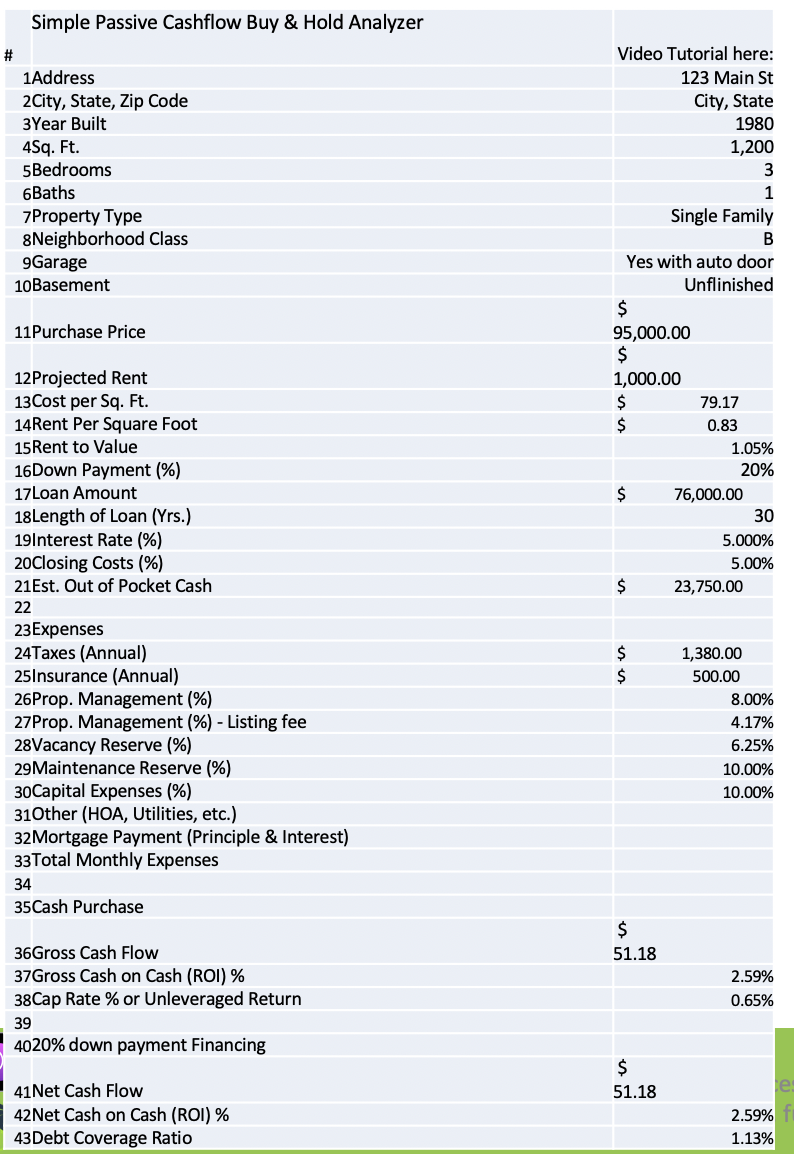 The trouble is that an unsophisticated investor or an outsider (in terms of having a poor network) is figuring out which of these deals transcends the two sides of coin and is on the edge. Stating the obvious (though often ignored by many)… starting out as an investor is going to be slim-pickin’s due to the lack of network. But you have to push through this rough part. You are not able to decode the noise until after a few deals or having someone mentor you.